

Three and a half years ago, we embraced a new chapter in our lives, downsizing from a sprawling 3150-square-foot residence to a more intimate 1400-square-foot home. This transition wasn’t just about moving to a smaller footprint; it was a deliberate shift towards more intentional living, and it quickly taught us a valuable lesson: smart storage solutions are absolutely essential. While clever storage undeniably makes compact living more sustainable and enjoyable, we’ve discovered that certain architectural layout features of our house have been instrumental in making our reduced square footage feel far more expansive and harmonious than we ever anticipated. These design choices have proven to be the secret sauce to “living large” in a significantly smaller space.

For anyone contemplating a downsize, considering a new home with specific layout details, embarking on a new build, or simply curious about how to maximize smaller living spaces, we’ve compiled a comprehensive list of our favorite “living-larger-in-a-smaller-home” features. These aren’t just minor conveniences; they are foundational elements that profoundly impact daily life and overall comfort. Furthermore, we’ll conclude with a crucial caveat – a design consideration that’s surprisingly central to our experience and definitely worth pondering if you’re making significant layout decisions or changes. Our aim is to provide practical insights that transcend mere aesthetics, focusing on functionality and the tangible benefits of thoughtful design in compact homes, empowering you to create a home that feels perfectly tailored to your needs, regardless of its size.
#1: Thoughtful Separation Between Bedrooms for Enhanced Privacy and Tranquility
This particular feature tops our list for a compelling reason: it has fundamentally transformed our experience of sharing a smaller home. After experiencing this level of bedroom separation, it’s hard to imagine ever reverting to a layout that lacks it. The beauty of our current 1400-square-foot home lies in the fact that none of our three bedrooms share a common wall. Our children’s bedrooms are strategically positioned with a hallway buffering them, providing a crucial acoustic and physical buffer. Meanwhile, our primary bedroom is situated on the entirely opposite side of the house, offering maximum distance and privacy. Crucially, all our bedrooms are conveniently located on the first floor, enhancing accessibility without sacrificing separation.

This deliberate separation contributes immensely to a sense of individual privacy and tranquility for every family member. It significantly reduces the likelihood of anyone being disturbed by sounds from another room. For instance, my partner and I can enjoy an evening movie or share a hearty laugh without the constant worry of waking the kids. Similarly, our children benefit from this design; they can listen to their own music, podcasts, or audiobooks in their rooms without sound bleeding through shared walls, fostering a sense of personal space even in a smaller dwelling. This thoughtful layout helps alleviate the common concern among those in smaller homes about feeling “on top of one another.” Unlike our first home, which, despite similar square footage, had all three bedrooms clustered at one end of a shared hallway, our current setup feels expansive.

Even in our previous, much larger house, our son’s room shared a wall with ours, highlighting just how impactful this specific layout detail is. This deliberate spatial arrangement fosters a greater sense of personal space and autonomy, making our 1400-square-foot home feel considerably more spacious and luxurious, allowing each family member to retreat and recharge without constant intrusions. It’s a testament to how intelligent design can elevate daily living, proving that true comfort isn’t just about sheer square footage, but about how that space is intelligently distributed and utilized to enhance privacy and peace.
#2: The Strategic Advantage of Two Distinct Living Areas (One On Each Level)
This particular feature was an unexpected revelation, defying our initial design instincts entirely. Our original vision for the expansive 22-foot common area downstairs (comparable in size to the very large kitchen in our previous home) was to dedicate it solely to a kitchen and dining space, with a generous living room exclusively upstairs. We genuinely hadn’t considered allocating half of this ground-floor space to a dedicated hangout zone, complete with comfortable sofas and a coffee table. Yet, that’s precisely where we landed, and it has proven to be an absolute game-changer, fundamentally enhancing our home’s functionality and preventing any sense of feeling cramped, even when hosting over ten guests. This dual-zone approach has become a cornerstone of our harmonious living experience.
When we finally embarked on our kitchen renovation last year, we formally acknowledged and cemented the casual sitting area’s role on that side of the room, largely because of its heavy, consistent use over the preceding two years. This year, we further optimized the space by investing in two larger sofas, transforming it into an even more inviting and lounge-worthy retreat. This decision, I can confidently say, was one of the best we’ve ever made for our home. While the upstairs common area serves as an excellent, casual TV room, art space, and all-around hangout zone (a topic we’ll delve into in the next point), it’s the downstairs sitting area that truly anchors our daily family life.

This centrally located space is heavily utilized by our entire family every single day, as well as by any visitors. It offers a perfect spot to relax, read, or engage in conversation, distinct from the TV-centric upstairs. Its prime location ensures that the majority of our family time—from busy mornings before school and leisurely weekends to evenings before and after dinner—is spent right here. It’s fascinating how a smaller home might lead one to believe that duplicating zones, such as having two sitting areas, would be an inefficient use of precious space. However, after years of living with this setup, we wholeheartedly disagree. The strategic placement of these living zones on different floors allows for unparalleled flexibility.

Adults can comfortably gather downstairs in the kitchen/sitting room, enjoying conversation or quiet time, while a lively group of children can be upstairs, engrossed in a loud game, music, or a movie, all without disturbing one another. This separation is invaluable. Even for just the four of us, this layout is superb for allowing us to spread out. One child can watch TV upstairs while the other focuses on homework or reading at the kitchen table downstairs, free from distractions. We genuinely cannot imagine our home without this downstairs sitting area and are incredibly relieved we didn’t simply place a dining table there. It’s a powerful demonstration of how intelligently designed dual living zones can make a smaller home feel immeasurably more expansive and accommodating, fostering both togetherness and individual space.
#3: The Versatility of One Big, Flexible Multi-Use Area for Dynamic Living
While neither of us has owned a home with a basement as adults, we both cherished basements during our childhoods – those magical spaces perfect for sleepovers, movie nights, messy art projects, epic pillow fights, and constructing magnificent blanket forts. Our current home, though lacking a traditional basement, features an entire second floor dedicated to one expansive room, approximately 22 feet long (mirroring the dimensions of our kitchen below). In essence, it functions as a highly versatile “upstairs basement” – a concept that has proven to be extraordinarily useful for our family.

The core benefit of this large, flexible space is its remarkable ability to fulfill a multitude of functions simultaneously. It effectively replaces what would have been three distinct rooms in our previous, larger house, and even adds an extra zone we didn’t have before! We affectionately call it our “family room,” but its capabilities extend far beyond a single label, encompassing a dynamic range of activities and needs for all ages. It truly embodies the spirit of maximizing every square foot in a compact design.

This incredible room effortlessly transitions between:
- A Fully Functional Home Office: Both of us utilize laptops that can be easily set up at the desk by the window. All our work-related paperwork is neatly organized and stored within the bookcases, which feature a total of eight drawers flanking the desk, keeping the space uncluttered and efficient.
- A Dedicated Kids’ Craft Room: Equipped with a spacious double desk, this area is a creative haven for our children. It boasts twelve drawers specifically designed for craft supplies and an expansive 8-foot-long counter, perfect for spreading out projects without encroaching on other living spaces.
- A Dynamic TV Hangout Space & Sleepover Hub: Thanks to an extra-long sofa, a large area rug, and a movable ottoman, this side of the room is incredibly flexible. It’s ideal for family movie nights, gaming sessions, or easily transforming into a comfortable sleeping area for guests and sleepovers.
- A Piano Practice Zone: One of our children takes piano lessons, and this room provides a dedicated spot for their keyboard and bench. This bonus zone is something our last house simply couldn’t accommodate, highlighting the efficiency of this multi-purpose design.
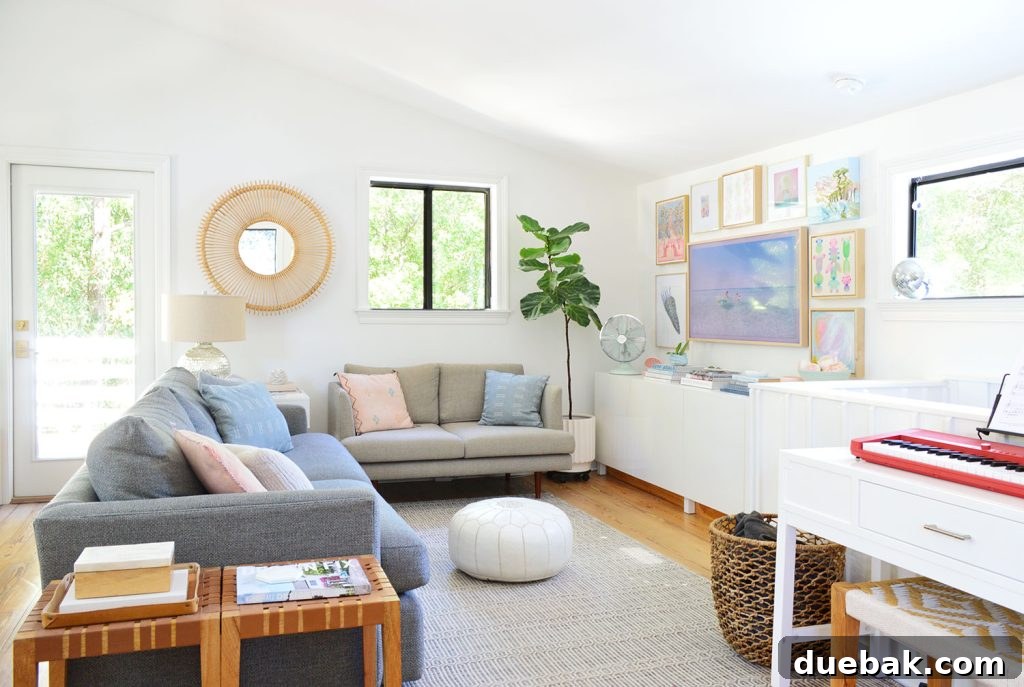
In essence, this single, large room brilliantly accommodates a spectrum of activities, from boisterous piano practice and sprawling floor art to the construction of magnificent blanket forts and lively movie nights with friends. Its upstairs location is key; it ensures that all these potentially loud or messy activities can unfold without spilling over or disrupting the tranquility of the rest of the house. When we entertain, the kids naturally gravitate upstairs, leaving the adults to congregate comfortably in the kitchen and downstairs sitting area. This distinct zoning reinforces the feeling that we are not all “on top of each other,” even in a smaller home. It’s a testament to how a single, intelligently designed flexible space can vastly expand the functional capabilities and perceived spaciousness of a compact dwelling, offering unparalleled utility and maintaining household harmony.

#4: Maximizing Living Through Ample and Diverse Outdoor Spaces
Despite this lot being a mere tenth of the size of our previous property (it’s true – our current lot is around 1/10th of an acre, while our last house sat on a full acre!), we’ve ingeniously squeezed every possible ounce of function out of it. Another crucial factor contributing to the expansive feeling of our home is the abundance and variety of our exterior spaces. These outdoor zones are not mere afterthoughts; they are integral extensions of our living area, designed for a wide array of activities and relaxation. They offer distinct environments for different moods and needs, dramatically enhancing our ability to spread out and enjoy our surroundings.
- A charming front porch, complete with a serene hanging daybed and two inviting rocking chairs, serves as a tranquil spot perfect for reading, relaxing, or enjoying the neighborhood’s gentle rhythm.
- Directly off the kitchen, a highly functional kitchen porch boasts ample storage solutions and a convenient grill, making outdoor dining and entertaining incredibly seamless.
- An expansive upstairs deck, nearly as large as our family room, acts as a third living space, perfect for larger gatherings, al fresco dining, or simply enjoying the elevated views.
- Our incredible backyard pool area, which we recently doubled in size and function, features a cozy firepit area, a full outdoor dining table, and a dedicated lounge space by the pool, creating a resort-like atmosphere for relaxation and recreation.

We’ve comfortably hosted as many as 20 people in our pool area, with seating available for 19, unequivocally demonstrating how these diverse spaces provide abundant options for spreading out. Whether it’s retreating to the hammock for a quiet read when the indoors gets lively, taking my laptop to the upstairs deck for a change of scenery or a conference call, these zones offer invaluable flexibility. The warmer climate here, compared to our previous home further north, also allows us to cleverly offload some interior functions to these outdoor areas. For example, we keep our shoes organized in the outdoor cabinets on our kitchen porch, thereby freeing up crucial storage space inside the house.
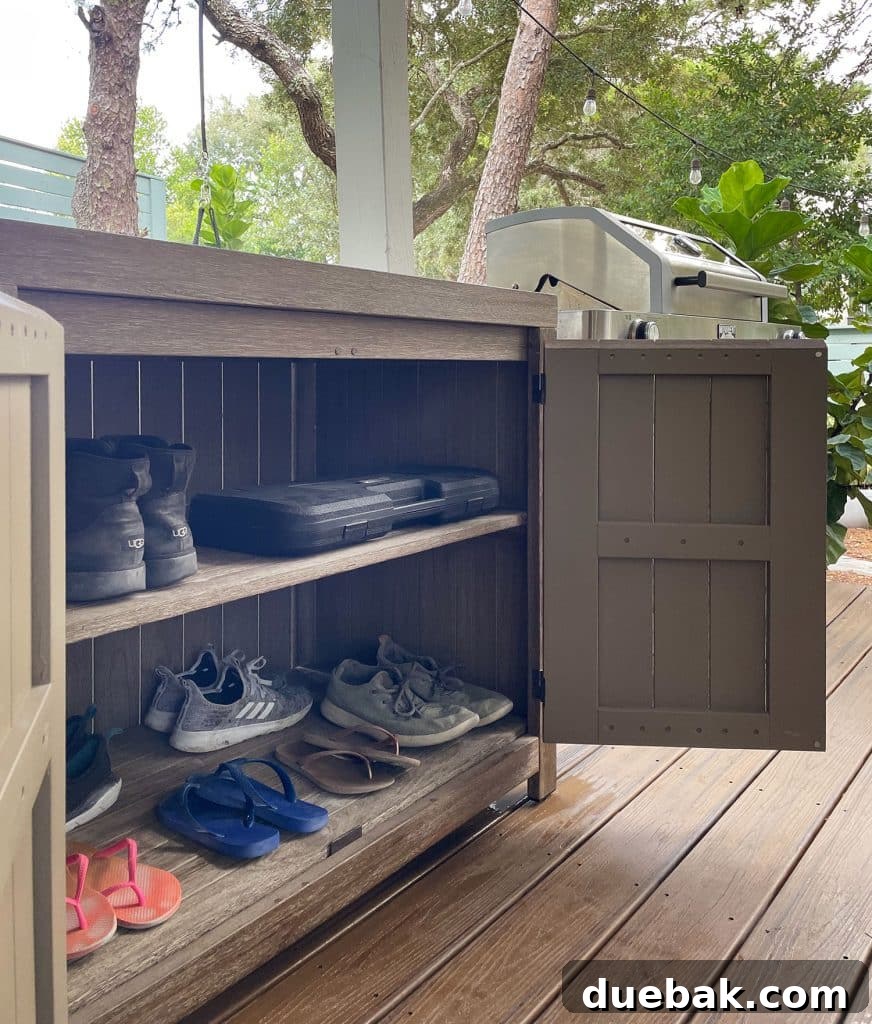
Furthermore, we relocated a large water heater from an interior kitchen closet to the exterior of our house by converting to a tankless system, which instantly created a highly functional interior utility closet with expanded storage capabilities. When we purchased this house, we underestimated the profound impact that a variety of outdoor spaces, each with distinct functions and strategically located (off the front, side, back, and even the second floor), could have. These thoughtfully designed exterior zones collectively contribute to a powerful illusion: making our 1400-square-foot home feel significantly larger than its actual dimensions, thanks to the multitude of spaces into which we can seamlessly expand our daily living and entertaining.

#5: The Illuminating Power of Abundant Glass for a Bright and Open Feel
For its relatively modest size, our 1400-square-foot home boasts an extraordinary number of windows and exterior doors. Remarkably, we have four times as many exterior doors here compared to our sprawling previous house (12 versus 3), despite our current home being less than half the size. Crucially, all these doors feature full glass panes, further enhancing the transparency and light flow. The benefits of this generous use of glass are twofold, each contributing significantly to the overall sense of spaciousness and well-being within our compact dwelling. It’s a design choice that fundamentally redefines how the home feels and functions.

Firstly, the sheer volume of glass allows for an incredible influx of natural light, permeating every corner of our home. This abundance of daylight instantly makes all our rooms feel significantly brighter, more airy, and inherently less cramped than they might otherwise. Natural light has a powerful psychological effect, fostering a sense of openness and reducing any feelings of confinement, which is particularly vital in a smaller footprint. Secondly, and equally important, all these strategically placed windows and glass doors draw your gaze outward, extending beyond the physical walls of the house. This visual connection to the surrounding environment creates a profound sensation that the outside world is an integral extension of our interior floor plan. It blurs the lines between indoor and outdoor living, making each room feel considerably larger and more expansive than its actual dimensions.
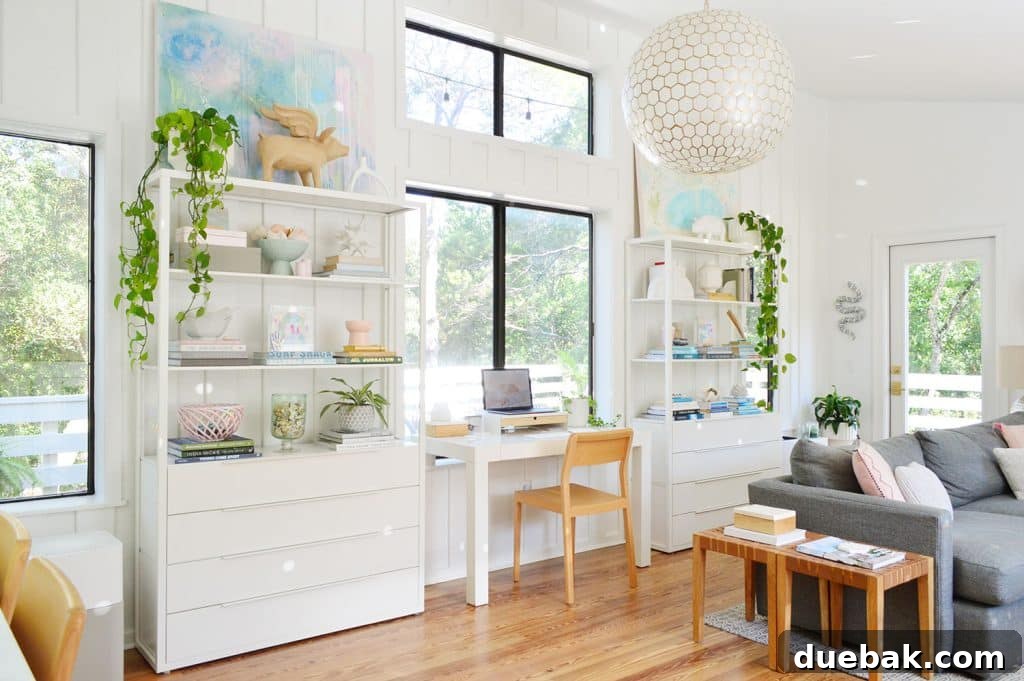
This optical illusion is precisely why we’ve consciously chosen not to install window coverings on anything except for the essential smart blinds and blackout curtains in the bedrooms, where privacy and light control are paramount for sleep. This phenomenon of so much glass letting in so much light was, remarkably, a delightful surprise upon moving in. On the day we purchased the house, it was rainy and overcast, and the windows were obscured by numerous janky blinds. Based on that initial impression, we genuinely expected the house to be quite dark. Discovering the sheer brightness and openness on our move-in day was an unexpected and profoundly welcome revelation, transforming our perception of the home and underscoring the power of natural light in small space design.
#6: Strategic Prioritization of “Space To Live In” Over “Space To Pass Through”
Allow me to elaborate on this concept, as it might initially sound counterintuitive or perhaps difficult to articulate. In essence, our house allocates very minimal square footage to areas solely dedicated to transitioning from one room to another. Beyond the short hallway separating our children’s bedrooms and the narrow staircase leading to the upstairs family room, there is remarkably little wasted space in terms of pure circulation. This deliberate design choice represents a philosophical shift in maximizing every inch of our 1400-square-foot home, ensuring that the vast majority of our floor plan is functional living space, rather than just corridors for passage.
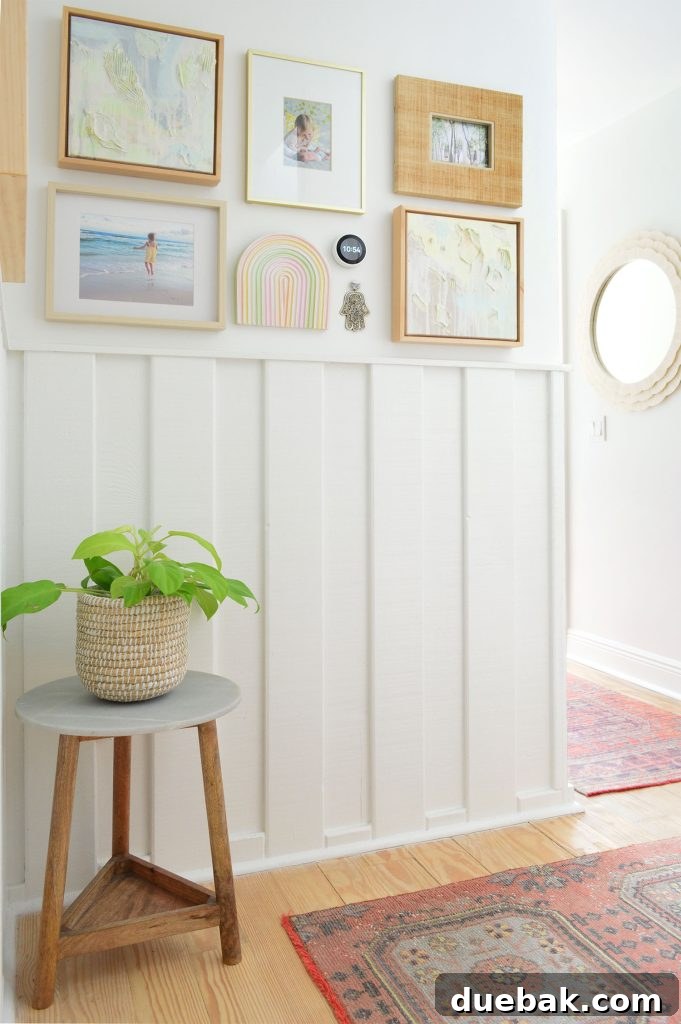
One might assume this is an inherent characteristic of any smaller home, but I’ve encountered numerous modest residences that still feature long, winding hallways, grand, defined foyers, or elaborate open staircases. While such architectural elements can undoubtedly be beautiful and necessary in larger or more traditional homes, in a compact living environment, they can swiftly consume valuable square footage that could otherwise be utilized for functional living areas. Our design philosophy was to consciously trade off these transitional spaces for more “livable” zones. For example, if we had opted for a grander staircase that opened majestically to our kitchen and overlooked the room, it might have offered an airy aesthetic. However, this would have come at the significant cost of losing an entire 10-foot run of essential kitchen cabinetry and a prime spot for our built-in refrigerator.
In this scenario, our preference was overwhelmingly clear: we prioritize the floor-to-ceiling pantry cabinet and our integrated fridge over the visual drama of open stairs. Similarly, we would much rather have the functional sitting area integrated into our downstairs kitchen than a dedicated, formal foyer. This decision mirrors our willingness to sacrifice a long hallway for virtually any other space that our family can actively use and enjoy. You might recall that our previous, much larger house featured an incredibly long upstairs hallway and a generously sized foyer. These elements made perfect sense for that expansive home and its architectural style.
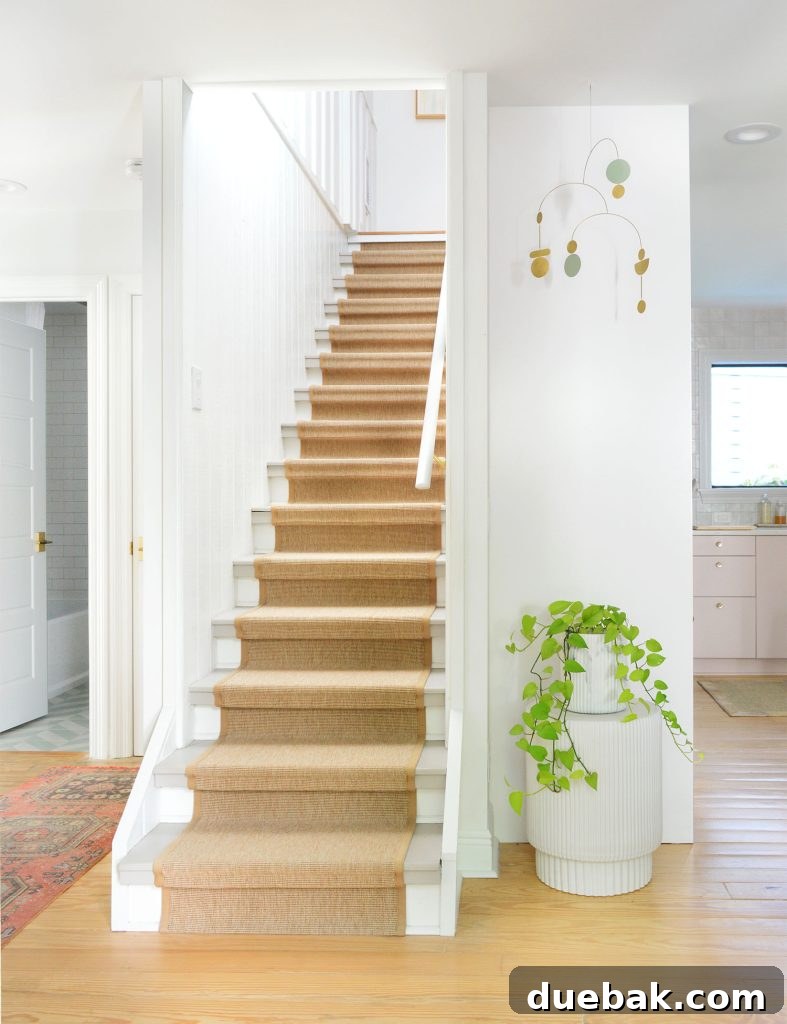
However, in our current smaller abode, we are profoundly grateful that the majority of our square footage is designed to be multi-functional, offering active living zones rather than simply being an entry point or a long passage. This is precisely what I mean when I emphasize that minimizing transitional spaces in favor of gaining more actual “hangout” or functional living space can be an immense advantage in a smaller house. It’s about making conscious design decisions that prioritize how you live in a home, ensuring that every square foot serves a purpose and contributes directly to the comfort and efficiency of daily life, ultimately creating a more livable and enjoyable environment, irrespective of its overall size.
One Crucial Layout Warning: A First-Floor Bedroom Directly Off The Main Living Space
While we absolutely adore the bedroom layout in this house (it’s our #1 feature for a reason!), there’s one aspect that has surprised us in how our family uses the space. Though it works exceptionally well for us, and let me reiterate, we wouldn’t change it, this particular design choice could indeed be a significant drawback for others, depending heavily on individual preferences. The caveat is this: since our primary bedroom is located directly off the downstairs main living area, it sees considerably more family activity throughout the day than our old bedroom ever did. This proximity creates a unique dynamic that blurs the lines between a private sanctuary and a communal family zone, something prospective homeowners should seriously consider.

In our previous house, our primary bedroom was strategically located upstairs at the far end of a long hallway. This meant we primarily used it for sleeping and getting ready in the mornings. We’d wake up and go to bed there, but throughout the day, we were rarely found in that room, preferring the main living level downstairs. While it wasn’t strictly off-limits to our children, there was little reason for them, or even us, to venture into it during daylight hours. It truly felt like a secluded, private retreat. In stark contrast, our current bedroom, being downstairs and adjacent to the main living area (where our kitchen and frequently used sitting area are), naturally draws everyone in much more often throughout the day. It’s not uncommon to find the kids sprawled on our bed, petting the dog, or quietly reading in the swivel chair by the fireplace. Both Sherry and I occasionally work in there, utilizing the table or swivel chair when we need a quiet spot with the door closed for a private call or Zoom meeting. We even enjoy assembling puzzles at the table with the kids, fostering a sense of shared enjoyment in a space traditionally considered personal. In fact, our son emphatically ranked the swivel chair in our bedroom as his absolute favorite summer reading spot, winning the entire bracket!

For us, these are not negative aspects; instead, it feels like an efficient and flexible way to share the largest three rooms in the house, rather than cordoning one off entirely for ourselves. However, it is entirely accurate to state that our bedroom frequently feels more like a communal space than a purely private one, at least until the end of the day when the kids are tucked into their beds on the opposite side of the house. That’s when it finally reverts to feeling wonderfully private, echoing the benefits described in point #1. Therefore, if you are someone who deeply values the feeling of having a bedroom sanctuary—a completely kid-free zone to retreat to throughout the day (again, no issues after dark, but during active “hangout hours,” ours definitely sees traffic)—I would caution you that this layout inherently draws people into the room all day long. One could even argue that some of this communal pull might be furniture-related; perhaps without a cozy swivel chair or a tempting puzzle table by the fireplace (or a sweet, cuddly dog), the outcome might be different, leading to less daytime use.
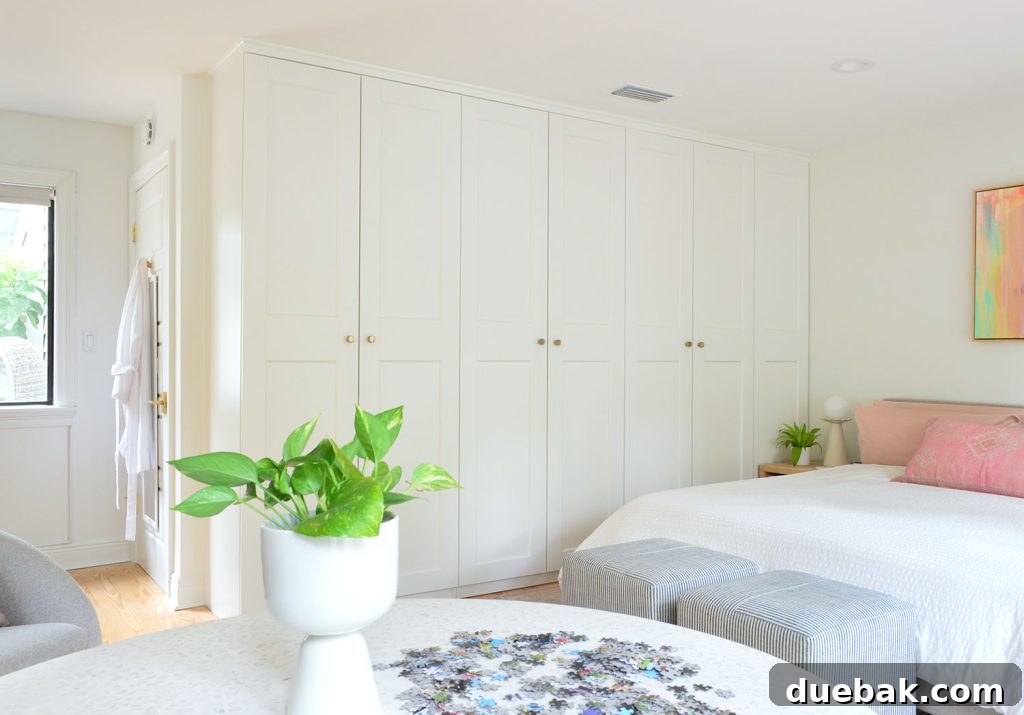
Of course, one could always resort to posting one of those classic “KEEP OUT” signs that angsty sitcom teenagers put on their doors, or even establish strict rules to deter others from entering the room. In our case, however, we’ve just invested in a new puzzle for the puzzle table, embracing the communal spirit of our unique bedroom layout.
*This post contains affiliate links, so we may earn a small commission when you make a purchase through links on our site at no additional cost to you.