
Does Your Home’s Style Betray Its Age? Unmasking Outdated Features and Embracing Modern Elegance
Just like a well-tailored suit or a timeless dress, the aesthetics of your home—from its color palette and lighting to its decorative elements—play a crucial role in its overall impression. A house, much like a person, can inadvertently reveal its age through certain design choices, appearing dated, worn, or simply out of sync with contemporary tastes. As a designer, I frequently encounter features that instantly signal a home belongs to a bygone era, whether I’m preparing for a new design project or simply browsing real estate listings. While a seasoned professional can envision the transformative potential behind these elements, many homeowners or prospective buyers might feel daunted by the prospect of tackling what seems like a major overhaul. The good news is, identifying these common culprits is the first step towards creating a more modern, refreshed, and valuable living space.
Modernizing your home doesn’t always require a complete gut renovation. Often, focusing on specific outdated elements can dramatically uplift your interior, enhance functionality, and even increase your property’s market value. If you’re looking to banish the ghosts of design past and infuse your home with a vibrant, contemporary spirit, here are some of the most prominent features that often scream “outdated” and how to update them with style and sophistication.
-
The Sunshine Ceiling: Banishing the Fluorescent Box
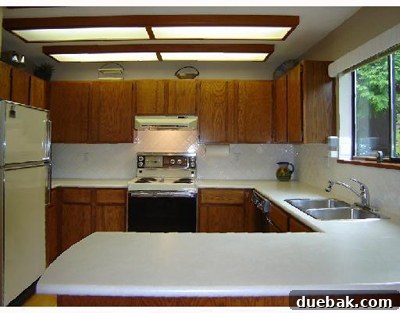
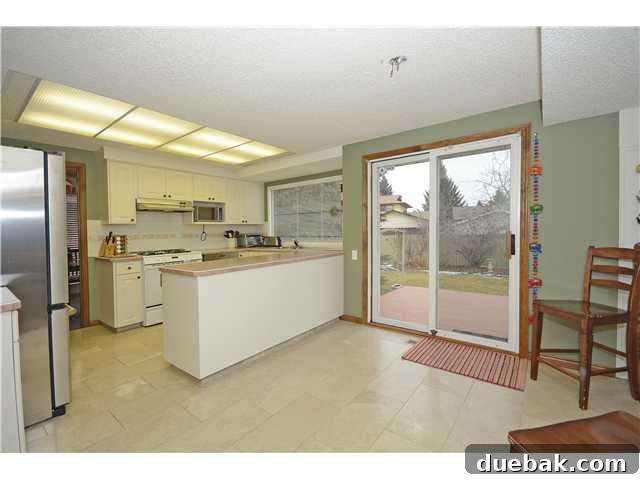
If you didn’t grow up with one, you might be scratching your head. The “sunshine ceiling,” also known as a light box or fluorescent ceiling fixture, is that large, often cumbersome drop-down box from the kitchen ceiling, housing fluorescent lights behind a translucent panel. Popular in kitchens and sometimes bathrooms from the 1970s through the early 1990s, these fixtures were initially designed to provide ample, diffused light, mimicking natural daylight. However, their bulky appearance, harsh, unflattering light, and dated aesthetic make them a glaring indicator of an older home.
Beyond their visual bulk, sunshine ceilings often cast a cool, sterile light that does little to enhance the ambiance of a modern kitchen, which increasingly serves as the heart of the home. Removing this behemoth can instantly transform your kitchen from tired to trendy. The process typically involves carefully dismantling the box, which may reveal an unfinished or discolored ceiling area that requires patching and repainting. However, the effort is well worth it.
Modern Alternatives: Once the sunshine ceiling is gone, the possibilities for contemporary lighting are vast and exciting. Consider replacing it with a combination of recessed LED can lights for general illumination, under-cabinet lighting for task-specific brightness, and strategically placed pendant lights over an island or dining area. Pendant lights, in particular, offer a fantastic opportunity to introduce a decorative focal point, adding personality and modern flair. From sleek industrial designs to elegant globe fixtures or rustic farmhouse styles, the right pendant lights can dramatically update your kitchen’s aesthetic, making it feel brighter, more open, and undeniably chic. The improved lighting quality will not only make your kitchen more inviting but also enhance the functionality of your workspace, truly bringing it into the 21st century.

This stunning showhome showcases an elegant ceiling detail that effectively conceals any imperfections left after removing a sunshine ceiling, demonstrating a seamless transition to modern design.
-
Cultured Marble Countertops with Integrated Sinks: A Blast from the Past
In their heyday, cultured marble countertops with built-in sinks were considered a practical and durable alternative to laminate. They offered a seamless, easy-to-clean surface, free from grout lines, and initially came in muted, appealing tones. However, like many good things, they were eventually overdone. The trend quickly spiraled into an era of bold, often garish colors—think avocado green, harvest gold, or even vibrant blues—and bizarre, ornate shapes, including infamous shell-shaped sinks that offered more novelty than functionality or timeless appeal. These one-piece sink and counter units, especially in their more flamboyant iterations, are now an undeniable hallmark of a dated bathroom or kitchen.
Beyond their aesthetic shortcomings, cultured marble can sometimes be prone to scratching or staining over time, and once damaged, repairs can be challenging. For any design project I undertake, the integrated marble sink is almost always the first item on the removal list. Replacing these outdated fixtures is one of the most impactful ways to modernize a bathroom or laundry room, instantly elevating its style and perceived value.
Modern Alternatives: When it comes to contemporary countertops, the options are both beautiful and highly functional. For a budget-friendly yet stylish upgrade, consider simple, high-quality laminate countertops in updated patterns and textures that mimic natural stone or wood. For those looking for a more significant investment with excellent ROI, quartz products like Caesarstone are highly recommended. Quartz offers exceptional durability, resistance to stains and scratches, and a wide array of sophisticated colors and patterns. Natural stone options such as granite or marble also provide a luxurious, timeless appeal, though they may require more maintenance. Pairing these new countertops with a sleek, under-mount or vessel sink made of ceramic, stainless steel, or even a complementary composite material will create a clean, elegant, and modern aesthetic that will stand the test of time, proving that functionality and beauty can coexist effortlessly.
This image showcases simple yet elegant laminate countertops used effectively in a modern model home, exemplifying contemporary design by Brooklyn Berry Designs and construction by Sabal Homes.
-
Colored Sinks & Toilets: Why We Left the Rainbow Behind
While the idea of injecting personality into your bathroom with a bold, colored toilet or sink might have seemed appealing decades ago, the reality is that such choices rarely stand the test of time. Pink, avocado, baby blue, or even purple fixtures were once “in,” but they inevitably tie your bathroom to a specific, now-outdated era. What might seem like a fun, quirky idea for a month or two quickly becomes a permanent design anchor that can make your entire bathroom feel old and kitschy. The challenge with colored fixtures is that they are incredibly difficult to coordinate with other evolving design trends, limiting your choices for paint, tiles, and accessories for years to come.
A simple, timeless approach almost always wins in the long run. When it comes to permanent fixtures like commodes and sinks, playing it safe is indeed the smart choice. A classic white or off-white finish offers unparalleled versatility, allowing you to update your bathroom’s look with paint, towels, and decorative accents without having to replace major components. White fixtures reflect light, contributing to a brighter, cleaner, and more spacious feel in any bathroom, regardless of its size.
Modern Alternatives: If your current toilet or sink is anything other than a neutral white or cream, consider replacing it. This isn’t just about aesthetics; modern toilets are significantly more water-efficient than their older counterparts, often featuring dual-flush mechanisms that can save you a substantial amount on water costs over time. Contemporary designs also offer sleeker lines, more comfortable heights, and improved flushing power. Upgrading to a modern white toilet and sink will not only instantly refresh your bathroom’s appearance but also add practical value and efficiency. Embrace the clean, crisp look of white – it’s a foundation that allows endless creative expression through less permanent decor elements, ensuring your bathroom remains stylish for decades.
This brand new bathroom perfectly blends modern and traditional elements, incorporating subtle touches of color without appearing dated.
-
Wallpaper Borders: Relegating the Edge of Design
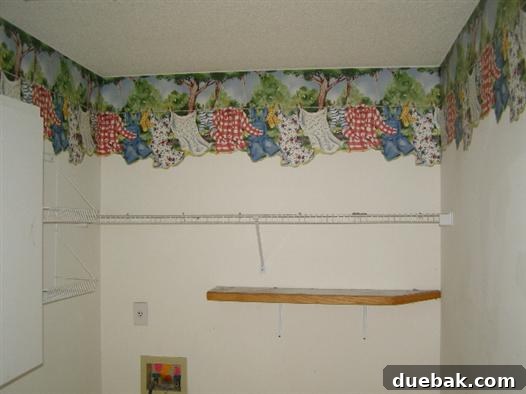
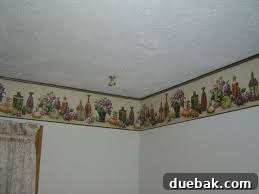
While wallpaper itself has enjoyed a magnificent resurgence in contemporary interior design, its former incarnation—the ubiquitous wallpaper border—remains firmly in the realm of the outdated. These narrow strips, often featuring quaint floral patterns, cartoon characters, or themed motifs, were typically applied around the top 8 to 12 inches of a wall, creating a visual break between the wall color and ceiling. Popular throughout the 1980s and 1990s, wallpaper borders now instantly signal a home frozen in time. They tend to visually chop up a room, making walls appear shorter and the space feel less expansive, contradicting the open, airy aesthetic favored in modern homes.
The updated approach to wallpaper is far more sophisticated and impactful. Instead of a decorative strip, contemporary trends embrace wallpaper as a full-scale feature element, transforming an entire wall into a focal point. This creates depth, texture, and visual interest without overwhelming the space or making it feel compartmentalized.
Modern Alternatives: To modernize your walls, meticulously remove any existing wallpaper borders. This often involves steaming, scraping, and preparing the wall for a fresh finish. Once clean, consider several contemporary alternatives. For a bold statement, opt for a single full accent wall in a bedroom, living room, or even a powder room. Choose a modern wallpaper pattern – perhaps a subtle geometric print, a textured grasscloth, a botanical mural, or an abstract design – that complements your overall decor scheme. Alternatively, a beautifully curated gallery wall with framed art or photographs can achieve a similar focal point effect without the commitment of wallpaper. A fresh coat of paint in a contemporary color palette can also work wonders, especially when paired with elegant crown molding or wainscoting for architectural interest. The key is to think of your walls as canvases for cohesive design, not just spaces to outline with decorative strips.
This year, I designed a home showcasing a beautifully executed accent wall with a sophisticated, single wallpaper pattern, demonstrating how modern wallpaper can elevate a space.
-
Scallop or Balloon Window Valances: Letting Light and Style In
Window treatments are more than just functional; they are crucial elements that frame your views and contribute significantly to a room’s overall aesthetic. Scalloped valances, balloon valances, and other highly ornate, often ruffled or draped fabric swags, were once popular choices for adding a touch of perceived luxury or formality to a room. While they might still find a fitting place in highly traditional, formal spaces like historic venues, grand hotels, or period-specific homes, they look distinctly out of place and heavy in the average contemporary dwelling. In today’s homes, these voluminous fabric treatments tend to block natural light, obscure window views, and create a cluttered, old-fashioned look that conflicts with modern desires for clean lines and understated elegance.
Modern design emphasizes simplicity, functionality, and an airy feel, allowing natural light to be the star. The trend has shifted dramatically towards cleaner, less intrusive window coverings that complement rather than dominate a room’s decor.
Modern Alternatives: Remove those heavy, dated valances and embrace the lightness and versatility of modern window treatments. Simple, full-length curtain panels are a timeless choice, adding softness and color without visual clutter. Opt for panels in natural fabrics like linen or cotton, in solid colors or subtle patterns, hung high and wide to make windows appear larger and ceilings taller. Beyond curtains, consider Roman shades for a tailored, elegant look that can be raised or lowered to control light and privacy. Cellular shades (honeycomb shades) offer excellent insulation and a sleek profile, while roller shades provide minimalist light control. For even greater control and aesthetic appeal, plantation shutters or wood blinds can add architectural interest and classic charm. The goal is to choose treatments that enhance natural light, offer privacy when needed, and integrate seamlessly with your room’s contemporary design, making the space feel open, inviting, and truly updated.
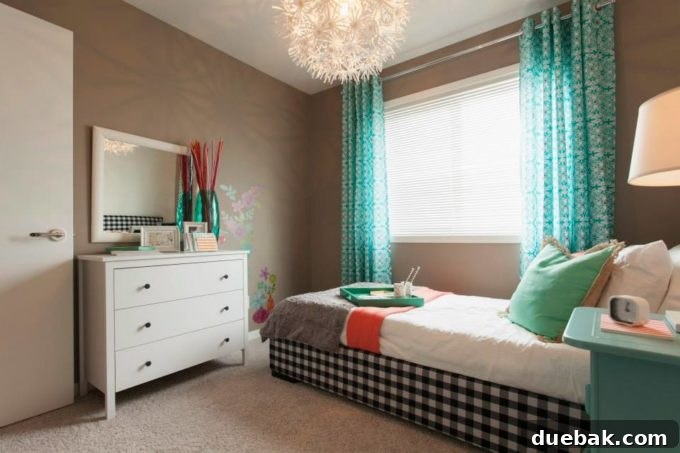
This girl’s room exemplifies modern window dressing with simple, full-length panels that introduce color and style without being over-the-top.
-
Glass Block Windows: From Privacy Solution to Design Dilemma
Glass block windows emerged as a popular architectural feature, particularly in bathrooms and basements, due to their ability to allow abundant natural light to penetrate a space while simultaneously offering a high degree of privacy. They were an ingenious solution for areas like shower enclosures or above bathtubs, where a clear window would compromise modesty. However, what was once a cutting-edge functional design has, over time, become a prominent feature that dates a home. The distinct grid pattern and the somewhat opaque, industrial aesthetic of glass blocks now conflict with modern preferences for expansive views, clearer light, and more refined window styles. Their fixed nature also means no ventilation, which can be a drawback in bathrooms.
While glass blocks certainly fulfilled a need, their rigid form and specific visual texture make them difficult to integrate seamlessly into most contemporary interior designs, which favor sleekness, openness, and connection to the outdoors.
Modern Alternatives: If your home features glass block windows, especially in highly visible areas, consider replacing them to instantly update the space. For bathrooms where privacy and light are paramount, several sophisticated alternatives exist. Frosted or textured glass windows provide excellent privacy without the dated look of glass blocks; they can be integrated into modern window frames for a clean finish. Alternatively, installing a regular window and pairing it with versatile window treatments like top-down/bottom-up cellular shades or Roman blinds offers both light control and privacy on demand. Smart films that can switch from opaque to clear with the flick of a switch are another high-tech option. For basement windows, consider replacing glass blocks with modern, energy-efficient hopper or casement windows that offer better ventilation and a more contemporary appearance. Upgrading these windows will not only enhance your home’s curb appeal and interior aesthetic but can also improve insulation and natural airflow, contributing to a more comfortable and energy-efficient living environment.
Does your house feel new and fresh, or are these common culprits revealing its age? Updating these features can make a monumental difference, not just in how your home looks, but also in how it feels and functions for you and your family. Embracing modern aesthetics and functionality can breathe new life into your living spaces, making them more inviting, efficient, and ultimately, more valuable. If your house needs some updates, or you’re unsure where to begin your journey toward a more contemporary home, don’t hesitate to reach out. I’m always happy to answer your design questions and help you unlock your home’s full potential.