Crafting the Perfect Playroom: Inspiring Design Ideas for Organized and Engaging Kids’ Spaces
As the new year often brings a renewed focus on organizing our homes and lives, the playroom frequently emerges as a primary area for transformation. We understand the challenge: many parents scour the internet for playroom design ideas, only to find options that are either stunningly beautiful or incredibly functional, but rarely both. This article aims to bridge that gap, offering a wealth of cute, practical, and inspiring playroom designs to help you create a space that children adore and parents appreciate for its order.
A well-designed playroom is more than just a place to store toys; it’s a dynamic environment that fosters creativity, encourages independent play, and provides a designated space for children to learn and grow. When planning your basement playroom, a dedicated children’s area, or even integrating play zones into existing family rooms, these ideas will give you a clear goal as you organize and purge toys, transforming clutter into a kingdom of imagination.
This initial inspiration sets the tone for designs that are both visually appealing and highly practical. Achieving a harmonious balance between aesthetics and functionality is key to a successful playroom.
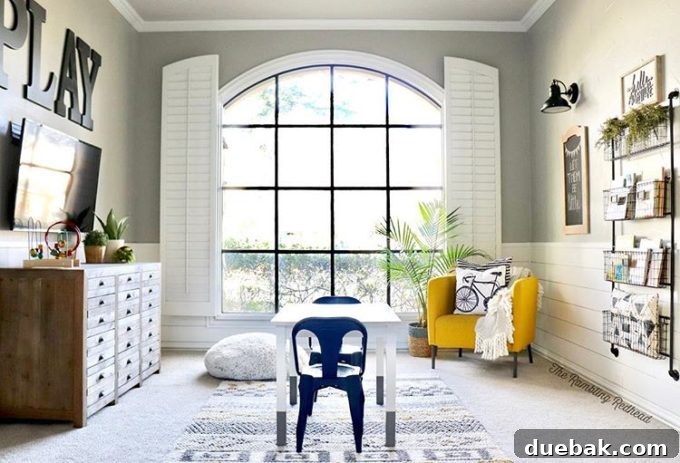
When seeking inspiration for stunning yet practical children’s spaces, Studio McGee consistently delivers. Their approach, as seen in this elegant playroom via Studio McGee, proves that sophisticated design can coexist beautifully with the energetic chaos of childhood. Notice the soft color palette, robust storage solutions, and inviting textures that make this space both calming and conducive to play.
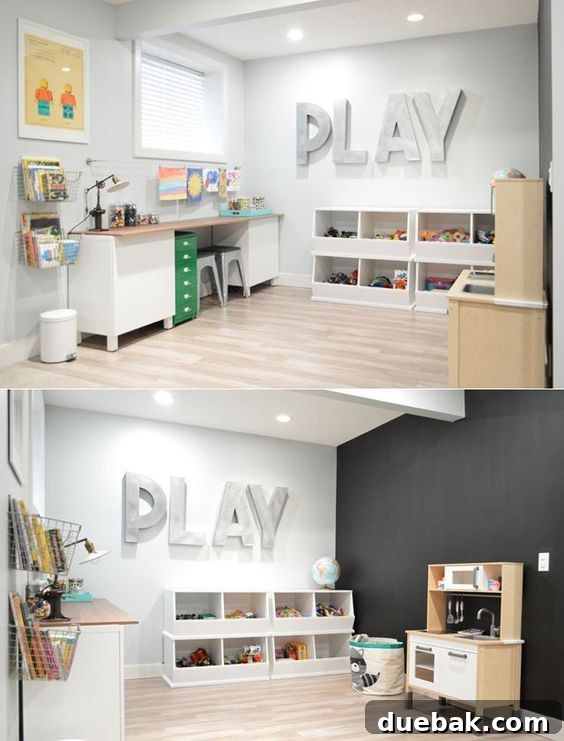
This vibrant space, demonstrating playful yet organized aesthetics, reminds us that even simple touches can elevate a playroom’s appeal. Inspired by designs like those from Sarah Style and the practical advice found on The Happy Housie, it highlights how thoughtful arrangement and accessible storage are paramount in creating a child-friendly environment that encourages tidiness.
The Foundation: Why a Well-Designed Playroom Matters
A dedicated playroom is more than just an extra room; it’s a strategic investment in your children’s development and your home’s serenity. Children thrive in environments that are specifically tailored to their needs, providing them with a sense of ownership and freedom. A thoughtfully designed playroom minimizes clutter in common living areas, encourages imaginative play away from screens, and teaches valuable organizational skills from a young age. It becomes a sanctuary where creativity can flourish without disrupting the main flow of your home, offering a clear boundary between adult spaces and a child’s imaginative world.
Moreover, a well-organized playroom reduces stress for both children and parents. When toys have a designated home, cleanup becomes less daunting, and finding beloved items is quicker. This leads to more harmonious playtime and a generally more peaceful household atmosphere. The goal is to create a space that is not only inviting and stimulating for kids but also easy for adults to maintain.
Balancing Beauty and Practicality in Playroom Design
The quest for a playroom that is both beautiful and practical is a common one. Many parents feel they have to choose between a Pinterest-perfect space and a functional, kid-proof zone. The good news is, you don’t have to compromise. The secret lies in smart material choices, clever storage solutions, and a design philosophy that anticipates both play and organization. Think durable, easy-to-clean surfaces, multi-functional furniture, and aesthetically pleasing storage that blends seamlessly with your home’s decor.
Creating Zones for Every Activity
One of the most effective strategies for a practical playroom is creating distinct zones for different types of activities. Imagine a quiet reading nook with comfortable cushions, an art station with accessible supplies, a building area for LEGOs or blocks, and an active play space for movement. This zoning helps children understand where different activities take place and makes cleanup more manageable, as toys from one zone aren’t constantly spilling into another. Use rugs, shelving units, or even different wall colors to subtly define these areas within the room.
Smart Storage Solutions: Taming the Toy Tsunami
Toy organization is often at the heart of playroom design. Without effective storage, even the most beautifully designed room can quickly descend into chaos. The key is to implement solutions that are both accessible for children and efficient for adults. Think vertical space, hidden compartments, and labeled bins to give every toy a home.
Effective playroom organization, as perfectly demonstrated by Sunny Side Up, revolves around smart storage systems that make tidying up intuitive for children. These ideas focus on visually appealing methods that still manage to keep everything in its place.
Versatile Storage Units: Shelves, Cubbies, and Bins
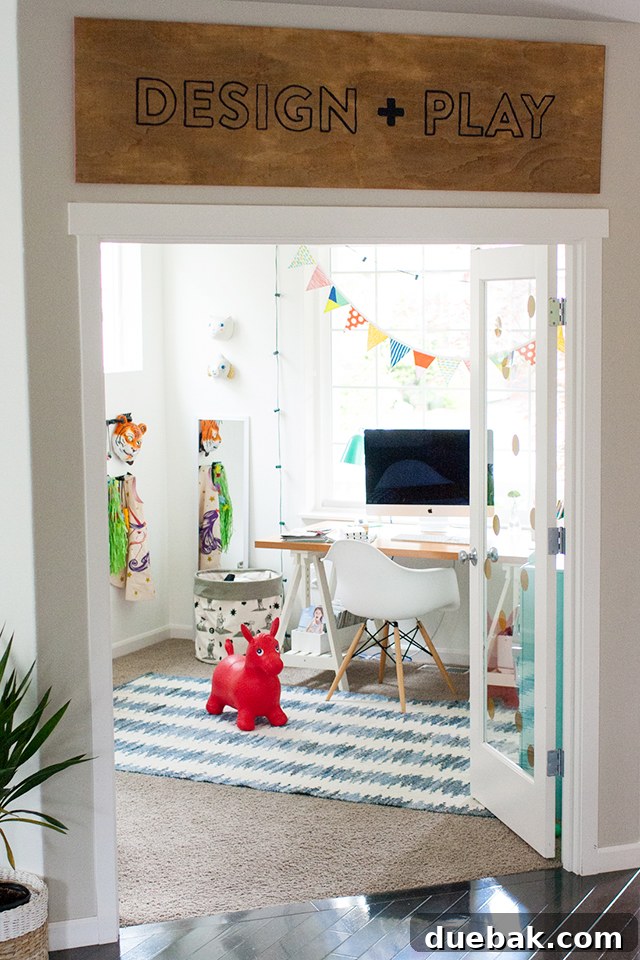
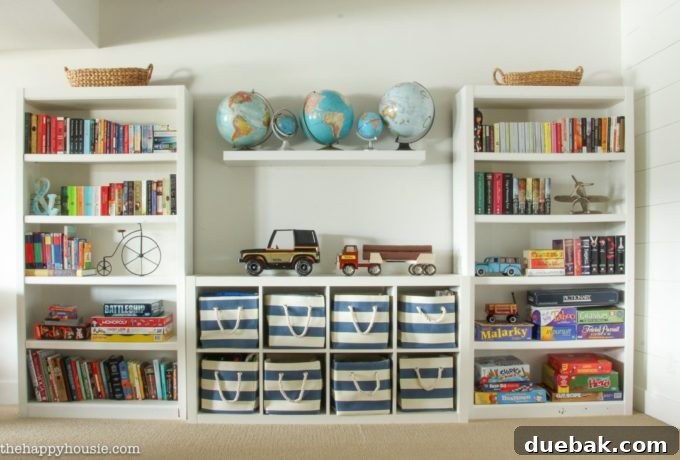
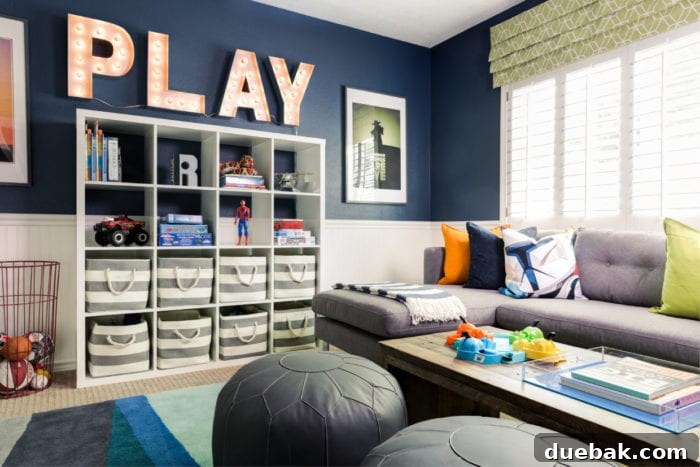
Modular shelving units are the unsung heroes of playroom organization. Take, for example, the ever-popular 8-cube storage shelf, readily available at retailers like Walmart and Amazon. These versatile units are fantastic for housing fabric bins, allowing you to categorize toys by type, color, or even child. When combined with colorful or themed bins, they transform clutter into an organized display, making it easy for children to put toys away independently.
For more inspiration on toy organization even without a dedicated playroom, Making Home Base offers excellent insights into integrating storage into existing living spaces.
Creative Wall Storage and Vertical Solutions
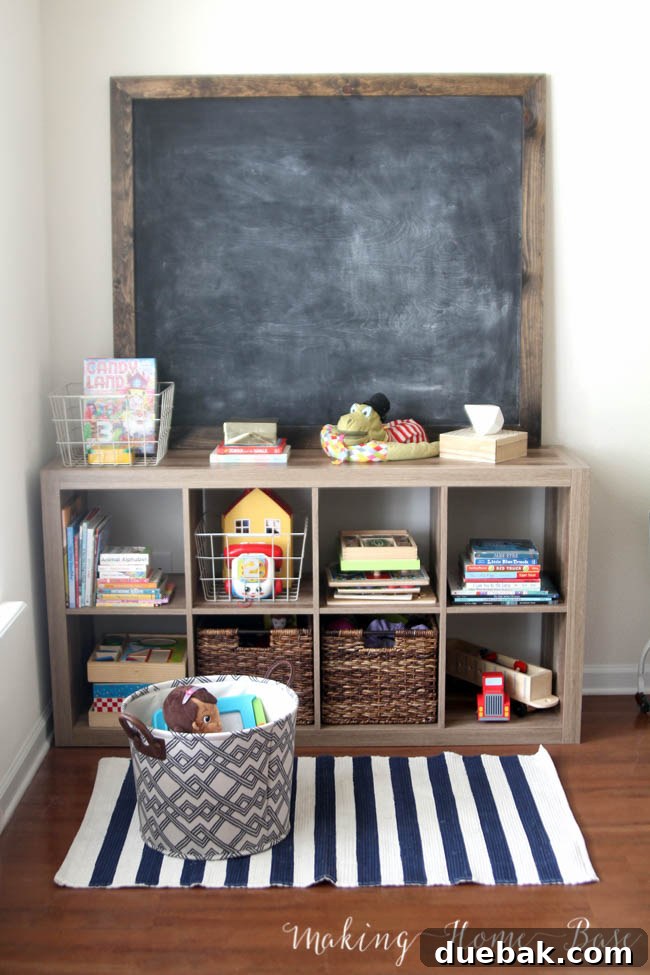
Don’t underestimate the power of vertical space. Wall-mounted shelves, pegboards, and even creative displays can free up valuable floor space while keeping items accessible. For example, Raeann’s playroom office setup cleverly incorporates open shelving above a desk, perfect for displaying books, art supplies, or smaller toys.
When it comes to specialized collections, a dedicated solution can be a game-changer. For fans of foam dart battles, a DIY Nerf Gun Storage Wall, inspired by Inspiration Homemade, turns potential chaos into an impressive display, teaching kids to respect their possessions while keeping them organized.
Labeling for Success: Empowering Kids with Organization
A crucial step in effective toy organization is proper labeling. For younger children, a combination of images and words on labels can be incredibly helpful. You can easily create these custom labels for fabric storage bins using a Cricut cutting machine and vinyl. This method not only makes cleanup straightforward but also helps develop early literacy skills. For a full tutorial on this smart labeling technique, visit Just A Girl And Her Blog.
Designing for Durability and Aesthetics
A playroom needs to withstand significant wear and tear, so material choices are paramount. Selecting durable, easy-to-clean surfaces ensures your beautiful design endures the test of time and enthusiastic play. Yet, durability doesn’t mean sacrificing style; it means making smart choices that blend resilience with aesthetic appeal.
Material Choices: Shiplap Walls and Robust Surfaces
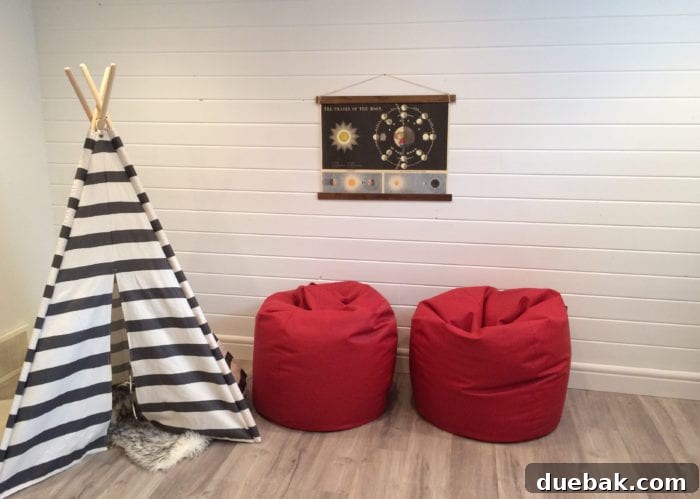
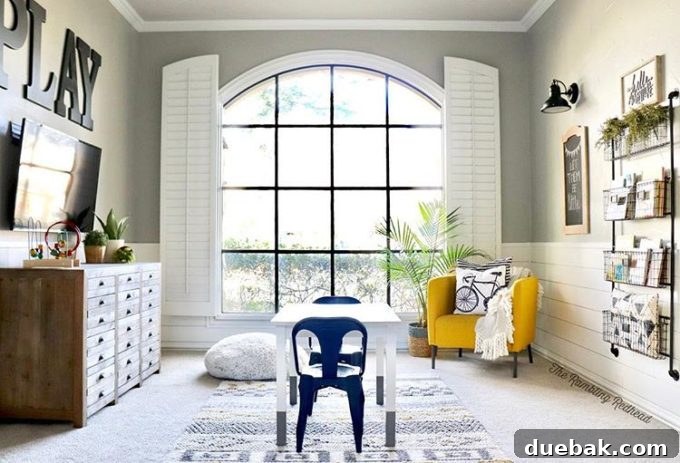
Shiplap walls, as seen in this stylish basement playroom, are an excellent choice for durability and timeless appeal. They provide a sturdy backdrop that can withstand bumps and scuffs, and they add a touch of architectural interest. Coupled with washable paints and robust flooring, such design elements create a foundation that is both practical and beautiful.
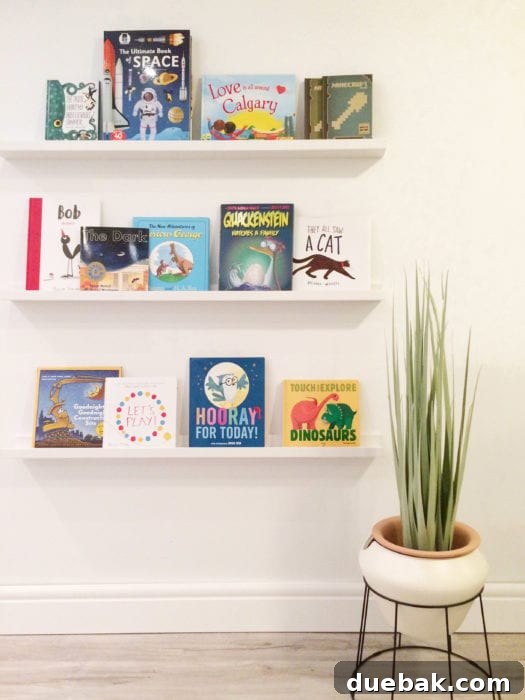
This image suggests a comfortable and stylish area that easily accommodates both children’s play and family relaxation. Integrating play into shared spaces requires thoughtful design, ensuring a seamless blend.
Integrating Play into Family Spaces
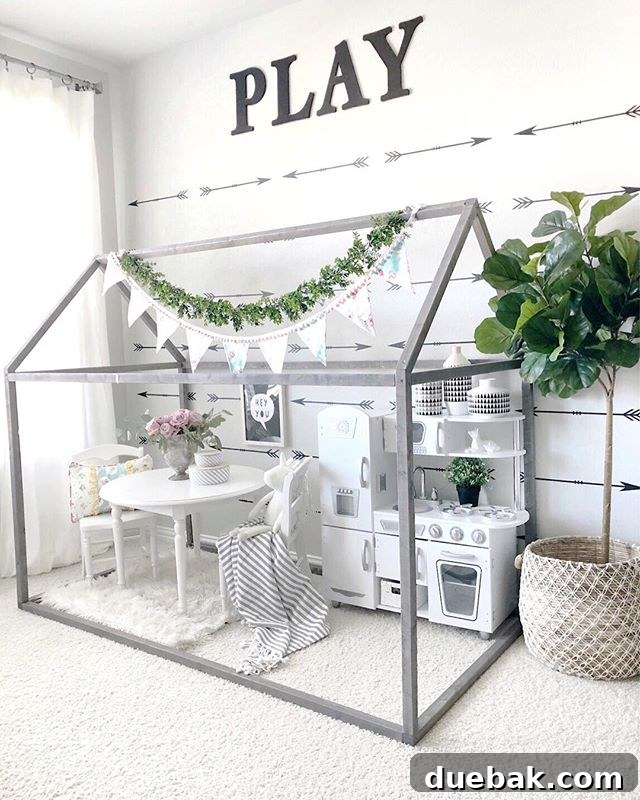
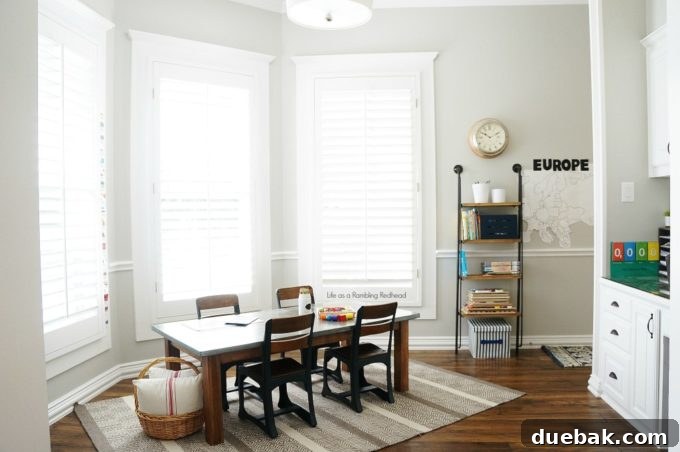
Not every home has the luxury of a dedicated playroom. Many families successfully integrate play zones into larger family rooms or basements. The key is to define these areas with rugs, furniture arrangement, and cleverly disguised storage. Using consistent color palettes or materials across both adult and child zones can create a cohesive look while maintaining functionality for everyone.
Interactive Elements and Creative Zones
Beyond storage and aesthetics, the best playrooms are those that actively engage children and spark their imaginations. Incorporating interactive elements encourages different types of play, from quiet concentration to active movement, ensuring the playroom caters to all aspects of a child’s development.
Wall-Mounted Desks: Maximizing Vertical Space for Creativity
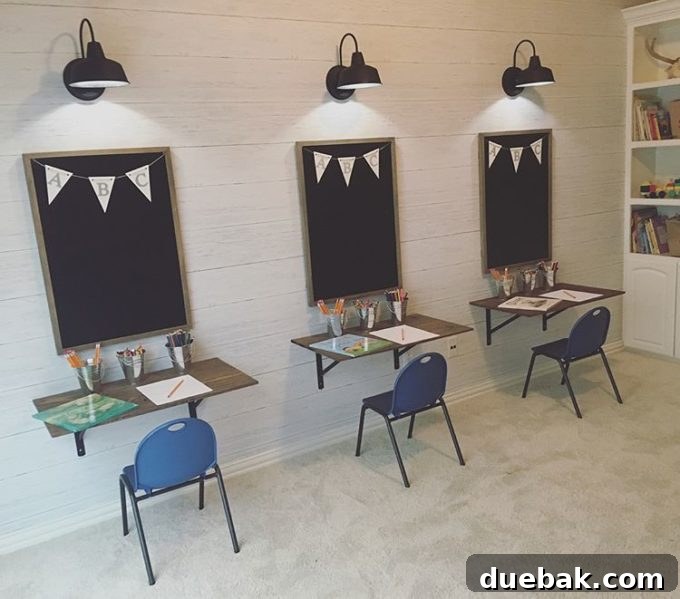
These brilliant wall-mounted desks, as seen via TheBrimfulNest, are an excellent solution for smaller playrooms or for creating dedicated activity zones without taking up precious floor space. They are perfect for coloring sessions, tackling puzzles, or meticulously building LEGO creations, offering a stable and inspiring surface that can be folded away when not in use.
Simple Charm: Adorable and Effective Toy Storage
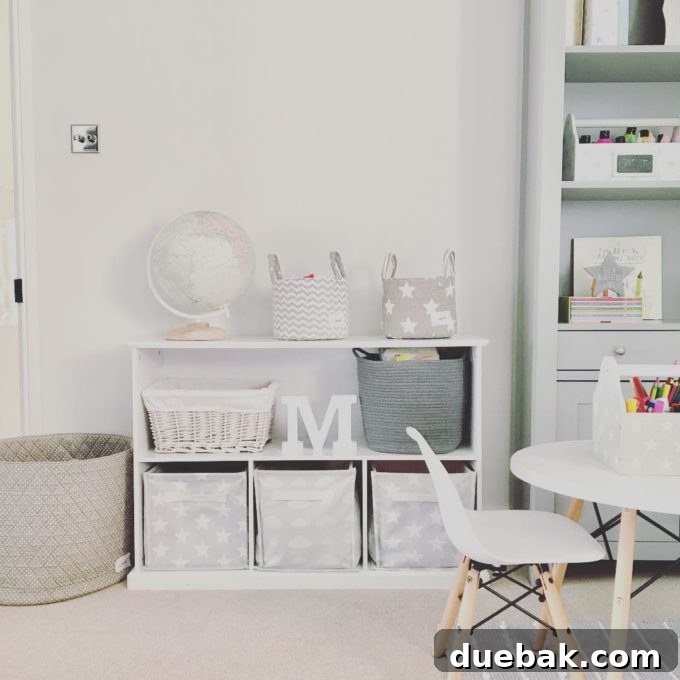
Sometimes, the simplest solutions are the most effective, as this adorable toy storage via All Things Keete demonstrates. Its understated elegance proves that functional storage can also be a delightful design element. And if you spy that awesome light switch, you know that thoughtful details can truly make a space unique and cool!
Modern Playroom Marvels: Ball Pits and Stylish Touches
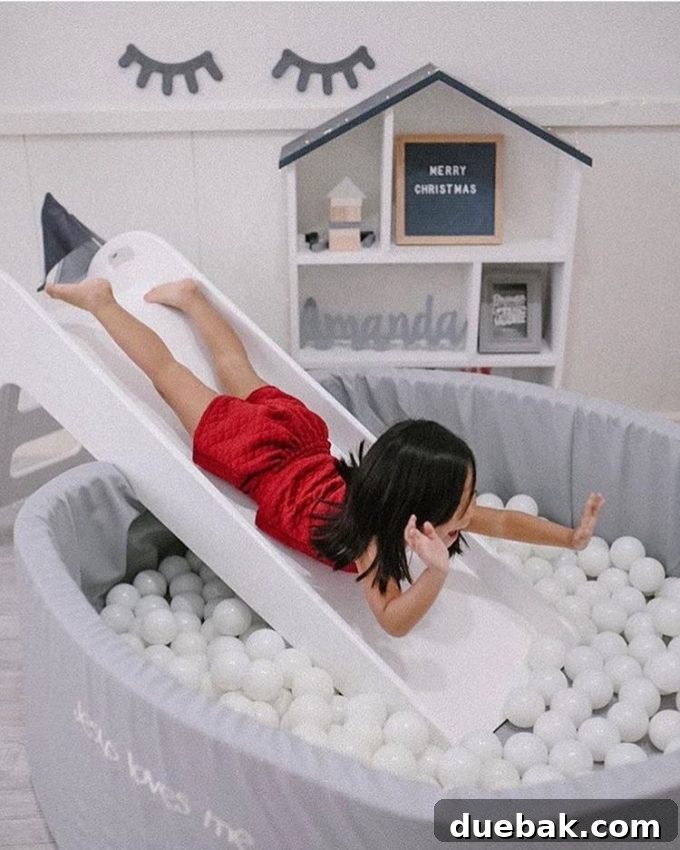
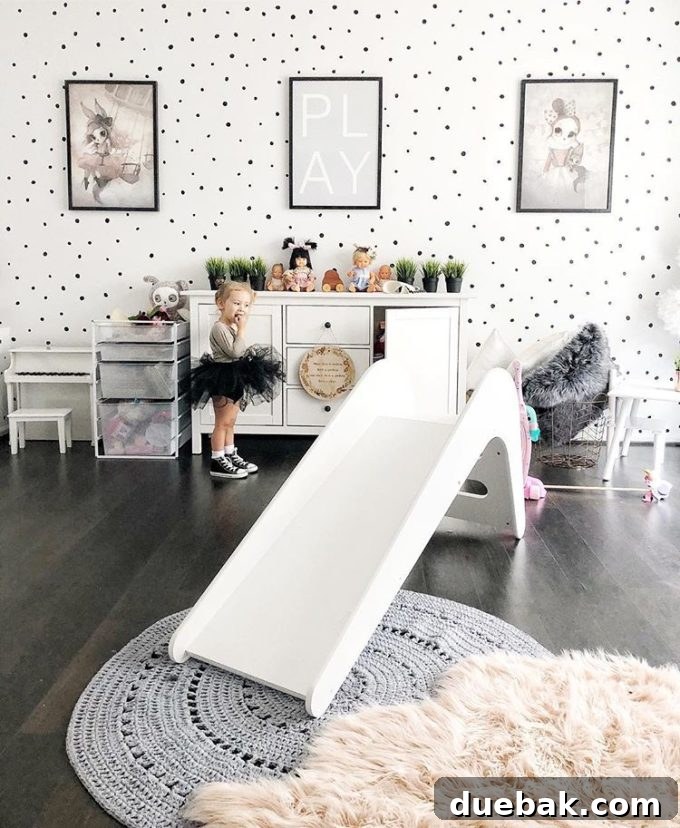
This modern and monochromatic playroom, seen on this Instagram, is an absolute dream for minimalist aesthetics. The all-white ball pit evokes images of soft clouds, playful bubbles, or even giant gumballs, offering a wonderfully sensory and visually calming experience. It challenges the notion that playrooms must be vibrant and chaotic, proving that muted tones can be equally engaging.
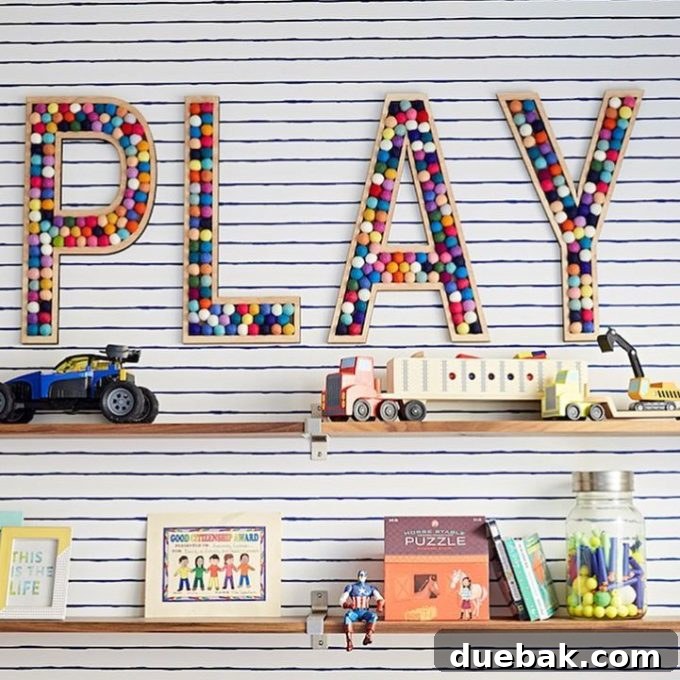
Bringing the Outdoors In: Indoor Swings and Active Play
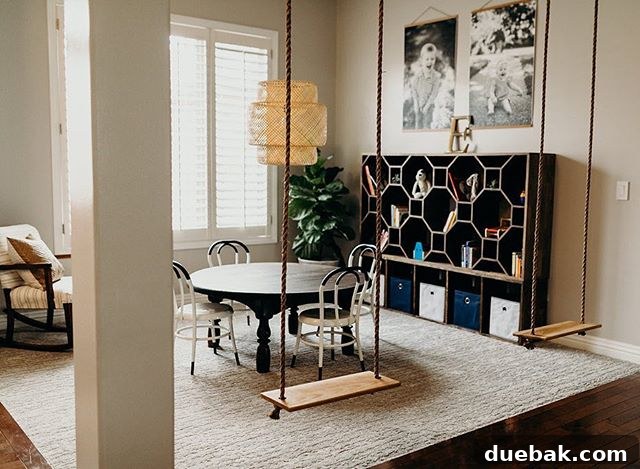
Imagine the pure delight of having indoor swings! This playroom via RefineStudios not only looks incredibly beautiful but also appears to be the epitome of fun. Indoor swings are a fantastic way to encourage active play, develop motor skills, and provide an exhilarating experience, making any parent who installs one undeniably “best mom ever.”
Conclusion: Creating Your Dream Playroom
Designing a playroom that is both aesthetically pleasing and highly functional is a rewarding endeavor. By focusing on smart storage solutions, durable materials, defined activity zones, and engaging interactive elements, you can create a space that not only manages toy clutter but also inspires endless hours of imaginative play and learning. Whether you’re planning a dedicated room, a basement conversion, or a play nook within a living area, these ideas demonstrate that beautiful design and practical organization can, and should, go hand in hand.
Remember, the best playroom is one that evolves with your children, reflecting their changing interests and needs while maintaining a sense of order. Embrace creativity, prioritize safety, and most importantly, have fun crafting a space where your little ones can truly flourish. With these inspirations, you’re well-equipped to turn your playroom dreams into a delightful reality.
Ready to Transform Your Space?
Pin this ultimate guide for later and start planning your perfect playroom: