
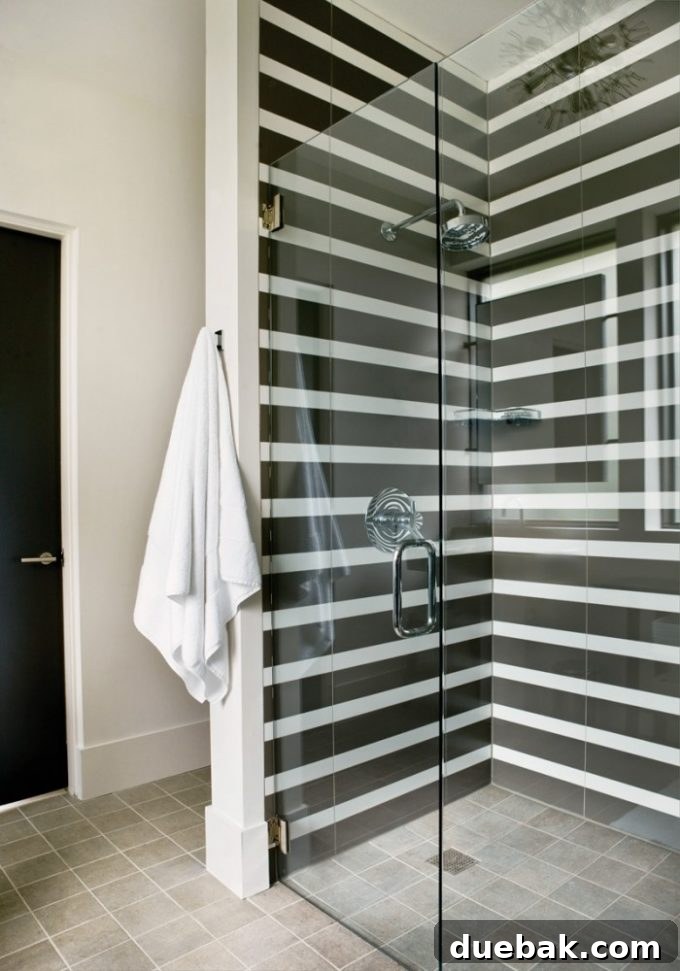
Your bathroom is much more than just a functional space; it’s a sanctuary, a private retreat where you begin and end your day. As you unwind in a warm bath or prepare for the day ahead, your surroundings play a significant role in setting the mood. Are you content with your current bathroom decor, or does the thought of a refreshing bathroom makeover excite you? Investing in new tiles is a fantastic way to revitalize your space, infusing it with a fresh vibe without requiring a complete overhaul of your entire bathroom infrastructure. By embracing the latest tile trends, you can easily transform your bathroom into a stylish haven that reflects your personal taste and offers the ultimate relaxation experience. Whether you’re looking to introduce new colors, textures, or patterns, modern tile designs offer endless possibilities to make your room truly pop.
Updating your bathroom tiles can dramatically alter the aesthetics and atmosphere of the entire room. Tiles are not just a practical choice for their durability and water resistance; they are a fundamental design element that can influence everything from the perceived size of the room to its overall ambiance. From the subtle elegance of a monochromatic scheme to the bold statement of mixed patterns, the right tiles can elevate your bathroom from ordinary to extraordinary. This guide will explore some of the most compelling and enduring tile trends that can inspire your next bathroom renovation, helping you create a space that is both beautiful and uniquely yours.
via
Unifying Elegance: One Color, Different Sizes and Shapes
For those who desire a serene and cohesive bathroom environment, opting for a single dominant color scheme can create an incredible sense of calm and relaxation. However, a monochromatic palette doesn’t have to mean monotonous design. You can introduce significant visual interest and depth by varying the shapes, sizes, and even textures of the tiles within that single color. This approach allows you to maintain a soothing, unified backdrop while adding subtle layers of sophistication.
Imagine a bathroom featuring various shades of tranquil blue or sophisticated grey. Instead of using identical tiles throughout, you could incorporate large format tiles on the main walls for a seamless, expansive feel, then switch to smaller, perhaps hexagon or penny round tiles, in the shower niche or as a decorative border. The contrast in shape and size, while maintaining the consistent color, creates a dynamic interplay that catches the eye without overwhelming the senses. Consider using subway tiles in a classic running bond pattern for the lower half of the wall and then transitioning to a more intricate mosaic or a unique geometric shape in the same color for the upper half or an accent wall. The grout lines, even in a matching color, will subtly highlight these different forms, adding another dimension to the design.
To further enhance this strategy, select a tile color that complements, rather than perfectly matches, your paintwork or other fixtures. A slight variation in tone can prevent the space from feeling too sterile, adding a nuanced richness. For instance, if your walls are a soft, pale grey, you might choose tiles in a slightly darker charcoal or a warmer greige. This thoughtful layering of shades and forms within a single color family results in a bathroom that feels both harmonious and thoughtfully designed, providing a genuinely relaxing retreat.
The Enduring Appeal of Metallic Tiles
Metallic tiles are making a significant splash in contemporary bathroom design, offering a unique blend of durability, modernity, and industrial chic. They bring an immediate sense of sophistication and a clean, sharp look that can transform any bathroom into a stylish, high-end space. The beauty of metallic tiles lies not only in their aesthetic appeal but also in their robust nature, making them a practical choice for areas prone to moisture.
While the idea of a shiny, reflective surface might raise concerns about visible fingerprints or watermarks, modern metallic tiles come in a variety of finishes to suit every preference. If a high-gloss, mirror-like appearance isn’t for you, rest assured that these classy tiles are also widely available in elegant matte finishes. A brushed or satin metallic tile offers a more subdued luster, providing a sophisticated sheen without the high maintenance of a polished surface. These finishes are perfect for creating a warm, inviting glow that diffuses light beautifully.
Furthermore, the choice of metal itself offers diverse design possibilities. Copper tiles, for example, exude a warm, rustic charm that beautifully complements traditional styles while still offering a modern edge. Their evolving patina adds character over time, making them a living design element. Stainless steel, on the other hand, embodies a distinctly contemporary aesthetic, perfect for minimalist or industrial-inspired bathrooms. Brass and bronze tiles are also popular, adding a touch of vintage luxury and warmth. These tiles can be used to create stunning accent walls, backsplashes, or even as decorative inserts within a larger tile scheme. Imagine a shower niche lined with shimmering metallic tiles, or a vertical strip that draws the eye upwards, adding height and elegance to the room. The versatility of metallic tiles allows you to achieve anything from a subtle shimmer to a bold, luxurious statement. You can explore a wide range of options and see examples at www.abltilecentre.com.au.
The Timeless Allure of White Bathroom Tiles
White is a perennial favorite in bathroom design, a color that truly never goes out of style. Its crisp, clean, and bright qualities make it an undisputed champion for creating spaces that feel fresh, spacious, and hygienic. White tiles continue to be a top choice for bathrooms, and for good reason—they offer unparalleled versatility and a sense of enduring elegance that transcends fleeting trends.
However, a plain white room can sometimes risk feeling a little too stark, cold, or even antiseptic. The key to creating a warm and inviting white bathroom lies in careful material pairing and thoughtful design choices. One of the most effective ways to soften the impact of an all-white scheme is by incorporating elements of natural wood. A warm-toned wood vanity, floating shelves, or even a wood-effect floor can instantly infuse the bathing space with warmth and a welcoming, organic feel. The natural grain and texture of wood provide a beautiful contrast to the smooth, often cool surface of white tiles, creating a balanced and harmonious environment.
And you don’t necessarily need to use actual wood. Modern tile technology offers an incredible array of wood-textured porcelain tiles that flawlessly mimic the look and feel of real timber. These popular wood-look tiles offer the aesthetic benefits of wood with the practical advantages of tile – superior water resistance, durability, and ease of maintenance. Beyond wood, consider introducing texture through your white tiles themselves. Beveled subway tiles, matte white finishes, or tiles with subtle embossed patterns can add dimension and visual interest without straying from the white palette. Incorporating plants, soft lighting, and towels in complementary natural tones can further enhance the cozy, spa-like atmosphere, ensuring your white bathroom is a serene and stylish retreat rather than a clinical space.
via
The Bold Statement of Black Bathroom Tiles
While white holds its timeless appeal, black has rapidly risen as a prominent and sophisticated color in modern bathroom design. One of the latest and most impactful trends involves offsetting pale colors with a dramatic splash of black. This creates a striking contrast that adds depth, elegance, and a touch of edgy luxury to any bathroom space. Black is no longer just a supporting act; it’s a star player that can define and elevate a room.
Black bathtubs, sinks, and accessories are gaining immense popularity, offering a bold alternative to traditional white fixtures. These elements act as powerful focal points, grounding the room and providing a sense of opulent sophistication. Similarly, combinations of black and other colored tiles, especially white, are becoming a staple in contemporary design. The classic black and white combination, often seen in checkerboard patterns or intricate mosaics, offers a timeless elegance that feels both vintage and strikingly modern. This pairing creates a dramatic yet balanced aesthetic that is always in vogue.
If the idea of an entirely dark bathroom is daunting, there’s no need to commit to a full transformation. The beauty of black lies in its ability to make a significant impact even in small doses. A strategically placed splash of black tiles amongst a white panorama can create an incredible visual effect. Imagine a strip of matte black tiles acting as a border in a predominantly white shower, or a geometric pattern featuring black and white tiles on the floor. This provides a strong visual anchor and a contemporary edge without making the room feel enclosed or dim. Black tiles, especially in a matte finish, absorb light beautifully, adding a layer of sophisticated drama. They can highlight architectural features, define zones, or simply add a powerful, modern accent that transforms the entire ambiance of your bathroom into a truly chic and refined space. Discover more inspirations for black and white bathrooms on Pinterest.
Embracing Tactile Beauty: Go for Texture
In contemporary interior design, texture is paramount, and bathroom tiles are no exception. Beyond the smooth, polished surfaces we often associate with tiles, a growing trend involves embracing tiles designed to reflect a myriad of textures from the natural and urban world. This movement is all about bringing what you might traditionally regard as external texturing — raw, rugged, and organic elements — into the interior to create a visually rich and tactile experience within your bathroom. It’s about adding depth and character that a flat, uniform surface simply cannot provide.
Modern manufacturing techniques have made it possible to produce tiles that convincingly mimic a wide array of materials. Wood-look tiles, as mentioned, are incredibly popular, offering the warm aesthetics of timber with superior water resistance. But the textural possibilities extend much further. Consider brick-effect tiles, which lend an industrial-chic or rustic loft aesthetic to your bathroom, creating a focal point with their irregular surfaces and earthy tones. Concrete-look tiles bring a minimalist, urban edge, perfect for contemporary design schemes that favor raw, unrefined beauty. These tiles often feature subtle variations in tone and texture that simulate the imperfections of real concrete, adding authenticity without the maintenance challenges.
The trend continues with tiles that replicate natural stone textures like slate, travertine, and marble, providing all the visual depth and organic patterns without the sealing and care requirements of natural stone. There are also innovative 3D-effect tiles, where patterns are raised or recessed, creating shadows and highlights that change with the light and truly engage the eye. Some tiles even mimic fabrics or geometric relief patterns, adding an unexpected softness or a sculptural quality to your walls. Using textured tiles can transform a plain wall into a piece of art, adding a sensory dimension that makes the space feel more curated and luxurious. They are perfect for creating stunning feature walls, shower surrounds, or even for adding subtle interest to a floor. Explore more textured tile ideas on Pinterest.
The Art of Harmonious Mixing: Combining Patterns
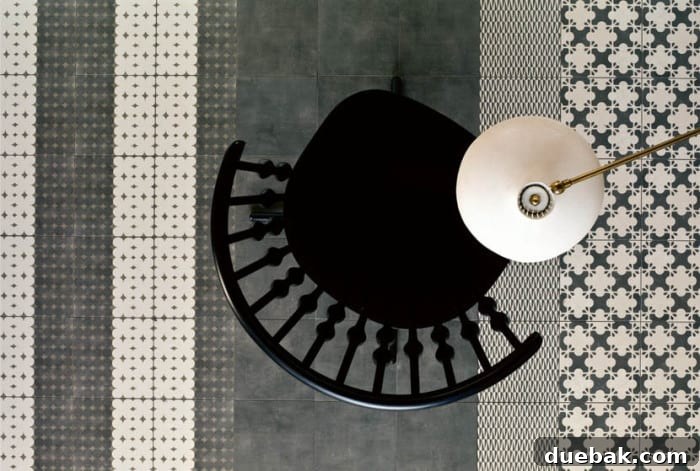
One of the most exciting and personal trends in bathroom design is the deliberate mixing and matching of various tile patterns. This approach allows for incredible creativity, giving you the freedom to infuse your relaxation space with your unique personality and artistic vision. From large, free-flowing designs to smaller, more intricate patterns, the possibilities are vast, but the key to success lies in achieving balance and cohesion.
When embarking on pattern mixing, consider the scale of the patterns. If you have a floor filled with bold, dynamic patterns—perhaps large geometric shapes or a vibrant Moroccan design—you might opt for something more delicate, understated, or even solid-colored on the walls. This creates a visual hierarchy, allowing the floor to be the star while the walls provide a calming backdrop. Conversely, a striking patterned accent wall can be balanced by simpler tiles on the floor and other walls. The goal is to create visual interest without overwhelming the eye or making the space feel too busy. Think about using two complementary patterns in the same color family or with shared accent colors to tie them together harmoniously.
For example, a classic subway tile on the lower wall could transition into a geometric hexagon pattern above, or a delicate floral mosaic could be used as an accent strip alongside a larger, neutral tile. Another approach is to mix patterns of different styles—perhaps a classic herringbone pattern on the shower floor paired with a modern, linear tile on the walls. Be creative and don’t be afraid to experiment with different combinations. However, it’s crucial to remember that you have to live with this design daily. While a look that’s intensely quirky or overly busy might seem novel and exciting at first, it can quickly become less easy on the eye as time progresses, leading to visual fatigue. Aim for a design that excites you but also provides a sense of enduring beauty and calm. A well-executed mix of patterns can make your bathroom a truly memorable and uniquely stylish haven, reflecting your individual taste and flair.
Large Format Tiles: The Seamless Solution
While not explicitly mentioned as a standalone trend, large format tiles are intrinsically linked to many modern design aesthetics, particularly those focusing on minimalism and seamless surfaces. These tiles, often measuring 24×24 inches or larger, and even extending to massive slab-like dimensions, are a cornerstone of contemporary bathroom design. Their primary appeal lies in their ability to create an expansive, uninterrupted look, making bathrooms feel larger and more luxurious.
The minimal grout lines associated with large format tiles contribute significantly to a cleaner, more streamlined appearance. Fewer grout lines not only enhance the aesthetic but also make maintenance easier, as grout is often a common spot for dirt and grime accumulation. This trend pairs beautifully with the desire for a sleek, uncluttered environment, allowing the texture or pattern of the tile itself to become the dominant visual feature rather than the grid of grout. Large format tiles are incredibly versatile, available in finishes that mimic natural stone, concrete, wood, and even metals, making them suitable for almost any design scheme. They are particularly effective when used on both floors and walls, creating a continuous, wrap-around effect that truly elevates the bathroom’s sophisticated appeal.
Grout as a Design Element: More Than Just Filler
Often overlooked, grout plays a surprisingly significant role in the overall aesthetic of your tiled bathroom. It’s no longer just a functional necessity; modern design recognizes grout as a potent design element that can either subtly enhance or dramatically transform the look of your tiles. The choice of grout color, width, and even finish can alter the perception of your entire tiling scheme.
Traditionally, grout was chosen to match the tile, aiming for a seamless, blended look that minimizes the grid. This approach is still popular, especially with large format tiles or when you want the tile itself to be the singular focus. However, contrasting grout has emerged as a powerful trend, particularly with classic white subway tiles. A dark grey or black grout against white tiles can create a striking graphic effect, highlighting the shape and pattern of each individual tile, adding a retro yet modern industrial feel. Conversely, a lighter grout can soften the look of darker tiles, preventing the space from feeling too heavy. Colored grouts are also gaining traction, allowing for playful accents or subtle ties to other elements within the bathroom’s color palette. Experimenting with grout can be a low-cost, high-impact way to inject personality and polish into your bathroom tile design.
Crafting Your Personal Bathroom Oasis
As you plan your next bathroom renovation or simply wish to refresh your existing space, remember that the tiles you choose are fundamental to setting the mood and defining the style. From the understated elegance of a single color with varied textures to the bold statement of metallic accents or dramatic black tiles, each trend offers a unique pathway to transforming your bathroom into a personal sanctuary. Embracing textures, skillfully mixing patterns, or opting for the seamless beauty of large format tiles, coupled with thoughtful grout choices, all contribute to a cohesive and inspiring design.
Your bathroom should be a place where functionality meets unparalleled style and comfort. By incorporating these effective and enduring tile design ideas, you can create a space that not only looks stunning but also serves as a true reflection of your personal style and a haven for relaxation. Let your creativity flow and design a bathroom that you’ll love for years to come.