
As a parent, the joy of designing a special space for your child is immense. Yet, there’s a noticeable gap between the picture-perfect, often heavily themed kids’ rooms gracing magazine pages and the practical realities of family life. Many parents naturally gravitate towards vibrant, overtly childish decor, believing it’s the best way to foster a playful environment. While undeniably adorable in the short term, this approach often leads to a common dilemma: a room that quickly feels “too young” as your child grows, necessitating another costly and time-consuming redecoration, or worse, living with a space that no longer suits their evolving personality and needs.
The secret to avoiding this cycle lies in designing a bedroom that truly grows with your child – a space that can seamlessly transition from a cozy nursery to a vibrant toddler room, and then into a stylish haven for a school-aged child or even a teenager. This might sound like a significant challenge, requiring foresight and creative planning, but with the right strategies, it’s entirely achievable. By making thoughtful choices in foundational elements and embracing flexible decor, you can create a beautiful, functional, and enduring room that adapts to every stage of your child’s development, saving you both time and money in the long run.
The goal is to cultivate a charming and elegant space that maintains its appeal and functionality for years, rather than months. It’s about building a versatile canvas that allows for easy, affordable updates as tastes change, ensuring the room remains a cherished sanctuary throughout their childhood. Let’s explore how to achieve this timeless approach to children’s bedroom design, focusing on smart choices that offer longevity and adaptability.
The Power of Neutral Walls: A Foundation for Growth
One of the most impactful decisions you’ll make when designing a child’s room is the wall color. While the allure of baby pinks, blues, or other bold, saturated hues is strong, these choices can quickly become restrictive. Imagine a baby pink nursery that suddenly feels out of place for a six-year-old girl, or a vividly themed wall that no longer sparks joy for a pre-teen. The key to a ‘grow-with-me’ room lies in selecting a neutral color palette for the walls.
Neutral colors such as soft grays, warm whites, gentle creams, light taupes, or even very pale, muted pastels (like a barely-there mint or blush) provide an excellent backdrop. These shades are incredibly versatile, acting as a serene canvas that can effortlessly coordinate with an endless array of patterns, textures, and accent colors. Beyond their aesthetic flexibility, lighter and neutral colors are also superb for making a room feel more spacious and airy, which is especially beneficial in smaller bedrooms. They reflect light beautifully, creating a brighter and more inviting atmosphere.
Choosing a neutral base for your walls frees you from being tied to a specific theme or color scheme. As your child’s interests evolve from princesses to ponies, or from superheroes to space exploration, you won’t need to repaint the entire room. Instead, you can simply update the room’s personality through easily changeable elements like bedding, artwork, curtains, and decorative accessories. This approach allows the room to mature gracefully alongside your child, ensuring it always feels fresh, relevant, and personal without the need for constant, costly renovations.
Smart Furniture Investments: Pieces That Endure
When it comes to furnishing a child’s room, the temptation to buy adorable, child-specific items can be strong. However, a more sustainable and economically sound strategy is to invest wisely in pieces that offer longevity and adaptability. Focus on furniture that can serve multiple purposes or transition seamlessly through various stages of your child’s life. Think about the items that will be used for the longest duration and allocate a larger portion of your budget to these foundational pieces.
Storage items are prime examples. A sturdy dresser, a versatile nightstand, or a well-built bookcase are investments worth making. These pieces aren’t just for childhood; they can accompany your child into their teen years and potentially even into their first apartment. Opt for classic designs and robust construction over trendy, fleeting styles. For a nursery, a quality dresser can ingeniously double as a changing table by simply adding a removable changing pad to its top surface. This eliminates the need to purchase a dedicated changing table, an item that becomes entirely obsolete once your child outgrows diapers – typically within a short two-year window. By choosing a dresser that complements the room’s neutral aesthetic, it can easily transition to store clothes, toys, or books as your child develops.
Regarding cribs, while a safe and comfortable sleeping space is paramount, consider purchasing a basic, functional crib that meets safety standards without breaking the bank. Many cribs now offer convertible options, transforming into toddler beds and even full-sized beds, which can be an excellent long-term investment. However, if a convertible crib is outside your budget or preferred aesthetic, a simple, non-convertible crib is perfectly acceptable. It performs its essential function for the crucial early years, and when the time comes to transition to a larger bed, you can part with it knowing you didn’t overspend on a temporary item. Remember, the goal is to furnish with durable, versatile pieces that minimize the need for frequent replacements, allowing you to “cry once” over the initial investment, rather than repeatedly over short-lived purchases.
Perfect Patterns and Pops of Color: Easy Updates
The concept of a neutral room doesn’t equate to a bland or boring space. In fact, quite the opposite is true. A neutral backdrop provides the perfect stage for vibrant personality and playful patterns, allowing you to introduce color and excitement in ways that are both impactful and easily changeable. The trick is to infuse these dynamic elements into less expensive or simple-to-replace items, giving you the freedom to update the room’s look as frequently as your child’s preferences evolve, without committing to permanent design choices.
Textiles are your best friend in this regard. A beautifully patterned throw blanket draped over the end of the bed, a collection of colorful throw pillows arranged on a seating nook, or a set of lively curtain panels can instantly inject personality, warmth, and visual interest into the room. These items are relatively inexpensive, come in an endless array of designs, and can be swapped out seasonally or as tastes change. Does your child suddenly love polka dots instead of stripes? A new set of pillow covers or curtains is a simple solution. Are they obsessed with a new color? A cozy throw in that hue can transform the space.
Beyond textiles, wall art and accessories offer another fantastic avenue for expression. Instead of painting a mural, opt for framed prints, canvases, or even a gallery wall of your child’s own artwork. These can be easily updated or rearranged as they grow. Decorative accents like unique lamps, charming figurines, or even a collection of their favorite toys displayed on shelves can add layers of character. By keeping the larger, more expensive elements like walls and furniture neutral, you empower yourself to refresh the room’s entire aesthetic with minimal effort and expense, ensuring it always feels current, engaging, and reflective of your child’s current passions.
Thoughtful Lighting: Setting the Mood and Functionality
Lighting is often an overlooked aspect in children’s room design, yet it plays a crucial role in both functionality and creating a nurturing atmosphere. A well-lit room should incorporate multiple layers of lighting to adapt to different activities and moods throughout the day and night. Start with natural light; maximize it by keeping windows uncluttered and using light-filtering blinds or curtains rather than heavy drapes. This not only makes the room feel brighter and more inviting but also conserves energy.
For artificial lighting, consider ambient, task, and accent lighting. Ambient lighting, often provided by a ceiling fixture, should illuminate the entire room evenly. Choose a fixture that complements the room’s design without being overly childish – a simple, elegant flush mount or a semi-flush mount light can be timeless. Task lighting is essential for activities like reading, homework, or playing. A bedside lamp provides cozy illumination for bedtime stories, while a desk lamp is crucial for schoolwork as they get older. Look for lamps with adjustable brightness or flexible arms to grow with your child’s needs. Finally, accent lighting can be used to highlight specific features, such as a favorite piece of art or a decorative shelf. String lights, often perceived as playful, can actually be a lovely, soft accent for a child’s room, adding a magical glow without being overpowering. By carefully planning your lighting, you create a space that is not only beautiful but also highly functional and adaptable, ensuring comfort and utility from infancy through adolescence.
Personal Touches and Smart Storage Solutions
A child’s room should be a reflection of their unique personality and interests, filled with items that spark joy and creativity. While maintaining a neutral foundation, it’s vital to incorporate personal touches that make the space truly theirs. This can be achieved through displaying cherished toys, awards, handmade art, or a collection of their favorite books. Floating shelves, shadow boxes, or even a simple bulletin board can serve as evolving galleries for these personal treasures. As they grow, their interests will change, and these display areas can be easily updated to reflect their current passions, ensuring the room always feels authentic and engaging.
Equally important are smart storage solutions. Children accumulate toys, books, and clothes at an astonishing rate, and an organized room is key to fostering a sense of calm and independence. Begin with core storage pieces like dressers and nightstands (as discussed previously), but also integrate supplementary solutions that are scalable and accessible. Cube organizers with fabric bins are excellent for toys, offering easy access for little hands and making cleanup a breeze. Wall-mounted shelves can house books and decorative items, keeping floor space clear. Under-bed storage drawers are perfect for stashing extra bedding, seasonal clothes, or less frequently used toys. As your child grows, these storage systems can adapt; toy bins might transition to holding craft supplies, school projects, or sports equipment. By planning for ample and flexible storage from the outset, you create a system that evolves with their belongings, helping them learn organizational skills and maintaining a tidy, functional space for years to come.
Inspiration for this Timeless Room: Antique Chic Charm
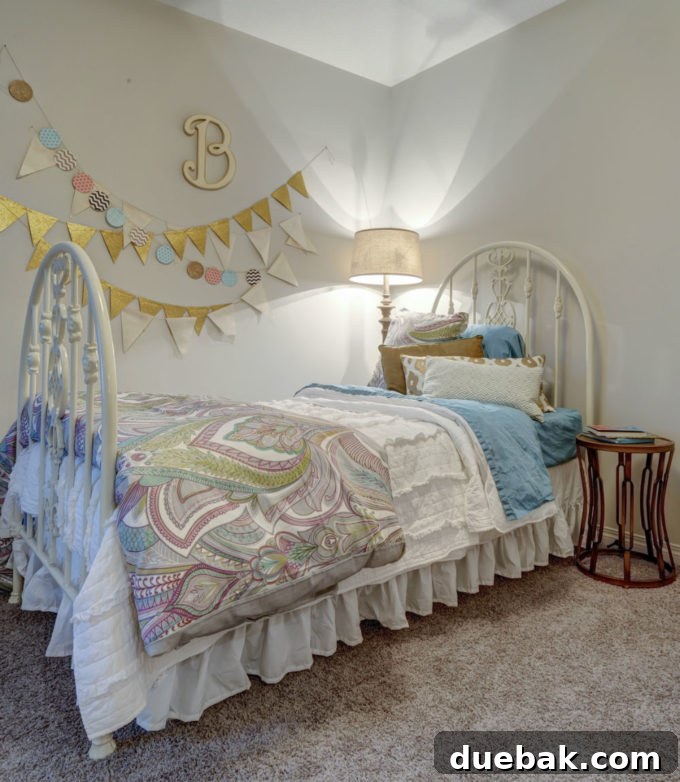
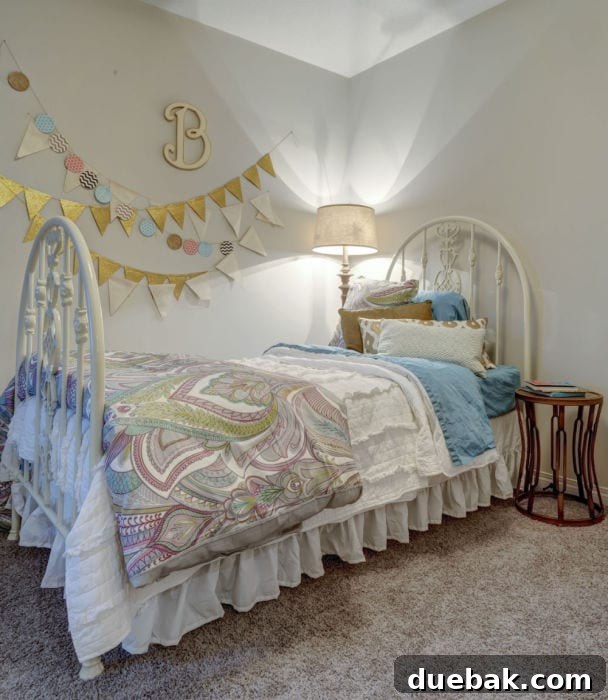
The vision behind the antique chic girls’ room showcased here embodies the very principles we’ve discussed: a foundation of timeless elegance, infused with adaptable charm. It’s a space designed to transcend fleeting trends, offering a serene yet playful environment that can easily evolve. The careful selection of classic furniture pieces, combined with a neutral color palette, sets the stage for a room that feels both sophisticated and inherently child-friendly. The delightful patterns and splashes of color are introduced through elements that can be effortlessly updated, ensuring the room remains fresh and relevant as its inhabitant grows from a little girl into a young woman.
This design demonstrates how vintage-inspired elements can be beautifully integrated into a contemporary setting, creating a unique and personal aesthetic. It’s a testament to the idea that a child’s room doesn’t need to be overwhelmingly themed to be magical. Instead, it can be a harmonious blend of comfort, style, and practicality, fostering a loving environment for years to come.
To dive deeper into the inspiration, ideas, and dreams that shaped this exquisite antique chic girls’ room, we invite you to explore the dedicated Pinterest board. Discover a curated collection of visual concepts, mood boards, and detailed thoughts that brought this timeless design to life. Find further inspiration and creative direction for your own ‘grow-with-me’ child’s room by checking out the Pinterest board HERE.
Sources for the Featured Room: Achieving the Look
Creating a beautifully designed space often involves sourcing unique and quality items. For those inspired by the antique chic girls’ room highlighted in this article, here are the key contributors and specific product sources that helped bring this vision to fruition. Many of these items exemplify the principle of smart investment, providing enduring style and functionality.
Builder (for girls room shown above): Sabal Homes
Designer: Brooklyn Berry Designs
End Table: Wayfair (discontinued, similar options widely available)
Iron Bed: Vintage find (look for similar classic metal bed frames in antique shops or online marketplaces)
Wood Monogram: Bouncing Off The Walls (customizable decorative wall art)
Glitter Garlands: Minted (offers a variety of unique stationery and decor)
Floor Lamp: Target (a great source for affordable and stylish home furnishings)
Shabby Chic Bedding: Target (look for soft, romantic bedding sets)
Throw Pillows: Home Sense (discover unique home accents and textiles)
Paisley Throw: Home Sense (another find for distinctive decorative throws)
Gold Art: Minted (explore their collection of framed art and prints)
Crowns: IMM Living (decorative accessories for a regal touch)
Tea Set: Ikea (simple and charming children’s play sets)
By thoughtfully selecting pieces from diverse sources, you can curate a room that is both cohesive and full of character, proving that designing a beautiful, lasting space for your child doesn’t require sacrificing style for practicality. It’s about making smart choices that grow with your family, creating cherished memories in a room designed to last.