
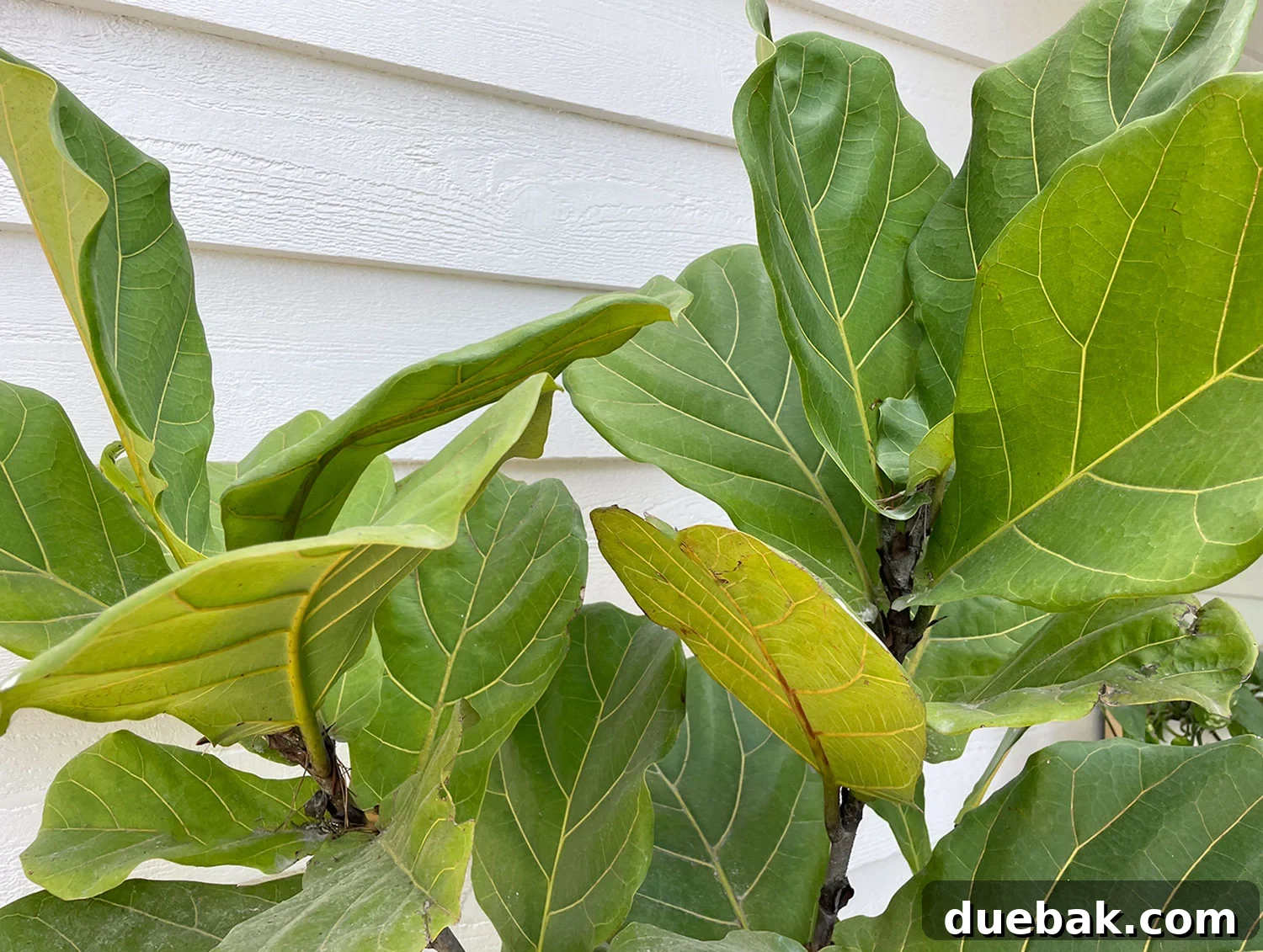
The fiddle leaf fig (Ficus lyrata) is undeniably one of the most sought-after and visually striking houseplants, renowned for its large, violin-shaped leaves that can transform any room into a botanical haven. Their dramatic presence in glossy magazines and home decor showcases has made them a symbol of sophisticated interior design. Yet, for all their beauty, fiddle leaf figs also carry a notorious reputation among plant enthusiasts for being temperamental and challenging to care for. Many have experienced the heartbreak of a once-thriving fig rapidly declining, leaving them feeling like a less-than-stellar plant parent.

Native to the warm, humid rainforests of West Africa, these magnificent trees thrive under very specific conditions: abundant sunshine and consistent moisture, balanced with periods of dryness. Recreating this delicate balance in a home environment is key to their success. Fortunately, caring for a fiddle leaf fig doesn’t have to be a mystery. By understanding and consistently applying a few fundamental principles, you can cultivate a happy, healthy, and thriving Ficus lyrata that will be the envy of all your guests. This comprehensive guide will demystify fiddle leaf fig care, breaking it down into three crucial pillars: optimal location, proper watering techniques, and essential maintenance practices.
Table of Contents
Easy Fiddle Leaf Fig Care: The Fundamental Rules
Despite their finicky reputation, caring for your fiddle leaf fig can be surprisingly straightforward once you grasp a few core principles. Think of these as the golden rules for keeping your Ficus lyrata not just alive, but truly thriving. We’ve distilled our years of experience into these simple yet effective steps that we follow for every fiddle leaf fig we bring home:
- Find the Perfect Spot: Locate a prime position in your home that offers bright, indirect sunlight. This is non-negotiable for a happy fig, mimicking its natural canopy environment.
- Commit to Its Location: Once positioned, avoid moving your fiddle leaf fig. These plants are highly sensitive to environmental changes and prefer absolute stability to prevent shock and leaf drop.
- Water Deeply, But Infrequently: Adopt a watering schedule that allows the soil to dry out significantly between thorough waterings. A good starting point is 2-3 cups of water every 7-10 days, depending on your plant’s size, pot, and ambient environment.
- Protect from Drafts and Vents: Shield your plant from direct blasts of hot or cool air from air conditioning vents, heating systems, or open windows, which can cause significant stress, dry out leaves, and trigger leaf loss.
- Maintain Adequate Humidity: While often overlooked, providing sufficient humidity can make a significant difference, especially in drier indoor climates, helping your fig mimic its rainforest origins.
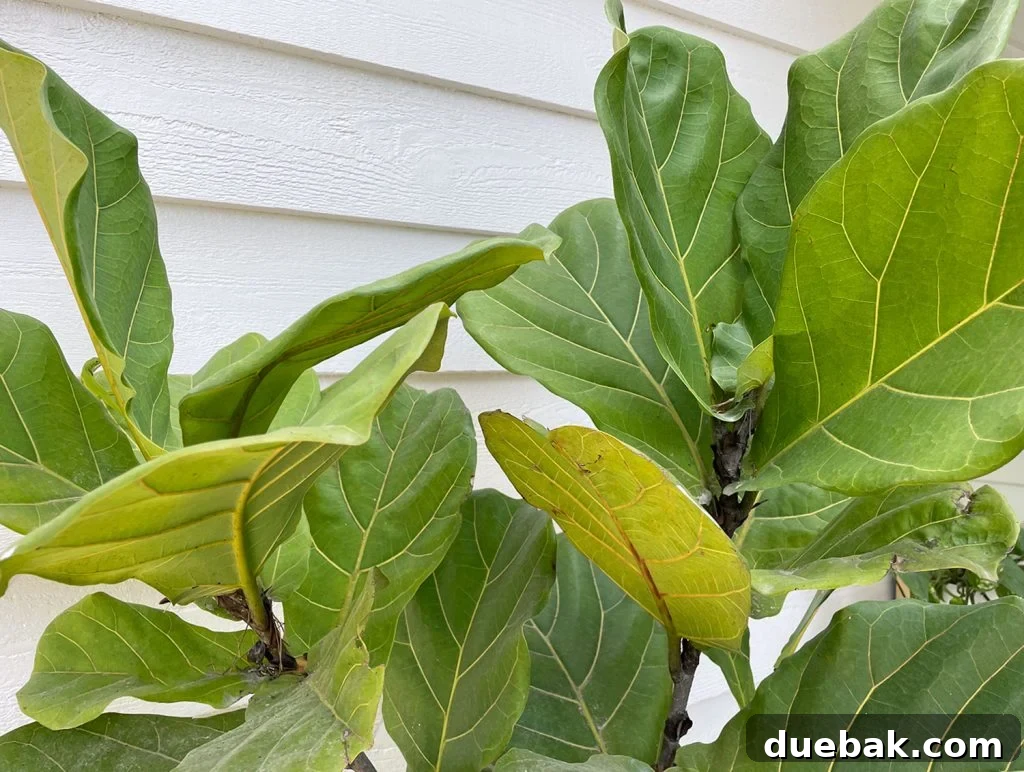
While we’ll delve into each of these areas with more detail throughout this comprehensive care guide, keeping these fundamental basics in mind will significantly reduce stress and allow you to genuinely enjoy the striking beauty of your leafy companion. Consistency and observation are your best tools in fiddle leaf fig care.
Where To Put Your Fiddle Leaf Fig for Optimal Growth
When it comes to fiddle leaf figs, the adage “location, location, location” couldn’t be more true. Identifying the ideal spot in your home is arguably the most critical step in successful fiddle leaf fig care, solving half the battle before it even begins. These plants thrive in environments that mimic their native rainforest habitat – specifically, spots with bright, indirect light. A common mistake is placing them in low-light areas, which will inevitably lead to a struggling plant, characterized by stunted growth and leaf drop.
Consider a corner that receives ample light from large windows, much like the example in our office below. Such a spot, especially if facing south, ensures the plant basks in consistent brightness for many hours of the day without harsh, direct sun exposure that can scorch its delicate leaves. East-facing windows are also excellent, offering bright morning sun that is less intense. West-facing windows can work, but be mindful of the strong afternoon sun, which might require sheer curtains or blinds to diffuse the light. North-facing windows generally provide insufficient light for a fiddle leaf fig to truly thrive.

The Golden Rule: Don’t Move It!
Once you’ve meticulously selected this prime location for your fiddle leaf fig, the most crucial instruction is simple: do not move it! Fiddle leaf figs are notoriously sensitive to environmental changes. Relocating them, even for what seems like a short period, can trigger significant stress, leading to a downward spiral of leaf drop and general decline. This sensitivity stems from their need to acclimate to their surroundings – light intensity, temperature, and humidity levels – and any disruption to this established environment can be detrimental. Being thoughtful and patient with your initial placement is therefore a vital first step towards long-term success and a flourishing plant.
Protecting Your Fiddle Leaf Fig from Drafts and Temperature Swings
Beyond light, fiddle leaf figs absolutely detest drafty locations or sudden temperature fluctuations. Keep your plant well away from external doors, frequently opened windows, and especially direct blasts from air conditioning or heating vents. We’ve learned this lesson the hard way, accidentally losing a plant to the constant assault of an HVAC vent. Even temporary shifts in temperature can send your fig into shock, causing it to drop leaves as a defense mechanism.
If placing your fiddle leaf fig near an air vent is unavoidable, consider practical solutions. You can close the vent directly above or near the plant, or install an air deflector or diverter. These simple additions can redirect the airflow, protecting your plant from damaging hot or cool drafts. Remember, consistency in its environment, including a stable room temperature between 65-75°F (18-24°C), is paramount for a thriving Ficus lyrata.
Humidity: A Key to Rainforest Re-creation
As natives of African rainforests, fiddle leaf figs thrive in high humidity. Indoor environments, especially during winter months with heating systems running, are often too dry for them, which can stress the plant. Low humidity can lead to crispy leaf edges, stunted growth, and increased susceptibility to common houseplant pests. While providing ideal humidity can be challenging, there are several effective methods to boost moisture in the air around your fig:
- Misting: Regularly misting the leaves with lukewarm, filtered water can provide temporary humidity. Do this daily or every other day, ensuring not to overdo it to prevent fungal issues.
- Pebble Tray: Place a shallow tray filled with pebbles and water beneath the pot. As the water evaporates, it naturally increases humidity around the plant. Ensure the pot doesn’t sit directly in the water to avoid root rot.
- Humidifier: For a more consistent and effective solution, especially in very dry climates, consider placing a small room humidifier nearby. Aim to maintain a consistent humidity level, ideally above 60%.
- Grouping Plants: Grouping your fiddle leaf fig with other houseplants can create a localized microclimate with slightly higher humidity, as plants release moisture into the air through transpiration.
Combined with proper lighting and stable temperatures, ensuring adequate humidity will significantly contribute to recreating the tropical paradise your fiddle leaf fig naturally craves, leading to healthier, more robust leaves.
Mastering Fiddle Leaf Fig Watering: The Balance Between Thirst and Drowning
Watering is often the trickiest aspect of fiddle leaf fig care, a delicate balance between providing enough moisture and preventing dreaded overwatering. Fiddle leaf figs adore water, but they absolutely despise sitting in soggy soil. Their native rainforest environment experiences heavy, infrequent downpours followed by distinct periods of dryness, and mimicking this cycle is crucial for their root health. This helps prevent common issues like root rot, which is a leading cause of fiddle leaf fig demise.
While a general guideline might suggest 2-3 cups of water every 7-10 days, it’s vital to understand that this is merely a starting point. The exact amount and frequency depend on several variables: the size of your plant, the size and material of its pot, the ambient humidity, the amount of light it receives, and even the season. A large plant in a warm, bright room will dry out faster than a smaller one in a cooler, shadier spot during winter. Always prioritize checking the soil moisture over sticking to a rigid schedule.

How to Accurately Check When Your FLF Needs Water
The most reliable method to determine if your fiddle leaf fig needs watering is to assess its soil moisture directly. Here’s how to do it effectively:
- The Finger Test: Insert your finger about 2-3 inches deep into the soil (or up to your second knuckle). If the soil feels dry to the touch at this depth, it’s definitively time to water. If it still feels moist, hold off for another day or two and recheck. It’s always better to err on the side of underwatering than overwatering, as recovery from thirst is easier than from root rot.
- Soil Moisture Meter: For those who prefer a more precise reading or wish to keep their hands clean, a dedicated soil moisture meter is an excellent, inexpensive investment, often available for less than $10. Simply insert the probe into the soil about halfway down the pot and read the moisture level. Aim for the “dry” or “low” end of the spectrum before watering again.
While visual cues can be helpful, always confirm with a soil check. For example, droopy leaves can indicate both underwatering (leaves looking limp and sad) and sometimes overwatering (if roots are damaged and can’t absorb water). However, crispy brown edges usually point to underwatering or low humidity, while dark, soft brown spots often signal overwatering. Learning to read your plant in conjunction with soil checks will make you a watering expert.
Two Effective Ways to Water Your Fiddle Leaf Fig
Just like many other houseplants, you have a couple of efficient options when it comes to delivering water to your fiddle leaf fig, each with its own benefits:
- Top Watering: This is the most common and often easiest method. Simply pour water slowly and evenly over the soil surface until it begins to drain freely out of the pot’s drainage holes. We prefer this method for larger, heavier plants as it’s often more practical than lifting them. Ensure you use enough water for it to thoroughly saturate the entire soil ball and flush out any accumulated mineral salts, which can become toxic over time.
- Bottom Soaking: For smaller to medium-sized plants, bottom soaking can be highly effective. Fill a sink, tub, or large basin with a few inches of water. Place your potted fiddle leaf fig into the water and allow it to soak up moisture from the bottom drainage holes for 20-30 minutes, or until the topsoil feels moist. This method encourages roots to grow downwards, ensures even saturation of the soil without compacting the topsoil, and can prevent fungus gnats by keeping the very top layer of soil dry.
Regardless of the method you choose, the most crucial step is to allow the water to fully drain. Standing water in the plant’s saucer or cachepot is a recipe for disaster, quickly leading to root rot. After watering, wait for an hour or two (or longer for bottom-soaked plants) and then empty any excess water from the saucer. Never let your fiddle leaf fig sit in standing water, as this deprives the roots of oxygen and creates an ideal environment for harmful bacteria and fungi.
How Do I Know If I’m Overwatering My Fiddle Leaf Fig?
Overwatering is unequivocally the number one killer of fiddle leaf figs. The clearest and most common sign of an overwatered FLF is the appearance of dark brown, sometimes almost black, spots on its leaves, often starting from the bottom leaves and working their way up. These spots tend to be soft and mushy to the touch, indicating cellular damage and decay. Other critical symptoms include general yellowing of leaves and leaves dropping prematurely, even when they still appear green.
Fiddle leaf figs need their soil to dry out considerably between waterings to allow the roots to breathe and prevent waterlogging. If the soil remains consistently wet, the roots are deprived of vital oxygen and begin to rot, a condition known as root rot. Once root rot sets in, the plant struggles to absorb water and nutrients, even if the soil itself is moist. While you can’t save individual leaves once they’ve browned from overwatering, you can take immediate steps to stop root rot before it claims the entire plant:
- Dry Out the Soil: Immediately cease watering and allow the soil to dry out completely. You might even consider gently tilting the pot or placing it outdoors in a shaded area for a few hours (if weather permits) to encourage drainage and evaporation.
- Inspect Roots (if severe): If the problem persists or is extensive, carefully remove the plant from its pot and inspect the roots. Healthy roots are firm, pale, and white; rotted roots are soft, mushy, dark brown or black, and often smell foul. Trim away any affected roots with sharp, sterile shears.
- Repot with Fresh Soil: If root rot is extensive, repot into fresh, well-draining potting mix. Consider a slightly smaller pot if a significant amount of roots were removed, as too much soil can retain excess moisture, exacerbating the problem.
Early detection and swift action are crucial in saving an overwatered fiddle leaf fig. Always remember: when in doubt, wait to water.
Essential Fiddle Leaf Fig Maintenance Tips for a Flourishing Plant
Once you’ve mastered the art of optimal placement and precise watering, the ongoing “maintenance” for your fiddle leaf fig becomes relatively minimal. To be completely transparent, beyond consistent watering, we often leave our fiddle leaf figs largely undisturbed. However, incorporating a few simple yet effective maintenance practices can significantly contribute to their health, encourage robust growth, and help your Ficus lyrata reach its full potential, ensuring it remains a stunning focal point in your home.
Fertilizing Your Fiddle Leaf Fig for Robust Growth
While not a daily task, fertilizing your fiddle leaf fig during its active growing season (typically spring and summer) is crucial for promoting lush foliage and healthy development. These plants are relatively heavy feeders when actively putting out new growth. Use a balanced liquid houseplant fertilizer, diluted to half strength, approximately once a month. Look for fertilizers specifically formulated for houseplants or foliage plants. Avoid fertilizing during the dormant winter months when the plant’s growth naturally slows down, as this can lead to an accumulation of salts and nutrient burn. Always water your plant thoroughly before applying fertilizer to protect its roots from chemical burn and aid in nutrient absorption.
Dusting and Cleaning Leaves: More Than Just Aesthetics
Fiddle leaf fig leaves are large, broad, and glossy, making them excellent dust collectors. Regularly dusting and cleaning your fiddle leaf fig is not just about maintaining its pristine appearance; it’s a vital part of its health regimen. Dust buildup can impede the plant’s ability to photosynthesize efficiently, reducing the amount of sunlight it can absorb, which is detrimental to a light-loving plant. Use a basic dusting pad or a soft, damp cloth to gently wipe down both the top and bottom surfaces of each leaf. This practice also helps keep pores (stomata) clear for proper gas exchange.
For an extra shine and to provide a protective barrier, you can also purchase specific plant wipes or leaf shine sprays designed for houseplants. This routine not only keeps your fig looking its best but also allows for regular, close inspection, helping you spot any potential pests or early signs of disease before they become major problems.
Pruning Your Fiddle Leaf Fig for Shape and Vigor
Pruning is an essential maintenance task that helps shape your fiddle leaf fig, encourages bushier growth, and directs the plant’s energy towards new, healthy foliage. Removing browning, damaged, yellowing, or diseased leaves allows the plant to focus its valuable resources where they’re most needed, preventing energy waste on struggling parts. When pruning, always use sharp, sterilized pruning shears to make clean cuts and prevent the introduction or spread of disease.
To remove an unhealthy leaf, cut it at an angle just past the part where it connects to the trunk (the node). If you want to encourage branching and a fuller, bushier appearance, you can prune the main stem by cutting just above a leaf node where you desire new growth. Avoid trimming more than 5-10 leaves at a time, as excessive pruning can shock the plant and lead to stress. Pruning is also an excellent way to shape your fiddle, for example, by removing lower leaves to give it a more tree-like silhouette and expose more of its elegant trunk. Additionally, techniques like “notching” (making a small, shallow cut above a dormant node on the trunk) can be used to encourage new growth at the top or specific points along the trunk. Remember that fiddle leaf figs produce a milky, irritating sap when cut, so wear gloves to protect your skin.
Rotating and Shaking: Promoting Even Growth and Strength
Incorporating a simple rotation into your watering routine can significantly benefit your fiddle leaf fig. Giving your plant a slight turn (a quarter turn is often sufficient) every time you water ensures that all sides receive equal exposure to light. This practice prevents your fig from growing disproportionately towards the light source, resulting in a more balanced and aesthetically pleasing form. Without regular rotation, your plant might lean or develop lopsided foliage as it stretches to find the brightest light.
Some enthusiastic plant parents also advocate for “wind therapy” – gently shaking the trunk of their fiddle leaf fig. While not strictly necessary for survival, this practice aims to simulate the natural outdoor environment where trees are exposed to wind. The gentle swaying helps to strengthen the plant’s trunk and stem by encouraging the development of stronger cell walls and vascular tissue, potentially making it more robust and reducing the need for staking as it grows taller and heavier. It’s a small effort that can contribute to the overall resilience and structural integrity of your magnificent plant.
Repotting Your Fiddle Leaf Fig: When and How
Eventually, your fiddle leaf fig will outgrow its existing container and require repotting into a larger one. However, resist the urge to rush this process. Repotting can be a significant source of stress for FLFs, potentially causing unnecessary shock, which manifests as leaf drop or a period of stagnation. Many people make the mistake of repotting their new fig immediately after purchasing it, but we strongly advise against this. The journey from the nursery to your home is already stressful enough for the plant, so adding the trauma of repotting right away can be detrimental to its acclimatization.
Signs that your fiddle leaf fig needs repotting include roots emerging prominently from the drainage holes, stunted growth despite proper care, the plant becoming noticeably top-heavy and unstable, or the soil drying out extremely quickly. The best time to repot is during the active growing season (spring or early summer) when the plant can most easily recover and establish itself in its new home. Choose a pot that is only one size larger than its current one (e.g., from a 10-inch to a 12-inch pot) to prevent overwatering, as too much soil can retain excess moisture around the roots.
When repotting, gently remove the plant from its current pot, carefully inspect the root ball, and gently loosen any circling roots that are tightly packed. Place it in the new pot with a layer of fresh, well-draining potting mix designed for houseplants (a mix with perlite or bark for aeration works well). Ensure the plant is at the same soil level as before. After repotting, water it thoroughly and return it to its original spot, remembering the golden rule of stability to minimize further shock.
Interestingly, our most successful repotting experiences have been outdoors. Here in sunny and humid Florida, we’ve had incredible success with keeping our fiddle leaf figs outside, where they thrive in the natural humidity and abundant light. Some of these magnificent plants have even been directly repotted into the ground, where they’ve flourished into impressive, towering trees, demonstrating their incredible potential in ideal conditions!

Common Fiddle Leaf Fig Problems & Solutions
Even with the best intentions and consistent care, fiddle leaf figs can occasionally present challenges. Knowing how to identify common problems early and implement timely solutions is crucial for their long-term health and vitality. Here’s a quick guide to troubleshooting the most frequent issues you might encounter with your beloved Ficus lyrata:
Brown Spots or Edges on Leaves
- Dark, Soft Brown Spots (often on lower leaves, sometimes appearing mushy): This is the classic and most concerning sign of overwatering and potential root rot. Reduce watering frequency immediately, allow the soil to dry out thoroughly between waterings, and always ensure excellent drainage. If severe, inspect roots for rot.
- Crispy, Dry Brown Edges or Spots: Typically indicates underwatering, low humidity, or sometimes exposure to too much direct, harsh sunlight. Increase watering frequency (after checking soil dryness), boost humidity with misting or a humidifier, and ensure the plant is receiving bright, indirect light.
- Small Red Spots on New Leaves (Edema): These are usually a physiological response to inconsistent watering, where the plant takes up more water than it can transpire, causing cells to burst. While not harmful long-term, it’s a clear signal to regularize your watering schedule for future growth.
Drooping Leaves
- Limp, Sagging Leaves: Most commonly a sign of severe underwatering. Your plant is thirsty and needs water! Check the soil; if bone dry, water thoroughly until it drains. Leaves should typically perk up within a few hours.
- Drooping with Wet Soil: If leaves are drooping and the soil is already wet, it could paradoxically indicate overwatering and root rot. The damaged roots are no longer able to absorb water, leading to dehydration symptoms. Follow the root rot inspection and treatment steps mentioned in the watering section.
- Drooping After Moving: Environmental shock from relocation to a new spot. Give your plant time to acclimate; it may take a few weeks to recover.
Leaf Drop
- Sudden Drop of Multiple Leaves: Almost always a symptom of significant environmental shock. This can be caused by moving the plant, sudden temperature changes (drafts, cold windows, hot vents), extreme over or underwatering, or drastically insufficient light conditions. Identify the stressor and correct it immediately.
- Lower Yellowing Leaves Dropping: Can be a natural aging process for older leaves, but if rapid or extensive, it’s often a sign of overwatering or, less commonly, nutrient deficiency.
Yellowing Leaves
- Uniform Yellowing: Often points to a general nutrient deficiency, particularly nitrogen, which older leaves will show first. Consider fertilizing during the growing season.
- Yellowing with Dark Spots/Mushy Texture: A strong indicator of overwatering and potential root rot, as described above.
- Older, Lower Leaves Yellowing and Dropping: This can be a natural process as the plant sheds older leaves to promote new growth. However, if many leaves are yellowing rapidly, investigate other causes like watering issues or light deficiency.
Pest Infestations
Fiddle leaf figs, like most houseplants, are susceptible to common indoor pests. Regular inspection during dusting and watering is your best defense against a full-blown infestation.
- Spider Mites: Look for fine webbing on leaf undersides and tiny red or brown dots. Leaves may appear stippled or discolored. Treat with neem oil spray or insecticidal soap, ensuring thorough coverage, especially on the undersides of leaves.
- Mealybugs: White, cottony masses typically found in leaf axils, on stems, or along leaf veins. Remove visible pests with alcohol-dipped cotton swabs or treat with insecticidal soap.
- Scale: Small, oval, brown, dome-shaped bumps on stems and leaves. They can be difficult to remove. Scrape them off gently with your fingernail or a soft brush, then treat the plant with neem oil.
For any pest, isolate the affected plant immediately to prevent spread to other plants. Treat thoroughly and consistently until all signs of infestation are completely gone, often requiring multiple applications.
We genuinely hope this comprehensive guide demonstrates that nurturing a magnificent fiddle leaf fig doesn’t have to be an intimidating or overly complicated endeavor. By consistently focusing on these fundamental pillars – providing an ideal location with abundant, indirect light and stable conditions, mastering a routine of deep yet infrequent watering, and incorporating basic maintenance practices – you’ll be well on your way to cultivating a show-stopping Ficus lyrata. With a little patience, keen observation, and attentive care, your home will soon boast a vibrant, healthy fiddle leaf fig, ready for its close-up in any magazine spread!
Explore More Plant Care Guides
If you’re eager to expand your indoor jungle, seeking further insights into caring for other beloved houseplants, or looking for DIY projects to enhance your plant collection, delve into some of our additional plant care guides and tips below:
- Best Low-Light Houseplants
- Best Air Purifying Indoor Plants
- Neon Pothos Care Guide
- Golden Pothos Care Guide
- Marble Queen Pothos Care Guide
- Snake Plant Care Guide
- Corn Plant Care Guide
- Tree Philodendron Care Guide
- Aglaonema Plant Care Guide
- Monstera Deliciosa Care Guide
- How to Build An Easy Plant Shelf
- Make A DIY Wire Trellis
- Protecting Outdoor Plants In A Deep Freeze
*This post contains affiliate links