
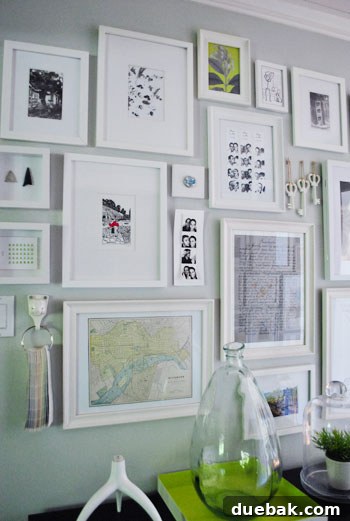
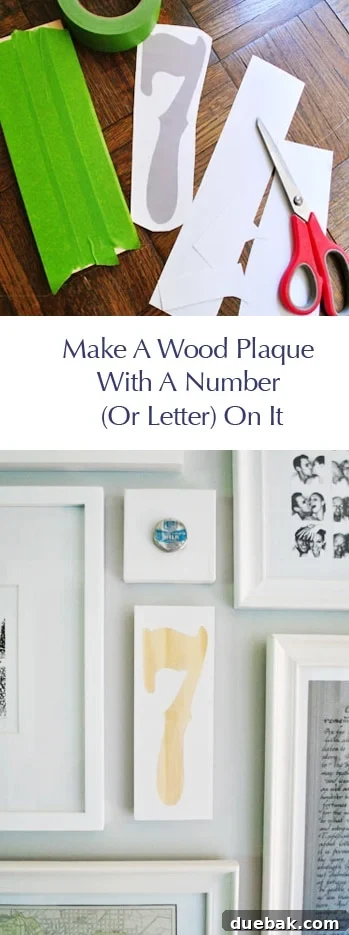
Welcome to our ongoing journey of home personalization, where every corner tells a story and every piece of decor reflects a piece of our lives. Our hallway frame wall is a perfect testament to this philosophy, ever-evolving as we swap out art, memories, and mementos. It’s a dynamic display, a living gallery of our experiences. However, within this fluid collection, there was one element that stood out—not as a ‘work in progress,’ but more as a glaring oversight. A detail that truly begged the question, “You’re not actually going to leave it like that, are you?” Can you spot the element we’re talking about in the image below? It’s a common dilemma in many homes, a temporary fix that overstays its welcome, often disguised as future potential.
Transforming a Placeholder: From Temporary Fix to Permanent Personalized Art
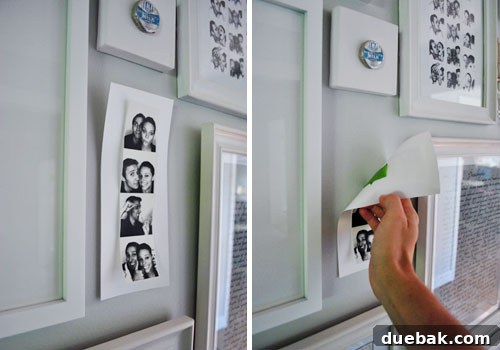
Indeed, the culprit was the makeshift photostrip placeholder nestled conspicuously in the center of our carefully curated frame wall. At the time of its initial hanging, we simply didn’t have a suitable frame to fit that specific slot. Our immediate solution, born of necessity and perhaps a touch of creative laziness, involved a piece of office paper held in place with painter’s tape. A temporary workaround, we told ourselves, until we could procure or craft something more substantial. The long-term vision was to cut a piece of wood, paint it white, and mount the photostrip more officially. Little did we know, this humble placeholder would ignite an entirely new and exciting DIY project, transforming a simple necessity into a meaningful piece of custom home decor.
Gathering Your Materials: The Foundation of Your DIY Wood Plaque
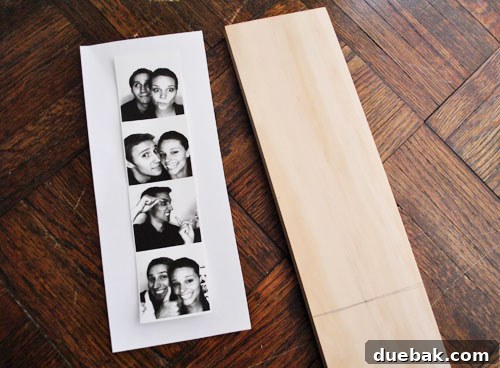
The journey began with a trip to Lowe’s, a familiar haunt for any DIY enthusiast. Our mission was simple: acquire a modest piece of craft wood. For just a couple of dollars, we secured the perfect raw material, laying the groundwork for what would become a cherished addition to our hallway gallery. The temporary paper “frame,” despite its humble origins, proved surprisingly useful as a template. We carefully used it to mark the precise dimensions for our new wooden piece, ensuring it would seamlessly integrate into the existing arrangement. This step highlights the practical side of DIY: sometimes, the most basic tools and methods are all you need to get started on something truly special. Selecting the right piece of wood, even a simple craft plank, is crucial for the final aesthetic. Consider its grain, smoothness, and overall quality, as these will all contribute to the finished look of your personalized art.
Precision Cutting: Bringing Your Vision to Life
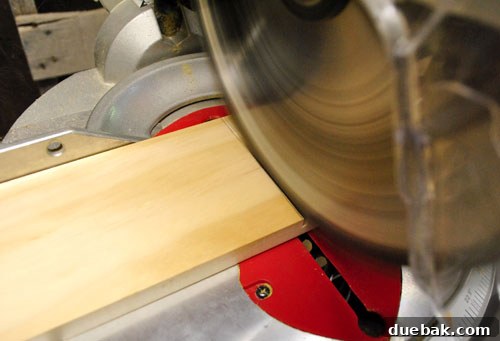
With our measurements marked, it was time for the cutting phase. A quick descent into the workshop brought me face-to-face with my trusty miter saw. There’s a certain satisfaction in the clean, powerful sound of the blade as it slices through wood – a crisp “Zzzzzzrripppf!” that signifies progress and precision. The miter saw is an invaluable tool for achieving accurate, straight cuts, ensuring our custom wood plaque would fit perfectly into its designated spot. Safety, of course, is paramount when using power tools. Always wear appropriate eye protection and ensure your workpiece is securely clamped. This seemingly simple cut is a foundational step, transforming a raw plank into the canvas for your personalized masterpiece. The quality of this cut will dictate how cleanly your final piece integrates into your existing decor, so take your time and measure twice, cut once.
An Unexpected Spark of Creativity: The Birth of a Stenciled Design
It was amidst the sawdust and the scent of freshly cut wood that a brilliant, albeit spontaneous, idea took hold. Staring at this small piece of wood, my mind wandered back to an episode of Secrets of a Stylist, where the incredibly talented Emily Henderson had crafted a stunning table using floral wall decals. Her ingenious method involved sticking the decals onto the table, painting over them with white paint, and then removing the decals to reveal a beautiful, stenciled effect. This technique, simple yet profoundly impactful, resonated deeply. It was a moment of pure creative inspiration, proving that sometimes the best ideas are born not from meticulous planning, but from unexpected flashes of insight sparked by past observations. This DIY approach, utilizing negative space to create a design, offered endless possibilities beyond just florals.
Designing Your Personal Symbol: Crafting a Meaningful Stencil
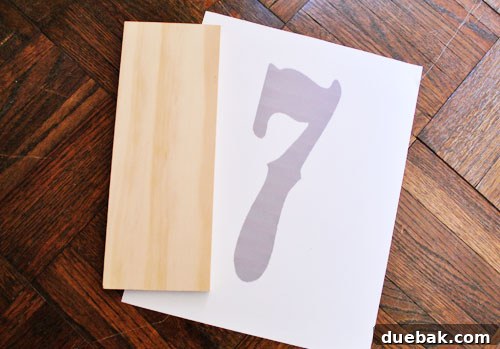
While Emily’s floral decals were inspiring, they weren’t quite the direction I envisioned for our hallway. I wanted something deeply personal, a symbol rich with meaning for our family. My thoughts immediately turned to the number seven. It holds a special significance for us, marking our dating anniversary (7/7/05) and our wedding day (7/7/07). Beyond its personal resonance, I’ve always admired the elegant aesthetic of the number seven. So, the decision was made: a DIY stencil of an ornate number seven it would be. I found a suitable design online and, using Photoshop, carefully stretched and manipulated it to achieve the perfect long and skinny proportions that would fit our wooden plaque. Once satisfied, I printed the design on cardstock in a subtle, ink-saving gray. This process of selecting and customizing your symbol is where the true personalization of the project shines through. Whether it’s a lucky number, an initial, a significant date, or a unique pattern, choose something that speaks to your heart and adds a layer of narrative to your home decor.
The Art of the Tape Stencil: Precision and Preparation
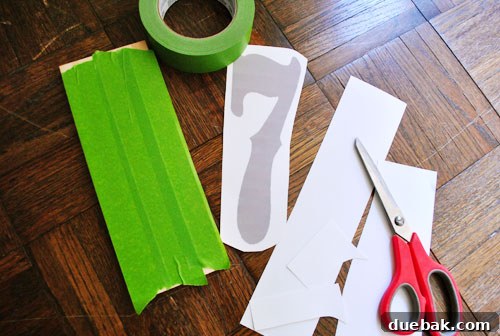
To execute my makeshift stencil, I once again enlisted the humble yet incredibly versatile painter’s tape. It’s a DIY hero, proving its worth far beyond merely holding temporary paper frames! My first step was to completely cover the entire piece of wood with painter’s tape, ensuring every inch was thoroughly adhered. I meticulously rubbed the tape down with my fingertips, applying significant pressure to eliminate any air bubbles or loose edges. This crucial preparatory step is vital for achieving crisp, clean lines in your final design. The tighter the tape adheres, the less chance there is for paint bleed, which can ruin an otherwise perfect stencil. Think of this as creating a protective layer, a canvas for your design, where only the intended areas will be exposed to paint.
Cutting the Design: The Exacto Knife Technique
Next, I loosely taped my printed number seven guide onto the fully taped wood. With a steady hand and a sharp exacto knife, I meticulously began cutting out the shape of the number. The key here was to apply firm, consistent pressure, ensuring the blade sliced not only through the cardstock template but also through the layer of painter’s tape beneath. I even allowed the knife to cut slightly into the wood itself. This deliberate scoring of the wood, while minor, served a strategic purpose: it created a shallow groove that would further help to define and protect the edges of my design, promising an even crisper border in the final reveal. Patience and precision are your best friends during this step; rushed cuts can lead to jagged edges or an uneven stencil, compromising the professional finish of your custom art piece. Take your time, follow the lines carefully, and change your blade if it starts to dull.
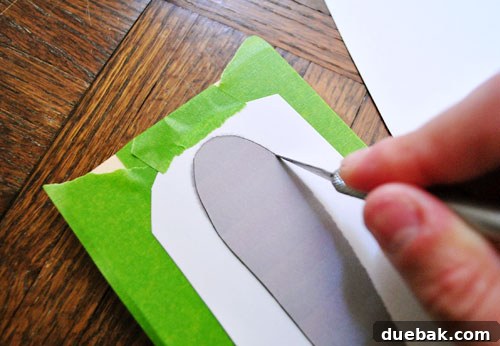
Revealing the Stencil: A Careful Peeling Process
Once the intricate cutting was complete, the process of revealing the stencil began. First, the paper guide, having served its purpose, was gently lifted away. It’s always satisfying to see the outline of your design emerge from under the paper.
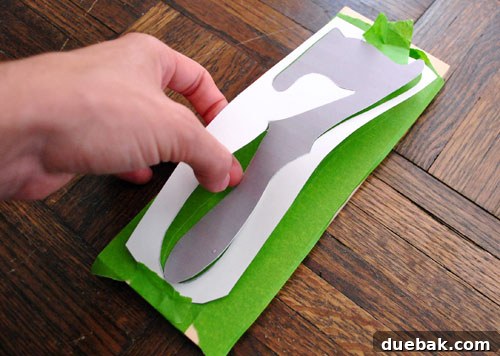
This was followed by the careful removal of the painter’s tape surrounding the number. Remember, the goal was for the number seven itself to showcase the natural wood grain, creating a beautiful contrast against the painted background. This meant meticulously peeling away the tape from *around* the cut-out number, leaving the tape *within* the number’s shape undisturbed. Each strip of tape was removed slowly and deliberately, ensuring no unintentional damage to the wood or the remaining stencil. This step can feel a bit like unwrapping a gift, anticipation building with each peeled piece.
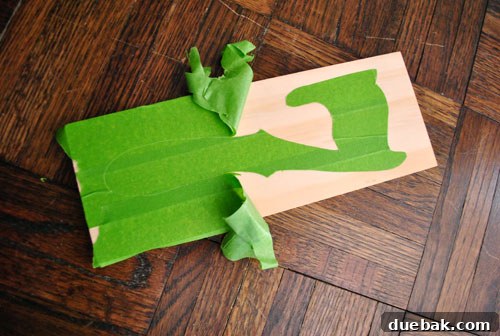
Before moving on to painting, I took a critical moment to thoroughly press down all the remaining green tape, especially focusing on every edge of the stencil. This extra attention to detail is paramount for any stenciling project. My primary concern was preventing any paint from bleeding underneath the tape, which would compromise the crispness and clean lines of the finished numeral. A well-adhered stencil is the secret to a professional-looking result, ensuring that your personalized design stands out with sharp, defined borders.
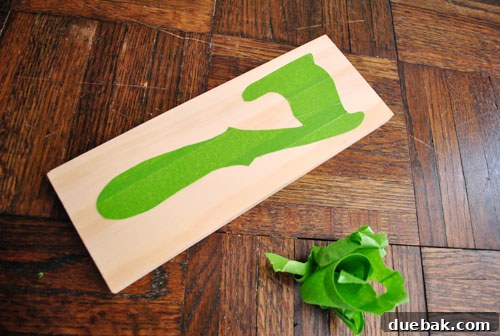
Painting and Finishing: The Grand Reveal of Your Custom Art
With the stencil firmly in place, it was time for the paint. I opted for two coats of white paint, using some leftover Olympic semi-gloss that we always keep on hand for trim touch-ups. Applying multiple thin coats, rather than one thick one, generally yields a smoother, more even finish and helps prevent paint from seeping under the stencil. The first coat provides initial coverage, while the second builds depth and ensures complete opacity for the background.
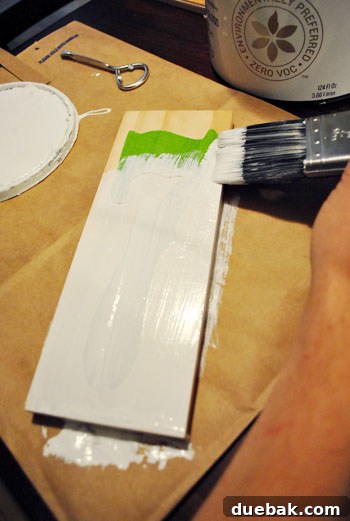
The trick to achieving the sharpest possible lines with a tape stencil is often in the timing of removal. Before the second coat of paint had completely dried, I carefully and slowly began to peel up the tape. This technique minimizes the risk of the paint drying and creating a ‘skin’ that could tear or lift the edges when the tape is removed. With each gentle pull, the underlying wood, untouched by the white paint, began to emerge, forming the crisp, natural wood-toned number seven. It’s a moment of truth in any stencil project, revealing the culmination of careful planning and execution.
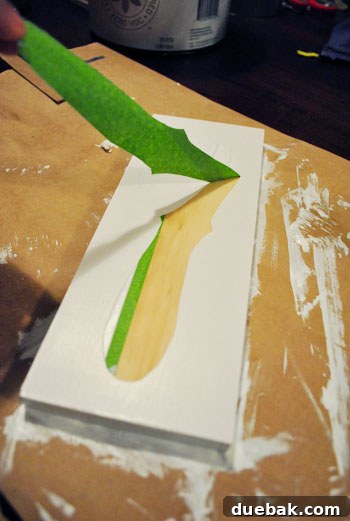
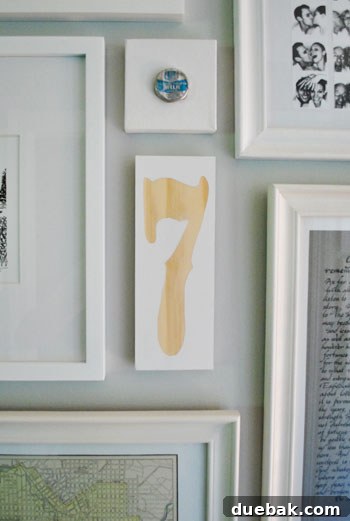
Once all the green tape was removed and the paint had a few more hours to dry completely, the final touch was to add a hanger. I attached a spare sawtooth hanger (like this kind) to the back of the plaque. This small but essential piece of hardware allowed us to seamlessly integrate our new, personalized art piece onto the hallway frame wall, transforming a mere placeholder into a focal point.
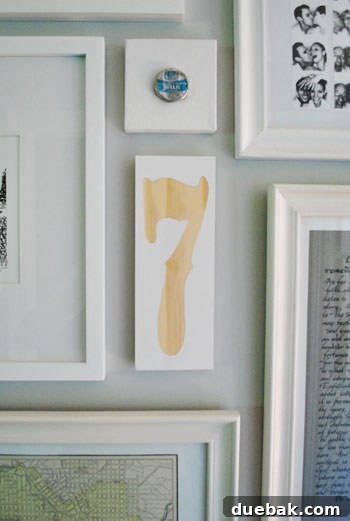
The Impact of Personalized Decor: A Touch of Meaningful Home Style
We absolutely adore the finished piece! While we appreciate the charm of photostrips, we’re both incredibly pleased with this choice, especially given that there’s already a frame of photostrips nearby. This custom wood plaque adds a unique texture and personal narrative that a simple photo couldn’t quite capture. There’s an undeniable joy in homemade, meaningful items, and this subtle reminder of our anniversary, lovingly crafted by yours truly, is particularly sweet to sentimental souls like us. It’s more than just decor; it’s a conversation starter, a piece of our story etched into our home. From a cost perspective, the project was incredibly budget-friendly. Everything, apart from the piece of wood (which was under $2 at Lowe’s), was already on hand, making this an economical yet high-impact home decor upgrade. This project exemplifies how affordable materials and a bit of creativity can lead to truly distinctive and cherished home accents.
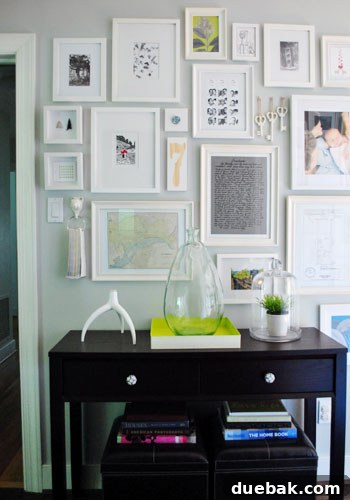
Reflections and Future Possibilities for Your DIY Home Projects
Looking back, my only minor regret is that, had I known from the outset that this project would involve showcasing the natural wood, I might have chosen a piece with a more pronounced or interesting grain. But such are the lessons learned in DIY! There’s always “next time,” or the possibility of future enhancements – perhaps a touch of wax, a subtle stain, or a delicate outline to further define the number. For now, we truly love the soft, natural wood tone. It beautifully complements several other elements on our hallway wall, such as a tan map dotted with pins marking our travels and a unique backward-hung canvas that exposes its blonde wood frame (both sharing the same warm wood tone as our number seven, though regrettably not pictured in this post – oops!).
Have you ever experimented with painter’s tape as a stencil for your DIY projects? Perhaps for a similar wood art endeavor, or for glass etching (as we did here), or for an entirely different creative pursuit? We’d love to hear about your experiences and innovative uses for this versatile tool. And speaking of numbers, do you have a lucky number or one that holds special significance for your family? In our home, we’re particularly fond of 43 (representing the number of digits in “love you”), 14 (Clara’s birthday), and, of course, 7 (our beloved anniversary date for both dating and marriage). These personal touches are what truly transform a house into a home, making every piece of decor a cherished part of your family’s unique narrative. Share your meaningful symbols and DIY adventures with us!
Psst- Dive deeper into the creation and evolution of our extensive hallway wall of frames by exploring these posts: here, here, and here.