
In the bustling lead-up to the holidays, a seemingly routine Christmas shopping trip with my sister-in-law turned into a startling lesson in retail economics. Our mission: find an adorable iPod dock for her daughter. Our first stop, the closest Target on Forest Hill Ave, Richmond, yielded the perfect find—a sleek dock priced at $69. Our excitement, however, was quickly dampened by the news that the display model was the last one available. The helpful cashier, sensing our urgency, generously located an identical unit at another Target store, merely fifteen minutes away in Midlothian. What we discovered upon arriving at the second location wasn’t just another iPod dock; it was a glaring revelation about how major retailers like Target might be silently adjusting prices based on something far more intricate than simple supply and demand: the perceived demographics of a store’s patrons.
The Eye-Opening Price Discrepancy: $10 Difference in 15 Minutes
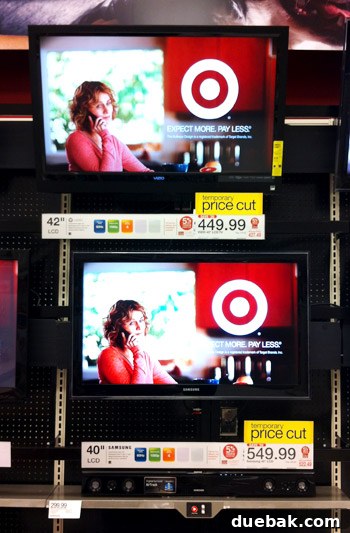
The Midlothian Target, just a short drive from Forest Hill, held the exact same iPod dock. Yet, the price tag told a dramatically different story: $59. A full $10 less for an identical product, purchased within the same retail chain, separated by a mere quarter-hour drive. Our initial reaction was one of pure disbelief. Was this a sale? A pricing error? We eagerly inquired with the cashier, hoping for a simple explanation. Her response, however, was anything but simple, pulling back the curtain on a nuanced retail strategy that many consumers likely remain unaware of. She explained that the $59 price was standard for the Midlothian location and several other Target stores across Richmond. But then came the kicker: two specific Targets in our vicinity—the Forest Hill location and the Short Pump store—consistently mark up thousands of items due to what the company perceives as the “demographic” of their customer base.
Demographic Pricing: A Retail Strategy Revealed
According to the Target staff, these particular locations are considered to be frequented by higher-income families, and their pricing structure is adjusted to reflect that perceived affluence. In essence, if customers in a certain area are believed to have more disposable income, the prices subtly increase. This revelation, straight from an employee, was stunning. As locals residing in a modest ranch-style home near the Forest Hill Target, we certainly don’t fit the “high-income” bracket and respectfully beg to differ with their categorization. The transparency with which they acknowledged this “price finagling” within our relatively small city was truly astonishing. It wasn’t an isolated incident or a temporary promotion; it was an ingrained, systemic approach to retail pricing.
Beyond the Anecdote: Understanding Location-Based Pricing
This experience isn’t just a quirky anecdote; it highlights a sophisticated and increasingly common retail practice known as location-based pricing, or sometimes “dynamic pricing” when it also considers real-time demand and competitor pricing. Retailers invest heavily in market research to understand the purchasing power, shopping habits, and demographic profiles of the communities surrounding each of their stores. Factors like median household income, average home values, local competition, and even traffic patterns can all play a role in setting prices. While it’s a legitimate business strategy aimed at maximizing profits, it raises important questions about fairness, consumer trust, and accessibility.
The Implications of “Location Inflation” for Consumers
The term “location inflation” perfectly encapsulates what we encountered. It suggests that identical goods can carry different price tags purely based on where you choose to buy them, not necessarily reflecting differing operational costs or product value. For the average consumer, this means the closest store might not always offer the best value. This silent inflation can subtly erode purchasing power, especially for those who aren’t aware of its existence or don’t have the luxury of traveling to multiple locations to compare prices. It also puts the onus on the consumer to be vigilant, proactive, and informed, transforming what should be a straightforward transaction into a mini-investigation.
Why Retailers Employ Demographic Pricing Strategies
From a business perspective, demographic pricing isn’t arbitrary; it’s a data-driven approach to revenue optimization. Retailers aim to capture as much consumer surplus as possible—the difference between what consumers are willing to pay and what they actually pay. In areas perceived as affluent, there’s an assumption that consumers have a higher willingness to pay, and therefore, prices can be nudged upwards without significantly impacting sales volume. Conversely, in areas with lower income demographics or intense competition, prices might be kept lower to attract and retain customers. This strategy can also help cover higher operating costs in premium locations, although the $10 difference for a $69 item in just 15 minutes suggests more than just slight operational variances.
Navigating the Retail Landscape: Smart Shopping Strategies
Our experience has fundamentally changed how we approach major purchases. From now on, any significant Target purchase will be made at the Midlothian store, which remains conveniently located just minutes from our home, offering better value. We’re also committed to sharing this “location inflation” insight with everyone we know, believing that consumer awareness is the first step towards more informed shopping decisions.
But how can you, as a savvy shopper, navigate this complex retail environment and ensure you’re always getting the best deal? Here are some essential smart shopping strategies:
- Compare Online and In-Store Prices: Many retailers, including Target, often have different pricing online versus in their physical stores. Always check the store’s website or app for the item’s price while you’re in the aisle. Sometimes, even if the in-store price is higher, they might price-match their own online listing.
- Scout Multiple Locations: If you’re planning a significant purchase (e.g., electronics, furniture, large appliances, or even specific seasonal items like Christmas trees or camping tents), it pays to visit or call a few different branches of the same store within your area. As our experience shows, a short drive can lead to significant savings.
- Utilize Price-Matching Policies: Familiarize yourself with a store’s price-matching policy. Many retailers will match a competitor’s advertised price, and sometimes even their own online prices. Don’t be afraid to ask!
- Leverage Store Apps and Loyalty Programs: These often provide exclusive discounts, personalized offers, and tools for checking prices across different locations.
- Be Observant and Ask Questions: If a price seems unusually high or low for a particular item, don’t hesitate to ask a store associate. Their insights can sometimes reveal valuable information, much like our chat with the Target cashier.
- Track Prices Over Time: For big-ticket items, consider using price tracking tools or browser extensions that monitor price fluctuations across various retailers.
Is This Phenomenon Unique to Our City, Richmond?
Our Richmond experience prompts a wider question: is this “location inflation” relegated solely to our city, or is it a silent national trend? We strongly suspect it’s not unique to Richmond. Retailers operate on a national scale, and it’s plausible that similar demographic-based pricing strategies are deployed in metropolitan areas across the country. Consider picking a specific item over $50—perhaps a new game console, a particular brand of coffee maker, or a specific model of vacuum cleaner—and remember its price at your local store. Then, take a short drive to another branch of the same retailer in a different neighborhood or town. You might be genuinely surprised to witness how prices can stretch and shrink depending on the store’s locale. This isn’t just about sales; it’s about persistent, demographic-driven pricing.
The Power of Consumer Awareness
In an age of sophisticated data analytics and targeted marketing, consumer awareness is more critical than ever. Understanding these retail strategies empowers us to make smarter purchasing decisions, advocate for fair pricing, and ultimately, ensure our hard-earned money goes further. The transparency about these practices, while shocking, serves as a powerful reminder that vigilance pays off. We encourage you to undertake your own informal price comparison experiments. If you uncover anything similarly “shady” or surprising in your shopping endeavors, we’d love to hear about your discoveries. Sharing these insights helps build a more informed and empowered community of shoppers.