
A Feathered Upgrade: Transforming Cheap Birdhouses into Backyard Havens
There’s a special kind of joy that comes with inviting nature right into your backyard. For many of us, that joy often begins with the simple act of setting up a birdhouse, hoping to catch the eye of some charming feathered friends. We recently embarked on such an endeavor, not just by purchasing new homes for our potential avian residents, but by giving them a much-needed, and quite dramatic, makeover. What started as two rather unassuming, budget-friendly birdhouses quickly evolved into sturdy, charming sanctuaries designed to weather the elements and become welcoming abodes for our local bird population. This project wasn’t just about aesthetics; it was about creating lasting, functional homes that would benefit both the birds and our garden ecosystem, particularly when it comes to natural pest control.
The Humble Beginnings: Our Uninspiring Birdhouses
Our journey began with a trip to Michael’s, where we spotted a pair of cheap ol’ $3 birdhouses. The timing felt right, as we learned that early spring is an ideal moment to place birdhouses, increasing the chances of attracting nesting pairs. These birds, we hoped, would eventually repay us by diligently catching their fair share of mosquitoes throughout the warmer months. However, upon closer inspection, it was clear these weren’t built for longevity or even basic protection. Their porous and rickety balsa wood frames seemed destined to crumble at the first sign of rain, and their woven roofs, while decorative, offered absolutely no defense against moisture.
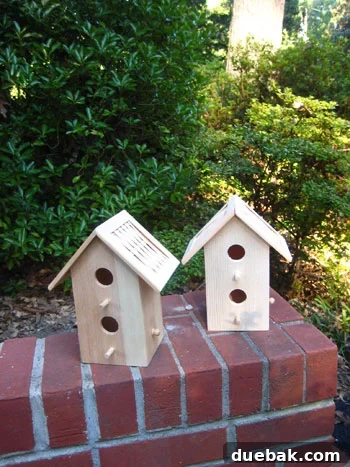
They truly weren’t much to look at, nor were they designed to withstand the unpredictable elements of the outdoors. The balsa wood, while lightweight and easy to work with, lacked any inherent weather resistance, making it prone to warping, rotting, and quickly falling apart. The woven roofs, while perhaps adding a rustic charm, were essentially sieves when it came to rain. Any bird attempting to nest in such a structure would find themselves quickly drenched and exposed. It was clear that these weren’t just decorative items; they needed a functional upgrade to truly serve as safe, dry homes for birds. This realization sparked our DIY spirit, prompting us to whip out our tools for a little home makeover that promised to transform these flimsy structures into robust, welcoming shelters.
The Vision: Crafting Durable and Charming Bird Sanctuaries
Our goal was simple: take these inexpensive, fragile birdhouses and infuse them with durability, weather resistance, and a touch of charm. We wanted to ensure they would not only attract birds but also provide a secure and dry environment for their future inhabitants for seasons to come. The beauty of this project was that it tapped into our existing resources, proving that significant upgrades don’t always require significant spending. The satisfaction of transforming something ordinary into something extraordinary, especially when it benefits local wildlife, is immense. It’s about more than just a home improvement; it’s about contributing to our local ecosystem and creating a more vibrant, natural backyard space.
The DIY Birdhouse Makeover: A Step-by-Step Guide
With zero dollars spent on new materials, thanks to some leftover all-weather deck paint from a previous sunroom floor project and a few extra roofing tiles we had lying around, we embarked on a creative journey. We were able to whip up something significantly sturdier and a lot more rain-friendly than their original state. This budget-friendly approach demonstrates that effective DIY doesn’t always require a large investment, just a bit of ingenuity and a willingness to repurpose materials.
Gathering Your Materials for the Upgrade
- Leftover All-Weather Deck Paint: This was a game-changer. All-weather paint is specifically formulated to withstand harsh outdoor conditions, including moisture, UV rays, and temperature fluctuations. Its durable finish would protect the balsa wood from rot and decay, significantly extending the lifespan of the birdhouses. Using a leftover supply meant zero cost and excellent environmental practice.
- Extra Roofing Tiles: Far superior to the original woven roofs, sturdy roofing tiles (such as asphalt shingles or composite tiles) provide an impermeable barrier against rain and snow. We happened to have some spare tiles from a previous renovation, making them an ideal, free resource for a truly weatherproof roof.
- Liquid Nails (or a similar strong construction adhesive): This heavy-duty adhesive is perfect for reinforcing rickety joints and securely attaching the roofing tiles. Its strong bond and weather-resistant properties ensured that our modifications would hold up against the elements.
- Basic Tools: A drill for creating hanging holes, a utility knife or saw for cutting the roofing tiles to size, and paintbrushes for application. Sandpaper would also be useful for preparing the surfaces.
The Transformation Process: Building Better Bird Homes
- Initial Inspection and Preparation: We began by thoroughly inspecting the original birdhouses. Despite their flimsy construction, they provided a basic framework. We gently sanded any rough edges to create a smoother surface for paint adhesion and to remove any loose splinters from the balsa wood.
- Reinforcing the Frame: The “rickety” aspect was a primary concern. To address this, we applied Liquid Nails along all the existing joints and seams of the balsa wood frames. This added a layer of structural integrity, turning the wobbly structures into much more solid units capable of withstanding external pressures and movement from wind. For added strength, very small, thin pieces of wood could have been glued along interior corners, but the adhesive alone made a remarkable difference.
- Painting for Protection and Style: Next, we applied multiple coats of the all-weather deck paint. This wasn’t just for aesthetics; it was crucial for creating a protective barrier. The paint sealed the porous balsa wood, preventing water absorption and making the houses resistant to mold, mildew, and UV damage. We chose a natural, muted tone that would blend harmoniously with the outdoor environment, a preference for many bird species.
- Crafting a Weatherproof Roof: This was perhaps the most critical step for durability. We carefully measured the dimensions of the existing woven roofs and cut the roofing tiles to size using a utility knife. We made sure to cut pieces that would overlap slightly, mimicking the protective layering of a full-sized roof. We then securely attached these cut tiles to the top of the birdhouses using Liquid Nails, ensuring a tight, impermeable seal. We even created a slight overhang around the edges to direct rainwater away from the entrance hole and walls.
- Adding a Secure Hanging Mechanism: Finally, we drilled a small, appropriately sized hole in the back of each birdhouse. This simple addition allowed them to be easily hung on a tiny nail hammered directly into a tree, ensuring they would remain securely in place while offering stability for nesting birds.
Our Transformed Birdhouses: Ready for Feathered Friends
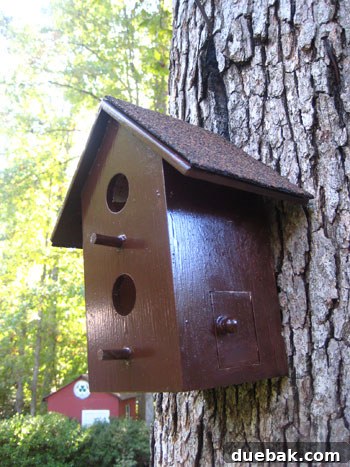
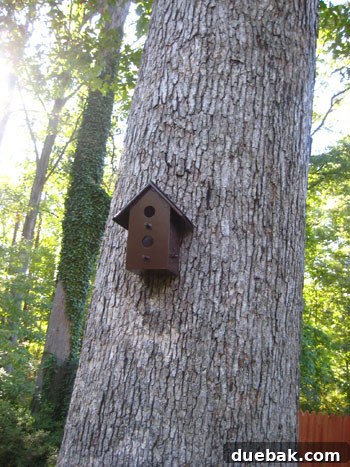
The transformation was remarkable. What were once flimsy, disposable items were now something sturdy and sweet to come home to, times two. The new tiled roofs provided genuine shelter from rain and sun, while the reinforced frames and weather-resistant paint ensured they would stand strong for seasons to come. They no longer looked like cheap purchases but rather thoughtful additions to our garden, ready to welcome their first residents. This simple DIY project showcased how a little creativity and a few repurposed materials can yield impressive, lasting results.
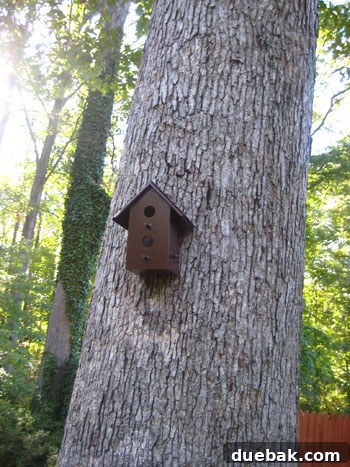
Each birdhouse now stands as a testament to the power of a budget-friendly DIY makeover, providing not just a shelter but a charming piece of outdoor decor. The satisfaction of seeing these transformed structures, knowing they are both beautiful and functional, truly adds a new dimension to our garden space. We eagerly await the day a tiny feathered family decides to make one of these renovated abodes their new home.
Why Attracting Birds to Your Backyard Matters
Beyond the sheer joy of watching them, inviting birds into your backyard offers a multitude of ecological benefits that contribute to a healthier, more balanced environment. Creating a bird-friendly space is a small yet impactful way to support local biodiversity and enjoy the wonders of nature right outside your window.
- Natural Pest Control: This is one of the most significant advantages. Many birds, including wrens, chickadees, and even warblers, are voracious insect eaters. They can help control populations of mosquitoes, aphids, caterpillars, slugs, and other garden pests, reducing the need for chemical pesticides. This creates a safer, more organic environment for your plants and family.
- Pollination: While often overshadowed by bees, some bird species, particularly hummingbirds, play a crucial role in pollinating various plants as they feed on nectar.
- Seed Dispersal: Birds help propagate plants by carrying seeds to new locations, contributing to plant diversity and forest regeneration.
- Biodiversity Enhancement: By providing habitat, food, and water, you are actively supporting local wildlife and strengthening the natural ecosystem of your garden. A diverse array of birds indicates a healthy environment.
- Joy and Relaxation: Birdwatching is a wonderfully calming and educational hobby. The vibrant colors, melodic songs, and fascinating behaviors of birds can provide endless entertainment and a profound connection to nature, enhancing mental well-being.
Tips for Inviting Birds to Your New Nests
Now that our two new homes are ready, the next step is to make them irresistible to our local avian population. Attracting birds goes beyond just putting up a birdhouse; it involves creating an entire environment that caters to their needs. We’re eager to see who comes to feather our little nests, and we’d love any tips you might have! In the meantime, here are some proven strategies to help you get fabulous, mosquito-eating birdies to come to roost:
Strategic Placement is Key
- Shelter from the Elements: Position birdhouses in areas that offer protection from strong winds, driving rain, and intense afternoon sun. Partial shade can keep the house cooler in summer.
- Appropriate Height: Different bird species prefer different heights. Generally, mounting birdhouses between 5 and 15 feet off the ground is suitable for most common backyard birds like wrens, chickadees, and bluebirds. Ensure the house is securely mounted to prevent it from swinging excessively in the wind.
- Predator Protection: Critically, keep birdhouses away from easy access points for predators such as cats, squirrels, and raccoons. Mounting them on poles with baffles (guards) or placing them away from fences, low branches, or trellises that predators can climb can help.
- Clear Flight Path: Ensure there’s an open area around the entrance hole, allowing birds a clear path for approach and departure. Avoid placing houses too close to dense foliage that might hinder their access or provide cover for predators.
Create a Bird-Friendly Environment
- Native Plants are Best: The most effective way to attract birds is to provide natural food sources and shelter. Plant native trees, shrubs, and flowers that produce berries, seeds, and nectar, and host insects that birds feed on. This also provides natural nesting materials and safe cover.
- Provide a Clean Water Source: A bird bath is an invaluable addition. Birds need water for drinking and bathing. Ensure the water is fresh and shallow, and clean the bath regularly to prevent disease.
- Consider Supplemental Food (Optional): While natural food sources are ideal, bird feeders can supplement their diet, especially during harsh weather. Offer a variety of seeds, suet, or nectar, but always keep feeders clean to prevent the spread of disease.
- Go Organic and Avoid Pesticides: Pesticides not only remove the insects that birds rely on for food, but they can also harm birds directly. Embrace organic gardening practices to maintain a healthy ecosystem for birds and other wildlife.
- Leave Some “Wild” Areas: A little untidiness can be a bird’s paradise. Piles of brush, leaf litter, or dead trees (if safe) can provide shelter, nesting sites, and foraging opportunities.
Maintenance and Observation
- Regular Cleaning: Clean out birdhouses at the end of each nesting season (typically in late summer or early fall) to remove old nests, parasites, and debris. This prepares them for new residents the following spring.
- Patience is a Virtue: It might take some time for birds to discover and accept your new birdhouses. Be patient, continue to provide a welcoming environment, and eventually, they will come.
- Enjoy the Show: Once birds start using your houses, take time to observe their behaviors. It’s a fascinating way to learn about nature and connect with the wildlife in your own backyard.
Conclusion: A Home for Wildlife, A Joy for Us
Our DIY birdhouse makeover project was more than just a renovation; it was an investment in our backyard ecosystem and a source of immense personal satisfaction. By taking two inexpensive, flimsy structures and transforming them into robust, weatherproof homes, we’ve created inviting sanctuaries for local birds. This project highlights that with a little creativity and a few repurposed materials, anyone can make a positive impact on their immediate environment, enhancing biodiversity and bringing the joy of nature closer to home.
We eagerly anticipate the pitter-patter of tiny bird feet and the cheerful songs of our new feathered neighbors. Here’s to hoping our efforts result in a vibrant, bird-filled spring! Do you have any go-to strategies or secret tips for attracting specific bird species or making your birdhouses more appealing? We’d love to hear them as we await our first tenants!