
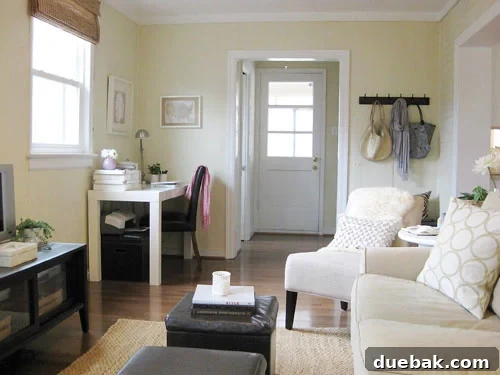
How to Paint Wood Paneling: Transform Your Room with a Fresh, Modern Look
Wood paneling, once a popular design choice that adorned many homes, can sometimes make a room feel dated, dark, or even a bit gloomy. If you’ve been searching for an affordable yet dramatic way to refresh your living space, painting wood paneling is an outstanding solution. It’s a surprisingly straightforward DIY project that can completely revitalize a room, instantly making it feel brighter, more spacious, and decidedly modern. Forget the idea of costly, time-consuming renovations; with just a few readily available supplies and a bit of effort, you can achieve a stunning transformation in as little as a single weekend.
We’ve received numerous requests from homeowners eager for a detailed, step-by-step guide to painting wood paneling, and we’re thrilled to share everything you need to know. This comprehensive tutorial will walk you through each phase of the process, from initial preparation to the final coat, ensuring you achieve a professional-looking finish you’ll absolutely love. Get ready to embrace the joy of a beautifully updated home, because transforming your paneled walls is far easier than you might imagine!
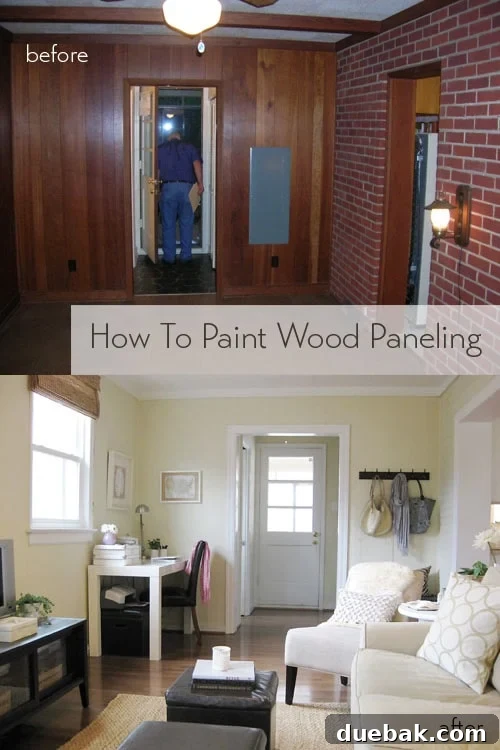
Why Paint Your Wood Paneling? The Unbeatable Benefits of a Modern Makeover
Before we dive into the ‘how-to,’ let’s take a moment to consider the compelling ‘why.’ Many homeowners hesitate to paint wood paneling, often fearing it might diminish its character or be an overly difficult task. However, the benefits of painting outdated wood paneling are immense and often outweigh any reservations:
- Instant Modernization: Wood paneling, especially in dark, knotty pine, or orange-toned varieties, can instantly transport a room back several decades. A fresh coat of paint, particularly in lighter, contemporary, or neutral hues, immediately brings your space into the 21st century, aligning it with current design trends.
- Brightens and Expands Space: Dark paneling has a tendency to absorb light, making rooms feel considerably smaller and dimmer than they actually are. Painting it a lighter color dramatically reflects light, creating an optical illusion of greater space and a much brighter, more open, and ultimately more inviting atmosphere.
- Cost-Effective Renovation: Compared to more extensive home improvement projects like tearing out and replacing paneling, or even re-drywalling, painting is an incredibly economical way to achieve a dramatic visual upgrade. You can often transform an entire room for well under $100 in materials, making it a budget-friendly renovation option.
- Conceals Minor Imperfections: Over time, wood paneling can accumulate minor dings, scratches, faded spots, or discolored areas. A fresh, opaque coat of paint can easily mask these imperfections, giving your walls a uniform, pristine, and refreshed appearance without the need for extensive repairs.
- Personalization and Style: Painting your paneling allows you to inject your unique personal style and color preferences directly into a room, making it truly yours. It offers a blank canvas to introduce new decor, textiles, and furniture, completely changing the room’s character.
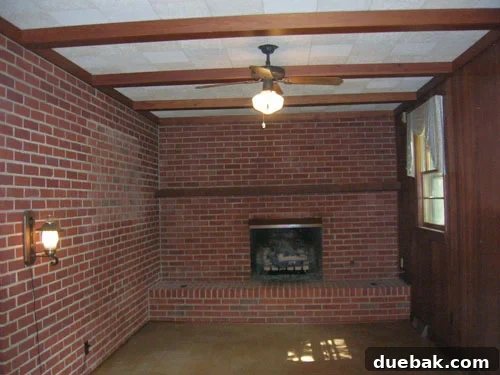
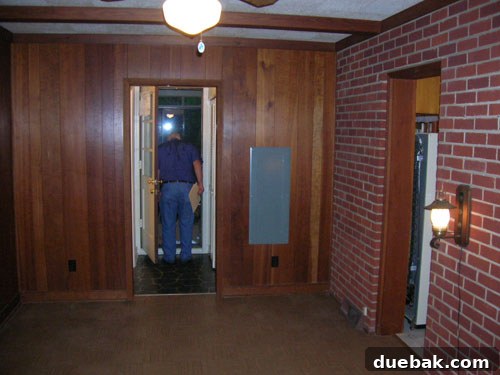
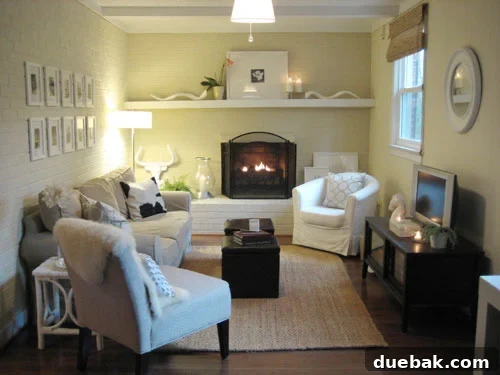
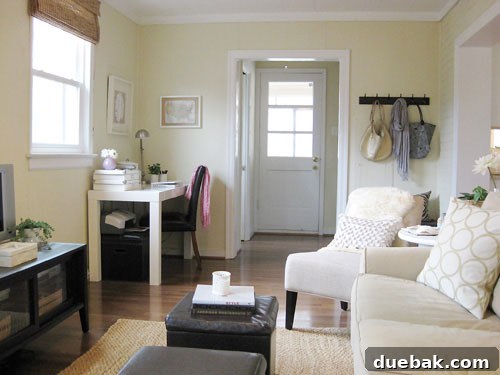
Just observe the incredible difference a little bit of primer, paint, and dedicated effort made in our very own den:
Essential Tools and Materials for Successfully Painting Wood Paneling
Before you embark on your painting journey, it’s crucial to gather all the necessary supplies. Having everything on hand will ensure a smooth, efficient, and interruption-free process. This comprehensive list covers what you’ll need for both real wood paneling and the thinner, “faux” or manufactured paneling often found in older homes.
- Cleaning Supplies:
- Mild all-purpose cleaner, or preferably, a TSP (trisodium phosphate) substitute for effective degreasing
- Large bucket of clean, warm water
- Several clean rags or sponges for washing and rinsing
- Preparation Tools:
- Spackle or wood filler (for repairing larger holes or significant damage)
- Caulk gun and paintable acrylic latex caulk (essential for filling nail holes, seams, and gaps)
- Fine-grit sandpaper (180-220 grit) and a sanding block (only if your paneling is rough or very glossy)
- Generous supply of drop cloths or plastic sheeting to protect flooring and furniture
- High-quality painter’s tape (blue painter’s tape is commonly recommended for clean lines)
- Primer:
- CRUCIAL: High-quality, oil-based, stain-blocking primer. This is paramount for preventing wood tannins and stains from bleeding through your paint.
- Paint:
- Premium latex or acrylic-latex paint. For walls, eggshell, satin, or semi-gloss finishes are popular choices due to their durability and washability. Choose a color that complements your room’s aesthetic.
- Application Tools:
- Paint roller with an appropriate nap (1/4 to 3/8 inch for smooth to semi-smooth surfaces like paneling)
- Sturdy paint tray
- High-quality angled paintbrush (2-2.5 inches is ideal for cutting in around edges and reaching into panel grooves)
- Stir sticks for thorough mixing of primer and paint
- Safety Gear:
- Protective gloves
- Safety glasses
- Respirator mask (especially important when using oil-based primer due to strong fumes, even in a well-ventilated area)
Step-by-Step Guide: How to Paint Wood Paneling for a Professional Finish
Now that you’re fully equipped with all the necessary tools and materials, let’s get down to the exciting transformation! Follow these steps carefully and patiently for the absolute best results and a finish that looks like it was done by a professional.
Step 1: Thorough Preparation – The Indispensable Foundation for a Flawless Finish
This is, without exaggeration, the most critical step in successfully painting wood paneling. Skipping or rushing through preparation will undoubtedly compromise the quality and longevity of your final outcome. Your primary goal here is to create a perfectly clean, smooth, and optimally ready-to-prime surface.
- Deep Clean the Paneling: Begin by thoroughly cleaning every inch of your paneled walls. Over years, paneling can accumulate a surprising amount of dust, cobwebs, grime, and even greasy residue, particularly in high-traffic areas, kitchens, or rooms where smoking occurred. Mix your all-purpose cleaner or TSP substitute with warm water according to product instructions. Wipe down the entire surface of the paneling with a clean rag or sponge, paying meticulous attention to the grooves, crevices, and corners where dirt tends to hide. Follow this with a separate clean, damp rag to rinse away any cleaner residue. Allow the walls to dry completely, which can take several hours depending on the room’s humidity and ventilation.
- Fill Holes and Minor Imperfections: Carefully inspect your paneling for any nail holes, small cracks, dings, or other minor surface damage. Use paintable acrylic latex caulk to fill these imperfections. Apply a small, controlled bead of caulk, then smooth it out gently with your finger or a damp rag, ensuring it’s flush with the paneling surface. For larger holes, deeper gouges, or more significant damage, use spackle or wood filler, applying it strictly according to the product’s instructions and allowing it to dry thoroughly.
- Light Sanding (Only When Absolutely Necessary): In most instances, extensive sanding of wood paneling is not required when you’re utilizing a high-quality oil-based primer. However, there are specific situations where a light sanding is beneficial:
- If your paneling is splintered, feels rough to the touch, or has noticeably raised grain, a very light scuff sanding with 180-220 grit fine sandpaper will smooth these areas, improving the final texture.
- If the existing finish on your paneling is extremely glossy, like a shellac or high-gloss varnish, a light scuff-sanding will create a better ‘tooth’ for the primer to adhere to, significantly enhancing bonding.
After any sanding, it is imperative to thoroughly wipe down the walls again with a tack cloth or a slightly damp rag to remove all lingering dust particles.
- Protect Your Surrounding Space: Lay down drop cloths or plastic sheeting meticulously on the floor and over any furniture you can’t remove from the room, ensuring comprehensive protection against paint drips and spills. Use high-quality painter’s tape to precisely mask off baseboards, crown molding, ceiling lines, and window and door frames if you do not intend to paint them. Ensure the tape is pressed down firmly and evenly to create a tight seal and prevent any paint bleed-through.
Step 2: It’s Prime Time – The Indispensable Key to Durability and Stain Blocking
This step is absolutely non-negotiable when undertaking the project of painting wood paneling, especially if it’s real wood, has a dark stain, or exhibits any signs of knots. Applying the correct primer is paramount; it will effectively block tannins from bleeding through your beautiful new paint and ensure superior adhesion for the topcoats.
- Choose Oil-Based Primer – No Exceptions: We cannot stress this point enough: for wood paneling, you must always use a high-quality, oil-based, stain-blocking primer. Water-based primers, while convenient and popular for drywall, simply do not possess the necessary strength and barrier properties to prevent natural wood stains, resins, and tannins (natural chemicals found within the wood) from seeping through your topcoat. This “bleed-through” will lead to unsightly yellow or brown discoloration on your freshly painted walls. Oil-based formulas, conversely, create an incredibly durable, impenetrable barrier that effectively locks in these wood properties, preventing them from ruining your finish.
- Meticulous Application Technique:
- Roll the Main Areas: Use a high-quality paint roller with a 1/4 to 3/8 inch nap, which is suitable for smooth to semi-smooth surfaces, to apply a thin, even coat of primer to the flat surfaces of the paneling. Work in manageable sections, rolling consistently from top to bottom. Maintain a “wet edge” to avoid lap marks by slightly overlapping your roller strokes.
- Brush for Intricate Details: Transition to your high-quality angled paintbrush to carefully work the primer into all the recessed grooves, cracks, and corners that the roller cannot effectively reach. Ensure every single part of the paneling is thoroughly covered with primer, even if, at this initial stage, the application looks a bit spotty, streaky, or uneven. The critical goal here is complete and consistent coverage, not aesthetic perfection of the primer coat itself.
- Strict Adherence to Drying Time: Allow the primer to dry completely according to the manufacturer’s specific instructions. This typically takes several hours, and sometimes longer in humid conditions. Proper and complete drying is absolutely essential for the subsequent paint layers to adhere correctly and form a durable bond. Furthermore, ensure excellent ventilation in the room during and immediately after priming due to the strong fumes associated with oil-based products; wearing a respirator mask is strongly advised.
Step 3: Get Your Paint On – Achieving a Smooth, Vibrant, and Durable Finish
With a perfectly prepared and primed surface, you’re now ready for the most visually rewarding part of the project – applying your chosen paint color! This is where your room truly begins its transformation.
- First Coat of Paint: Once your oil-based primer is thoroughly dry and cured (confirm with manufacturer guidelines), it’s time to apply the first coat of your premium latex or acrylic-latex paint. Use a high-quality roller for the main flat areas of the paneling, applying a thin and even layer. Again, utilize your angled paintbrush to carefully paint into any grooves, bevels, or crevices that the roller might miss, ensuring uniform coverage. It is crucial to avoid applying too much paint at once, as thick coats are prone to dripping, running, and can lead to an uneven finish and extended drying times.
- Second Coat for Optimal Coverage and Durability: After the first coat of paint has dried completely (always check the manufacturer’s recommendations on the paint can, which typically suggest 2-4 hours), apply a second thin and even coat using the exact same roller and brush technique. Applying two thin coats almost universally provides superior coverage, a noticeably smoother finish, and significantly enhances the long-lasting durability of your paint job compared to attempting to achieve coverage with a single thick coat.
- Achieving Razor-Sharp Edges: For crisp, professional-looking lines along the ceiling, baseboards, and around window/door frames, painter’s tape is an incredibly reliable tool. Ensure it’s applied precisely and pressed down firmly before painting. However, for those who prefer to “cut in” freehand, a high-quality, short-handled, angled brush offers exceptional control and precision, making it possible to achieve a perfect edge every single time with practice.
- Consider a Third Coat (Optional but Recommended for Perfection): Depending on the specific paint color you’ve chosen (especially if you’re transitioning from very dark paneling to a very light or white paint color) and the quality/opacity of your paint, a third thin coat might be highly beneficial. This extra layer can provide the ultimate in coverage, color depth, and a truly flawless, consistent finish. Always ensure adequate and complete drying time between each coat.
Step 4: The Grand Reveal – Finishing Touches and Well-Deserved Celebration!
You’re almost at the finish line! It’s now time to carefully admire your hard work and complete the transformation of your room. The moment of truth has arrived!
- Thoughtfully Remove Painter’s Tape: Once the final coat of paint is dry to the touch (but crucially, not yet fully cured and hardened), carefully and slowly remove the painter’s tape. Pull it away from the painted surface at a 45-degree angle to help prevent any potential peeling or tearing of the fresh paint. If you allow the paint to fully cure onto the tape, it can adhere too strongly, causing the paint to lift or tear when removed.
- Thorough Clean Up: Immediately after you’re done painting, thoroughly clean your brushes and rollers. Use appropriate cleaners – mineral spirits or paint thinner for oil-based primer and simple soap and warm water for latex paint. Proper and timely cleaning ensures your valuable painting tools last much longer and are ready for your next project.
- Allow for Full Curing: While the paint may feel dry to the touch within a few hours, it’s important to understand that it takes several days, and sometimes even a few weeks, for paint to fully cure and achieve its maximum hardness, durability, and washability. During this curing period, be gentle with your newly painted walls to avoid accidental scratches, scuffs, or damage.
- Celebrate Your Impressive Achievement: You’re done! It’s truly that straightforward, and the transformation is often nothing short of breathtaking. Your room should now feel significantly bigger, wonderfully lighter, and incredibly fresh—a clear testament to your impressive DIY prowess and dedication. This accomplishment definitely deserves a little victory dance, a celebratory meal, or simply a moment to relax and soak in the beauty of your revitalized living space.
Expert Tips for Success and Navigating Common Painting Pitfalls
To ensure your wood paneling painting project goes as smoothly as possible and yields the best results, keep these expert tips in mind and be aware of common mistakes to avoid:
- Ventilation is Absolutely Key: Always work in a very well-ventilated area, especially when you are using oil-based primer. Open windows wide, use fans to circulate air, and always wear a high-quality respirator mask to protect yourself from inhaling fumes.
- Patience is a Virtue (and Essential): Rushing through any of the steps, particularly the crucial drying times between coats of primer and paint, is a common mistake that often leads to compromised results. Always allow each coat to dry fully and completely for optimal adhesion, durability, and a smooth, even finish.
- Test Your Colors Before Committing: Before you commit to painting an entire room, it’s highly recommended to paint a small, inconspicuous section of the paneling or, even better, a large sample board (primed, just like your walls). Observe this sample at different times of day and under various lighting conditions to ensure you truly love the chosen color.
- Do Not Overload Your Brush or Roller: Applying too much paint at once can lead to unsightly drips, annoying runs, and an uneven, textured finish. It is always far better and more effective to apply several thin, even coats than to try to achieve coverage with one thick, heavy application.
- Maintain a “Wet Edge”: When rolling paint onto the large flat surfaces, try to consistently roll into a previously painted, still-wet area. This technique is crucial for preventing noticeable lap marks and ensuring a smooth, seamless finish across the entire wall.
- Proper Lighting During Application: Good lighting is essential when painting. Use a bright work light to illuminate the surface as you paint, which will help you spot any missed spots, drips, or inconsistencies before the paint dries.
So there you have it – our comprehensive, easy-to-follow tutorial on how to paint wood paneling. This project is undeniably one of the most cost-effective and dramatically transformative ways to update a room, often for well under $100 in materials. Don’t be surprised if your newly transformed space garners more compliments than the actual hours you spent working on it!
What about your home? Do you have any outdated paneling that’s yearning for a crisp, clean coat of paint and a modern refresh? Or perhaps you have other fantastic painting tips and tricks to share with our community while we’re on the subject? We’d absolutely love to hear about your experiences and insights in the comments below!
And if you’re wondering how we tackled the challenge of painting all the dark brick in our den, be sure to check out our detailed guide on how to paint a brick fireplace right here. Happy makeovers to one and all!