
Unveiling Our Signature Style: Decoding Subconscious Decorating Patterns in Our Home
Every home tells a story, not just through its inhabitants, but through the deliberate and sometimes accidental design choices made within its walls. As avid decorators and home enthusiasts, we often find ourselves taking a step back to admire our completed projects, but also to analyze them. Scrolling through the extensive collection of photos from our own house tours, a fascinating exercise emerges: identifying decorating similarities and recurring patterns that, surprisingly, we hadn’t consciously noticed before. While some overarching themes are undeniably intentional – our love for a light and airy aesthetic, a palette of soothing neutrals accented with soft blues and grass greens, crisp white curtains, and a charming mix of dark wood and white painted furnishings – it’s the subtle, almost subliminal attractions that truly pique our interest. These are the elements that only reveal themselves when viewing our entire home as a cohesive whole, long after the individual decisions were made.
It’s a testament to the idea that personal style often develops organically, shaped by innate preferences rather than strict adherence to trends. By understanding these underlying patterns, homeowners can gain invaluable insight into their own decorating DNA, empowering them to create spaces that are not only beautiful but deeply personal and authentically ‘them’.
Exploring Our Innate Design Preferences
The Allure of Patterned Bedding: A Departure from Pure White
One of the most intriguing subconscious trends we uncovered relates to our choice of bedding. Despite our well-documented affinity for all things airy and white, which logically would suggest fluffy white bedding for every room, we consistently gravitated towards patterned designs for all three of our bedrooms. We aren’t typically drawn to bold, graphic textiles throughout our home, often preferring layered subtle textures. Yet, when it came to our sleeping sanctuaries, a distinct preference for prints emerged.
For instance, the guest bedroom showcases a fun, high-contrast geometric pattern, injecting a modern vibrancy into the space. It’s a bold statement that cleverly balances the otherwise light surroundings.
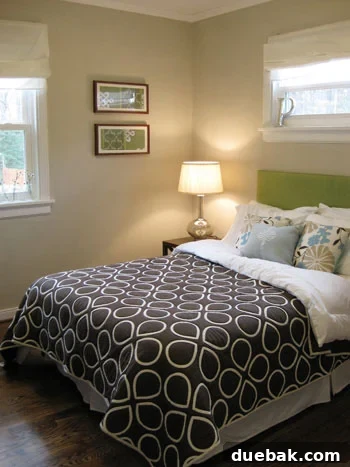
In our own bedroom, the pattern is softer, a more understated graphic that contributes to a serene and inviting atmosphere without overwhelming the senses.
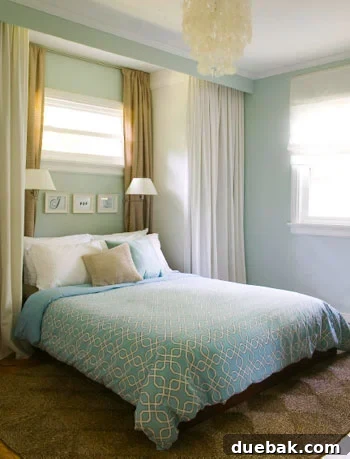
The third bedroom features a detailed modern floral design, adding a touch of sophisticated charm and visual depth. This variety in patterns, while all distinct, speaks to a shared appreciation for bedding that offers more than just a solid hue.
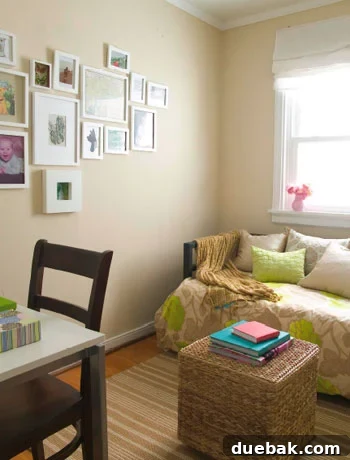
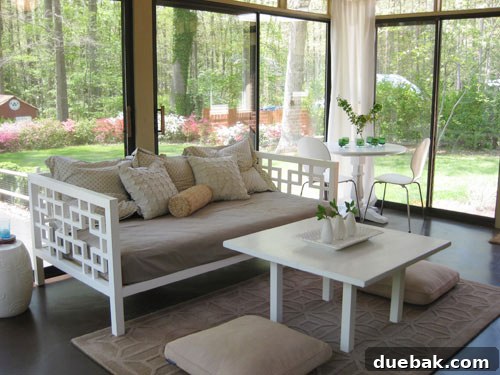
Even the daybed in our sunroom echoes this theme, adorned with graphic, geometrically patterned pillows. This consistent choice suggests a subconscious desire for bedding that goes beyond the basic, adding a layer of personality and visual interest to each sleeping area.
Embracing the Beauty of Natural Materials
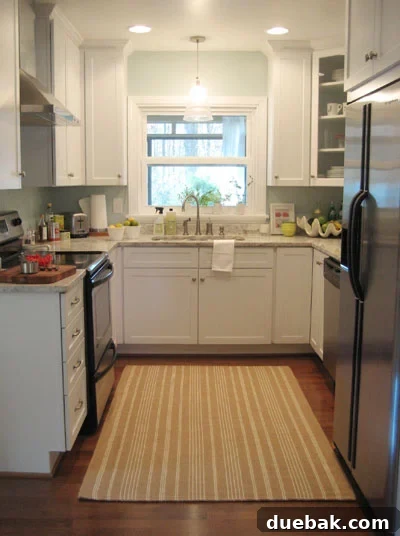
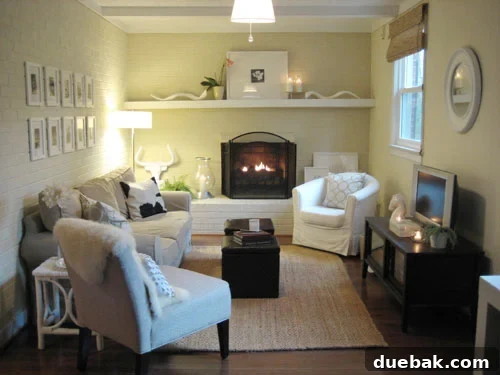
Another prominent and perhaps more consciously acknowledged pattern is our deep appreciation for natural materials. We’ve always been drawn to the warmth and texture they bring to a space, integrating them generously throughout our home. Our living room, laundry nook, and den all feature the rustic elegance of bamboo blinds, providing both privacy and a touch of organic charm. Similarly, jute rugs anchor various rooms, from the kitchen and den to the third bedroom and our master suite, adding softness, texture, and a grounded feel.
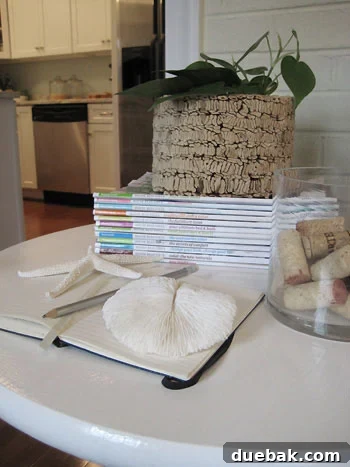
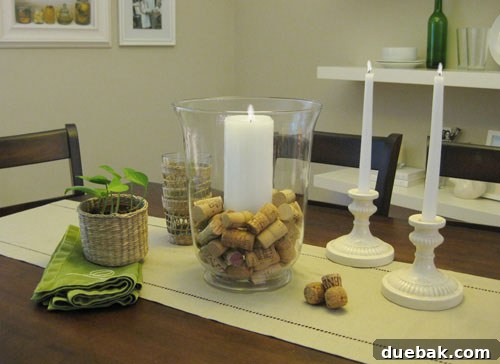
What’s particularly interesting is how this preference extends beyond major furnishings to the tiniest finishing touches and accessories. Woven baskets provide stylish storage in the bathroom, corks serve as unique vase fillers, and planters crafted from natural fibers bring an earthy touch to indoor greenery. Even our throw pillows in the den and third bedroom often feature natural woven textures, subtly reinforcing this foundational design principle. This consistent integration creates a harmonious and inviting environment that feels connected to nature.
A Subtle Nod to the Animal Kingdom
Beyond the obvious aesthetic choices like light slipcovered sofas, mocha floors, white frames, and versatile white pedestal tables, we also uncovered a delightful and surprisingly prevalent subtle animal theme. It’s more than just the collection of charming ceramic animals we openly adore; animal motifs are cleverly woven into various aspects of our decor.
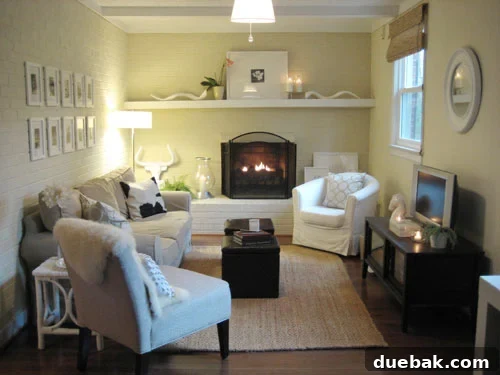
In the den, a cow print pillow adds a playful, rustic touch, complemented by elegant curved ceramic horns adorning the mantelpiece.
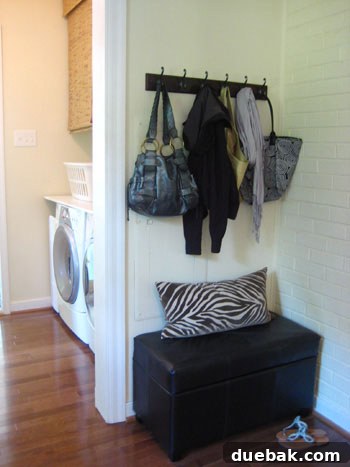
A striking zebra print pillow makes an appearance in our mini mudroom area, injecting a touch of exotic flair.
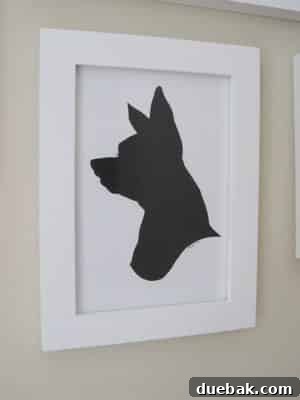
And, of course, our beloved dog, Burger, is immortalized throughout the house in various portraits and pictures, including a specially commissioned formal silhouette. This subtle integration of animal imagery adds warmth, personality, and a sense of whimsy to our living spaces, reflecting our genuine affection for the animal kingdom.
Bringing the Coast Indoors: Sea-Life Patterns
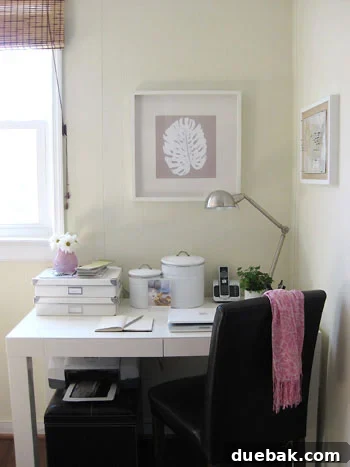
Building upon the natural theme and playfully overlapping with the animal motif, we’ve clearly developed an attraction to sea-life patterns and coastal elements. This isn’t surprising given our love for airy and open spaces, and perhaps a subconscious yearning for sun-drenched beaches. Our bedroom and office feature beautiful botanical prints, often with a subtle nod to aquatic flora or fauna.
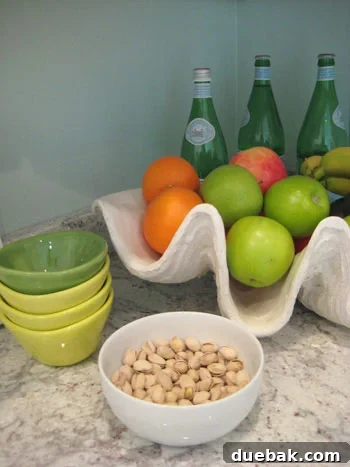
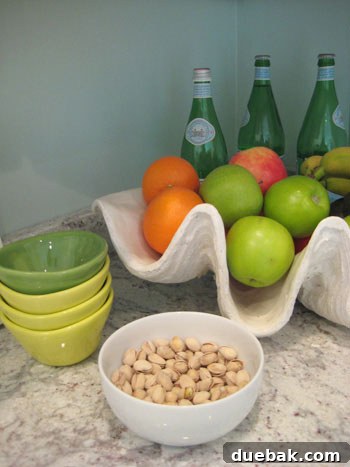
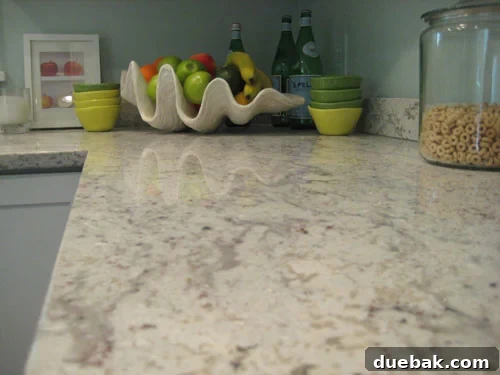
A striking clam shell takes pride of place in our kitchen, serving as a unique sculptural element. Various starfish and faux-coral pieces are thoughtfully peppered throughout the house, adding textural interest and a gentle reminder of oceanic beauty. These elements collectively contribute to a serene, relaxed atmosphere, evoking the calming essence of the seaside.
The Reflection of Style: Our Mirror Fetish
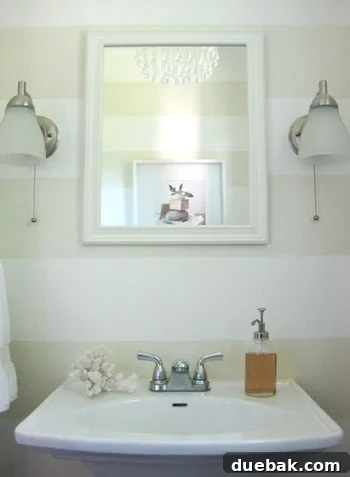
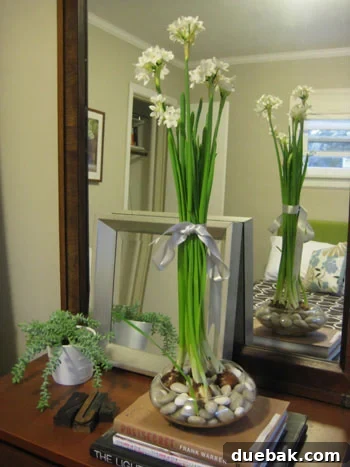
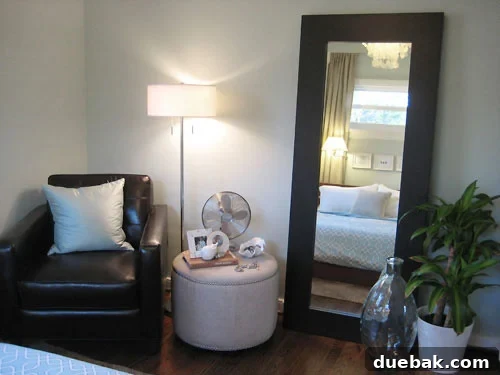
Our penchant for mirrors is another undeniable pattern that emerged during our style retrospective. We discovered a surprising number of reflective surfaces gracing our home – no less than seven mirrors across nine rooms! From the sunroom to the half bathroom, the den, living room, and main bathroom, mirrors are strategically placed to enhance light, create a sense of spaciousness, and add a touch of elegance. We even have a unique layering effect in the guest bedroom with a smaller mirror placed over a larger one, and an impressively sized mirror dominating our own bedroom. Clearly, mirrors are not just functional items for us; they are integral decorative elements that amplify the aesthetic appeal of each space.
The Impact of One Noticeably Large Object
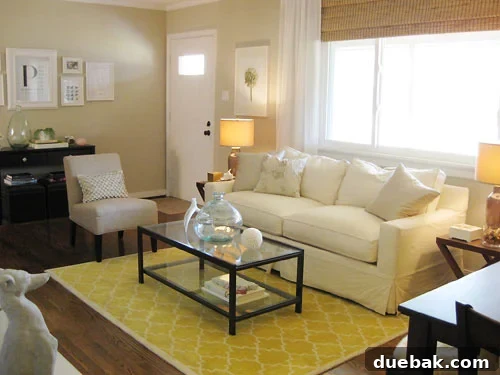
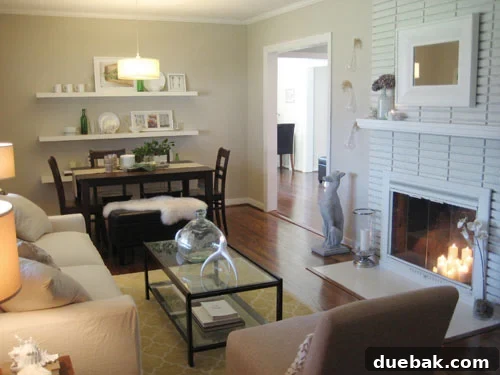
To add visual intrigue and anchor each room, we seem to consistently select one noticeably large object as a focal point. This design strategy is particularly effective in a home that favors subtle colors and patterns, preventing spaces from feeling monotonous. Examples abound: a giant clock commands attention in the sunroom, a huge hurricane lantern sits beside the fireplace in the den, and two oversized jars adorn the coffee table and console table in the living room. Other prominent pieces include a large greyhound statue and a life-sized ceramic dog in the sunroom, two oversized frames in the laundry nook, a custom-made huge ‘P’ monogram above the console table, and the aforementioned giant clam shell in the kitchen. These carefully chosen, generously sized items provide significant visual weight and character, ensuring each room makes a memorable statement.
A Clear Preference for Glass Lamps
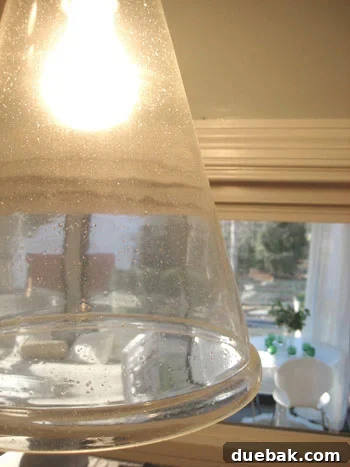
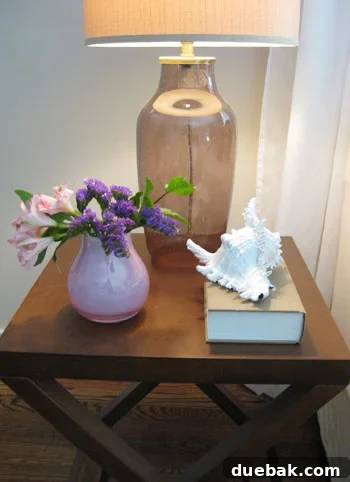
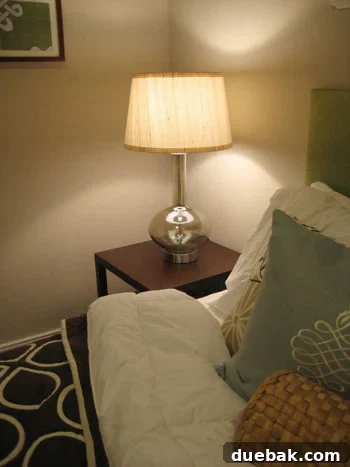
Our lighting choices revealed another surprising preference: glass lamps. While we don’t consciously set out to buy only glass lamps, the numbers speak for themselves. We have a stylish glass pendant lamp above the sink in the kitchen, two elegant glass-based lamps in the living room, and a magnificent oversized glass gourd lamp in the guest bedroom. Remarkably, three out of our four table lamps in the entire house are made of glass, with the only exception being a metal task lamp on our desk. This strong inclination towards glass lighting, often bought on impulse and conviction that each piece is unique, highlights a subconscious attraction to its transparency, light-diffusing qualities, and modern aesthetic.
The Consistency of Clean-Lined Drum Shades
Continuing on the theme of lighting, we discovered an almost exclusive preference for clean-lined drum shades. We knew we liked them, but the extent of our loyalty was unexpected! Nearly every lamp in our home, from the floor lamps in the den and our bedroom to the glass lamps in the living room and guest bedroom, features modern, non-tapered drum shades. While the one in the guest bedroom has a slight taper, it’s barely noticeable. This strong consistency indicates a clear preference for the sleek, contemporary look and diffused, even light that drum shades provide, reinforcing our overall commitment to a clean and airy aesthetic.
A Fondness for Subtle Tone-on-Tone Stripes
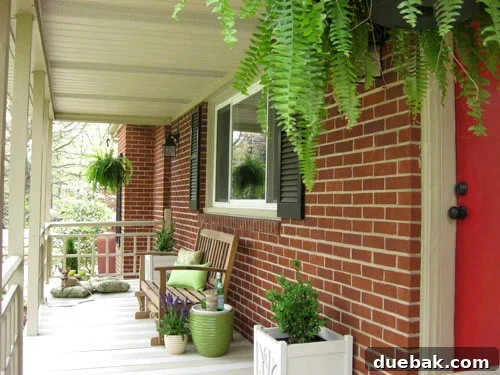
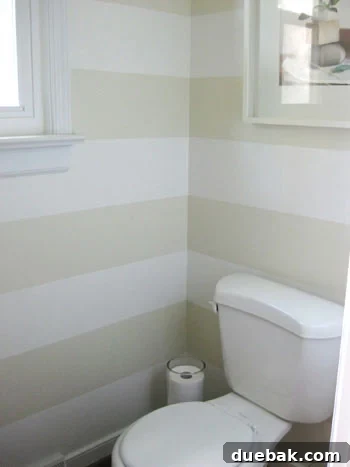
Finally, we can’t overlook our affection for subtle tone-on-tone stripes. This understated pattern adds texture and visual interest without overwhelming a space. We painted them on our porch floor, creating a welcoming and stylish outdoor area. The walls of our half bath also feature this elegant detail, providing depth and sophistication in a small space. Furthermore, we even snapped up two identical jute rugs featuring these subtle stripes for the third bedroom and the kitchen, demonstrating a consistent attraction to this versatile design element across different areas of the home. It’s a quiet yet effective way to add character.
The Power of Cohesive Design: Beyond Repetition
Some might wonder if consciously and subconsciously gravitating towards patterned bedding, jute rugs, natural objects, animal-related paraphernalia, beachy items, mirrors of all sizes, glass lamps, drum shades, and subtle stripes could be considered monotonous or predictable. On the contrary, we believe it’s a powerful indication of a developing signature style. When repeated attractions to certain elements solidify, it means you’re truly honing a unique aesthetic. It’s the point where someone can walk into a store, spot an item, and instantly exclaim, “That’s so YOU!” – a truly flattering compliment, provided it’s not referencing something outlandish! Think of design icons like Nate Berkus, celebrated for his consistent love of latch-like hardware, textured linen, well-worn vintage chairs, and striking black window sashes. Or the inimitable Candice Olson, whose designs often feature luxurious creams, soft blues, gleaming crystal chandeliers, and opulent fabrics. These consistent preferences define their unique, recognizable styles.
Furthermore, strategically repeating similar materials, colors, textures, and styles throughout a home is not about being “matchy-matchy.” Instead, it’s a brilliant strategy for creating cohesion and improving flow, especially in a modestly sized home with equally modest rooms like ours. This deliberate layering of consistent elements prevents the house from feeling like a collection of disjointed, unrelated spaces that can feel jarring when transitioning from one room to another. It provides a harmonious backbone that allows individual rooms to feel connected while retaining their distinct personalities.
Of course, this doesn’t mean abandoning all individuality. We also cherish opportunities to introduce unique elements that don’t appear elsewhere – a vibrant green quilted headboard here, a bold patterned yellow rug there, a charming painted green bookcase, or an exquisite capiz chandelier. These unique touches act as delightful surprises within the cohesive framework, adding layers of personality without disrupting the overall harmony. Our goal is never rigid uniformity, as highlighted in one of our favorite articles about avoiding overly formulaic design. Instead, this journey of discovering our subconscious decorating patterns has been a fascinating study into our own design psyche. Perhaps we were oversized, sea-loving animals who enjoyed looking in the mirror in a past life? We can only guess!
Discover Your Own Signature Style
We encourage you to embark on a similar exploration of your own living spaces. What patterns, textures, colors, or objects do you find yourself repeatedly drawn to? From rich purple velvet to sleek oil-rubbed bronze, what elements can you simply not get enough of in your house? Identifying these personal preferences is the first step towards truly understanding and cultivating your unique signature style, making your home a genuine reflection of you.