
Mastering Grocery Savings: A Beginner’s Guide to Smart Couponing and Big Wins
In the pursuit of financial freedom and the ability to allocate more resources to passions – like home renovation projects and creative endeavors – mastering the art of saving money on essential expenses becomes paramount. For many, a significant portion of their monthly budget is dedicated to groceries. This post dives into my recent, incredibly successful foray into the world of couponing, a skill I specifically set out to conquer as part of my 2011 financial goals. If you’re eager to transform paper clippings and digital discounts into tangible savings, join me on this journey as I share the practical lessons learned from a beginner’s perspective. My goal is to demystify couponing, making it accessible even for those who, like me, once found it intimidating and overly complex.
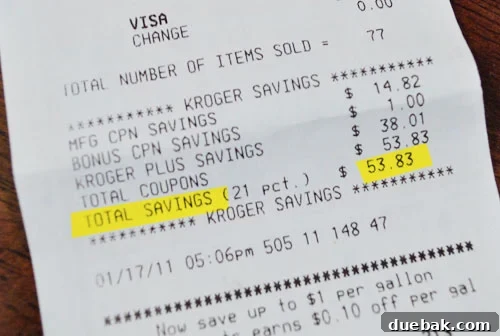
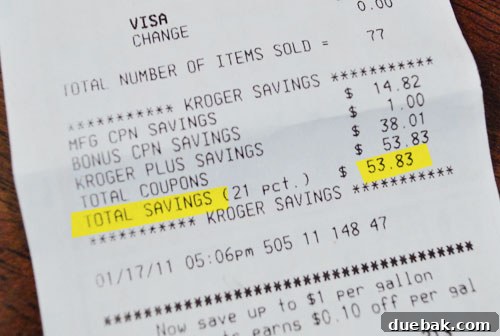
My First Big Win: $53 Saved at the Grocery Store!
The excitement is palpable, and I can’t help but share the incredible news: **I saved a whopping $53 on my recent grocery trip!** This wasn’t just a minor discount; it was a substantial reduction in my overall bill, unequivocally proving that **coupons truly work and can lead to significant grocery savings.** For years, I approached couponing with skepticism, viewing it as a time-consuming chore with minimal payoff. However, my recent experience has completely reshaped my perspective. This single shopping trip cemented my belief in the power of strategic coupon use, turning what I once considered tedious into an exhilarating financial victory.
While I am by no means an “expert” – my journey into the intricate world of couponing began only a few weeks ago – I am thrilled to share my initial discoveries and simplify them for fellow novices. I understand the feeling of being overwhelmed; I was a complete coupon dummy myself, and still feel like one at times! Therefore, I aim to explain these concepts slowly, clearly, and in an encouraging tone, much like I needed them explained to me. Think of this as your gentle, yet comprehensive, introduction to smart grocery shopping and maximizing your household budget through effective couponing strategies.
Essential Strategies for Maximizing Your Grocery Savings
Embarking on a couponing journey requires more than just collecting slips of paper. It involves understanding the mechanics of how coupons interact with store sales and, critically, aligning your savings efforts with your actual household needs. Here are two fundamental tips that formed the bedrock of my successful first experience.
Tip 1: The Power of Coupon Stacking – Combine Manufacturer and Store Offers
The most effective way to unlock substantial grocery savings is by strategically combining different types of discounts. This often involves what seasoned couponers refer to as “coupon stacking.” It’s a game-changer when your grocery store not only accepts manufacturer coupons but also “matches” them or allows them to be used in conjunction with store-specific sales or coupons. For instance, at our local Kroger, they often match manufacturer coupons up to 50 cents, essentially doubling the value of that coupon on qualifying items. This policy alone can transform a modest discount into a significant one.
Let’s illustrate this with a practical example: Imagine Kroger has organic milk on sale, marked down by $1.00 from its regular price. If you also possess a manufacturer’s coupon for 50 cents off that same product, and Kroger matches that coupon, your total discount on a gallon of organic milk that normally costs $3.00 becomes $2.00 ($1.00 store sale + $0.50 manufacturer coupon + $0.50 store match). This brings the final price down to just $1.00 for a product that typically costs three times that much. This kind of synergy between store promotions and manufacturer offers is where the magic truly happens, leading to impressive percentage savings on your overall grocery bill. These small victories accumulate rapidly, especially when you’re stocking up on a variety of frequently used items across your shopping list.
My partner John and I have found that doing one major shopping trip every 2-3 weeks, rather than frequent smaller trips, helps us maximize these savings. This approach minimizes impulse purchases that often occur during shorter, more frequent store visits, thereby keeping our overall spending in check. It allows us to carefully plan our meals, identify sales cycles, and meticulously match them with available coupons, transforming grocery shopping from a mundane chore into a strategic mission to save money and stretch our budget further. This methodical approach is key to consistent, impactful savings.
Tip 2: Prioritize Needs Over Deals – Smart Couponing for Your Lifestyle
A common pitfall for couponing beginners is falling into the trap of buying items simply because they’re on sale or because a high-value coupon is available. While the idea of “big savings” can be incredibly enticing, if you’re purchasing items you don’t actually need, eat, or have adequate storage space for, you’re not saving money; you’re effectively losing it. This “slippery coupon slope” can lead to wasted time, unnecessary clutter in your pantry, and ultimately, a higher overall grocery bill than if you had just stuck to your essentials. It’s crucial to remember that a good deal on an unwanted item is still a waste of money.
My golden rule for smart couponing is simple and unwavering: **only clip (or print, or load) coupons for products our family already regularly consumes or items we genuinely intend to try and integrate into our diet.** Our household, for example, prioritizes organic produce, organic dairy, whole grains, and pantry staples like quality pasta, wholesome bread, healthy cereal options, and granola. While finding coupons for organic and specialty items can sometimes be more challenging than for conventional products, they do exist! Persistence, combined with a bit of research across various coupon platforms, often reveals surprising deals on healthier choices, debunking the myth that healthy eating is always more expensive.
Our Kroger savings card has been an invaluable tool in this regard. Beyond facilitating coupon loading, scanning the card at the register frequently unlocks additional, unadvertised discounts on many of our preferred organic and staple items. This layered approach to saving—combining careful coupon selection with store loyalty programs and understanding sale cycles—is what ultimately led to our record-breaking $53 savings on our last trip. It reinforces the idea that true savings come from mindful purchasing, thoughtful planning, and focusing on quality products you will actually use, not just chasing every discount indiscriminately.
Where to Find the Best Grocery Coupons: Your Digital and Paper Resources
Beyond the traditional Sunday newspaper inserts, which remain a goldmine for a variety of manufacturer coupons, and the indispensable weekly store flyers (like Kroger’s), the digital landscape offers an abundance of resources for smart couponers. Many of these sites allow you to print coupons directly from your home printer or, even better, load them straight onto your store loyalty card, making the checkout process incredibly smooth and efficient – it often feels like something out of a futuristic movie!
Here are some of the online destinations I frequently visit to find coupons that consistently align with my family’s shopping list and preferred brands:
- Southern Savers: This is hands down my favorite coupon site. Its user-friendly interface allows me to quickly navigate to specific store tabs, like Kroger and Target, to see aggregated deals and coupon match-ups tailored for those retailers. They cater to various chains, so even if Kroger isn’t your primary store, you’ll likely find valuable, localized information here. It’s an excellent starting point for any regional shopper.
- Southern Savers Kroger eCoupons: Within Southern Savers, this dedicated section is where I frequently go to find digital coupons that can be loaded directly onto my Kroger Plus Card. This feature significantly simplifies the process, as there’s no need to print; the savings are applied automatically upon scanning my loyalty card at the register, saving time and paper.
- Coupons.com: A foundational and indispensable resource for printable manufacturer coupons. This site consistently offers a vast selection across various product categories, from pantry staples to personal care items, making it a crucial stop for anyone serious about cutting grocery costs significantly.
- RedPlum.com (now RetailMeNot Everyday): Formerly known as RedPlum, this platform is another excellent source for printable coupons. Many of these offers are often found alongside SmartSource inserts in Sunday newspapers, providing an additional digital avenue to access them. It’s worth checking regularly for new, high-value offers that may not be available elsewhere.
- SmartSource.com: Directly from the company behind one of the major paper coupon inserts, SmartSource provides a treasure trove of printable manufacturer coupons. This site is always a go-to for securing discounts on household staples and well-known brand-name products, ensuring you can save on everyday necessities.
- Money Saving Mom: This popular blog is fantastic for aggregating deals and often links directly to some of my favorite coupon sources. It acts as a convenient one-stop shop for discovering new offers, understanding complex deal scenarios, and gaining broader money-saving insights.
- Hip2Save: Another highly recommended site for daily deals, coupon match-ups, and a broader array of money-saving tips that extend beyond just groceries. It’s a comprehensive resource for anyone looking to embrace a more frugal lifestyle across various spending categories.
- Mojo Savings: Offers a wide array of printable coupons and timely deal alerts, proving useful for expanding your coupon search and catching limited-time offers.
- Frugal Coupon Living: A dedicated blog focused on helping families save money through smart shopping, featuring printable coupons, current deals, and practical, family-friendly frugal tips.
- Passionate Penny Pincher: Offers similar valuable content, focusing on practical ways to save money, including extensive coupon resources, meal planning ideas, and budgeting advice.
It’s easy to feel overwhelmed by the sheer number of resources available, but don’t let that deter you from starting! In my experience, approximately 90% of my successful coupon finds come from diligently checking the top four bullet points listed above. I initially bookmarked dozens of sites during my experimental phase, trying to catch every deal, but I quickly learned to narrow my focus to these few trusted and high-yield platforms. Focus on finding a few reliable sources that work best for your shopping habits and preferred stores, rather than trying to monitor every single deal across the entire internet. Efficiency in your coupon search is just as important as the act of clipping itself.
Real-Life Examples of Significant Grocery Savings
Beyond simply clipping coupons, the true art of saving comes from strategically applying them in conjunction with store sales and loyalty programs. My recent record-breaking grocery trip perfectly illustrates how combining these elements can lead to substantial discounts on items our family truly loves and consumes. For a total spend of approximately $160, John, Clara, and I secured 2-3 weeks’ worth of groceries, filling over nine large reusable bags with 77 distinct items. The highlight? A remarkable $53 in savings on quality products, including organic baby yogurt, organic milk, fresh organic produce like bananas, avocados, and peppers, alongside whole wheat bread, wheat pasta, wholesome granola bars, healthy cereal, and even some well-deserved treats like dark chocolate and ice cream. Here are a few specific examples of how we achieved these impressive savings:
- YoBaby Organic Yogurt 4-Packs: We purchased two 4-packs, originally priced at $2.69 each, totaling $5.38. Kroger had an in-store promotion for 60 cents off each pack, bringing the individual price down to $2.09. Crucially, we had a manufacturer’s “buy one 4-pack, get the second one free” coupon. This powerful combination meant we paid only $2.09 for both 4-packs, resulting in an incredible savings of $3.29 – essentially getting two for the price of one! This example perfectly demonstrates the power of stacking a manufacturer’s BOGO (Buy One Get One) coupon with a store sale.
- Gorton’s Grilled Shrimp (8 oz bag): This premium product was originally priced at $5.99. Kroger offered a special in-store promotion of $3.00 off, immediately reducing the price to $2.99. We then applied a manufacturer’s coupon for an additional $1.00 off, bringing our final cost down to an impressive $1.99. This single item yielded a total savings of $4.00, demonstrating how strategic coupon use on higher-priced specialty items can significantly reduce their cost and make them more accessible for your budget.
- FiberOne Granola Bars (Box): A box of FiberOne Granola Bars was initially priced at $2.49. Kroger had them on a fantastic sale, offering $1.50 off, which brought the box price down to just 99 cents. Furthermore, we had pre-loaded a FiberOne e-coupon onto our Kroger card (thanks to Southern Savers) for an additional 50 cents off. This triple-stacked discount (store sale + e-coupon) meant we paid an astonishing 49 cents for the entire box of granola bars – a truly exceptional deal that highlights the benefit of digital coupons.
It’s important to note that these examples represent our absolute best buys from that trip. Not every item we purchased was discounted to this extent, or even close. Don’t be discouraged if your initial savings are modest – perhaps 20 cents here, 50 cents there. Every penny adds up over time, contributing significantly to your overall budget. The key is consistent application of these strategies and, most importantly, ensuring you’re only buying products you genuinely enjoy and utilize, rather than simply succumbing to the allure of a sale tag. This mindful approach ensures your savings are real and beneficial to your household.
Advanced Couponing Tips for Beginners (Couponing 101)
As I delved deeper into the world of couponing, I picked up several valuable insights that go beyond the basic “clip and save” mentality. These “Couponing 101” tips can help you navigate common misconceptions and maximize your savings even further, transforming you from a novice saver to a more strategic shopper.
- Understanding “10 for $10” Deals: A common misconception, especially for new couponers, is that a “10 for $10” or similar promotion (e.g., “Buy 5 for $5”) requires you to purchase all ten items to get the advertised price. In most cases, this is simply a marketing tactic designed to encourage bulk buying. You can usually purchase just one item for $1.00 (or the individual unit price), still benefiting from the discount without the need to overstock your pantry. Always check the fine print on the sale tag or ask a store associate if you’re unsure; clarity can prevent unnecessary purchases.
- The Myth of “Bigger is Always Better” for Sales: Our natural instinct often tells us that buying the largest size of an item on sale will yield the greatest savings per unit. However, this isn’t always true, especially when coupons are involved. Often, you achieve a higher *percentage* of savings by using a $1.00 off coupon on a smaller $2.00 cereal box (a 50% savings) compared to using the same coupon on a supersized $4.00 box (only a 25% savings). While checking the unit price (price per ounce, per count, or per unit) is always a smart move to determine true value, I was surprised to find how frequently larger items offer similar or even identical unit prices to their smaller counterparts, especially after factoring in coupon usage. Only opt for the larger size if the unit price is significantly lower *and* you genuinely have a need for that quantity to avoid waste.
- The Cyclical Nature of Sales and Coupons: Many experienced couponers assert that sales and corresponding coupons operate on a predictable cycle, often repeating approximately every six weeks. This insight is incredibly powerful for strategic shopping and pantry management. If you have adequate storage space, you can stock up on your favorite cereal when it’s on sale, buying just enough to last you for about six weeks until the next sale cycle begins. This strategy eliminates the pressure to “stockpile 100 of everything” just because it’s an “amazing deal.” Understanding these cycles empowers you to make informed decisions, ensuring you never run out of essentials while consistently paying the lowest possible price. It teaches patience and smart inventory management within your own pantry, allowing you to buy at rock-bottom prices without unnecessary excess.
My Simple System for Coupon Organization
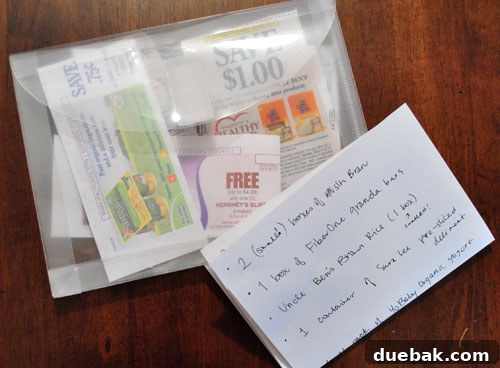
An effective organization system is absolutely crucial for successful couponing. Without it, even the best coupons can go unused, expire, or lead to frustration and delays at the checkout counter. My system is intentionally simple, practical, and designed for efficiency. I utilize a clear plastic sleeve – the kind often used for documents or school supplies – to hold all my coupons. As I clip them from the Sunday paper inserts or print them from various online sources over the 2-3 week period between our major grocery runs, they all get tossed into this single, accessible sleeve.
Before heading to Kroger, I dedicate a short, focused amount of time to pre-shopping planning. I pull out my detailed shopping list, which meticulously notes not only the items we need but also specific details like the required quantity (to maximize coupon usage) and the precise size or variant of the product needed to match a particular coupon. This prevents any guesswork in the aisles. Then, I carefully go through my coupon sleeve, removing any coupons for items not on my current list. This ensures that when I enter the store, my sleeve contains only the “active” coupons I intend to use, eliminating clutter and confusion. I slip my carefully curated shopping list right into the sleeve with the relevant coupons. This way, everything I need for a successful, budget-friendly trip is consolidated into one easy-to-access place. At the register, I first hand over my Kroger card for scanning to apply all loaded digital discounts, and then I present my physical paper coupons. This streamlined process has worked flawlessly for me so far, making the checkout experience quick, efficient, and ultimately, rewarding.
Embark on Your Couponing Journey!
That concludes my beginner’s guide and update on my exciting couponing adventure. I sincerely hope these insights empower you to start your own journey toward significant grocery savings and discover the satisfaction of stretching your household budget further. Happy snipping, happy printing, and happy loading to everyone! The world of coupons is vast and constantly evolving, so there’s always more to learn and new strategies to discover. To all you seasoned “varsity coupon peeps” out there, I eagerly invite you to share your invaluable tips, tricks, and favorite resources in the comments below! As a grateful novice, I know I still have a tremendous amount to learn, and collective wisdom is undoubtedly the best way to keep getting those big wins and refine our saving strategies.
P.S. On a slightly different note, not all kids’ toys are created equal. Discover the unique toy Clara recently received that’s so aesthetically pleasing, we actually don’t want to tuck it away – a stark contrast to the majority of her other toys that quickly find their way into storage!