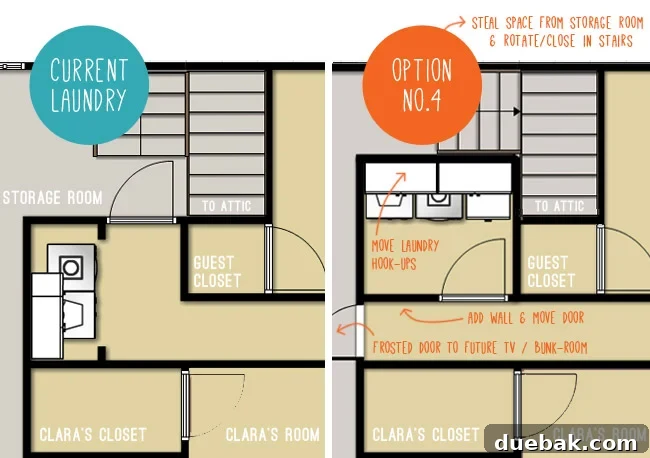
We’re thrilled to share the latest developments in our home renovation journey, especially concerning the laundry area. First and foremost, a massive thank you to everyone who shared their incredible laundry room ideas with us last week. Your suggestions were invaluable, sparking intense discussions and helping us explore possibilities we hadn’t even considered. We meticulously reviewed every single piece of advice, even going as far as obtaining initial quotes for more significant structural changes, such as relocating plumbing and electrical hookups, adjusting doorways, and potentially extending a wall. These early explorations revealed the complexity and potential costs involved in even seemingly minor alterations. Among the wealth of brilliant ideas, one recurring suggestion stood out, which we internally dubbed “Option 3.” This concept involved taking our initial “Option 1” – a straightforward laundry setup – and creatively reorienting the appliances by rotating them a full 90 degrees. The primary goal of this rotation was to tuck the washer and dryer out of immediate sight, creating a more streamlined and aesthetically pleasing main living area. Furthermore, Option 3 proposed a strategic relocation of the storage room access to the back wall. This seemingly simple change promised to eliminate a long-standing logistical inconvenience: the awkward necessity of walking through one functional space just to reach another. It was an elegant solution that addressed both visual clutter and practical flow, marking a significant step forward in our planning process.
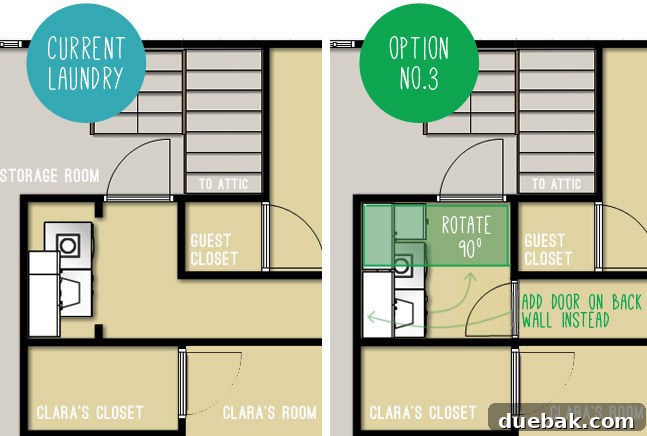
Initially, Option 3 presented an intriguing proposition, one that certainly captured our attention. It offered a clever way to improve the visual aesthetics and overall flow of our home. However, it came with a significant caveat: implementing this plan would necessitate relocating all the primary laundry hook-ups. This isn’t just a matter of shifting appliances; it involves extensive work with the electrical, water supply, and crucial venting systems. Such a comprehensive reconfiguration of essential utilities was a level of intensity we hadn’t originally envisioned for this project. Our initial mindset was geared towards more cosmetic or surface-level changes, not a deep dive into the home’s infrastructure. Moreover, while Option 3 promised aesthetic and flow improvements, it didn’t inherently gain us any additional usable square footage. The laundry area would be better organized and out of view, but the overall footprint remained the same. Despite these considerations, the allure of resolving the inconvenient walk-through door issue and successfully concealing the laundry appliances from the main thoroughfare was undeniably appealing. It forced us to seriously consider whether the enhanced functionality and improved visual harmony were worth the additional complexity and potential expense of moving all those vital connections.
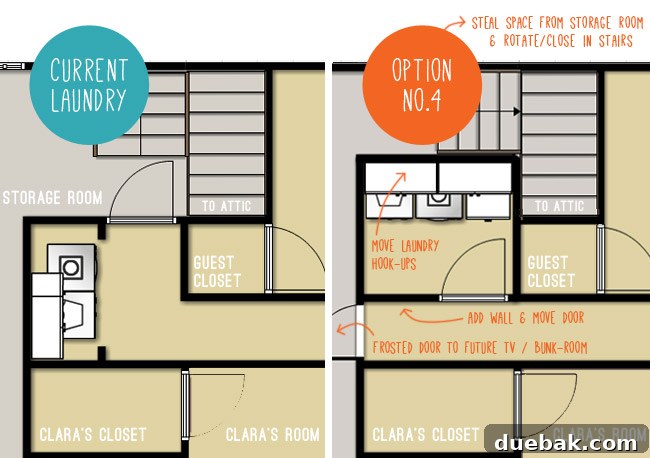
The discussions around Option 3 naturally evolved, leading to an even more ambitious concept that quickly gained traction: “Option 4.” We affectionately referred to it as “Option 3 on steroids” because it took the core idea of rotating the laundry to an entirely new level of transformation. Option 4 wasn’t just about moving appliances; it was about fundamentally reshaping the space. This innovative approach proposed carving out a dedicated, fully enclosed laundry room by strategically reallocating space from our existing, unfinished storage room. Imagine transforming a utilitarian storage area into a purposeful and functional laundry hub – a true upgrade from a simple laundry nook or closet. However, this grand vision, while incredibly appealing, undeniably demanded an even more involved and extensive reconfiguration than Option 3. Building an entirely new room, even a small one, means stepping into the realm of structural changes. We were looking at a project that would require significant framing work to define the new room’s boundaries, followed by the installation of new drywall to create finished, smooth surfaces. This level of construction immediately signaled a more substantial commitment in terms of both time and financial investment, moving beyond simple utility relocations into full-scale interior architecture. It was a leap from optimizing an existing space to creating an entirely new one, presenting both exciting possibilities and considerable challenges.
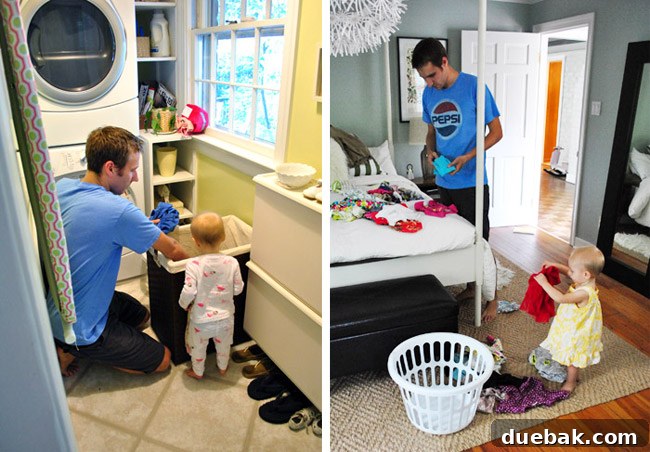
As captivating as the prospect of a legitimate, dedicated laundry room sounded on paper, an interesting internal debate quickly arose. For us, it almost felt like an indulgence, perhaps more than we truly needed. This sentiment likely stems from our roots as former New Yorkers, where the sheer luxury of having any in-house laundry facilities at all felt extremely fancy. We’ve honed our laundry skills in some truly compact urban spaces. Even during the demanding period when our daughter Clara was a baby, and the volume of laundry seemed to multiply exponentially, compounded by the use of cloth diapers, we were masters of efficiency in tiny quarters. We became adept at doing laundry in spaces so small that dirty clothes simply couldn’t accumulate on the floor – primarily because those spaces often doubled as our entryway! While some might see this as a constraint, we always viewed it as a practical benefit, as it forced us to stay on top of our laundry tasks daily. In fact, throughout our lives, we’ve never had the luxury of a dedicated laundry room spacious enough for folding or ironing. Our routine has always involved carrying the laundry basket into a bedroom or another open area to sort and fold, a process so ingrained that it feels perfectly natural. This deeply embedded habit might explain why the idea of undertaking the considerable trouble and expense of carving out a specialized laundry room still felt like we were attempting to solve a problem that, for us personally, wasn’t actually a major inconvenience. The practical utility was clear, but the emotional need felt less urgent, given our history of adaptability in smaller environments.
Just when we thought we had exhausted all possibilities and were leaning towards a less invasive approach, Lesley, a brilliant commenter on Facebook, swooped in and completely rocked our world with an observation so profound it instantly reshaped our entire perspective. Her comment was simple yet revolutionary: if we were to relocate the existing storage door to the space currently occupied by the laundry appliances, a previously hidden gem would be revealed. We would gain an unexpected view of a window that belongs to what will eventually become the bunk-room, directly from the main hallway. This seemingly minor shift had an enormous impact, creating a cascade of benefits that far outweighed our previous reservations about Option 4. The significance of this discovery became immediately apparent because that particular side of our hallway is notoriously dark. It’s an area that has always felt somewhat gloomy and uninviting, lacking the natural illumination that brings warmth and life into a home. The prospect of introducing a direct source of natural light into this perpetually shadowed corridor was an unforeseen but incredibly powerful motivator. It wasn’t just about laundry anymore; it was about fundamentally improving the ambient quality of our entire living space, and suddenly, Option 4 transformed from a practical renovation into an exciting opportunity to enhance our home’s inherent brightness and openness.
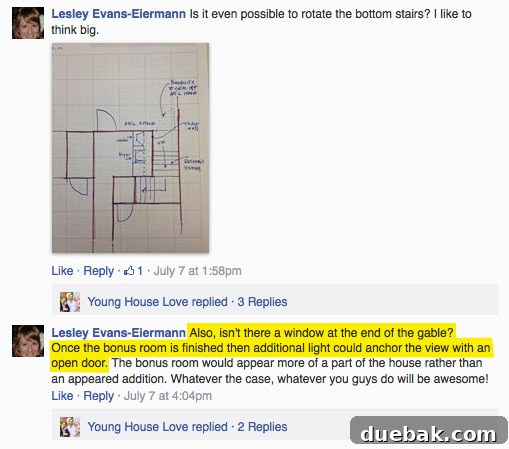
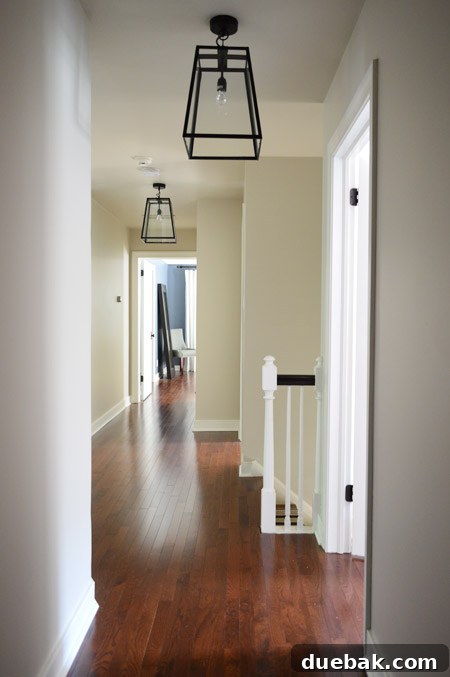
The impact of Lesley’s brilliant suggestion cannot be overstated, especially when you consider the existing lighting dynamics of our hallway. As it stands, the natural light from the front of the house graciously filters into the hallway, illuminating the initial section. However, this much-appreciated glow abruptly diminishes and effectively disappears halfway down the corridor. This is because the last significant sources of natural light that can penetrate this area are Clara’s room and the guest room, both positioned earlier in the hallway. Beyond these points, the hallway descends into a noticeably darker stretch, creating a rather somber and less inviting atmosphere. In stark contrast, if you venture to the opposite end of the same hallway, you’ll find our bedroom. This area benefits from an abundance of natural light thanks to a strategically placed window that perfectly aligns with our bedroom doorway. The difference in brightness between the two ends of the hall is quite dramatic, underscoring the profound impact a single window can have on an interior space. The prospect of bringing that same invigorating sense of light to the currently dim section of the hallway was instantly captivating. Furthermore, we had previously discussed the idea of installing a frosted door for the storage room. With the new layout, even when this frosted door is closed, the light streaming in from the newly revealed window in the storage room would beautifully diffuse through it, casting a soft, ambient glow into the hallway. This vision sparked a moment of pure epiphany for us – a true “light bulb” moment, which, in our excitement, we perhaps articulated in our best Gru voice from Despicable Me. It was a realization that transcended mere functionality, speaking directly to the atmospheric quality and overall feeling of our home.
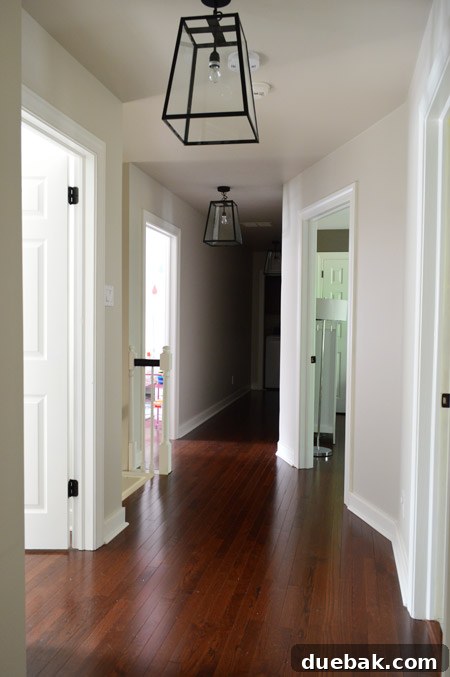
This revelation of enhanced natural light, as illustrated in the preceding images, truly became the pivotal tipping point for our entire renovation plan. While I fully acknowledge that for many, the primary selling point of Option 4 would undoubtedly be the gain of a larger, dedicated laundry space – a highly practical and desirable outcome for most households – for us, it was the unexpected promise of illuminating that formerly dark hallway that sealed the deal. The idea of seeing the soft, inviting glow of sunlight stretching down a corridor that had always felt somewhat gloomy, or even better, an actual window view with the door open, resonated with us on a profoundly aesthetic and emotional level. It was this specific vision, this subtle but transformative improvement to our home’s ambiance, that ultimately convinced us to fully embrace the Option 4 train. However, it’s crucial to emphasize that this decision isn’t solely driven by the pursuit of light. Option 4 brings a multitude of other, highly practical selling points to the table. We still gain a significantly larger and far more functional laundry room, transforming a cramped utility area into a spacious and organized hub for household chores. Moreover, the long-standing inconvenience of having to walk through one room to access another will finally be eradicated, vastly improving the flow and functionality of our living space. So, while the sunlight was the unexpected catalyst, the comprehensive benefits of Option 4 ensure that this renovation will be a wise investment on multiple fronts, blending both aesthetic pleasure and practical utility seamlessly.
With Lesley’s insightful floor plan as our guiding light, the implementation of Option 4 began to take more concrete shape in our minds. As you might have observed in her sketches, this transformative change primarily involves dismantling the existing cased opening that currently defines the entrance to the storage area. In its place, we envision installing a sophisticated frosted glass door directly on the wall that is presently situated behind our washer. This design choice is critical for several reasons. We had engaged in extensive debate regarding whether to maintain the laundry area as an open space or to enclose it behind a wall and door. After much deliberation, we concluded that a dedicated door would be the superior long-term solution. Beyond the obvious aesthetic benefit of concealing laundry clutter, a door offers practical advantages such as dampening the sound of noisy appliances, thereby maintaining a quieter living environment. Crucially, it also provides a safe barrier, effectively keeping our curious toddling boy out of an area filled with machines and chemicals. So, instead of navigating around that corner on the right wall and taking several steps to reach the current storage room door, that access point will be reimagined. The door will move significantly forward, accompanied by the construction of a new wall to fully enclose it, effectively becoming the inviting entrance to our brand-new, purpose-built laundry room. This structural evolution not only optimizes the utility of the space but also enhances the overall safety and tranquility of our home, perfectly aligning with our vision for a more functional and harmonious living environment.
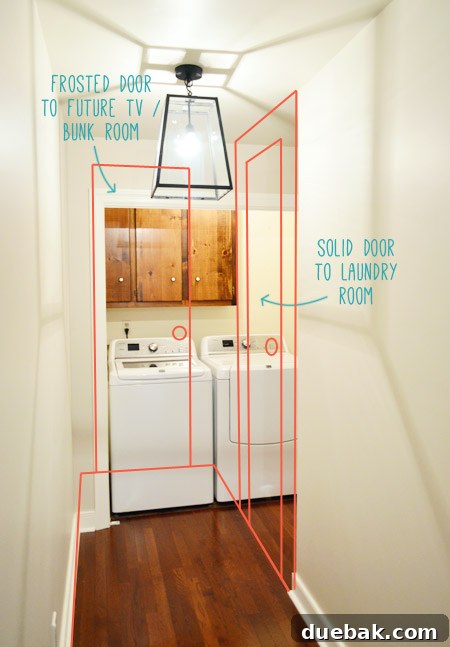
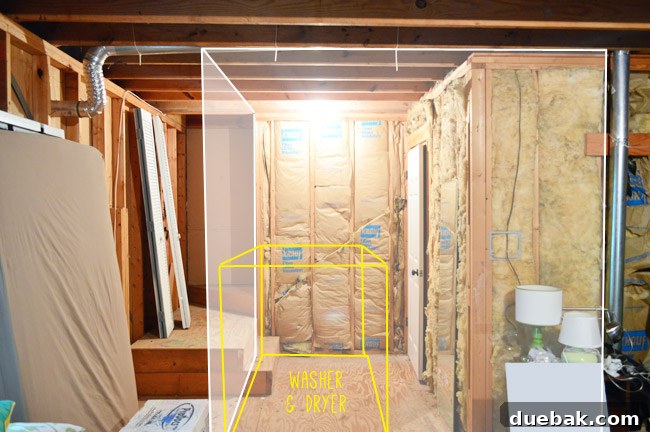
To help visualize the extent of these proposed changes, especially for those who might struggle with abstract floor plans, we’ve created a rough rendering viewed from inside the storage room itself. This drawing aims to provide a clearer perspective on where the new walls would be constructed and, crucially, the precise location where the washer and dryer would eventually be situated within the newly defined laundry space. Please forgive the various lingering messes visible in the rendering – this includes the original laundry bi-folds, which are still temporarily housed within what will soon become our transformed utility area. These imperfections serve as a candid reminder of the “before” state and the ongoing process of renovation. It’s important to note a key detail regarding the door depicted in the rendering: this is a representation of the future storage room door, which will shift back to align seamlessly with the vertical wall line on the right, specifically back by that distinctive silver dryer vent. Consequently, it will not be as closely positioned to the washer and dryer as it might appear in this preliminary sketch. This strategic door placement ensures optimal clearance and functionality within the new laundry room, allowing for easy access and movement around the appliances. This rendering provides a vital interim step, helping us to bridge the gap between conceptual design and the tangible reality of our upcoming renovation, allowing us to anticipate and refine every detail before construction begins.
As we delved deeper into the intricacies of Option 4, one particular element emerged as a significant point of discussion and deliberation, especially for those of you who actively “partook in the discussion on the post from last week.” This was the fate of the stairs that graciously lead up to our attic. The initial floor plans we had shared, generated by Floorplanner, didn’t perfectly capture the nuanced reality of our existing staircase. Their stock stair icon, for instance, depicted a simple four-step ascent, whereas our actual staircase is a unique configuration: a single bottom step, followed by a generously sized landing, and then another half-step around the turn. This discrepancy was crucial because the proposed changes for Option 4 directly impacted this area. The good news, upon closer inspection and consultation, was that reconfiguring the steps to accommodate the new layout would primarily require us to move only that very bottom step. This seemed like a relatively minor adjustment in the grand scheme of things. However, it wasn’t the physical act of moving the stair itself that gave us pause. Our primary concern revolved around the idea of enclosing our attic access with a newly constructed wall that would inevitably hug those bottom steps. We worried that this might significantly narrow the passage, potentially making the annual chore of dragging our large artificial Christmas tree – or any other bulky attic storage items – up and down considerably more difficult and cramped. The convenience of attic access, particularly for seasonal items, is a practical consideration that weighed heavily on our minds, balancing the desire for a new laundry room with the need for continued ease of use for other essential household functions.
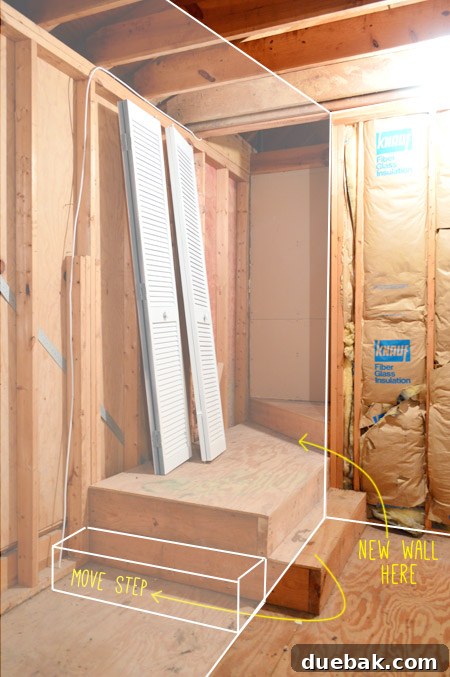
After much thoughtful consideration and weighing the various pros and cons, we arrived at a decision regarding the attic access. While the new configuration, with the wall hugging the bottom steps, would indeed make the passage a little more enclosed and potentially require a bit more maneuvering for larger items like our Christmas tree, we ultimately concluded that it would still be entirely feasible to bring things up and down from the attic. This slight inconvenience, we decided, was a fair trade-off when viewed in the broader context of our home’s overall functionality and aesthetic improvement. It’s important to remember that having a walk-up attic in the first place, rather than the pull-down ladder systems we had in our previous two homes, is already a monumental upgrade for us. The ease and safety of a permanent staircase to the attic cannot be overstated, and even with the proposed changes, that fundamental advantage remains. Therefore, after careful deliberation, the decision crystallized: we felt that being a little more “closed in” when we occasionally access the attic was a small price to pay for the significant daily benefit of soaking up a lot more natural light in our hallway every single day. The consistent enhancement of our living environment, brightening a previously dark space, holds more weight than a minor, infrequent challenge when moving bulky items. This compromise allows us to move forward with Option 4, confident that we are making a choice that prioritizes daily joy and functionality.
Even though Option 4 was sounding more and more like the ideal solution, promising both a dedicated laundry space and a brighter hallway, we still had to confront the cold, hard realities of logistics and, perhaps most importantly, cost. Transforming a storage room into a fully functional laundry room involves intricate work far beyond our DIY capabilities. Moving all those essential laundry hook-ups – the plumbing for water supply and drainage, the electrical outlets, and the critical venting for the dryer – is a specialized job requiring professional expertise. Additionally, the project demanded adding a dedicated drain under the washer, framing out two new walls to define the room, installing two new doors, and performing extensive drywall work to create finished surfaces. To get a realistic sense of the financial investment, we called in two contractors to provide estimates for these specialized tasks. The first estimate, which arrived unexpectedly, came in at a staggering $4,700. This figure was particularly jarring because it was quoted even with the understanding that we would be handling a significant portion of the labor ourselves: all the demolition, laying and re-laying of new and displaced flooring, hanging new light fixtures, installing trim and baseboards, and undertaking all the priming and painting after the drywall was completed. The contractor had initially indicated in person that the cost should be “under 2K,” making the final emailed bid of $4,700, after itemizing everything, a considerable shock. When that number landed in our inbox yesterday, it definitely threw us for a loop, forcing us to pause and reassess our budget and priorities.
The sticker shock from that initial estimate brought a moment of sobering reflection. As much as we yearned for the luxury of a larger, dedicated laundry room and the uplifting presence of more natural light in our hallway, spending nearly $5,000 on this project felt like a significant outlay. To put it in perspective, $5,000 could cover the cost of a complete bathroom gut-job or a suite of high-quality new kitchen appliances – projects that, for many homeowners, represent a more substantial and visible return on investment. This realization made us question whether the benefits of Option 4, as compelling as they were, justified such a substantial expenditure given our overall home renovation goals. Consequently, instead of joyously concluding this post with a triumphant “we’re doing it!” accompanied by jazz hands, we find ourselves in a state of hopeful anticipation. We are literally crossing all of our appendages, eagerly awaiting the second estimate, praying that it will be considerably “easier to swallow.” This second contractor came highly recommended by a trusted friend, which gives us a glimmer of hope for a more budget-friendly proposal. After dedicating so much thought, planning, and emotional investment into visualizing this transformation, there’s nobody itching to get this project underway more than we are. The desire to move forward, to finally see these plans materialize, is incredibly strong. So, here’s to hoping that a more favorable estimate is on its way, paving the path for some truly therapeutic demolition and construction in our very near future, bringing us closer to our dream home.