
Mastering the Last-Minute Home Showing: A Quick Guide to Decluttering and Staging
In the dynamic world of real estate, opportunities can arise as quickly as they vanish. Imagine the scenario: you’re settling into your routine when your agent calls with unexpected news—a buyer wants to see your house, and they’re arriving in less than an hour! This sudden development can trigger a wave of panic, a feeling many homeowners know well. However, with the right strategy and a focused mindset, that initial panic can swiftly transform into productive action. This comprehensive guide will walk you through the essential steps to not only manage such a situation but to turn it into a successful showing that captivates potential buyers.
Our own experience echoes this sentiment. A surprise call, an hour’s notice, and the immediate rush to prepare. While our home maintained a general state of cleanliness—a proactive habit that significantly eased the initial stress—the real challenge lay in perfecting the presentation. It wasn’t just about tidiness; it was about creating an inviting, spacious, and aspirational environment. The goal is to make buyers see not just a house, but their future home, free from personal clutter and distractions. Let’s delve into the actionable steps that can make your home shine, even on the tightest schedule.
The Power of Proactive Cleanliness: Your Foundation for Success
Before diving into the emergency decluttering tactics, it’s crucial to acknowledge the immense value of maintaining a baseline level of cleanliness. Think of it as your safety net. A home that is generally tidy, with surfaces wiped down, floors vacuumed, and bathrooms kept presentable, provides a significant head start. When that last-minute showing request comes through, you won’t be starting from scratch. Instead, you can focus your limited time on crucial staging and decluttering tasks, rather than scrambling to clean a messy environment. This proactive approach reduces stress, enhances efficiency, and ensures you’re always somewhat ‘show-ready’.
This fundamental level of order allows you to dedicate your precious minutes to refining the aesthetics rather than wrestling with basic grime. It means less panic and more precision, enabling you to elevate your home’s presentation from acceptable to outstanding, even under pressure. Regular maintenance is not just about hygiene; it’s a strategic component of a smooth home-selling process that maximizes your property’s appeal and value to potential buyers.
The Rapid Decluttering Blitz: The Two-Bag Method for Instant Impact
Clutter is the enemy of spaciousness and imagination. When buyers view a home, they need to envision their own lives unfolding within its walls, and excessive personal items or general disarray can severely hinder that process. Our proprietary “Two-Bag Method” is a highly effective, rapid-fire strategy designed to drastically reduce clutter and maximize perceived space, all within a tight timeframe. This method focuses on swift decision-making and temporary solutions that yield immediate results.
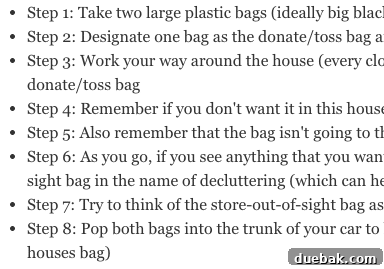
Step 1: Gather Your Essential Tools for the Purge
The success of this method hinges on having the right tools. Forget small kitchen trash bags; for maximum efficiency, arm yourself with two large, durable bags. We highly recommend using black lawn and leaf bags. Their generous size allows you to consolidate a significant volume of items quickly, and their opaque nature ensures that the contents remain out of sight, preventing any temptation to re-sort prematurely. Having these ready-to-go bags at hand eliminates any hesitation and streamlines the entire process, allowing you to move from room to room without interruption and without drawing attention to what’s inside.
Step 2: Assigning Roles – The “Donate/Toss” and “Store Out of Sight” Bags
Clearly designate one bag for items destined for donation or the trash, and the other for items you wish to keep but need to remove from the immediate showing environment. This clear distinction is vital for quick decision-making. The “donate/toss” bag is for items you genuinely no longer need, use, or want—items that are either broken, expired, or have simply served their purpose. The “store out of sight” bag is for personal mementos, seasonal decor, excess kitchen gadgets, or anything that detracts from a clean, neutral aesthetic but still holds value for you. Understanding these roles before you begin ensures you don’t waste precious time agonizing over each item’s long-term fate.
Step 3: The Systematic Sweep: Tackling Every Nook and Cranny
Begin your sweep through the house methodically, starting with high-traffic areas like the living room, kitchen, and master bedroom, then moving to bathrooms and secondary bedrooms. Open every closet, drawer, cabinet, and inspect every surface. The goal is to touch every item and make an immediate decision. Ask yourself: “Does this item actively contribute to the appeal of my home during a showing, or is it merely clutter?” If it’s the latter, into one of the two bags it goes. This systematic approach ensures no area is overlooked, creating a cohesive sense of order throughout the entire property and giving buyers a clear view of the space available.
Step 4: Adopt the “Next Home” Mindset: Detach for Dollars
This is perhaps the most crucial psychological shift required. When deciding what to keep and what to part with, challenge yourself with this question: “If I don’t want this item in my current home during the selling process, is it truly something I want to transport to my next home?” Often, the answer is no. Embracing this forward-thinking perspective helps you detach from items that might be holding you back and allows you to make objective decisions about their future. Remember, a less cluttered home appears larger, more inviting, and ultimately, more valuable to a prospective buyer who is looking for space and potential, not your personal history.
Step 5: Trust the Temporary: The Bags Are Not Permanent Destinations
A common hurdle in decluttering is the fear of making a permanent mistake. Reassure yourself that these bags are temporary holding zones. The “donate/toss” bag isn’t going straight to the landfill or charity today. The “store out of sight” bag is not a final repository. This understanding empowers you to make quick decisions without the pressure of finality. When in doubt, err on the side of placing the item in a bag. You can always revisit its fate later when the immediate pressure of the showing has passed. The objective right now is pristine presentation, not ultimate organization or sentimental sorting.
Step 6: Strategic Stashing: What Belongs in the “Store Out of Sight” Bag
The “store out of sight” bag is a critical component for enhancing perceived space and neutrality. This is where personal photographs, decorative knick-knacks, excess books, seasonal clothing, children’s toys, and any non-essential items that personalize the space go. Think of it as creating a blank canvas. While these items may be dear to you, they can distract buyers from imagining their own lives in the home. By temporarily removing them, you allow the architectural features and the inherent spaciousness of your property to truly shine, making it easier for buyers to connect with the potential of the space and visualize their own possessions within it.
Step 7: Envisioning the “Temporary Pod”: A Mental Framework for Storage
To further alleviate any guilt or anxiety about temporarily stashing items, visualize your “store out of sight” bag as one of those portable storage units, like a PODS container, sitting in your driveway. It’s a dedicated, temporary space for items not needed during the selling period. This mental framework reinforces the temporary nature of the storage, emphasizing that these items are merely on a brief hiatus, ready to be reintegrated or properly sorted once the sale is complete. It’s a psychological trick that makes the process feel less like a permanent farewell and more like a strategic pause, crucial for maintaining focus under pressure.
Step 8: The Car Trunk: Your Mobile, Secure Holding Zone
Once both bags are filled, the most convenient and effective temporary storage solution is often the trunk of your car. This keeps them completely out of the house, away from curious buyer eyes, and secures them until you have more time to sort through their contents properly. This strategy is particularly effective because the car is mobile, allowing you to easily remove the bags entirely for an open house or transport them to a more permanent off-site storage solution later. When the showing is over, you can then allocate items into definitive categories: true donations, actual trash, or items to be kept in the car for future open houses (e.g., small valuables or sentimental items you don’t want left unsupervised). The car trunk acts as an extension of your temporary storage strategy, ensuring no hidden clutter compromises your home’s presentation.
Beyond Decluttering: Quick Staging Touches for a Winning Impression
While decluttering addresses the physical volume of items, effective staging elevates the emotional appeal. With minutes to spare, focus on these high-impact adjustments that make a significant difference in how buyers perceive your home:
- Maximize Light: Throw open all curtains, blinds, and drapes. Turn on every light fixture, including lamps, even during the day. Bright rooms feel larger, cleaner, and more welcoming, instantly creating a positive atmosphere.
- Control Scents: Ensure fresh air circulates by opening windows for a few minutes to air out any stale odors. If necessary, use a very subtle air freshener or diffuser, but avoid overpowering fragrances, which can be off-putting or suggest you’re trying to hide something. A clean, neutral smell is always best.
- Fluff and Arrange: Quickly fluff pillows on sofas and beds. Straighten rugs, stack magazines neatly, and align decorative items. Small details convey care and attention, indicating a well-maintained home.
- Sparkling Surfaces: Give bathroom and kitchen counters a quick wipe. Ensure mirrors are clean and free of streaks. A shiny faucet or spotless countertop can make a big difference in the perceived cleanliness and modernity of a space.
- Freshness in Bathrooms: Hang clean, crisp towels, preferably in a neutral color. Ensure toilet lids are down and any toiletries are neatly stored or hidden. Buyers often peek into bathrooms, and a fresh, tidy one makes a great impression.
- Personalization Paradox: While you’ve removed most personal items in decluttering, do a final sweep for family photos or very unique decor. The goal is for buyers to envision themselves, not you, living there, so keeping personal items to a minimum is key.
The Emergency “Hamper” Maneuver: Last-Minute Hideaways
Despite the best intentions and most rigorous decluttering efforts, there are always one or two rogue items that seem to defy categorization or simply get overlooked until the very last second. When the doorbell is about to ring and you’re faced with a stray magazine, a forgotten remote, a child’s toy, or a pair of reading glasses, creative last-minute solutions become invaluable. We’ve all been there: the frantic search for a discreet hiding spot that won’t be immediately obvious to a discerning buyer.
While we certainly don’t advocate for hiding significant clutter, for those truly unavoidable, small, last-minute items, certain spots are less likely to be scrutinized by potential buyers. The laundry hamper, for instance, is generally considered a private area that most buyers respect. Other possibilities include a neatly organized (and not overflowing) pantry, the inside of an oven (ensure it’s off and cool!), or even under a bed skirt if it’s truly the final ten seconds before they walk through the door. These are not long-term solutions, but rather tactical maneuvers for those critical, immediate moments when every second counts towards making a pristine first impression. Remember, the goal is perceived perfection, even if it requires a little temporary strategic misdirection to achieve that showroom-ready look.
Maintaining the Show-Ready State: Beyond the First Showing
The initial rapid decluttering and staging blitz provides an excellent foundation, but selling a home often involves multiple showings over a period of time. To avoid repeating the panic and intense effort each time, establish a routine for maintaining your home’s show-ready state. Keep those designated bags or temporary storage boxes handy for quick tidying after daily life. Encourage family members to put things away immediately after use. By integrating these practices into your daily routine, subsequent showings become significantly less stressful, allowing you to present a consistently inviting home and increase your chances of a swift and successful sale. This proactive approach saves time and energy in the long run.
Conclusion: Turn Panic into Profit with Preparedness
A last-minute home showing doesn’t have to be a source of overwhelming stress. By understanding the importance of proactive cleanliness, employing a strategic rapid decluttering method like our “Two-Bag Approach,” and implementing quick staging enhancements, you can transform a challenging situation into an opportunity. Every step, from gathering your bags to making that final sweep for stray items, contributes to creating a powerful first impression—an impression that can significantly influence a buyer’s decision and potentially expedite the sale. Remember, you’re not just selling a house; you’re selling a vision of a clean, spacious, and desirable lifestyle. With these tips, you’ll not only be ready for any unexpected showing but you’ll also be well on your way to a successful sale, maximizing your home’s appeal and value in the competitive real estate market.