
Nursery Transformation: Mastering DIY Chunky Crown Molding & More
Embarking on a nursery renovation is a journey filled with excitement, anticipation, and often, a tight timeline. We recently raced against the clock to complete a significant transformation in our little one’s room, focusing on a detail that always delivers a surprisingly powerful impact: crown molding. This weekend, our ambitious goal was to see the nursery’s extra chunky crown molding fully painted, precisely cut, meticulously hung, sealed with caulk, and perfectly touched up. We pushed through, and just barely made it, demonstrating that dedication to detail truly pays off in home improvement projects.
The Unmistakable Impact of Chunky Crown Molding
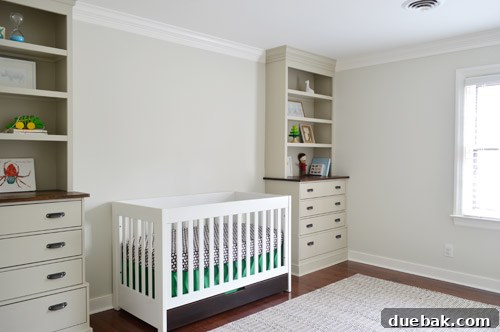
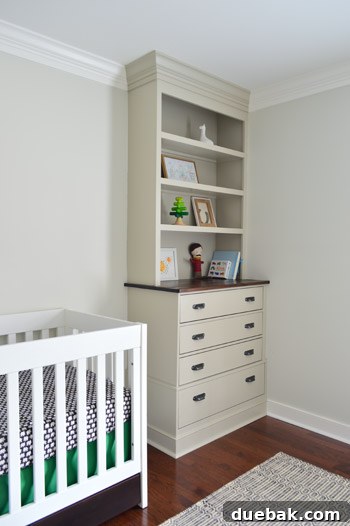
Crown molding is often considered an “extra” on a home renovation to-do list, something that would be “nice to have.” Yet, every time we incorporate it into a space, we’re consistently astonished by the dramatic difference it makes. It’s a design element that transcends its simple function, elevating the entire atmosphere of a room. Even the most basic or boxy spaces, those perhaps lacking inherent architectural grandeur like soaring ceilings or elegant arched doorways, are instantly transformed. Rooms suddenly appear taller, more refined, and significantly upgraded, adding a layer of sophistication that’s invaluable. This effect is particularly appreciated in our homes, where many rooms often begin as blank canvases, devoid of dramatic architectural features. With the recent addition of our charming corner built-ins and this striking new extra chunky crown molding, this 11 x 13.5-foot rectangular nursery is truly taking shape, evolving into a beautiful and functional space.
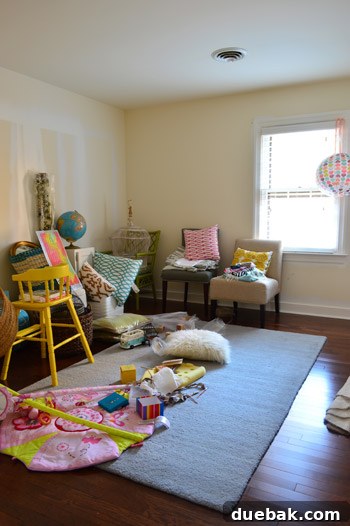
This remarkable progress comes after approximately eight months of the room looking much like this:
While we acknowledge there’s still plenty more to accomplish – three walls are completely bare, and the room currently lacks the desired infusion of color, fun, and personality – the installation of this chunky crown molding represents a glorious milestone. It has effortlessly concealed all those minor imperfections, cracks, and crevices where the walls meet the ceiling, immediately giving the room a more polished and complete feel in just a few short days. It’s incredible how such an accent can unify a space.
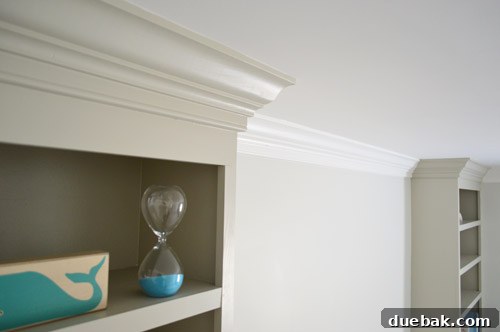
Our Two-Layer Approach to DIY Chunky Crown Molding
Our method for installing this impressive chunky crown molding follows a technique we successfully implemented in Clara’s room, creating a custom, layered look. The secret lies in a two-part installation process that utilizes standard materials in a creative way.
Layer 1: The Baseboard Foundation
The first “layer” involves using 3 1/4″ baseboard as the foundation. We carefully ran this baseboard around the entire perimeter of the room. To achieve that coveted chunky aesthetic, we used a spacer to drop the baseboard an inch and a half down from the ceiling line, creating a noticeable gap above it. Precision is key here; a level was essential to ensure every piece remained perfectly straight. Before nailing, we meticulously marked our studs with painter’s tape, giving us clear targets for the nail gun, ensuring a secure and sturdy installation. This initial layer provides the robust base for the actual crown molding.
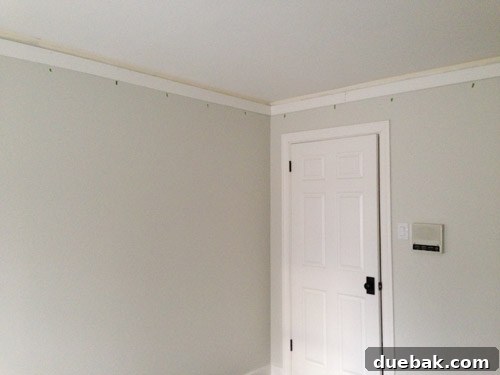
Layer 2: Adding the Actual Crown Molding
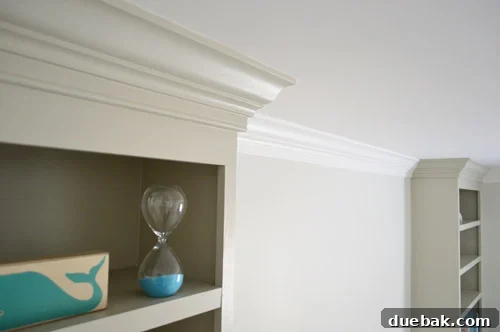
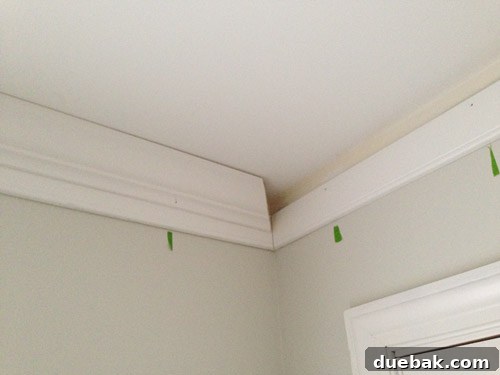
The second “layer” completes the look by adding actual crown molding directly over the installed baseboard. For this, we selected beefy 4 5/8″ crown molding from Home Depot, specifically chosen for its substantial profile. This creates the truly extra chunky appearance we were aiming for. The contrast between the installed crown and the waiting baseboard clearly illustrates the transformation. You can observe how the piece on the left has been beautifully “crowned,” while the section on the right shows just the baseboard, awaiting its finishing touch. This layered approach maintains cohesion with the crown molding found throughout the first floor of our house and in our master bedroom, ensuring a consistent and refined aesthetic across different spaces.
Painting and Finishing Touches for a Seamless Look
To streamline the installation process and save valuable time, we opted for pre-primed baseboard and crown molding. This clever choice eliminated an entire step, as we only needed to lay the pieces out on a drop cloth and apply the final coats of paint before hanging them. We find this method significantly faster and more efficient than painting the molding in place, as it minimizes the need for extensive touch-ups after installation and caulking. It was a unique task to paint a small section with the built-in color, while the remainder received a crisp white finish, but we are absolutely delighted with the cohesive and polished outcome.
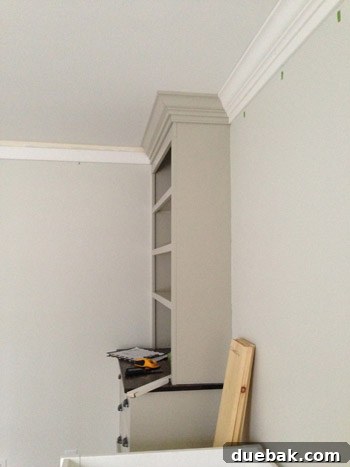
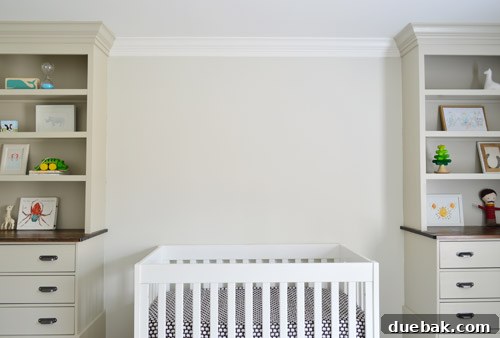
Here’s a glimpse of the crown molding situated between the built-ins immediately after hanging, but before the crucial steps of caulking and paint touch-ups. Notice the slight, imperfect undulations where the ceiling meets the molding? These are effortlessly smoothed away and given a perfectly finished appearance with a thin line of caulk. By squeezing a bead of caulk along that crevice and gently dragging a finger across it, the caulk is forced into those tiny gaps. If you work quickly – we recommend applying it about a foot at a time – you can typically wipe away any excess from the pre-painted ceiling and crown, leaving the caulk precisely where it’s needed in the cracks, minimizing the need for further touch-ups to the ceiling or molding. It’s a simple trick that delivers professional results.
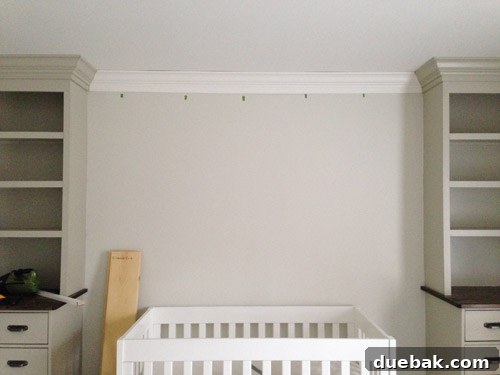
After completing the final paint touch-ups, primarily covering the nail marks that we filled with caulk, and carefully removing all the painter’s tape used to mark the studs, the transformation is truly striking. The subtle imperfections vanish, leaving behind a crisp, clean, and elegant finish, as seen here:
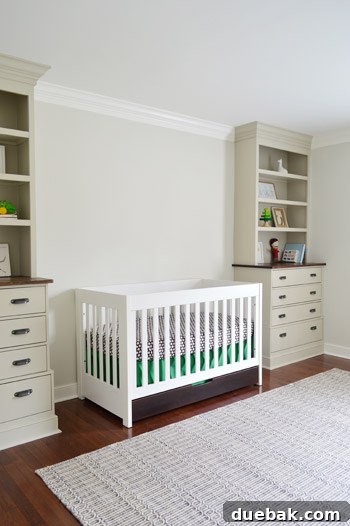
For those interested in additional details and photographic examples of this chunkier crown effect using a baseboard + molding combination, you can find a comprehensive guide on how we installed it in Clara’s room by clicking here. The cost for her significantly larger room was approximately $137. While we can’t locate the exact receipt for this recent Home Depot trip for the nursery, we estimate the cost to be around $115, a truly affordable upgrade. Remember to factor in a tube or two of caulk and a can of paint into your project budget if you don’t already have these essential supplies on hand.
DIY Crib Skirt: Budget-Friendly & Personalized Baby Bedding
Beyond the architectural enhancements, I finally had the exciting opportunity to delve into the world of crib bedding – a personal highlight I’ve eagerly anticipated, perhaps to the point of wandering the house whispering “CRIIIB SKIRT” in a Golum-esque fashion, as John lovingly points out. First on the agenda was finding the perfect crib sheet. I was thrilled to discover a sweet organic crib sheet on sale at Pottery Barn for just $9.99! This was a fantastic find, especially considering we paid upwards of $25 for organic crib sheets before Clara was born. It’s incredibly encouraging to see that these eco-friendly options have become much more accessible and affordable over the last four years, making healthy choices easier for new parents.
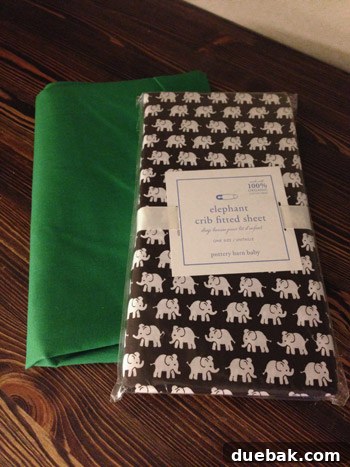
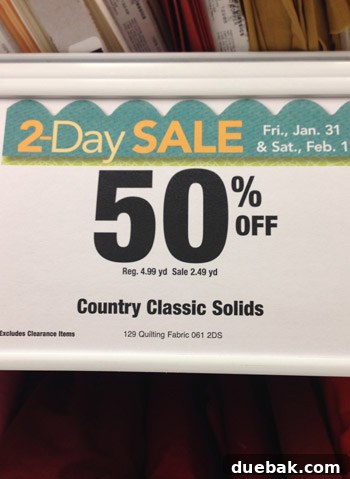
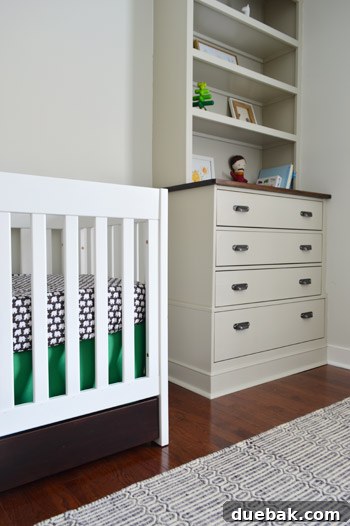
The vibrant green rectangle peeking out behind that charming parade of elephants is actually just 1.5 yards of fabric that I scored during one of JoAnn’s fantastic 50% off sales. This meant the grand total for the fabric needed to craft our custom crib skirt was an astounding, wallet-pleasing $3.73! You can bet I celebrated with “The Mom Victory Dance” at the checkout. For those unfamiliar, this celebratory ritual involves an array of enthusiastic, slightly ridiculous movements, often including high-fiving an embarrassed husband and waving arms around as if winning the lottery, despite having just saved a modest $3.50. The joy of a great deal is truly universal!
Crafting the No-Sew Crib Skirt: A Step-by-Step Guide
Once home, I carefully laid out my fabric and cut it into three distinct pieces: two side panels and one front panel, which together would form the crib skirt. To ensure precise measurements, I first measured the height and width of the crib skirt area for each section. Then, I added a generous 3 inches to each of these measurements. This additional allowance accounts for a 1.5-inch hem on each side, ensuring a clean and professional finish. For example, if a side panel measured 10 inches in height, I cut it to 13 inches. Similarly, if the length of that side panel was 28 inches, I cut it to 31 inches. This extra fabric is crucial for creating neat, finished edges that contribute to the overall polished look.
A crucial tip for anyone using patterned fabric: ensure that all three panels are cut in the same direction and that the pattern remains level or perfectly centered across them. This foresight prevents any unsightly wonky stripes or mismatched designs that can arise from cutting fabric in different orientations. Depending on the complexity of your pattern or if you desire a longer crib skirt, you might need to purchase additional yardage to accommodate these requirements.
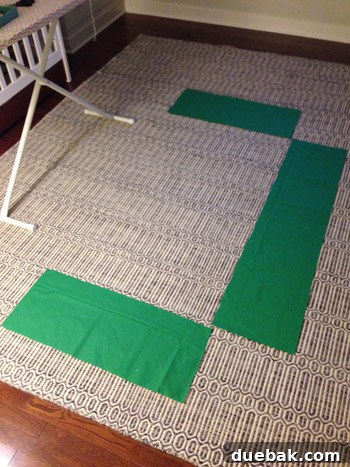
I deliberated between traditionally sewing these panels together or opting for the convenience of Heat N’ Bond hem tape. Given that the crib skirt I made for Clara using Heat N’ Bond held up exceptionally well, I decided it was the perfect choice once again. This method is particularly suitable for a crib skirt, which is generally a less “hands-on” element in the room, tucked away and not subjected to constant handling. In contrast, for items like Clara’s quilt, which she interacts with regularly, I chose to sew. The hem tape offers a fantastic, durable, no-sew alternative for decorative pieces.
If you’re inspired to create a crib skirt using this straightforward no-sew method, you’ll need just a few essential materials: your chosen fabric, Heat N’ Bond hem tape, a pair of sharp scissors, and an iron. Additionally, you’ll want some velcro tabs, but we’ll get to those in a moment. Your first step is to apply hem tape to all four edges on the backside of each of your three fabric panels. This creates clean, crisp hems that will give the front of your crib skirt a beautifully finished appearance, essential for a professional look without sewing.
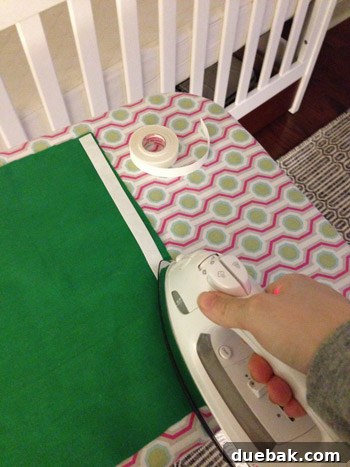
Heat N’ Bond hem tape is remarkably user-friendly. The process is simple: first, iron the tape onto the fabric, then peel off the paper backing. Next, fold the fabric over, creating your hem, and iron it once more to firmly secure the bond. In the accompanying picture, the fabric panel on the left has been fully hemmed on all four sides. The panel on the right was also hemmed completely around its perimeter. To join these two panels seamlessly, I then laid an additional strip of hem tape along the side (specifically along the back edge) of one panel. By ironing it on, peeling the backing, carefully overlapping the second panel over the first, and finally ironing that joined edge, the two panels were permanently fused together, creating a strong and invisible seam.
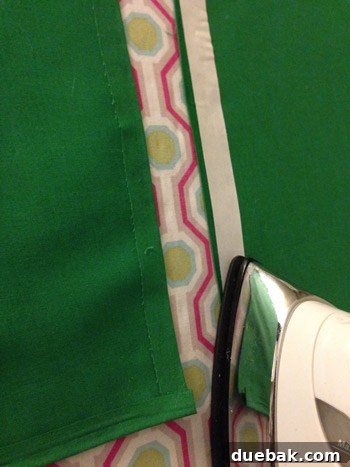
Once you turn the joined panels over, you’ll be greeted with a beautifully clean and crisp seam on the front of the fabric. This thoughtfully placed seam will align perfectly with one of the corners of our crib, specifically behind one of the legs, ensuring it remains discreetly out of sight. This attention to detail contributes significantly to the overall professional appearance of the DIY crib skirt.
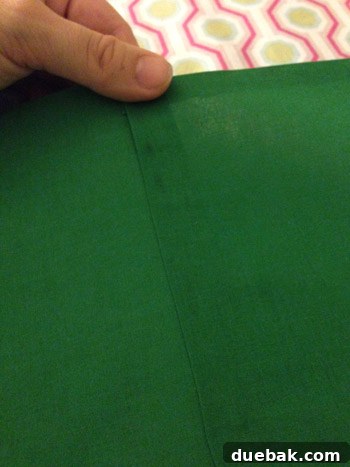
Following this method, I joined the middle panel to the two end panels on both sides, making the entire skirt ready for attachment to the crib. To secure our skirt in place, I utilized small velcro tabs strategically placed around the metal frame of the crib. These convenient tabs, readily available at craft stores like JoAnn or Michael’s (where you can also find Heat N’ Bond), provide a reliable and adjustable fastening solution, keeping the skirt perfectly aligned and neatly draped.
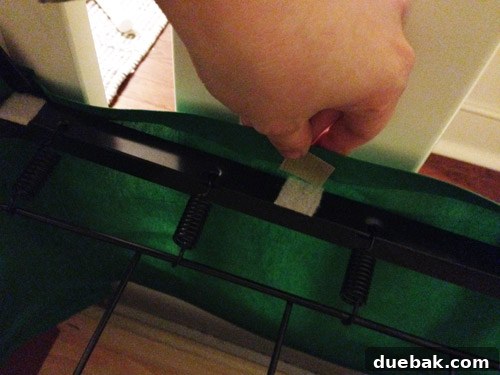
The choice of velcro is particularly advantageous as it offers incredible ease of removal, making it simple to take off the crib skirt for washing whenever necessary. It’s worth noting that hem tape is generally washable, provided you follow the manufacturer’s instructions carefully and avoid high heat during laundering. This combination ensures both a beautiful aesthetic and practical functionality for busy parents.
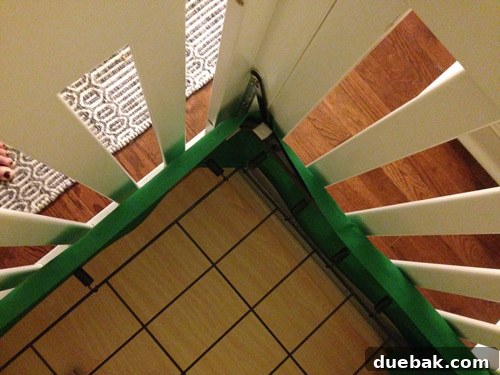
While our crib mattress will eventually be lowered once our little guy becomes more mobile, necessitating less of a gap-bridging skirt, this budget-friendly addition brings such a fun, personal touch to the nursery. Especially for a mere $3.73, it’s a small detail that delivers immense satisfaction and visual appeal.
Refinishing the Crib Drawer: A Cohesive Color Palette
In our pursuit of a cohesive and grounded nursery aesthetic, we also turned our attention to the crib’s bottom drawer. Originally, it had a somewhat reddish-orange hue that clashed with the existing flooring and the wood dresser-tops in the room. To rectify this, we applied two coats of satin PolyShades gel stain in the rich “Tudor” shade. This darker color choice was intentional, serving to ground our light-colored crib and provide a subtle yet significant visual anchor. Furthermore, this darker stain beautifully ties into other key elements of the room’s design, such as the dark hardware on the built-ins, the delightful chocolate elephant crib sheet, and even the oil-rubbed bronze doorknob leading into the nursery, creating a harmonious and thoughtfully curated space.
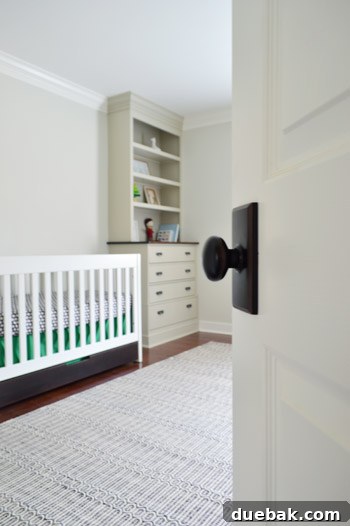
For added peace of mind, especially in a baby’s room, we sealed the PolyShades with two satin coats of Safecoat Acrylacq. This product is an exceptional non-toxic sealer, renowned for preventing off-gassing. While PolyShades is a low-VOC (Volatile Organic Compound) product, it is not completely VOC-free, making the additional non-toxic sealer a crucial step for ensuring a healthier indoor environment for our little one. Prioritizing safety and air quality is paramount in nursery design.
Envisioning the Built-ins and Wall Decor
It’s probably evident that I’ve simply tossed a handful of items onto the built-in bookcases to alleviate their “painfully bare” appearance. I dedicated literally four minutes to this initial styling, so I’m incredibly eager to properly gather a collection of charming baskets, framed art, beloved books, engaging toys, and other delightful nursery items to truly fill and personalize them. (A special shout-out to the lone giraffe holding its own on the top right shelf!). I anticipate these built-ins will evolve into super functional storage solutions, simultaneously offering a fantastic opportunity to infuse much more fun, vibrant color, and personality into the room. The potential for these spaces is immense, and I can’t wait to get cracking on bringing them to life.
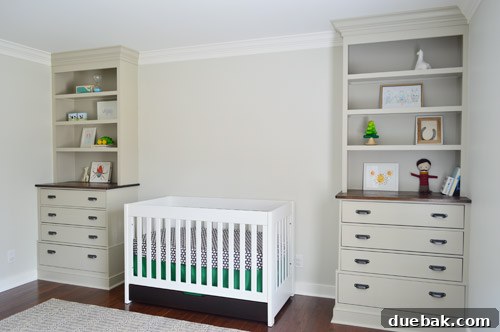
Regarding the expansive wall space directly above the crib, we’ve been engaged in lively debates, considering everything from striking large-scale artwork to more architectural accents like a slatted wall or an eye-catching giant mobile. We even briefly experimented by leaning our bike prints against the wall to visualize their impact, but ultimately, we feel they are better suited for the opposite wall. Their busy aesthetic tends to compete with the prominent built-ins, and we aim for a more harmonious balance.
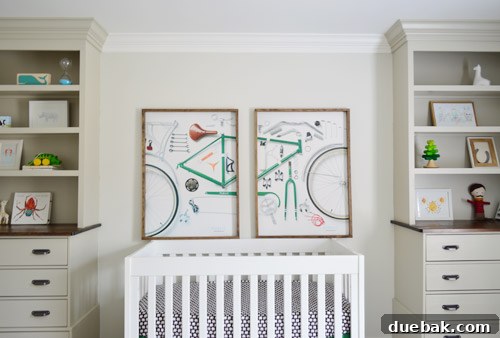
Our current plan is to first completely “fill in” those built-ins with curated decor, allowing the room’s character to fully emerge. After that, we’ll reassess and finalize our decision for the crib wall. We’re currently leaning strongly towards a really fun, large-scale mobile – perhaps something similar to what we’ve envisioned, but with bold pops of green, black, and white to tie into the room’s developing palette? And maybe, instead of birds, we could feature another animal that speaks to our unique theme (Burgers? Or perhaps whales, given his nickname, “The Barnacle”?). The possibilities are endless, and we’re excited to discover the perfect playful element.
What exciting projects have you been working on recently? Do you have any mostly-empty bookcases just waiting for a creative overhaul, or some bare walls that are begging for a vibrant transformation? Share your home decor aspirations with us!
To follow our nursery’s progress from its very inception and gain more insights into our DIY journey, here are links to our previous posts:
- The initial planning and rug-buying post
- The dresser-sourcing and selection process
- A detailed rundown of wall and ceiling painting
- The first half of our built-in building project
- The second half of the built-in project, completing the structures