
Radon Testing: An Essential Step for Every Homeowner and Buyer
Purchasing a new home is an exciting milestone, often filled with dreams of fresh starts and happy memories. Yet, beneath the surface of that excitement, hidden dangers can lurk, unseen and unheard. One such silent threat is radon, a naturally occurring radioactive gas that can infiltrate homes and pose significant health risks. Our journey into homeownership taught us a critical lesson about this invisible hazard – a lesson we’re sharing to help you avoid potentially costly and dangerous mistakes.
Having navigated the complexities of real estate transactions twice, we’ve learned the invaluable importance of comprehensive home inspections. This time around, with our new property, we prioritized an often-overlooked but crucial test: professional radon detection. Investing a few hundred dollars for this multi-day test proved to be one of the smartest decisions we made, ultimately saving us thousands and ensuring our family’s safety from dangerous levels of radon.
The Costly Lesson: Our First Home’s Radon Discovery
Our initial foray into homeownership was a whirlwind of excitement and first-time buyer jitters. In an effort to save a few hundred dollars on inspection costs, we regrettably opted out of professional radon testing. We reasoned that a simple, inexpensive DIY test would suffice once we settled in. This decision, driven by a desire for frugality, quickly transformed into a significant financial and health burden.
The Silent Threat: Understanding Radon and Its Dangers
Radon is an invisible, odorless, and tasteless radioactive gas that originates from the natural decay of uranium in soil, rock, and water. It seeps into homes through cracks in foundations, floor drains, sump pits, and other openings. Once inside, it can accumulate to dangerous levels, becoming a serious indoor air quality concern. Prolonged exposure to elevated radon concentrations is the second leading cause of lung cancer overall, and the leading cause among non-smokers, according to the U.S. Environmental Protection Agency (EPA). The health risk is alarming; living in a home with high radon levels can be akin to smoking multiple packs of cigarettes daily, silently damaging lung tissue over time.
The High Price of Post-Purchase Discovery
Once we moved into our first house, curiosity, or perhaps a lingering unease, prompted us to finally conduct that $15 charcoal test kit from Home Depot. The results were horrifying. Our home was teeming with dangerously high levels of radon, far exceeding the EPA’s action level of 4 picocuries per liter (pCi/L). This discovery left us in a scramble, facing the daunting reality of a necessary, expensive remediation without any recourse from the sellers, as we had bypassed the inspection test altogether. The initial “savings” of a few hundred dollars ballooned into thousands of dollars in unexpected costs, along with considerable stress and worry for our family’s health.
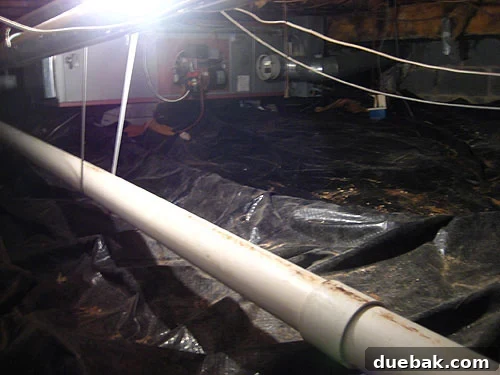
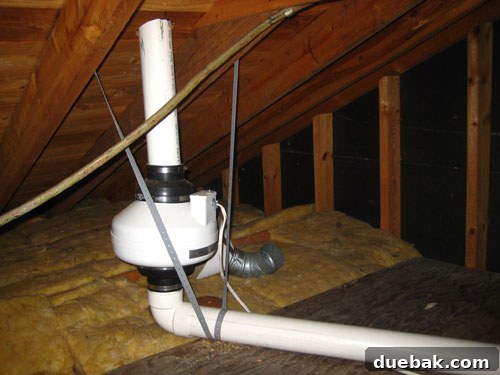
The remediation system we had to install in our crawl space was a semi-elaborate setup. It involved sealing entry points and installing a sub-slab depressurization system. This system uses a vent pipe and fan to draw radon gas from beneath the house and safely expel it outdoors above the roofline, preventing it from entering the living spaces. While effective, the process was disruptive and costly, a stark reminder of the financial burden and inconvenience that could have been avoided with a simple pre-purchase test. For more comprehensive information on radon testing and remediation, various resources, including this insightful article, offer valuable insights.
A Smarter Approach: Professional Testing for Our Second Home
Armed with the hard-won wisdom from our first experience, we approached the inspection of our new home with a clear priority: professional radon testing. This time, we understood that a small upfront investment was crucial for peace of mind and potential financial protection. We engaged a local radon company, Radon Ease, specifically because they specialize solely in testing and do not offer remediation services. This crucial distinction ensured complete impartiality; they had no vested interest in finding elevated radon levels, guaranteeing an unbiased assessment of our new home’s indoor air quality.
The Wisdom of Professional Radon Testing During Inspection
Professional radon testing typically involves deploying specialized devices for several days, adhering to strict protocols to ensure accurate readings. These multi-day tests provide a comprehensive snapshot of radon concentrations within the home, identifying peak levels that might not be captured by shorter-term DIY kits. Integrating this test into the home inspection period is paramount. It provides a window of opportunity to address any issues discovered before the sale is finalized, placing the responsibility on the seller to mitigate the problem. This not only protects the buyer’s health but also their financial interests.
Uncovering the Danger: Our Test Results
True to form, the professional test results for our new home came back above the EPA’s action level of 4 pCi/L. This reading indicated dangerous levels of radon requiring professional remediation. While initially concerning, the timing of this discovery transformed a potential financial nightmare into a manageable situation. Because the test was conducted during the inspection phase, the results allowed us to negotiate with the sellers effectively. This proactive approach underscores the immense value of professional testing as part of a thorough home inspection process.
Negotiating Remediation: A Significant Saving
The beauty of discovering radon during the inspection period lies in the ability to make its remediation a condition of the sale. Instead of a $2,000 investment falling squarely on our shoulders, the sellers graciously agreed to cover the full cost of professional radon mitigation. Furthermore, they arranged for a follow-up test to confirm that the radon issue had been completely resolved, with levels reduced to a safe range. This saved us not only a substantial amount of money but also the hassle and stress of organizing and overseeing the remediation process ourselves. This experience vividly illustrates why professional radon testing is not merely an expense but a critical investment that can yield significant returns in both health and financial security.
Radon Mitigation: How It Works and What to Expect
Radon mitigation, or remediation, involves reducing radon concentrations in a home to acceptable levels. The most common and effective method is called sub-slab depressurization. This system creates a vacuum beneath the foundation or slab, drawing radon gas from the soil before it can enter the house. The gas is then safely vented through a pipe to the outside air, typically above the roofline, where it quickly dissipates.
Understanding Remediation Systems
A typical sub-slab depressurization system consists of a PVC pipe inserted through the concrete slab or into the soil beneath the house, connected to an inline fan. This fan runs continuously, creating negative pressure that pulls radon from the ground. For homes with crawl spaces, similar ventilation techniques are employed, often involving sealing the ground with a vapor barrier and using a fan to depressurize the space. Other less common methods might include increasing ventilation, sealing cracks and openings in the foundation, or installing heat recovery ventilators. Regardless of the method, professional installation by a certified radon mitigation specialist is crucial to ensure the system is properly designed and effectively reduces radon levels to safe standards.
Life After Mitigation: Peace of Mind
The success of the remediation in our new home was remarkable. The follow-up test results showed radon levels plummeting to an incredibly low 0.5 pCi/L – significantly below the EPA’s action level and even lower than typical outdoor air concentrations. This dramatic reduction brought immense relief and peace of mind, confirming that our home’s indoor air quality was now safe for our family and pets. This positive outcome reinforced our belief that while the initial discovery of high radon levels can be alarming, effective and affordable solutions are readily available when addressed proactively.
Protecting Your Home and Family: Essential Radon Advice
Our experiences underscore a vital message: radon testing is not optional; it’s a necessary step for anyone buying or owning a home. This is particularly true in regions known for high radon potential, such as Virginia, which frequently appears on EPA’s list of states with elevated risk. However, radon can be a problem in any home, regardless of its age, construction, or location.
Is Your Home at Risk? Check the Maps!
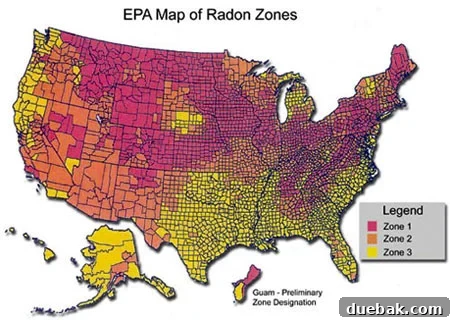
The EPA provides detailed radon zone maps that classify counties based on their potential for elevated indoor radon levels. These maps serve as an excellent starting point for understanding your local risk. You can easily find these maps online and identify if your county falls into one of the designated “red danger zones” or moderate-risk areas. Even if your region isn’t highlighted as high-risk, testing remains crucial because radon levels can vary significantly from house to house, even on the same street.
Simple Steps for Every Homeowner
Whether you’re well past inspection or moving day, it’s never too late to test your home for radon. Affordable charcoal test kits and long-term alpha track detectors are widely available at hardware stores like Lowe’s or Home Depot. These DIY kits are simple to use and provide accurate readings when instructions are followed carefully. It’s recommended to test your home every few years, especially after major renovations that could alter radon entry pathways. For those with existing mitigation systems, periodic retesting is also advised to ensure the system continues to operate effectively. Taking this proactive step can literally save you and your loved ones – including babies, children, and pets – from inhaling the equivalent of a carton of cigarettes a day in terms of lung cancer risk. It’s a small effort with profound health benefits.
The Hidden Health Hazard
The insidious nature of radon lies in its invisibility. Unlike other household hazards, there are no immediate signs or symptoms of radon exposure. The damage to lung tissue occurs silently over many years, significantly increasing the risk of lung cancer. While smokers are particularly vulnerable to radon-induced lung cancer due due to the synergistic effect of both exposures, non-smokers are also at considerable risk. Protecting your family from this environmental hazard means understanding the threat and taking decisive action through testing and, if necessary, mitigation. Your home should be a sanctuary, not a source of silent danger.
Have any of you experienced the unsettling reality of radon in your homes? Let’s share our stories and commiserate over this often-overlooked household challenge.
Map image courtesy of the EPA.
Psst- We recently explored another charming baby bedroom over on BabyCenter. Click here to see our latest nursery crashing adventure!