
Transform Your Backyard: Cultivating Your Dream Edible Garden from Scratch
For my husband, John, and me, food isn’t just sustenance; it’s a shared passion, a cornerstone of our relationship. In fact, when we first started dating, a compatibility test revealed “eating” as a top favorite hobby for both of us! So, it was only a matter of time before our love for delicious, fresh produce led us to embark on an exciting journey: transforming a neglected, overgrown bed in our backyard into a thriving herb, vegetable, and fruit garden. Our goal? To enjoy an abundance of organic, homegrown goodness all summer long and well into the fall.
The allure of a personal harvest, free from pesticides and packed with flavor, was simply irresistible. We envisioned a vibrant space, brimming with everything from juicy tomatoes to fragrant basil, providing not just ingredients for our kitchen but also a tranquil retreat right outside our door. This wasn’t just about growing food; it was about cultivating a lifestyle, connecting with nature, and savoring the simple pleasures of a garden-fresh meal.
Phase 1: Clearing the Canvas and Laying the Groundwork
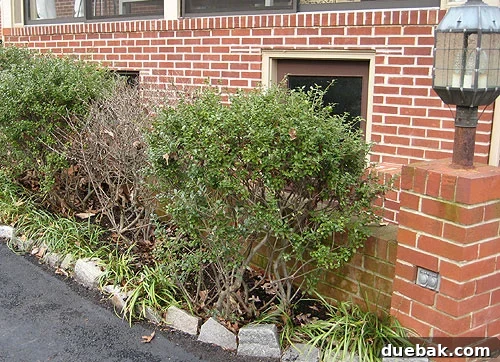
Our gardening adventure began in March with the rather arduous, but ultimately satisfying, task of clearing out the existing dense bushes that had long dominated the space. While most of the shrubbery made way for our edible aspirations, we made a conscious decision to preserve a charming little rose bush in one corner. Its established beauty would add a touch of perennial elegance to our otherwise utilitarian planting scheme. With the major clearing complete, the canvas was ready for its first strokes.
We immediately planted some organic lettuce seeds, eager for our first leafy greens. Alongside them, a fantastic find from Lowe’s—a robust raspberry bush, costing a mere $9—promised sweet rewards in the seasons to come. Nature, however, had its own surprises in store. Much to our delight, a little peony plant unexpectedly sprouted in the back of the garden. This spontaneous burst of beauty was an incredible bonus, adding an element of natural wonder to our burgeoning plot and hinting at the unexpected joys of gardening.
Phase 2: Sourcing New Life – From Farmer’s Market Treasures to Nursery Staples
With the initial groundwork laid and a few early sprouts emerging, our next step was to visit our local farmer’s market. The South Of The James Farmer’s Market in Richmond is a vibrant hub, always buzzing with enthusiastic vendors offering an incredible array of fresh produce, artisanal goods, and, crucially for us, healthy young plants. The atmosphere is always amazing, reflecting the passion and dedication of the growers.
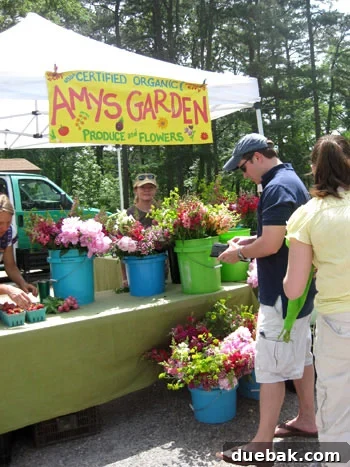
Wandering through the stalls, we were captivated by the sheer abundance and beauty. Imagine cheerful buckets overflowing with colorful blooms, their petals glistening in the morning sun:
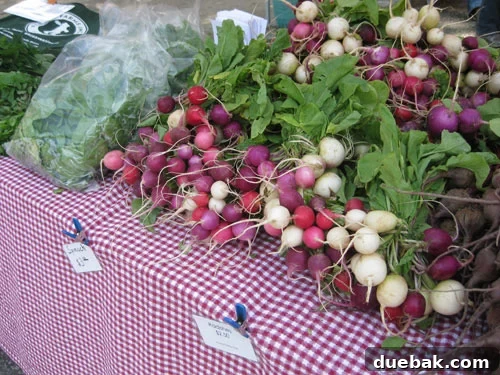
And then there were the vegetables – plump, vibrant, and bursting with life. We couldn’t resist these gorgeous radishes, a stunning display of purple hues and plentiful bounty:
The fresh produce was so enticing that we simply couldn’t leave without a large box of strawberries and a bag of peppery arugula to take home for immediate enjoyment. But our primary mission was to find new plant additions for our garden. For an astonishingly low price of just $10, we acquired a fantastic collection of eight new plants: one cherry tomato plant, one golden tomato plant, two robust basil plants, a zinnia for a splash of color, a parsley plant, a vibrant swiss chard, and a fragrant oregano plant. These additions, combined with our existing rose bush, the newly acquired raspberry bush, our surprise peony, and the sprouting lettuce, promised a wonderful start to growing our very own fresh edibles.
Integrating Year-Round Interest with Evergreens
Beyond edibles, we recognized the importance of ensuring our garden remained visually appealing throughout the year, especially during the colder winter months when many annual herbs and vegetables die back. To prevent the space from looking stark and bare, we decided to incorporate some lush evergreens. A quick trip to Lowe’s yielded two beautiful Winter Gem Boxwoods (at $14.98 each) and one Cypress King’s Gold (also $14.98). These evergreen varieties were chosen specifically for their ability to provide consistent color, structure, and year-round interest, offering a verdant backdrop even when other plants are dormant.
Back home, we meticulously laid out all our new plant acquisitions, experimenting with different arrangements to develop a loose idea of our garden’s layout. This initial planning phase, before putting anything into the ground, is crucial for visualizing the final aesthetic and ensuring each plant has adequate space and light.
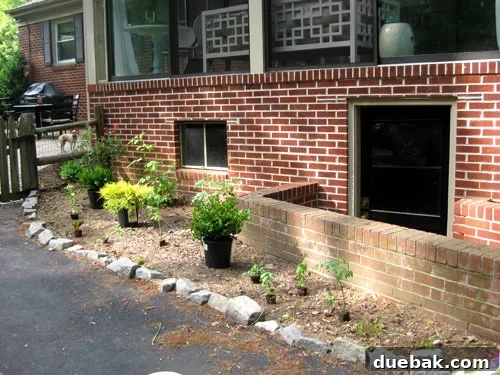
Phase 3: Building a Strong Foundation – The Art of Soil Amendment
With a rough idea of our plant placement, it was time to focus on the heart of any successful garden: the soil. While thorough soil amending can often involve renting heavy machinery like a rototiller (readily available at Lowe’s and Home Depot), our garden bed was relatively small. We opted for a more hands-on approach, roughing up the soil with shovels. This method, though requiring a bit more “elbow grease,” allowed us to dig approximately 8 inches deep, thoroughly loosening the compacted earth and preparing it to receive vital organic nutrients. The best part? These nutrients came courtesy of our backyard compost bin, providing a free and incredibly effective boost to our garden’s foundation.
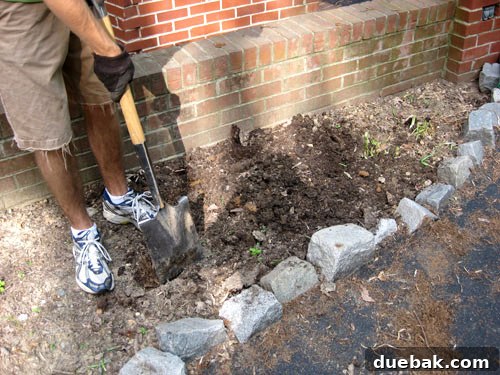
Beyond our homemade compost, we also generously added a layer of nutrient-rich topsoil. This dual approach ensured that our little sprouts would have everything they needed to flourish. We then spent a good amount of time raking everything together, turning the soil repeatedly until it was perfectly blended, airy, and ready for planting. Achieving this ideal soil texture and nutrient profile is paramount for healthy root development and robust plant growth.
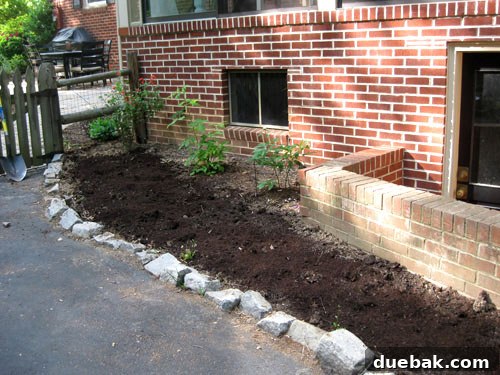
There are indeed many different formulas for amending soil, often depending on your starting conditions—whether you’re dealing with sandy, clay, or loamy soil. Each type presents its own challenges and opportunities. However, through our experience, we’ve found that organic compost is truly the magic touch for almost any garden. It improves soil structure, enhances drainage in heavy soils, increases water retention in sandy soils, and provides a slow-release source of essential nutrients. You simply cannot go wrong with adding a generous amount of high-quality, nutrient-rich compost.
Phase 4: Planting with Purpose and Protecting with Mulch
With our perfectly prepared soil, it was finally time for the exciting moment of planting! For each new plant, we carefully dug a hole, tossing in a bit more of that invaluable compost to give the roots an immediate boost. Once all our plants were nestled in their new homes, we took another crucial step: mulching the entire garden bed. Mulch serves several vital purposes in a garden: it helps suppress weeds, conserving soil moisture, and moderating soil temperature, protecting delicate roots from extreme heat or cold. This simple act significantly reduces maintenance while promoting healthier plant growth.
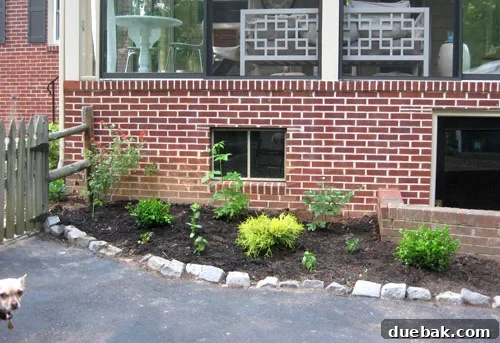
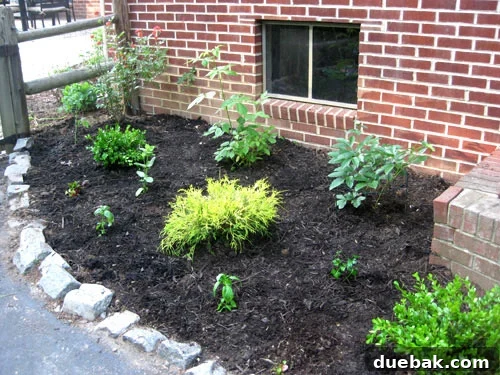
Our loyal companion, Burger, ever the camera hog, decided to steal a bit of the garden’s thunder during the final photo shoot! As you can see, the three evergreens — the two boxwoods and the cypress — now provide the essential structure and fullness that will persist throughout the year. In the back left, our cherished rose bush continues to thrive, alongside the promising raspberry bush in the back middle, and the delightful surprise peony on the back right. Together, these plants will offer both visual appeal (“eye candy”) and, in the case of the raspberry, delicious harvests (“mouth candy”).
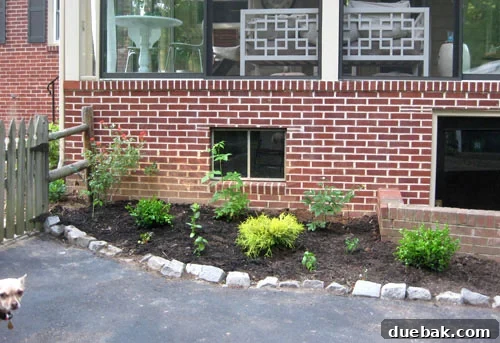
A closer look reveals our cherry tomato plant positioned in front of the rose bush, while the vibrant swiss chard sits proudly in front of one of our boxwoods. A beautiful zinnia adds a splash of color between the boxwood and the cypress, flanked by two fragrant basil plants. To the right of the cypress, we’ve planted parsley. Although not fully pictured, another tomato plant, the March-planted lettuce (now happily sprouting), and some oregano are flourishing on the other side of the rightmost boxwood, completing our diverse edible landscape.
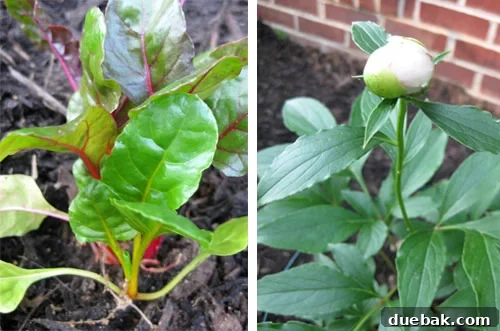
Here’s a close-up of the gorgeously colorful swiss chard, its leaves a tapestry of reds and greens, thriving in its new spot. And beside it, our surprise peony is just about ready to burst into bloom, promising a spectacular floral display:
Embracing the Harvest and Planning for the Future
We are absolutely delighted with our burgeoning little garden! It brings us immense joy to see it transforming day by day. Even now, we’re already bubbling with big plans to further enhance the space. Future projects include adding elegant trellises to support our climbing raspberry and tomato plants, giving them room to grow vertically and maximize our yield. We also envision power-washing the surrounding brickwork to give the entire area a fresh, clean look. And, if our initial gardening attempts prove successful (which we’re very optimistic about!), we plan to expand our collection of herbs and vegetables, perhaps exploring new varieties and extending our growing season.
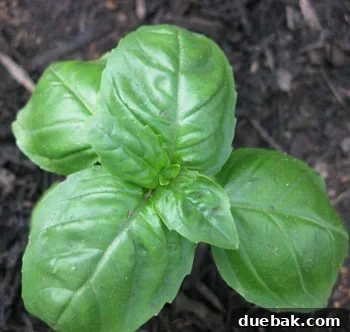
But for now, we’re finding immense pleasure in the simple, immediate rewards of our efforts. The fragrant aroma of fresh basil, ready for harvesting, is a constant delight:
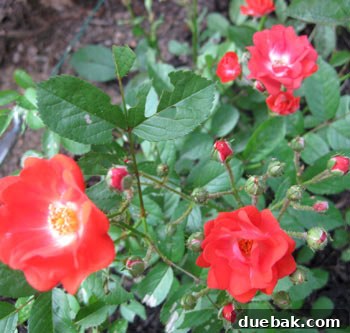
The sight of pretty red blooms, promising future fruits or simply adding bursts of color, fills us with anticipation:
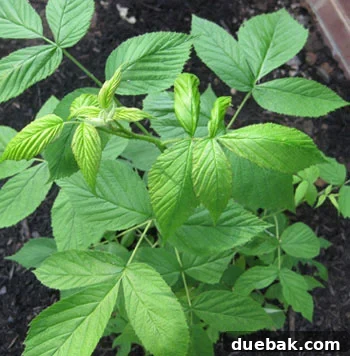
And, of course, the promise of plump, juicy raspberries, which should be making their appearance very soon, is almost palpable:
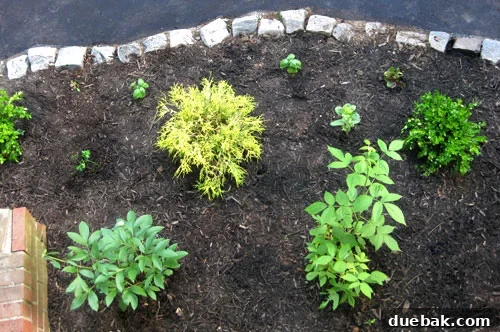
One of the most satisfying aspects of our new garden’s placement is its visibility from our sunroom. This means there’s absolutely no excuse not to head out and harvest our delicious yields! We can watch our garden grow from the comfort of indoors, making it an integral part of our daily lives. Here’s a final shot from above, taken from our daybed in the sunroom, offering a unique vantage point of our blossoming edible sanctuary.
Budget Breakdown: Affordable Organic Gardening
Creating an organic, vibrant edible garden doesn’t have to break the bank. Our entire transformation was remarkably affordable. Here’s a simple budget breakdown for our initial investment:
- Eight new herbs/vegetable plants: $10.00
- Three evergreens (Winter Gem Boxwoods & Cypress King’s Gold): $44.94
- Mulch and topsoil: $5.00
- **Total Investment: $59.94**
For under $60, we’ve established a garden that will provide fresh, organic produce for seasons to come, enhance the beauty of our backyard, and offer countless hours of enjoyment. Not too shabby at all, right?
Your Gardening Journey: Share Your Plans!
We’ve shared our journey from a bushy bed to a thriving edible garden, filled with personal touches, farmer’s market finds, and a sprinkle of unexpected beauty. Now, we’re eager to hear from you! Do you currently grow anything edible in your own space? Perhaps you have grand plans for a bountiful container garden on your patio, or maybe you’re dreaming of a humble collection of windowsill herbs to brighten your kitchen. Whatever your gardening aspirations, big or small, tell us all about your planting to-do list and any tips or experiences you’d like to share in the comments below!