
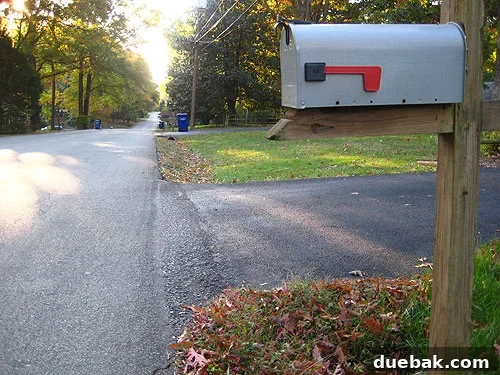
There are moments in life that subtly shift our perspective, prompting us to re-evaluate routines we once took for granted. For me, one such moment arrived on a seemingly ordinary Wednesday morning. Typically, this scene would trigger a familiar wave of panic: noticing my neighbors’ empty, neatly returned blue garbage cans at the end of their driveways, while our own full bin remained forgotten in the garage. The ensuing week would then be a frustrating exercise in compacting, squeezing, and kicking myself every time another bag needed to be stuffed into an already overflowing can, awaiting the next collection day. It’s a common domestic mishap, one many can surely relate to.
However, this particular Wednesday was different. This time, the garbage can’s full state in the garage wasn’t an oversight, but a deliberate choice. I had intentionally left it there, not because I’d missed the pick-up, but because it was only half-full. The true overflowing bins that morning weren’t for general waste, but for our recycling and compost. In fact, our composting efforts had become so robust that we were in the process of starting a second container to accommodate the sheer volume of organic material we were diverting.
The Unexpected Victory: A Shift in Household Waste Habits
While this might not sound like headline news or an earth-shattering revelation, it was a deeply gratifying realization. It served as concrete proof that our conscious efforts to embrace a more earth-friendly lifestyle were genuinely paying dividends. The numbers, albeit anecdotal, suggested a significant achievement: we were effectively diverting approximately half of our household waste away from the landfill. This isn’t to say we’re entirely off the grid or living a perfect zero-waste existence; there’s still a considerable journey ahead. Yet, it undeniably felt like a monumental step in the right direction, a tangible indication that small, consistent changes can lead to substantial positive impacts on waste reduction.
This personal milestone sparked a broader reflection on sustainable living and the pervasive challenge of effective waste management. It highlighted how easily we can fall into patterns of consumption and disposal without fully grasping the cumulative environmental toll. But more importantly, it showcased the power of intentional action and the profound satisfaction that comes from seeing those actions bear fruit. Our half-empty trash can was more than just a bin; it was a symbol of progress, a quiet testament to a household actively working to reduce its ecological footprint and contribute to a greener planet.
Why Reducing Waste is Crucial for a Sustainable Future
The escalating volume of waste generated globally presents an urgent environmental crisis that demands our immediate attention. Every item we discard contributes to landfills that are rapidly expanding, consuming valuable land, and emitting harmful greenhouse gases like methane. Beyond the visible footprint, the entire lifecycle of goods – from production and transportation to disposal – depletes natural resources, consumes vast amounts of energy, and often results in pollution. From plastic clogging our oceans and harming marine life to microplastics entering our food chain, the consequences of unchecked waste are far-reaching and impact every aspect of our planet’s delicate ecosystems.
By actively engaging in household waste reduction, we contribute directly to mitigating these critical issues. Less waste means fewer natural resources extracted, less energy expended in manufacturing processes, less pollution from transportation, and fewer contaminants leaching into our soil and water systems. It’s not just about what ends up in the bin; it’s about adopting a holistic approach to consumption that values longevity, efficiency, and ecological responsibility. Embracing waste reduction isn’t merely an eco-conscious trend; it’s a fundamental shift towards a more sustainable and resilient future for all, fostering a greener lifestyle and a healthier environment.
Practical Strategies for a Low-Waste Lifestyle: Beyond the Obvious
While concepts like “buy less” and “buy in bulk” are foundational to effective waste reduction (and principles we wholeheartedly embrace), there are numerous less obvious, yet highly impactful, strategies we can adopt. The journey to a low-waste home is multifaceted, requiring creativity, discipline, and a willingness to rethink everyday habits. Here are some actionable tips to help you further cut down your household waste and enhance your eco-friendly practices:
1. Master the Art of Refusal
This is often the first and most powerful “R” in the waste hierarchy (Refuse, Reduce, Reuse, Recycle, Rot), yet frequently overlooked. Before you even consider reducing, reusing, or recycling, practice refusing what you don’t truly need. Develop the habit of saying “no, thank you” to single-use plastics like straws, disposable cutlery, and plastic shopping bags. Politely decline freebies and promotional items that you know will just end up as clutter. Actively opt out of junk mail by contacting companies directly. Each refusal is a small but significant act of rebellion against the culture of disposability, preventing waste before it even enters your home and reinforcing your commitment to conscious consumption.
2. Embrace Reusables for Every Occasion
Beyond the well-known reusable shopping bags, extend this principle to every aspect of your daily life. Invest in a durable, refillable water bottle and a high-quality coffee cup. Make it a habit to carry reusable containers for takeout meals or restaurant leftovers. Replace single-use paper towels with washable cloth rags or microfiber cloths. Use cloth napkins instead of disposable paper ones. For personal care, consider eco-friendly alternatives like safety razors, reusable cotton rounds, and menstrual cups. These upfront investments not only significantly reduce waste but often lead to long-term cost savings as well, making them smart choices for a green lifestyle.
3. Rethink Your Shopping Habits
While buying in bulk is an excellent strategy, consider where and how you shop. Prioritize unpackaged goods from farmers’ markets or bulk food stores, utilizing your own reusable containers. Actively seek out products with minimal or easily recyclable packaging. Support brands committed to sustainable practices and ethical production. Before making a new purchase, check secondhand stores, online marketplaces, or community swap groups. The “new to you” approach dramatically reduces the demand for new production, conserves resources, and keeps perfectly good items out of landfills, promoting a circular economy.
4. Become a Composting Champion
As our own experience vividly demonstrates, composting is a game-changer in household waste reduction. Organic waste, when sent to landfills, decomposes anaerobically (without oxygen) and produces methane, a potent greenhouse gas that contributes significantly to climate change. Composting, on the other hand, breaks down organic matter aerobically, creating nutrient-rich soil amendment that enriches gardens and reduces the need for chemical fertilizers. Whether you have a backyard compost pile, a worm bin (vermicomposting), or access to municipal composting services, diverting food scraps and yard waste is one of the most effective ways to reduce your trash volume. Research your local options for food waste collection, or start a simple system at home – it’s easier than you think and incredibly rewarding for the environment.
5. Maximize Your Recycling Efforts (and Know Your Limits)
Recycling is a crucial component of waste management, but it’s not a magic bullet, and understanding its nuances is key. Understand precisely what your local municipality or waste management service actually accepts. “Wishcycling” – putting items in the recycling bin hoping they’ll be recycled – often does more harm than good by contaminating entire batches, leading to more waste. Always clean and dry your recyclables. Go beyond basic plastics and paper; investigate local facilities for specialized recycling of electronics (e-waste), batteries, textiles, and hazardous waste. Remember that some items, like plastic bags and film, often require special drop-off points, not curbside bins, for proper processing.
6. Combat Food Waste Creatively
Food waste is a huge component of household trash and a significant contributor to environmental problems. Implement careful meal planning to avoid overbuying groceries. Store food properly to extend its shelf life, using airtight containers and understanding “best by” dates. Learn to love leftovers by repurposing them into new meals. Get creative with scraps: vegetable peels and ends can make delicious broths, stale bread can become croutons or breadcrumbs, and fruit that’s past its prime can be used in smoothies or baking. Freezing is an excellent way to preserve ingredients before they spoil. Consider making a comprehensive inventory of your pantry and fridge before grocery shopping to avoid duplicates and spoilage.
7. Repair, Don’t Replace
In an age of planned obsolescence and fast consumption, repairing items might seem like a lost art, but it’s a powerful waste reduction strategy. Learn basic sewing skills to mend clothes and extend their lifespan. Watch YouTube tutorials or consult online guides to fix small appliances or electronics. Seek out local repair cafes or skilled tradespeople for more complex issues. Extending the life of your possessions, from electronics to furniture and apparel, significantly reduces waste, conserves resources, and saves money, embodying the true spirit of sustainability.
8. Simplify Your Wardrobe and Home Decor
Fast fashion and constant trends contribute immensely to textile waste, with tons of clothing ending up in landfills annually. Build a capsule wardrobe consisting of versatile, high-quality pieces that are designed to last. Choose timeless styles over fleeting trends. Before purchasing new home decor, consider if you truly need it or if a good declutter and rearrangement could refresh your space. When you do acquire new items for your home or closet, prioritize quality, durability, and ethical, sustainable production, ensuring they align with your eco-friendly values.
9. Digitally Declutter and Reduce Paper
While not physical waste in the traditional sense, digital clutter also has an environmental footprint due to the energy consumption of data centers and servers. More directly, reducing paper consumption can significantly cut down on physical waste. Opt for digital billing, e-statements, and online documents whenever possible. Proofread thoroughly before printing anything to avoid reprinting. If printing is necessary, always use both sides of the paper and choose recycled paper options. Embrace digital organization tools to minimize the need for physical documents and enhance your green lifestyle.
The Journey Continues: Small Steps, Big Impact on Household Waste Reduction
Our journey from that full-and-forgotten garbage can to a half-empty one, happily overshadowed by overflowing recycling and compost, is a testament to the fact that meaningful change is achievable. It’s a continuous process, not a destination. There will undoubtedly be days when waste seems unavoidable, or when sustainable choices feel inconvenient. But by consistently integrating these habits into our daily lives, we collectively contribute to a healthier planet, one mindful decision at a time.
Every small decision – refusing a plastic bag, choosing a reusable option, or starting a compost bin – builds momentum and creates a ripple effect. It’s about progress, not perfection. This growing community of eco-conscious individuals is a powerful force for positive change, and the insights shared within it are invaluable for inspiring and guiding others toward a more sustainable future.
We’re always eager to learn more and refine our practices for reducing household waste. Have any of you guys experienced a noticeable reduction in your household waste through specific methods? What other fantastic tips have you discovered for cutting down even more, especially those less obvious waste-reducing hacks or creative solutions? We’d love to hear your experiences and ingenious solutions. Please, spill the beans and share your wisdom with our community!