As enthusiasts of home transformation and practical design, we deeply appreciate those candid retrospectives that illuminate both triumphs and missteps in the journey of creating a home. These invaluable insights, often shared as “what worked and what didn’t” analyses, offer a rare glimpse into the real-world adjustments families make to enhance their living spaces – whether for increased comfort, improved practicality, or elevated aesthetics. It’s hard to believe that over two years have passed since we first furnished our beloved beach house in the fall of 2017! With ample time to live, learn, and adapt within these walls, we’re thrilled to pull back the curtain and share the significant, and sometimes subtle, changes we’ve implemented since then. This comprehensive rundown aims to provide inspiration, offer cautionary tales, and perhaps spark an idea for your own home improvements. Join us as we explore the evolution of our beach house, room by room.
The Front Porch: A Swing for All Seasons
- The Change: A brand new, durable front porch swing.
- The Reason: The previous swing succumbed to the elements and started rotting prematurely.
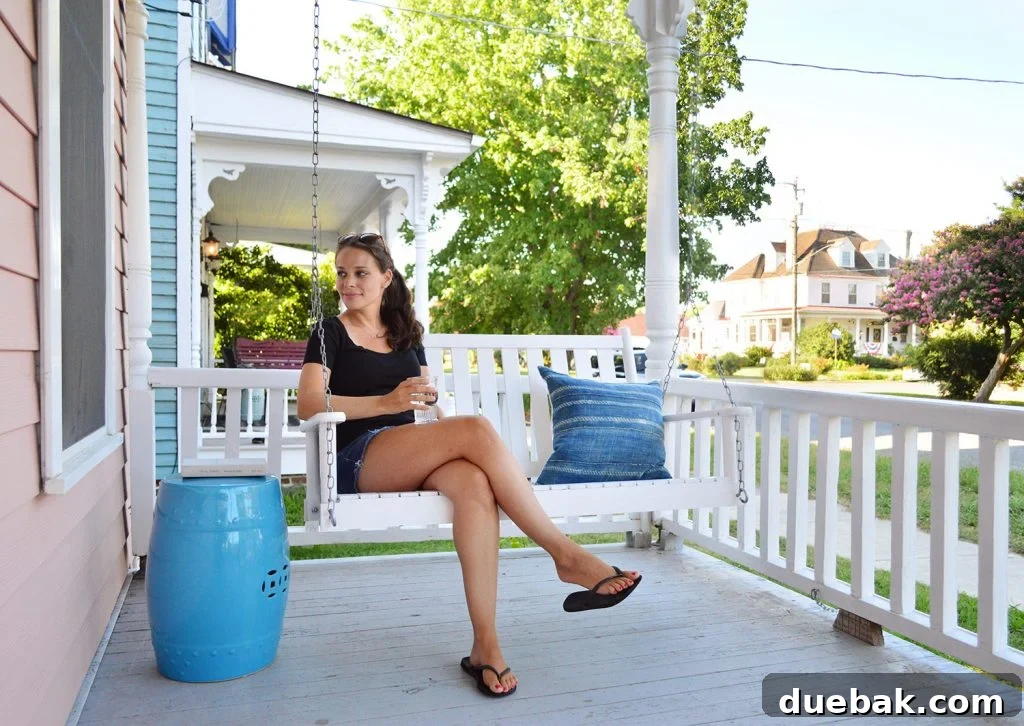
Our front porch is undoubtedly one of the most cherished spots in the house, offering a quintessential beach house experience. Initially, we installed a simple, white porch swing that beautifully matched the trim and railings, blending seamlessly with the home’s aesthetic. However, its charm was tragically short-lived. After only about 18 months, the white paint began to crack, peel, and mildew in numerous places, a testament to its inability to withstand the harsh coastal weather. Despite our best efforts to scrub and maintain it, the swing deteriorated to a point where it became unsightly and uncomfortable, effectively rendering it unusable. It was a disheartening situation, especially for a spot we considered the prime seating area of the entire house. The original product has since been discontinued, which might suggest that its lack of durability was a widespread issue.
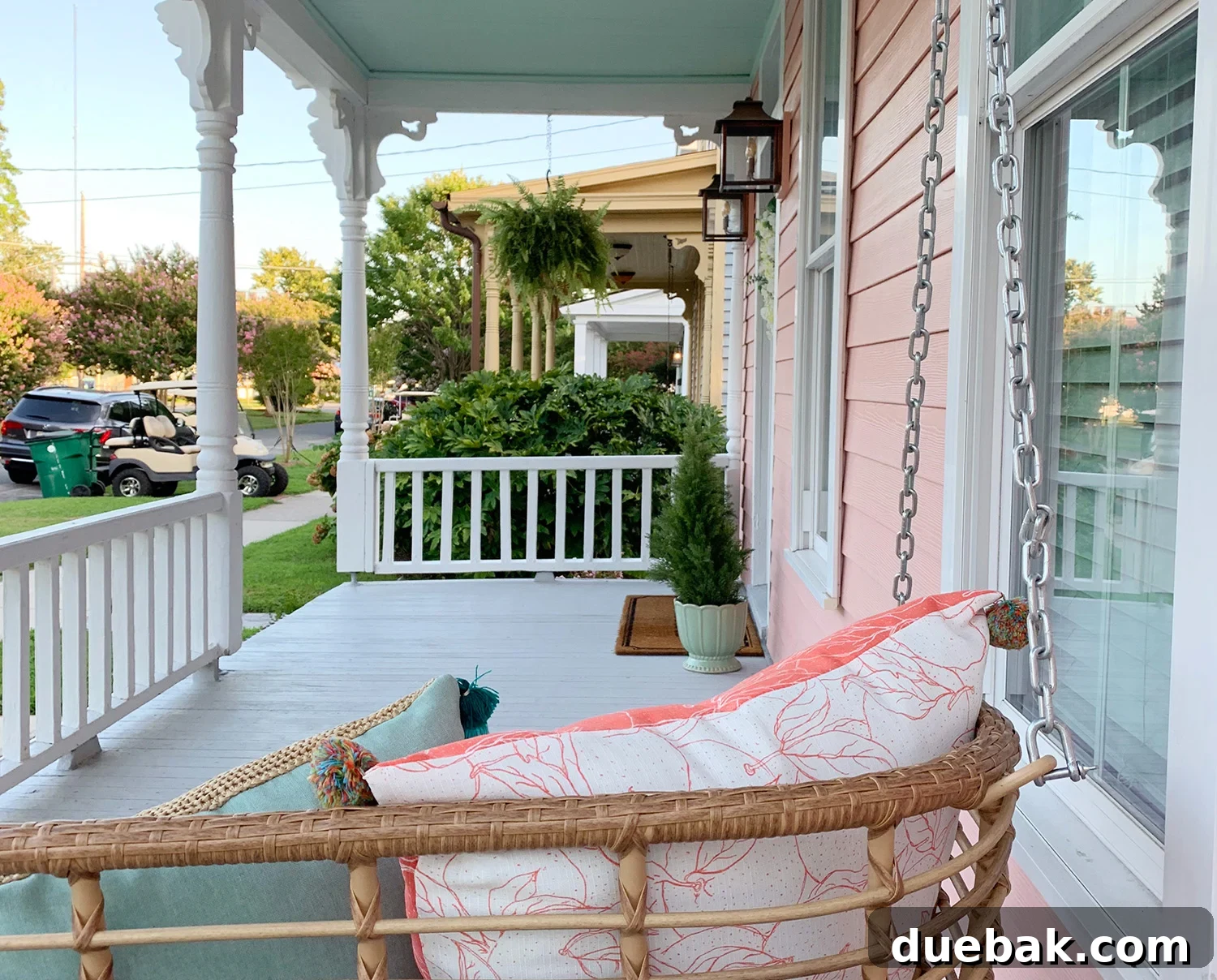
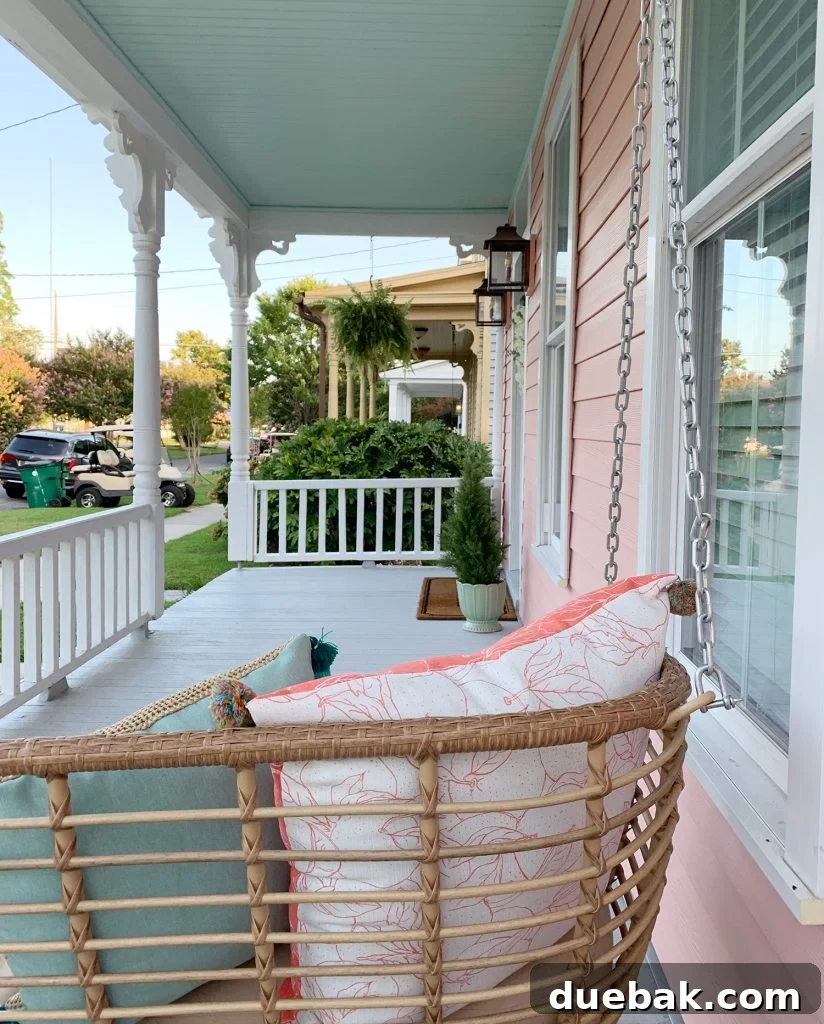
Recognizing the need for a more resilient and inviting solution, we decided to replace the old swing. At the beginning of summer, we responsibly freecycled the decaying piece and invested in a new wicker-looking porch swing. This decision has proven to be incredibly rewarding. Unlike its predecessor, this new swing boasts a robust construction of metal, meticulously wrapped in a high-quality, weatherproof rattan-like material. Over the past six months, it has demonstrably outperformed the old painted wood, showing no signs of wear or mildew, which is a huge relief and a testament to its superior design for outdoor living.
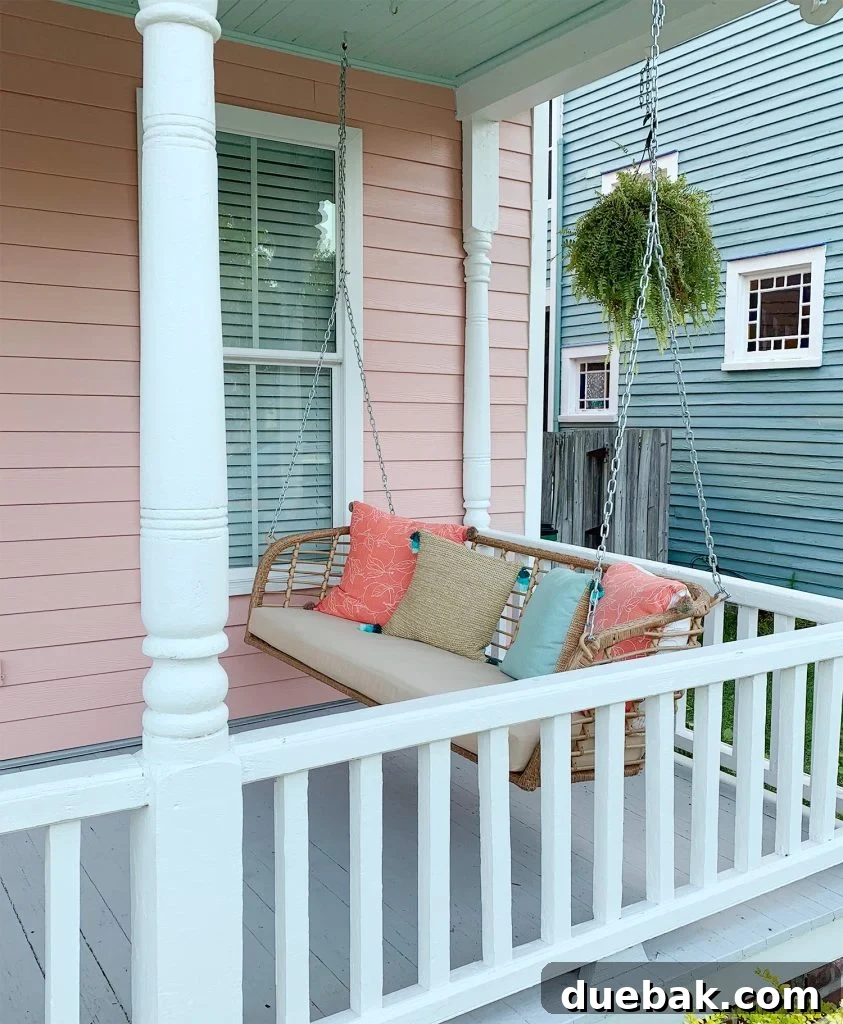
Beyond its enhanced durability, the new swing has also revolutionized our comfort levels. It features built-in padding, transforming a once hard wooden seat into a luxurious perch – a significant upgrade for those leisurely afternoons. Moreover, at a generous 65 inches wide, it offers a full foot more length than our previous swing. This extra space not only accommodates more people comfortably but also allows both of us to stretch out and relax. John, in particular, has mastered the art of napping on it, often curling up with his knees bent to one side. To truly unlock its full potential for comfort, we discovered a simple trick: remove the super-thick back cushions that come with the swing. These cushions tend to push you too far forward, making the seat feel shallow. By replacing them with a few smaller, softer outdoor pillows, we created a deeper, more ergonomic seating experience that truly elevates relaxation. We are optimistic that this wonderful addition will grace our porch for many years to come, offering countless hours of enjoyment.
The Foyer: Brightening the Beach House Welcome
- The Change: A luminous new light fixture and a refreshing coat of paint, including on the door hardware.
- The Reason: To inject a much-needed sense of lightness and coastal charm into the entryway, aligning with the beach house aesthetic.
If you’ve followed our updates on Instagram recently, you’ve likely witnessed our enthusiastic praise for the foyer’s stunning new centerpiece. The moment we discovered this four-light white beaded fixture, we knew it was the perfect addition to transform our once rather heavy-feeling foyer into a bright, airy, and unmistakably beachy space. In Cape Charles, there’s a charming local tradition of illuminating homes with beautiful beaded chandeliers in the evening, casting a warm glow visible from the street during our walks. We’ve long admired this custom, and bringing one into our own beach house was an exciting step towards making our entryway as warm and inviting as those we’ve cherished around town.
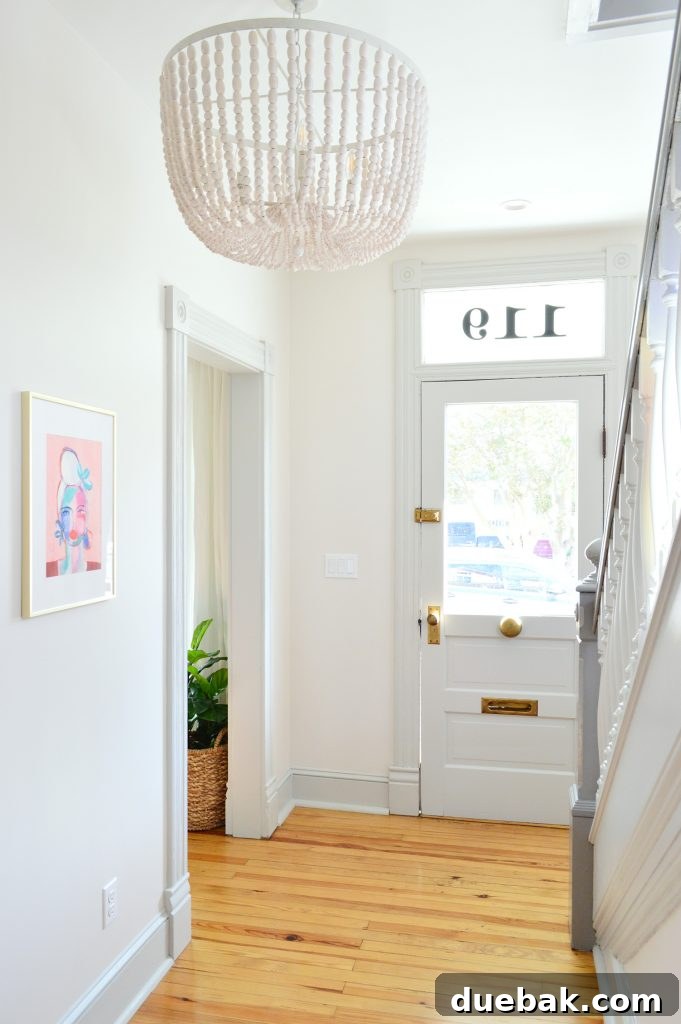
A crucial consideration for anyone contemplating a similar fixture is ceiling height. Our foyer boasts a generous 9-foot ceiling, allowing this substantial light to hang beautifully without impeding foot traffic. However, for homes with standard 8-foot ceilings, this smaller version would be a more appropriate choice. If the fixture is to be positioned above a bed or a dining table, where people won’t directly walk underneath it, then the larger option would be perfectly suitable, offering a grander statement.
Looking back a couple of years to when the renovation was initially completed, our foyer presented a very different picture. My original vision was to showcase the warm, natural wood of the door and stair railing, mirroring the beautiful 115-year-old heart pine floors that we simply clear-sealed. Alas, this proved to be an impossible dream. Neither the door nor the railings were in a condition that allowed for stripping back to raw wood without exacerbating existing cracks and imperfections. After exhaustive attempts with both manual and electric sanders, and various stripping agents, it became clear that a full strip and clear seal wasn’t feasible. Consequently, we opted for a dark opaque wood stain, which, in essence, acted more like a dark brown paint, completely concealing the underlying damage. While I hoped it would impart a wood-like appearance, the reality was somewhat different.
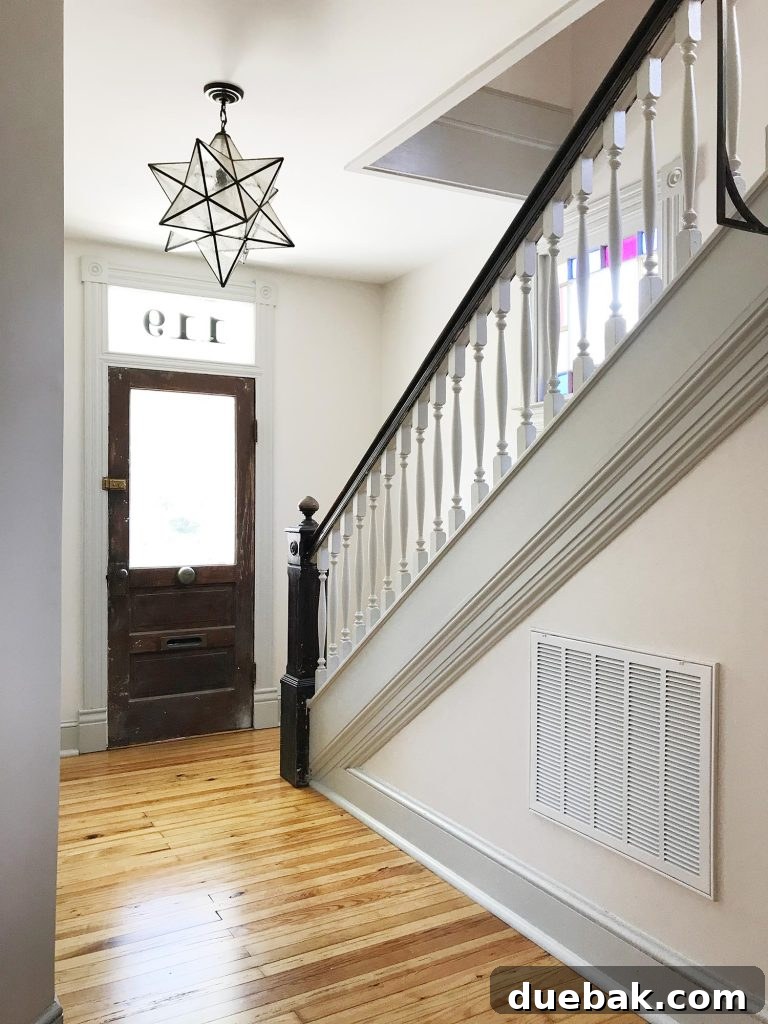
The result, regrettably, felt dark and somewhat heavy. Our beloved star pendant light, while charming, inadvertently reinforced this somber aesthetic by tying into the existing dark elements. After living with this scheme for a few years, a strong desire emerged to transform the entryway into a bright, airy, and welcoming beach house space that truly reflected our coastal surroundings. This meant a dramatic shift towards lighter tones and a more open feel.
The transformation involved repainting the stair railing and the interior side of the front door in lighter, yet distinct, tones. We intentionally chose a slightly darker shade for the railing than for the balusters and trim to maintain a subtle sense of depth and architectural interest. An exciting discovery during this process was Rub N’ Buff, which we used to miraculously restore the metal accents on the door. Having never used it before, its effectiveness was absolutely astonishing! It effortlessly brought four mismatched and severely weathered or paint-covered elements on our original front door back to their former brass glory. As for the specific paint colors, the walls are Sherwin Williams’ White Heron, the trim and door are Stone Isle, and the railing is Perpetual Gray. For a comprehensive list of every paint color used throughout the beach house, you can find it here.
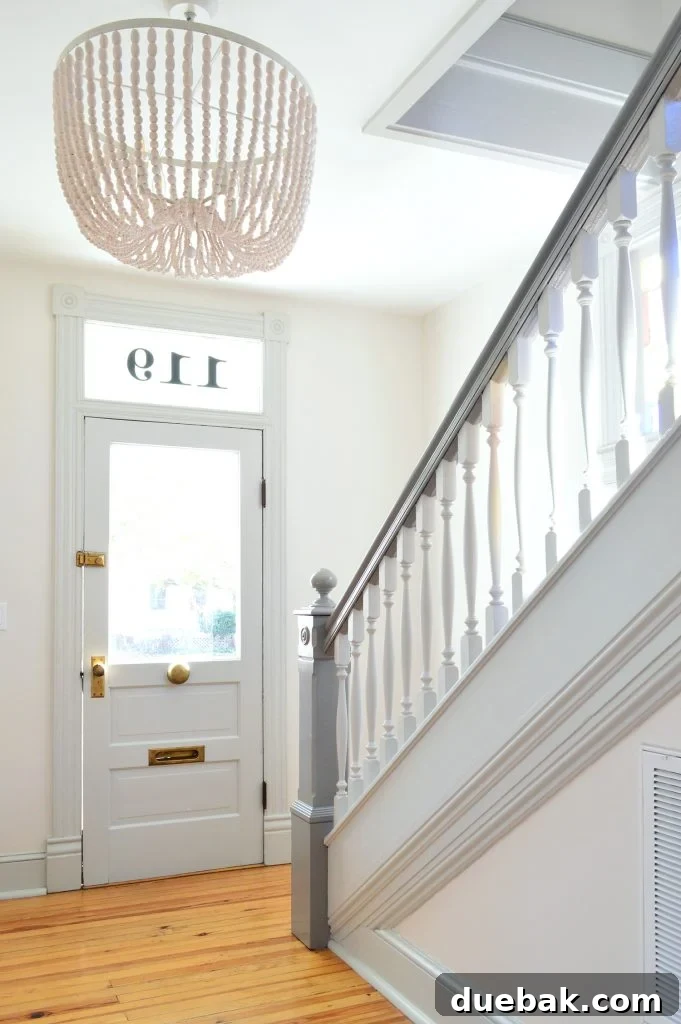
The transformation truly brought the foyer to life. Lightening the color palette has allowed the exquisite original hardware and the graceful curve of the newel post to shine, rather than being overshadowed by bulky, dark elements like the door and railing. It now feels authentically like a beach house from the moment you step inside. And yes, that charming round feature on the door is indeed a built-in doorbell – its vintage appeal absolutely captivates us! We couldn’t be happier with this impactful change, which has significantly enhanced the welcoming ambiance of our home.
The Living Room: Comfort, Functionality, and Style
- The Change: The introduction of new chairs, a different coffee table, and a wall-mounted television.
- The Reason: To finally achieve the comfortable seating arrangements we’d envisioned and complete long-standing plans for media integration.
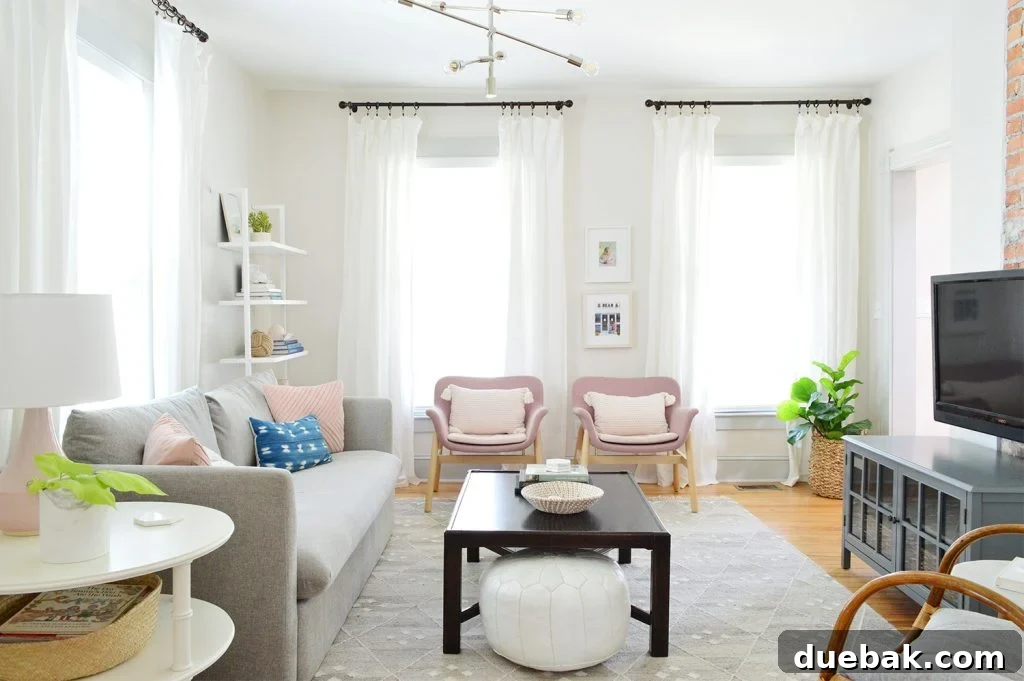
Our journey to finding the perfect living room seating was a lengthy one. For years, this space hosted our old hard-backed office chairs, always intended as a temporary solution until we could invest in something more comfortable and fully upholstered. The search was often frustrating, involving a series of ill-fitting options that didn’t quite work with the existing sofa or the room’s proportions. Then, during a visit to Ikea, fate intervened. The moment we laid eyes on these inviting pink chairs, John and I instinctively knew they were meant for our “pink house.” It was one of those rare, effortless design decisions that almost never happen, and we practically raced to the checkout with them.
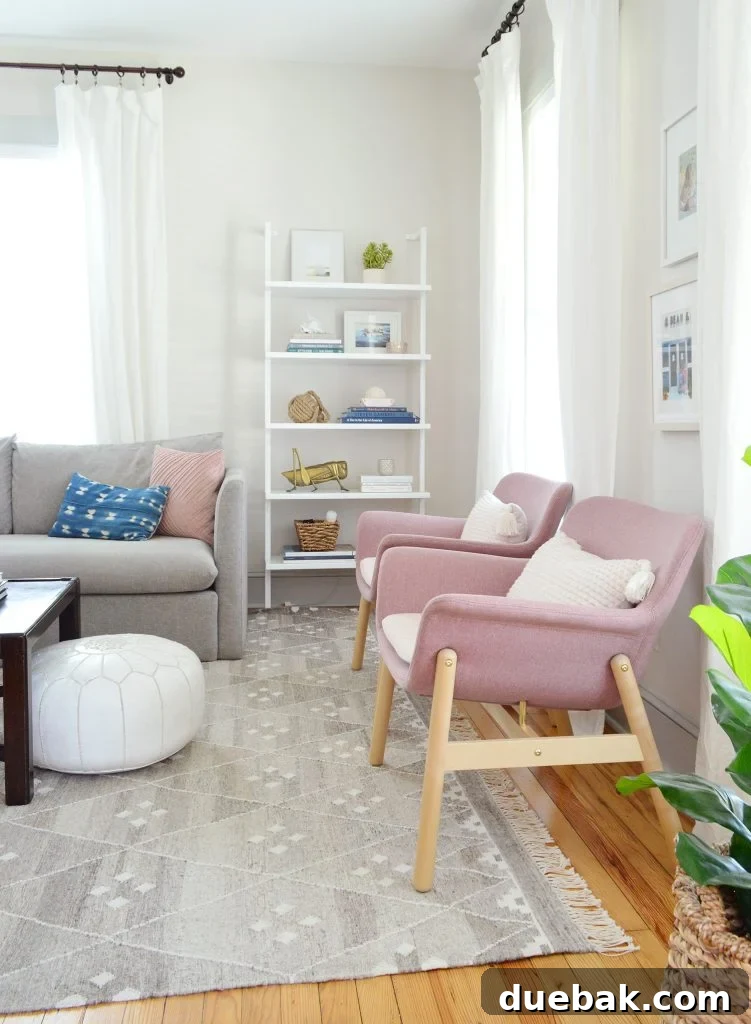
We’re delighted to report that these chairs have been a game-changer, offering significantly more lounge-worthy comfort than their predecessors, which lacked proper fabric backs for reclining. The previous diamond chairs, while stylish, have now found a new, more suitable home in the tiny upstairs office, where their firm support is appreciated over the hard wooden chairs that once resided there. This move proved to be a win-win, improving comfort for both our backs and eyes across multiple rooms.
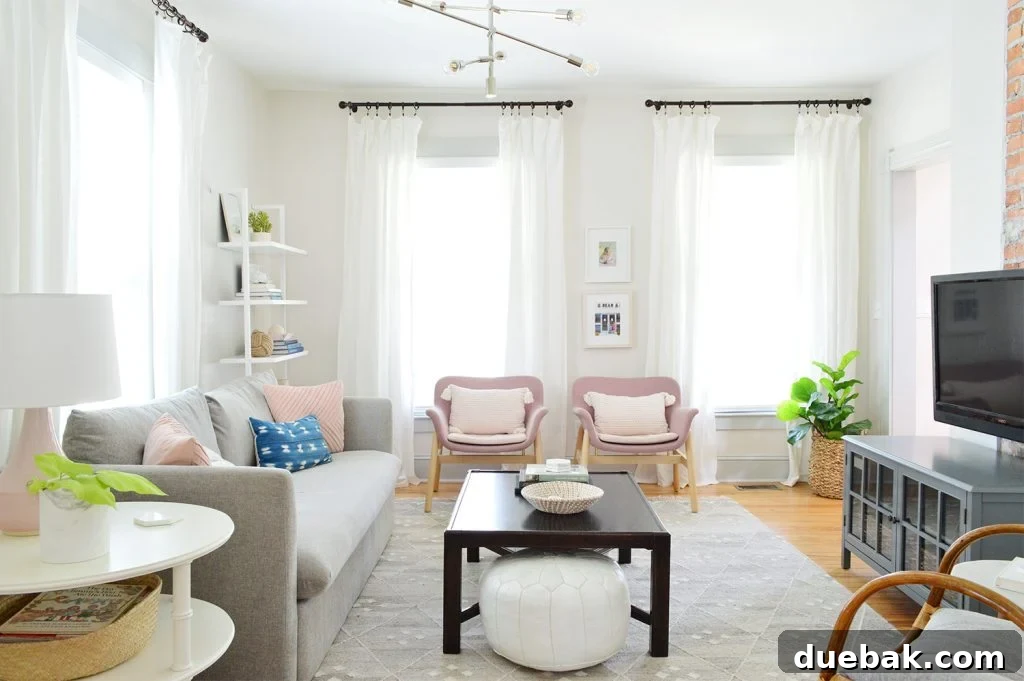
Beyond the seating, you’ll observe a couple of other thoughtful adjustments designed to enhance both the aesthetics and functionality of the living room. One significant update was finally mounting the television to the wall. We’ve consistently found that wall-mounting a TV contributes to a more polished and integrated look, reducing clutter and creating a focal point that feels intentional rather than just utilitarian. We’ve applied this principle successfully in our main living room at home and in our bonus room upstairs, and the results here are equally satisfying. For those interested in replicating this seamless look, a detailed tutorial is available here.
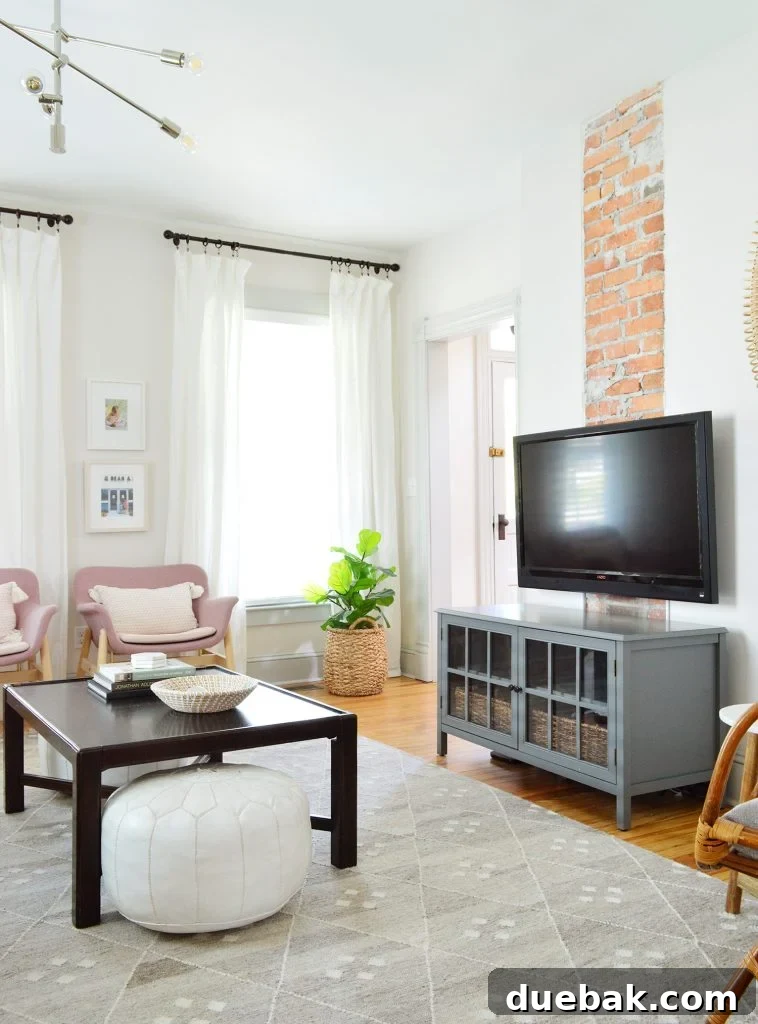
We also implemented a giant coffee table swap. The “new” darker coffee table now gracing this living room is actually the “temporary” table we impulsively purchased last Thanksgiving Day for our main house in Richmond – a $35 Facebook Marketplace find! With a new, custom coffee table recently acquired for our Richmond home (details coming soon!), this versatile piece found its second life here. Its arrival prompted the repurposing of the old white coffee table from this living room, which now serves as a delightful play table in our son’s room. While we still plan to address the finish of the dark tabletop, which isn’t perfect, it’s currently serving its purpose wonderfully. We’re considering tiling it with white marble to add a touch of gleam and enhance the beachy vibe, allowing the dark ebony legs to ground the piece and tie into the curtain rods and the TV. Alternatively, we might paint the legs gray to match the media stand or white to complement the round side table, creating a cohesive aesthetic. Rest assured, we’ll keep you updated on the final decision!
The Kids’ Bunk Room: Maximizing Storage in a Mighty Space
- The Change: Significantly expanded storage and shelving capabilities.
- The Reason: To enhance the functionality of this highly utilized room, providing dedicated space for books and toys.
Our kids spent the entire summer in this bunk room – a testament to its enduring appeal, as two children happily shared it as their bedroom for three straight months. For clothes, we initially relied on this compact 4-cube organizer from Target, with each child getting two bins for their belongings (one for everyday wear, one for PJs and swimsuits). Surprisingly, this system worked wonderfully, proving that even small spaces can be highly efficient. The novelty of the bunk beds never wore off, and their compact summer wardrobes fit just fine. For those curious about how we constructed these custom bunk beds, you can find our detailed tutorial here.
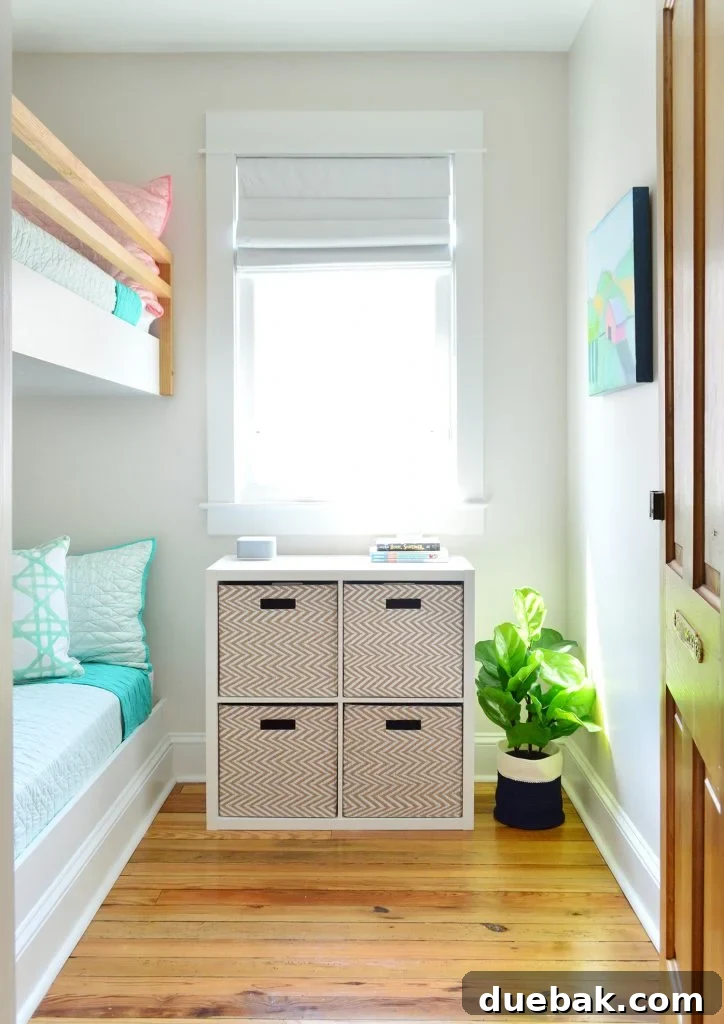
However, the real impetus for expanding storage wasn’t about clothes, but rather the crucial need for book and toy storage within the room – items that significantly contribute to a child’s sense of comfort and ownership in their personal space. We realized that while the existing setup was functional, it lacked dedicated areas for these essentials. This led to a few very affordable, yet impactful, tweaks that elevated the room’s organizational prowess to the next level.
Towards the end of summer, we had an “aha!” moment: the 6-cube version of the 4-cubby organizer we had originally considered back in 2017 would actually fit perfectly in the space! For a modest investment of just $59, we upgraded to the larger unit, gaining two invaluable bonus cubbies for corralling toys. Since the original chevron boxes were no longer available, we opted for stylish rope baskets, which surprisingly add a charming visual break to the pattern. The larger storage system fills the space more completely, eliminating awkward empty gaps on either side. We are incredibly pleased with this simple, cost-effective, and highly functional change.
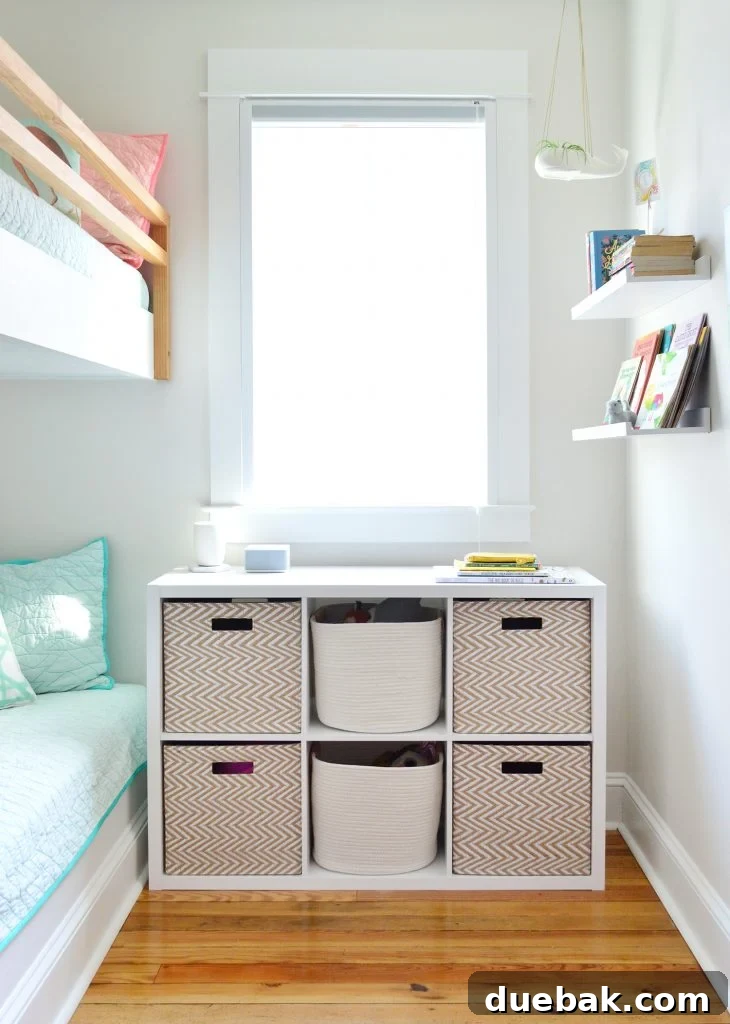
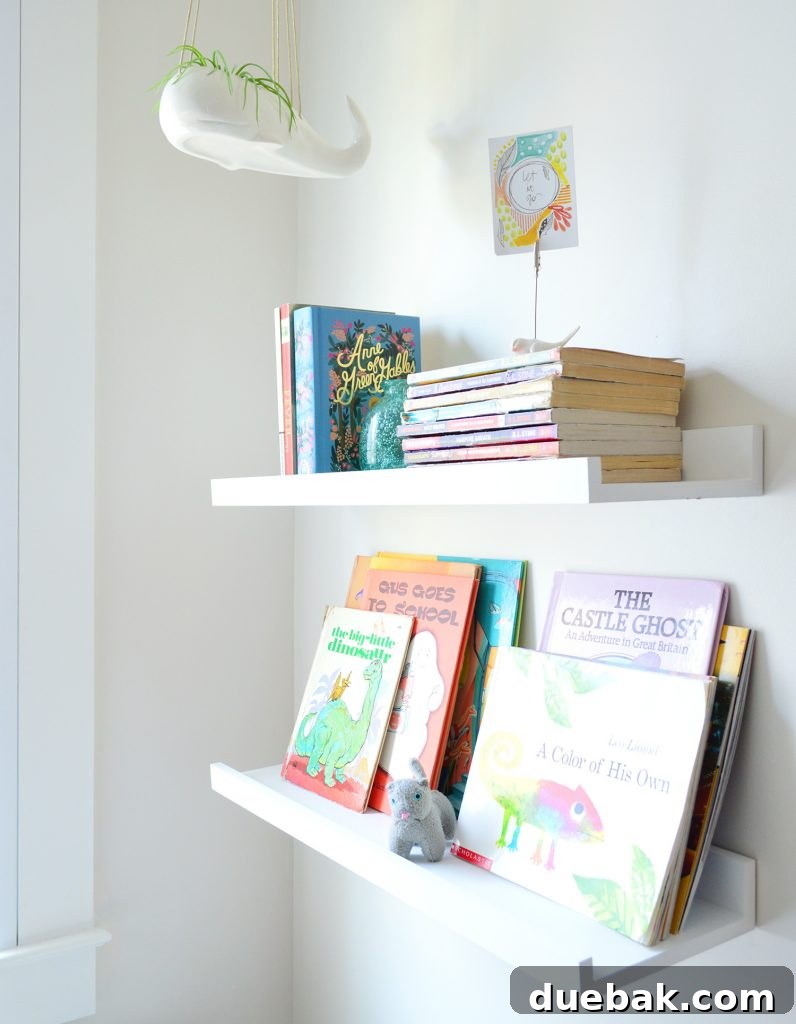
To further address the need for book storage, we mounted two floating shelves to the wall. While they are no longer sold in white, they are still available in a wood finish. We repositioned the existing art to hang beside the shelves, creating ample space for the kids to stash their ever-growing collection of books. This particular upgrade cost us nothing, as these are the same small shelves that once hung downstairs in the kitchen before we installed our tile backsplash. After adding the tile, we preferred the cleaner look without them in the kitchen, and we’re so glad we wisely stored them under a bed. Now, they’ve found a new, highly functional purpose in the bunk room, illustrating that half the battle of keeping a space tidy is simply providing a designated spot for everything. This strategic placement makes cleanup far more automatic and enjoyable for everyone.
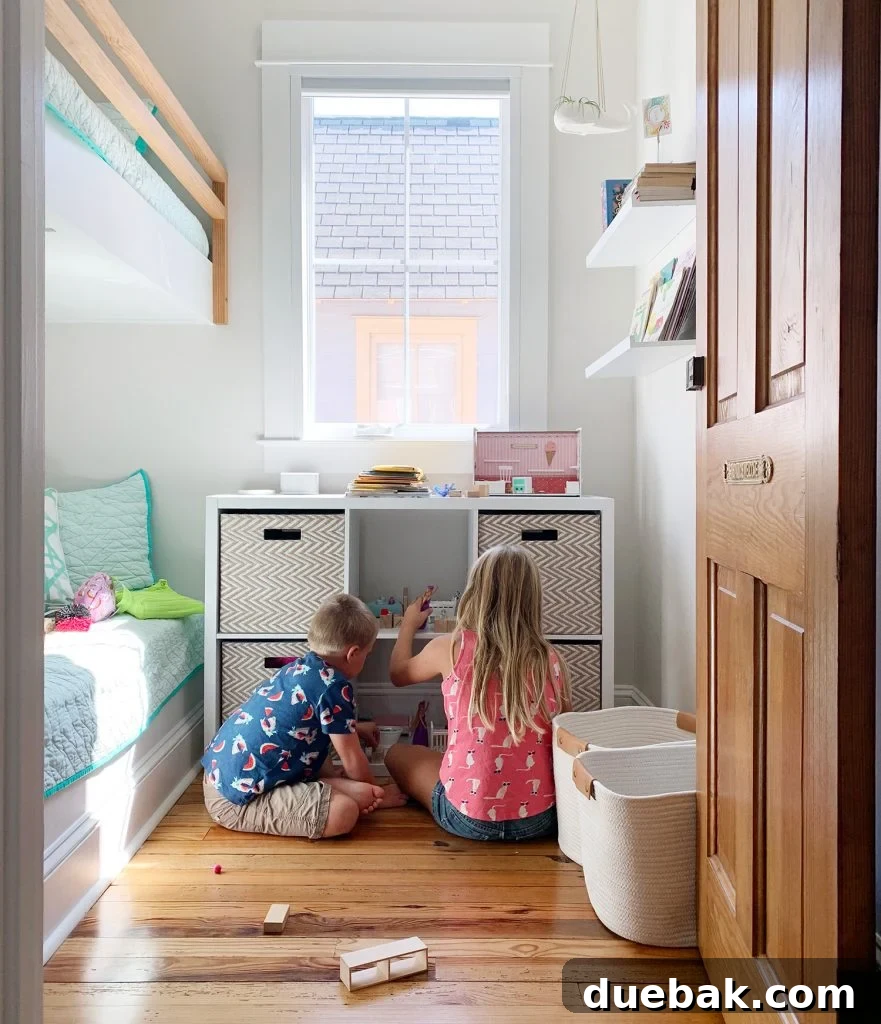
An unexpected and delightful side effect of upgrading the cubbies is how frequently they’ve transformed into a makeshift dollhouse or playhouse. It’s truly endearing to see those imaginative young minds find creative ways to play in any available space, proving the versatility of well-designed storage.
The Mudroom / Laundry Room: Embracing the Power of Hooks
- The Change: A significant increase in available hook storage.
- The Reason: Our unwavering belief that one can never have too many hooks, especially in a bustling beach house environment.
Our philosophy on home organization includes one undeniable truth: a house can never, ever have too many hooks. Have we mentioned this before? It bears repeating, especially in the context of a beach house. The constant rotation of wet beach towels, sandy bathing suits, and outdoor gear means there’s always something that needs to be hung to dry or simply kept off the floor. This principle is why our duplex mudrooms famously resemble a “hook convention” – they’re simply indispensable. Back in 2017, when we first renovated this mudroom, we naively believed that six hooks would suffice. Oh, how wrong we were!
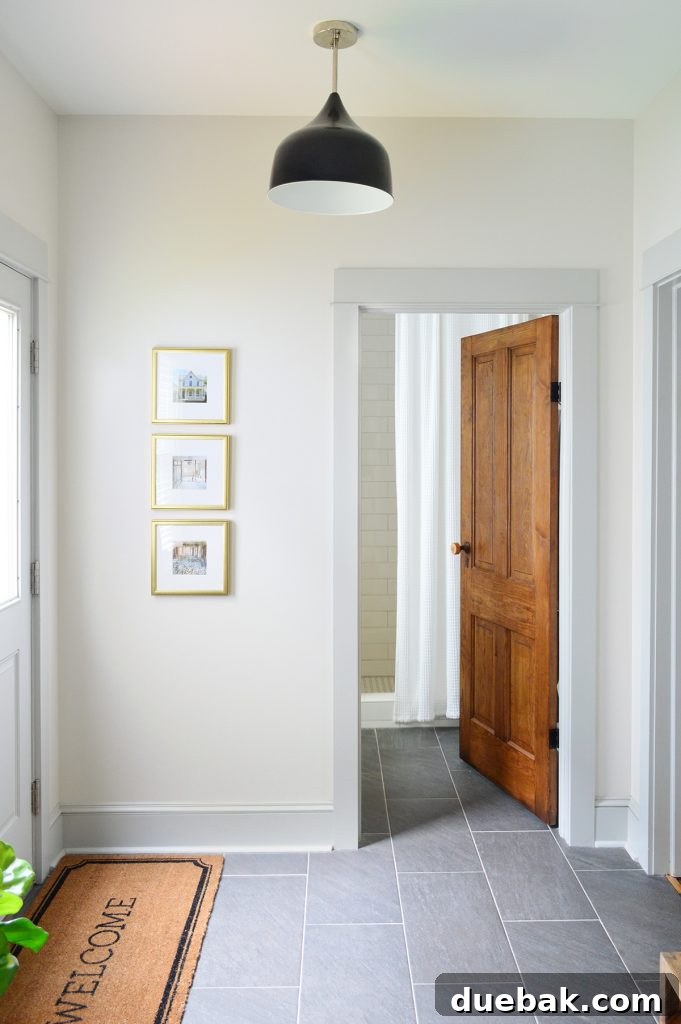
To rectify our oversight, we relocated the gold-framed photos you see in the initial image to another wall within the room – specifically, the one just out of frame to the left, adjacent to the side door. In their place, we installed an additional hook rail, effectively adding four more invaluable hooks to the space. This expansion has been nothing short of indispensable for the room’s day-to-day functionality.
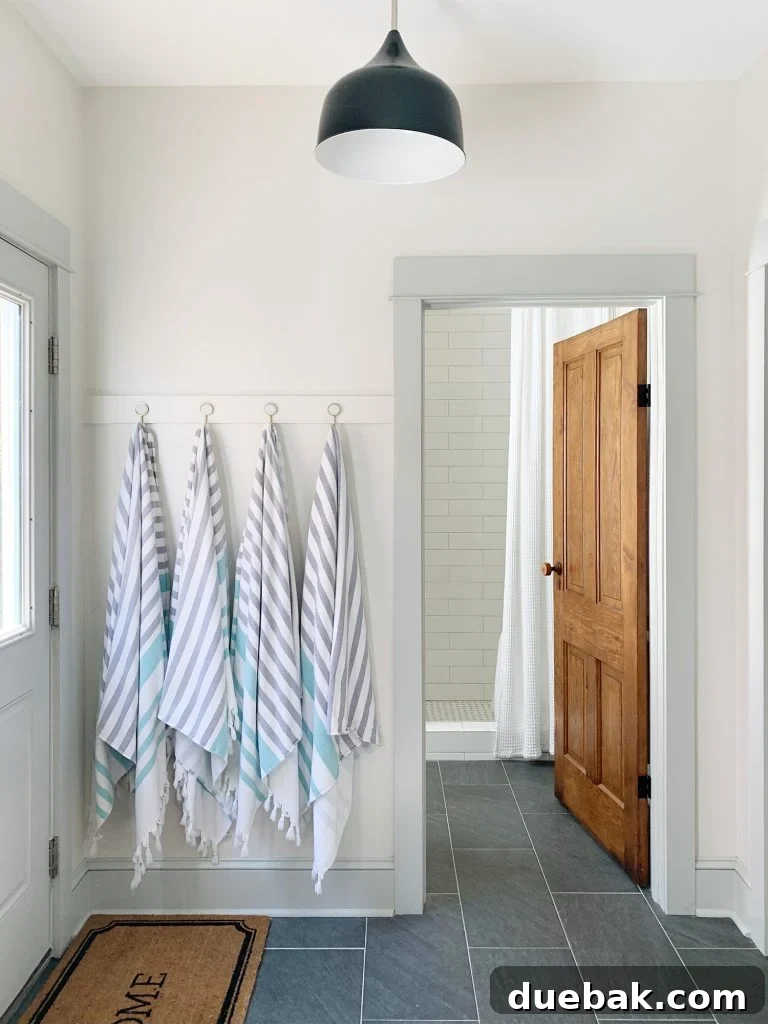
These new hooks have quickly become the most convenient in the entire room, strategically placed right next to the side door – our primary entry point when returning from the beach. Furthermore, they serve as crucial overflow storage for the downstairs bathroom, providing a handy spot for bath towels or damp swimsuits that need to air out. This simple addition exemplifies the power of thoughtful, practical design.
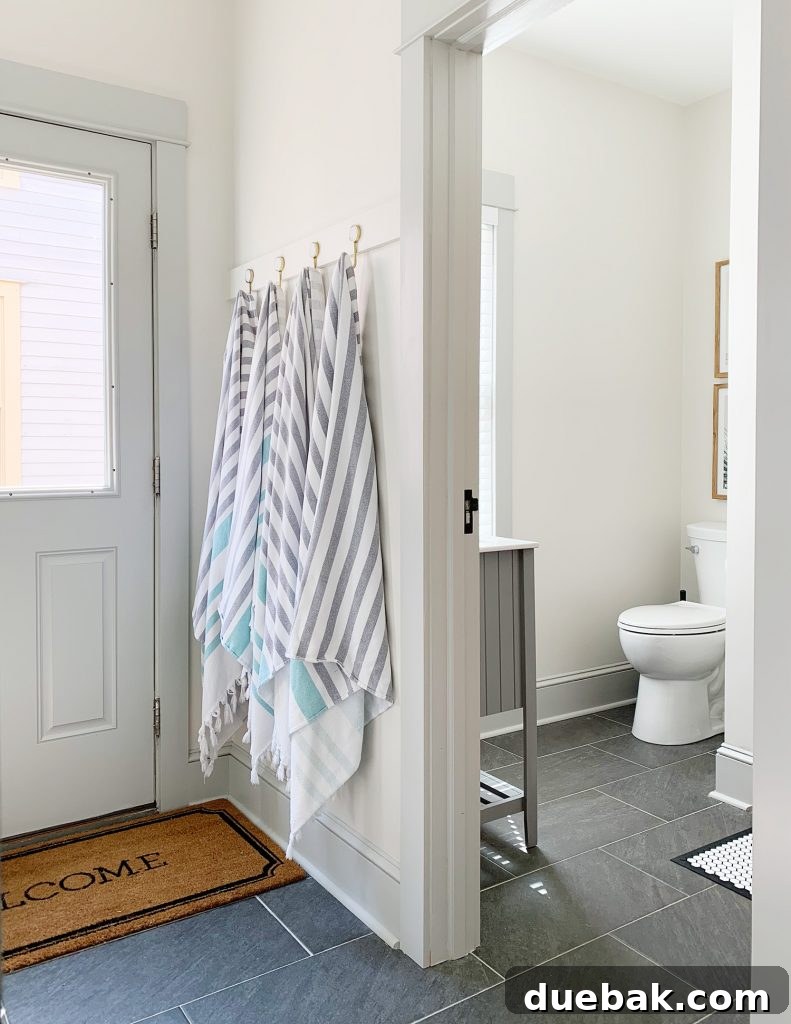
What makes this particular change even more satisfying is its incredible affordability. These budget-friendly solutions often yield the most profound improvements! For those inspired to create their own custom hook rail, we’ve put together a comprehensive tutorial here. These rails are surprisingly robust; they can even hold a cooler full of beverages (trust us, we’ve tested it!).
The Pantry: Doubling Down on Organized Efficiency
- The Change: A significant increase, nearly doubling, the number of storage bins.
- The Reason: To create a far more efficient and organized pantry storage system.
Our extended summer stay at the beach house provided the ultimate stress test for many of our home systems, none more so than the kitchen and its accompanying pantry. Living in the house for three solid months truly highlighted areas where efficiency could be improved. While a detailed post about our beach house kitchen organization, complete with a video tour of each drawer (similar to the one we created for our main kitchen), is currently in the works, for now, let’s focus on the simple yet incredibly impactful changes we made to the pantry.
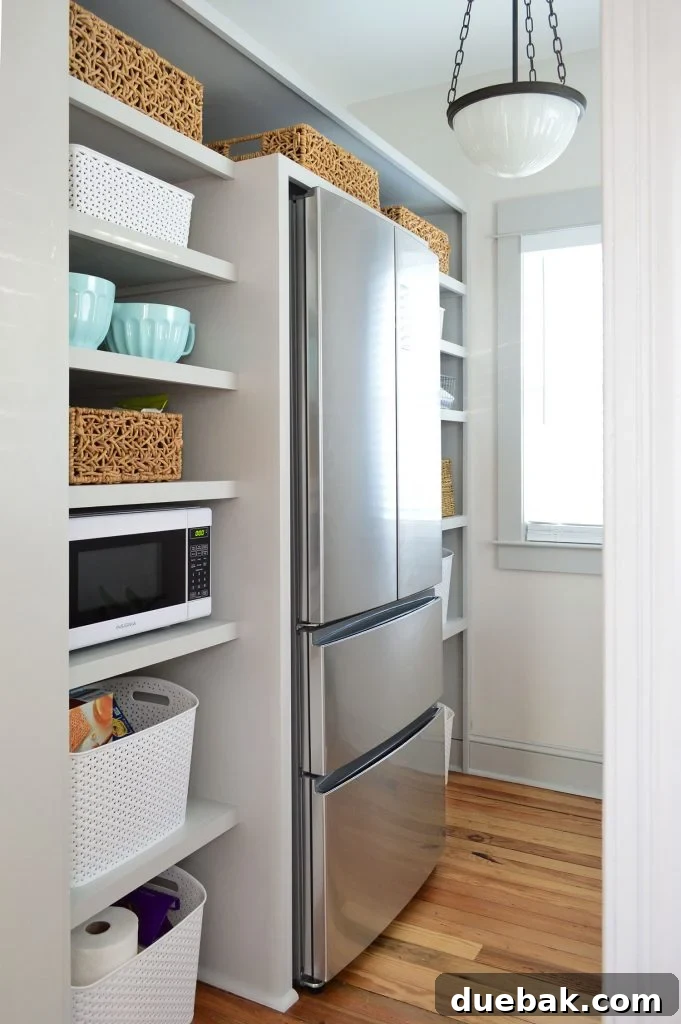
The photograph above showcases the pantry as it looked when we first completed its construction two years ago. Below, you’ll see its updated state from this past summer. The visual changes might seem subtle, but the functional impact is immense. We’ve managed to pack in an abundance of additional storage baskets. Notice how the initial setup typically featured only one wide bin per shelf? By acquiring several extra baskets and strategically rotating many of them sideways – making them deep rather than extra wide – we effectively doubled our storage capacity.
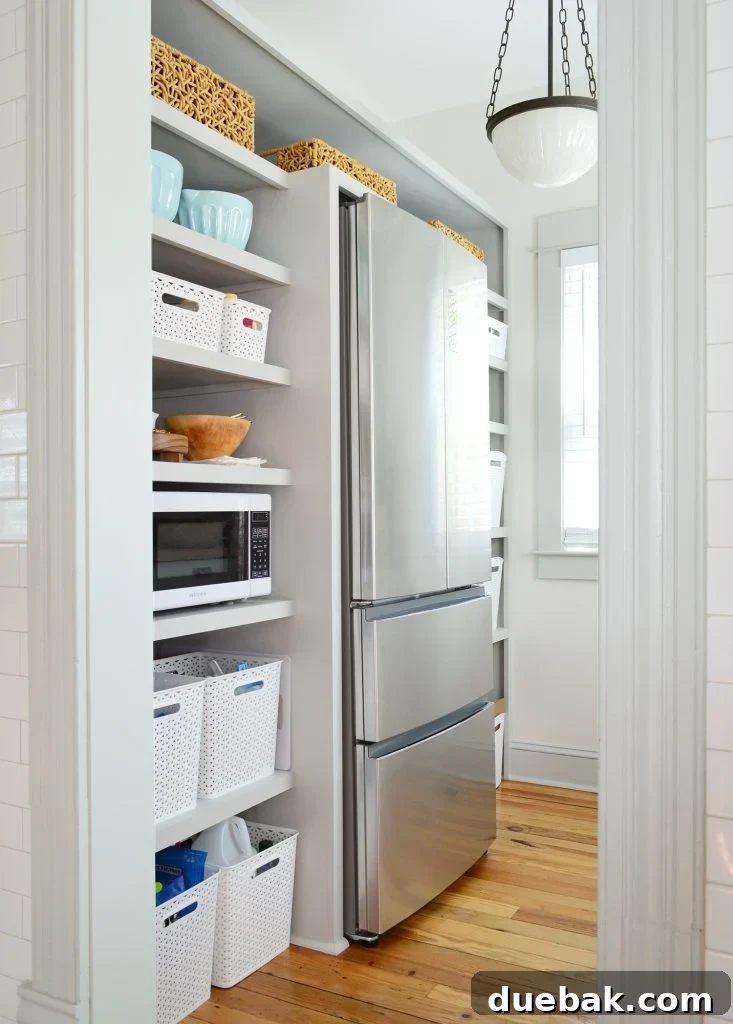
This simple adjustment, which involved fully utilizing the untapped depth of our shelves, proved to be a major revelation. On the far side of the pantry, each shelf that previously housed a single wide bin now comfortably accommodates two bins of the same size, simply by reorienting them. This seemingly minor tweak has dramatically increased the amount of items we can store, making the pantry far more efficient and easier to navigate. On the closer side of the pantry, you can observe that two bins now fill the space more completely than the single wide one that resided there before, eliminating much of the wasted space behind and on either side. Furthermore, having four dedicated bins in that bottom area promotes a superior level of organization compared to two larger bins holding a haphazard collection of items. We now have distinct categories: one bin for baking supplies, another for cereal, one for bags of chips, and a final one for cleaning supplies, ensuring everything has its proper place and is easily accessible.
The Backyard Patio: A Strategic Furniture Rearrangement for Enhanced Enjoyment
- The Change: A thoughtful rearrangement of the existing patio furniture.
- The Reason: To keep cushions dry and, consequently, make the outdoor space significantly more usable.
For those subscribed to our email newsletter, you might have already caught wind of this particular update, but it’s far too impactful to omit from this comprehensive roundup. This adjustment stands out as one of our most favorite and effective changes. We proudly unveiled our extensive backyard makeover back in June, featuring the initial furniture arrangement pictured below.
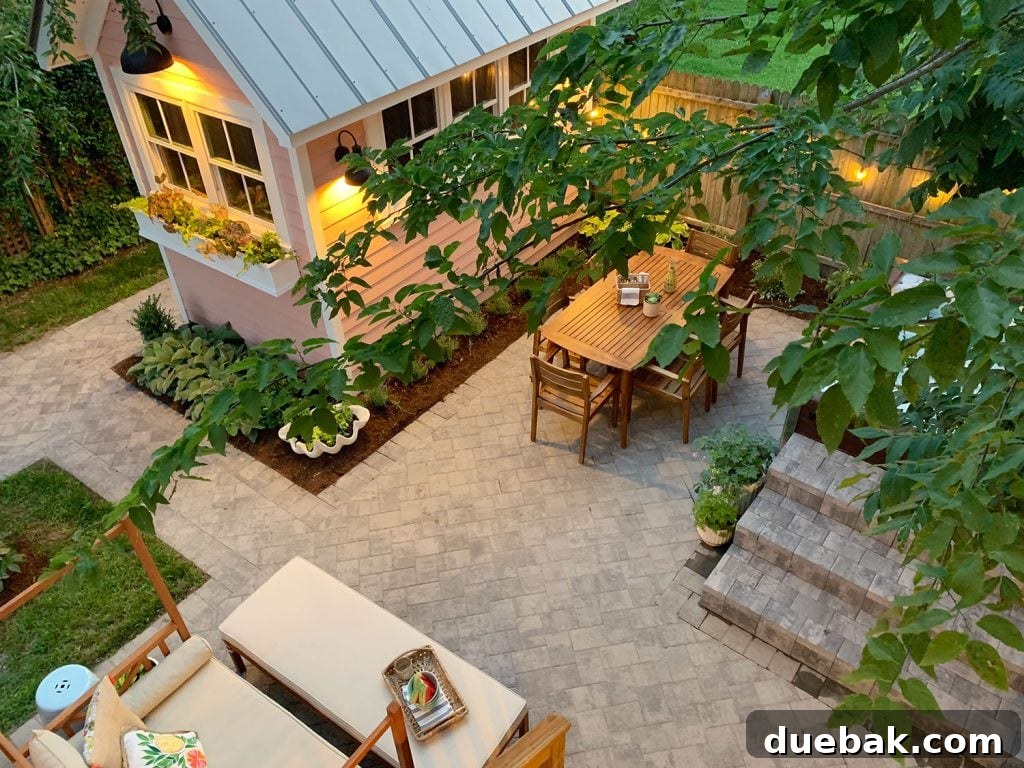
While aesthetically pleasing, this initial setup presented a practical challenge. The cushions of the outdoor daybed, positioned directly under the house’s eave, were perpetually damp. Morning dew would collect and, due to the limited sun exposure in that spot, wouldn’t fully dry until late afternoon. This meant the daybed was rarely available for comfortable use, especially in the mornings or early afternoons. So, in August, we decided to implement a zero-cost solution: a simple rearrangement of the furniture designed to maximize usability and comfort.
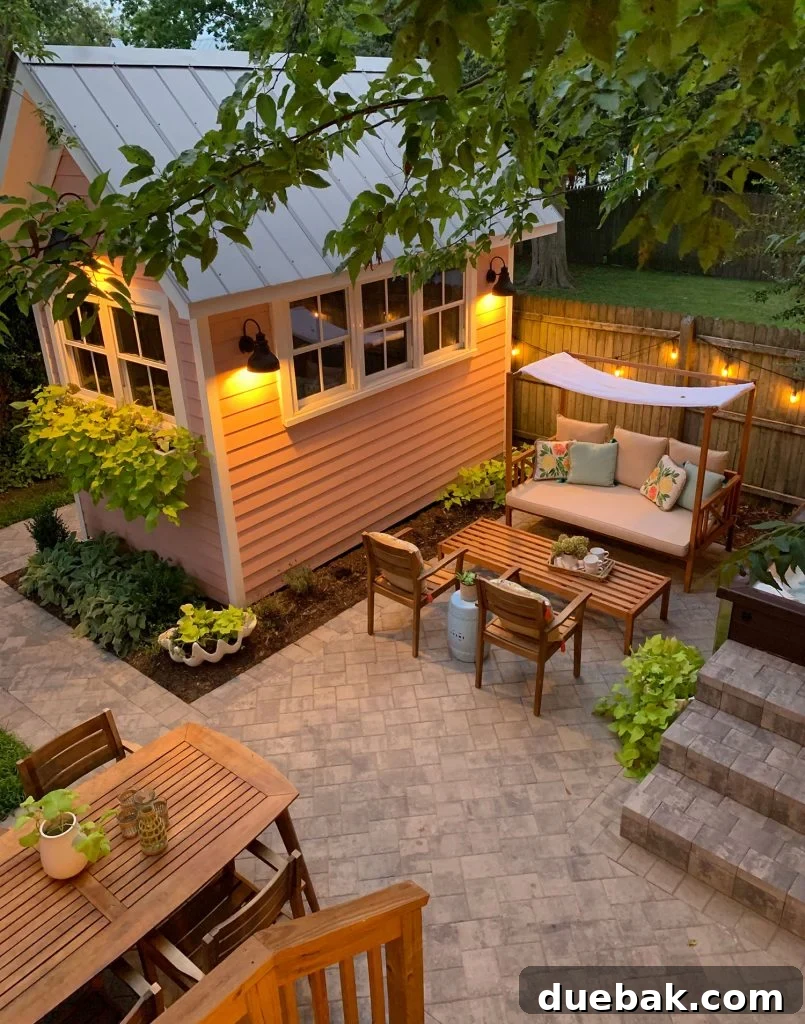
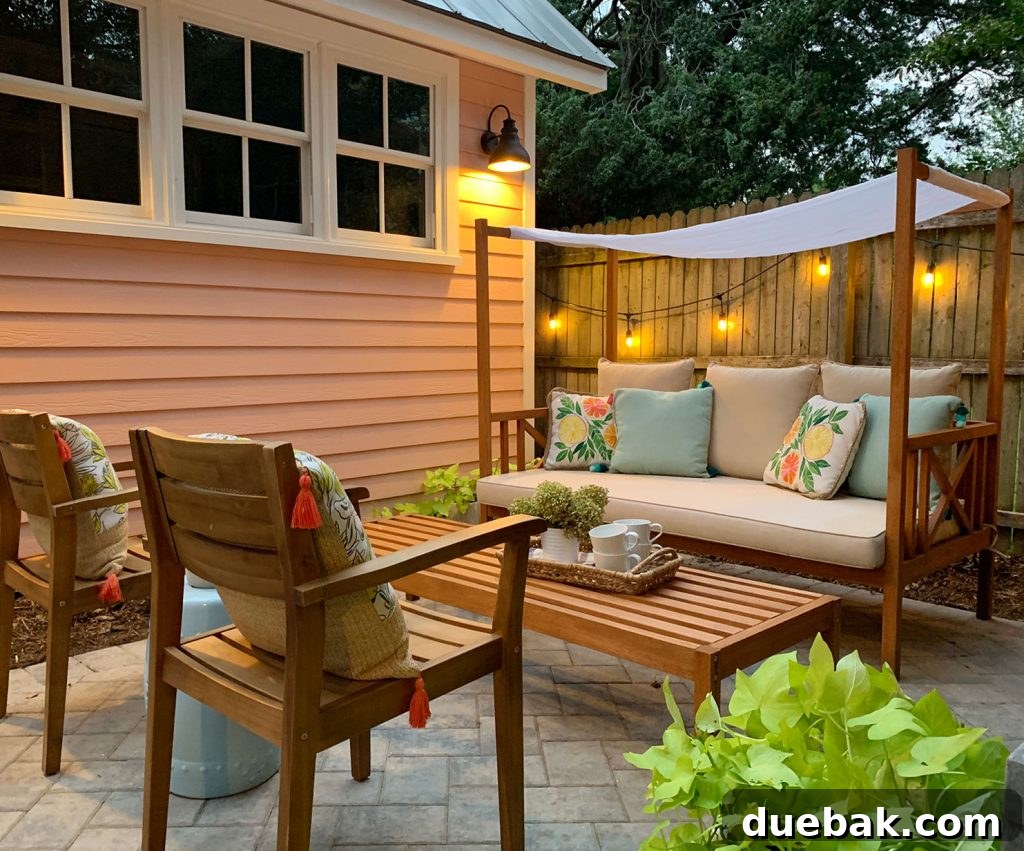
The solution was remarkably straightforward: we simply swapped the positions of the dining table and the daybed. This strategic move ensured the daybed received more direct sunlight, allowing its cushions to dry much faster. While the dining table now collects dew, wood dries significantly quicker than fabric cushions, making it a far more manageable issue. Beyond just solving the dampness problem, this new arrangement inadvertently created a dedicated conversation area, something we hadn’t truly had before. By pulling two of the dining chairs over (which are easily moved back when we need seating for six), we instantly created an inviting nook. This subtle shift immediately led to us using this area far more frequently for outdoor game nights and casual chats. Speaking of game nights, removing the cushion from the daybed’s bench transformed it into a perfect coffee table height, making it an ideal spot for board games. It also proved incredibly useful when entertaining guests, offering a comfortable and natural setting for conversation, rather than everyone having to lounge in the same direction as with the previous layout (a visual that often prompts a laugh!).
For a clearer perspective on the new layout and the overall design of our tiny backyard, you can watch a short video (our dog, Burger, still hilariously struggles to locate the source of my voice in it!). We particularly adore the bird’s-eye view of this space from the second-story window, so even if nothing else, pressing play to see how it all comes together from above in just 30 seconds is highly recommended.
Given that questions about winterization frequently arise around this time of year, we’ve included a photograph from about a month ago, illustrating our backyard after we had prepared it for the off-season.
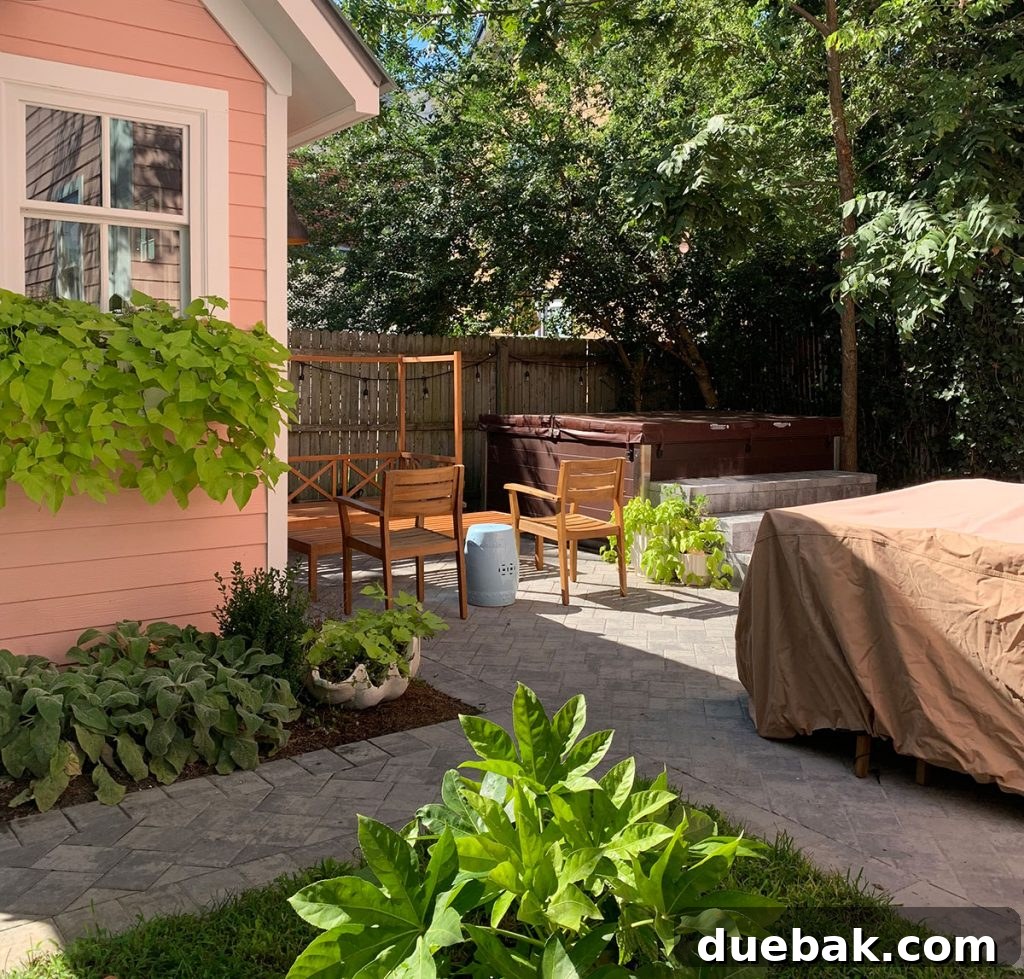
Our winterization process is quite straightforward. We use this exact cover, which we absolutely love. It’s large enough to encompass the entire dining area. We simply pull the corner ties to create a snug fit, ensuring it remains securely in place even during blustery weather. The sofa cushions are then stored safely in the shed for the winter, and voilà – the process is complete, protecting our outdoor investments until spring.
We truly hope this detailed look back has been an enjoyable and insightful experience for you. We find these “what-didn’t-work-so-we-changed-it” updates incredibly valuable when shared by other home bloggers, as they offer practical lessons and help us avoid common pitfalls. Our aim is that our experiences, whether through preventing a potential design headache or sparking a fresh idea, will help you optimize your own living spaces. And remember, as our mudroom saga proved: YOU CAN NEVER, EVER HAVE TOO MANY HOOKS!
P.S. If you’re curious about any specific paint colors we used or where we sourced any items featured in these photographs, you’ll find a comprehensive source page right here! And for those who, like us, live for a good before & after transformation, all the stunning comparisons are conveniently located on this page.
*This post contains affiliate links, so we may earn a small commission when you make a purchase through links on our site at no additional cost to you.