
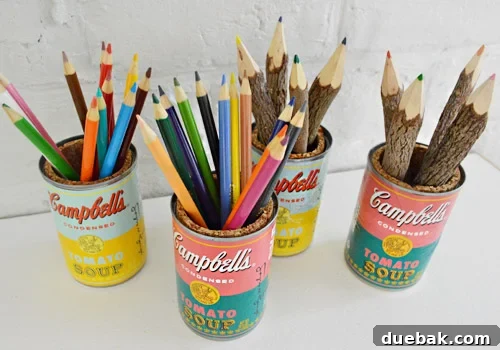
Step into the vibrant world of pop art and discover how a simple everyday item can be transformed into a functional and eye-catching masterpiece. We’re diving into a project that’s not only incredibly budget-friendly but also injects a burst of artistic flair into any space. And yes, it all starts with a humble can of soup!
Just like a certain iconic artist turned soup cans into high art, we’re taking inspiration from the legendary Andy Warhol. Our mission? To craft playful, personalized pencil holders that are as charming as they are practical, perfect for organizing art supplies on a desk, or adding a touch of whimsy to a craft corner.
This initiative falls perfectly under our favorite category: “Fast & *Almost* Free Projects.” Following the success of our previous quick crafts, we’re now bringing you an upcycling adventure that celebrates creativity and clever repurposing. Imagine these vibrant vessels, lovingly crafted, holding all your essential drawing tools – a true testament to the idea that beauty and utility can emerge from the most unexpected places. The colors alone are enough to spark joy and creativity, making every glance a little reminder of the power of simple DIY.
The beauty of this project lies in its simplicity and the minimal investment required. If you’re looking for a way to add unique, personalized decor to your home or office without breaking the bank, you’ve found it. These DIY pop art pencil cups are a fantastic way to introduce a splash of color and an artistic touch to your surroundings, all while providing a practical storage solution.
Transforming Everyday Cans into Pop Art Wonders
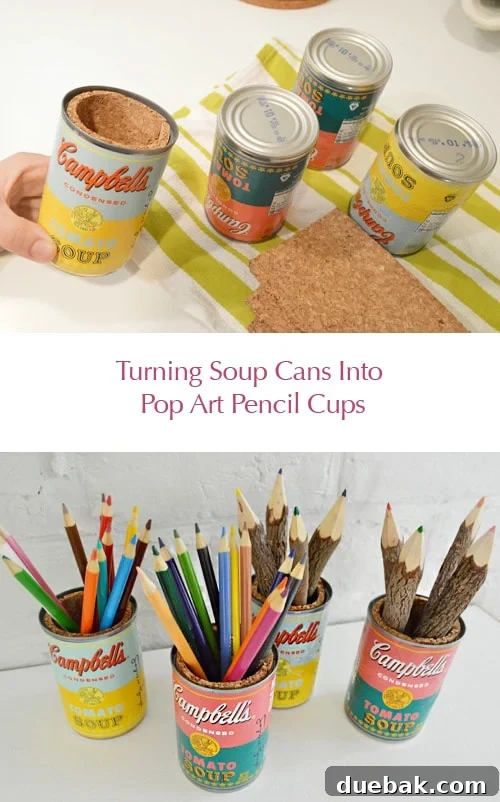
Our journey begins with the very essence of pop art: the ordinary made extraordinary. For this particular project, we were lucky enough to get our hands on some limited edition tomato soup cans, a direct homage to our unofficial best friend, Andy Warhol. These were a steal at merely 70 cents a pop, bringing the total cost for four cans to a measly $2.80. Since we already had the other crucial material on hand (more on that in a moment!), this entire craft barely registered on the expenditure radar.
Even if you don’t find these specific limited-edition cans, any sturdy food can will work perfectly. Think about tuna cans, vegetable cans, or even larger coffee cans for different sizes and storage needs. The key is the sturdy metal structure and the potential for a colorful label, or even a blank canvas for your own designs.
Step 1: The Initial Preparation – Emptying and Preserving
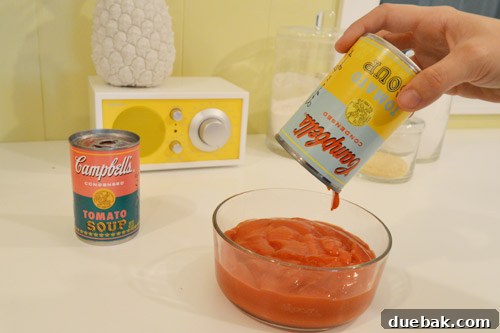
The first order of business is, naturally, to empty the cans. But not to waste! We carefully transferred the tomato soup into glass Tupperware containers. This ensures not a drop goes to waste – it’ll make for delicious lunches over the next few days. This step embodies the spirit of resourcefulness, turning a necessary initial step into an act of mindful consumption.
Once empty, the cans need a thorough cleaning. This part requires a bit of gentle finesse. We carefully rinsed them out, making a concerted effort not to saturate the labels with water. The goal is to keep those iconic images crisp and vibrant. A slow, steady stream of water directed inside the can, while holding it at an angle, works wonders. Avoid submerging the cans or letting water pool excessively on the labels. Patience here is key to preserving the aesthetic integrity of your future art pieces.
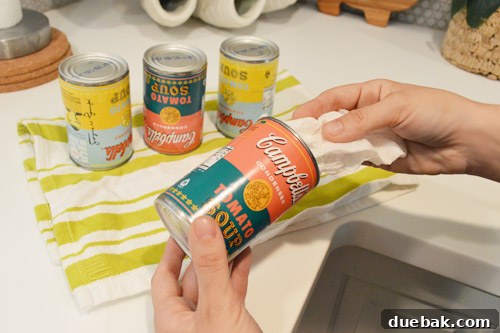
After rinsing, we inverted the cans on a clean towel and allowed them to air dry. To ensure absolutely no moisture was hiding inside, we even took a paper towel and gently wiped down the interior of each can. This meticulous drying process is vital to prevent any lingering odors or mildew, ensuring your new pencil holders are fresh and ready for their artistic transformation.
Step 2: The Critical Cork Liner – Safety First, Style Second
Now, let’s talk about the secret ingredient that elevates this project from merely decorative to genuinely safe and functional: the cork liner. Upon closer inspection, each can presents a small, slightly rough edge approximately a quarter of an inch down from the very top lip. While the top lip itself is smooth, this subtle metal rim just beneath it posed a potential safety concern, especially for little hands like Clara’s. The thought of her reaching in quickly and possibly scraping her hand was enough to warrant a clever solution.
Embracing the “safety-first mom” mantra, we devised a plan to create a cork liner for each can. This liner serves a dual purpose: it completely covers that slightly jagged inner edge, making the can’s opening perfectly smooth and safe, and it adds a charming, rustic aesthetic that beautifully contrasts with the pop art labels. The crucial detail was ensuring the cork was tall enough to extend slightly above that metal lip, creating a smooth barrier that eliminates any risk of cuts or scrapes. A little hand (or, as a paranoid mom might consider, even a curious tongue or toe!) would only encounter the soft, forgiving cork.
To achieve this perfect fit, we started with a simple paper towel template. This method allows for precise measurements without damaging your actual cork material. You simply wrap a piece of paper towel around the inside of the can, marking the height needed to clear the sharp edge and the circumference of the can. This becomes your foolproof guide.
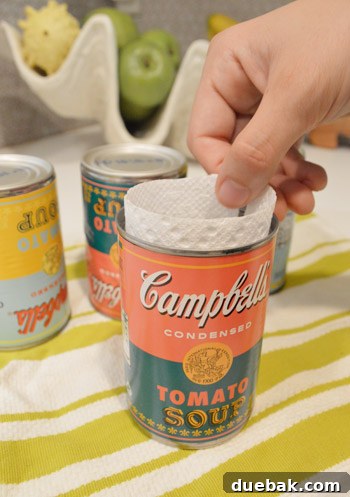
Step 3: Crafting and Inserting the Cork Liners
With our paper towel template ready, the next step was to transfer those measurements to our cork material. We used old cork squares that were leftover from a previous home decor project, demonstrating another layer of upcycling and cost-effectiveness. These cork squares were ideal because they possess a natural flexibility, allowing them to be gently curled without cracking, a vital characteristic for this application.
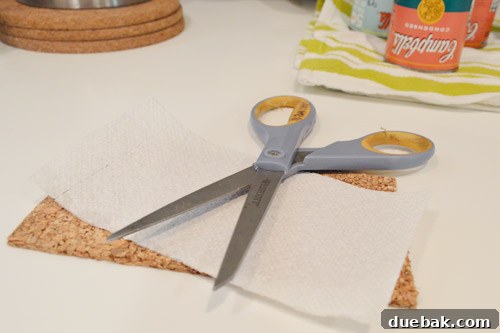
Carefully, we cut long rectangles of cork using the template as our guide. Precision here ensures a snug fit. Once cut, these cork rectangles were gently curled and slipped into each can. It’s important to be firm yet gentle during insertion; too much force can cause the cork to crack, while too little might not allow it to sit flush against the inner wall of the can. A little patience and manipulation will result in a perfectly fitted cork sleeve.
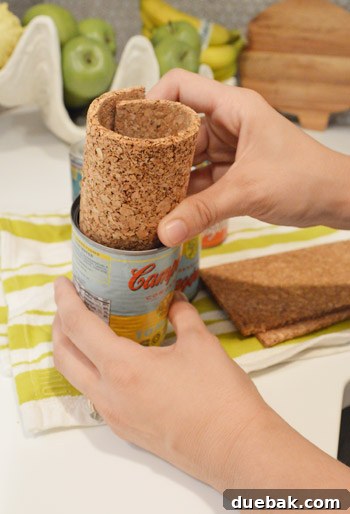
The Final Touch: A Safe and Stylish Solution
Voila! The cork liner slides in snugly and stays put once it’s in place. This secure fit means it’s well beyond a child’s skill level to accidentally dislodge it, providing genuine peace of mind for any parent. Beyond the paramount safety aspect, these cork liners also add an undeniably charming detail. They evoke a nostalgic feeling, reminiscent of old-fashioned, high-quality pen holders, blending functionality with a classic aesthetic. The natural texture and color of the cork beautifully complement the bold pop art designs of the soup cans, creating a balanced and appealing look.
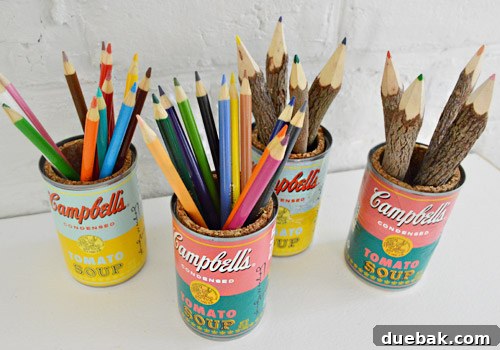
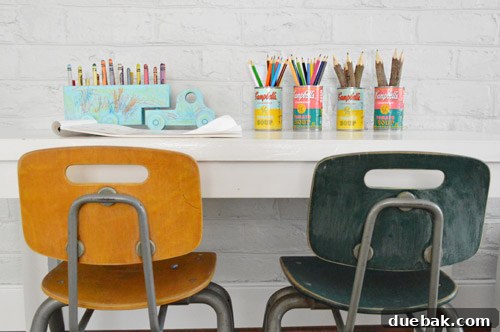
And there you have it – our delightful $2.80 Friday project! These pop art pencil holders are not just containers; they are mini works of art themselves. Don’t they look absolutely adorable sitting alongside Clara’s own artistic endeavors, like her charming crayon-truck masterpiece? It’s a wonderful synergy of found art and child art, celebrating creativity in all its forms.
Embracing Art and Inspiration
This project is more than just a craft; it’s an opportunity to introduce and foster an appreciation for art, even at a young age. My hope is that Clara will grow to be as fond of my “BFF” Andy Warhol as I have become after years of studying him and other artistic giants. From the vibrant brushstrokes of Klimt to the serene beauty of Vermeer, the impressionistic charm of Renoir, and the expressive lines of Toulouse-Lautrec – my time at FIT instilled in me a deep appreciation for art history, a field I now cherish even more as a parent. These simple soup can creations are a subtle way to weave that artistic heritage into our daily lives.
This project is also a testament to the power of upcycling and the joy of creating something beautiful and useful from materials that might otherwise be discarded. It encourages us to look at everyday objects with a new perspective, seeing potential where others might see trash. This mindful approach to crafting not only saves money but also contributes to a more sustainable lifestyle.
Beyond pencils, these versatile pop art cans can serve various organizational purposes. Imagine them holding paintbrushes, knitting needles, small office supplies like paperclips and pushpins, or even serving as charming succulent planters. The possibilities are as endless as your imagination!
Your Turn to Create!
We absolutely love seeing what creative projects you’re embarking on! Do you have any other “fast and almost free” projects that you’re tackling this weekend? Perhaps you’re diving into some exciting plans for the days ahead, or maybe you have a favorite artist whose work inspires you daily. We’d love to hear all about it!
Oh, and for those curious minds who might ask, the wonderfully unique stick-like colored pencils you see in our photos are from a fantastic local shop here in Richmond called Mongrel. Given Clara’s delightful fascination with nature’s simplest treasures – rocks, sticks, and sand – I simply couldn’t resist adding these charming pencils to her collection. They perfectly complement the organic feel of the cork against the bold pop art, creating a harmonious blend of natural and manufactured beauty.
So, gather your cans, unleash your inner artist, and let’s make some practical pop art together!