
Mastering Airbnb Costs: A Comprehensive Guide to Short-Term Rental Operating Expenses
Embarking on the journey of running an Airbnb or any short-term vacation rental often comes with a flurry of questions, particularly concerning the financial landscape. Aspiring hosts frequently inquire: “Can you truly detail the expenses and fees that impact profit? Are there any hidden costs I should be aware of? How do rental taxes function, and what about insurance?” These are crucial considerations, whether you’re contemplating this venture yourself or simply curious about the economics of the booming vacation rental market.
Our aim here is to thoroughly demystify the financial aspects, providing clarity and practical insights for anyone on the fence about whether short-term rentals present a viable side hustle or a full-fledged business opportunity. We’ve enjoyed navigating the intricacies of this domain and are excited to share our learned experiences to help you succeed.
While substantial initial investments like purchasing, renovating, and furnishing a property are undeniable startup costs – which vary widely depending on your specific project and whether you’re converting an existing home or acquiring a new one – this guide will focus primarily on the ongoing “operating” expenses. We pick up from the point where your rental is “ready for guests,” diving into the year-over-year costs you’ll continuously manage to keep your short-term rental business thriving.

It’s important to preface our detailed breakdown with a disclaimer: the figures presented here are derived from our direct experience with a specific property – a duplex comprising two distinct rental units (totaling 6 bedrooms, 6 bathrooms, 2 kitchens, 2 living rooms, 2 laundry rooms, and 2 backyards). While these are genuine numbers, they serve as illustrative examples and should not be taken as direct predictions for your own costs, which will inherently vary. If you manage a single, smaller rental unit, your expenses might be significantly different, potentially much lower. Always conduct your own research and financial projections tailored to your specific property, local regulations, and market conditions to ensure accuracy.
Utility Expenses: The Constant Cost of Comfort
Utilities are an undeniable part of property ownership, but their total annual cost in a short-term rental context can often surprise new hosts. Unlike traditional long-term rentals where tenants typically cover some or all utility bills, as a vacation rental host, you’re almost always responsible for all utility expenses. This ensures a consistent guest experience and simplifies the booking process. For our duplex, we manage the following essential utilities that contribute to guest comfort and operational functionality:
- Water & Sewer: Essential for all plumbing needs, from bathrooms to kitchens.
- Electricity: Powers lighting, all appliances, heating, and air conditioning – a major variable depending on usage and climate.
- Trash Pick-Up: A necessary service for hygiene, waste management, and guest convenience.
- Internet: A non-negotiable amenity for modern travelers, crucial for work, entertainment, and communication.
- TV / Streaming Services: We enhance guest experience by providing popular options like Sling and Netflix, often a differentiator in competitive markets.
Depending on your property’s location, climate, and infrastructure, your list might also include gas, oil, or propane for heating, hot water, or cooking. Additionally, some locations may incur specific charges like parking fees or Homeowners Association (HOA) fees, which can significantly add to your monthly utility burden. Carefully research all potential utility charges in your area, including any municipal service fees not immediately obvious.

For our two-unit duplex, the combined utility costs over the last 12 months have amounted to approximately $5,200 annually. A critical distinction for vacation rentals is that utility costs do not simply vanish when your property is vacant, especially during off-peak seasons. While electricity and water consumption may decrease with lower usage, minimum service fees persist, keeping bills around $150 per month even when empty. This constant baseline expense is crucial to factor into your financial planning, particularly if your rental operates seasonally. Implementing smart home technology, like smart thermostats, can help optimize energy consumption and potentially reduce these costs during unoccupied periods.
We explored options to pause certain duplex utilities, such as internet or trash pick-up, during extended vacant winter months. However, many service providers levy substantial reconnection fees that would negate any potential savings, making such pauses impractical. Flexibility often exists with streaming TV subscriptions; we successfully paused Netflix and Sling when we knew the property would be unoccupied for a full month during the off-season. This small saving strategy is worth considering, though remember to reactivate services well in advance of your next guest’s arrival to avoid any inconvenience and ensure a seamless check-in experience.
Property Maintenance & Management: Ensuring Guest-Ready Stays
When booking a vacation rental, guests are accustomed to seeing a “Cleaning Fee” itemized on their bill. This fee directly covers the cost of preparing the property for the next occupants, encompassing thorough cleaning, laundry services, bed making, dish unloading, and general tidying. For our property, we charge a cleaning fee of $150 per stay, precisely matching what our professional cleaner charges us. Consequently, this specific cost is a pass-through expense, resulting in zero direct annual cost to us, apart from an occasional holiday gratuity for our dedicated cleaning team. Relying on a consistent and high-quality cleaning crew is paramount, as their efficiency and attention to detail directly impact guest reviews and satisfaction.
Beyond interior cleaning, regular exterior maintenance is vital to uphold the property’s appeal and readiness for guests. Depending on your location and property features, these costs could include lawn care, gardening, pool or hot tub servicing, pest control, or even snow removal in winter destinations. We engage a reliable local landscaping company to consistently mow the yards and maintain the exterior areas of our duplex, ensuring curb appeal is always top-notch. Fortunately, this is not a year-round expense, as outdoor growth ceases in winter. However, with more frequent visits during the lush spring and summer months, this service, which is essential for maintaining a welcoming outdoor environment, totals approximately $800 per year.

Reflecting on a previous Florida rental experience, we observed both a dedicated pool service and a separate lawn crew routinely maintaining the property while we were guests. These were not costs directly passed to us during our booking, highlighting that such expenses are absorbed by the host and deducted from their overall rental profit. This reinforces the importance of accounting for all aspects of property upkeep, whether interior or exterior, as they are crucial for maintaining guest standards and property value.

Another significant potential expense is the engagement of a professional property management or rental management service. While these services can alleviate considerable operational burdens – handling bookings, coordinating cleanings, addressing guest issues, managing emergencies, and even marketing – they typically charge a percentage of every booking. In our specific area of Cape Charles, this rate commonly hovers around 20%, but this figure can fluctuate widely based on your geographical location and the comprehensive suite of services included (e.g., full-service vs. partial management). Weighing the cost against the time savings, reduced stress, and potential for higher occupancy rates and better reviews is a key strategic decision for any host, especially those managing multiple properties or living remotely from their rental.
Restocking Consumables: Essential Amenities for Guest Comfort
To ensure our guests feel truly at home and have a seamless, comfortable stay, we opt to provide a comprehensive selection of consumable items. This necessitates not only an initial stock but also consistent replenishment after each guest checkout. Our provision list, designed to anticipate common guest needs, includes:
- Toilet Paper: We ensure ample supply with 6 rolls per side of the duplex, exceeding basic expectations.
- Paper Towels: One fresh, full roll is placed in each kitchen for convenience.
- Napkins: A stack is conveniently provided in a bowl in each dining room.
- Tissues: One box per bathroom, replaced as needed rather than weekly to manage costs efficiently.
- Sponges: A new, clean sponge for each kitchen, promoting hygiene.
- Trash Bags: Two in each kitchen and all bathrooms, to make waste disposal easy.
- Kitchen Storage: Tinfoil and various sizes of Ziplock storage bags are available for food preservation.
- Personal Care: High-quality shampoo, conditioner, hand soap, and body wash for all bathrooms.
- Laundry Essentials: Laundry detergent, fabric softener, and stain remover, enabling guests to do laundry on-site.
- Cooking Basics: Salt & pepper and olive oil for culinary convenience, removing the need for guests to buy these staples.
- Beverage Station: Coffee grounds, a selection of tea bags, and sugar packets, offering immediate refreshment.
The expectation for providing such items can significantly vary by region and even by individual host preferences. While many hosts in Cape Charles offer similar amenities, we frequently hear differing opinions from hosts in other areas. Ultimately, our philosophy is that if these provisions contribute to a more comfortable and welcoming guest experience, it’s a worthwhile investment. This thoughtful approach often translates into positive reviews, a strong competitive edge, and repeat bookings.
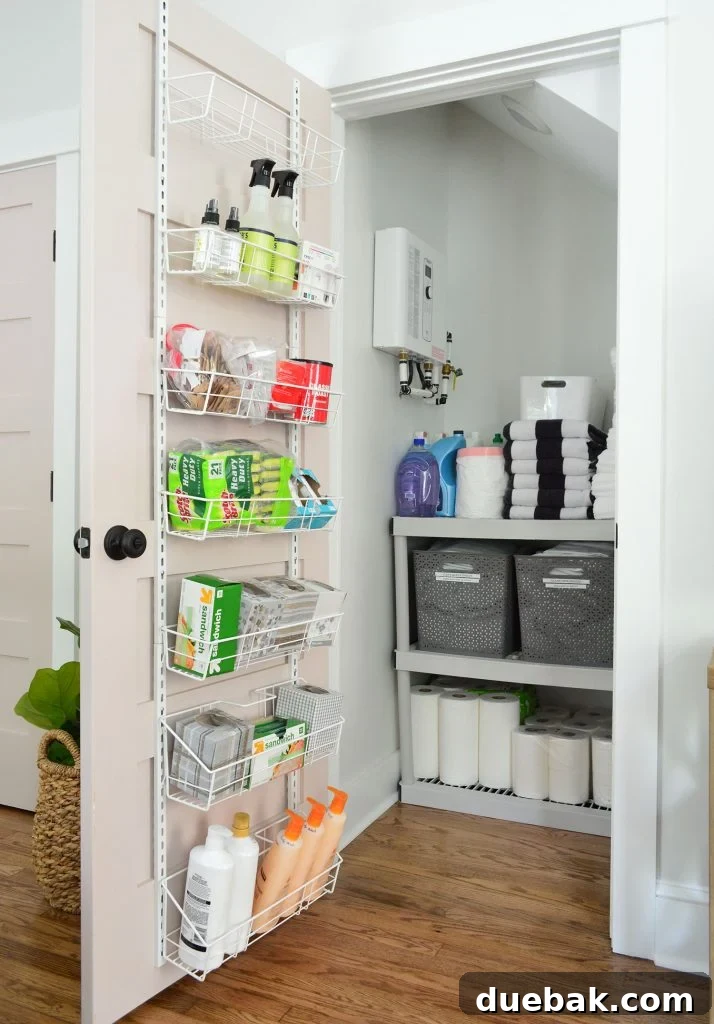
For the past year, our total expenditure on these consumable items has been approximately $900. While this line item might be minimal or non-existent in certain markets, it’s prudent for every host to identify what they plan to provide and accurately budget for year-round replenishment. Investing in these small details significantly elevates the guest experience and reinforces a sense of hospitality. Smart hosts often purchase these items in bulk to achieve cost savings, further optimizing this crucial operating expense.
Linen and Towel Management: Beyond the Basics
One aspect of guest turnover that often requires careful planning and investment is the management of linens and towels. Following the invaluable advice of our experienced cleaning professional, we invested in a complete extra set of bed linens and towels for each unit. This foresight ensures operational fluidity during tight turnovers: if laundry runs behind schedule, or if a stain requires extended treatment, our cleaning team can still set up the unit immaculately for the next arriving guests without delay. For our duplex, this meant doubling up on an extensive list of items, purchased specifically for each side:
- 8 extra bath towels
- 6 extra beach towels
- 12 extra washcloths & hand towels
- 1 extra set of queen sheets & 1 queen duvet cover & insert (strategically assuming both queen beds wouldn’t be stained simultaneously, a calculated risk)
- 2 extra sets of twin sheets & 2 twin quilts
Crucially, these numbers were purchased *per side* of our duplex, effectively doubling the initial investment. Our securely locked owner’s closet proved indispensable for neatly storing these extra supplies in labeled bins, keeping them accessible to our cleaning crew while safeguarding our inventory from guests. This organized system is vital for efficient changeovers and preventing lost or damaged items.

While we didn’t always need an entire spare set, we frequently utilized individual replacement items, such as an extra duvet cover or a few towels for minor spills or unexpected wear. This experience reinforced the wisdom of having a readily available backup. Our initial investment for this extra stock of linens and towels amounted to over $400 per side, totaling approximately $800 for the duplex. Beyond initial stocking, budgeting for ongoing replacements is also crucial. Over the past few months, we’ve had to replace a couple of towels due to wear or irreparable stains – a relatively minor cost, but one that highlights the necessity of a small, ongoing budget for refreshing these items. Prioritizing durable, high-quality linens upfront can also contribute to long-term savings by reducing the frequency of replacements and enhancing guest comfort.
Insurance and Taxes: Navigating Regulatory and Financial Commitments
Understanding insurance and tax obligations is arguably the most complex yet critical financial aspect of operating a short-term rental. Neglecting these areas can lead to significant financial penalties or catastrophic losses. Let’s delve into insurance first.
Comprehensive Insurance for Peace of Mind and Protection
It’s fundamental that your property is adequately insured. However, insuring a short-term rental like our duplex presented a unique learning curve. Key complicating factors included: 1) its designation as a short-term vacation rental, which carries different risk profiles than a primary residence; and 2) its proximity to the water, which often translates to higher insurance complexities and specific coverage requirements. These elements limited our options, but we ultimately secured a robust package of three policies designed to provide comprehensive coverage and peace of mind:
- Vacation Rental Property Insurance Policy: This policy is akin to a standard homeowner’s policy but specifically tailored to cover risks associated with short-term rentals, including damage from guests, loss of income due to unforeseen events, and certain liability aspects. It’s crucial to ensure your policy explicitly acknowledges and covers short-term commercial use, as standard homeowner policies often exclude this.
- Add-on Liability Policy (Umbrella Policy): Highly recommended by seasoned vacation rental owners, this policy provides an additional layer of liability protection beyond the base property insurance. It’s vital for safeguarding against potential accidents, guest injuries on the property, or unforeseen incidents that could lead to significant claims, offering broader coverage than what typical property insurance provides.
- Flood Policy: Although our property isn’t technically situated within a designated flood plain, obtaining flood insurance is widely considered a prudent measure in coastal areas like Cape Charles. Proximity to water inherently increases flood risk, making this an essential safeguard against potentially devastating natural events that are often excluded from standard property policies.
For context, we do not require the latter two policies for our primary residence in Richmond. If you’re considering renting out your primary or secondary residence part-time, it is absolutely essential to consult with an insurance expert specializing in short-term rentals. Many standard homeowner’s policies contain “business activity” exclusions that could render your coverage void if damage or an incident occurs while a short-term renter occupies your home. Tailored advice ensures you are sufficiently covered against all potential risks, from property damage to guest-related liabilities.

Understanding Your Tax Responsibilities for Short-Term Rentals
If insurance felt like a journey, taxes can feel like an odyssey, especially for new hosts. Initially, we felt least knowledgeable about the tax implications of our short-term rental. However, with a bit of focused research, the process proved quite straightforward to navigate. This serves as your imperative to investigate the specific tax obligations pertinent to the town or city where your rental operates. Start by contacting your local government offices, exploring their official websites, or engaging with other experienced hosts in your area. Rest assured, our experience showed that government officials were remarkably helpful and eager to assist us in understanding our responsibilities – perhaps thrilled we were proactively seeking to pay our taxes! Within a couple of weeks, we had a firm grasp of the requirements, highlighting that proactive engagement simplifies compliance.
For our duplex, we are responsible for the following taxes, which encompass both property-based and income-based levies:
- Annual County Property Tax: Based on the assessed value of the property, a fundamental cost for property ownership.
- Annual Town Property Tax: Also based on the property’s assessed value, a separate levy from the county.
- Quarterly County Transient Occupancy Tax: A specific tax levied on vacation rental income, often used to fund local tourism initiatives.
- Monthly Town Transient Occupancy Tax: An additional transient occupancy tax collected by the town, further contributing to local revenues.
- Monthly State & Local Sales Tax: Applied to the rental income, similar to sales tax on other goods and services, varying by state and locality.
It’s crucial to distinguish between property taxes (the first two items), which are fixed annual costs based on the property’s value irrespective of rental activity, and other taxes that are percentages of your rental income. The latter require diligent calculation and submission on a monthly or quarterly basis, emphasizing the need for accurate record-keeping. While platforms like Airbnb now automatically collect and remit sales tax in certain states (like Virginia) at the time of guest checkout, we previously had to manually deduct and remit these taxes from our Airbnb payouts, emphasizing the need to stay informed about platform changes and local regulations to avoid penalties.

While some fortunate hosts might reside in areas without transient occupancy taxes, it’s not uncommon to encounter double taxation, as we do – once by the town, and again by the county. Tax rates are notoriously variable; for instance, our transient occupancy tax in Cape Charles is 6%, whereas a family member’s rental in another state faces only a 3% rate. Between the two transient occupancy taxes and the state/local sales tax, approximately 11% of every booking we secured this summer was allocated directly to state, county, and town governments in the form of taxes. This figure does not even account for annual property taxes, which are a separate, substantial fixed cost. Therefore, for our duplex, our combined annual taxes and insurance for the past year amounted to approximately $13,400. Gaining a comprehensive understanding of your tax responsibilities is paramount when evaluating the financial viability and overall profitability of your rental, as these substantial obligations can significantly impact your net income and require careful budgeting.
Platform Fees: The Cost of Connection and Visibility
Operating your short-term rental through popular booking platforms like Airbnb, VRBO, or HomeAway comes with an inherent cost: a percentage of your nightly rental rate. As a guest, you’re accustomed to paying a service fee tacked onto your total booking. However, hosts also incur a fee. Airbnb, for example, typically deducts a 3% host service fee from the nightly rate before remitting payment to you. This means neither the guest nor the host receives or pays the exact listed nightly rate. Consequently, we generally do not include this 3% host fee in our annual operating cost calculations because it’s revenue we never actually receive directly. Instead, it’s crucial to factor this deduction into your pricing strategy when setting your nightly rates, ensuring your desired profit margin is achieved after the platform’s cut.
Our decision to primarily use Airbnb over other platforms like VRBO or HomeAway was based on feedback from fellow vacation rental owners who found its interface the most user-friendly and effective for both hosts and guests. So far, our experience has been largely positive, benefiting from Airbnb’s extensive user base and marketing reach. We initially considered listing our duplex on multiple sites but were cautioned about the significant challenges of preventing double bookings due to the complexities of syncing multiple calendars across different platforms. While channel managers exist to help with this, they add another layer of cost and management. For simplicity and to minimize operational headaches, we opted to focus on one primary platform, allowing us to master its features and streamline our operations more effectively.
Miscellaneous Costs and Guest Experience Enhancements
Despite meticulous planning, unforeseen expenses are an inevitable part of owning and operating a short-term rental. While we strive to be as thorough as possible, predicting every potential issue is impossible. This past year, we allocated approximately $750 to various miscellaneous items and unexpected costs. Thankfully, we avoided any major crises like an HVAC system replacement or significant structural repairs. However, smaller, unexpected fees often arise. For instance, we discovered that both the state and town require a small annual fee for a business license, accompanied by an annual rental inspection to ensure the property continually meets local codes and safety standards. This was a minor, initially unplanned expense that eventually became part of our routine annual budget – easy to manage once understood and factored into future projections.

Beyond regulatory fees, ongoing maintenance and amenity enhancements contribute to miscellaneous expenses. This includes costs for replacing items that break due to guest use, hiring a handyman for appliance repairs or minor structural fixes, or upgrading existing features based on guest feedback to improve their stay. A practical example occurred midway through last summer when we invested $250 to install blackout curtains in the two front bedrooms of the duplex. This decision was directly prompted by several guests mentioning early morning brightness affecting their sleep. While such expenditures might seem like a “ding” to your budget, they are integral to the ongoing adventure of providing an outstanding guest experience, often leading to better reviews, higher occupancy rates, and increased guest satisfaction – a solid return on investment in the long run.
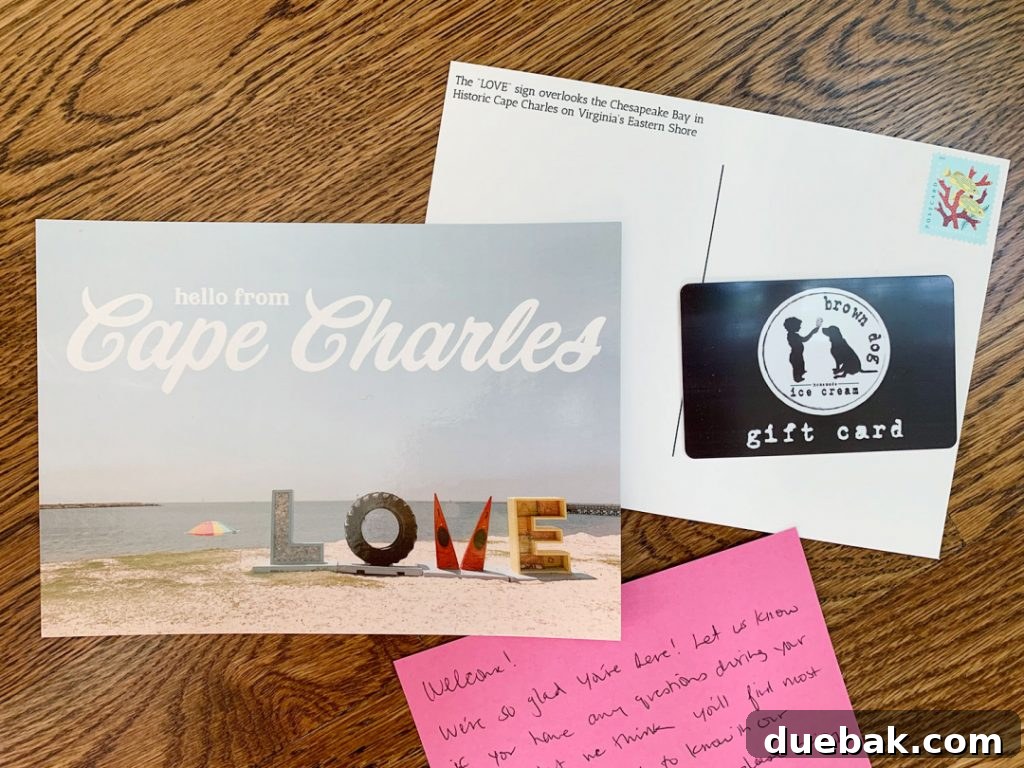
Speaking of enhancing the guest experience, we also choose to leave a small, thoughtful welcome gift for our renters upon arrival. This typically includes a handwritten note, a gift card for local ice cream or a souvenir from a nearby shop, and a pre-stamped postcard. While entirely optional and not a mandatory expense, this gesture significantly contributes to guest satisfaction, encourages them to explore and support local businesses, and often garners heartwarming feedback. It’s a small investment in hospitality that yields substantial returns in guest goodwill, positive word-of-mouth referrals, and glowing reviews. After all, who doesn’t appreciate a sweet treat or a thoughtful souvenir to kick off their vacation?
Summing Up: Your Annual Short-Term Rental Operating Budget
To provide a clear, consolidated overview, let’s recap the annual operating expenses we’ve meticulously detailed. Combining all the costs outlined above – encompassing utilities, property maintenance, consumable restocking, linen management, insurance, taxes, and miscellaneous expenses – our duplex incurred approximately $21,750 in annual “operating” expenses this past year. It is crucial to reiterate that this figure applies to two distinct rental units, meaning it will likely be significantly higher than the operating costs for a single or smaller rental property. Our primary objective in sharing these figures is not merely to present a total sum, but rather to highlight the diverse array and magnitude of expenses involved in running a short-term rental. This breakdown serves as a robust starting point for aspiring and current Airbnb hosts to accurately project and manage their own operational budgets, fostering greater financial control and predictability.

While an annual expense total of over $21,000 might seem substantial, we are incredibly fortunate and proud to have booked enough nights in 2019 to generate a profit after all expenses were accounted for. Achieving profitability is a significant milestone for any short-term rental venture, demonstrating the viability of this business model with diligent management. Are we out of the red for all our initial construction and furnishing costs anytime soon? Not yet! However, we are steadily progressing towards that goal. More importantly, this journey has been an invaluable learning experience, filled with challenges and triumphs, and a considerable amount of enjoyment in creating exceptional experiences for our guests. By understanding and diligently managing these operating costs, continuously seeking efficiencies, and prioritizing guest satisfaction, you too can pave the way for a financially rewarding and personally fulfilling short-term rental business.