
Reimagining Home: Unlocking Your Property’s Full Potential with Intuitive Floor Plans
Every homeowner dreams of a space that perfectly reflects their needs, style, and evolving lifestyle. However, bringing those dreams to life, especially when it involves significant home renovation, can often feel like a daunting task. Visualizing structural changes, furniture arrangements, and overall flow before a single wall is moved or a hammer is lifted is crucial. It’s a challenge we recently faced when contemplating a major overhaul of our living space. How do you truly show off a transformed layout without actually hosting an endless stream of visitors, eager to see the “before and after”? The answer, we discovered, lies in the powerful simplicity of modern floor planning software.
The Power of Visualization: Why Detailed Floor Plans Are Essential for Home Renovation
For many, the initial stages of a home renovation project are filled with excitement, but also a degree of uncertainty. Descriptions, sketches, and even mood boards can only convey so much. The true impact of moving a wall, widening a doorway, or reconfiguring an entire room is incredibly difficult to grasp without a tangible representation. This is where detailed floor plans become invaluable. They serve as the blueprint for your dreams, allowing you to experiment with different configurations, identify potential issues, and ensure that every inch of your home is utilized efficiently and aesthetically pleasingly. Without proper visualization, you risk costly mistakes, unexpected functionality issues, and ultimately, a renovation that falls short of your expectations.
Discovering the Right Tools: Our Journey with Floorplanner
Our quest for a better way to visualize our upcoming home transformation led us down many digital avenues. The internet is brimming with resources for home design, and during a recent browse on sites like RemodelingMySpace.com, we stumbled upon a gem: a review for free software called Floorplanner. The glowing recommendations highlighted its ease of use and remarkable capability for creating detailed 2D house plans. For anyone looking to embark on a home improvement journey, finding an accessible, user-friendly tool to lay out ideas is a game-changer. Floorplanner immediately stood out as the perfect starting point for our project, offering an intuitive platform to translate abstract ideas into concrete visual plans without any financial barrier.
While we focused on 2D planning for our initial stages, it’s worth noting that the digital design landscape offers solutions for every level of complexity. Websites often showcase more advanced software like Plan 3D and Google SketchUp for those aiming to dive into more intricate, three-dimensional renderings. These tools are fantastic for detailed architectural drawings, virtual walk-throughs, and getting a true sense of height and volume within a space. However, for our immediate need – a clear, proportional understanding of spatial relationships and flow – Floorplanner’s 2D capabilities were precisely what we needed. We decided to start slow, focusing on the foundational layout before considering more elaborate 3D perspectives, a strategic approach we highly recommend for anyone new to digital home design.
Diving Deeper into Floorplanner’s Features for Home Design
Floorplanner isn’t just about drawing lines; it’s a comprehensive tool designed to empower users with a wide array of features. Its drag-and-drop interface makes it incredibly simple to add rooms, walls, windows, and doors. The extensive library of furniture and fixtures allows you to furnish your virtual home, giving you a realistic sense of scale and placement. This capability is paramount for interior design, helping to ensure that your new furniture will fit comfortably and that there’s ample circulation space. Moreover, the ability to easily modify dimensions, move elements, and instantly see the results makes the design process iterative and highly effective. This flexibility encourages experimentation, allowing you to explore multiple design options before committing to a single plan. For instance, testing different kitchen island configurations or seeing how a new sofa impacts a living room’s flow is effortless. This iterative approach helps refine your vision, leading to a more functional and aesthetically pleasing final design.
Bringing Our Vision to Life: Old vs. New Layouts
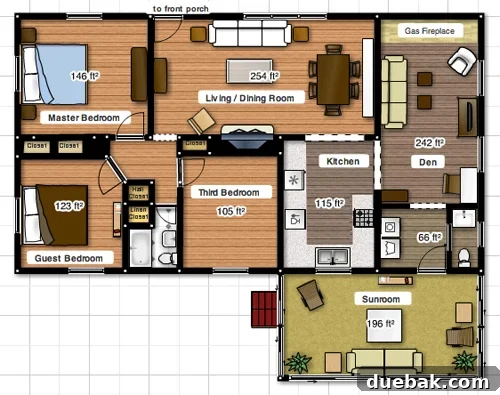
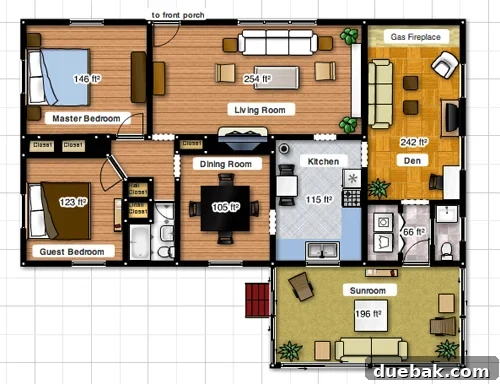
Armed with Floorplanner, we spent several productive hours translating our current home layout and our envisioned future layout into digital blueprints. The primary goal was to create two distinct floor plans: one accurately depicting our home’s original configuration, and another illustrating our “almost-there” new layout, incorporating all the proposed changes. This comparative approach is incredibly powerful. It allows for a side-by-side analysis, highlighting the impact of each modification and making the transformation much more tangible. We wanted to focus on the overall feel and proportionality, rather than getting bogged down by exact measurements of every nook and cranny. While precision is important for contractors, for initial visualization, achieving a sense of scale and flow was our main priority. Therefore, feel free to check them out below, keeping in mind that the square footage and specific technical details were less important than the visual representation of change. So, without further ado, let’s explore the before and after.
Our Original Home Layout: A Foundation for Change
Our home’s previous layout served us well for many years, but as families grow and lifestyles evolve, so do the demands on a living space. It was a traditional layout, with distinct rooms that sometimes felt disconnected. The kitchen, while functional, lacked the expansive counter space and open feel we craved, and certain pathways felt constricted. This original configuration provided a solid foundation, but it was clear that with some strategic modifications, it could be transformed into a more open, modern, and efficient home better suited to our current needs.
Envisioning the Future: Our Transformed Home Layout
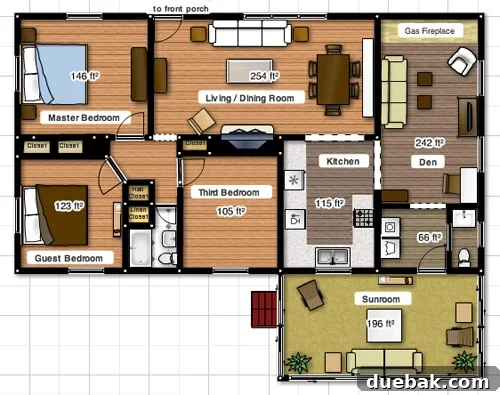
The new floor plan represents a significant shift, embracing an open-concept philosophy while maximizing functionality and aesthetic appeal. It addresses the shortcomings of the old layout by creating more fluid transitions between spaces, enhancing natural light, and providing dedicated areas for various activities. This updated vision promises a home that feels more spacious, inviting, and perfectly aligned with contemporary living. It’s a testament to how thoughtful design can truly revolutionize a living environment.
Unpacking the Transformation: Key Design Updates for Enhanced Living
The changes between our old and new floor plans are more than just cosmetic; they represent a fundamental rethinking of how we use our home. Each modification was carefully considered to improve flow, functionality, and overall quality of life. Let’s delve into the specifics of these noteworthy updates and the reasoning behind them:
- Wider Doorways Around the Kitchen and Den: One of the most impactful changes was widening the doorways connecting the kitchen and den. This isn’t just about aesthetics; it dramatically improves the flow of foot traffic, especially when entertaining. Wider openings create a more open-concept feel, allowing natural light to penetrate deeper into the house and making these interconnected spaces feel significantly larger and more inviting. It also enhances accessibility, making it easier to move furniture or for individuals with mobility challenges.
- New Unified Wood Floor: The introduction of a new wood floor that seamlessly unites the kitchen, den, and laundry/bathroom area is a design choice with multiple benefits. Firstly, it creates a cohesive visual pathway, making the entire section of the house feel more expansive and integrated. The continuous flooring eliminates visual breaks, contributing to a sense of fluid design. Beyond aesthetics, wood flooring is durable, relatively easy to clean, and adds a touch of timeless elegance and warmth, enhancing the home’s overall value and appeal.
- The More Open Laundry Nook (Buh-bye Bi-fold Doors): Our old laundry area was hidden behind cumbersome bi-fold doors, which often felt restrictive and blocked valuable space when open. By removing these doors and creating a more open laundry nook, we achieved several goals. It instantly makes the area feel less cramped and more accessible. While still providing a designated space for laundry, the open design integrates it more seamlessly into the overall utility area, making the space feel lighter and more modern. This small change has a big impact on daily convenience and the visual footprint of the area.
- The Living Room Became a Living / Dining Room: To optimize space and adapt to a more modern lifestyle, the former dedicated living room was transformed into a multi-functional living/dining room combination. This allows for greater flexibility in furniture arrangement and creates a versatile space that can comfortably accommodate both relaxation and formal or informal dining. This open layout encourages interaction and connection, making the area the true heart of our home for family gatherings and entertaining guests. It reflects a growing trend towards flexible living areas rather than rigid, single-purpose rooms.
- The Dining Room Became a Third Bedroom: With the living room now incorporating dining functionality, the previously separate dining room became available for a more pressing need: a third bedroom. This transformation adds significant value and utility to our home. Whether it serves as a dedicated guest room, a home office, a children’s bedroom, or a flexible space for future needs, the addition of a third bedroom dramatically increases the home’s functionality and adaptability. This strategic repurposing demonstrates how intelligent floor planning can maximize a property’s potential without adding square footage.
- And, of course, the New Kitchen (with about 50% More Counter-space!): The kitchen, often considered the heart of the home, received one of the most significant upgrades. The new design boasts approximately 50% more counter-space, a feature that dramatically enhances functionality for cooking, meal prep, and even casual dining. This expansion was achieved through a combination of smart cabinetry, an optimized layout, and potentially incorporating an island or peninsula. Beyond the increased workspace, a new kitchen often means updated appliances, better storage solutions, and a fresh, modern aesthetic, making it a more enjoyable and efficient space for daily use and entertaining. It elevates the entire home’s appeal and user experience.
The Invaluable Role of Floor Planning in Home Renovation Success
As our project progresses, the initial time invested in Floorplanner has proven invaluable. The ability to visually compare layouts, identify potential bottlenecks, and refine design choices on a screen rather than in reality has saved us countless hours, potential headaches, and likely significant costs. Floor plans act as a critical communication tool, allowing us to clearly articulate our vision to contractors, designers, and family members, ensuring everyone is on the same page. This clarity minimizes misunderstandings and helps prevent expensive changes mid-construction. From ensuring furniture fits to optimizing traffic flow and maximizing natural light, a well-thought-out floor plan is the cornerstone of any successful home renovation, transforming abstract ideas into a clear, actionable blueprint for your dream home.
Tips for Effective Floor Planning with Digital Tools
- Start with the Basics: Don’t get overwhelmed. Begin by outlining your existing space accurately, then slowly introduce new walls, doors, and windows.
- Focus on Flow: Pay close attention to how people will move through the space. Are pathways clear? Are there natural connections between rooms?
- Experiment with Furniture: Use the furniture library to test different layouts. This helps determine if your design allows for comfortable seating, storage, and circulation.
- Consider Natural Light: Think about where windows are located and how they will illuminate different areas throughout the day.
- Think Long-Term: Design not just for today, but for how your needs might evolve in the coming years. Can a room adapt to different functions?
- Get Feedback: Share your plans with others. Fresh eyes can spot issues or suggest improvements you might have missed.
Your Turn to Create: Experience the Power of Design
We sincerely hope that seeing our home’s transformation, even in its digital form, helps you better visualize the incredible potential that thoughtful design holds. Our journey reinforced the belief that every homeowner can be a designer, capable of shaping their living environment to perfectly suit their unique needs and aspirations. And once again, we cannot recommend Floorplanner enough. The fact that it’s free makes it an accessible tool for everyone, regardless of budget or design experience. If you’re contemplating a home renovation, big or small, or simply want to experiment with different layouts for your existing space, we strongly encourage you to take it for a spin. Unleash your creativity, explore possibilities, and bring your vision to life. We’d genuinely love to see the results of your design endeavors and how you transform your own spaces!