
Transform Your Home, Transform Your Body: The Unexpected Fitness Benefits of DIY
Who knew that transforming your living space could also be a fantastic way to transform your body? As a long-time enthusiast of home improvement, I recently stumbled upon an intriguing fact that perfectly encapsulates this idea. While waiting at the dentist’s office, I picked up an old Health magazine and read something that immediately caught my eye: “rolling on a new coat of paint burns 204 calories an hour.” This little tidbit sparked a whole new perspective on our ongoing home projects, making me realize that DIY isn’t just about aesthetics and savings; it’s a legitimate, albeit unconventional, form of exercise.
Beyond the Gym: Painting Your Way to Fitness
The Calorie Count: More Than Just a Splash of Color
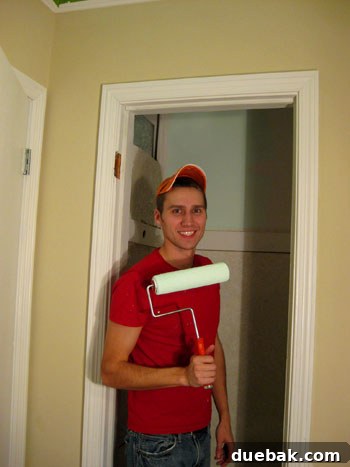
That 204 calories per hour figure from the magazine might just explain a lot. Take my husband, for instance. He’s often the designated roller when we tackle a painting project, while I typically handle the intricate trim work and cutting-in. Despite his nightly ice cream habit, he remains remarkably tall and lean. Now, according to Health magazine’s calculations, a standard 3-4 hour painting session could easily burn 600-800 calories for him. That’s a significant amount of energy expended, comparable to a moderate gym workout! As someone who has never truly embraced the traditional gym scene, I have vivid memories of clinging to a treadmill, pushing the incline to its maximum and maintaining a brisk pace, desperately hoping to hit a mere 250 calories before calling it quits for a shower. My gym experiences were few and far between – mostly social excursions with a college friend – so I wouldn’t call myself a calorie or workout expert. Yet, the idea that a task I genuinely enjoy could contribute to my fitness goals is incredibly appealing.
While cutting in with a brush might not engage the same large muscle groups as rolling a wall, it’s far from sedentary. The precision required often means maintaining awkward positions, engaging core muscles, and stretching. And when I’m perched on a step ladder, meticulously painting the ceiling line, my calves are undeniably sore the following day. This isn’t just anecdotal; painting is a full-body activity. From the repetitive arm movements of rolling to the squatting and reaching involved in cutting edges, your body is constantly in motion. It might not be a “Biggest Loser” worthy workout, but every calorie burned and every muscle engaged counts, especially when you’re also creating something beautiful for your home.
Unconventional Workout: Muscle Engagement and Mental Well-being
Thinking about home improvement as an active endeavor changes the game entirely. Painting, for instance, isn’t just about arm strength. Consider the consistent core engagement needed to maintain balance on a ladder or to reach high corners. Your shoulders and back work tirelessly with each stroke, while your legs get a workout from climbing, squatting, and constantly repositioning. It’s a low-impact, high-endurance activity that builds stamina and flexibility over time. The physical exertion, while perhaps not as intense as a sprint, is sustained over hours, contributing to cardiovascular health and muscle toning.
Beyond the purely physical, DIY projects offer immense mental benefits. The focus required for intricate tasks like painting trim or staining beams can be incredibly meditative, allowing you to switch off from daily stresses and immerse yourself in the present moment. There’s an undeniable sense of accomplishment that comes with seeing a project through, transforming a space with your own hands. This positive feedback loop contributes to improved mood, reduced stress, and an overall sense of well-being – proving that a “workout” can be as much about mental clarity as it is about physical exertion. For those of us who find the structured environment of a gym less appealing, the dynamic and creative nature of home projects provides an engaging alternative that nourishes both body and mind.
Our Latest Project: Beams of Effort (and Calories!)
The Vision: Updating Our Living Room
Speaking of painting, I’m currently knee-deep in a project that can only be described as extensive: tackling the beams in our living room. We’ve had plans for these beams for a while now, looking to update their aesthetic and integrate them more seamlessly into our home’s evolving style. You might recall a brief mention of our intentions for them here. Our goal is to brighten the space and create a more modern, yet still cozy, atmosphere. The existing finish felt a bit dated and heavy, so this renovation is about breathing new life into a central feature of our living area. It’s a project that demands patience and precision, promising a dramatic visual transformation once completed.
The Process: Experimentation and Dedication
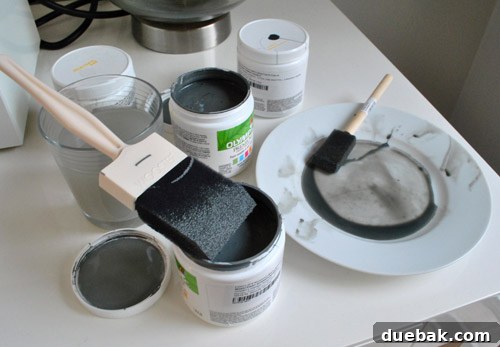
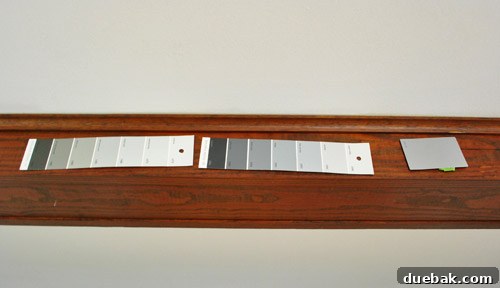
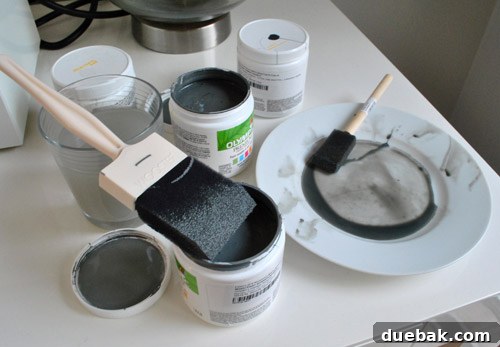
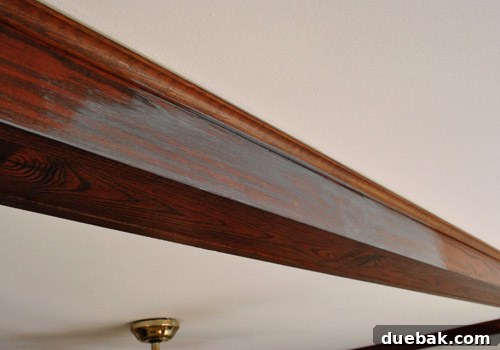
This isn’t a simple one-coat job. I’m currently experimenting with a few different looks to find the perfect finish for these prominent architectural elements. My trials include a delicate graywashed effect, a richer stain-like appearance, and a more opaque, matte finish. Each option brings its own character, and the decision will ultimately come down to what best complements the room’s natural light and existing decor. This experimental phase is crucial, as the beams are a focal point, and getting the finish right is paramount. It involves diligent prep work, careful application, and allowing ample drying time between coats and tests. Once we settle on a favorite, the real work begins: the methodical process of applying the chosen finish to every inch of the beams, often requiring multiple coats and meticulous attention to detail.
Given the scale and intricacies of this project, it’s definitely a marathon, not a sprint. It might be several days before I can share the “after” pictures with you all. In the spirit of transparency, I wanted to share the journey right from the start. This lengthy undertaking means I’ll be spending countless hours on ladders, reaching, brushing, and probably doing a fair bit of stretching and bending. While John handles “Clara-sitting” (our daughter) and “blog-sitting,” I’ll be dedicating my entire weekend – Friday afternoon and evening, all of Saturday, and all of Sunday – to these beams. By the time I’m done, I joke that you might not even recognize me, perhaps attributing it to all the “beam calorie burning”! Here are some preliminary shots to give you an idea of where we’re starting. I’ll provide more detailed explanations and updates as I make further progress.
When the Paint Dries: Other DIY Fitness Adventures
Demolition Dynamo: Smashing Calories, Building Muscle
While painting certainly offers a respectable calorie burn, especially over extended periods, I often wonder about the more physically demanding aspects of home renovation. Since I’m probably not burning quite as many calories with a delicate paintbrush compared to, say, a sledgehammer, my mind drifts to another favorite job: demolition. I can only imagine the sheer number of calories a good session with a sledgehammer or crowbar would incinerate! Of course, safety is always paramount during such endeavors; there was definitely a shoe switcheroo from flip-flops to sturdy boots before I helped demolish this medallion in our old backyard a few years back. Demolition is a high-intensity, full-body workout that engages muscles you didn’t even know you had, from your core and back to your arms and legs, all while providing an incredible stress release.
Everyday Home Projects as Exercise
But the fitness benefits of DIY extend far beyond painting and demolition. Think about gardening: digging, weeding, planting, and mulching are fantastic ways to build strength and flexibility. Rearranging furniture, moving boxes during a decluttering spree, or even deep cleaning can elevate your heart rate and work various muscle groups. Installing new flooring involves lifting, kneeling, and precision cutting, while tiling requires constant bending and focused effort. Landscaping projects, like spreading gravel or building a retaining wall, are equivalent to heavy lifting and sustained physical labor. These activities don’t just improve your home; they actively contribute to your physical health, making every chore a mini-workout.
Embracing the DIY Lifestyle: A Holistic Approach to Health
Ultimately, the DIY lifestyle offers a holistic approach to health and well-being. It’s a powerful combination of physical activity, mental engagement, and the immense satisfaction of creating something with your own hands. You save money by doing the work yourself, you get custom results that perfectly match your vision, and you simultaneously improve your physical fitness. Every brushstroke, every swing of a hammer, every hour spent on a home project contributes not only to a more beautiful home but also to a healthier, more active you. It’s about integrating movement into your daily life in a way that feels productive and enjoyable, rather than a chore. So, the next time you look at a home project, don’t just see a task; see an opportunity for an invigorating and rewarding “workout” session.
Ready for Your Next Home “Workout”?
So, if you’re like me and find traditional gyms a bit daunting, perhaps it’s time to redefine what a “workout” truly means. Your next home improvement project could be the perfect opportunity to get active, burn some calories, and sculpt your home (and yourself!) in the process. From the methodical movements of painting to the satisfying impact of demolition, home projects offer diverse and engaging ways to stay fit. I’m thinking it’s a lot more than just painting for me; it’s a dynamic approach to an active life. Now, if someone could just start a regular gym class called “Sledgehammer Aerobics,” I’d be absolutely front and center every week. Who’s in?