
Transform Your Space: A Comprehensive Guide to Mounting Large Prints on Canvas (and Embracing Design Risks)
The anticipation of bringing a new art piece into your home is always exciting, and for us, the arrival of our stunning bedroom horse art prints was no exception. We were eager to transform these large-format prints into beautiful, gallery-worthy canvas art. This guide details our journey, including the inevitable trial and error, to successfully affix these prints to canvas. Get ready to dive into a DIY adventure that not only saves money but also empowers you to create custom decor that perfectly reflects your personal style.
Our project began with enthusiasm and a plan, but like many DIY endeavors, it presented its own set of challenges. What we thought would be a straightforward task ended up requiring two distinct attempts to achieve a lasting, professional-looking result. This experience taught us valuable lessons about material choices and application techniques, which we’re thrilled to share so you can avoid similar pitfalls and achieve success on your first try. Let’s explore the methods, the missteps, and the ultimate triumph of creating personalized canvas art.
Attempt One: The Allure and Failure of Spray Adhesive for Canvas Mounting
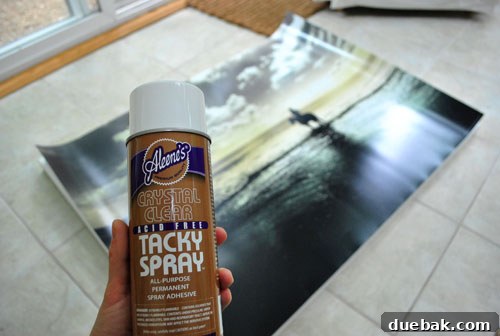
When it comes to quick and easy adhesion for art projects, spray adhesive often comes to mind. It’s a staple for many crafters and artists, and for good reason: it’s readily available, seemingly versatile, and promises a permanent bond. My initial instinct was to reach for an all-purpose spray adhesive, a product I’d frequently used during my art school days for everything from collages to mock-ups. Priced affordably, especially with a coupon, it seemed like the ideal candidate. Its acid-free composition also promised to protect the integrity of our precious prints, making it a seemingly safe and reliable choice for mounting. The label proudly declared “all purpose” and “permanent,” leading me to believe this would be a simple and effective solution for our large prints.
The application process itself was remarkably simple. I laid the poster face down and applied a thorough, even coat of the spray adhesive to its back. Simultaneously, I sprayed the front surface of the blank canvas. The technique involved aligning one corner of the poster with the canvas, then gently rolling the print down across the canvas surface, ensuring smooth contact as I progressed. This method allowed me to complete the mounting of the first print by myself, without needing assistance, a small victory that felt empowering at the time. The initial adhesion appeared strong, and the print lay flat against the canvas, giving me a false sense of accomplishment.
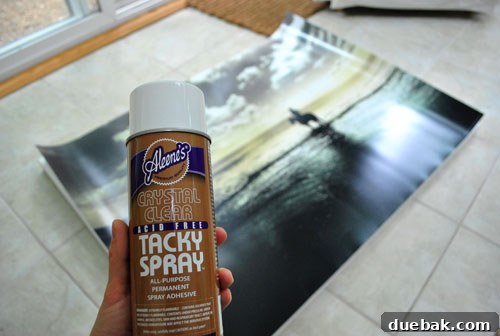
A crucial consideration when working with spray adhesive, or any strong-smelling chemical, is proper ventilation. I performed this step in our sunroom, a space where I could effectively seal off fumes from the rest of the house. Wearing a mask, opening all doors and windows, and running a fan were essential precautions. Spray adhesive can be quite potent, so conducting such projects outdoors or in a highly ventilated area like a sunroom or a screened-in porch is always recommended to ensure safety and comfort. Always prioritize your health when dealing with chemical products.
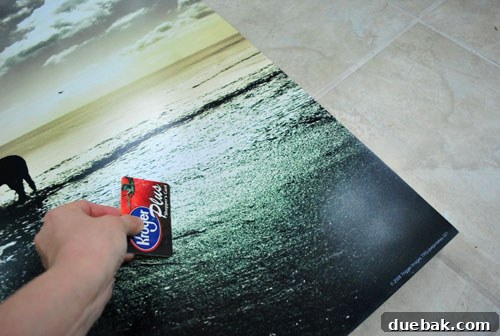
Once the print was in place, I carefully used a Kroger card (a sturdy, flat object) to smooth out any air bubbles or wrinkles, working from the center outwards. The key here is gentle pressure; applying too much force can scratch or dent your print, compromising its visual appeal. This step is critical for achieving a seamless finish, ensuring the print lies perfectly flat against the canvas surface. At this point, everything seemed to be going according to plan, and I was quite pleased with the initial results.
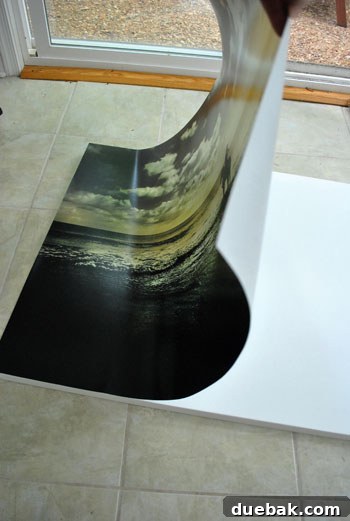
I repeated the same process for the second large print, confidently applying the spray adhesive and smoothing it onto its respective canvas. The entire process for both pieces took a mere twenty minutes, leading me to believe I had conquered the challenge with remarkable efficiency. A celebratory jig might have even been in order! The immediate satisfaction was immense, and I proudly displayed our newly mounted horse art, anticipating their permanent place in our bedroom.
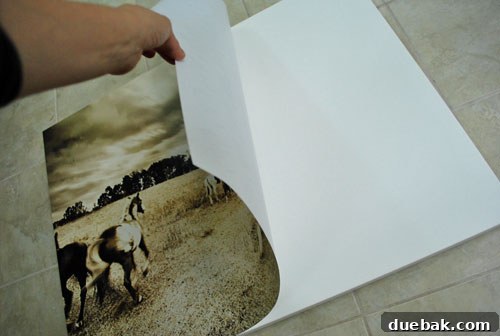
However, my jubilation was short-lived. By the next morning, a mere 12 hours after mounting, the prints began to show signs of distress. What started as subtle “wiggles” quickly escalated into significant “speed bump” like separations, with large pockets forming between the print and the canvas. The once-taut surfaces became loose and dishearteningly unstuck. In my annoyance and disappointment, I neglected to capture a photograph of this unfortunate outcome. It was a clear indication that spray adhesive, despite its promises, was not robust enough for this particular application, especially for large prints that might experience subtle environmental shifts. This setback, while frustrating, ultimately paved the way for discovering a more reliable method.
Attempt Two: The Enduring Bond of Acrylic Medium for Canvas Art
Undeterred by the initial setback, I embarked on a quest for a more reliable, “heavy-duty” mounting technique. Online research quickly pointed towards acrylic medium as a commonly recommended adhesive for adhering prints to canvas. Various tutorials and craft blogs highlighted its superior bonding properties and archival quality, making it an excellent choice for art projects requiring permanence. After a bit of digging, I settled on Liquitex Matte Varnish, available at a local craft store for a reasonable price with a coupon. This product functions as both a medium and a varnish, offering versatility and a durable finish.
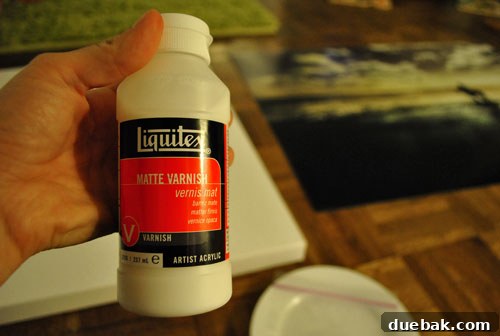
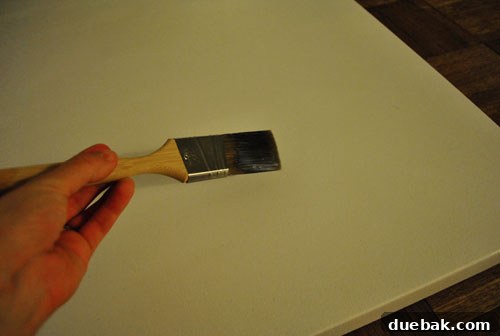
The application of acrylic medium differs slightly from spray adhesive but is equally straightforward. First, I brushed a thin, even coat of the Liquitex Matte Varnish onto the entire surface of the blank canvas. It’s important to achieve uniform coverage to ensure consistent adhesion across the entire print. This layer acts as the primary bonding agent, creating a strong foundation for the print.
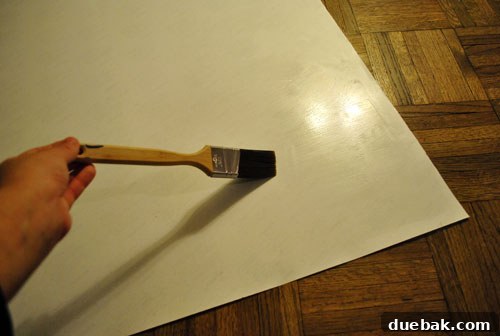
Next, I applied a similar thin, even coat of the acrylic medium to the entire back of the poster. This double application of the medium creates a more robust bond, ensuring maximum contact and adhesion between the two surfaces. The goal is to cover both surfaces thoroughly without saturating the paper, which could lead to warping or damage. Working efficiently is key here, as the medium can start to set.
With both surfaces coated, it was time for adhesion. For this crucial step, I enlisted the help of my partner, John, a decision that proved invaluable for handling large prints. We each took two corners of the print, carefully aligning our respective corners with the canvas. We then gently laid down my two corners first, slowly rolling the rest of the print across the canvas surface. This method, similar to the spray adhesive technique, is highly effective in preventing bubbles and wrinkles. For large prints, having an extra set of hands makes a significant difference in ensuring precise alignment and smooth application, minimizing the chances of error. Any small air pockets that did form were easily worked out from the center towards the edges using the palm of my hand. A quick note on safety: some individuals can have skin reactions to acrylic medium, so wearing thin latex gloves is a good precautionary measure, especially when handling the coated prints.
While we were unable to capture photos of this specific step due to all hands being occupied, the result was a perfectly adhered and incredibly secure print. After successfully mounting both prints with the Liquitex varnish, we laid them flat for a full 24 hours to cure. This extended curing time is vital for the acrylic medium to achieve its maximum bonding strength and prevent any buckling or sliding once the art is hung. The difference was palpable; unlike the wiggly feel of the spray-mounted prints, these felt completely cured and hardened within about 12 hours, a clear indication of a successful and lasting bond. We’ve since had several steamy showers in the adjoining bathroom, and the art remains firmly in place, proving the durability of this method. I am confident this solution will stand the test of time, but rest assured, I will provide an update if any issues arise. So far, so good!
Personalizing Your Canvas Art: Finishing Touches and Aesthetic Choices
Once the prints were securely mounted, the next consideration was the aesthetic treatment of the canvas sides. I deliberated over several options: painting them a deep charcoal, a rich brown, or perhaps even a metallic shade to complement the art. However, after much thought, I decided to leave the sides a clean white. This choice aligned perfectly with our existing white trim and the large white mirror situated between the two pieces, contributing to a cohesive and airy feel in the room. The simplicity of the white edges allowed the vibrant horse prints to truly pop, creating a striking contrast that felt both fresh and sophisticated.
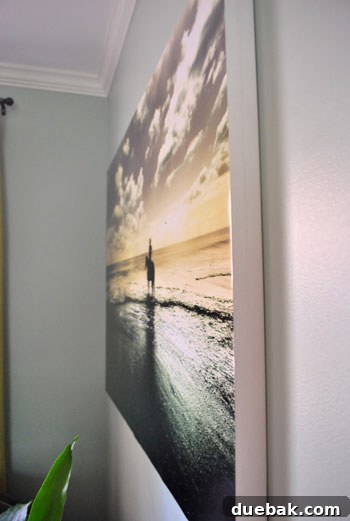
Another decision involved whether to apply a protective sealant over the front of the prints, such as an additional coat of acrylic medium or Mod Podge. While these products can add durability and a specific finish, we ultimately decided to preserve the smooth, print-like finish of the original art. For those considering sealing their prints, I highly recommend testing the product on a small, inconspicuous area first. This precaution ensures that the sealant won’t cause any unwanted cloudiness or alter the colors of your print, although most acrylic mediums are generally excellent for this purpose. It’s always better to be safe than sorry when it comes to protecting your art.
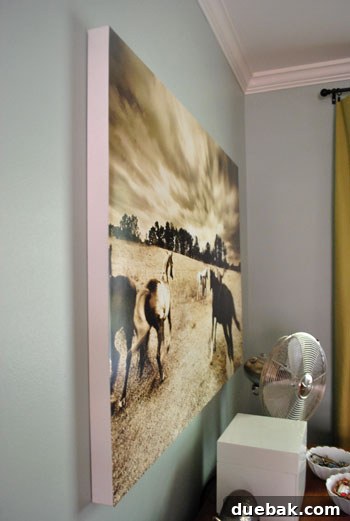
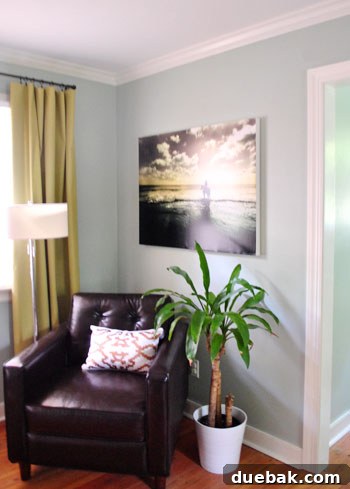
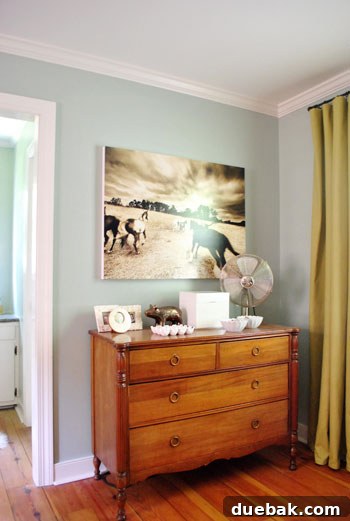
A small but significant adjustment we made was switching the placement of the two prints from our initial digital rendering. My partner, John, preferred the print on my side of the bed, and I, in turn, favored the one on his side. This simple swap allowed each of us to wake up and see our favorite print, enhancing our personal connection to the bedroom decor. John’s favorite is the serene beach scene, while mine is the dynamic wild horses print. It’s a subtle touch that makes the space feel even more “ours.” On a related note, we realized a subconscious pattern: no matter where we live, I always prefer the side of the bed furthest from the door, a peculiar preference that makes me feel more cozy and nestled.
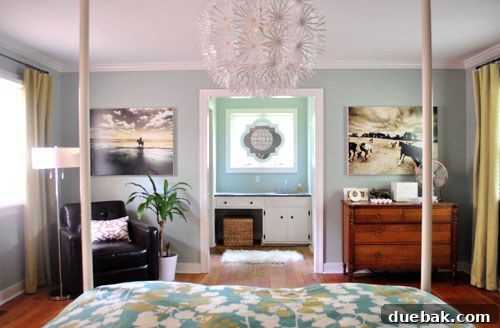
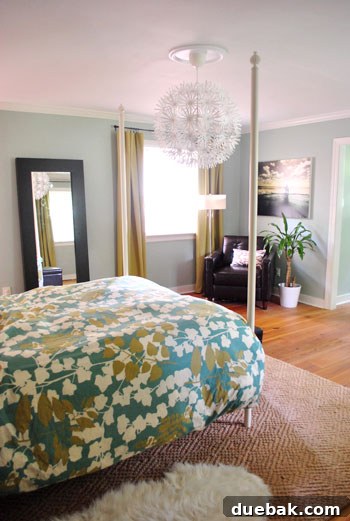
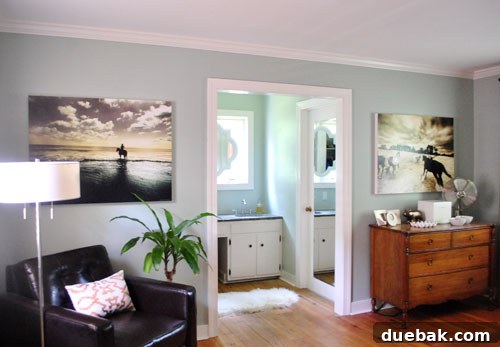
One of the most captivating aspects of these prints, which was not fully captured in our preliminary Photoshop rendering, is their remarkable luminosity. They possess a soft, internal glow that adds depth and warmth to the room, far surpassing the harsher appearance in the initial digital mock-up. This unexpected quality highlights how physical art can often exceed digital representations. While I understand that equine art may not appeal to everyone – and that’s perfectly valid, as art is truly in the eye of the beholder – I’ve always had a profound fascination with animals. My journey from collecting My Little Ponies and Popples (a nostalgic nod to childhood) to appreciating sophisticated ceramic and photographic interpretations of animals has been a natural progression of this passion. These prints feel like a mature evolution of that lifelong interest.
Budget-Friendly Art: Significant Savings with DIY Canvas Mounting
Beyond the artistic satisfaction, a major benefit of this DIY project was the substantial cost savings. Each large poster, sourced from a reputable art retailer, would have cost approximately $169 to be professionally printed and stretched on canvas to our desired dimensions. By opting for the DIY approach, we were able to create each mounted canvas for just $64, which included the cost of both the poster and the large blank canvas. This translates to an impressive saving of over $200 for the pair, making high-quality, large-scale art accessible on a budget. This significant reduction in cost truly underscores the value of tackling such projects yourself.
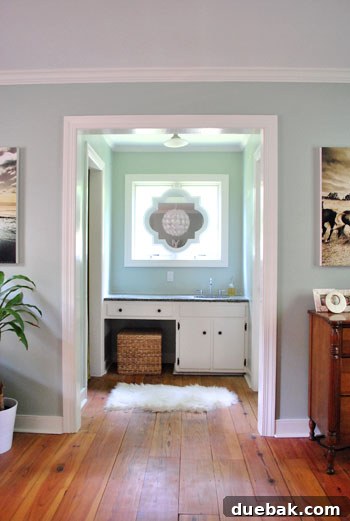
We are particularly fond of how these moody horse photos contrast with the light and airy sink nook in our bedroom. We intentionally chose art that offered a “wilder” touch, believing that lighter, softer art might have been too sweet or “matchy-matchy” for our taste. The striking visual interplay between the deep tones of the art and the crisp white mirror above the sink creates a dynamic and sophisticated balance that feels distinctly ours. This thoughtful contrast elevates the entire space, turning a functional area into a captivating focal point.
Embracing the “Just Gotta Do You” Philosophy: Taking Design Risks at Home
As we mentioned previously, these horse prints represent a deliberate departure from the typically beachy, light, and often “safe” aesthetic of our first home. This project, and many others in our current house, reflect a growing confidence in taking design risks. We’ve come to embrace the “Just Gotta Do You” school of decorating, a philosophy that encourages personal expression over rigid trends or perceived “correctness.” This mindset has allowed us to create a home that truly feels authentic to us, brimming with personality and unique character. It’s an invigorating shift, and surprisingly, even my mom, who I often expect to be shocked by our bolder choices, usually ends up loving them, which keeps me on my toes!
One brave choice seems to seamlessly pave the way for the next, fostering an increasing sense of trust in our own design instincts. Unlike our first home, where constant nail-biting and second-guessing were the norm, we now approach decorating with minimal hesitation. While we’re not entirely immune to nervousness, we’ve found immense value in the “what’s the worst that can happen?” exercise. The answer is almost always something easily reversible: we might repaint, replace a piece of art, or simply return an item. These are minor inconveniences when weighed against the joy of creating a home we absolutely adore. We’ve truly adopted a Thelma & Louise approach, fearlessly driving off the metaphorical design cliff hand-in-hand, knowing the outcome will be worth it.
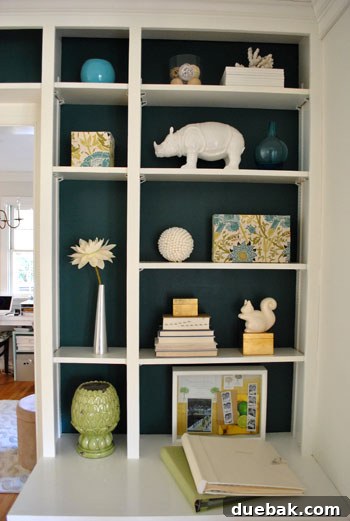
When moments of doubt inevitably creep in, it’s helpful to reflect on other bold choices we’ve made since moving here, offering a jolt of “it’ll-hopefully-be-worth-it” confidence. Consider the painted backs of the built-ins in our dining room, which yielded a far more significant visual payoff than if we had left them white. This simple decision added unexpected depth and character, transforming a functional space into something visually dynamic.
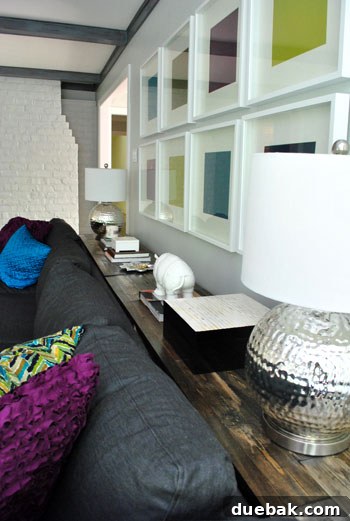
Then there’s our living room, still a work in progress, which features contrasting dark-beamed ceilings and a dark sectional sofa. This was a deliberate move away from the white beams and slipcovered sofa that defined our first house’s den, demonstrating our readiness to explore richer, more dramatic palettes and textures. The result is a space that feels cozy yet sophisticated, a true reflection of our evolving style.
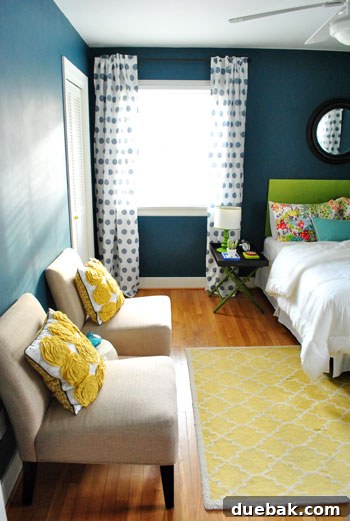
And let’s not forget the deeply saturated guest room, a space that manages to be both moody and incredibly inviting. It strikes a perfect balance, proving that deep colors can evoke warmth and happiness without feeling overwhelming. These examples, much like our bedroom horse art, serve as testaments to the power of trusting our instincts and venturing beyond the conventional.
To us, our “little ponies” in the bedroom fit perfectly within this narrative of evolving style and confident choices. They feel right at home, blending seamlessly with the other bold elements we’ve introduced throughout our living spaces. This cohesion creates a sense of comfort and authenticity, truly making our house feel like home.
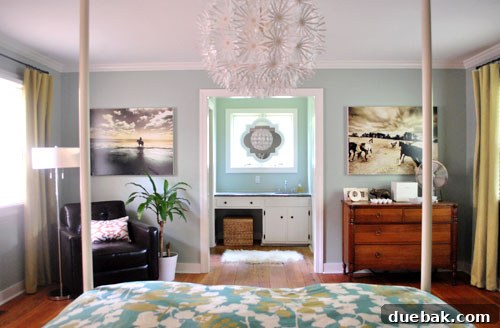
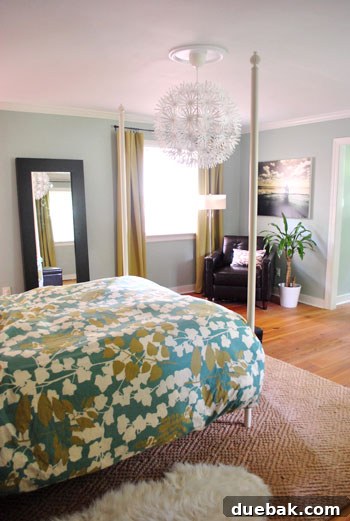
It’s truly remarkable to reflect on how much this space has transformed in just five short months. Looking back at the “before” photos illustrates the dramatic shift and the incredible potential that lies within every room waiting for a personal touch.
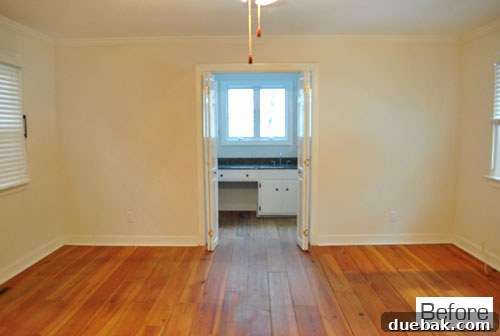
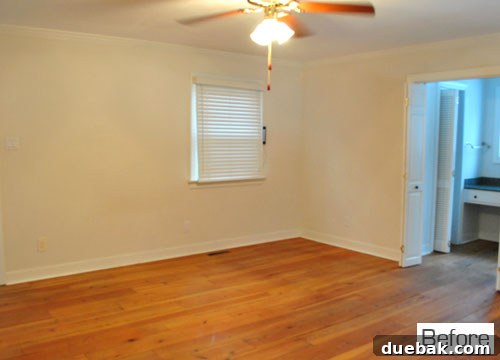
Finding Balance: Bold Choices and Serene Spaces Coexist
You might think our journey of bold design ends with those dramatic before-and-after shots, but there’s one more crucial insight I want to share. While experimenting with risky and vibrant design elements has been incredibly fun and rewarding, an unexpected discovery has been how beautifully these bold choices harmonize with the softer, calmer “moments” in our house. We’re learning that successful home design isn’t an “all or nothing” proposition; rather, it thrives on balance.
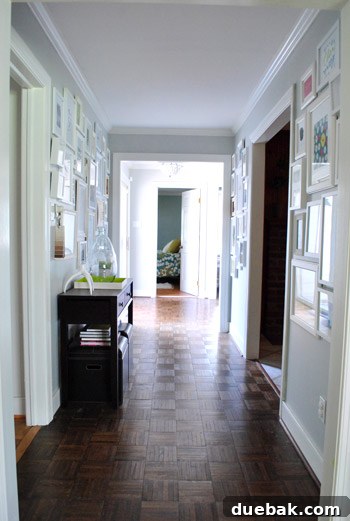
Areas of vibrant color and striking contrast, like our newly adorned bedroom, complement and effectively balance out the less saturated, more serene spaces. For example, our quiet, white-framed hall art gallery serves as a tranquil transition to the more colorful and contrast-rich bedroom. It’s as if these quieter zones temper the bolder statements, preventing the entire house from feeling overly stimulating or overwhelming. Think of it as a little bit of “Column A” and a little bit of “Column B,” creating a dynamic yet harmonious flow throughout the home.
Conclusion: Embrace Your Inner Designer and Create a Home You Love
In conclusion, our journey in home decor is a continuous learning process, much like “wax on, wax off” for aspiring martial artists. We are perpetually “students,” figuring things out as we go, diving in, having fun, and fully embracing the trial-and-error approach. This “why-the-heck-not” attitude has proven incredibly effective in inching us closer to a home that authentically reflects who we are. This is one of those moments where I enthusiastically encourage you to take the plunge, play around, be brave, and most importantly, have fun with your decorating projects.
Remember, most design decisions—whether it’s paint, art, or bedding—are rarely permanent. If you dislike a choice, it’s often semi-easily reversible, so there’s little to truly lose. So, stop horsing around with indecision and just go for it! The reward is a home you couldn’t love more. For more inspiration on taking design risks, I highly recommend checking out The Nesting Place’s insightful post on the topic—she articulates it far better than I ever could. What she said!