
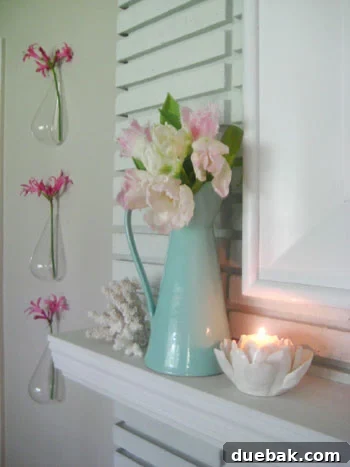
Have you been dreaming of giving your dated fireplace a fresh, modern look without breaking the bank? You’re in the right place! We’ve received countless requests for a comprehensive guide on painting brick fireplaces, and we’re thrilled to deliver a step-by-step tutorial that will transform your living space. A brick fireplace, while a classic architectural feature, can often feel heavy, dark, or simply out of sync with a contemporary aesthetic. If your home boasts one of those original, dark red, or maroon brick fireplaces that absorb all the light and vibrancy from a room, you know exactly what we mean. But imagine a bright, airy fireplace that seamlessly integrates with your decor, enhancing the overall appeal and bringing a renewed sense of charm to your home. That transformation is not only possible but surprisingly simple and quick to achieve.
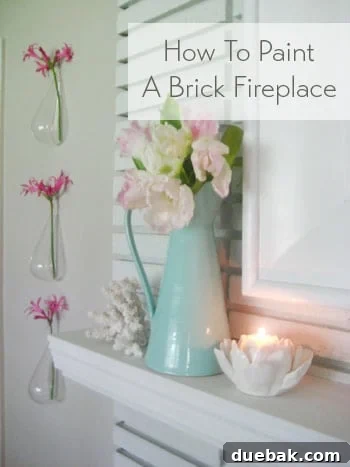
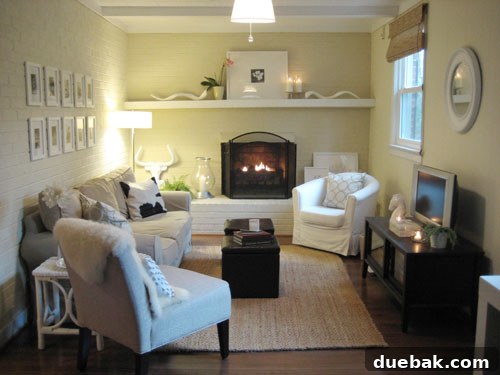
We’re no strangers to the incredible impact of a painted brick fireplace. In fact, updating the fireplaces in both our living room and den was one of the very first projects we tackled after moving in. The difference was night and day. Dingy, dark brick can truly diminish the life and energy of a room, especially when paired with lighter furnishings and wall colors – elements we absolutely adore. Natural brick certainly holds a special place in many hearts and homes, but for our desired light and airy aesthetic, our particularly maroon-toned brick just didn’t fit the vision. Fortunately, we discovered a simple, budget-friendly solution to infuse both our brick fireplaces with soft beauty and modern elegance in just an afternoon. No power tools, no extensive renovations, just pure, satisfying transformation.
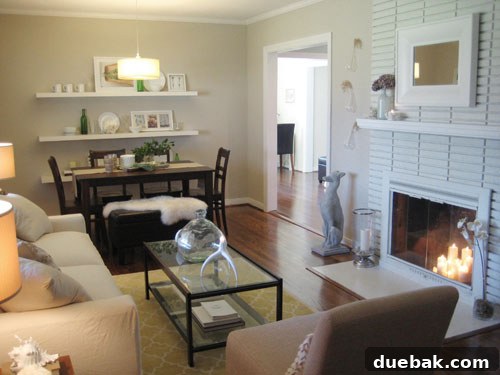
Transforming your fireplace with a coat of paint is one of the most impactful and cost-effective home improvements you can undertake. It’s a project that yields immediate and dramatic results, elevating the entire atmosphere of your living space. If you’re ready to bid farewell to dated brick and embrace a fresh, contemporary look, follow along with our comprehensive guide.
Why Paint Your Brick Fireplace? The Benefits of a Fresh Look
Beyond simply updating an old look, painting your brick fireplace offers a myriad of advantages that contribute to a more beautiful and harmonious home environment:
- Aesthetic Modernization: Paint instantly brightens and modernizes a space. Dark, traditional brick can make a room feel heavy and dated. A fresh coat of white, gray, or even a soft neutral paint can open up the room, making it feel larger and more inviting.
- Enhanced Customization: Painting allows you to seamlessly integrate your fireplace with your existing decor. Whether your style is farmhouse chic, minimalist modern, or classic contemporary, you can choose a paint color that perfectly complements your walls, furniture, and overall aesthetic.
- Cost-Effective Renovation: Compared to refacing with new materials, tearing down and rebuilding, or even just cleaning and sealing old brick, painting is an incredibly budget-friendly way to achieve a high-impact renovation. A few cans of paint can deliver results similar to projects costing hundreds or thousands more.
- Increased Home Value: An updated fireplace can significantly enhance your home’s appeal to potential buyers. It demonstrates a well-maintained and stylish interior, making your home more attractive on the market.
- Hides Imperfections: Over time, brick can become stained, discolored, or show signs of wear and tear. Paint provides an excellent way to conceal these imperfections, giving your fireplace a clean, uniform finish.
- Reflects Personal Style: Your home should be a reflection of you. Painting your fireplace is an easy way to inject personality and create a focal point that truly embodies your unique taste.
Is Painting Your Brick Fireplace Right for You? Key Considerations
While painting is a fantastic option for many, it’s important to consider a few factors before diving in:
- Brick Condition: Ensure your brick is structurally sound. Paint won’t fix crumbling mortar or severely damaged bricks. Minor flaws can be hidden, but major issues should be addressed first.
- Ventilation: Painting indoors requires good ventilation. Open windows and use fans to ensure proper airflow, especially when using oil-based primers.
- Soot and Stains: If your fireplace has heavy soot stains from years of use, proper cleaning and priming are absolutely crucial to prevent bleed-through.
- Desired Finish: Consider the look you want. Flat paint offers a subtle, matte finish, while semi-gloss provides a slight sheen that’s easier to clean.
- Maintenance: Painted brick is generally easy to clean, but it might require occasional touch-ups, especially in high-traffic areas or if exposed to significant soot.
The Ultimate Guide to Painting Your Brick Fireplace: A Step-by-Step Tutorial
Ready to transform your fireplace? Here’s everything you’ll need and how to do it:
Materials You’ll Need:
- Drop cloths or old sheets
- Painter’s tape (blue tape)
- Stiff wire brush (optional, for stubborn grime)
- Bucket of warm water
- Mild detergent or TSP (Trisodium Phosphate) cleaner for heavy soot
- Several clean rags
- Oil-based primer (crucial for stained bricks)
- Latex paint (flat, eggshell, satin, or semi-gloss, depending on desired finish)
- Nappy paint roller (specifically for textured surfaces)
- Angled paintbrush (for grout lines and detailed areas)
- Paint tray
- Stir stick
- Safety goggles and gloves
Step 1: Preparation is Key – Cleaning Your Brick
The success of your paint job heavily relies on a clean, well-prepared surface. Skipping this step can lead to poor adhesion and premature peeling.
First, lay down drop cloths or old sheets to protect your flooring from dust, debris, and paint drips. Use painter’s tape to mask off any adjacent walls, mantelpiece edges, or flooring that you don’t want to paint. Take your time with this step, as clean lines make all the difference.
Next, thoroughly clean your bricks. Begin by using a dry stiff brush or vacuum with a brush attachment to remove any loose debris, cobwebs, and surface dust. Follow this with a moist (not soaking wet!) rag to wipe down the entire brick surface. For stubborn dirt, grime, or light soot, a mild detergent mixed with warm water will suffice. If your bricks are particularly soot-stained from years of fires, you’ll want to use a more robust cleaner like TSP (Trisodium Phosphate), following the manufacturer’s instructions carefully, which usually involves diluting it in water. Apply the solution with a sponge or cloth, scrubbing as needed, then rinse thoroughly with clean water and a clean rag. Allow the bricks to dry completely – this can take anywhere from 24 to 48 hours depending on humidity and how wet the bricks became during cleaning. Ensure no moisture remains, as this can affect primer and paint adhesion.
Step 2: Priming for Perfection
Priming is a crucial step that ensures optimal adhesion of your paint, provides a uniform base, and most importantly, prevents any existing soot or smoke stains from bleeding through your fresh paint job. This is especially vital for older fireplaces that have seen a lot of use.
If your bricks are clean but very porous, a standard latex primer designed for masonry will work well. However, if your bricks show any signs of soot or smoke staining – even light ones – an oil-based primer is non-negotiable. Oil-based primers create an impenetrable barrier that seals in stains, preventing them from reappearing through your topcoat. We didn’t have significant soot issues with our fireplaces, allowing us to proceed to step three. But if you suspect any staining, do not skip the oil-based primer. Apply the primer using the same nappy roller and angled paintbrush you’ll use for the paint, ensuring even coverage. Pay close attention to the grout lines and textured areas. Allow the primer to dry completely according to the manufacturer’s instructions, which typically takes several hours.
Step 3: Bringing Color to Life – Painting the Brick
Now for the exciting part – adding color! For brick fireplaces, a high-quality latex paint is generally recommended for its durability, ease of cleaning, and excellent adhesion to primed masonry surfaces. You have a few choices for finish:
- Flat (Matte): Offers a sophisticated, non-reflective look that effectively hides imperfections. It’s great for a soft, understated aesthetic.
- Eggshell/Satin: Provides a slight sheen, making it more durable and easier to clean than flat paint, while still offering a subtle look.
- Semi-Gloss: Delivers a more reflective, modern finish. It’s highly durable and very easy to wipe clean, making it a practical choice for high-traffic areas or a striking contemporary feel.
The finish choice is entirely up to your personal preference and the overall style of your room.
Start by using your angled paintbrush to carefully paint the grout lines and any intricate edges or corners that the roller won’t easily reach. This ensures thorough coverage in all the crevices. Once the grout lines are addressed, switch to your nappy roller. This type of roller is designed for textured surfaces like brick, allowing the paint to penetrate and adhere evenly into the porous material.
Apply two to three thin, even coats of your chosen latex paint. Brick is an exceptionally porous material, which means it will absorb more paint than a smooth wall. Be prepared to use more paint than you might anticipate for such a relatively small surface area. For instance, our den fireplace required over a gallon of paint, while the living room fireplace, though smaller, still took nearly half a gallon. Apply each coat evenly, avoiding drips, and allow ample drying time between coats as recommended by the paint manufacturer. This typically ranges from 2-4 hours. Applying thin coats is key to achieving a professional, uniform finish without thick, uneven patches.
Step 4: The Finishing Touches and Celebration
Once your final coat of paint has dried to the touch, carefully remove the painter’s tape and drop cloths. It’s often best to remove the tape while the paint is still slightly pliable but dry enough not to smudge, to prevent it from pulling off dried paint edges. Stand back and admire your handiwork! It’s amazing how such a simple project can have such a profound impact on a room’s aesthetic. You’re done, and it was easy, wasn’t it? If you can paint a wall, you can absolutely paint a brick fireplace.
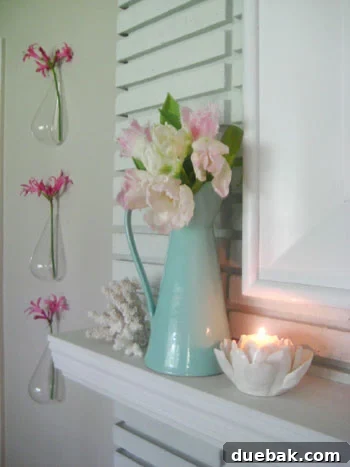
Beyond the Paint: Styling Your Transformed Fireplace
Now that your fireplace has a fresh, new look, it’s the perfect canvas for creative styling. Don’t be surprised if your newly painted fireplace inspires you to continue the makeover! Here are some ideas to further enhance your beautiful transformation:
- Mantel Decor: Adorn your mantel with new artwork, a stylish mirror, potted plants, candles, or stacks of interesting books. Create vignettes with varying heights and textures to draw the eye.
- Hearth Accessories: A woven basket filled with firewood (we particularly love birch for its crisp, clean look) adds an inviting, rustic touch and practical storage. Consider adding elegant fireplace tools that complement your new aesthetic.
- Seasonal Touches: Update your fireplace decor seasonally with holiday garland, spring flowers, or cozy autumn arrangements to keep the space feeling fresh and relevant throughout the year.
- Overall Room Harmony: Notice how the brightened fireplace now harmonizes with your existing decor, or perhaps prompts you to update other elements in the room for a cohesive, polished look.
Maintenance Tips for Your Painted Fireplace
To keep your painted fireplace looking pristine, follow these simple maintenance tips:
- Gentle Cleaning: For general dust and light smudges, wipe down your painted brick with a soft, damp cloth. Avoid abrasive cleaners or harsh scrubbing, especially on flat finishes, as this can damage the paint.
- Spot Cleaning: For any minor marks, use a mild soap solution and a soft sponge, dabbing gently rather than rubbing.
- Touch-Ups: Keep a small amount of your leftover paint on hand for any necessary touch-ups. Small nicks or scuffs can be easily repaired.
- Protect from Soot: If you regularly use your fireplace, ensure your firebox is properly sealed and that you have a screen or glass doors to minimize soot and smoke from escaping and staining the painted surround.
Your big fireplace transformation awaits! We encourage you to take plenty of before and after pictures to truly appreciate the incredible difference you’ve made. Homes are never really finished anyway, are they? They are ever-evolving spaces that reflect our changing tastes and needs. This DIY project is a fantastic way to refresh your home’s heart and create a space you’ll love for years to come.