
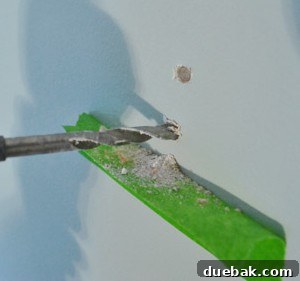
Revolutionize Your DIY Projects: The Ultimate No-Mess Drilling Hack
Embarking on a home improvement project, no matter how small, often comes with an unspoken agreement: a certain level of mess is inevitable. From painting splatters to sawdust, the aftermath can sometimes feel more daunting than the project itself. Among the most common culprits for creating immediate, widespread havoc is drilling. Whether you’re hanging new curtains, mounting a TV, or installing a sturdy shelf, the fine dust that erupts from your drill bit can quickly coat everything in its vicinity – floors, furniture, and even your carefully chosen decor. This omnipresent drywall or plaster dust isn’t just an aesthetic nuisance; it can be a health irritant and adds significant time to your project for cleanup.
But what if we told you there’s a ridiculously simple, virtually free hack that eliminates this problem almost entirely? No specialized equipment, no complex setup, just a common household item and a minute of your time. This isn’t just a clever trick; it’s a game-changer for anyone who has ever groaned at the sight of a dust cloud after a successful drill. We’re talking about a technique so basic, yet so effective, that once you try it, you’ll wonder how you ever managed without it. Say goodbye to sprawling dust sheets, cumbersome vacuum hoses, and endless sweeping. Get ready to drill cleanly, efficiently, and with far less post-project stress.
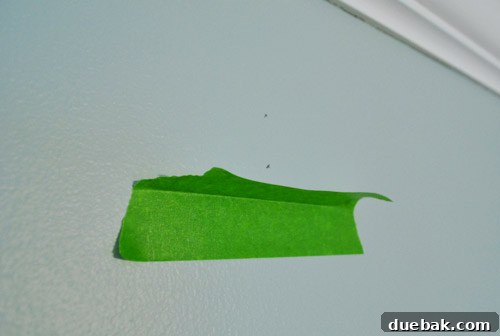
The secret? A simple piece of painter’s tape. Or, for those with a fully stocked office supply drawer, a Post-it note can also do the trick. The concept is brilliantly straightforward: you create a temporary, sticky shelf directly below your drill mark on the wall. When your drill bit penetrates the wall, carving out a perfectly sized hole, the resulting dust – typically a fine, powdery substance – falls directly into this improvised catcher, rather than scattering across your room. This ingenious method ensures that the vast majority of debris is contained, providing you with a remarkably clean workspace. It’s a hack that proves that often, the most effective solutions are the simplest.
Step-by-Step Guide to the “Tape Shelf” Dust Control Method
- Gather Your Materials: All you need is your drill, the appropriate drill bit, a pencil for marking, and a roll of painter’s tape. If painter’s tape isn’t handy, a standard Post-it note can serve as a suitable alternative.
- Mark Your Spot: Precisely mark the location on the wall where you intend to drill. Accuracy here is key, as your dust catcher will be placed in direct relation to this mark.
- Prepare Your Tape Shelf: Tear off a piece of painter’s tape, approximately 6-8 inches long. Fold it in half lengthwise, ensuring the sticky sides are on the outside. This creates a small, sturdy “shelf” with adhesive on both edges.
- Position the Shelf: Carefully align the folded tape directly beneath your pencil mark, about an inch or two below it. Press the top edge of the tape firmly against the wall, creating a small, open pouch or shelf with the sticky side facing upwards and outwards, ready to catch falling dust.
- Drill Away: Proceed with drilling your hole as usual. As the drill bit works its magic, watch as the dust gracefully descends into your tape shelf, completely bypassing your floors and furnishings.
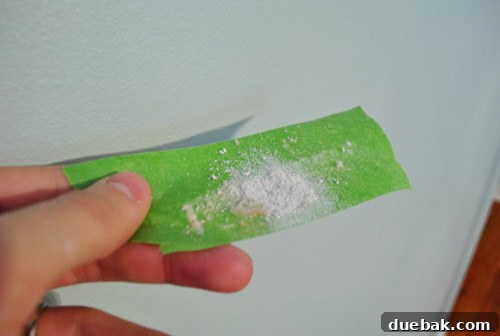
- Clean Disposal: Once your hole is complete, carefully peel the tape shelf off the wall. The beauty of painter’s tape is its gentle adhesive, which minimizes the risk of damaging your wall’s paint or finish. Once removed, simply fold the tape in on itself, encasing the collected dust like a tiny, neat burrito.
- Trash It: Dispose of your dust burrito in the nearest waste bin, completely free from spills or trails of dust.
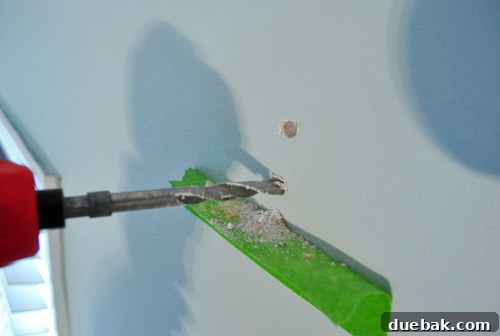
Why This Simple Hack Outperforms Alternatives
While the Post-it note variation offers a slightly larger surface area for collection, the inherent stickiness of painter’s tape on both sides often makes it the superior choice. Its all-around adhesive quality ensures that the fine dust particles adhere more securely, reducing the chance of accidental spills during removal. As someone who’s had their fair share of “oops” moments, I’ve found that tape offers a more forgiving and reliable containment solution. The tape’s ability to encapsulate the dust tightly for disposal is another key advantage, providing peace of mind that the mess is truly contained.
The Unbeatable Benefits of Clean Drilling
The advantages of adopting this no-mess drilling technique extend far beyond simply keeping your floors clean.
- Time-Saving Efficiency: The most immediate benefit is the dramatic reduction in cleanup time. Instead of sweeping, vacuuming, and wiping down surfaces, you’re left with virtually no mess, allowing you to move directly to the next phase of your project.
- Preservation of Surfaces: Fine dust can be abrasive. By containing it at the source, you protect your floors, carpets, and furniture from potential scratches or embedded particles.
- Improved Air Quality: Drywall and plaster dust can become airborne, leading to respiratory irritation. This method significantly minimizes the amount of dust released into the air, contributing to a healthier indoor environment.
- Reduced Stress: Knowing that cleanup won’t be a major chore frees you to focus on the task at hand, making your DIY experience more enjoyable and less stressful.
- Cost-Effective: Utilizing painter’s tape, a staple in many households, makes this a budget-friendly solution that requires no special tools or recurring expenses.
- Versatility: This trick is not limited to curtain rods. It’s incredibly useful for hanging picture frames, mounting heavy mirrors, installing shelving units, securing TV mounts, and any other task that involves drilling into walls.
Beyond the Tape: Other Smart Clean-Up Habits for DIY Enthusiasts
While the tape trick is a cornerstone of clean drilling, incorporating a few other habits can further enhance your project efficiency and cleanliness:
- Drop Cloths are Your Friend: For larger projects or when working with paint, wood, or other materials that create more extensive debris, always lay down drop cloths. They are invaluable for protecting floors and furniture.
- Pre-Emptive Vacuuming: Keep a small shop vacuum or a hand-held vacuum nearby. For tasks that generate more dust than a tape shelf can handle (e.g., cutting wood), using a vacuum simultaneously or immediately after can make a huge difference.
- Designated Work Area: If possible, designate a specific area for messy tasks. This helps contain the mess to a smaller footprint.
- Ventilation: When dealing with fine dust, proper ventilation is crucial. Open windows and use fans to direct dust outdoors, or at least away from main living areas.
- Wet Wipes and Microfiber Cloths: Keep a supply of wet wipes for quick spot cleaning of tools and surfaces, and microfiber cloths for dusting.
This simple yet highly effective tape trick is a testament to how minor adjustments can lead to significant improvements in our home improvement endeavors. It transforms the often-dreaded task of drilling into a virtually mess-free operation, allowing you to focus on the joy of creating and enhancing your living space. No more procrastinating on that gallery wall or those new shelves because of the inevitable cleanup. Embrace the simplicity, try this hack on your next project, and experience the satisfaction of a job well done with minimal fuss.
We love discovering and sharing these clever solutions that make home projects easier, faster, and much cleaner. Have you discovered a similar ingenious trick for tackling drill dust or other common DIY messes? Perhaps you have a unique approach to hanging art without damage or a quick tip for paint spill cleanup. We encourage you to share your alternative techniques and favorite DIY hacks in the comments below. Your insights could be the next game-changer for a fellow home improvement enthusiast! Let’s build a community of smart, clean, and efficient DIYers together. Happy drilling!