
Transforming Our Front Yard: A Comprehensive Guide to Laying New Grass and Enhancing Curb Appeal
There’s a special kind of satisfaction that comes with transforming a neglected patch of dirt and tired landscaping into a lush, green expanse. We recently embarked on such a journey, giving our front yard a much-needed refresh by planting fresh grass in several key areas. This wasn’t just about aesthetics; it was about reclaiming our outdoor space, simplifying maintenance, and significantly boosting our home’s curb appeal. Join us as we detail the entire process, from identifying problem areas and preparing the soil to the gratifying moment of seeing vibrant new growth.
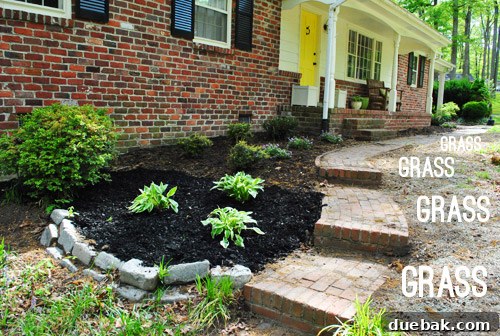
Setting the Stage: Identifying Problem Areas for Our Lawn Renovation
Our vision for a greener front yard didn’t materialize overnight. It began with recognizing several spots that were either barren, unsightly, or simply not serving their purpose. These areas were screaming for a lawn transformation, and we were eager to answer the call, paving the way for a more inviting and functional outdoor space.
The Liriope Dilemma: Clearing the Path for Fresh Grass
Our journey began with a rather persistent patch of liriope. While some might appreciate its hardy nature, it had grown erratically to the right of our brick path, creating an uneven and somewhat messy border. This wasn’t the clean line we envisioned for our pathways, and it certainly wasn’t conducive to a uniform lawn. Our first task was to meticulously dig up this liriope, ensuring the cleared area was perfectly level with the existing stone border on the opposite side. This step was crucial for creating a smooth, uninterrupted surface ready for new grass seed.
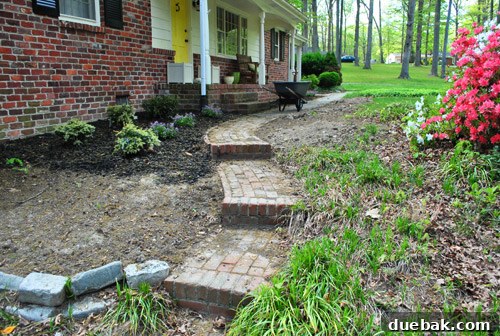
The process of removing the liriope involved careful excavation, ensuring we got as much of the root system as possible to prevent regrowth. This labor-intensive task was worth the effort, as it immediately opened up the space and visually tidied the edge of the path. With this section cleared and smoothed, we could already imagine the verdant strip that would soon replace the unruly foliage, drastically improving the overall neatness of our front entrance.
Farewell, Boxwoods: Opening Up the Pathway
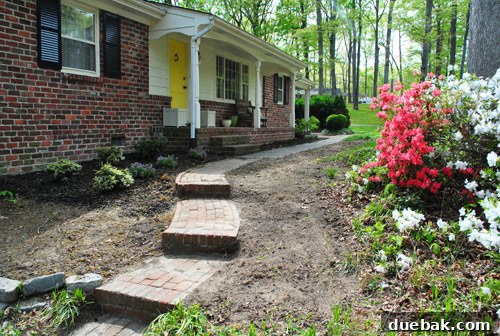
Moving to the other side of the house, we addressed another prominent landscaping feature: a line of boxwoods that once hugged the pathway. While boxwoods can add structure, these particular ones had made the path feel unnecessarily “boxed in,” creating a constricted and somewhat dated aesthetic. Recalling our previous decision to remove these, we were now ready to complete the transformation. Eliminating them was a strategic move to create a more open, inviting, and modern look for our home’s exterior.
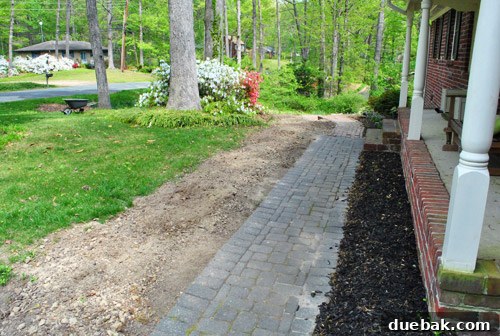
The removal of the boxwoods was a significant undertaking, but it instantly brought a sense of spaciousness and light to the side of the house. This area, once shadowed and dense, was now exposed to more sunlight, ideal for new grass. The objective was to replace the dense, formal hedging with a continuous, soft lawn that would blend seamlessly with the rest of the yard, making the pathway feel more like an integrated part of the landscape rather than a separate, enclosed corridor. This change promised to simplify future landscaping and create a much more approachable entrance.
Eradicating the “Bush Fence” and Persistent Ivy
The front of our property presented yet another challenge: a significant stripe of dirt and tenacious ivy where our “bush fence” had previously stood. This area, once a dense barrier, had been cleared some time ago, leaving behind a scarred, unappealing strip of exposed earth and lingering ivy. This wasn’t merely an eyesore; it was a clear indication of unfinished business in our landscape improvement efforts. We knew that for true curb appeal, this area needed a complete overhaul.
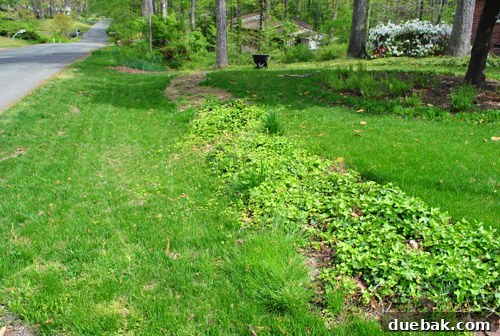
The process involved the rigorous removal of all remaining ivy. Ivy, while sometimes aesthetically pleasing, can be incredibly invasive and detrimental to other plant life and even structures if left unchecked. We meticulously pulled it out, ensuring that the ground was as clean and clear as possible. This preparation was vital to prevent any resurgence of the ivy, which could compete with our new grass seed. Once stripped bare, this long, narrow section at the front of our property was finally ready for some serious “seedification,” promising to transform from a barren strip into a vibrant green border.
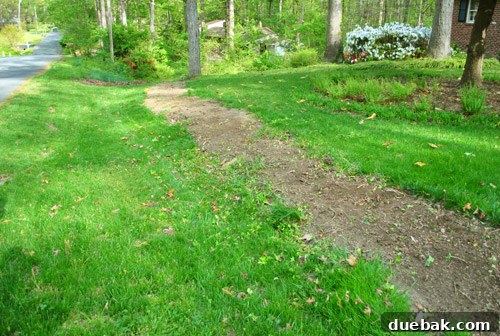
Tackling the “Dirt Path to Nowhere”
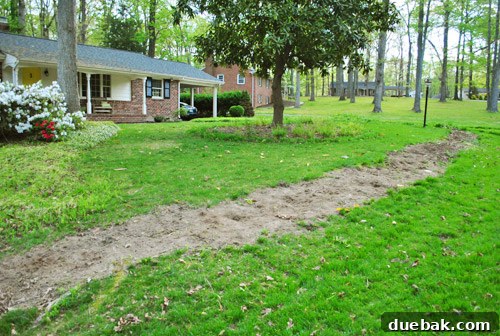
Living with unsightly dirt patches can significantly detract from a home’s overall appeal. For too long, we had endured what we affectionately, yet frustratingly, called “the dirt path to nowhere.” This barren strip wasn’t just an aesthetic inconvenience; it spoke volumes about unaddressed landscaping. We had been living with this less-than-ideal situation since the previous fall, and the time had come to finally reclaim this space and infuse it with life. The motivation for this grass planting project was not just about superficial beauty, but about creating a more cohesive and welcoming front exterior.
The Seeding Process: Choosing the Right Method for Success
With all the problem areas thoroughly prepped, it was time for the main event: spreading the grass seed. The success of any lawn renovation hinges on the right approach to seeding and subsequent care. Our circumstances, specifically being late in the growing season, influenced our choices, leading us to a slightly unconventional yet effective method.
Selecting the Seed Mixture: A Time-Saving Solution for Late-Season Planting
Ordinarily, our routine for planting grass involves a two-step process: first, applying a starter fertilizer, followed by broadcasting grass seed. However, as the grass-growing season was drawing to a close and the weather was getting warmer, we opted for a more expedient solution. Impatience, coupled with the rising temperatures, led us to choose a “seeding mixture” that conveniently combined both fertilizer and grass seed in one bag. This all-in-one product was a strategic choice to maximize our chances of success given the limited window before the heat became too intense, which can burn young seedlings before they even establish. Each bag cost approximately $20, a small investment for the convenience and targeted nutrition it offered.
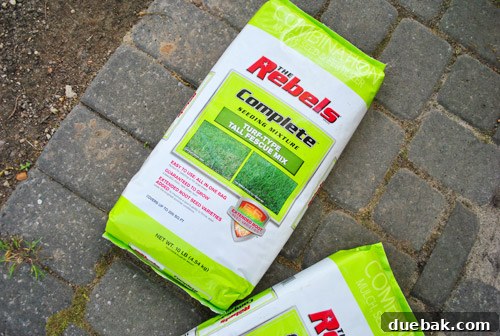
This integrated seeding mixture proved to be a practical choice for several reasons. Not only did it save us a step in the application process, but it also ensured that the young seeds received immediate nourishment, crucial for strong initial growth. For those facing similar time constraints or less-than-ideal planting conditions, these combined products can be a game-changer. It’s a testament to adapting your lawn care strategy to meet the specific demands of your environment and schedule.
Hand-Tossing vs. Broadcast Spreader: Precision Application for Small Areas
Another departure from our usual practice was the method of seed application. While a broadcast spreader is typically efficient for larger areas, I worried it would waste a considerable amount of the valuable seeding mixture by scattering it beyond the narrow strips we were targeting. Given the precise nature of our bare patches, a more controlled approach was needed. So, I opted to hand-toss the seed. This technique allowed me to be incredibly precise, ensuring the seed landed exactly where it was needed, minimizing waste and maximizing coverage in these specific areas.
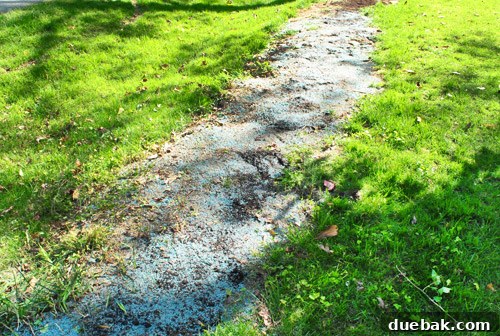
The motion I used was akin to how one might feed chickens – a gentle, sweeping toss designed for even distribution across the small, prepared strips. While perhaps not as professional-looking as a mechanical spreader, this hands-on method offered unparalleled control, proving perfect for our targeted lawn repair. For anyone working with small, intricate areas in their yard, a thoughtful hand application can often yield superior results, preventing over-seeding in some spots and under-seeding in others, ensuring a more uniform and dense lawn when the grass finally sprouts.
The Crucial Role of Watering: Daily Dedication to New Growth
Once the seed was meticulously spread, the next critical phase began: watering. This stage is paramount for successful germination and initial growth. Again, due to the relatively small and specific areas we were treating, I bypassed our usual sprinkler setup and instead utilized a simple garden hose. The key was consistency and timing. I committed to watering both seeded areas once daily, typically in the early morning or late evening. This strategic timing was vital to prevent the intense midday sun from evaporating the water too quickly or, worse, scorching the delicate young seedlings.
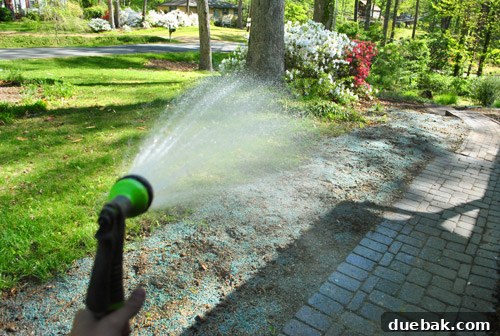
Each watering session was a thorough soaking, ensuring the top inch or two of soil remained consistently moist without becoming waterlogged. This daily dedication, though a bit of a chore, was a non-negotiable part of the process. Adequate moisture encourages the seeds to swell and sprout, establishing a robust root system before facing the challenges of the warmer weather. For any grass seeding project, remember that consistent, gentle watering is more effective than infrequent, heavy drenching, especially in those initial weeks of growth. This diligence truly pays off in the long run, setting the foundation for a healthy, thriving lawn.
A Quick Detour: Taming Wild Ferns Under the Magnolia Tree
Before diving into the exciting emergence of our new grass, let’s take a momentary detour to discuss another outdoor improvement project that coincided with our lawn renovation. This small but significant task involved an area under our magnificent magnolia tree, where a rather unruly collection of ferns had taken root. While ferns possess a natural charm, their presence in this particular spot was less than ideal, impacting our long-term landscaping vision.
Unwanted Guests: Clearing Under the Magnolia Tree
Underneath the sprawling canopy of our magnolia tree, a burgeoning population of ferns had made their home. While we generally appreciate ferns, their growth here felt haphazard and messy, clashing with our aesthetic preferences. We harbored specific plans for this area in the future, and these wild ferns simply didn’t fit into that picture. Our desire for a tidier, more deliberate planting scheme prompted us to make the decision: the ferns had to go. This wasn’t a rejection of the plant itself, but rather a strategic decision for the overall harmony of our garden design.
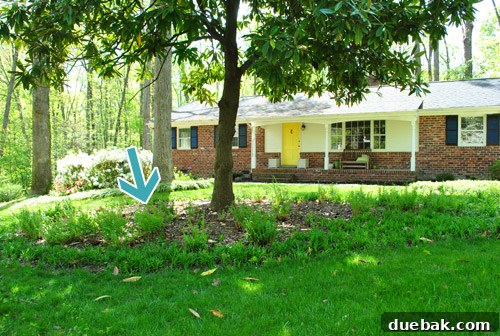
The ferns, though beautiful, were creating an undesirable visual clutter. Our goal for under the magnolia was a more curated, low-maintenance landscape that would complement the tree’s grandeur without competing with it. Removing them was the first step in preparing this area for future thoughtful planting, ensuring that every element of our front yard contributes to a cohesive and appealing design. This meticulous approach to clearing is essential for creating a blank canvas upon which new landscaping ideas can flourish without hindrance.
The Relocation Mission: From Messy to Mindful Landscaping
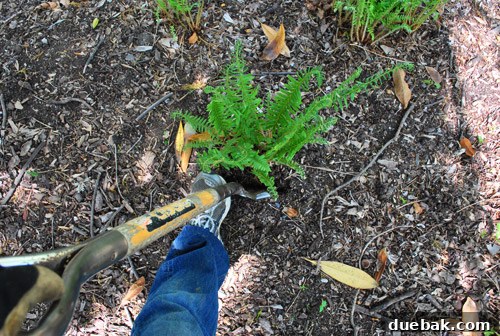
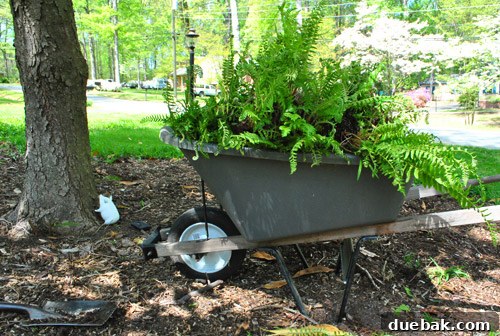
The task of removing the ferns proved to be more challenging than anticipated. Their root systems were quite established, requiring considerable effort to dig up. There were, in fact, so many ferns that I managed to fill two entire wheelbarrows with them. Rather than discarding them, we opted for a mindful relocation. These abundant ferns were hauled to our naturalized side yard, an area where they could take root and thrive without disrupting our main garden aesthetics. This approach aligns with our commitment to sustainable gardening practices, giving plants a new home where they can flourish naturally.
A humorous side note from this endeavor: one particular photo unintentionally captured our West Elm ceramic speaker-pig, seemingly attempting to escape up the magnolia tree, perhaps to avoid the wheelbarrow full of ferns. It was a lighthearted moment amidst the hard work, reminding us of the playful chaos that sometimes accompanies home improvement projects. #PigProblems, indeed! This anecdote adds a touch of personality to our story, highlighting the human element in every DIY project.
Envisioning the Future: Groundcover Dreams Under the Magnolia
With the ferns successfully relocated, the area beneath the magnolia tree was transformed into a large, empty circle of bare dirt. While this might seem stark, it represented progress – a clean slate. The absence of those gangly, creeping ferns was a significant improvement, replacing clutter with potential. Our long-term vision for this space is to plant some beautiful, low-lying green groundcover. This would create a more seamless and sophisticated look, moving away from the stark appearance of a “big-ring-of-dirt-under-a-tree-where-grass-won’t-grow.”
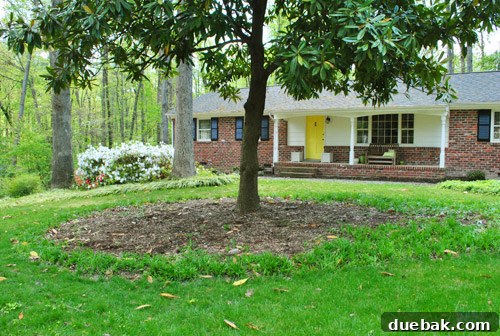
The choice of groundcover over traditional grass in this shady spot is intentional. Grass often struggles to thrive under dense tree canopies due to lack of sunlight and competition for water and nutrients. A carefully selected groundcover, however, can flourish in these conditions, offering a verdant, low-maintenance solution. This future planting will not only enhance the beauty of the magnolia tree but also integrate this previously problematic area into a cohesive and aesthetically pleasing front yard landscape. Someday, this bare patch will be a subtle, elegant feature, a testament to thoughtful garden planning.
The Reward: Watching the Grass Grow and Our Yard Come to Life
After all the preparation and diligent watering, the waiting game began. While some gratification was delayed, the ultimate reward of seeing our efforts literally take root was immensely satisfying. Watching the transformation from bare earth to lush greenery is truly one of the most fulfilling aspects of any lawn renovation project.
The First Signs of Life: Patience Pays Off
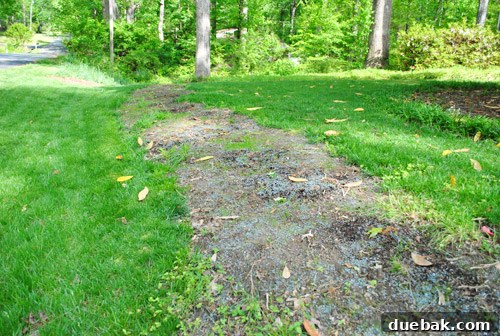
The initial 10 days post-seeding were a test of patience. Unlike our past experiences, where grass typically appeared around the seven-day mark, this time it took a little longer for the first hints of green to emerge. We attributed this slight delay to the fact that we were planting later in the season when temperatures were consistently warmer. The heat, while good for germination, can sometimes slow the initial visible sprouting compared to cooler, more temperate conditions. Nevertheless, seeing those first delicate blades of grass pierce through the soil was an incredibly exciting moment, signaling that our efforts were beginning to pay off.
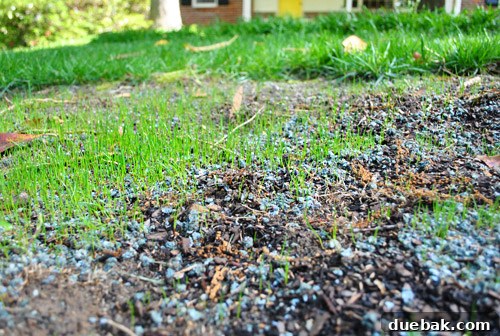
The subtle green tint that began to appear across the seeded areas was a clear indicator of progress. From a distance, it was a delicate wash of color, a stark contrast to the barren dirt that had been there for months. This stage is crucial for ensuring continued growth, reinforcing the need for consistent watering and protection from heavy foot traffic. The initial appearance of grass, even faint, fuels optimism and provides the motivation to maintain the care routine, knowing that a full, vibrant lawn is just around the corner.
Filling In Beautifully: A Lush Transformation Takes Shape
Fast forward another week or two, and the transformation was truly remarkable. The delicate green tint had intensified, and the grass was visibly filling in, creating a much denser and more uniform carpet. The once sparse patches were now lush and vibrant, exceeding our expectations for late-season planting. This rapid progression from barely-there sprouts to a respectable lawn was incredibly gratifying, demonstrating the effectiveness of our chosen seeding mixture and consistent care.
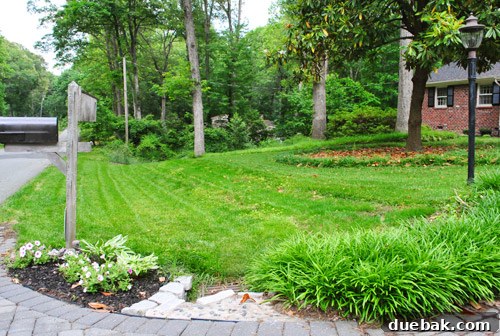
While a distinction between the fresh, neon-green new grass and the more mature, established lawn was still apparent, we knew this was a temporary phase. As the new grass matures and blends in, this color difference will become less obvious, eventually creating a seamless, uniform expanse. The sight of a healthy, growing lawn where there was once only dirt or unwanted plants filled us with immense pride and satisfaction. This stage marked a pivotal moment in our front yard makeover, signaling the successful culmination of weeks of planning and effort, paving the way for a more enjoyable outdoor space.
The Impact: Enhanced Curb Appeal and Easier Maintenance
The successful growth of our new lawn areas brought with it not just aesthetic pleasure but also tangible benefits in terms of functionality and property value. The transformation was dramatic, elevating our home’s curb appeal and simplifying our outdoor chores significantly.
From Barren to Bountiful: A New Front Yard Vista
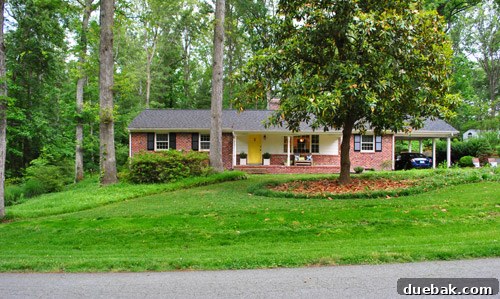
The sheer joy of seeing a continuous carpet of grass, entirely unobstructed by the previous array of bushes, ivy, or barren dirt, cannot be overstated. It was a vision we had harbored for months, and its realization brought an immense sense of accomplishment. Honestly, we wish we hadn’t waited 18 months of living here for this transformation to finally take place! The difference is night and day, making our front yard feel infinitely more inviting, tidy, and complete. This single project has had a profound impact on the overall feel of our home’s exterior, elevating it from neglected to pristine.
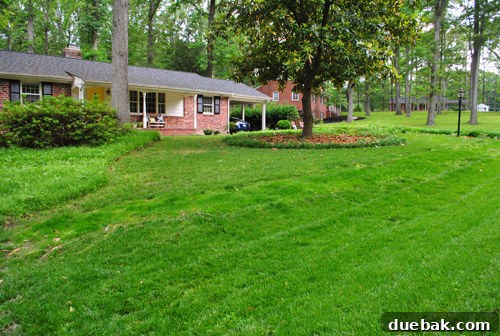
The unobstructed view of healthy grass enhances the perceived size and openness of our yard. It creates a calming visual flow that was previously interrupted by various plantings. This simplified landscape allows the architectural features of our home to stand out, rather than being overshadowed by busy shrubbery. It’s a classic example of how less can truly be more in landscaping, where a clean, green canvas can speak volumes about a well-cared-for home and garden.
Streamlined Mowing: A Practical Benefit of Our Lawn Makeover
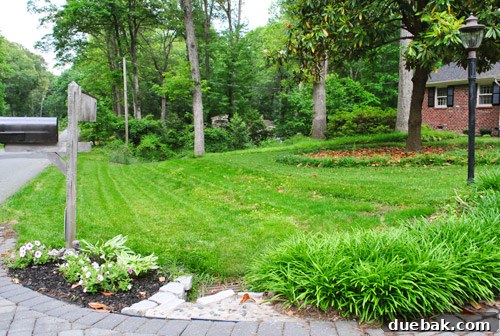
Beyond the visual enhancements, one of the most immediate and appreciated practical benefits has been the simplification of lawn maintenance. The removal of cumbersome bushes and uneven patches means that mowing is now significantly easier and faster. I no longer have to navigate around numerous obstacles, reducing the time and effort required to keep the lawn trim and tidy. The photos, taken shortly after mowing, clearly show the fresh wheel lines, testament to the smooth, unobstructed path the mower now takes.
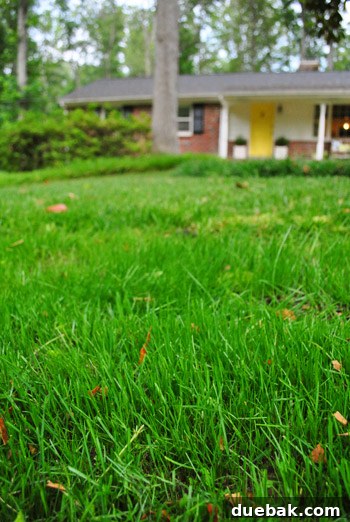
This streamlined mowing process not only saves time but also reduces wear and tear on the equipment, as there are fewer tight turns and less maneuvering required. A clean, open lawn is a joy to maintain, making regular upkeep a less daunting task. It reinforces the idea that thoughtful landscaping isn’t just about initial beauty, but about creating sustainable, easy-to-manage outdoor spaces that enhance daily living.
Addressing Uneven Growth: Future Plans for a Perfect Lawn
While the overall transformation has been a resounding success, we acknowledge that perfection is often a journey, not a destination. The stripe of new grass closer to the house, for instance, is having a slightly tougher time filling in as densely as the area by the street. This is likely due to varying soil conditions and water runoff patterns; the lower elevation near the street seems to receive more water, resulting in lusher growth there. It’s a common challenge in lawn care, and one we’re prepared to address.
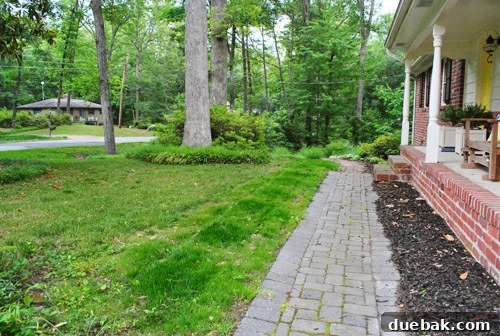
To ensure a consistently even and dense lawn, we are planning to overseed this particular path area again in the fall. Fall is often considered the ideal time for overseeding, as cooler temperatures and increased rainfall provide optimal conditions for new grass to establish without the intense heat of summer or the competitive growth of spring weeds. This additional step will help reinforce the grass in sparser spots, resulting in a more uniform and resilient lawn across the entire front yard. It’s a small extra effort that promises significant dividends in achieving the lush, green carpet we envision.
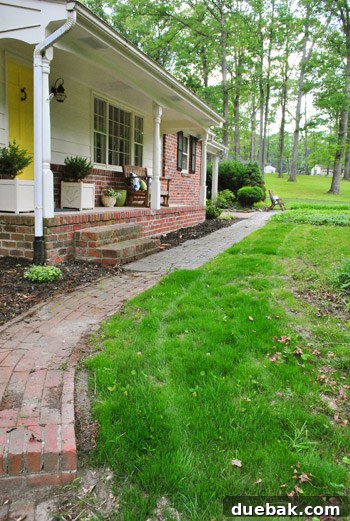
Indeed, it might not be absolutely perfect yet…
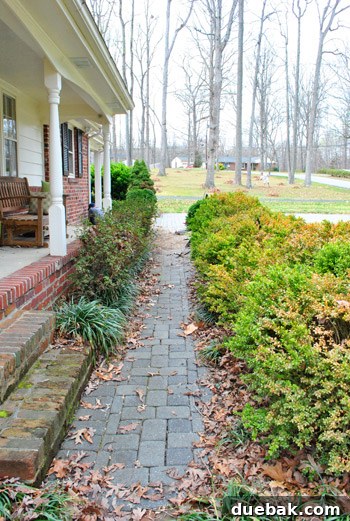
…but it is undoubtedly a massive improvement, a testament to what consistent effort and a clear vision can achieve in home landscaping.
Before and After: A Dramatic Front Yard Transformation
To truly appreciate the extent of our landscaping journey, it’s essential to look back at where we started. The “before” photos paint a vivid picture of a front yard that, while having potential, was in dire need of attention. Comparing these initial images with the present-day view unequivocally showcases the dramatic transformation and the remarkable impact of our efforts.
The Full Picture: From Neglect to Perfection in Our Front Yard
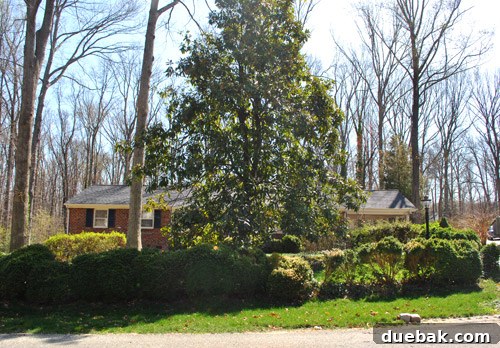
Let’s take a moment to revisit a “before” shot from about a week after we first purchased this house. This image captures the yard in its raw state, even before we undertook minor enhancements like trimming the magnolia tree. It reveals an outdoor space that was overgrown, undefined, and frankly, a bit neglected, failing to complement the charm of the home itself. This initial perspective highlights the substantial canvas we had to work with and the significant vision required to see its potential.
And now, behold the transformation! Here we are today, gazing upon a front yard that exudes freshness, order, and curb appeal. The once cluttered and undefined spaces have been replaced by a verdant, expansive lawn. The unsightly bushes and dirt paths are gone, replaced by a smooth, green carpet that gracefully frames the house. This comprehensive makeover, born from a series of deliberate improvements, including this latest grass planting, has culminated in a front yard that is not only aesthetically pleasing but also a true reflection of a well-loved and meticulously cared-for home. It truly is “grass-tastic” if you ask us!
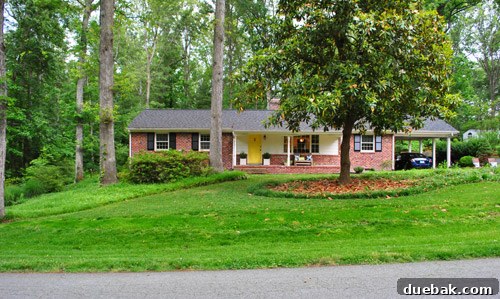
This revitalized front yard, with its newly laid grass strips, now perfectly complements the existing landscape. The added grass, specifically the three-foot strips along the front and beside the path, effortlessly integrates with the rest of our lawn. Remarkably, this significant boost in curb appeal only adds a few extra minutes to our mowing routine – perhaps five more minutes, a small price to pay for such a dramatic and satisfying visual upgrade. It’s a testament to how targeted improvements can yield immense returns in both beauty and functionality.
Have you embarked on any lawn renovation projects this year, perhaps playing the grass seed game yourself? We’d love to hear about your triumphs, trials, or any valuable lessons learned while planting grass around your home. Are you, like us, slowly but surely making progress on outdoor improvements? It’s easy to get discouraged when exterior projects seem to stretch on forever, but we’ve learned from experience that a series of small, consistent updates over time can lead to truly dramatic results. So, keep the faith, stay persistent, and always make sure your ceramic pig isn’t attempting to stage a great escape!