
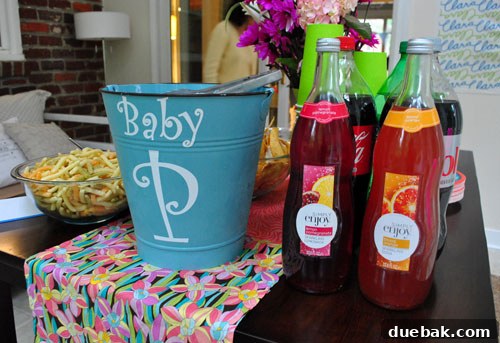
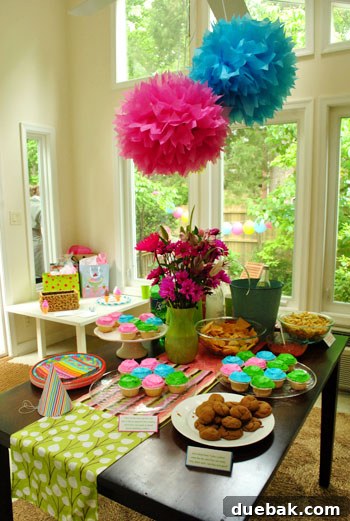
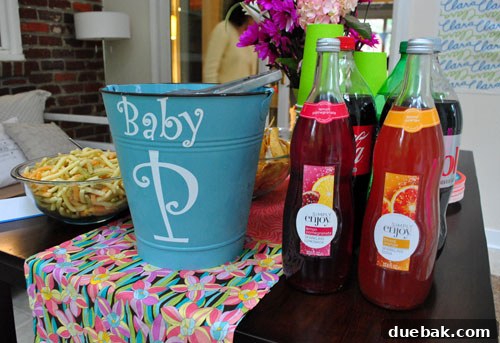
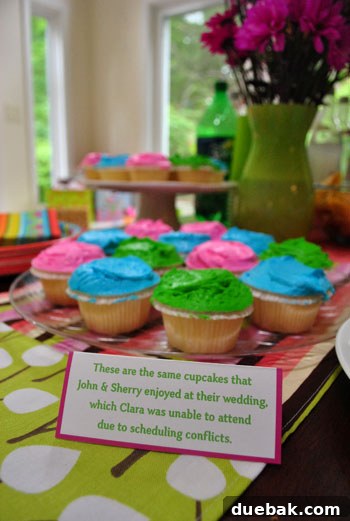
Welcome, fellow aspiring makers and seasoned crafters alike! Today, I’m thrilled to share a journey into the world of fabric, thread, and surprisingly, self-discovery. While my personal relationship with running involves a lot more chasing after toddlers than competitive races, my knack for “making” a runner – a beautiful fabric one, that is – is undeniable. You might have caught a glimpse of my latest creation recently, brightening up the festivities at Clara’s party:
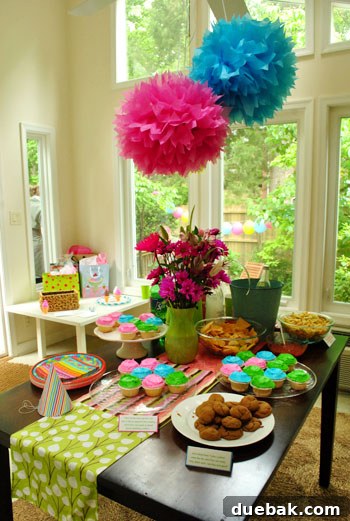
And let me assure you, this project was an absolute breeze, especially when compared to the epic challenge of my larger quilt endeavor. Sometimes, all you need is a quick, gratifying sewing project to build momentum and rekindle your passion for creating. Call it a confidence boost, a skill-builder, or simply a dose of “sew-mentum”—it truly works! (Yes, I just coined a sewing pun, and Mom, happy belated birthday! This one’s for you.) So, without further ado, let’s dive into the simple steps that brought this cheerful fabric runner to life.
Choosing Your Fabrics: A Burst of Personality
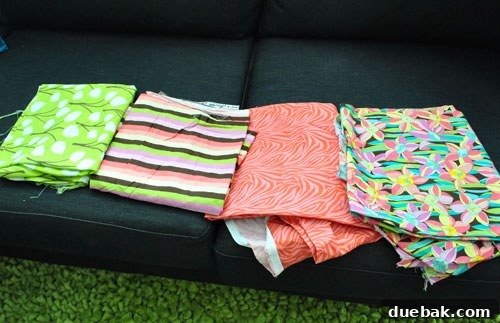
The magic often begins with the fabric. For this particular runner, I had the delightful opportunity to rummage through a treasure trove of leftover fabrics from Clara’s weekly photo project. This meant not only was the project cost-free (always a bonus!), but I also had a wonderful array of prints and patterns to choose from. The key was to select four fabrics that, while distinct, harmonized beautifully together. I aimed for a vibrant, happy-go-lucky aesthetic – a mix-and-match effect that felt both playful and cohesive. Think about colors that complement each other, patterns that offer variety without clashing, and textures that add interest. This initial selection truly sets the tone for your finished piece.
Preparing Your Fabric: Sizing, Cutting, and Seam Allowance Essentials
Once your fabrics are chosen, proper preparation is paramount. First, and this is a crucial step often overlooked by beginners, ensure all your fabrics are washed and ironed. Pre-washing helps to combat any potential shrinkage later on, ensuring your runner maintains its shape and size after its first wash. Nobody wants a shrunken runner!
Next, determine the dimensions of your desired runner. I found it incredibly helpful to use an existing table runner that I already owned (a trusty old find from Target) as a guide. This eliminated guesswork and ensured my new creation would be a practical and appealing size. I folded this reference runner into quarters, both lengthwise and widthwise. This simple action provided a clear template for the individual fabric panels I needed to cut.
When cutting your four fabric rectangles, it’s essential to factor in seam allowance. I added approximately an inch of overhang on all sides of each panel. This extra fabric ensures that once the seams are sewn, your runner will still achieve the intended width and length. It’s a small detail, but it makes a massive difference in the professional appearance and structural integrity of your finished piece. This method allows for flexibility and precision, even if you don’t have a specific pattern to follow.
The Sacred Scissors and Ironing Rituals
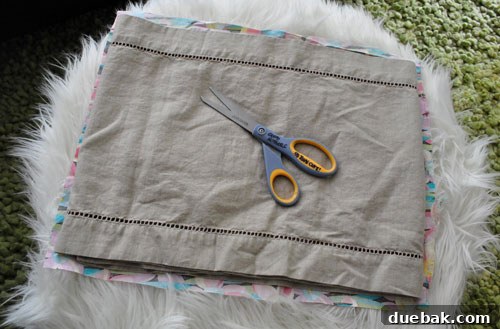
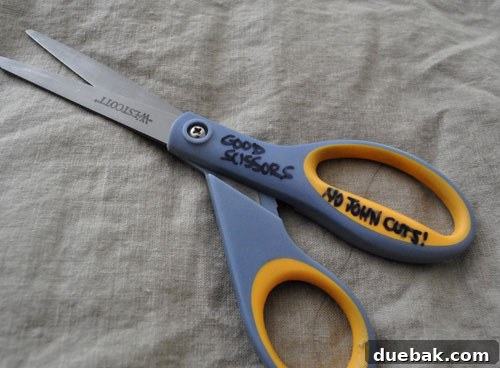
Before moving on, a brief but important digression: my “good scissors.” If you’re a crafter, you likely understand the sanctity of dedicated tools. I’m notoriously particular about my sewing scissors, so much so that I’ve inscribed a permanent message on them with a Sharpie: “NO JOHN CUTS.” This may sound like a humorous anecdote, and it is, but it also highlights a common truth among makers – protecting your sharp, precise tools is key to successful crafting. My husband, bless his heart, has a knack for using the “good” ones for, shall we say, less delicate tasks, like trimming branches or slicing through impenetrable plastic packaging. This tiny act of micro-management has proven incredibly effective, preserving the sharpness of my beloved scissors for their intended purpose. And for that, John, I love you, babe.
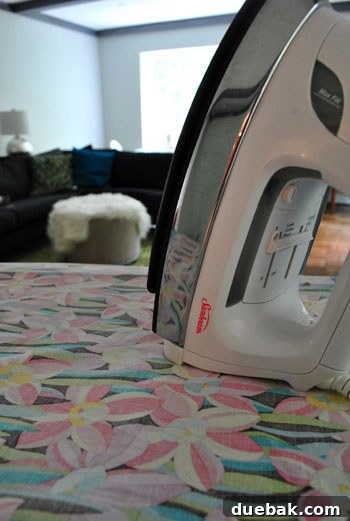
With my precious scissors safely guarded, the next step was to return to the fabric and ensure it was perfectly prepared for sewing. Even though the fabric had been pre-washed, a good ironing session is crucial. Laying out each of the four fabric rectangles and giving them a thorough press removes any lingering wrinkles or creases. This might seem like an extra, tedious step, but ironing before you sew makes an incredible difference. It allows for more accurate cutting, more precise pinning, and ultimately, straighter, cleaner seams. A smooth, flat surface is your best friend when navigating a sewing machine, especially for a project like this where visible seams contribute significantly to the finished look.
Assembling the Panels: Pinning and Stitching for Seamless Results
Now for the exciting part – bringing the fabric panels together! I began by pinning each section together, making sure the “bad” (wrong) sides of the fabric were facing out. This technique is fundamental for creating invisible seams, where the raw edges are neatly enclosed within the finished project. For beginners, invisible seams are fantastic because they are far more forgiving and less prone to visible errors. For those who kindly offered the tip about pinning perpendicularly to the seam line – I truly appreciate it! I momentarily forgot that invaluable advice during this project but will absolutely implement it next time. Perpendicular pinning allows you to sew right over the pins, removing them just as the needle approaches, which saves time and helps keep fabric from shifting.
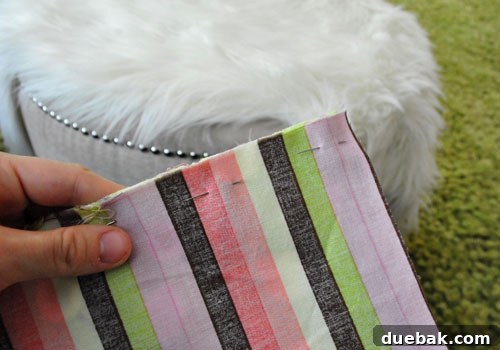
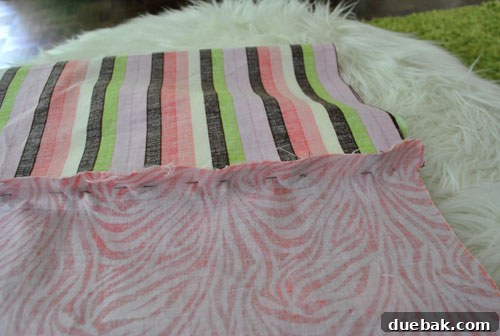
Initially, with all the pins in place and the wrong sides showing, the project can look a little… questionable. It takes a leap of faith to trust that the process will yield a beautiful outcome. However, I’ve learned that with sewing, patience and adherence to steps often lead to surprising successes. I had a rare moment of confidence, envisioning how those seemingly “ganked up” pinned sections would transform once ironed and stitched.
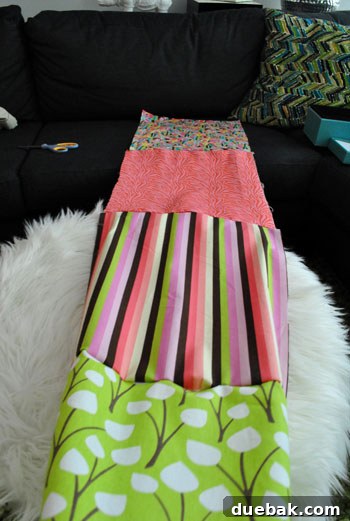
And sure enough, a little bit of careful stitching on the sewing machine made all the difference. It’s truly a marvel how a machine and some thread can transform disparate pieces of fabric into a cohesive unit. This project marked a significant personal milestone for me. My relationship with sewing machines has historically been, shall we say, tumultuous. But these days, things are changing! I might even be developing a tiny crush on my trusty “Oh Brother” machine, as previously documented here. It’s a testament to how even the most resistant of sewers can find their rhythm and achieve pleasing results with a bit of practice and an encouraging project.
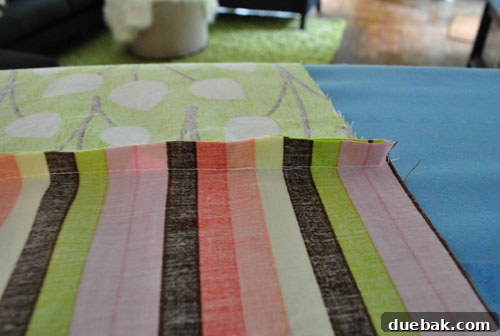
The Art of Pressing: Flat Seams for a Polished Finish
Once the initial seams were sewn, the next critical step for a professional finish was pressing them flat. From the back, I ironed the seams open, or to one side, depending on the fabric and desired look. This prevents bulk and ensures the seams lie nice and flat, contributing to a smooth, tailored appearance from the front. Without proper pressing, your runner could end up with bunched-up seams, creating an unsightly “runner wedgie” effect underneath the surface. This step might seem minor, but it elevates the entire project from homemade to handcrafted. It’s a subtle detail that makes a profound impact on the overall quality and drape of the fabric.
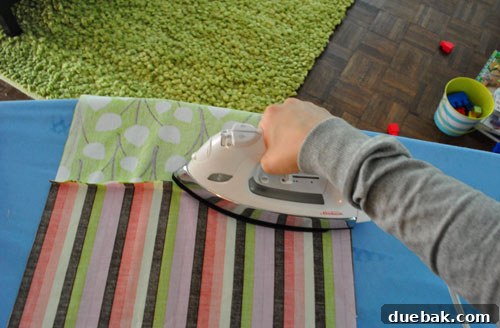
Hemming the Ends: The Gutsy No-Pin Approach
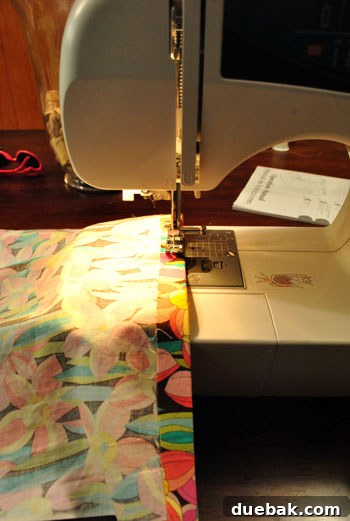
With the main body of the runner assembled, it was time to create the finished edges. I tackled the two short ends first, ironing them down to create crisp, clean hems. This time, I decided to go rogue – no pins! Feeling particularly gutsy (and with a baby on the verge of waking up from her nap, prompting a “why-the-heck-not” attitude), I went straight to the iron. While pinning is generally recommended for precision, sometimes a little spontaneity works wonders, especially on simpler projects when you’re pressed for time.
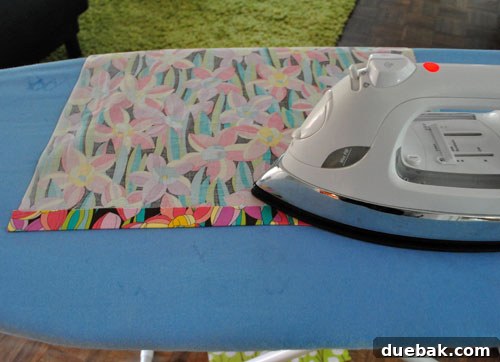
Then, I carefully sewed these two end seams. These are visible seams, which can still be a bit intimidating, even for someone building their sewing confidence. However, by taking it slow and steady, focusing on keeping the stitching line as straight as possible, the results were incredibly satisfying. Within about five minutes, both ends of my runner boasted beautifully tailored seams, all achieved without the use of a single pin – a sweet victory indeed!
Finishing the Sides: The Final Hemming Steps
With the ends neatly finished, the unhemmed long sides of the runner were next. Following the success of my previous “no-pin” adventure, I ironed these sides down as well. There’s something liberating about finding shortcuts that work, like unlocking a new level in the video game of sewing. The iron provided a stable crease, making the sewing process significantly easier and more accurate.
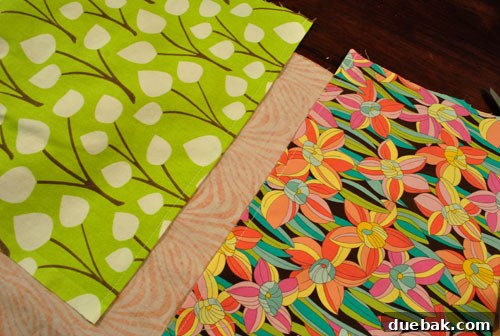
Pressing the edges before stitching is a highly recommended practice for any beginner. It creates a crisp fold that guides your needle, leading to much straighter and more consistent hems. This simple step can drastically improve the final appearance of your project and reduce frustration. It takes a few extra moments, but the payoff in terms of neatness and ease of sewing is immeasurable. Think of it as mapping out your path before you begin the journey.
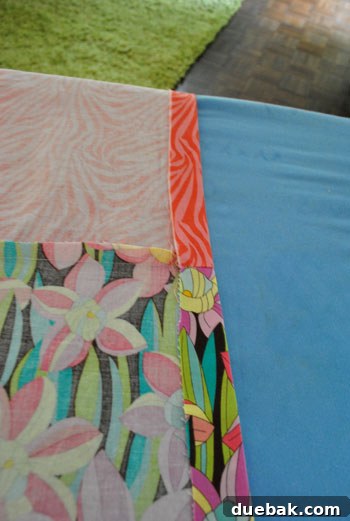
Finally, I slowly and carefully stitched around these ironed edges, completing the neat hem all the way around the runner. Aside from the perpetually annoying moment when the bobbin thread runs out mid-stitch (a universal sewing frustration, I’m not gonna lie), the process was surprisingly smooth and enjoyable. Dare I say it? I was actually enjoying the sewing process. Cue the collective gasp from anyone who knows my past sewing struggles!
After turning off my sewing machine and carefully removing my freshly completed runner, I gave the entire piece one last thorough press. This final ironing session helps to set the stitches, crisp up any remaining folds, and ensure the runner looks perfectly tailored and ready for its debut. Houston, we have a runner!
The Joy of a DIY Fabric Runner: Versatility, Cost-Effectiveness, and Beginner Empowerment
This beautiful fabric runner is destined to grace many more Clara parties in the future, and likely countless other celebrations too. Its cheerful and festive design makes it incredibly versatile, suitable for a myriad of occasions. It even has a lovely Easter-ish vibe, making it perfect for a fun egg-dyeing party or a spring brunch. The best part? The total cost for this project was absolutely zero bucks! Thanks to having all the fabric scraps already on hand, it was a truly budget-friendly endeavor.
As for the time commitment, I knocked this project out in approximately 45 minutes to an hour. This makes it an ideal project for anyone, especially beginners who might feel overwhelmed by more complex sewing tasks. If you’re thinking I’m suddenly a sewing prodigy because of this, let me be clear: I am not. I’m not even junior varsity. I am, perhaps, the water boy of sewing. I often don’t know the proper terminology, and I make plenty of mistakes along the way. However, this project is a testament to the power of simply “messing around” until you achieve something you genuinely like. It’s a surprisingly effective approach that builds confidence and hands-on skill.
So, take this as a sign: if someone like me, who has historically had a somewhat cursed relationship with sewing machines, can tackle and successfully complete a simple project like this, then you absolutely can too. And chances are, you’ll probably do it even better than I can! This project proves that you don’t need to be an expert to create something beautiful and functional for your home or special occasions. All it takes is a willingness to try, a few basic supplies, and a little “sew-mentum.”
Psst- Our baby-proofing adventures continue over on BabyCenter today. Can you handle the excitement?