
Unlocking the Art of Textile Layering: Why Your Living Room Needs More Fabrics Than You Think
Recently, while indulging in some well-deserved relaxation and catching up on Sarah Richardson’s design show (a huge thanks to the DVR for making that possible!), a particular comment from the renowned interior designer truly stopped me in my tracks. Sarah Richardson, an undisputed expert in crafting beautiful, cohesive spaces, casually mentioned that by the end of a typical room makeover, she usually incorporates anywhere from 10 to 14 different fabric textiles into the design.
My initial reaction, much like the title of this post suggests, was one of pure astonishment. Doesn’t that number sound incredibly high? To a casual observer or someone not immersed in the world of interior design, combining so many different textiles might seem daunting, perhaps even chaotic. Sarah, of course, possesses an extraordinary talent for seamlessly blending prints, patterns, and textures, creating harmonious yet dynamic environments. However, I struggled to picture an “average Joe” confidently strolling into a fabric store, selecting 10 to 14 swatches, and knowing exactly how to bring them all together in a cohesive and stylish manner. It felt like a secret known only to seasoned professionals.
But then, as I continued to watch her work, a lightbulb went off. I realized that her count wasn’t just limited to decorative throw pillows. She was meticulously tallying every single textile element: the foundational upholstery fabric on sofas and chairs, the sophisticated material gracing headboards, the functional yet beautiful curtains, and indeed, a multitude of thoughtfully chosen accent pillows. With this new understanding, a wave of curiosity washed over me.
My Own Living Room Fabric Expedition
Still lounging comfortably in my living room at 11 PM, engrossed in that very show, I decided to embark on my own textile expedition. I began to look around, meticulously counting every fabric and textile that contributed to the aesthetic and comfort of my personal space. The results, as you’ll see, were surprisingly eye-opening and brought me much closer to Sarah Richardson’s magical number than I ever would have guessed.
- 1. Karl The Sectional’s Dark Gray Fabric (Ikea): The cornerstone of our living space, this dark gray fabric on our sectional provides a neutral, grounding base. Its durable weave makes it perfect for everyday life, offering both comfort and practicality without dominating the room’s palette. It’s a workhorse fabric that allows other textiles to shine.
- 2. Faux Leather Seat of Our Desk Chair (Target): A pragmatic choice for a high-use item, the faux leather on our desk chair adds a touch of modern utility. Its smooth, resilient surface offers a subtle contrast in texture to the softer, more inviting fabrics elsewhere in the room. This piece, acquired four years ago, perfectly blends function with a sleek appearance.
- 3. The Curtains (Ikea): These curtains, a recent addition from Ikea in April, are more than just window dressings. They soften the architectural lines of the room, provide privacy, and control natural light. Their flowy, light material adds an airy elegance, contributing to the room’s overall ambiance.
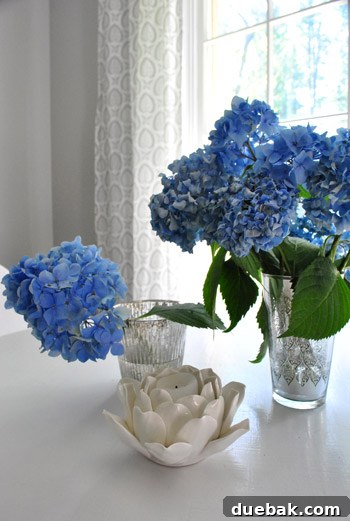
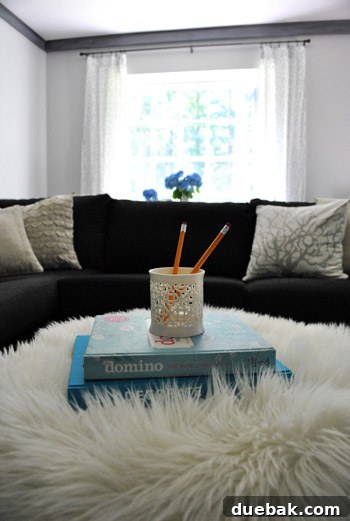
- 4. The Linen-Like Fabric on the Ottoman (Marshall’s): Serving as a versatile coffee table and extra seating, the ottoman is covered in a beautiful linen-like fabric. This material introduces a sophisticated, yet casual texture, providing depth and a touch of organic warmth to the central area of the room.
- 5. The Faux Sheepskin Draped Over the Ottoman (Ikea): Layered over the linen-like ottoman, this plush faux sheepskin from Ikea, acquired last year, immediately elevates the comfort factor. It’s a luxurious, tactile element that invites touch and adds a visually soft, inviting aesthetic, making the room feel instantly cozier.
- 6. The Green Zebra Pillows (West Elm): These vibrant green zebra-patterned pillows, a recent find from West Elm, introduce a playful yet chic pop of color and an unexpected graphic element. They break up the monotony of solid colors and inject personality into the seating arrangement.
- 7. The Printed Pillows I Tea Stained (Etsy): These unique printed pillows, originally sourced from this wonderful Etsy shop and then lovingly tea stained by hand, offer a beautiful, personalized touch. Their subtle, aged charm and intricate patterns add a layer of handcrafted artistry and a vintage feel.
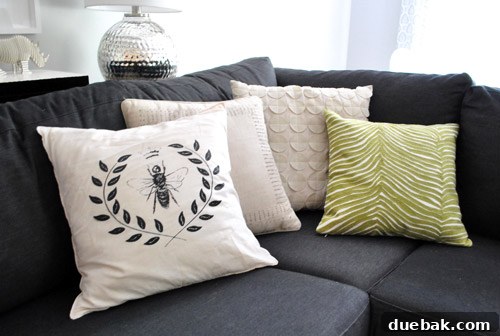
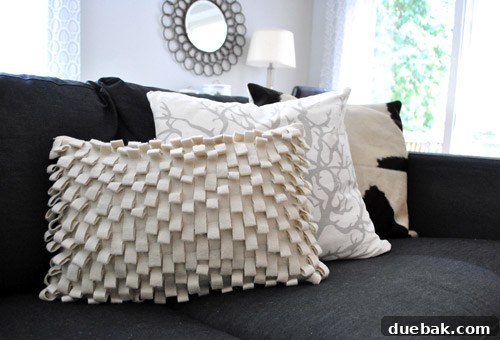
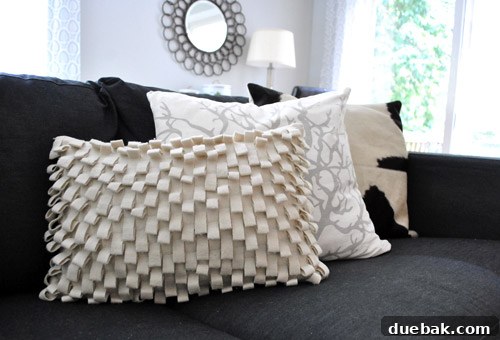
- 8. The Textured Felt Pillows (Crate & Barrel): From Crate & Barrel, these textured felt pillows contribute significant tactile interest. Their rich, dense texture and muted tones provide a sophisticated contrast to the smoother fabrics, adding a cozy, substantial feel to the sofa.
- 9. The Branch Pillow (Ikea): This whimsical branch-patterned pillow from Ikea introduces an organic, nature-inspired motif. It’s a subtle nod to the outdoors, adding a gentle artistic element and a touch of modern botanical charm to the ensemble.
- 10. The Faux Cow Pillow (Ikea): A bold and fun statement, the faux cow print pillow from Ikea brings a rustic yet contemporary edge to the seating area. It adds a playful, unexpected element that serves as a conversation starter and demonstrates an adventurous approach to pattern mixing.
- 11. The Shag Mohair Pillow (Target): This shag mohair pillow, a recent find from Target, is all about luxurious texture. Its deep pile and soft feel add an undeniable element of comfort and opulence, making the seating area feel more inviting and indulgent.
- 12. The Soft Champagne-y Metallic Pillows (Bed Bath & Beyond): These beautiful pillows, acquired years ago from Bed Bath & Beyond, feature a subtle champagne-y metallic sheen. They catch the light beautifully, adding a delicate sparkle and a touch of understated glamour that elevates the entire decor.

Twelve! That was my final tally. Who would have thought? This number perfectly falls within the 10-14 range that Sarah Richardson effortlessly weaves into her designs. It’s true that many of these fabrics lean more towards tone-on-tone or heavily textured finishes rather than boldly patterned ones, allowing our colorful rug and vibrant wall art to take center stage. Yet, the sheer variety of materials is undeniable. It’s fascinating to realize how we, perhaps subconsciously, managed to mix so many different textiles together, creating a layered and inviting space without the meticulous tailoring and professional guidance a designer like Sarah Richardson provides. This personal experiment truly underscored the power of textiles in adding character and depth to a home.
The Art of Layering Textiles: A Practical Guide for Your Home
The realization that a well-designed room often features a multitude of fabrics is a game-changer for anyone looking to elevate their home decor. Textile layering is not just a designer’s trick; it’s an accessible method to infuse your living spaces with warmth, personality, and sophisticated visual interest. It’s about building depth, creating a rich sensory experience, and making a room feel truly lived-in and loved.
Why Layer Fabrics?
Layering textiles is essential for several reasons. Firstly, it adds immense **depth and dimension** to a room, preventing it from feeling flat or sterile. Secondly, it contributes to the overall **warmth and coziness**, transforming a house into a home. Thirdly, it’s a fantastic way to introduce **texture, pattern, and color** in varying degrees, allowing for a harmonious blend that tells a story. Lastly, fabrics play a crucial role in **acoustic dampening**, making a room feel quieter and more comfortable.
How to Master Textile Layering in Your Home
Achieving Sarah Richardson’s masterful layering isn’t as intimidating as it seems. Here are some practical tips to help you build your own textile-rich environment:
- Start with a Foundation: Begin with the largest fabric elements in your room. This usually means your sofa or sectional upholstery and an area rug. These larger pieces often serve as neutral bases, allowing you to introduce more adventurous textures and patterns in smaller doses. Opt for durable, versatile fabrics for these foundational pieces.
- Embrace Texture Variety: This is arguably the most crucial aspect of layering. Mix different tactile experiences to create interest. Combine smooth silks or velvets with rough linens, chunky knits with delicate cottons, or soft faux furs with structured felt. Imagine running your hand across the room – every surface should offer a unique sensation. Don’t be afraid to contrast matte finishes with subtle sheens.
- Introduce Pattern Thoughtfully: While our living room leaned towards tone-on-tone, patterns are vital for visual dynamism. The trick is to vary the scale of your patterns. Pair a large-scale geometric print with a medium-sized floral and a small-scale stripe or dot. Ensure there’s a common color thread running through them to maintain cohesion. Don’t feel pressured to use many bold patterns; even subtle jacquards or tone-on-tone patterns can add immense value.
- Play with Color Accents: Textiles are perfect for injecting color without commitment. Use throw pillows, blankets, or even curtains to introduce accent colors that complement or contrast your main palette. You can stick to varying shades and tints of a single color family for a monochromatic yet rich look, or introduce a vibrant pop of a complementary hue for energy.
- Don’t Forget the Throws and Blankets: These are your most flexible fabric layers. A chunky knit throw draped over a sofa, a cashmere blanket folded over an armchair, or a faux fur throw casually tossed on an ottoman instantly adds warmth, texture, and an inviting vibe. They are easy to swap out seasonally or when you want a quick refresh.
- Consider Window Treatments: Curtains and drapes add significant fabric real estate to a room. They offer an opportunity to introduce another layer of texture, pattern, or color, and they dramatically affect the room’s mood and light. From sheer linens to opulent velvets, the choice of fabric can set the tone for the entire space.
- Look Beyond the Obvious: Think about other fabric elements you might overlook. Are there fabric-covered lampshades? Perhaps a fabric-backed piece of art or even a wall hanging? These less conventional uses of textiles can significantly contribute to your fabric count and the overall layered effect.
Beyond the Living Room: Applying the Principle Everywhere
This principle of abundant textile layering isn’t confined to the living room. Imagine your bedroom, for instance: the bedding (sheets, duvet cover, quilt), pillow shams, accent pillows, a decorative throw at the foot of the bed, the headboard upholstery, curtains, and an area rug – easily pushing past a dozen fabrics. In a dining room, think chair upholstery, a tablecloth or runner, and window treatments. Embracing textiles across your home will create a cohesive, inviting, and beautifully nuanced environment.
What’s Your Fabric Count?
So, after this deep dive into the world of textiles and the surprising revelations from Sarah Richardson and my own living room, I’m genuinely curious: how many fabrics do you guys have going on in your living space? Does your count fall within that 10-14 range? Is it way lower, indicating a preference for a more minimalist approach? Or is it perhaps even higher, reflecting an incredible knack for layering? For some strange reason, I am absolutely dying to know how things stack up in everyone else’s homes.
Tell me, tell me your numbers! And on a related note, can we just take a moment to appreciate Sarah Richardson’s impeccable style? Her blazers are always on point, and her hair always appears perfectly glossy and styled. The woman truly has an innate sense of style for days, both in her designs and her personal presentation. It’s inspiring!
Don’t hesitate to experiment with different textures and patterns. Your home is a canvas, and textiles are the brushes that bring it to life. Happy decorating!