
When selecting the perfect white paint for your home, the choices can seem endless and often confusing. Among the multitude of options, Sherwin-Williams Extra White (SW 7006) stands out as a consistently popular choice. Despite its name, which might suggest it’s the absolute brightest white on the market, Extra White offers a refined crispness that makes it incredibly versatile. It’s a clean, pure white with subtle nuances that dictate its optimal use in various spaces within your home. This comprehensive guide will delve into what makes SW Extra White so beloved, exploring its undertones, ideal applications, and how it compares to other top-selling white paints, helping you decide if it’s the right fit for your design vision.
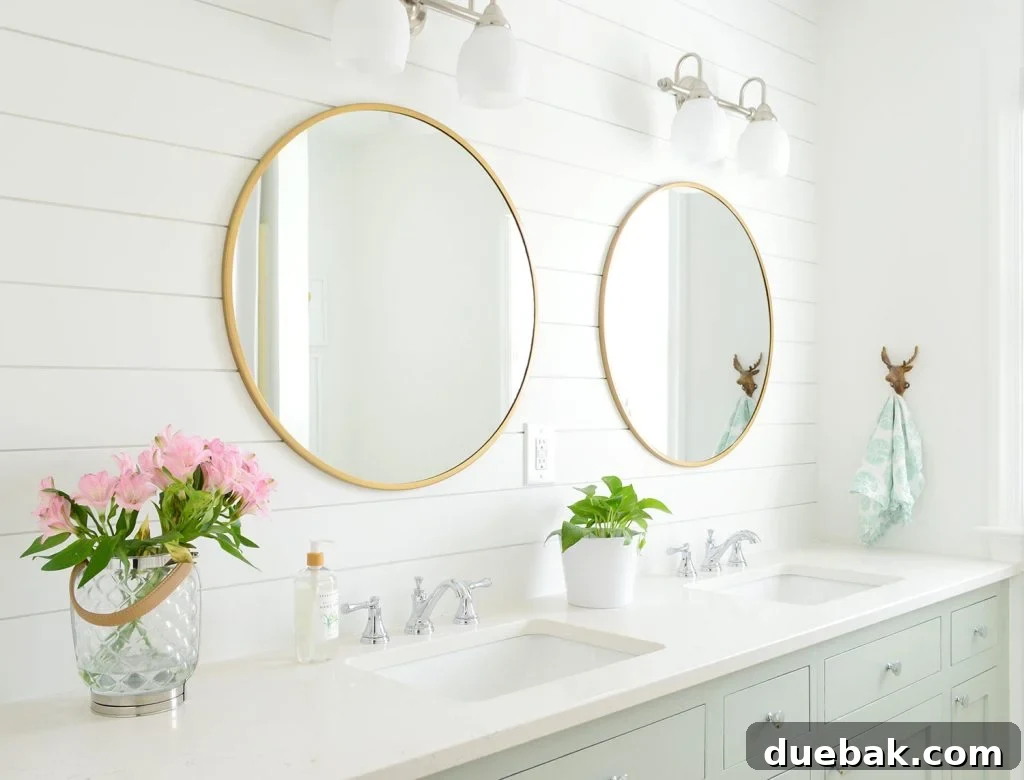
Table of Contents
What Makes SW Extra White a Popular White?
Extra White consistently ranks as one of the most sought-after white paints in the market. Many white paints feature names like “Super White,” “Ultra White,” “Pure White,” or “Simply White,” suggesting they are the quintessential brightest white. Interestingly, none of these, including Extra White, are actually the absolute brightest white available. (We’ll reveal the truly brightest one later in this article!) This often leads to a common misconception that a “true white” must be the highest on the brightness scale.
So, if it’s not the whitest, what exactly accounts for Extra White’s immense popularity and its designation as an excellent choice for homes? The answer lies in its sophisticated balance. For interior spaces, an overly bright white can often appear harsh, stark, or even sterile, making a room feel cold and unwelcoming. Homeowners and designers typically gravitate towards white paints that are slightly muted, possessing subtle undertones that harmoniously complement other colors and finishes within a space. This prevents walls from feeling overwhelming or blindingly stark.
Extra White’s popularity stems from its ability to strike this perfect equilibrium. It delivers a bright, clean, and seemingly colorless appearance without crossing the line into excessive starkness or a clinical feel. It’s a classic white paint that acts as a superb backdrop, allowing artwork, furniture, and other decor elements to truly shine. Its reliability and clean aesthetic make it a safe yet strong selection, widely favored by interior designers, DIY enthusiasts, and home builders for a wide range of residential projects.
Is Extra White Warm or Cool?
Sherwin-Williams Extra White is characterized as a cool white, though its coolness is exceptionally subtle. This delicate balance is precisely why it consistently reads as a true, crisp white across a multitude of spaces and lighting conditions. In contrast, warmer whites, with their inherent hints of yellow or beige, can sometimes take on a creamy or off-white appearance, especially under certain types of light. If your goal is to achieve a clean white aesthetic without any yellowing or creaminess, Extra White is an outstanding choice.
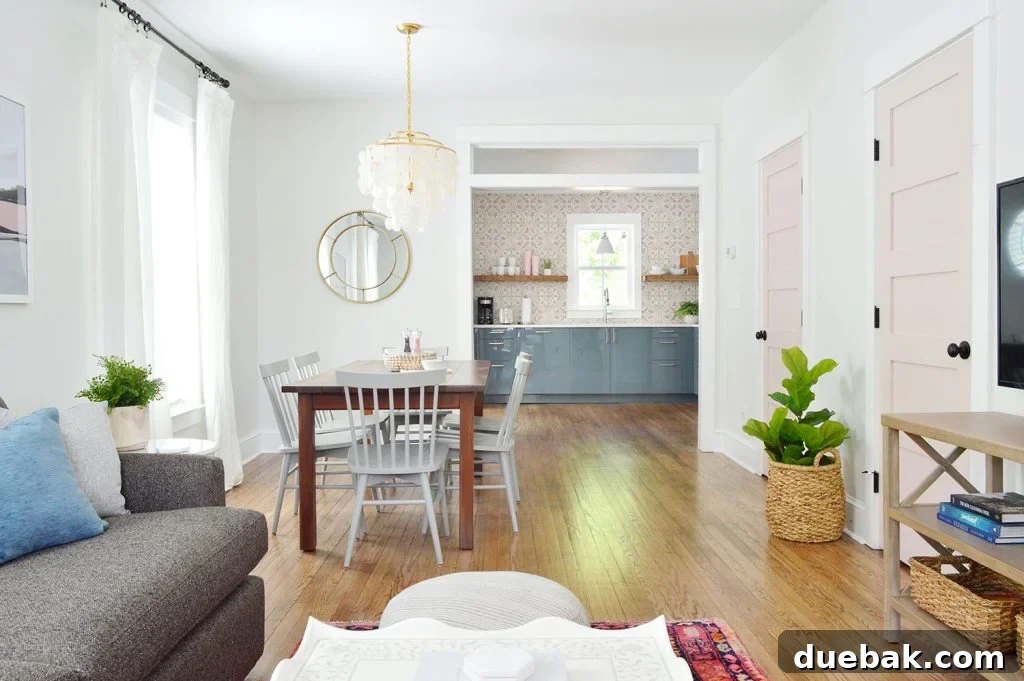
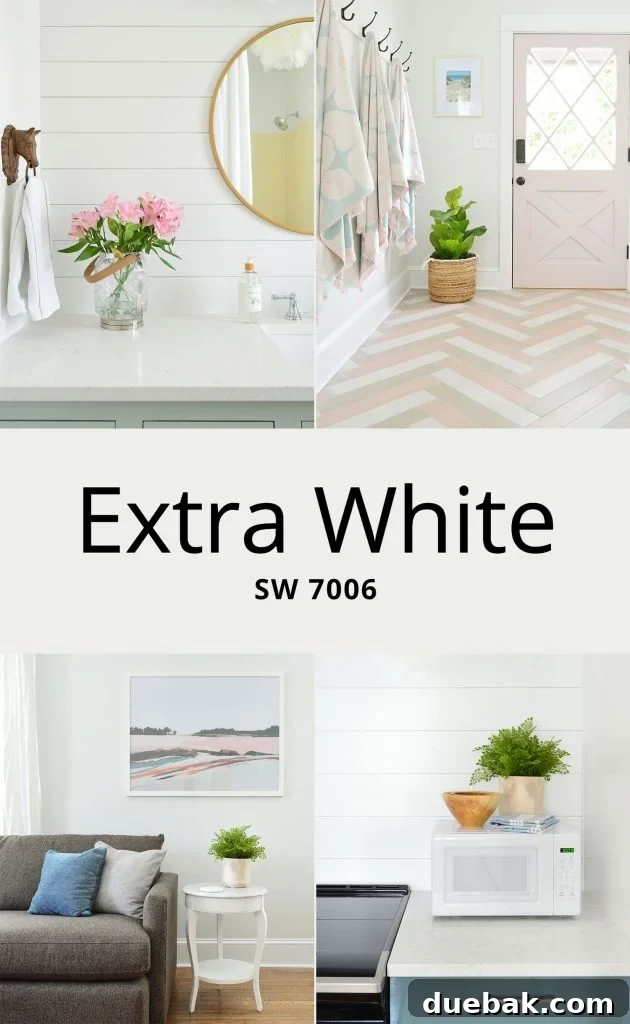
What sets Extra White apart is that while it leans cool, it doesn’t skew so intensely cool that it begins to reveal strong gray, blue, or violet undertones. This can often happen with even cooler white paints, which might make a room feel icy or stark. Its just-right touch of coolness means it harmonizes beautifully with other cool-toned elements and finishes within a room. For instance, it pairs wonderfully with gray furnishings, blue cabinetry, cool-toned marble, or even vibrant cool-pink doors, as seen in the example above. In that particular home, Extra White was strategically used on the trim to create a consistently crisp white outline, complementing the slightly warmer Sherwin Williams Spare White on the walls.
Understanding this subtle cool characteristic is key to successful paint selection. Extra White can enhance a modern or minimalist aesthetic, providing a sharp contrast or a fresh, airy backdrop. It’s particularly effective in spaces where you want to emphasize cleanliness and contemporary design, creating a bright and inviting atmosphere without any perceived warmth that might detract from a clean palette.
What is Extra White’s Undertone?
The beauty of Sherwin-Williams Extra White lies in its incredibly subtle undertone, which is primarily a soft blue. Some discerning eyes may also detect very faint hints of green. However, the most crucial takeaway is that these undertones are remarkably difficult to perceive, allowing Extra White to consistently achieve that coveted bright, clean, and truly white appearance in the vast majority of spaces. This characteristic is precisely why it’s so widely appreciated; it artfully sidesteps the common pitfalls of other white paints, which often exhibit noticeable yellow, pink, or beige undertones that can alter a room’s intended aesthetic.
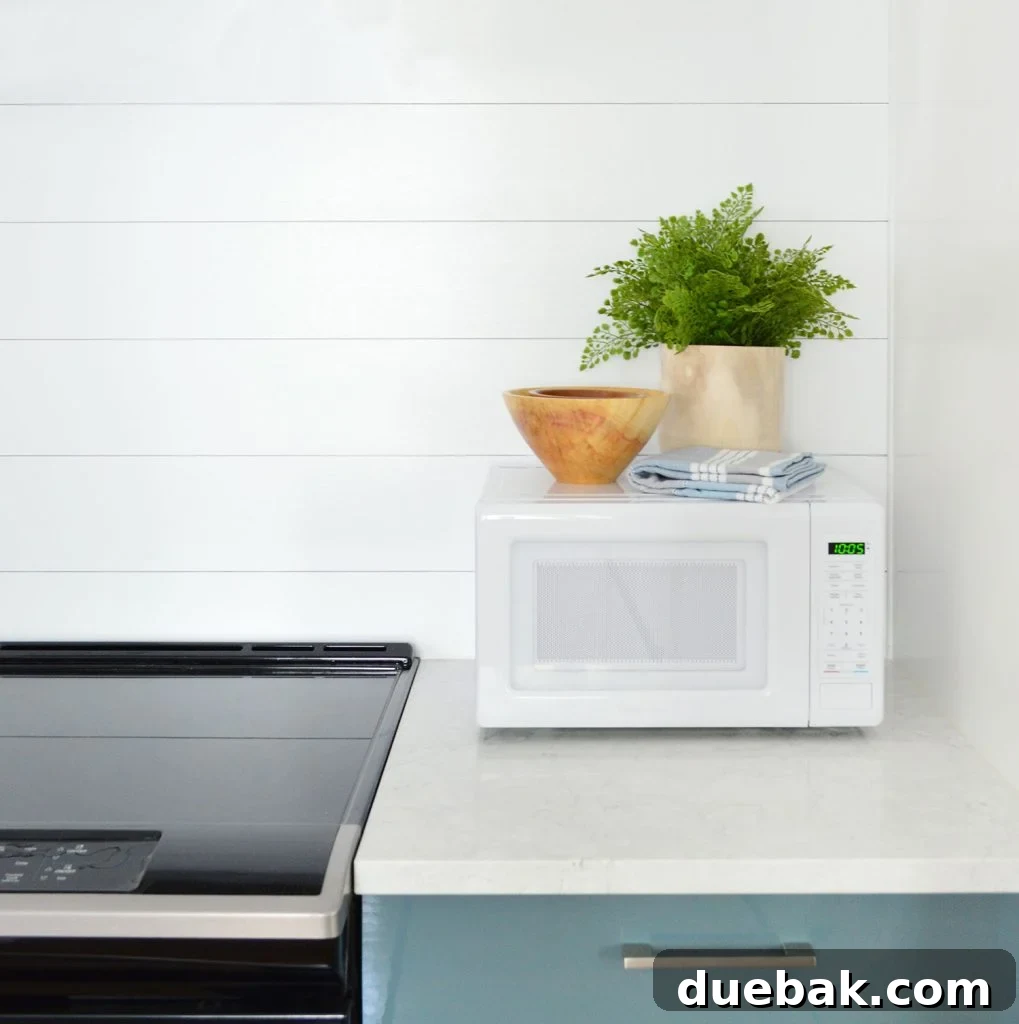
While Extra White typically presents as a neutral, crisp white, there are two distinct scenarios where its subtle undertones can become more apparent. Being aware of these situations can help you anticipate how the paint will behave in your specific environment:
- When used alongside warmer whites or creamy tones: If Extra White is juxtaposed with warmer whites, beiges, creams, or even light greiges, its inherent blue undertones may be accentuated. This contrast can cause Extra White to appear slightly bluer or grayer than you might desire, as the warmer tones will make its coolness more prominent by comparison.
- When paired with vibrant or colorful paint and decor: White paints, particularly when applied to large wall surfaces, are highly reflective. They have a remarkable ability to pick up and reflect surrounding hues, especially in rooms bathed in ample direct sunlight. For example, a bold red accent wall, a lush green velvet sofa, or brightly colored curtains can cast their color onto Extra White surfaces, temporarily altering its perceived hue. This phenomenon can make the paint appear to take on a hint of the surrounding color.
These observations are not meant to deter you from choosing Extra White. Instead, they serve as crucial considerations to help you plan your color scheme and lighting. By understanding these factors and testing the paint in your unique space, you can harness Extra White’s clean character effectively and avoid any unexpected color shifts, ensuring the final result perfectly matches your vision.
Is Extra White Too White?
Sherwin-Williams Extra White holds a distinguished position as a fantastic white paint that delivers a clean, crisp, and bright look without ever feeling overtly “too bright.” It is highly recommended for anyone seeking a true white that maintains a sense of welcome and sophistication, preventing surfaces from appearing stark or sterile. This makes it an ideal choice for walls, trim, and cabinetry across various interior design styles. Whether you are aiming for the cozy elegance of a modern farmhouse aesthetic, the clean lines of a contemporary design, or the minimalist backdrop of an art gallery, Extra White provides a solid and reliable foundation for home interiors. Furthermore, it has become a classic, go-to white trim color, often serving as the default selection for many new home constructions due to its universal appeal.
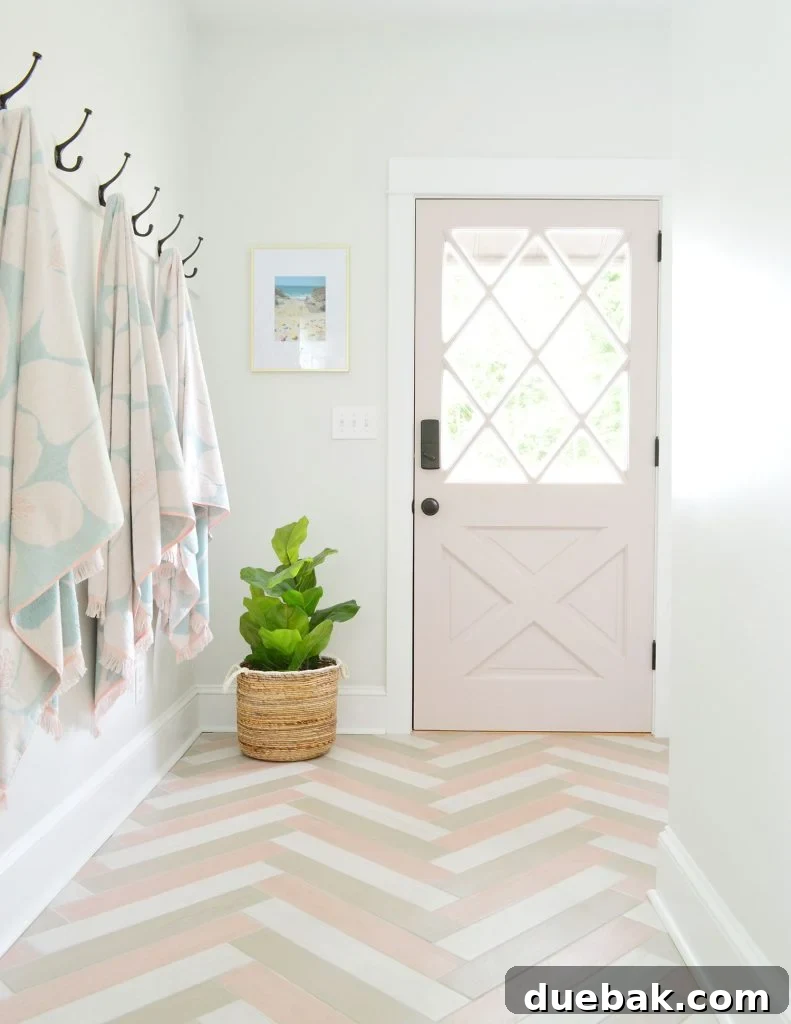
However, it is crucial to exercise caution when considering Extra White for exterior applications, or even for interior rooms that receive an exceptionally high amount of natural light. Direct sunlight has a powerful amplifying effect, making any white paint appear significantly brighter. In these scenarios, Extra White can indeed live up to its name and appear excessively blinding or overwhelming, particularly on expansive exterior surfaces such as siding, painted brick, or garage doors. The intense glare can be uncomfortable and detract from the home’s curb appeal.
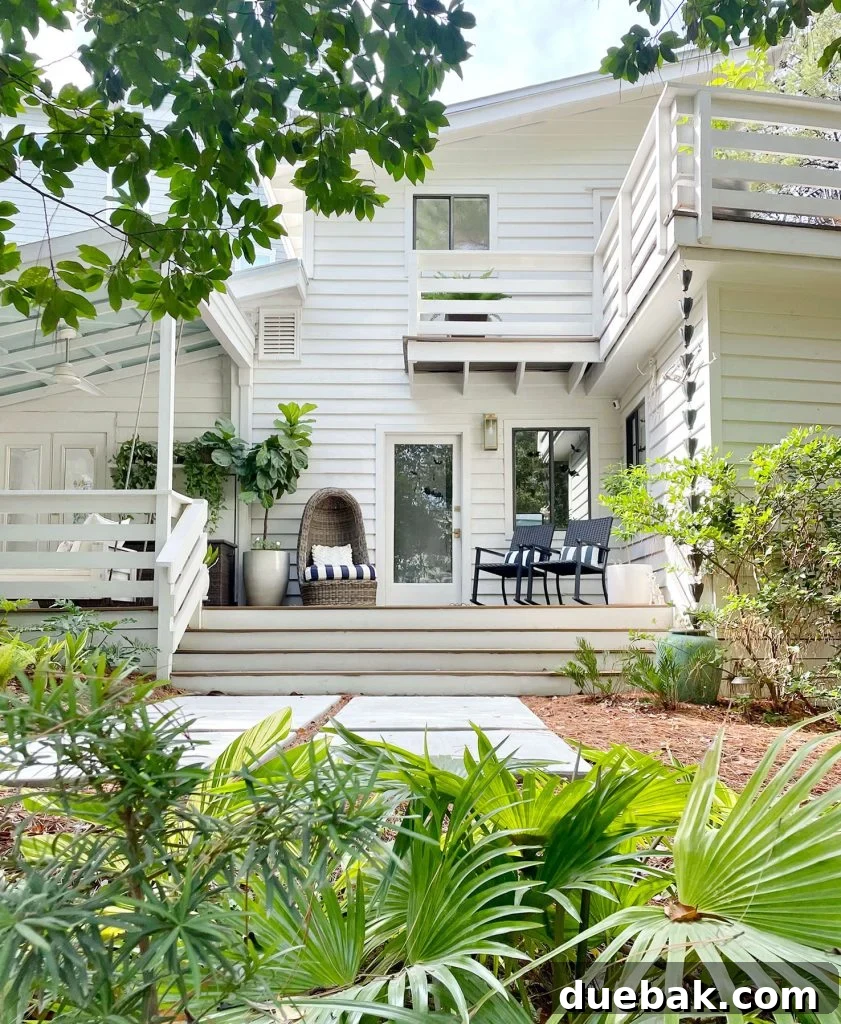
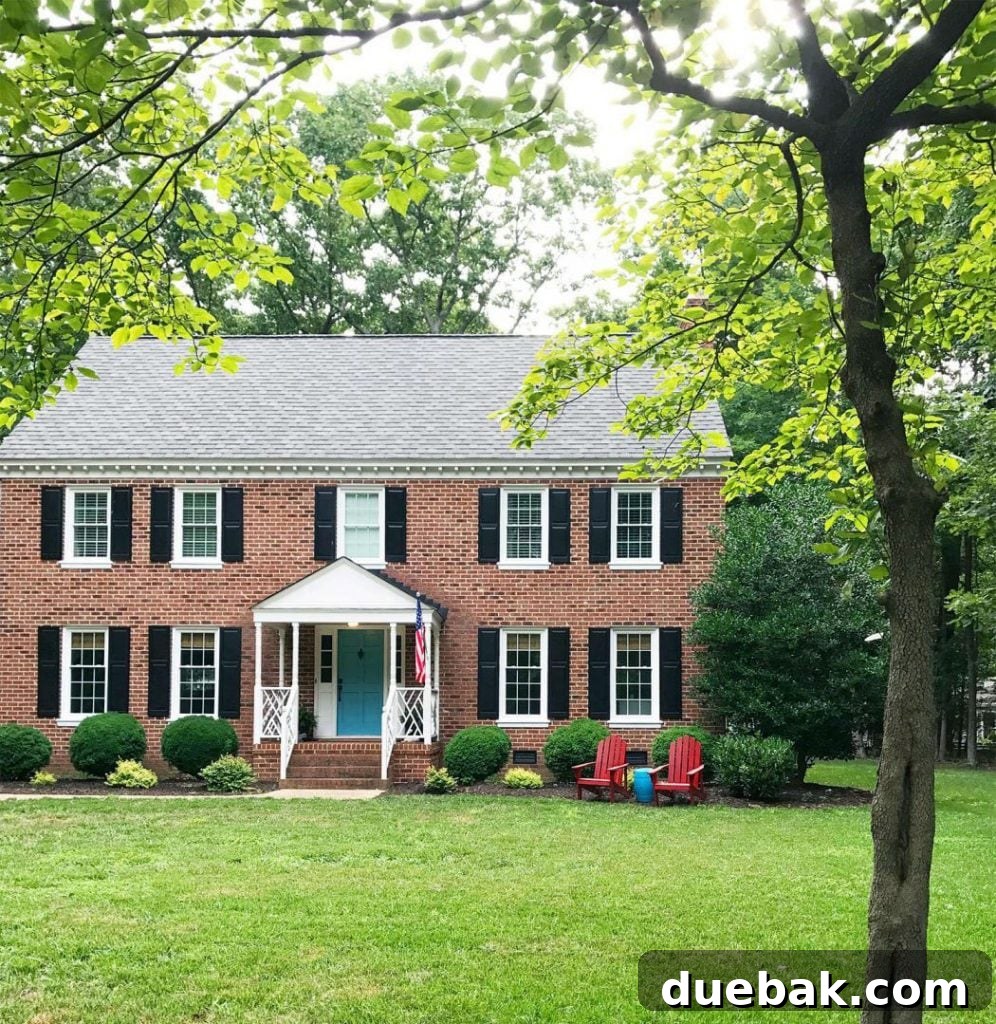
For exterior projects, we generally recommend opting for a white paint with a slightly lower Light Reflectance Value (LRV) and often a touch more warmth, which helps to mitigate the inherent coolness and intensity of natural light. Our personal favorite exterior white is Sherwin-Williams Moderne White (SW 6168), which was flawlessly applied to our current house shown above. It consistently appears clean and bright on exteriors without producing an excessive, blinding glare for passersby or residents.
What is the LRV of Extra White?
The Light Reflectance Value (LRV) is an industry-standard measurement that quantifies the percentage of visible light that a paint color reflects from a surface. This scale ranges from 0 (representing absolute black, absorbing all light) to 100 (representing absolute white, reflecting all light). Understanding a paint’s LRV is crucial for predicting how a color will behave in various lighting conditions and how it will influence the overall brightness and spaciousness of a room.
Sherwin-Williams Extra White has a Light Reflective Value (LRV) of 86. This places it firmly within the category of crisp, bright white paints. An LRV of 86 indicates that Extra White reflects a significant amount of light, contributing to a bright and airy feel in a room without being overwhelming. For comparison, the brightest white paint available from Sherwin-Williams is High Reflective White (SW 7757), which boasts an impressive LRV of 93. This higher LRV makes High Reflective White almost universally too bright for interior walls, often reserved for specialty applications or ceilings where maximum light reflection is desired.
Throughout this article, we will continue to utilize LRV measurements to provide insightful comparisons between Extra White and other popular white paint colors. This metric offers a valuable, objective way to understand the subtle differences in brightness and how each white might perform in your home.
Where Should You Use SW Extra White?
Sherwin-Williams Extra White is an incredibly versatile white paint, making it suitable for almost any area where you desire a bright, clean, and refreshing look. Its adaptability allows it to be used effectively on a wide range of surfaces, including walls, interior doors, kitchen cabinets, built-in bookshelves, and even ceilings. This paint offers a pristine canvas that enhances the visual appeal of any room, offering a consistently fresh backdrop.
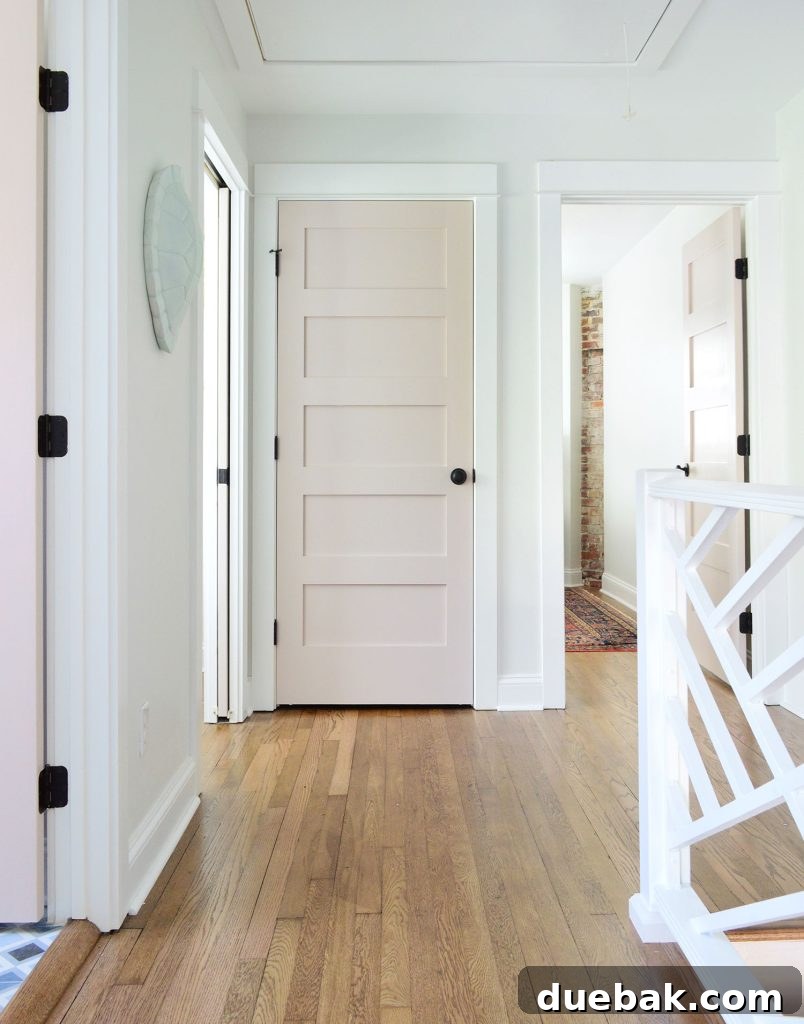
We particularly champion Extra White as an infallible trim color. Its broad appeal and crisp neutrality have made it a default, whole-house white trim color for many new home builders. This is largely due to its remarkable ability to pair harmoniously with an enormous variety of wall colors and decor styles. Its subtle cool undertone creates a clean contrast that makes other colors pop without competing with them. For example, we frequently utilized Extra White throughout our duplex home. It proved bright enough to create a distinct and appealing contrast with the off-white wall color we chose, SW Spare White, which has a slightly lower LRV of 77.
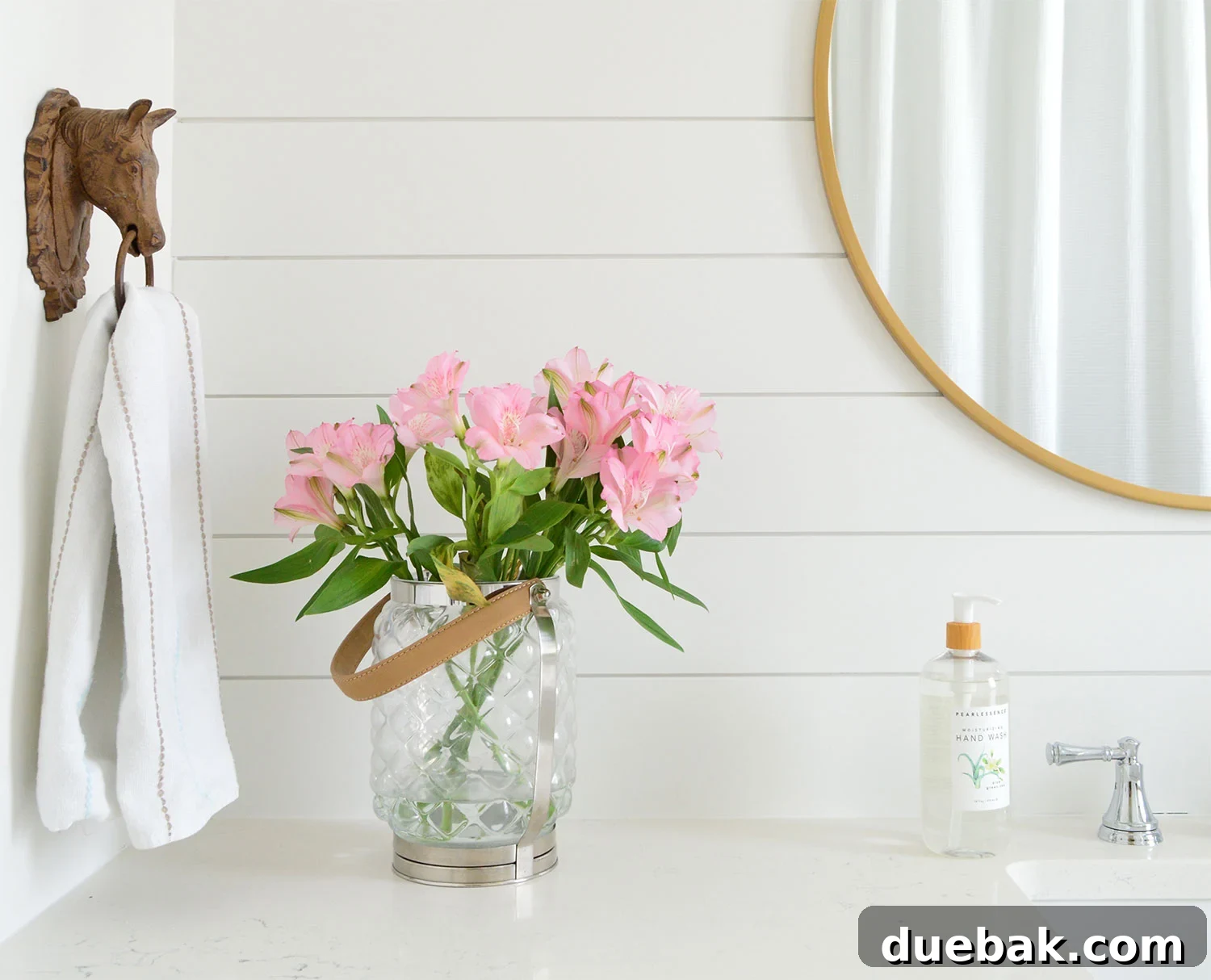
Beyond trim, Extra White also excels as a wall color, especially beneficial in naturally darker spaces that are in need of significant brightening. In our previous home, for example, we applied Extra White to the walls and shiplap in our kids’ bathroom. The room had a small, north-facing window that admitted limited natural light, and Extra White effectively maximized the available brightness. While it can certainly be used as a whole-house white, its tendency to appear quite stark in very bright, sun-drenched rooms means we generally prefer a warmer white for expansive wall applications throughout an entire home.
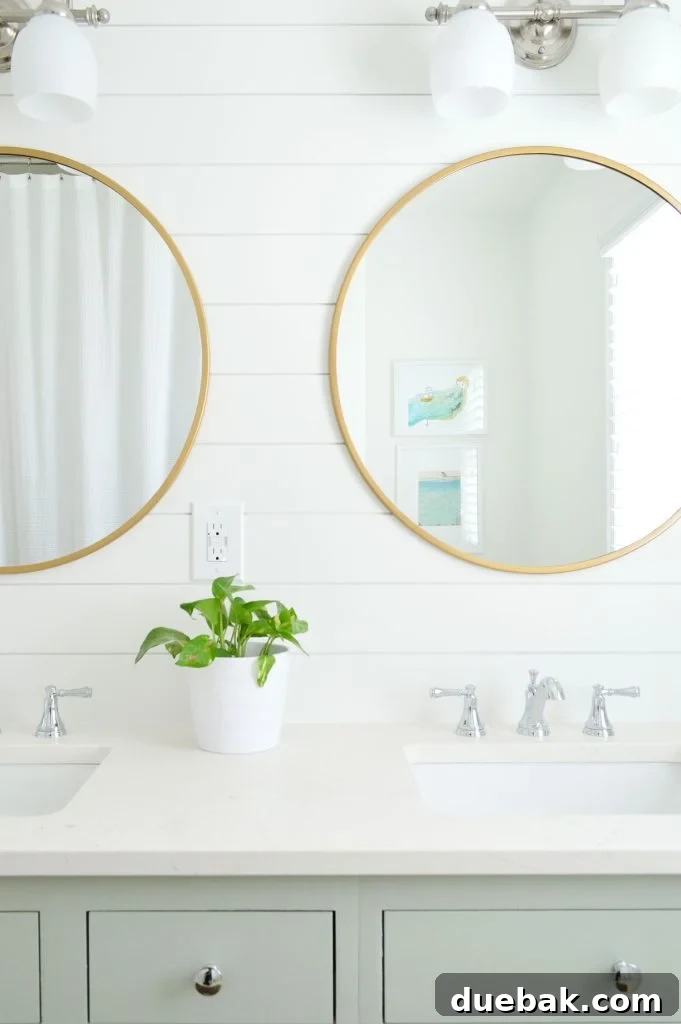
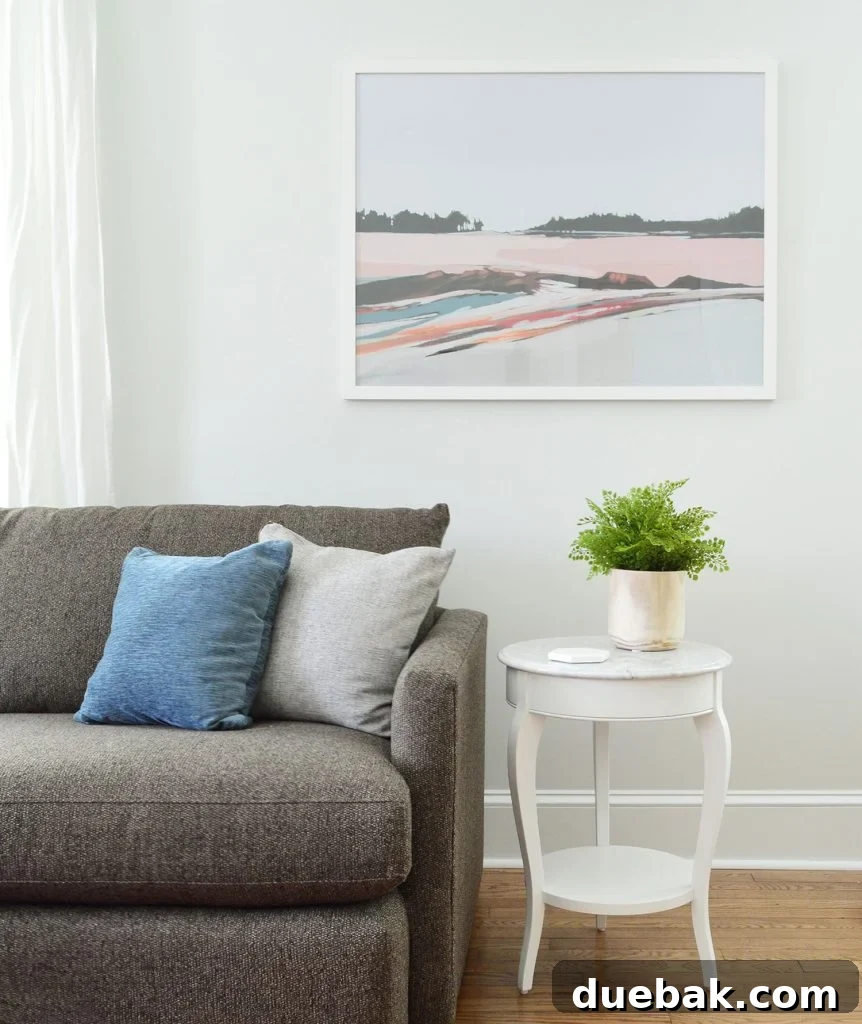
Overall, Extra White truly shines as a reliable supporting color in any interior design scheme. When applied to walls, it creates a pristine backdrop that allows your art, decorative accents, and furniture to stand out with clarity and focus. Conversely, when used on trim, wainscoting, or cabinets, it provides a sharp, clean frame that makes your chosen wall color truly pop. Its distinct lack of distracting gray, beige, or overtly colorful undertones, which can complicate the use of many other white tones, makes Extra White an exceptionally straightforward and effective choice for achieving a bright and sophisticated aesthetic.
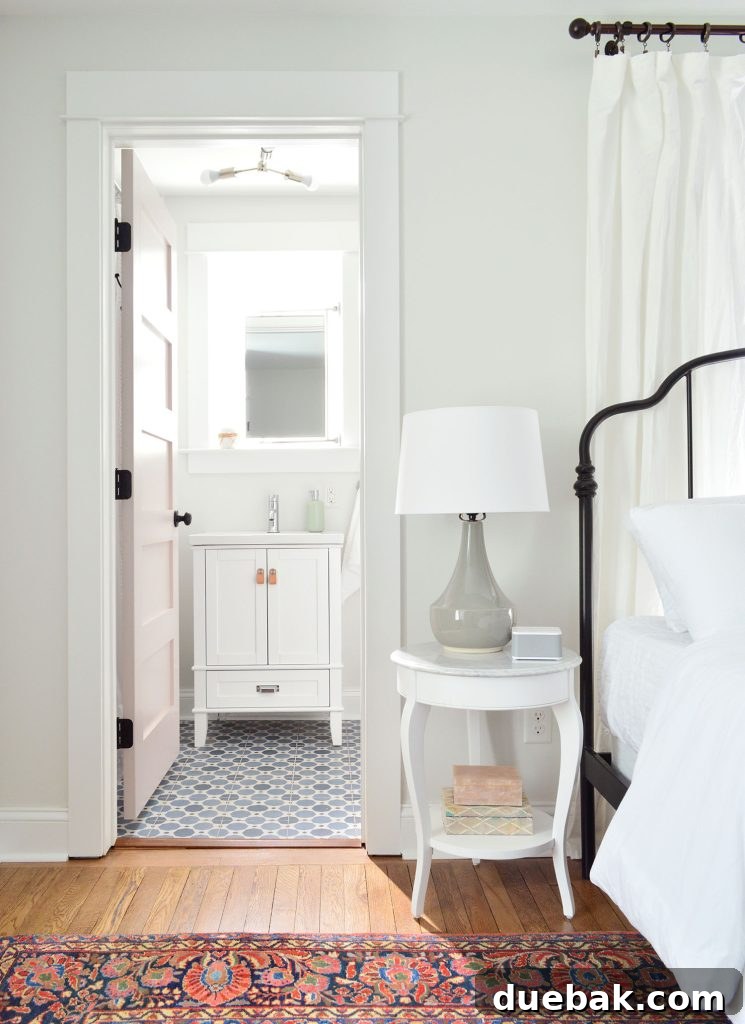
To gain a better visual understanding of how Extra White performs throughout a home, we invite you to watch the video below. It showcases Extra White beautifully on the trim throughout the house, as well as on the kitchen shiplap, offering a real-world perspective. The accompanying wall color in this home is SW Spare White (SW 6203).
You can also watch this video on YouTube for a full tour.
When NOT to Use Extra White
As previously discussed, employing Sherwin-Williams Extra White for exterior applications requires careful consideration and, in many cases, caution. The sheer intensity of bright outdoor light can significantly amplify Extra White’s brightness, causing it to appear excessively blinding or glaring. This effect is particularly pronounced on large, expansive surfaces such as house siding, painted brick, or garage doors, where an overly bright white can overwhelm the entire facade and create an uncomfortable visual experience. While Extra White can still function acceptably for exterior trim in some scenarios, we generally advocate for white paint colors that possess a slightly lower LRV and a touch more warmth for exterior use.
These warmer or slightly softer whites tend to balance out the inherent coolness of most natural light more effectively, creating a more inviting and harmonious exterior aesthetic. Instead of Extra White, consider alternatives like SW Moderne White (SW 6168) or SW Snowbound (SW 7004). For instance, we successfully used Snowbound on the exterior trim of our previous brick home, depicted below. Its subtle warmth harmonized beautifully with the brick’s undertones, resulting in a crisp white trim that felt perfectly integrated rather than stark.
It’s important to remember that every home and its surrounding environment are unique. Factors such as geographical location, exposure to sunlight, and surrounding landscaping can all influence how a paint color appears. Therefore, we always strongly recommend testing any paint color with actual samples in your specific location before committing to a full application. This step is particularly vital for large or costly projects like painting an entire house exterior, ensuring that the chosen white perfectly matches your expectations and desired outcome.
What Trim Color Works Best with Extra White?
When you opt for Sherwin-Williams Extra White on your walls, the most harmonious and visually appealing choice for your trim is typically to use Extra White as well. This approach creates a cohesive and seamless look throughout your space. To introduce subtle yet sophisticated contrast and visual interest, simply vary the paint sheens. For instance, applying an eggshell finish on the walls and a semi-gloss finish on the trim will provide a noticeable difference in texture and light reflection, highlighting the architectural details of your trim without introducing a conflicting color.
While you might consider using a brighter white, such as SW High Reflective White, on your trim to achieve a more pronounced contrast, this strategy often comes with an unexpected caveat. The stark difference in brightness can inadvertently make your Extra White walls appear slightly grayer or duller by comparison. This phenomenon underscores a common challenge when pairing different bright white paints: their subtle differences in undertone and LRV tend to become highly accentuated when placed side-by-side. One white might appear warmer, another cooler, or one brighter, making the other seem less vibrant.
For these reasons, the safest and most consistently effective approach to maintaining a clean, crisp white aesthetic is to use the same bright white paint for both your walls and trim. This uniformity ensures that the clean white look you desire is preserved, and any variation in appearance is solely due to the interplay of light on different paint sheens, rather than competing undertones or brightness levels. This method simplifies color coordination and guarantees a refined, cohesive finish.
Comparing Extra White to Other Popular White Paint Colors
To truly grasp the unique characteristics of Sherwin-Williams Extra White, it’s incredibly helpful to examine how it measures up against some of the other bestselling white paints. This head-to-head comparison is an excellent way to discern the subtle differences in undertones, brightness, and overall feel that differentiate one white from another. Such an analysis will significantly assist you in confidently selecting the perfect white for your specific home environment and design preferences.
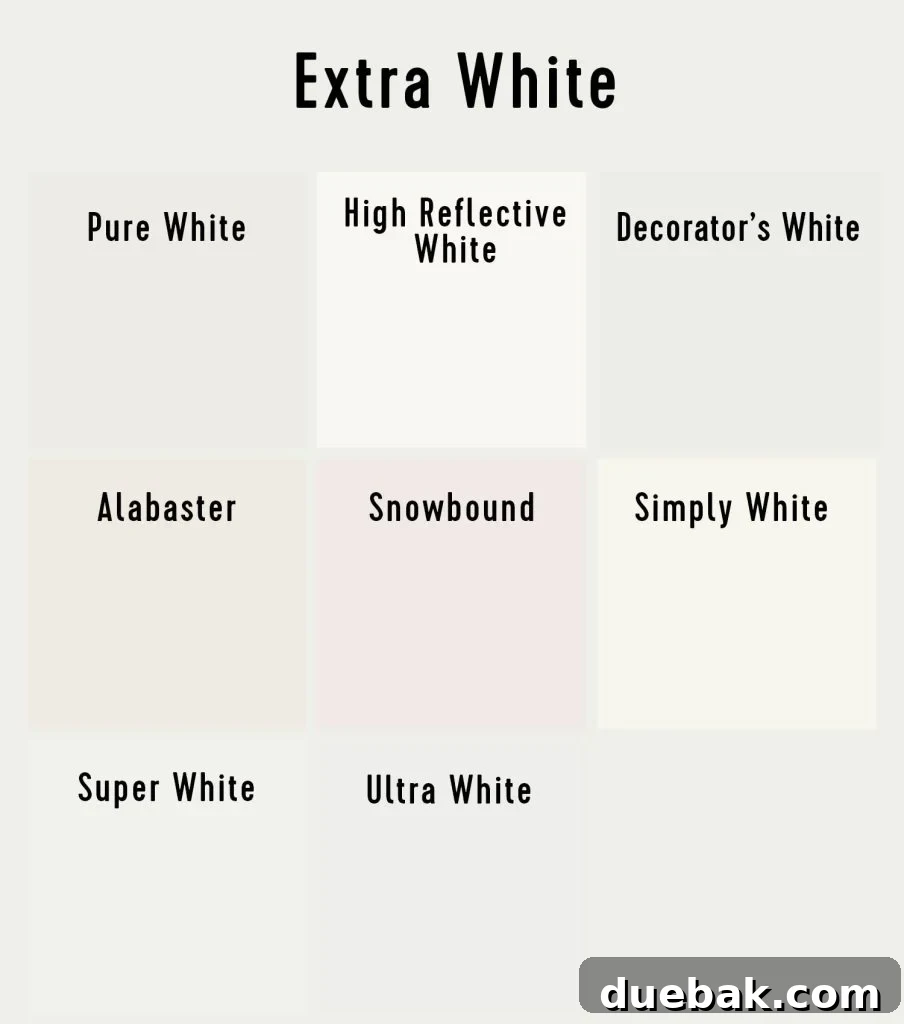
The swatches presented here are derived directly from paint manufacturers’ websites. While these digital representations are useful for an initial, “apple-to-apples” visual comparison, it is critical to understand that they may not perfectly capture the real-life appearance of the paint. Factors like screen calibration, ambient lighting, and texture can all alter perception. For the most accurate assessment, always view a physical paint swatch in person within your home’s specific lighting conditions before making a final decision. Even better, test the actual color on your wall! The pre-printed, peel-and-stick paint sample stickers, linked below, offer a quick, easy, and affordable method to do this without the mess of traditional paintbrushes and cans.
- Extra White sample
- Pure White (SW) sample
- High Reflective White sample
- Decorator’s White sample
- Alabaster paint sample
- Snowbound sample
- Simply White sample
- Super White sample
- Ultra White sample
SW Extra White vs SW Pure White
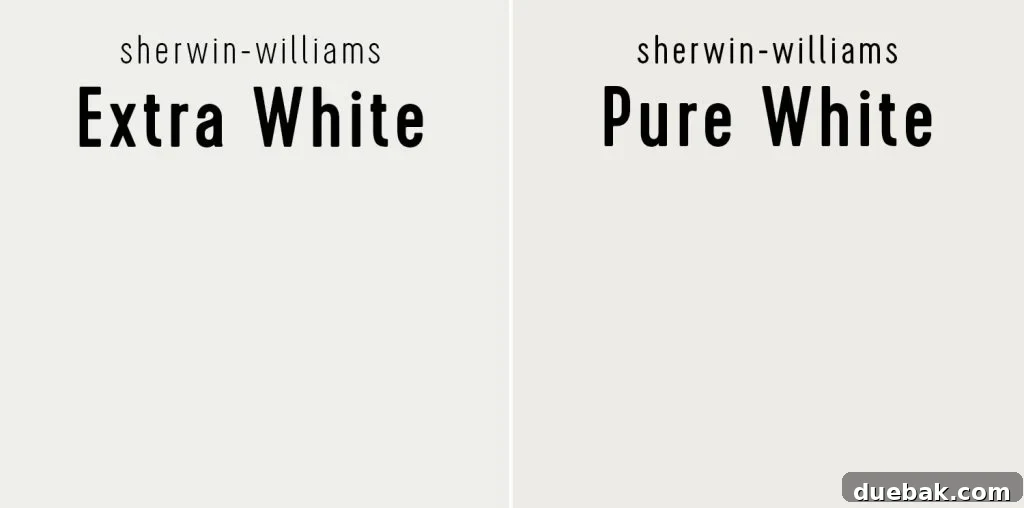
Sherwin-Williams Pure White (SW 7005) can be thought of as Extra White’s slightly warmer counterpart. These two popular whites share remarkably similar Light Reflectance Values (LRVs) – 84 for Pure White and 86 for Extra White – which contributes to their both being perceived as clean and crisp whites. Both are celebrated for their exceptionally subtle undertones, allowing them to achieve that highly coveted, universally appealing true white appearance without any jarring distractions.
The primary distinguishing factor lies in their underlying nuances: Pure White leans subtly warmer due to a very faint yellow undertone, while Extra White has its barely-there blue undertone. This hint of warmth makes Pure White an ideal selection for rooms that feature other warm colors, natural wood tones, or cozy finishes, helping to create a more inviting and cohesive atmosphere. We often find that Pure White’s gentle warmth imparts a slightly “cozier” feel compared to Extra White’s crisp coolness, which is why it often emerges as our preferred white for whole-house applications, fostering a welcoming ambiance throughout.
SW Extra White vs SW High Reflective White

High Reflective White (SW 7757) lives up to its name with an impressive Light Reflectance Value (LRV) of 93, making it one of the absolute brightest white paints commercially available. This extreme brightness means it reflects an exceptional amount of light, often resulting in a dazzling, almost clinical appearance.
While its high LRV might make it excessively bright for most interior walls, where it can feel stark or even harsh, High Reflective White can be a useful choice for specific applications, particularly as a trim color. When used for trim, especially against walls painted in a slightly less bright white, it can create a strong, clean contrast. However, as previously mentioned, this contrast can sometimes make the adjacent wall color appear subtly grayer by comparison. We’ve primarily included High Reflective White in this comparative analysis to effectively demonstrate that despite its name, Extra White (with an LRV of 86) is far from the “extra” brightest white, reinforcing its balanced and more livable quality for everyday home interiors.
SW Extra White vs BM Decorator’s White

For those looking to explore options across different brands, Benjamin Moore Decorator’s White (CC-20) presents itself as a remarkably close match to Sherwin-Williams Extra White. These two whites share a very similar aesthetic, both prized for their ability to deliver a clean, crisp look.
While their visual similarities are striking, there is a minute difference in their Light Reflectance Values. Decorator’s White has an LRV of 83, which is just a hair darker than Extra White’s LRV of 86. This slight variation is often imperceptible to the human eye in most lighting conditions, making them excellent alternatives to one another. Both are highly popular choices precisely because of their very subtle, underlying cool gray undertones. These undertones prevent them from appearing too yellow or creamy, allowing them to function as true, bright whites that feel fresh and contemporary. If you appreciate the subtle coolness and clean appearance of Extra White, Decorator’s White is certainly a strong contender from the Benjamin Moore palette.
SW Extra White vs SW Alabaster

Alabaster (SW 7008) is another immensely popular white paint within the Sherwin-Williams collection, but it stands in stark contrast to Extra White in terms of warmth. Alabaster is significantly warmer than Extra White, exhibiting distinct visible beige and sometimes even faint yellow undertones. These undertones can cause it to read as more of a “greige” or creamy off-white rather than a pure white, especially in certain lighting conditions.
Due to their vastly different underlying temperatures – Extra White being cool and Alabaster being warm – these two whites often clash when placed next to each other. Their opposing undertones tend to become highly accentuated, creating an imbalanced and potentially discordant look. For this reason, we strongly advise against pairing Alabaster walls with Extra White trim, or vice versa. To maintain a cohesive and aesthetically pleasing design, it is best to stick with whites that share similar temperature characteristics. If you love the warmth of Alabaster, pair it with other warm colors and finishes that complement its inviting, softened white hue.
SW Extra White vs SW Snowbound

Sherwin-Williams Snowbound (SW 7004) is another widely favored white paint, but like Alabaster, it is one we do NOT recommend pairing directly with Extra White. Snowbound is characterized as a warm off-white, and its most notable feature is its subtle red undertones. When juxtaposed with a cooler white like Extra White, these red undertones in Snowbound can become much more pronounced, potentially giving it a pinkish or even slightly muddy appearance that conflicts with Extra White’s crispness.
Instead of forcing a problematic pairing, it is far more effective to use Snowbound with other warm tones that complement its inherent character. For instance, we successfully utilized Snowbound for the exterior trim of our previous house, which featured beautiful red brick. In this context, Snowbound appeared as a clean, crisp white that subtly echoed the warm undertones of the brick, creating a harmonious and cohesive exterior palette. This demonstrates that while Snowbound may not be suitable alongside Extra White, it excels when thoughtfully integrated into color schemes that embrace its unique warmth and undertones, proving its versatility in the right applications.
SW Extra White vs BM Simply White

Benjamin Moore Simply White (OC-117) offers a distinct contrast to Sherwin-Williams Extra White. Simply White is both warmer and notably brighter, boasting an impressive Light Reflectance Value (LRV) of 90, compared to Extra White’s LRV of 86. This makes Simply White a very luminous white that reflects a significant amount of light, contributing to a truly airy and expansive feel in any room.
We frequently utilize Simply White on interior trim, particularly in spaces that incorporate warmer finishes, natural wood accents, or creamy wall colors. Its warm undertones provide a gentle complement to these elements, fostering a soft and inviting atmosphere. While we appreciate its inherent warmth and brightness, it’s worth noting that in certain lighting conditions, Simply White can occasionally appear to have a more pronounced yellow tint. This potential for yellowing is an important consideration when selecting it, especially if you are aiming for a purely neutral or cool white aesthetic. As always, testing a sample in your specific environment is key to ensuring it performs as desired.
SW Extra White vs BM Super White

Benjamin Moore Super White (OC-152) is often regarded as the closest equivalent to Sherwin-Williams Extra White when crossing between paint brands. These two whites share a very similar clean, crisp aesthetic and subtle undertones, making them nearly interchangeable in many applications.
There is a minor difference in their Light Reflectance Values: Super White has an LRV of 87, making it just slightly brighter than Extra White’s LRV of 86. This marginal difference is often indistinguishable to the naked eye. If you find yourself concerned that either of these options might be “too white” for your space, Benjamin Moore Decorator’s White (CC-20), with its LRV of 83, offers a slightly darker alternative that still maintains a crisp, cool white appearance. Ultimately, Super White provides an excellent choice for those who appreciate the balanced brightness and subtle coolness of Extra White but prefer a Benjamin Moore product.
SW Extra White vs BM Ultra White
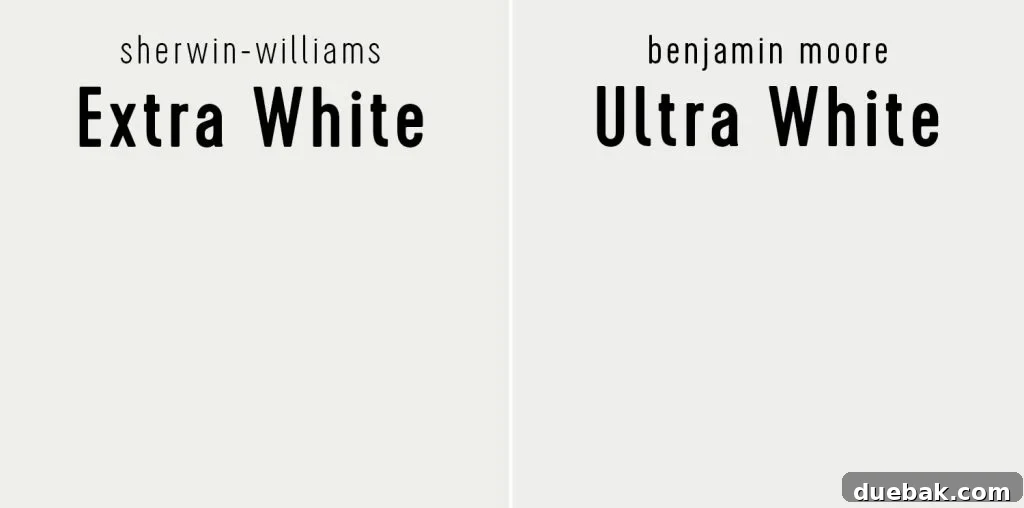
Benjamin Moore Ultra White (CC-10) serves as another viable cross-brand alternative to Sherwin-Williams Extra White. However, it’s crucial to note that Ultra White distinguishes itself by being noticeably cooler than Extra White. While Extra White has a subtle blue undertone, Ultra White amplifies this coolness, often exhibiting a more pronounced gray or even faint blue-gray cast.
This increased coolness can be a deliberate design advantage in certain spaces, particularly those aiming for a very stark, contemporary, or minimalist aesthetic. It pairs exceptionally well with cool-toned materials like stainless steel, cool grays, or true blues. However, this intensified coolness also means that in rooms with less natural light or specific artificial lighting, Ultra White can sometimes lean towards appearing like a light gray. If you are specifically seeking a white with a distinctly cool, almost icy edge, Ultra White could be a compelling choice to explore for your project.
Final Considerations
The name “Extra White” might initially lead you to believe it’s an overpowering, blindingly bright paint, but don’t let the moniker mislead you. Sherwin-Williams Extra White (SW 7006) is, in fact, a classic, clean, and perfectly balanced white that is highly trusted by design experts for a multitude of compelling reasons. Its primary strengths lie in its ability to deliver a luminous, bright appearance without any overwhelming intensity, combined with its virtually undetectable undertones. This makes it an especially superb choice for trim, molding, and architectural details, where its crisp definition can truly elevate a space.
Extra White’s versatility is another key factor in its enduring popularity. It harmonizes beautifully with an extensive array of colors, finishes, and design styles, making it an excellent supporting white that allows other elements in your home to shine. It acts as a reliable, neutral canvas that can adapt to various aesthetics, from traditional to ultra-modern.
However, it’s worth noting that many homeowners and designers, including ourselves, often find themselves preferring whites that possess a bit more warmth and depth, particularly when undertaking expansive projects like painting entire rooms or whole houses. For such large-scale applications, a warmer white can create a more inviting, cozier atmosphere. This preference led us to choose this other white for our own home.
Despite this, Extra White consistently remains a top contender in our personal Top 3 white paint colors. Its unparalleled ability to provide that quintessential bright, clean white trim look is hard to beat, cementing its status as an indispensable tool in any paint palette. When seeking a straightforward, crisp white that performs consistently and beautifully, Extra White is undoubtedly a choice you can make with confidence.
More Paint Colors We Love
To further inspire your next painting project and discover more of our favorite, go-to paint colors, we invite you to explore our homes through the menu at the top of our blog under the header. You can specifically view the home featured in this post here, or browse our extensive Painting Projects section for a wealth of ideas and real-life examples. We’ve also compiled detailed deep-dives on some of our most beloved paint selections to help you make informed choices:
- Benjamin Moore Edgecomb Gray
- Benjamin Moore Simply White
- Sherwin-Williams Pure White
- The Best “Haint Blue” Paint Colors
- The 12 Best White Paint Colors
- The 9 Best Greige Paint Colors
- Every 2024 Color of the Year in One Place
*This post contains affiliate links, so we may earn a small commission when you make a purchase through links on our site at no additional cost to you.