

Selling a home is one of the most significant financial transactions many individuals undertake. While the traditional route often involves hiring a real estate agent, an increasing number of homeowners are exploring the “For Sale By Owner” (FSBO) path. This DIY approach promises substantial savings on realtor commissions, potentially putting thousands of dollars back into your pocket. However, navigating the complexities of the real estate market without professional guidance can seem daunting. Based on our own successful FSBO experience, which culminated in an exciting offer, we’ve compiled a comprehensive guide to help you confidently manage your home sale from start to finish. Our journey proves that with strategic planning, meticulous preparation, and diligent execution, selling your house by owner is not only possible but incredibly rewarding. We aim to demystify the process, offering actionable advice and insights that empower you to achieve a smooth and profitable sale, just as we did.
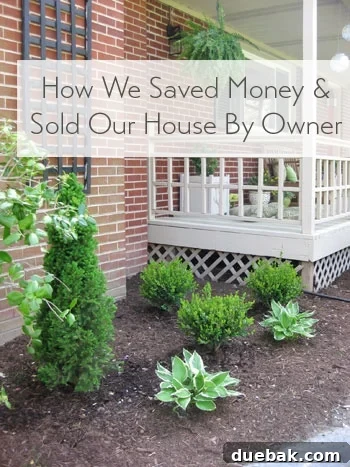
Our experience taught us invaluable lessons that we’re eager to share. While we’re not real estate professionals, our practical journey provides a relatable blueprint for others considering the FSBO route. Interestingly, the buyers of our home discovered it through traditional channels, not through any online presence we maintained, underscoring the universal appeal of a well-prepared and strategically marketed property. This insight is particularly encouraging for FSBO sellers who might worry about needing a significant online platform to attract buyers. The core principles of selling a home remain constant, regardless of whether a blog is involved. So, if you’re ready to take control of your home sale, here are our top tips for a successful “For Sale By Owner” experience.
Tip #1: Master the Art of Strategic Pricing
Setting the right asking price is arguably the single most critical factor in selling your home quickly and profitably. This isn’t just about picking a number; it’s about a deep understanding of your local market dynamics. In our initial attempt, we made the common mistake of overpricing, which resulted in a disappointing two showings over two weeks. This experience was a stark reminder that an inflated price acts as an immediate deterrent, pushing potential buyers towards more competitively priced properties.
To rectify this, we undertook a rigorous market analysis. We looked at comparable sales (often called “comps”) in our immediate neighborhood and surrounding areas, focusing on homes with similar square footage, age, condition, and amenities that had recently sold. This research included reviewing online listings, public records, and even consulting with local real estate professionals for general advice on market trends, though we retained full control of our sale. We eventually adjusted our price by approximately $25,000, aligning it with the true market value. The results were immediate and dramatic: fourteen showings within two weeks of the price drop, culminating in a solid offer just two days later. This pivot underscores the undeniable power of a realistic, market-driven price. An accurately priced home generates more interest, encourages more showings, and ultimately leads to faster offers, especially in a less-than-ideal market. Don’t underestimate this step; it can make or break your FSBO success.
Tip #2: Prepare Your Home for Sale with Unwavering Diligence
When selling your home, presentation is paramount. Prospective buyers need to envision themselves living in the space, and any signs of neglect can quickly sour their first impression. This means going beyond a superficial tidying; it requires a deep, meticulous clean and a thorough decluttering that transforms your home into a pristine, inviting canvas. Every corner, every surface, and every room should sparkle. Imagine your home is being photographed for a magazine spread – that’s the standard you should aim for.
Start with a deep clean: scrub bathrooms until they gleam, degrease the kitchen, wash windows until they’re streak-free, and ensure floors are spotless. Beyond cleanliness, decluttering is essential. Remove personal items, excess furniture, and any non-essential belongings. Think about renting a storage unit for items you don’t use daily. Less clutter makes rooms appear larger, brighter, and more appealing. Address any lingering odors from pets, cooking, or dampness; a fresh, neutral scent is always best. Minor repairs, such as leaky faucets, loose doorknobs, or peeling paint, should also be addressed. While buyers might overlook small imperfections, a collection of them can signal that the house hasn’t been well-maintained overall, raising concerns about hidden issues. Remember, a clean, clutter-free, and well-maintained home doesn’t just look good; it communicates care and value to potential buyers.

Tip #3: Launch a Robust Marketing Campaign
One of the primary advantages of using a real estate agent is their extensive network and ability to broadly publicize your property on platforms like the Multiple Listing Service (MLS). As an FSBO seller, you must actively bridge this gap by becoming your own marketing manager. This demands considerable effort and a strategic approach, but the savings on commission can make it well worth the investment.
Our marketing strategy involved a multi-pronged approach. We placed traditional newspaper ads, consistently re-listed our property on free platforms like Craigslist every few days to keep it fresh and visible, and invested in professional “For Sale” signage and numerous flyers for the front yard. Crucially, we also paid a flat fee of $295 to list our home on the MLS through a specialized FSBO service. Access to the MLS is vital because it’s the primary database real estate agents use to find properties for their clients. While we noted some mixed reviews about the specific service we used, researching reputable flat-fee MLS providers is highly recommended. Beyond these steps, leverage free online real estate platforms like Zillow, Trulia, and FSBO.com, ensuring your listing includes high-quality professional photographs that showcase your home’s best features. Consider utilizing social media to reach a wider audience, sharing your listing with local community groups and personal networks. Our total marketing expenditure was around $500, a stark contrast to the estimated $12,000 we would have paid in a typical 6% realtor commission. Strategic and widespread marketing is the engine that drives buyer interest in an FSBO sale.
Tip #4: Master the Art of Home Showings
How you conduct showings can significantly influence a buyer’s perception of your home and their overall experience. We quickly learned that creating a professional and comfortable environment for potential buyers was key. Our strategy involved having one person (John) lead a quick tour, highlighting key features, and then stepping out to allow buyers to explore the home independently. This approach gave them the freedom to openly discuss the property amongst themselves, without feeling rushed or self-conscious about an owner hovering. Removing ourselves, our children, and our pets from the premises during showings was essential. We’d often go for long walks or, if the weather was uncooperative, wait in the car. This anonymity allows buyers to truly envision themselves in the space, fostering a deeper connection with the home.
Beyond the logistics, consider the atmosphere you create. Ensure the house is well-lit, perhaps with soft background music, and maintained at a comfortable temperature. Be prepared to answer questions honestly and thoroughly, but also know when to step back and let the home speak for itself. Always prioritize safety during showings by never showing alone and securing valuables. The goal is to make buyers feel at ease, enabling them to form a genuine connection with your property, which is often a critical step towards making an offer.

Tip #5: Articulate Your Home’s Unique Value Proposition
When presenting your home, whether through a flyer, online listing, or during a showing, you must act as its most enthusiastic and informed advocate. Clearly communicating what makes your property stand out can significantly enhance its perceived value and appeal to potential buyers. Don’t just list features; explain the benefits.
We found that highlighting inclusions (items that convey with the sale) was a powerful negotiation tool. We made a strong case for value by including all major appliances, custom window treatments, unique light fixtures, dining room shelving, and even the master bedroom built-ins and our bed frame. These additions represent tangible savings for buyers, making the overall offer more attractive. Furthermore, we emphasized unique aspects of our property that were rare in our price point and area, such as our generous 0.75-acre lot and spacious two-car garage. These are amenities that genuinely set a home apart. Finally, a detailed rundown of significant upgrades is crucial. We meticulously pointed out our newly remodeled kitchen and baths, a recent roof replacement, beautifully refinished hardwood floors, and energy-efficient new windows. This comprehensive list of improvements not only justified our asking price but also helped our updated property stand out significantly from other older, un-updated homes in the market, making a compelling argument for its superior value.
Tip #6: Expertly Navigate Offers and Negotiations
Receiving an offer is the ultimate goal, but knowing how to respond effectively is paramount to securing a successful sale. This phase requires a blend of negotiation skills, legal understanding, and the ability to leverage professional support. While you’re selling by owner, you don’t have to navigate this complex stage completely alone. We strongly relied on trusted professionals for guidance.
Before an offer arrives, educate yourself on common contract elements: purchase price, contingencies (e.g., inspection, financing, appraisal), earnest money, and closing dates. When an offer comes in (typically a written document), you’ll review it and prepare a response. This usually involves tweaking the buyer’s offer rather than drafting a new contract from scratch, simplifying the process. However, having the necessary legal disclosures on hand is critical, such as a lead paint disclosure form and a residential property disclosure form. These can often be found online or obtained through your chosen legal counsel. Our most valuable resource was a real estate closing attorney, whom we had worked with previously. They were instrumental in reviewing the contract, advising on negotiation points, guiding us through inspection requests, and ensuring all legalities were sound. Hiring a closing attorney is a modest investment (often only a few hundred dollars) and is typically a required expense whether you sell FSBO or with an agent. Their expertise ensures everything is 100% legitimate and protects your interests throughout the transaction, making it a non-negotiable part of a successful FSBO sale.
Tip #7: Embrace Cooperation with Buyer’s Agents
A common misconception among FSBO sellers is that real estate agents will actively avoid showing their properties. Our experience definitively proved otherwise. In fact, nearly all of the showings we scheduled were initiated by buyer’s agents accompanying their clients. These agents were professional and proactive, calling us directly to arrange viewing times. This is because buyer’s agents are motivated by their clients’ interests and, ultimately, by their commission. If your home meets their client’s criteria and is listed on the MLS (even via a flat-fee service), they have every reason to show it.
It’s important to understand that if a buyer’s agent brings you a qualified buyer, you will typically be responsible for paying their commission, which is often around 2.5-3% of the sale price. In our case, the buyers who purchased our home were represented by an agent, so we gladly paid her a percentage for her role in facilitating the sale. However, the significant financial advantage of FSBO is that you avoid paying the seller’s agent commission, which would have been another 2.5-3% on top of that. By taking on the responsibilities of marketing, showings, and direct paperwork with our closing attorney, we saved close to $7,000 that would have gone to a seller’s agent. This cooperative approach with buyer’s agents allows you to tap into a broader pool of potential buyers while still realizing substantial savings compared to a full-service traditional real estate transaction.
Achieving a successful “For Sale By Owner” sale is undeniably a journey that demands dedication, research, and a proactive mindset. Our experience highlights that with the right strategies in place—from intelligent pricing and impeccable home presentation to effective marketing and professional legal support—you can confidently navigate the complexities of the real estate market. The satisfaction of selling your home on your own terms, coupled with the significant financial savings, makes the effort incredibly worthwhile. As we eagerly await a swift and seamless closing, we hope our shared tips empower you on your own FSBO adventure. The world of real estate is constantly evolving, and while we’ve covered what worked for us, we know there are countless other innovative approaches and valuable insights out there. We encourage fellow FSBO enthusiasts to share their experiences and advice, contributing to a growing community of self-sufficient home sellers. Remember, your home sale journey is unique, but with preparation and perseverance, a successful outcome is well within reach.