

Composting is a remarkably simple, yet profoundly impactful practice that any household can embrace, regardless of size or location. Whether your goal is to cultivate your own nutrient-rich soil amendment, significantly reduce household waste destined for landfills, or simply connect more deeply with sustainable living, starting a compost bin is an accessible and often free endeavor. It’s a journey that transforms everyday kitchen scraps and yard trimmings into “black gold” – a valuable resource for your garden and the environment.
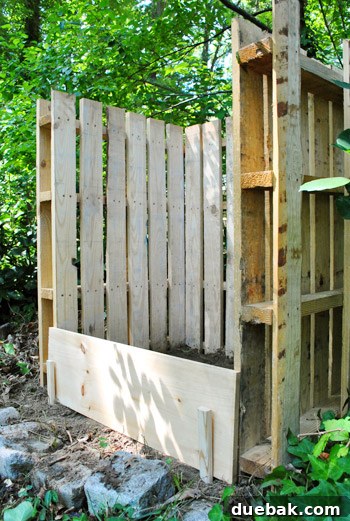
Embarking on your composting adventure doesn’t require a large investment or complex equipment. In fact, creating a functional homemade compost bin can be achieved in a surprisingly short amount of time, often with materials you already have. While there are certainly more elaborate and expensive composting solutions available – including advanced tumblers or multi-bay systems like the pallet compost bin we later constructed – a simple plastic storage bin offers an excellent starting point for beginners. This guide will walk you through the incredibly easy steps to build your own backyard compost bin, based on a straightforward tutorial, ensuring you can “get your composting feet wet” without intimidation.
Why Embrace Composting? The Transformative Benefits
Before diving into the ‘how-to,’ let’s explore the compelling reasons why composting is a habit worth adopting:
- Enrich Your Soil Naturally: Compost is often called “black gold” for a reason. It’s teeming with beneficial microorganisms and essential plant nutrients, transforming poor soil into a vibrant ecosystem. It improves soil structure, enhances drainage in heavy clay soils, and boosts water retention in sandy soils, creating an optimal environment for roots to thrive.
- Significantly Reduce Landfill Waste: A substantial portion of household waste, estimated at 30% or more, consists of organic materials that could be composted. By diverting food scraps and yard waste from landfills, you help reduce methane emissions, a potent greenhouse gas, and alleviate the burden on waste disposal systems.
- Save Money on Gardening Supplies: With a steady supply of homemade compost, you’ll reduce your reliance on store-bought fertilizers, potting mixes, and soil amendments. This not only saves you money but also ensures you’re feeding your plants with a natural, chemical-free booster.
- Foster a Healthier Ecosystem: Composting encourages biodiversity in your garden, supporting earthworms and other beneficial soil organisms. It creates a robust, self-sustaining system that can lead to healthier, more resilient plants, often requiring less intervention against pests and diseases.
- Connect with Nature: There’s a profound satisfaction in observing the natural cycle of decomposition and transformation. Composting offers a tangible way to participate in sustainable living, turning waste into a valuable resource and fostering a greater appreciation for ecological processes.
Steps For Making Your DIY Compost Bin From a Plastic Container
Building your own compost bin from a plastic storage container is a quick and rewarding project. Here’s a concise overview of the steps we’ll cover:
- Select a suitable plastic storage bin.
- Drill aeration holes in the bin and lid.
- Establish a foundational layer of “browns.”
- Add a layer of native soil or topsoil.
- Introduce your nutrient-rich food scraps and “greens.”
- Mix and ensure proper moisture levels.
- Find an ideal location for your completed bin.
- Set up an efficient indoor collection system for convenience.
Step 1: Selecting the Perfect Bin for Your Composting Journey
The first step is to choose the right container. Look for a durable plastic storage bin with a tightly fitting lid, ideally around 24 inches tall or taller. The lid is crucial for two main reasons: it helps maintain consistent moisture levels inside the bin, which is vital for decomposition, and it acts as a barrier to keep unwanted critters out. We opted for a 30-gallon plastic storage bin, which offers ample space for a household’s organic waste. While a neutral color might blend seamlessly with your backyard aesthetics, a darker colored bin can absorb more sunlight, potentially generating more heat and speeding up the decomposition process, especially in cooler climates. Consider both functionality and visual integration when making your choice.
Step 2: Essential Aeration – Drilling Holes for Oxygen
Oxygen is a critical component for successful composting. The decomposition process relies on aerobic bacteria, which thrive in oxygen-rich environments. Without adequate airflow, your compost pile can become anaerobic, leading to foul odors and a much slower breakdown of materials. To ensure proper ventilation, use a handheld drill to create 8 to 10 small holes in the bottom of your container. A 3/16-inch drill bit or similar size works perfectly for this task, creating openings large enough for air exchange but small enough to prevent significant loss of materials.
Do not forget the lid! Repeat the drilling process on the lid, creating another 8 to 10 holes. These top holes further enhance airflow throughout the bin, contributing to a healthy, aerobic composting environment. While you’ll want to affix the lid tightly once your bin is filled and properly set up, wait until you’ve added your initial layers of compostable materials. This ensures you have easy access during the initial setup phase. The combination of bottom and top ventilation will provide the consistent oxygen supply your beneficial microbes need to do their job efficiently.
Step 3: Laying the Foundation – Creating Your Brown Base
Composting thrives on a balanced diet of “browns” (carbon-rich materials) and “greens” (nitrogen-rich materials). Think of the browns as the energy source and structure, and the greens as the protein. To kickstart your compost bin, you’ll need to establish a solid brown base. Gather some dry leaves, shredded newspaper, cardboard scraps, or small twigs. These materials provide essential carbon and help create pockets of air within the bin, preventing compaction. Fill the bottom of your compost bin with these dry leaves, aiming for a layer that is approximately 1/8 to 1/4 full. This initial brown layer is crucial for setting up a healthy, aerobic environment right from the start, providing a porous foundation for subsequent layers.
Step 4: Introducing the Microbes – Adding a Layer of Dirt
Now that your brown base is established, it’s time to introduce the vital microscopic workforce: bacteria and fungi. These microorganisms are the true workhorses of composting, breaking down organic matter into nutrient-rich humus. The easiest way to introduce them is by adding a layer of dirt. Place garden soil or basic topsoil on top of your brown base until the container is about half full. If you have plenty of native soil readily available, that’s perfect. Otherwise, a bag of inexpensive topsoil from a garden center will suffice. It’s important to note that while worms are fantastic for certain composting methods (vermicomposting), they are not strictly necessary for this type of aerobic bin composting, as the soil itself contains a rich community of decomposing microbes.
Step 5: Fueling the Process – Tossing In Your Food Scraps and Greens!
With your base layers in place, it’s time for the “greens” – your nitrogen-rich food scraps and other organic materials that will fuel the decomposition process. These materials provide the essential nitrogen that microorganisms need to reproduce and thrive. Place any kitchen scraps or yard waste you wish to compost directly into the bin. For faster decomposition, it’s always a good idea to chop larger items into smaller pieces before adding them.
Some excellent compostable materials include:
- Fruit and vegetable scraps: Peels, cores, bruised fruits, vegetable trimmings, wilted greens.
- Coffee grounds, coffee filters, or tea bags: Rich in nitrogen and great for texture.
- Eggshells and nutshells: Provide calcium and minerals (crush eggshells for faster breakdown).
- Paper or cardboard: Shredded newspaper, paper towels (untreated), toilet paper rolls, pizza boxes (remove grease).
- Yard or grass clippings: Fresh grass clippings, weeds (non-seeding), small plant trimmings.
- Lint: Surprisingly, dryer lint from natural fibers is compostable.
It’s equally important to know what *not* to compost, as certain items can attract pests, create foul odors, or introduce harmful pathogens. The EPA provides a comprehensive guide on compostable materials. Generally, you should avoid:
- Meat, bones, and fish scraps: Attract rodents and pests, can create strong odors, and decompose slowly.
- Dairy products: Milk, cheese, yogurt – also attract pests and create odors.
- Fats, grease, and oils: Slow decomposition, can create anaerobic conditions and attract pests.
- Pet waste: Contains harmful bacteria and parasites; should not be composted for garden use.
- Diseased plants: Can spread pathogens to your garden.
- Treated wood products: May contain chemicals that are harmful to your garden.
After adding your first batch of greens, like a few banana peels and a small ball of lint (as we did), you might find yourself inspired to generate more compostable waste by eating more fruits and vegetables, or even doing more laundry!
Step 6: Stirring for Success – Mixing Your Compost
Once your greens are added, it’s time to give your compost a gentle stir. This crucial step helps to aerate the pile, distribute moisture, and ensure that the various layers are well-mixed, which speeds up the decomposition process. Use a shovel or a sturdy stick to turn the materials, making sure to cover your freshly added food scraps with dirt or other brown materials. This covering helps to deter pests and significantly reduce any potential odors, keeping your compost bin a pleasant addition to your backyard. Aim to give your compost a good stir every few days or at least once a week, especially after adding new materials. Canine supervision, as shown in the original process, is entirely optional but always welcome!
Step 7: The Right Moisture Level – Hydrating Your Heap
Just like us, the microorganisms in your compost bin need water to thrive. The ideal moisture level for a compost pile is often compared to a wrung-out sponge – damp, but not soaking wet. After stirring, spray your compost with lukewarm water until it reaches this consistency. Be mindful not to overwater, as excessive moisture can create anaerobic conditions (lack of oxygen), which leads to a smelly, slimy compost pile. If you notice a pungent, sour odor, it’s often a sign that your compost is too wet and needs more aeration or dry browns. Conversely, if your compost is too dry, decomposition will slow down dramatically. Regular checking and occasional moistening will keep your pile happy and actively breaking down materials.
Step 8: Location, Location, Location – Finding a Convenient Spot for Your Compost Bin
The placement of your compost bin can significantly impact its performance and your overall composting experience. Choose a shady area away from your house. A spot that receives too much direct sunlight can cause your compost to dry out rapidly, halting the decomposition process. Conversely, a perpetually soggy area could lead to excessive moisture. Accessibility is also key; select a spot that is easy to reach for adding scraps and turning the pile. For those in apartments or without a backyard, a smaller bin can still be placed on a patio or balcony, though you might consider a sealed vermicomposting bin for indoor use. We found an ideal, inconspicuous spot near our garage, nestled behind some shrubs. This location is both convenient for daily waste disposal and keeps the bin out of direct view. Can you spot it in the image below? Hint: Look towards the bottom right!
Step 9: Streamlining Indoor Collection – Your Kitchen Companion
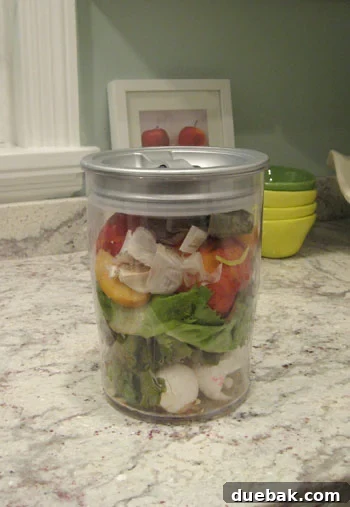
To make composting a seamless part of your daily routine, it’s essential to have an efficient system for collecting compostable waste indoors. This prevents you from constantly digging through your trash and encourages consistent participation. There are many options available, from stylish ceramic crocks to stainless steel pails, but the key feature is a tight-fitting lid. This seal is crucial for containing any potential odors between trips to your outdoor compost bin. We found this airtight container to be particularly effective for wrangling our food scraps conveniently under the sink, ensuring our kitchen remains fresh and free from unpleasant smells until it’s time to empty it.
When Is Your Compost Ready To Use? Signs of “Black Gold”
Patience is a virtue in composting, but knowing when your “black gold” is ready to enrich your garden is exciting. The time it takes for organic materials to transform into finished compost varies greatly, depending on factors like the size of your bin, the types of materials added, and how frequently you turn and moisten the pile. It could be ready in a few months, or it might take up to a year. Look for these key indicators that your compost is ripe for use:
- Uniform Breakdown: All of your compostable materials should have broken down completely. You shouldn’t see any recognizable food scraps, leaves, or other original components.
- Earthy Aroma: Finished compost should have a pleasant, rich, “earthy” or forest floor smell – like fresh soil. If it smells acidic, sour, or putrid, it’s not ready and likely needs more aeration or dry materials.
- Cool Temperature: A mature compost pile will no longer be producing heat. It should feel roughly the same temperature as the ambient air. Active piles, conversely, will feel warm or even hot to the touch.
- Dark, Crumbly Texture: The compost should be dark brown or black, crumbly, and uniform in texture, similar to rich garden soil. It should not be wet, slimy, or clumpy.
Once ready, your finished compost is incredibly versatile. It can be mixed into garden beds to improve soil structure and nutrient content, used as a top dressing for lawns, or incorporated into potting mixes for healthier container plants. Remember to always save at least 1/3 of your finished compost to inoculate your next batch; this starter material is rich in the microbes needed to kickstart a new pile. For continuous composting, many enthusiasts opt to create a second bin. This allows one bin to “cure” and become finished compost while the other is actively being filled with new food scraps, ensuring you always have a fresh supply of compost.
Troubleshooting Common Composting Issues
While composting is generally forgiving, you might encounter a few common hiccups. Here’s how to address them:
- Foul Odor: If your compost smells rotten or sour, it’s usually a sign of too much moisture, not enough air (anaerobic conditions), or too many “greens” (nitrogen-rich materials) without enough “browns” (carbon-rich). Solution: Turn the pile more frequently to introduce oxygen, add more dry, brown materials like shredded leaves or newspaper, and check moisture levels.
- Compost Isn’t Breaking Down: If your pile seems inactive, it could be too dry, lacking enough nitrogen-rich “greens,” or not receiving enough turning. Solution: Moisten the pile if it’s dry, add more food scraps, and turn it regularly to mix materials and aerate. Chopping scraps into smaller pieces also speeds up decomposition.
- Pests (Flies, Rodents): Pests are often attracted by exposed food scraps, especially meat, dairy, or oily foods. Solution: Avoid composting these prohibited materials. Always bury new food scraps deep within the pile and cover them with a layer of brown material or soil. Ensure your bin has a tight-fitting lid.
Seems pretty easy, right? And starting this simple bin composting project can cost you less than $10, making it an incredibly affordable entry into sustainable living. The rewards, however, are priceless – healthier gardens, less waste, and a deeper connection to nature’s cycles.
Update: As our composting needs evolved, we later installed a larger, more permanent compost pile at our new house, constructed from repurposed shipping pallets. This alternative approach offers greater capacity and durability for more extensive garden needs. Click here to explore this pallet compost bin project and see another pathway to successful composting.
**This post was originally published on August 21, 2008, and has been updated for clarity, detail, and SEO optimization.**
**This post contains affiliate links, meaning we may earn a small commission if you make a purchase through our links, at no extra cost to you. This helps support our content creation.**
PS: Curious about specific items in our home or the paint colors we used? We’ve compiled all that information for you. Just click on the button below to explore our house details: