
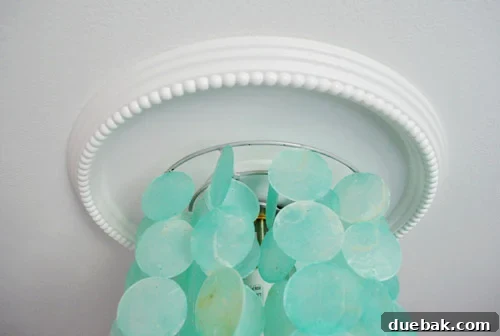
Whitney Houston once famously said, “crack is whack.” While she likely wasn’t referring to architectural flaws, anyone who’s faced a less-than-perfect ceiling around a beloved light fixture might agree with the sentiment. Our journey began with Clara’s beautiful aqua-colored capiz chandelier, a centerpiece we adored. However, beneath its charm lurked a secret – an unsightly network of cracks on the ceiling that truly earned the description “whack.” This common home improvement dilemma, often hidden in plain sight, can detract from even the most carefully designed space. But fear not, for we discovered an incredibly simple, budget-friendly solution that transformed our ceiling from an eyesore to an elegant focal point: the humble, yet mighty, ceiling medallion.
Transform Your Ceiling: An Easy DIY Guide to Installing a Decorative Ceiling Medallion
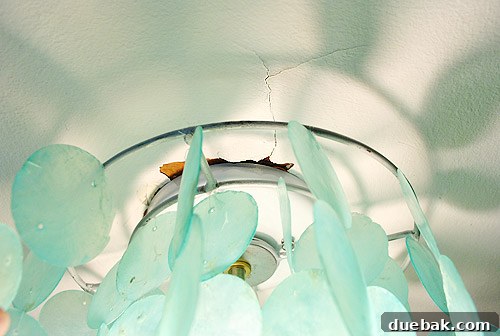
Every homeowner has them – those little imperfections that nag at you, often unnoticed by guests but glaringly obvious to your own eye. For us, it was the ceiling around Clara’s light fixture. This particular flaw had managed to evade detection in all previous photographs and was barely visible in everyday life, largely thanks to a larger-based ceiling fan that had previously occupied the spot. But when we finally got around to installing Clara’s new light fixture (a fantastic find for just $50, which we sourced here), the problem became glaringly apparent. A constellation of cracks and unfinished edges surrounded the electrical box, making the entire area look messy and unfinished. We knew it was a project we couldn’t put off any longer, but the thought of extensive patching and sanding didn’t exactly fill us with joy. Fortunately, we stumbled upon an ingenious and incredibly simple fix: a decorative ceiling medallion.
The Hidden Problem: Why Ceilings Get “Whack” Around Fixtures
Ceiling imperfections around light fixtures are surprisingly common. They can arise from various factors, such as imprecise cuts during original construction, minor house settling over time leading to hairline cracks, or even previous fixture installations that left behind uneven paint lines or damaged drywall. These issues often remain concealed by larger fixtures or ceiling fans, only to be exposed when a smaller, more delicate light is installed. While spackling and repainting are viable options, they often involve multiple steps, drying times, and the potential for a visible patch if not executed perfectly. We had always toyed with the idea of adding a decorative element to Clara’s room, especially considering our long-term plans to paint her ceiling and add elegant crown molding. The revelation of the ceiling cracks provided the perfect impetus to finally take the plunge and incorporate a ceiling medallion. This solution offered both an immediate decorative upgrade and a practical cover-up, killing two birds with one stone – a win-win in any home improvement project!
Discovering the Perfect Solution: The Mighty Ceiling Medallion
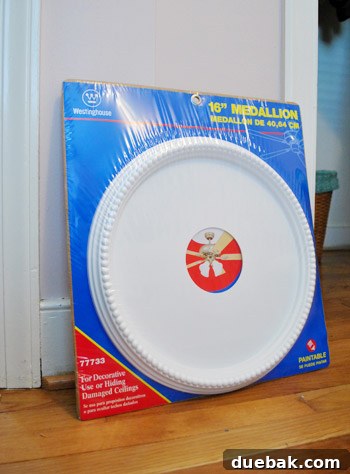
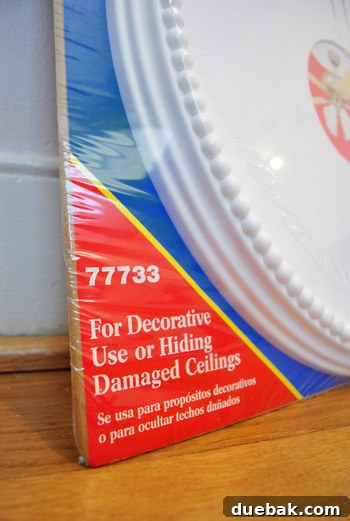
Our search for a ceiling medallion led us to Home Depot, where we found the ideal candidate for just $19. This incredibly affordable price point was a major factor, as we appreciate projects that deliver significant impact without breaking the bank. Ceiling medallions are not just decorative; they serve a fantastic functional purpose by neatly concealing any unsightly gaps, cracks, or electrical boxes around your light fixtures. They add a touch of architectural elegance that can elevate the entire room’s aesthetic, making the ceiling a true fifth wall in your design scheme. The beauty of this particular project was its simplicity; it was a quick fix that didn’t snowball into a nightmare, proving that effective home upgrades don’t always require extensive time or expertise.
Choosing Your Ceiling Medallion: Style, Size, and Material
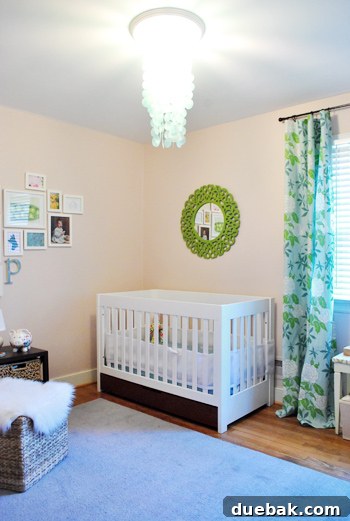
Selecting the right ceiling medallion involves considering several factors to ensure it complements your room’s decor and your chosen light fixture. Medallions come in a vast array of styles, from simple, understated designs to highly ornate, intricate patterns inspired by classical architecture. For Clara’s room, we opted for a fairly simple bead-like bordered design. We felt a more ornate version might overwhelm the space, whereas this subtle elegance perfectly fit the room’s aesthetic – a charming blend of slightly feminine and slightly modern elements. The 16-inch diameter of the medallion also proved to be just right for the size of her capiz chandelier, creating a balanced and visually pleasing proportion.
In terms of materials, most modern medallions are made from lightweight polyurethane foam or plastic, which makes them incredibly easy to handle and install. Despite being plastic, our chosen medallion had a convincing appearance, mimicking carved wood once it was hung. Older homes might feature plaster or wood medallions, which offer a different level of craftsmanship but also come with higher costs and more complex installation requirements. The lightweight nature of our chosen medallion was a significant advantage, eliminating the need for additional adhesives or screws to secure it to the ceiling – the light fixture itself would do all the work.
A Step-by-Step Guide to Easy Medallion Installation
One of the most appealing aspects of this project was its straightforward installation process. Even for novice DIYers, adding a ceiling medallion can be accomplished in under an hour. Here’s how we tackled it, transforming a cracked ceiling into a polished focal point:
Step 1: Safety First – Turn Off the Power
Before beginning any electrical work, even simply disconnecting a light fixture, always prioritize safety. Locate the circuit breaker panel for your home and turn off the power to the specific room or light fixture you will be working on. It’s a good practice to double-check with a non-contact voltage tester to ensure the power is truly off before touching any wires.
Step 2: Carefully Remove the Existing Light Fixture
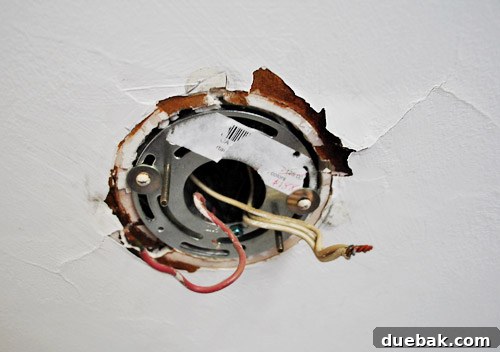
The first task was to remove Clara’s existing light fixture. This step typically involves unscrewing the mounting nuts or screws that hold the fixture base to the ceiling electrical box. Once the fixture is detached, you’ll need to carefully disconnect the wires – usually black (hot), white (neutral), and bare copper or green (ground) – by twisting off the wire nuts. This is the moment when the full extent of the ceiling problem truly reveals itself, as seen in the accompanying image. The exposed wiring and cracked drywall around the electrical box clearly demonstrate the need for a beautiful cover-up.
Step 3: Prepare and Position the Medallion
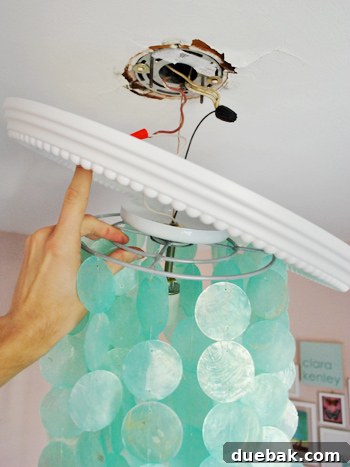
With the old fixture removed, it’s time to prepare your new ceiling medallion. For our lightweight plastic medallion, preparation was minimal. Simply ensure the center hole is large enough for your light fixture’s wires and mounting hardware to pass through. If your medallion is made of heavier material or you prefer extra security, you might apply a bead of construction adhesive to the back before positioning it. However, for smaller, lighter medallions like ours, the fixture itself often provides sufficient support. We simply centered the medallion over the electrical box, aligning its opening with the ceiling wires.
Step 4: Thread Wires and Reattach the Light Fixture
Next, carefully thread the light fixture’s electrical wires through the center opening of the ceiling medallion. With the medallion now flush against the ceiling and covering the imperfections, you can proceed to reattach your light fixture. Reconnect the wires, matching black to black, white to white, and ground to ground, securing each connection with wire nuts. Then, carefully tuck the wires back into the electrical box. The light fixture’s mounting plate or canopy is then screwed back into the ceiling electrical box, effectively sandwiching the medallion between the fixture and the ceiling. This clever design ensures the medallion is held firmly in place without the need for additional fasteners or messy glues, a significant advantage for a quick DIY project. This is what the process looked like mid-project, showcasing the medallion’s seamless integration.
Step 5: Final Touches and Restoration of Power
Once the light fixture is securely attached and the medallion is firmly held in place, perform a final visual check to ensure everything is aligned and secure. With the installation complete, return to your circuit breaker panel and restore power to the room. Test your new light fixture to confirm it’s working correctly, and then stand back and admire your handiwork! The entire process, from start to finish, took us about 15 minutes – an incredibly small investment of time for such a significant aesthetic return.
Beyond the Fix: Enhancing Your Room’s Aesthetics
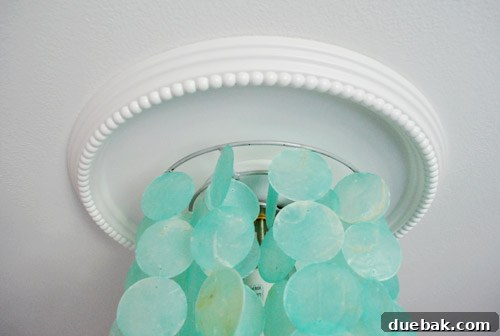
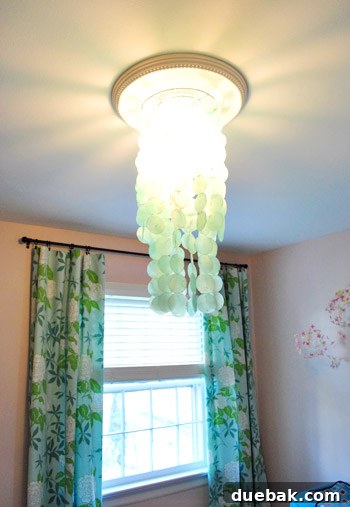
The immediate transformation was remarkable. The ceiling medallion instantly provided a crisp, clean border around Clara’s chandelier, making the entire fixture pop. It wasn’t just about hiding the cracks anymore; it was about elevating the room’s design. The medallion adds a touch of architectural detail and sophistication that was previously missing. While my wife, Sherry, someday hopes to paint the metal ring of the fixture a matching white to help it blend even more seamlessly, for now, we’re incredibly proud of our “crack-free” results. We imagine Ms. Houston herself would approve!
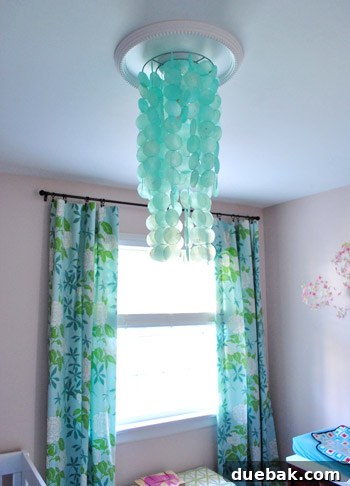
What truly surprised and delighted us was the way the medallion interacted with the light. When the chandelier is illuminated, the light reflects off the pristine white surface of the medallion, creating a soft glow that accentuates the fixture and makes it appear even more stately and substantial. This unexpected interplay of light and shadow adds an extra layer of depth and visual interest to the ceiling, truly making the light fixture a feature rather than just a functional object.
This small project has also reignited our excitement for future updates in Clara’s room. We’re now even more eager to paint the ceiling and install crown molding, knowing how much these architectural details can enhance a space. While our medallion is paintable, we anticipate keeping it crisp white, allowing it to “pop” beautifully against whatever soft ceiling color we eventually choose. This layered approach to design helps to create a cohesive and sophisticated look that ties all the elements of the room together.
Why a Ceiling Medallion is a Smart Home Upgrade
A ceiling medallion is far more than just a decorative accent; it’s a smart, multi-functional home improvement that offers a plethora of benefits:
- Affordability: As our $19 find demonstrates, you don’t need to spend a fortune to make a significant visual impact. Compared to the cost of professional drywall repair and repainting, a medallion is incredibly budget-friendly.
- Ease of Installation: Most lightweight medallions are designed for easy DIY installation, requiring minimal tools and expertise. It’s a project that can be completed in minutes, not hours or days.
- Instant Aesthetic Upgrade: Medallions add architectural interest, character, and a touch of elegance that instantly elevates the look of any room. They transform a simple light fixture into a more refined design element.
- Effective Imperfection Concealer: They excel at hiding unsightly cracks, gaps, and uneven paint lines around light fixtures and ceiling fans, saving you the time and effort of more extensive repairs.
- Versatility in Style: With countless designs available, from minimalist to highly ornate, there’s a ceiling medallion to complement every interior design style, whether traditional, modern, farmhouse, or eclectic.
- Increased Home Value: While a small detail, architectural enhancements like ceiling medallions can subtly increase the perceived value and appeal of your home to potential buyers.
- Paintable for Customization: Most medallions can be painted to match or contrast with your ceiling color, offering endless customization possibilities to perfectly integrate with your decor scheme.
Final Thoughts & Your Ceiling Medallion Stories
Our experience with the ceiling medallion has been overwhelmingly positive. It was a simple, quick, and affordable solution to an annoying problem, and it yielded beautiful results that exceeded our expectations. This small update has made a big difference in Clara’s room, adding a polished finish that ties everything together. It’s a testament to how even the smallest DIY project can have a profound impact on the overall feel and aesthetic of your home.
We’d love to hear from you! Have any of you incorporated ceiling medallions into your home decor? Was it primarily to conceal an existing problem, or did you add one purely for its decorative appeal? Share your experiences and insights in the comments below – your stories might just inspire someone else to take the plunge and transform their own ceilings!