
As a parent, the quest for more sleep can often feel like an epic saga. Enter the “lazy mom’s” (or dad’s!) ultimate trick: DIY no-sew blackout curtains. This isn’t about professional tailoring or intricate patterns; it’s about a mind-numbingly easy, shortcut solution that promises more restful naps and longer nights for your little ones – and by extension, for you! We’re diving into a project that requires minimal effort, time, and budget, yet delivers maximum impact on your family’s sleep quality. If you’ve been battling short naps or early morning wake-ups due to pesky sunlight, prepare to transform your child’s room into a serene sleep haven.
The Unsung Hero of Sleep: Why Blackout Curtains Matter
Before we delve into the “how-to,” let’s understand the crucial “why.” Our bodies, especially those of young children, are incredibly responsive to light. Light signals to our brains that it’s daytime, suppressing the production of melatonin, the hormone that helps us feel sleepy. Even a sliver of light filtering through a window can disrupt a child’s sleep cycle, leading to shorter naps and earlier wake-up calls. For Clara, my daughter, even the decent light-blocking faux wood blinds on her bedroom window weren’t enough to achieve that deep, restorative naptime darkness. We were stuck in a frustrating cycle of 45-minute naps, which left both of us feeling less than refreshed.
True blackout fabric, designed to completely block out light, can make a room pitch black even in the middle of a sunny afternoon. This optimal darkness encourages melatonin production, signaling to your child’s brain that it’s indeed time for sleep. The goal is simple: create an environment so conducive to sleep that the only thing stopping your child from resting is, well, your child! This simple home improvement isn’t just about convenience; it’s a strategic move for better health, mood, and cognitive function for your little one, and much-needed peace for parents.
Gathering Your (Minimal) Supplies: A Budget-Friendly Approach
The beauty of this DIY project lies in its simplicity and affordability. Forget expensive custom drapes or complicated sewing machines. You only need a few key items:
- Blackout Fabric: This is your star player. I headed to JoAnn Fabrics and purchased 5.5 yards, which felt similar to the white fabric found on roller blinds. Remember to measure your existing curtains beforehand to determine the exact yardage needed. Pro-tip: Always check for coupons! I managed to snag mine for an incredible 50% off, bringing the total cost down to a mere $15. Look for heavy, tightly woven fabric, often with an acrylic foam backing, specifically marketed as “blackout liner” or “blackout fabric.”
- Existing Curtain Panels: You’ll be using these as your decorative front layer and as a template.
- Measuring Tape: For accurate sizing.
- Sharp Scissors: To cleanly cut the blackout fabric.
- Curtain Rod Clips: These are the secret to the “no-sew” magic. Ensure they are sturdy enough to hold both layers of fabric securely.
- Washing Machine & Drying Rack (or clothesline): For fabric preparation.
That’s it! No needles, no thread, no sewing machine required. This minimalist approach saves you time, money, and the potential frustration of a complex craft project when sleep deprivation is already a factor.
Your Easy Step-by-Step Guide to No-Sew Blackout Curtains
Here’s how to create these miracle workers with minimal fuss:
Step 1: Fabric Preparation
- First things first: wash your blackout fabric. While the label on mine suggested dry cleaning, the helpful lady at the fabric counter assured me that a cold wash and air dry would work perfectly without any issues. She was absolutely right! Washing beforehand helps to pre-shrink the fabric (if it’s prone to it) and removes any manufacturing chemicals, ensuring it hangs nicely.
- Once washed, air dry the fabric. Avoid high heat in a dryer, which could potentially damage the blackout coating. If needed, a quick, low-heat iron can smooth out any wrinkles, though often the weight of the fabric will help it hang straight.
Step 2: Measure and Cut
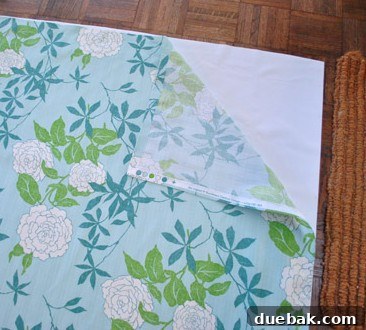
- Unclip Clara’s existing fabric curtain panels from her room. Lay one panel flat on a clean floor, smoothed out completely.
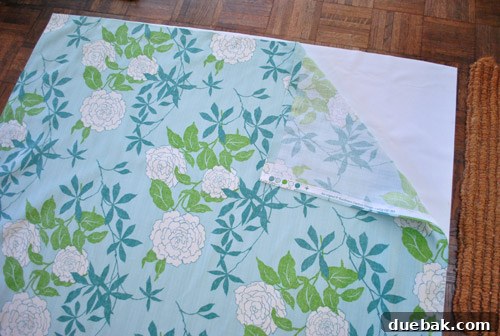
- Next, lay your prepared blackout fabric directly on top of the existing curtain panel, aligning the edges as perfectly as possible. Use the existing curtain as your precise template.
- Carefully cut two blackout curtain panels to the exact same size as your two existing curtains. Precision here ensures a neat, seamless look when they are hung.
Step 3: The “No-Sew” Assembly
- This is where the magic happens and the “lazy mom” designation truly shines! Initially, I considered a more traditional approach: sewing the blackout fabric to the back of the existing curtain on three sides, then turning it right-side out and hand-sewing the top to create a finished panel, much like making a pillow cover.
- However, reality quickly set in. With only four minutes before naptime and an urgent need to test the blackout effect, elaborate sewing was out of the question. I prioritized immediate results over perfection.
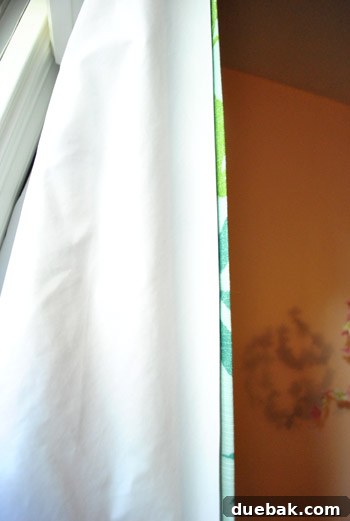
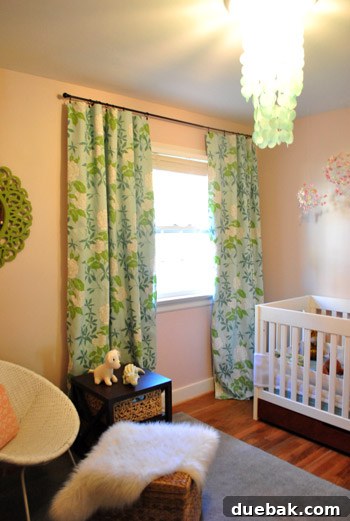
- Instead, I simply draped the blackout fabric behind the existing decorative curtain panel. Then, using my ring clips along the curtain rod, I clipped both the existing curtain panel AND the new blackout fabric liner together. The weight of both materials combined ensures that the decorative fabric drapes beautifully in front of the liner, looking virtually identical to how it looked without the blackout layer, just a lot darker!
And just like that, you have a fully functional blackout curtain system without a single stitch! This method is not only incredibly fast but also flexible. You can easily remove the blackout liners for washing or if you ever decide to change your decor.
The beauty of this virtually identical appearance means you get all the benefits of a perfectly darkened room without compromising on your existing aesthetic. So, while you might not immediately see the blackout liner in photos, rest assured, it’s there. Lurking behind the scenes, ready to work its sleep-inducing magic!
The Incredible Results: More Sleep for Everyone!
So, did it work? Absolutely! The impact on Clara’s sleep was almost immediate and truly remarkable. Since adding these simple liners, she’s been giving us approximately 90 minutes for naptime instead of the previous 45 minutes. That’s an extra 45 minutes of precious, uninterrupted rest for her – and for me! Even better, her overnight sleep has consistently stretched to 12+ straight hours, from 7:30 PM to 8 AM.
To be entirely transparent, Clara has always been an amazing night sleeper; I take no credit for that wonderful trait, it’s just how she’s wired. The primary goal of this project was to encourage longer, more restorative naps during the day. The unexpected bonus was that her usual 7:30 AM wake-up time gently shifted back to 8 AM, giving us all an extra half-hour of morning slumber. These DIY blackout curtain liners were undoubtedly well worth the fifteen bucks and fifteen minutes spent.
For us, those extra hours of sleep, especially now with intense “book stuff” pulling us into the early hours of the morning, have been life-saving. Going to bed around 2 AM means those extra moments of morning rest are invaluable. It’s all worth it though, and I can’t wait to share sneak peeks of our book shoots and the journey from a word document to an actual book as we progress (especially now that the final manuscript was submitted just last night, or rather, this morning at 2:14 AM!). Woot!
Beyond Curtains: Holistic Sleep Strategies
While blackout curtains are a game-changer, remember they are one piece of a larger sleep puzzle. To maximize your child’s rest, consider integrating these other tips:
- Consistent Sleep Schedule: Regular bedtimes and wake-up times, even on weekends, help regulate your child’s internal clock.
- Optimal Room Temperature: A cool room (around 68-72°F or 20-22°C) is ideal for sleep.
- White Noise Machine: A constant, gentle sound can mask household noises and create a soothing environment.
- Relaxing Bedtime Routine: A predictable sequence of activities (bath, story, lullaby) signals to your child that it’s time to wind down.
- Avoid Screen Time: Blue light from screens before bed can interfere with melatonin production.
Every little bit helps. And yes, I understand the disbelief about Clara’s nap schedule! When our friends, the Bowers, visited, their son Will was regularly enjoying luxurious three-hour naps. Jeremy couldn’t believe how Clara would pop back up a little over half an hour later, raring to go. And yes, I was incredibly jealous of their sweetly slumbering son. Do you know how much backsplash tile we could start installing over a nice three-hour chunk of time? Haha. But that’s okay; we certainly can’t complain about the consistently amazing night sleep Clara has given us practically from day one. And the fact that we can put her to bed at 7:30 PM and then hammer away at work from 8 o’clock onwards is pretty darn awesome.
Embrace the Shortcut, Embrace the Sleep
In the whirlwind of parenthood, finding simple, effective solutions that genuinely improve daily life is a victory. These DIY no-sew blackout curtains are precisely that – a quick win that delivers lasting benefits. For just $15 and 15 minutes of effort, you can significantly enhance your child’s sleep, granting them the restorative rest they need to thrive, and giving you precious moments of peace, productivity, or simply, more sleep for yourself. It’s a small investment for a massive return. So, if you’re looking for a clever shortcut that truly pays off, this is one project you won’t regret tackling.
Psst- Curious about where we found that perfect piece of furniture, or the exact shade of paint on our walls? Just click the button below to explore our home sources!