
Originally Published: April 21, 2011. Updated 2019.
How to Distress Wood: Creating an Authentic Reclaimed Look for New Lumber
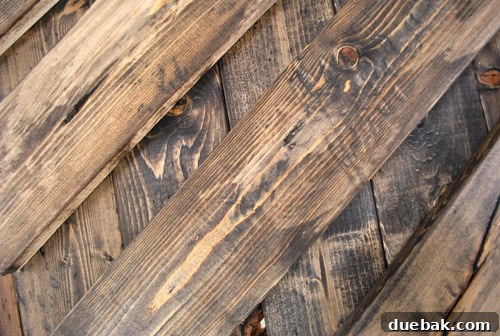
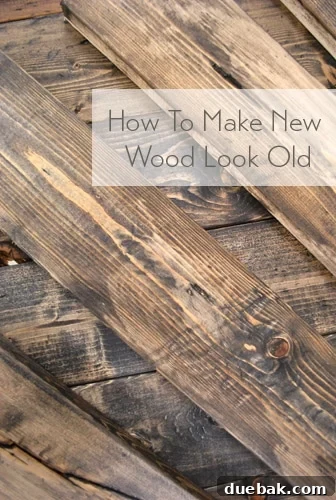
Ever gazed upon a piece of furniture and wished for that charming, weathered, and rustic aesthetic without the hefty price tag of genuine reclaimed barn wood or aged shipping pallets? You’re in luck! This comprehensive guide reveals the simple yet effective steps we took to transform new, pristine whitewood from a hardware store into a tabletop that appears to carry years of stories and character. Our method focuses on distressing and strategic staining, resulting in a beautifully aged finish perfect for any DIY project, like our custom console storage table. We’ll walk you through the entire process, sharing tips and tricks to help you achieve a truly unique, old-world charm.
Why Opt for Distressed Wood?
Distressing wood isn’t just a trend; it’s an art form that brings warmth, character, and a sense of history to modern pieces. It allows you to create custom furniture or decor with a unique, vintage appeal, often at a fraction of the cost of antique or truly salvaged materials. This technique is perfect for adding rustic charm to farmhouse-style interiors, industrial designs, or simply making a new piece feel more inviting and lived-in. Plus, the process itself can be incredibly satisfying, turning ordinary lumber into extraordinary focal points.
Tools and Materials You’ll Need
Before diving into the fun of distressing, gather your supplies. For this project, you’ll need a combination of common household items and woodworking essentials:
- New wood boards (we used 1×4″ whitewood)
- Measuring tape and pencil
- Saw (hand saw, miter saw, or circular saw)
- Palm sander or sanding block with various grit sandpaper (80-120 grit for shaping, 150-220 grit for finishing)
- Protective eyewear and gloves
- Ear protection (especially for power tools)
- A Ziploc bag filled with coarse screws, bolts, or a metal chain
- Hammer
- Nail punch or a similar small, pointed metal tool
- A long, thin metal object (like a rebar piece, large nail, or metal rod)
- Large screw or other sharp, abrasive object for scraping
- Optional: Wire brush, chisels, paint can opener, various metal objects for unique marks
Step 1: Selecting New Wood with Natural Imperfections
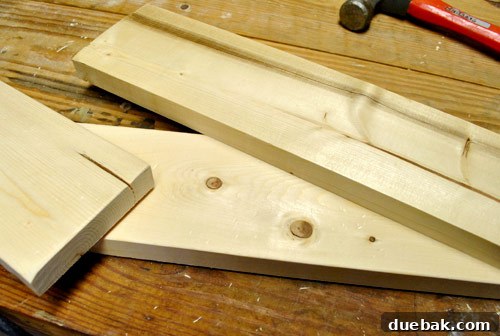
Our project started with 1×4″ whitewood boards purchased from a local home improvement store like Home Depot. This type of wood is not only incredibly affordable but also often comes with existing imperfections that are ideal for distressing. Instead of seeking out flawless pieces, actively look for boards that already exhibit character. Embrace knots, small chips, subtle cracks, dark grain stripes, or other unique texture details. These natural flaws will serve as excellent starting points, enhancing the authentic “reclaimed” look you’re aiming for and making the distressing process even more convincing.
Step 2: Precisely Make Your Cuts
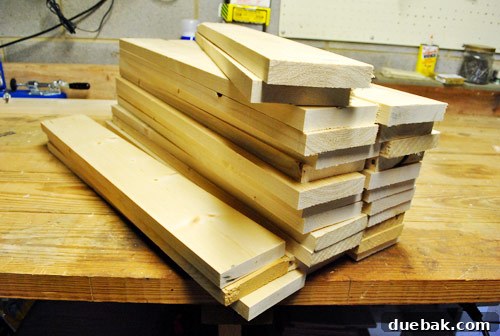
Before you begin the exciting phase of distressing, it’s crucial to cut your wood to the desired length and shape. For our console tabletop, we cut each 8-foot board into 2-foot lengths to achieve a distinctive “patchwork” effect. Cutting your wood to size first is highly recommended. This ensures that all sides and edges of your finished pieces are uniformly distressed. If you cut the wood after distressing, you risk exposing raw, “new” wood at the cut edges, which would necessitate repeating some of the distressing steps on those fresh surfaces to maintain consistency. Plan your cuts carefully to avoid extra work and ensure a cohesive, aged appearance throughout your project.
Step 3: Gently Sand and Soften the Edges
One of the clearest indicators that wood is new is its sharp, crisp corners and perfectly straight edges. To immediately combat this, your first step in distressing should be to soften these tell-tale signs. Using a palm sander equipped with 80-120 grit sandpaper (or a sanding block if you prefer manual work), gently round over all four edges on the top surface of each board. Focus on creating a subtly worn, smoother edge rather than a sharp angle. This simple action instantly gives the wood an older, more handled appearance, making it look as if it has been used and aged over time. Think of it as the initial step in erasing its “fresh from the lumberyard” identity.
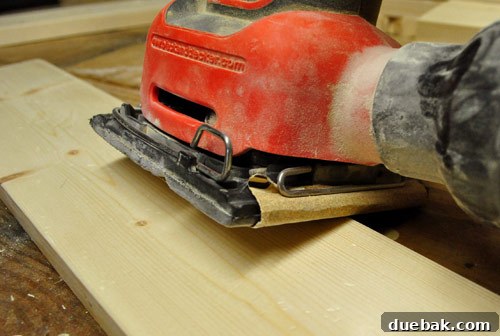
Before committing to a technique, it’s always wise to experiment on a spare piece of wood. This allows you to discover what effects you like best and how different tools interact with the wood grain, giving you confidence before working on your main project pieces.
Step 4: The Art of Controlled Chaos – Start Distressing Your Boards
This is where the real fun begins! The goal of distressing is to mimic years of natural wear and tear, creating an authentic aged texture. Remember, true aging is never uniform. Therefore, apply a variety of techniques sporadically across your pile of boards. This approach ensures each board develops its own unique character, as if it were salvaged from different sources after enduring various trials and tribulations. You don’t need to apply every technique to every single board; instead, aim for a diverse mix of weathered looks. Let’s explore some effective methods:
Trick #1: Impart Subtle Dings with a Bag of Screws or Chains
A simple yet highly effective way to create subtle indentations and minor surface damage is by using a Ziploc bag filled with coarse screws or bolts. Firmly smack each board multiple times with the bag. This action creates tiny dings and divots that are not immediately obvious but become beautifully pronounced once stain is applied, as the stain will collect in these depressions. This technique is not only effective but can also be surprisingly therapeutic! For an alternative, some DIY enthusiasts achieve similar results by using a metal chain to repeatedly strike the wood surface, which creates a different pattern of subtle imperfections.
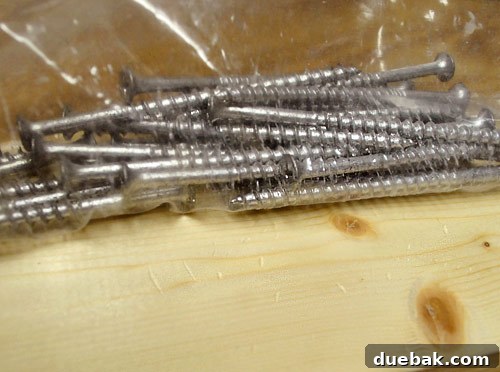
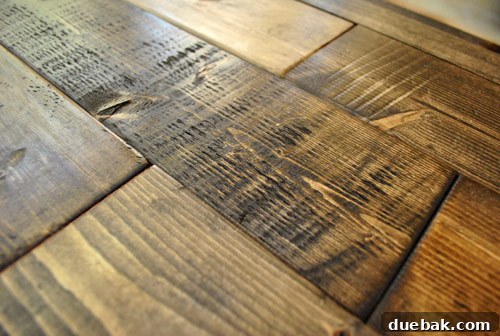
The subtle marks left by the bag of screws are often hard to discern on raw wood. However, once stained, their presence becomes much clearer. The stain beautifully catches and collects within these minor dents and divots, highlighting the texture and adding depth to the aged appearance. This deliberate damage contributes significantly to the reclaimed wood illusion.
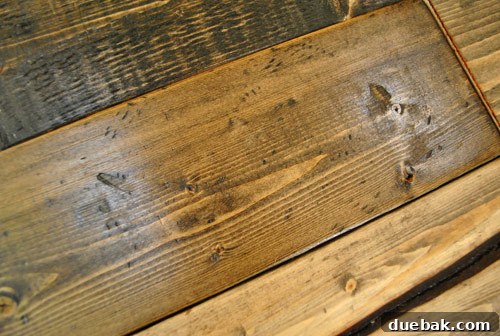
Trick #2: Create Impact Marks with a Hammer
For more prominent dents and impact marks, a hammer is your go-to tool. Given that whitewood or pine is relatively soft, just a few light to moderate taps are sufficient to leave noticeable depressions. Instead of evenly spacing your hammer marks, try to concentrate hits in one or two spots to create natural-looking clusters. This organic approach mimics the way wood would naturally get banged up over time, rather than appearing deliberately manufactured. Experiment with both the hammerhead and the claw for varied textures.
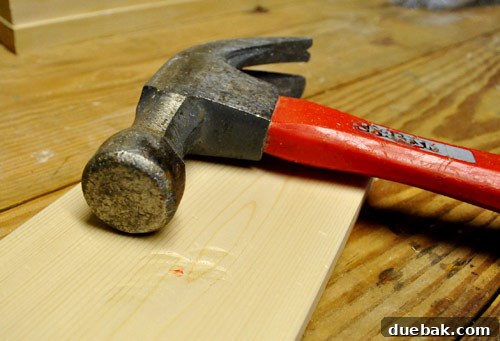
Once your hammer marks are stained, their unique character truly emerges, adding another layer of authenticity to your distressed wood. The dark stain fills the depressions, making them stand out and contribute to the rich, weathered narrative of the wood.
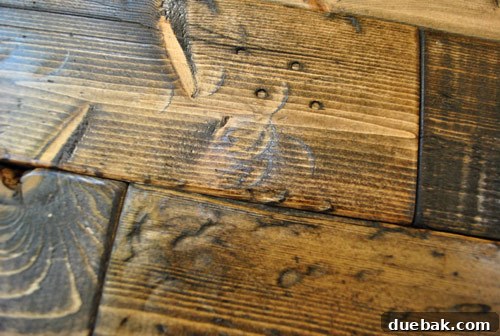
Trick #3: Break Out Your Nail Punch for Authentic-Looking Holes
To simulate the appearance of old nail holes without actually embedding nails, a nail punch (or even a Phillips head screwdriver) works wonders. Place the tip of the nail punch on the wood and tap it with a hammer. The resulting impression closely resembles a spot where an actual nail has been driven through the board and perhaps removed, leaving behind a small, weathered cavity. Vary the size and depth of these “holes” for a more convincing effect. This technique adds a touch of industrial age realism to your rustic pieces.
Trick #4: Make Long, Linear Impressions
Beyond individual dents, long, linear impressions can effectively simulate the impact of other objects brushing against or resting on the wood over the years. Use the same nail punch, a metal rod, or any sturdy, thin object that can withstand a hammer’s impact. Lay the object across the board and gently hammer along its length to create a continuous ridge or indentation. A long nail laid on its side, for instance, can produce a particularly convincing effect. These linear marks suggest a history of contact and friction, contributing to the overall worn aesthetic.
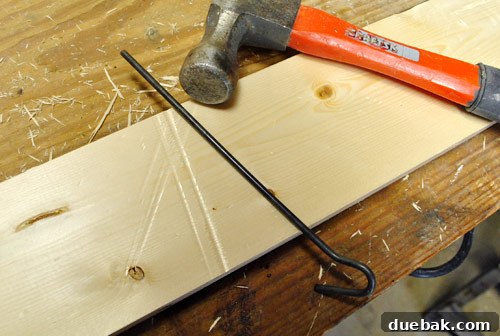
The distinctive character of these long impressions truly shines once stained. The stain deepens into the crevices, making the lines pop and adding an undeniable sense of age and personality to the wood. These deliberate marks speak volumes about the wood’s imagined past.
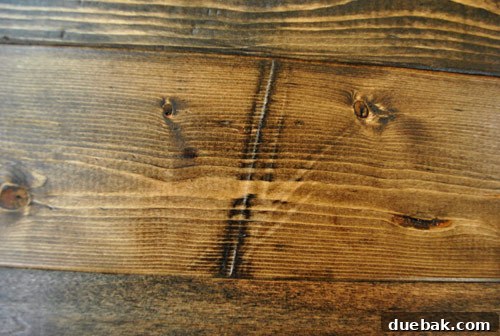
Trick #5: Scrape and Scratch for a Worn Texture
To replicate the look of rough, slightly rotted, or severely abraded wood, consider scraping and scratching. Grab a large screw, a wire brush, or even a paint can opener, and drag its threads or edges across the wood grain. This action effectively roughs up the surface, creating furrows and shallow gouges. After a light sanding, these areas can remarkably mimic the texture of weathered and decaying wood, similar to parts of old pallets that have succumbed to the elements. This technique is excellent for adding a tactile dimension to your distressed finish, particularly along the edges and ends of the boards.
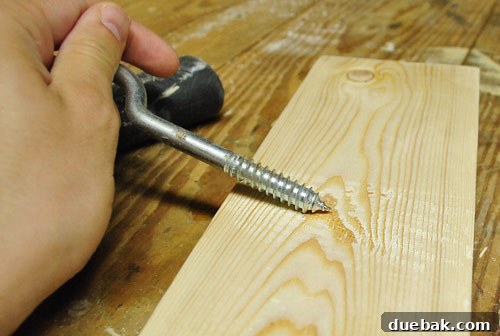
Applying this scraping technique along the entire length of some boards can yield a truly unique and distinct appearance. These intentionally marred surfaces stand in stark contrast to their original store-bought smoothness, solidifying their transformation into aged, reclaimed-looking wood.
Other Distressing Ideas:
- Wire Brush: Dragging a wire brush along the grain can remove softer wood, emphasizing the harder grain lines for a naturally weathered look.
- Chisels/Gouges: Carefully using chisels can create deeper gouges or “wormholes” for more severe damage.
- Dropping Objects: Sometimes, simply dropping various metal objects onto the wood from a short height can create random, authentic-looking dents.
- Distressing Files: Specialized distressing files can create unique textures and soften edges effectively.
Always prioritize safety during distressing. Wear protective eyewear and gloves, and ensure your work surface is stable. The key to successful distressing is embracing randomness and imperfection. Don’t be afraid to experiment and trust your artistic eye to create a genuinely unique, aged look.
Step 5: One Last, Gentle Sanding
After all the hammering, scraping, and deliberate damage, a final, light sanding is essential. While it might seem counterintuitive to sand after distressing, this step serves a crucial purpose: to ensure a smooth, splinter-free finish without removing the character you’ve just created. Use a finer grit sandpaper (around 150-220) and apply minimal pressure, simply skimming the surface to knock down any raised fibers or sharp edges. This prepares the wood perfectly for staining, allowing the stain to absorb evenly while still highlighting all the beautiful distressing marks. This ensures your “old” wood is still pleasant to touch and use.
Step 6: Gathering Your Staining Materials
With your boards beautifully distressed, it’s time to gather the necessary materials for the staining phase. Proper preparation here ensures a smooth and effective application:
- Rubber gloves: Essential for protecting your hands, as wood stain can be very messy and difficult to remove from skin.
- A cheap paintbrush or two like these: Stain can be harsh on brushes, so inexpensive ones are ideal. You won’t feel bad disposing of them afterward.
- Spare rags: Crucial for wiping off excess stain, which is key to controlling the depth of color and preventing a muddy finish. Old t-shirts or cotton cloths work perfectly.
- Your chosen wood stains: We used two different stain colors – Ebony by Minwax and Dark Walnut by Minwax. Using multiple colors allows for greater variation and depth in your finished project, mimicking the natural inconsistencies of aged wood.
- Your sealer: Our preference is a water-based, non-toxic alternative like Safecoat Acrylacq. Alternatively, any polyurethane from your local hardware store will work. The crucial factor is to choose something with a low sheen (matte or satin is best) because anything glossy will inadvertently make your wood look new again, undoing your distressing efforts.
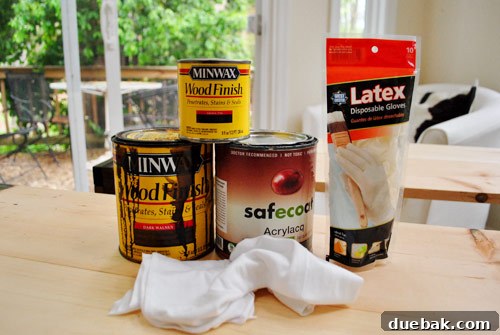
Working in a well-ventilated area is crucial when using wood stains and sealers. Lay down drop cloths or old newspapers to protect your work surface from spills. These preparations ensure a safe and successful staining experience.
Step 7: Test Your Stain Colors and Techniques
Before applying stain to your main project pieces, it’s paramount to test your chosen colors and application methods on scrap wood. This step is critical for understanding how the stain will react with your distressed wood and allows you to fine-tune your desired outcome. We aimed for significant variation from board to board, so we performed several tests. We observed what each stain looked like with a light coat (applied and quickly wiped off) versus a heavy coat (allowed to penetrate for a longer duration). This comparison provided invaluable insight into the potential depth and richness of each shade.
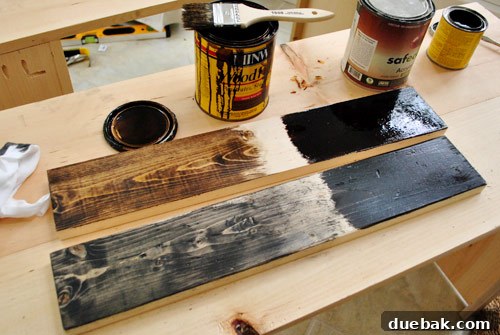
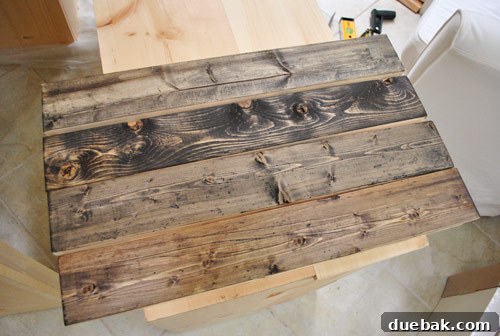
We found ourselves pleased with both Dark Walnut and Ebony stains. The Dark Walnut helped tie our console top to the existing dark woods in the room, while the Ebony offered a closer match to the gray pallet boards that initially inspired our project. In practice, layering or blending these two colors on many boards allowed us to achieve a beautiful range of tones, ensuring no single board looked too jarringly different, yet each retained its unique character.
Step 8: Get Creative with Your Wood Stain Application
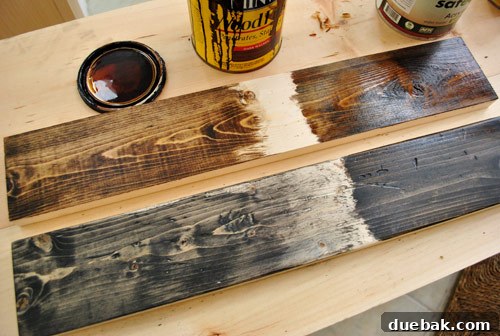
One challenge we faced was achieving some boards even lighter than a thinly applied, quickly wiped stain coat. This led to an innovative technique: the “water pre-wash.” Before applying stain to certain boards, we first brushed on a light coat of plain water and allowed it to soak in for a few seconds. Then, while the wood was still damp, we applied a light coat of stain. The pre-absorbed water limited the amount of stain the wood could absorb, resulting in a significantly lighter, more weathered finish that closely mimicked the faded look of some actual pallet wood. This method provides excellent control over stain depth, allowing you to achieve a wider spectrum of tones.
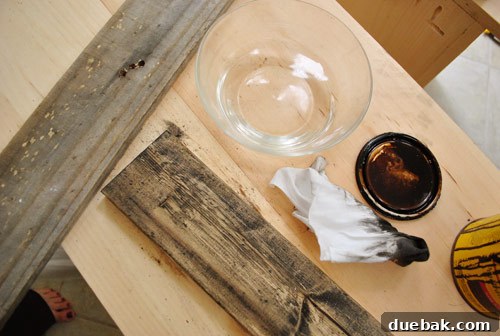
This water pre-wash technique allowed us to replicate the weathered appearance of pallets more closely than traditional staining methods. While it wasn’t an exact match (we discovered truly gray pallet wood was too cool for our living room, which already features gray walls and a large gray sectional), the variations created were perfect. We achieved warmth and balance by selectively allowing stain to penetrate longer, wiping it off quickly on other boards, and employing the water technique for lighter variations. The result was a collection of brand-new boards that now exuded a beautifully rustic and aged charm.
Step 9: Seal and Enjoy Your Masterpiece
Once your stain has thoroughly dried (always refer to the stain manufacturer’s recommended drying times, usually 24-48 hours), it’s time for the final, crucial step: sealing your distressed wood. Applying a protective sealer not only safeguards your hard work from moisture, spills, and daily wear but also locks in the beautiful aged finish. As mentioned, opt for a matte or low-sheen sealer to preserve the rustic look; a glossy finish would detract from the distressed aesthetic. Apply several thin coats according to the product instructions, allowing ample drying time between each coat for maximum durability.
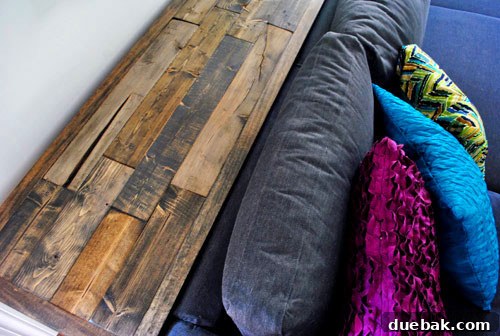
You can see the stunning transformation of our console table top, along with details on how we assembled the 2-foot sections into a cohesive surface, in this post. Enjoy your beautifully aged, custom-built piece!
*This post contains affiliate links*
Update – Wanna know where we got something in our house or what paint colors we used? Just click on this button: