
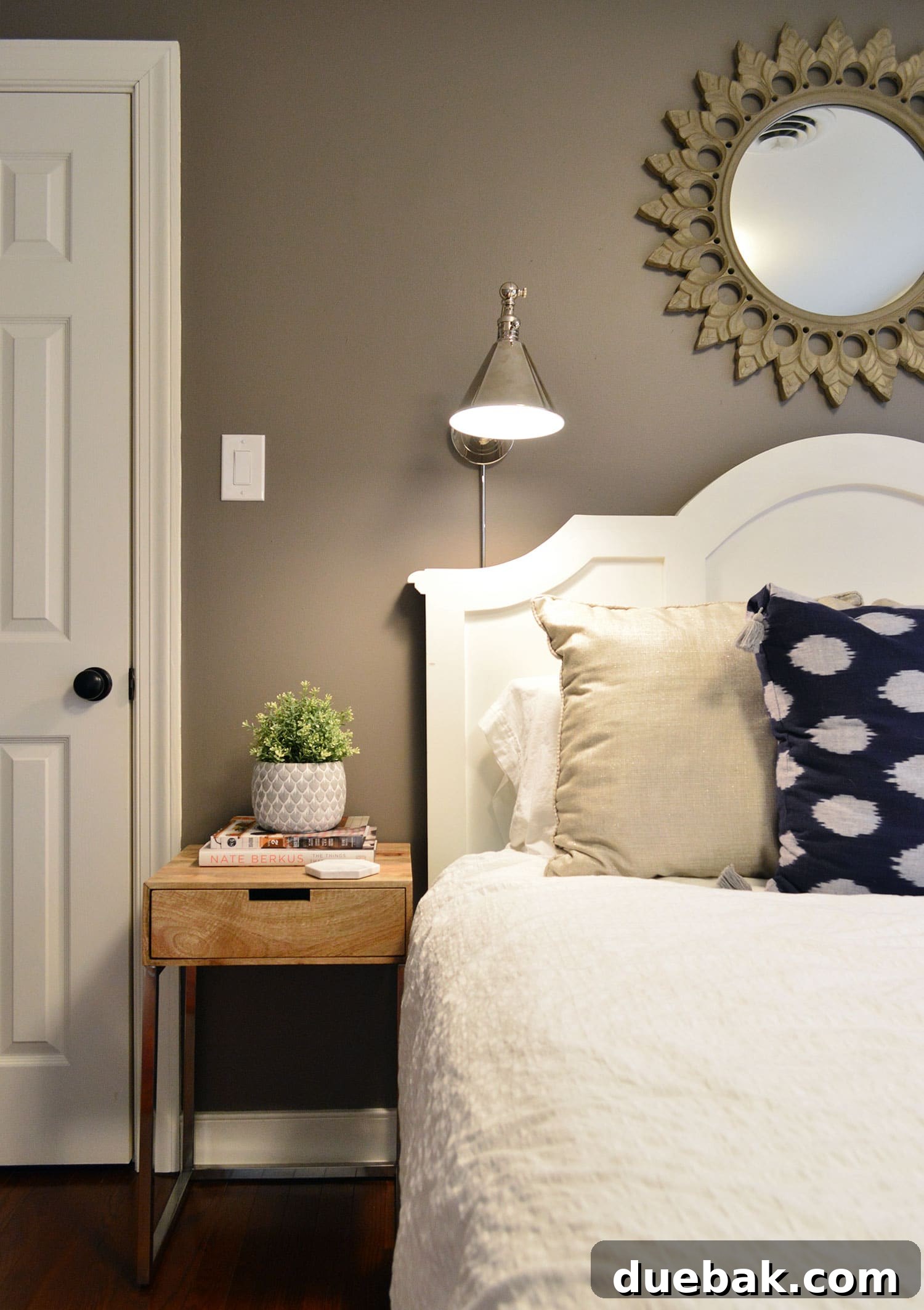
Welcome to the ultimate guide for upgrading your home’s lighting with LED bulbs. If you’re anything like me, you’re particular about the quality and performance of your light sources. The transition to LED technology is a significant investment, promising years—even decades—of reliable illumination without the hassle of frequent replacements. That’s why getting it right from the start is crucial. In this comprehensive guide, we’ll navigate the often-confusing world of LED lighting, covering everything from selecting the best general-purpose LED light bulbs for everyday use to discovering specialized LED solutions designed for unique needs and aesthetic preferences. Prepare to transform your living spaces with efficient, beautiful, and long-lasting light.
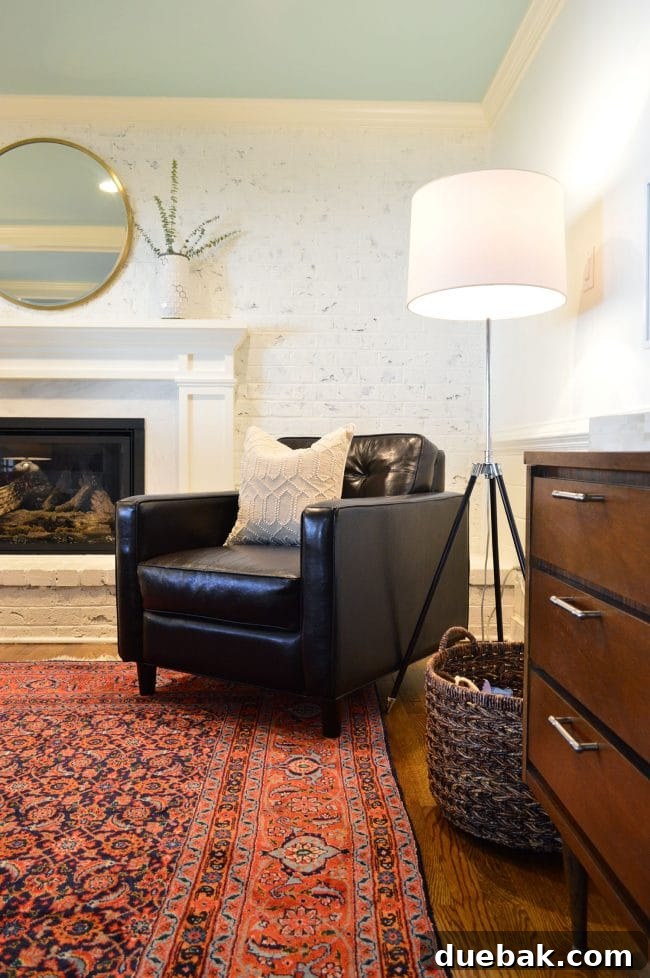
Navigating the Modern Light Bulb Market: Beyond Incandescents
“Buying light bulbs used to be so simple!” This sentiment, often echoed by many, including my own mother, perfectly encapsulates the modern consumer’s experience. Gone are the days when a “60-watt bulb” was the only specification you needed. The lighting landscape has dramatically evolved. Classic incandescent bulbs, once ubiquitous, are rapidly being phased out due to their inefficiency. Compact Fluorescent Lamps (CFLs), which briefly served as a bridge technology, now feel outdated compared to the superior performance and versatility of Light Emitting Diodes (LEDs).
The initial high price tag of LEDs was a significant barrier for many homeowners. However, advancements in technology and mass production have driven costs down considerably, making LED bulbs an accessible and practical choice for everyone looking to upgrade their home lighting. While our favorite LED bulbs might still be slightly more expensive upfront than their CFL counterparts—averaging around $5 per bulb—this initial investment is quickly recouped. Industry experts and consumer reports suggest that the average homeowner can offset the cost of switching to LEDs within a year or two through substantial savings on their electricity bill. This rapid return on investment, combined with their exceptional longevity and superior light quality, makes LEDs the clear choice for a modern, energy-efficient home. Embracing LEDs isn’t just about saving money; it’s about making an environmentally conscious decision and enhancing the ambiance and functionality of every room.
Demystifying LED Light Bulb Labels: Lumens and Kelvins Explained
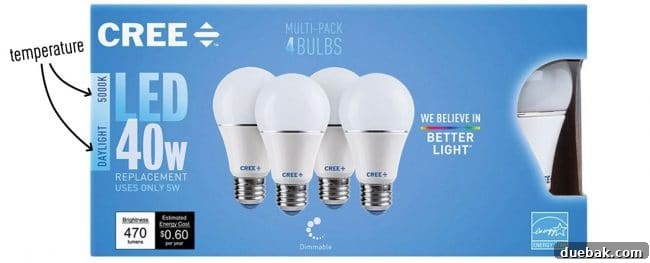
Understanding what’s written on an LED light bulb package can feel like deciphering a foreign language. Terms like “Lumens” and “Kelvins” often intimidate buyers, but I promise they are far simpler than they appear. In fact, with a few easy tips, you’ll be able to quickly grasp their meaning and make informed decisions, often without needing to deep-dive into complex specifications.
Lumens: Measuring Brightness
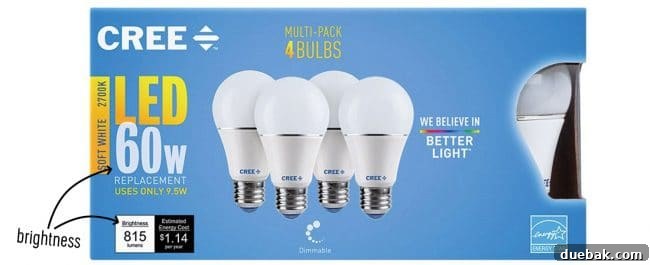
Let’s start with Lumens, which is simply the standard unit for measuring the total amount of visible light emitted by a source. In plain English, lumens tell you how bright a light bulb will be. Forget watts as a measure of brightness; watts actually indicate energy consumption, not light output. The higher the lumen count, the brighter the light. For instance:
- A traditional 40-watt incandescent bulb typically produces around 450 lumens.
- A 60-watt incandescent bulb produces about 800 lumens.
- A 100-watt incandescent bulb delivers roughly 1600 lumens.
When choosing an LED, you’ll often see a “wattage equivalent” on the packaging (e.g., “60W Equivalent”). This is a helpful guideline, indicating that the LED bulb produces a similar amount of light (lumens) to its incandescent predecessor, but with significantly less energy consumption. For general room lighting, a 60-watt equivalent LED (around 800 lumens) is a common choice. For smaller spaces like hallways or accent lighting, a 40-watt equivalent (450 lumens) might suffice. Conversely, larger rooms or areas requiring intense task lighting, such as kitchens or workshops, could benefit from 100-watt equivalent LEDs (1600 lumens) or even higher. Always check the lumen output to ensure you’re getting the desired brightness for your specific application.
Kelvins: Defining Color Temperature
Next up are Kelvins (abbreviated as ‘K’), which measure the color temperature of the light. This refers to how warm (yellowish) or cool (bluish) the light appears. Unlike temperature scales we’re used to, a lower Kelvin number indicates a warmer light, while a higher Kelvin number indicates a cooler light. Think of it this way:
- 2000K – 3000K: Warm White / Soft White. This range produces a yellowish-white glow, similar to traditional incandescent bulbs or candlelight. It creates a cozy, inviting atmosphere, perfect for living rooms, bedrooms, and dining areas. Our personal preference for most spaces in our home is a 2700K bulb, often labeled “soft white.”
- 3100K – 4500K: Cool White / Bright White. This range offers a more neutral, crisp white light. It’s excellent for kitchens, bathrooms, offices, and utility rooms where you need better visibility for tasks without the harshness of blue light.
- 4600K – 6500K: Daylight. This light is very bright, with a distinct bluish-white hue, mimicking natural daylight. While it’s energizing and ideal for reading, detailed work, garages, or basements, it can feel sterile or too intense for relaxation areas.
While many manufacturers use descriptive terms like “soft white” or “daylight,” these can sometimes vary between brands. For precise control over your home’s ambiance, always cross-reference these descriptors with the Kelvin rating. Consistency in Kelvin temperature throughout open-plan spaces is key to achieving a harmonious lighting scheme.
Our Top Picks: General Use LED Light Bulbs for Every Home
After extensive testing and living with various brands, we’ve identified the LED bulbs that deliver exceptional performance, value, and aesthetic appeal. These are the workhorses of our home, providing consistent, beautiful light day in and day out. We’ll start with our go-to options for general illumination before exploring more specialized solutions.
The Everyday Champion: Our Go-To LED Bulb
For the vast majority of our lighting needs—from living room lamps and overhead fixtures to bedroom sconces—we rely on the Cree 60W Equivalent Soft White LED Bulb. This bulb strikes an impressive balance of affordability, reliability, and excellent light quality. Its price point is consistently one of the most competitive on the market, especially when purchased in convenient multi-packs, making it easy to stock up and ensure uniformity throughout your home.
One of the most frustrating experiences with some budget-friendly LEDs can be the dreaded delay when flipping a switch or an annoying humming sound. We’re pleased to report that these Cree bulbs eliminate both issues, offering instant-on illumination and silent operation, which is critical for a pleasant living environment. Sticking to our preferred 2700K color temperature, these soft white bulbs create a warm, inviting atmosphere that feels comfortable and natural in almost any setting.
Beyond the standard A19 shape, Cree offers versatile options to suit various fixtures:
-
For areas requiring slightly less intense light, such as decorative sconces or smaller lamps, consider the corresponding
Cree 40W Equivalent Soft White LED. -
If your fixtures require slender, flame-tip or torpedo-shaped bulbs, there’s also a
Candelabra Version available. -
And for homes with
Recessed Lighting (can lights), Cree offers dimmable soft white options that seamlessly integrate into existing setups, providing smooth dimming performance without flicker.
Aesthetic Appeal: The Best LED Bulb for Exposed Fixtures
Some light fixtures are designed to showcase the bulb itself, turning it into a decorative element rather than just a hidden light source. For these applications, where the bulb is visible, aesthetics become just as important as light quality. Our top recommendation for exposed fixtures is the Philips 60W Equivalent Clear Glass LED Bulb.
This Philips bulb delivers the same reliable 2700K soft white light output as our go-to Cree bulb, ensuring consistent ambiance throughout your home. However, its clear glass envelope and visible, Edison-esque filaments give it a distinct vintage charm. It beautifully mimics the appearance of classic incandescent bulbs, adding a touch of rustic elegance or industrial chic to your decor, without sacrificing the energy efficiency and longevity of LED technology. This makes it an ideal choice for open pendants, bare bulb sconces, or chandeliers where the bulb’s design contributes to the overall aesthetic.
Just like our general-purpose options, this stylish Philips bulb also comes in a Candelabra Version, perfect for those elegant chandeliers or wall sconces that demand both performance and visual appeal. Choosing the right bulb for exposed fixtures is a subtle but impactful way to elevate your home’s interior design.
Innovative Solutions: Our Favorite Speciality LED Light Bulbs
Beyond general illumination, LED technology offers incredible versatility for specific applications around your home. These specialized bulbs not only enhance convenience and security but also dramatically improve functionality in unique spaces.
Effortless Automation: The Best Dusk-To-Dawn LED
For outdoor lighting, convenience and energy efficiency are paramount. The Philips Dusk To Dawn LED Bulb is a game-changer. This intelligent bulb incorporates a built-in light sensor (often visible as a small red dot) that automates your outdoor lighting. It automatically turns itself on when the ambient light levels drop at sunset and switches off again when the sun rises.
We’ve installed these in our front porch lights, and the impact on daily routine is significant. No more remembering to flip switches or coming home to a dark entryway. They provide consistent illumination for security, welcoming guests, and navigating paths after dark, all without any manual intervention. This feature not only saves energy by ensuring lights are only on when needed but also enhances home security, giving the appearance of an occupied home. They are perfect for porch lights, garage lights, or any outdoor fixture where you desire automatic, hassle-free illumination.
Optimal Task Lighting: The Best LED Utility Light
While we cherish the warm glow of soft white bulbs in living spaces, utility areas demand a different approach. In workspaces and storage areas like closets, garages, attics, or sheds, the priority shifts from cozy ambiance to clear, bright visibility. Here, we happily make an exception to our 2700K preference. What’s needed is a powerful, crisp light that helps you easily find tools, inspect projects, or locate stored items without straining your eyes.
Our garage, for instance, was once dimly lit by struggling incandescent bulbs. We dramatically improved its functionality by installing two of these LED Flushmount Replacement Fixtures. These ingenious units are designed to screw directly into a standard light bulb socket, instantly upgrading a bare bulb setup into a more finished, flush-mounted fixture. They emit a significantly brighter and cooler light (typically in the 4000K-5000K range), transforming previously shadowy corners into well-lit work zones. suddenly, that wrench you’ve been looking for, or the intricate details of a DIY project, become effortlessly clear.
For those who prefer to shop on Amazon, a similar Amazon Prime-eligible version is also available, ensuring quick delivery. Additionally, for maximum versatility in certain utility spaces, some versions come with a convenient pull-chain switch, ideal for areas without wall switches. Investing in proper utility lighting drastically improves safety and efficiency in these crucial, often overlooked, parts of your home.
The Future is Now: Our Favorite Smart LED Bulb System
Integrating smart home technology can elevate your lighting experience from functional to truly intuitive and effortless. For those looking to dive into smart lighting without breaking the bank, the Philips Hue White Smart Bulbs offer an excellent and relatively affordable entry point into this exciting world. More recently, I’ve also explored TP-Link Smart Bulbs, which provide a compelling alternative for those who prefer a hub-less setup, connecting directly to your Wi-Fi network.
The core benefit of smart bulbs lies in their unparalleled control and convenience. You can effortlessly manage your lighting from your smartphone, a dedicated smart home app, or through voice commands via smart home speakers like an Amazon Alexa or a Google Assistant. This level of control opens up a world of possibilities for creating dynamic lighting schemes, enhancing security, and even improving your daily routines.
For example, we’ve configured personalized routines that add both convenience and a touch of magic to our home. Imagine saying, “Alexa, Goodnight” as you leave the living room, and instantly, the downstairs lights dim and turn off, while your bedside lamps upstairs gently illuminate your path. It’s an undeniably nerdy indulgence, but one that brings immense satisfaction and utility.
While the Philips Hue ecosystem offers more advanced options like the pricier Hue Color Ambiance ($50), which can cycle through millions of colors, or the Hue White Ambiance ($29), allowing adjustment across various white color temperatures, the basic Hue White bulbs (around $15) focus on delivering our beloved 2700K soft white light. This makes them a remarkably cost-effective way to integrate smart control into your home, providing all the benefits of automation for essential lighting without the premium price tag of full-spectrum capabilities. Smart bulbs are not just about convenience; they’re about making your home more responsive, efficient, and enjoyable.
Final Thoughts on Choosing Your Perfect LED Lighting
The journey to finding the ideal LED bulbs for your home can be a rewarding one, leading to enhanced ambiance, significant energy savings, and a greatly reduced need for bulb replacements. The recommendations shared here are the result of personal experience and rigorous testing—bulbs that have proven their worth in our own home, purchased with our own money, and meticulously scrutinized by my (as my spouse affectionately calls them) “special” eyes.
However, personal preference in lighting is incredibly subjective. What works perfectly for our home and aesthetic might differ for yours. Therefore, my strongest recommendation is to always test a bulb or two in your fixtures before committing to outfitting your entire house. Install them, live with them for a day or two, and observe how the light interacts with your decor, wall colors, and personal mood at different times. You might discover a preference for a slightly cooler soft white (e.g., 3000K) or a different lumen output that better suits a particular room’s function.
The beauty of modern LED lighting is the sheer variety available, allowing for precise customization to create the perfect environment in every corner of your home. Embrace the change, experiment a little, and you’ll undoubtedly find the LEDs that not only meet your practical needs but also delight your senses. Just… maybe proceed with caution around “Daylight” bulbs if you’re aiming for a cozy vibe.
Just kidding. (Mostly.)
P.S. If you’re looking for more guidance on selecting light fixtures that complement each other, especially in open-concept living spaces, be sure to check out this insightful post on coordinating light fixtures.
*This post contains affiliate links, which means we may earn a small commission if you make a purchase through them, at no extra cost to you. We only recommend products we genuinely use and love.*