
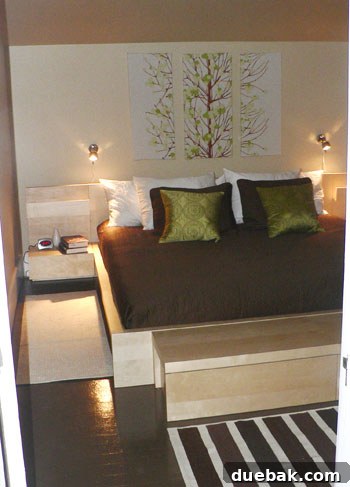
After sharing our own recent sunroom floor-painting adventure, we were absolutely delighted when it sparked inspiration in Stacie, who then sent us her incredible bedroom transformation. She didn’t just redecorate; she painted her entire hardwood floor, and the results are nothing short of spectacular! Her story is a testament to creativity, resourcefulness, and the amazing power of a little paint. Get ready to be inspired by Stacie’s journey, which proves that stunning home makeovers don’t always require a hefty budget.
Transform Your Bedroom Floor: Stacie’s Stunning DIY Painted Hardwood & Plywood Makeover
Home renovation can often feel like a daunting task, especially when unexpected challenges arise. But what if those challenges could lead to an even more unique and budget-friendly solution? Stacie’s bedroom transformation is a perfect example of turning a flooring dilemma into a design triumph. Join us as we delve into her inspiring story of how she achieved a luxurious, sophisticated look for her bedroom floor with just a bucket of paint and a clear vision.
The Unexpected Challenge: Uncovering Hidden Flooring Secrets
Stacie’s renovation journey began like many others: with a desire to refresh a neglected space. After two years in her home, her bedroom remained the last untouched frontier, primarily because it was the only room still sporting carpet. While the rest of her house boasted beautiful hardwoods, the bedroom’s flooring remained a mystery beneath its worn covering. What started as a simple update quickly turned into a significant challenge when the carpet was pulled back.
Instead of the uniform hardwood flooring she hoped for, Stacie discovered a patchwork reality: only part of the floor was salvageable hardwood, while a significant portion – about one-third, to be precise – was unexpectedly plywood. This common scenario can quickly derail renovation plans and blow budgets out of the water. The prospect of patching with new hardwoods, refinishing, or installing entirely new flooring was financially out of reach, especially since her modest budget had already been allocated to much-needed bedroom furniture.
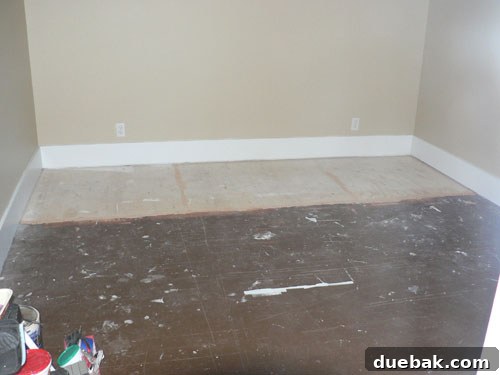
Many homeowners would feel disheartened by such a discovery, facing the dilemma of compromising on aesthetics or overspending. However, Stacie saw an opportunity where others might see an obstacle. She realized that her initial love for traditional hardwoods might need to take a backseat to a more practical, yet equally stylish, solution.
Embracing Innovation: The Bold Decision to Paint the Floor
Faced with the reality of her mixed flooring and a tight budget, Stacie made a bold decision that would ultimately define her bedroom’s new look: she decided to paint the floor. This wasn’t just a compromise; it was a deliberate choice to create a cohesive, beautiful surface that unified the disparate materials underneath. Painting a floor, especially a hardwood floor, might sound unconventional to some, but it’s a time-tested technique for achieving stunning results on a budget, and Stacie’s experience proves it was absolutely the best choice for her.
The beauty of painted floors lies in their versatility and cost-effectiveness. Instead of spending thousands on new installations or complex refinishing processes, a can of paint can transform a tired, mismatched, or even damaged floor into a fresh, modern masterpiece. It provides a seamless finish over various sub-surfaces, making it an ideal solution for situations like Stacie’s where hardwood meets plywood. This approach not only saved her significant money but also allowed her to allocate resources to other essential elements of her bedroom redesign.
Choosing the Right Paint for Durability and Style
Stacie’s success wasn’t just about deciding to paint; it was also about making an informed choice regarding the type of paint. For a mere $25, she opted for an Ace Hardware brand porch and floor enamel. This specific type of paint is designed for high-traffic areas, offering exceptional durability and resistance to wear and tear. Key to her choice was its oil-based formula in a rich “Espresso” shade with a high-gloss finish. Oil-based paints are renowned for their hard, durable finish and excellent adhesion, making them perfect for floors.

The “Espresso” color, as Stacie describes it, resembles “melted chocolate,” providing a deep, luxurious foundation for the room. The high-gloss finish further amplifies this effect, creating a reflective surface that bounces light around and makes the entire room feel more spacious and sophisticated. Unlike matte finishes that can absorb light, a high-gloss floor adds a touch of glamour and makes a bold statement. It’s a fantastic way to introduce a focal point to a room without needing elaborate rugs or complex patterns. When selecting your own floor paint, consider oil-based enamels for their resilience, especially in areas with frequent foot traffic. Think about how the finish – matte, satin, semi-gloss, or high-gloss – will impact the overall ambiance and light in your space. Each finish has unique properties that can dramatically alter the perception of a room.
Achieving a Flawless Finish: Tips for Painting Your Floor
While Stacie didn’t detail every step, a successful floor painting project relies on meticulous preparation and careful application. Inspired by her fantastic results, here’s a general guide for anyone considering this DIY transformation:
- Thorough Cleaning: Begin by thoroughly cleaning the floor. Remove all dirt, dust, and debris. For previously carpeted floors, pay extra attention to removing old adhesive residues. A good scrub with a degreaser and then rinsing with clean water is crucial.
- Sanding and Repair: Lightly sand the entire floor, including both hardwood and plywood sections, with fine-grit sandpaper (120-180 grit). This helps to create a smooth surface and ensures proper paint adhesion. Fill any cracks, holes, or imperfections with wood filler, letting it dry completely, then sanding smooth.
- Priming is Key: While Stacie didn’t mention priming, it’s often a critical step, especially when dealing with different materials like hardwood and plywood, or if you’re making a dramatic color change. An oil-based primer will seal the wood, prevent tannin bleed-through from the hardwood, and provide an optimal surface for the topcoat. Allow it to dry fully according to manufacturer instructions.
- Apply Thin Coats: Using a high-quality roller for large areas and a brush for edges and corners, apply the porch and floor enamel in thin, even coats. Avoid applying paint too thickly, as this can lead to bubbling, peeling, or uneven drying. Always work your way out of the room, starting from the farthest wall.
- Allow Adequate Drying and Curing Time: This is perhaps the most important step. Allow each coat to dry completely before applying the next. For floor enamels, even if a coat feels dry to the touch, it needs more time to fully cure and harden. Refer to the paint manufacturer’s instructions for specific drying and recoat times. For optimal durability, avoid placing furniture or heavy traffic on the floor for at least 72 hours, and preferably up to a week.
- Maintenance: Once fully cured, painted floors are surprisingly durable. Clean them with a soft cloth or mop and a mild, pH-neutral cleaner. Avoid abrasive cleaners or harsh chemicals that can damage the finish. Consider placing felt pads under furniture legs to prevent scratches.

The Financial Freedom: A Budget-Friendly Bedroom Renovation
One of the most compelling aspects of Stacie’s transformation is the sheer affordability. For a mere $25 investment in paint, she solved a significant flooring problem that could have easily cost hundreds or even thousands of dollars. This incredible cost-saving enabled her to direct her modest budget towards other essential items needed to complete her bedroom’s design, like new furniture and decor. It’s a powerful lesson in smart spending and prioritizing where your renovation dollars go.
Comparing this to other flooring options highlights the brilliance of her choice. Refinishing existing hardwood, even if it were all hardwood, can cost several dollars per square foot. Installing new hardwood, engineered wood, or even quality laminate over plywood would be significantly more expensive, involving material costs, labor, and potential subfloor preparation. Stacie’s painted floor not only looks fantastic but also demonstrates that a beautiful home doesn’t require breaking the bank. It’s about clever solutions and maximizing the potential of what you already have.
Stacie’s Empowering Takeaway: Don’t Be Afraid of Floor Paint!
Stacie’s concluding message resonates deeply with anyone considering a DIY project: “Lesson learned: don’t be afraid of floor paint!” Her experience is a powerful reminder that sometimes the most unconventional solutions yield the most rewarding results. She transformed a perceived flaw into a stunning feature, creating a bedroom that is both elegant and uniquely her own. Her painted floor is not just a surface; it’s a testament to her courage to think outside the box and embrace a creative, affordable approach to home decor.
Her bedroom now boasts a sleek, sophisticated, and genuinely sleep-inducing ambiance, proving that a dark, high-gloss floor can add incredible depth and character to a space. It’s a bold choice that paid off beautifully, delivering both style and practicality.
Who can argue with such a stunning transformation achieved with just a $25 investment? Stacie, your willingness to share your journey has undoubtedly inspired countless others facing similar home renovation dilemmas. Your bedroom looks absolutely incredible – stylish, sophisticated, and perfectly inviting. It’s a perfect example of how thoughtful DIY projects can elevate a home’s aesthetic without draining the wallet.
For all of you other readers out there who are secretly “swankifying” your homes like Stacie, don’t keep your brilliant transformations to yourselves! We absolutely adore seeing your before-and-after stories, the creative solutions you discover, and the beautiful spaces you craft. Your projects provide invaluable inspiration to our community, encouraging everyone to tackle their next DIY challenge with confidence and creativity. So, snap those pictures and send them our way – we can’t wait to celebrate your next home makeover!