
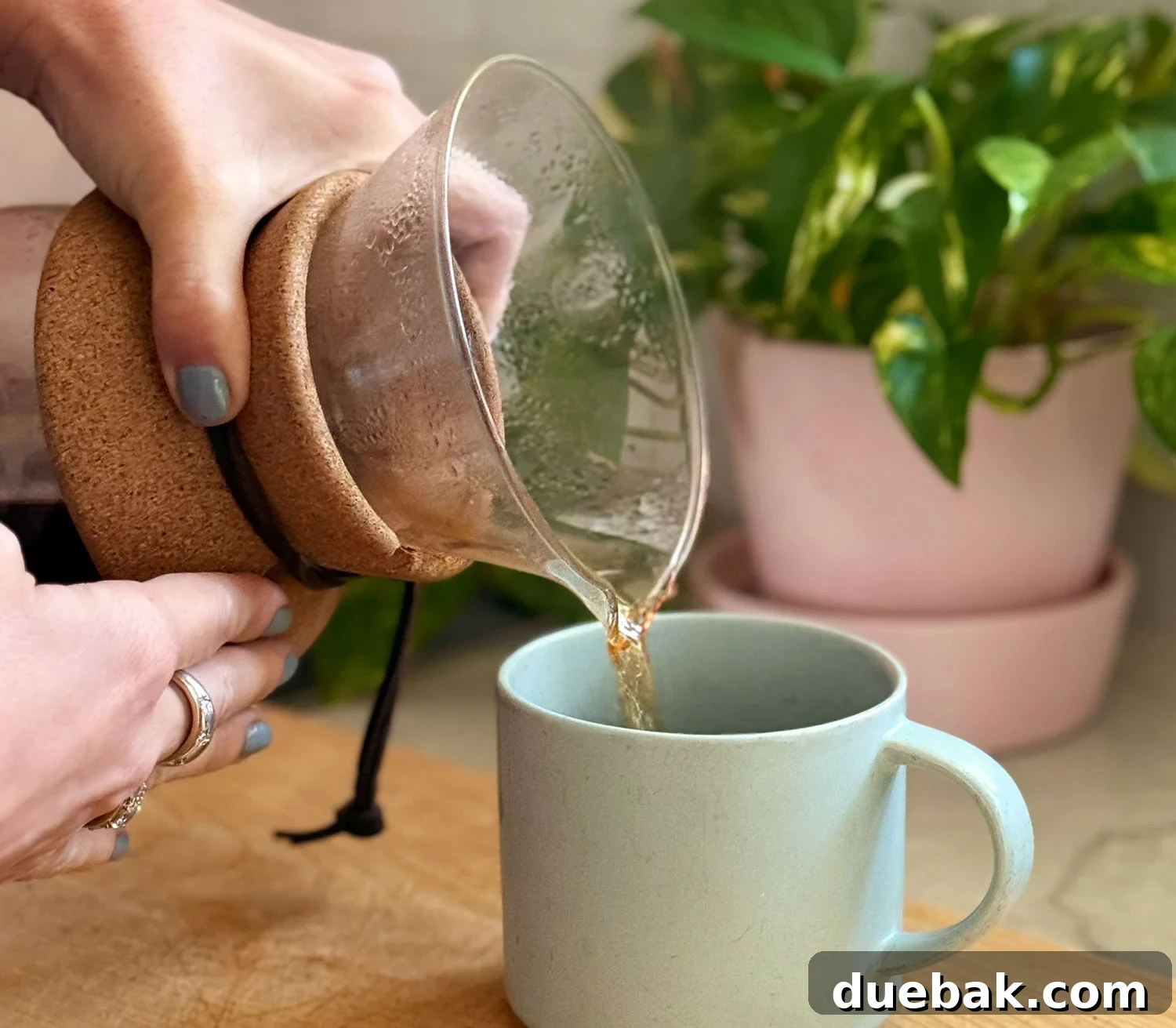
We often get asked how we make pour-over coffee and even receive requests for a video tutorial. We aren’t professional baristas, but we love an easy, affordable, and delicious cup every day. Below we share the simple system we use to consistently brew flavorful coffee without any burnt or bitter taste.

Pour over brewing produces better-tasting coffee with less equipment and less waste than many electric machines, but it can sound intimidating for beginners. In reality, pour over is only as complicated as you want it to be. It takes me just a few minutes each morning, and I find it tastes fresher and less bitter than many coffee-shop options. It’s simple, affordable, and delicious.
Our Coffee Supplies
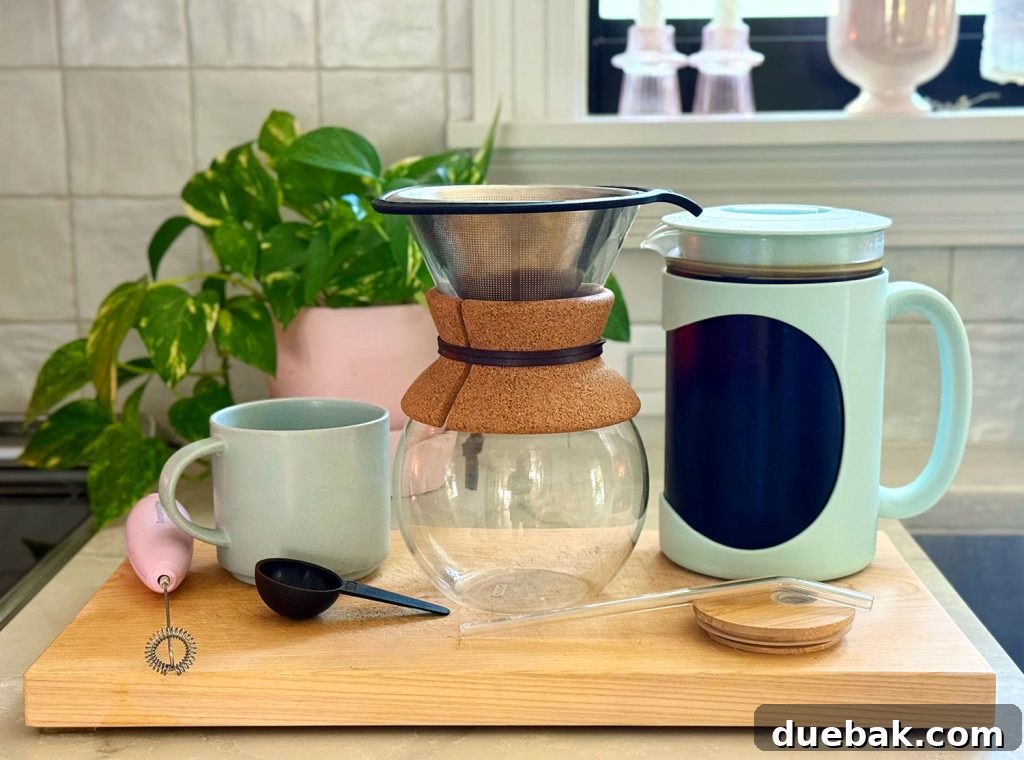
The list below looks long, but the core equipment is just the top three items—each inexpensive. For hot pour-over coffee you really only need the first item. The rest are optional extras depending on the variations you enjoy.
Coffee Supplies
- Pour Over Coffee Maker*
- Cold Brew Coffee Maker (optional)
- Handheld Frother
- Stoneware Mugs (optional)
- Ribbed Glasses with Lid & Straw (optional)
Coffee Ingredients
- Ground Coffee (freshly ground or pre-ground)
- Sweetener packets or sugar
- Creamer or milk alternative
*Brands like Chemex and Hario are well known for pour-over brewers, but their models can cost more. We use a budget-friendly brewer that suits our daily routine and has held up well for nearly two years.
If you own a grinder you can use whole beans, but for convenience we often buy recently ground coffee from the grocery store or have it ground at the coffee shop.
What is Pour Over Coffee?
Pour over is a manual brewing method where hot water is poured over ground coffee and filtered into a carafe or mug below. It is similar to drip coffee in concept, but because it’s brewed on demand and doesn’t sit on a hot plate, many people find it produces a fresher, cleaner, and less bitter cup. The manual process also gives you control over variables like pour speed and saturation, which can enhance flavor.
Basic drip machines sometimes heat water inconsistently or keep coffee on a warming plate, which can lead to overcooked or bitter flavors. They can also be more wasteful and harder to clean. Pour over eliminates many of those issues: it’s simple to rinse, uses reusable parts, and avoids hidden tubing where mold can hide. That said, if you love your automatic machine, that’s totally fine—this is just what works for us.
Pros & Cons of Pour Over Coffee
Pour over is popular because it offers precise control over brewing variables, helping you achieve an ideal cup. You don’t need to chase perfection to get great results, though; a straightforward approach still yields delicious coffee. Below are the main advantages and trade-offs.
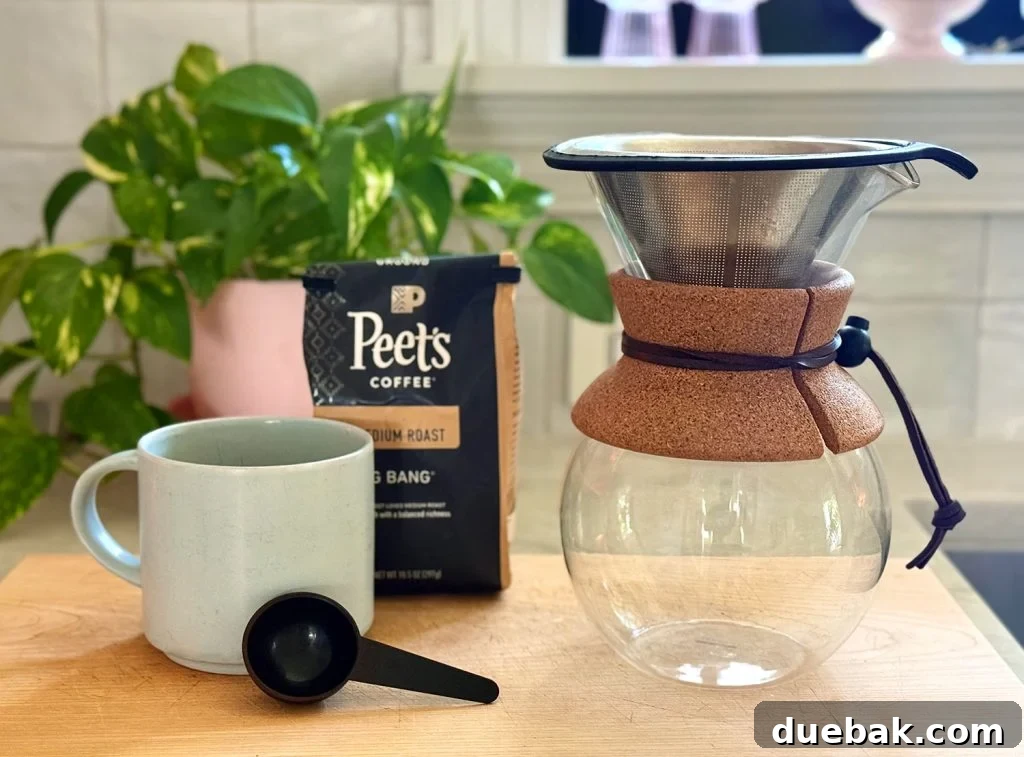
We like pour over for its affordability, compact size, and ease of use—especially in a small kitchen.
Pour Over Coffee PROS:
- Clearer, stronger flavors
- Inexpensive equipment
- Compact and attractive
- Reusable parts and less waste
- Easy to clean
Pour Over Coffee CONS:
- Not automated or programmable
- Small learning curve to master
- Makes just a few cups at a time
- No built-in heater to keep coffee warm
Video Guide
We include a step-by-step video showing how we prepare coffee with our pour-over maker, followed by a demonstration of our cold brew maker and a quick milk-frothing tip. The video walks through the entire process so you can follow along visually.
How to Make Pour Over Coffee
Here are the simple steps we follow every morning. From boiling water to a poured cup, it takes under three minutes of active effort—most of the time is just waiting for the coffee to filter through.
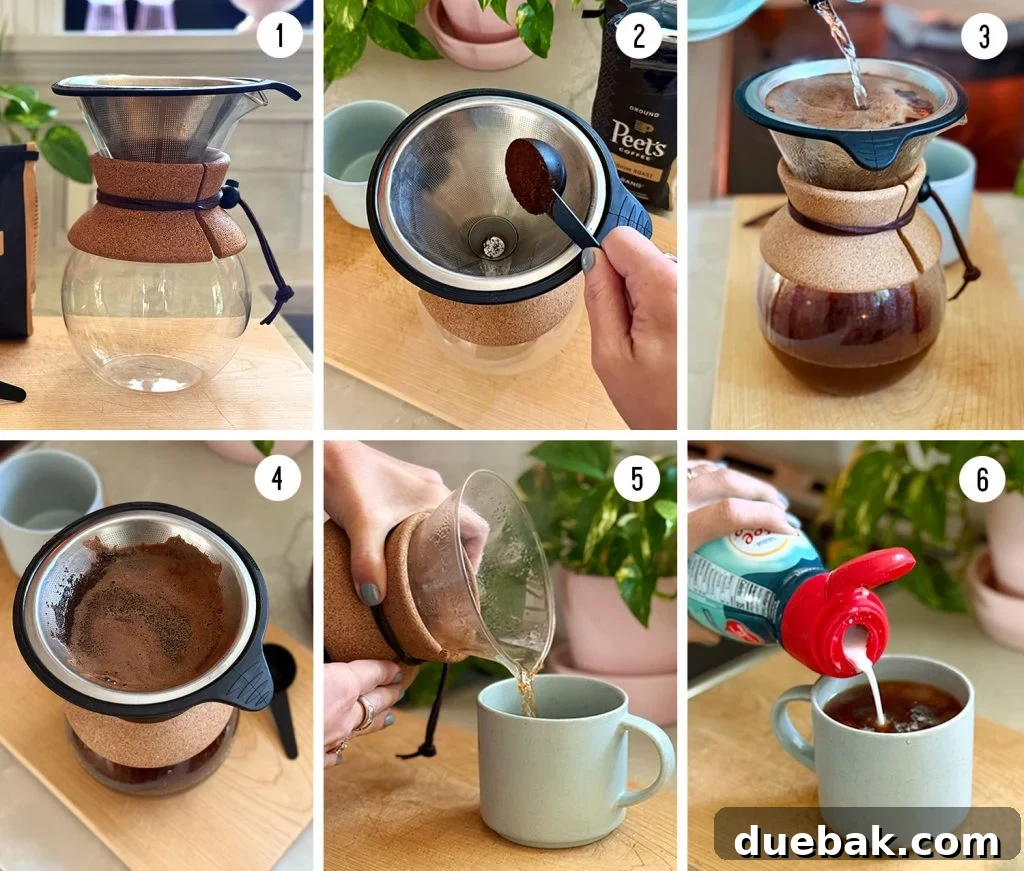
- Place the reusable filter into the glass carafe.
- Add one scoop of ground coffee (adjust to taste).
- Slowly pour boiling water over the grounds until saturated.
- Let the water drip through into the carafe.
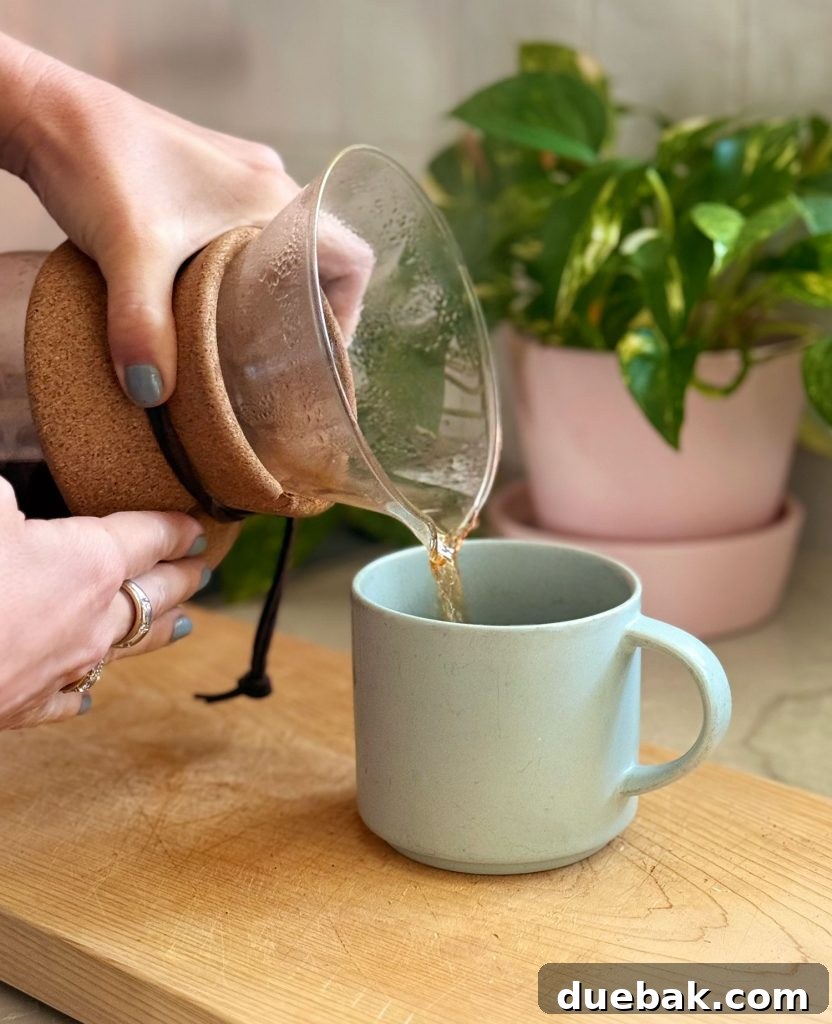
- Pour the coffee, holding the cork collar.
- Add milk, creamer, or sweetener to taste.
Below is a short explanation of each step to help you get consistent results.
1. Place the filter into the carafe
The reusable stainless-steel filter that comes with many pour-over sets fits into the glass cone. Some people use a paper filter for a cleaner cup, since paper absorbs oils and produces a lighter body. We prefer the metal filter for sustainability and ease of use: dump the grounds into compost or trash and rinse the filter for reuse.
2. Add 1 scoop of ground coffee
Use the provided scoop or your own measuring spoon. A common guideline is one scoop per cup, but you can increase the amount for a bolder brew. We own a 34 oz carafe, which realistically yields about two to three regular-sized mugs.
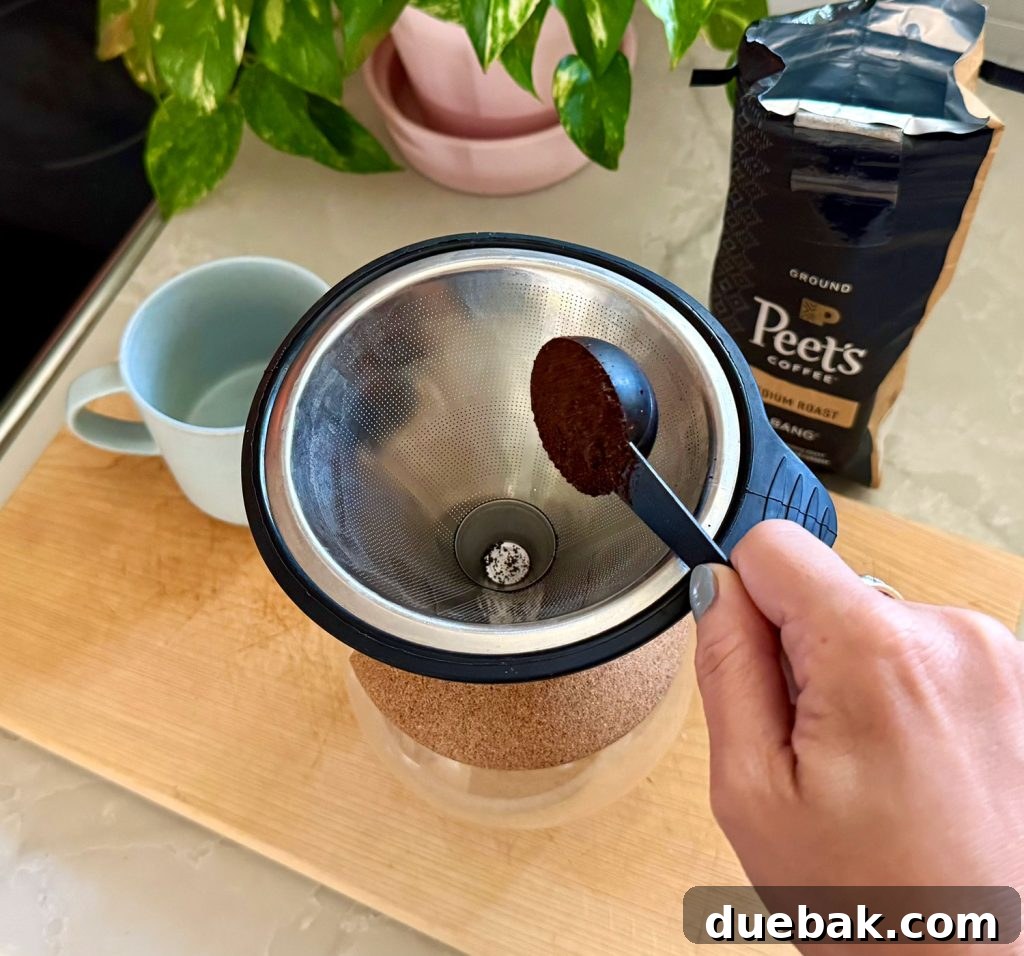
We’ve brewed multiple small batches for guests and it keeps the coffee fresh while everyone chats in the kitchen.
What kind of coffee grounds should I use?
Medium to medium-coarse grind is commonly recommended for pour over, but you can experiment. For convenience we often buy pre-ground coffee—just check the roast date for freshness.
3. Slowly Pour Boiling Water Over The Grounds
Use a kettle and pour slowly to avoid splashing or overfilling. Some advanced techniques use staged pours or a circular motion to “bloom” the coffee, but for everyday brewing we simply ensure the grounds are fully saturated and pour steadily until we reach the desired amount of water.
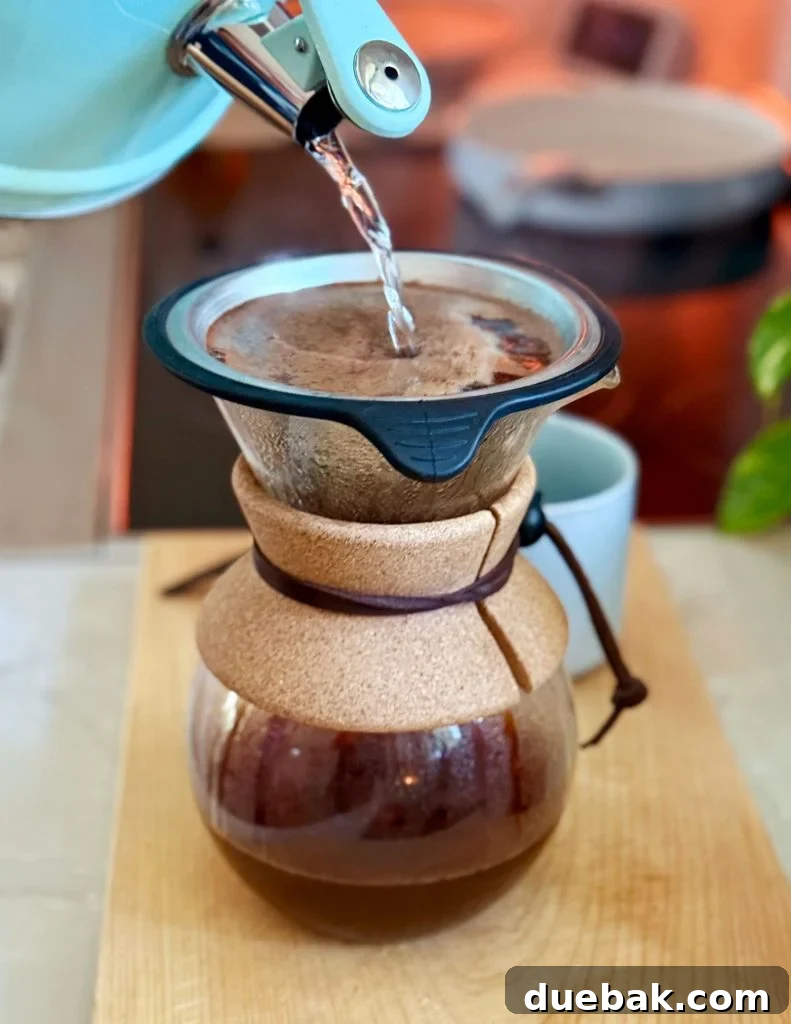
How much water should I use?
We aim for about 12 ounces of water per scoop, slightly less if adding cream. If you prefer precision, measure the water in a cup before pouring into the filter; otherwise, eyeballing works fine for daily use.
4. Allow The Water To Drip Through
The brew usually takes one to two minutes to filter through. This is a good moment to do a quick kitchen task while the coffee finishes and cools slightly to drinking temperature.
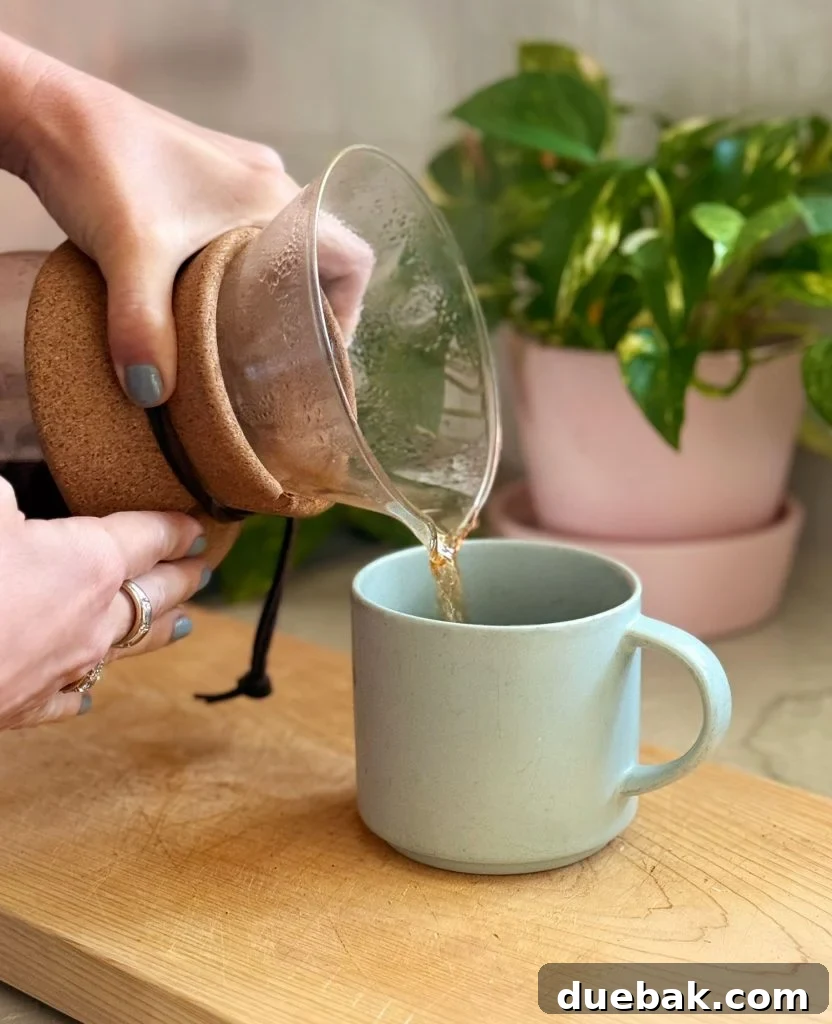
5. Pour The Coffee
When brewing is complete, remove the filter and pour your coffee. The glass carafe will be hot—hold it by the cork collar for a secure grip. Rinse or empty the filter into compost or trash and rinse later.
6. Add cream and sugar to taste
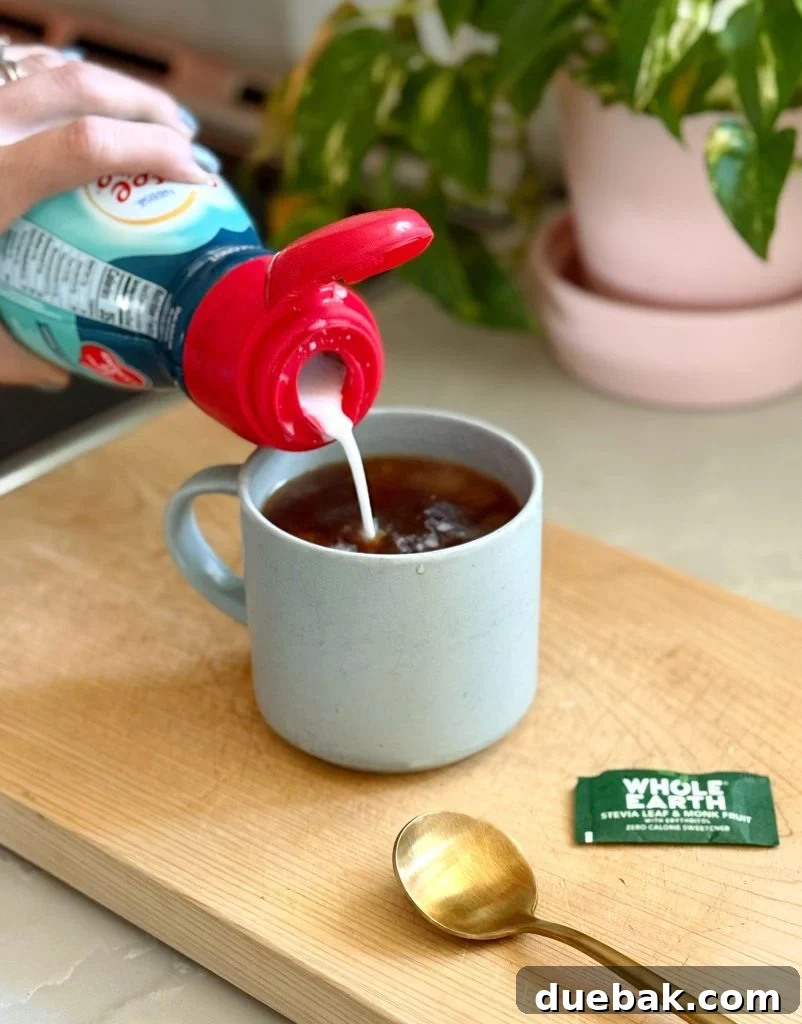
Some days we drink coffee black; other days we add a sweetener and creamer. Experiment with coconut creamer, flavored creamers, or sweetened almond milk. For a café-style touch, froth milk using a small handheld frother (instructions below).
Bonus Step: How to Froth Milk At Home
A small handheld frother makes it easy to add a latte-style foam to your cup. It’s quick and elevates the drink for a weekend treat or any time you want a little extra indulgence.
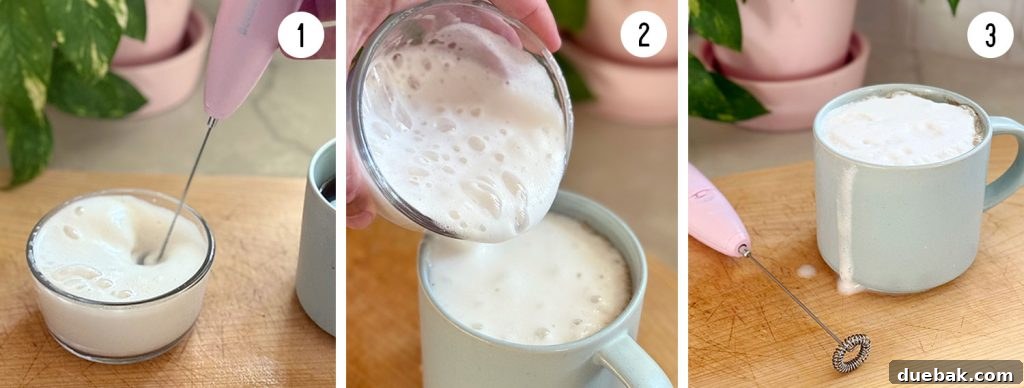
- Pour a small amount of milk or milk alternative into a cup. Submerge the frother tip and switch it on, moving it side to side.
- When frothy, pour the foam into your coffee.
- Enjoy. For extra sweetness, mix sweetener into the milk before frothing. Vanilla oat milk creates a naturally sweet, creamy foam.
How to Clean Your Pour Over
Cleaning our pour-over maker is simple. Most parts are dishwasher safe except for a cork collar or leather tie. We usually rinse and handwash daily and run the dishwasher once a week. Daily care routine:
- Discard grounds into trash or compost
- Rinse and gently wash the filter
- Rinse carafe
- Let pieces air dry upside down
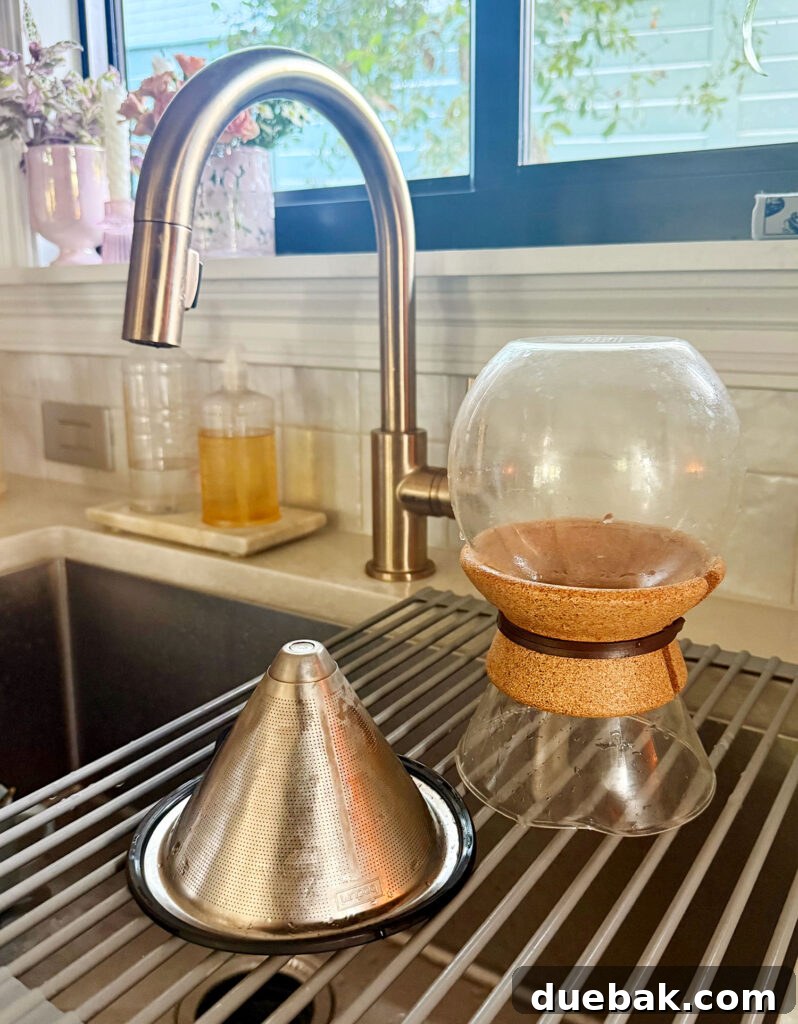
Cleaning is no more work than washing any kitchen dish, and the simple two-part design makes daily rinsing fast and easy.
Why We Love Pour Over Coffee
Pour over gives great flavor, minimal waste, and easy cleanup. It can be as precise or as relaxed as you like, which has kept us brewing this way daily for years. It’s an affordable, compact method that fits our small kitchen and tastes great every time.
Prefer Cold Coffee?
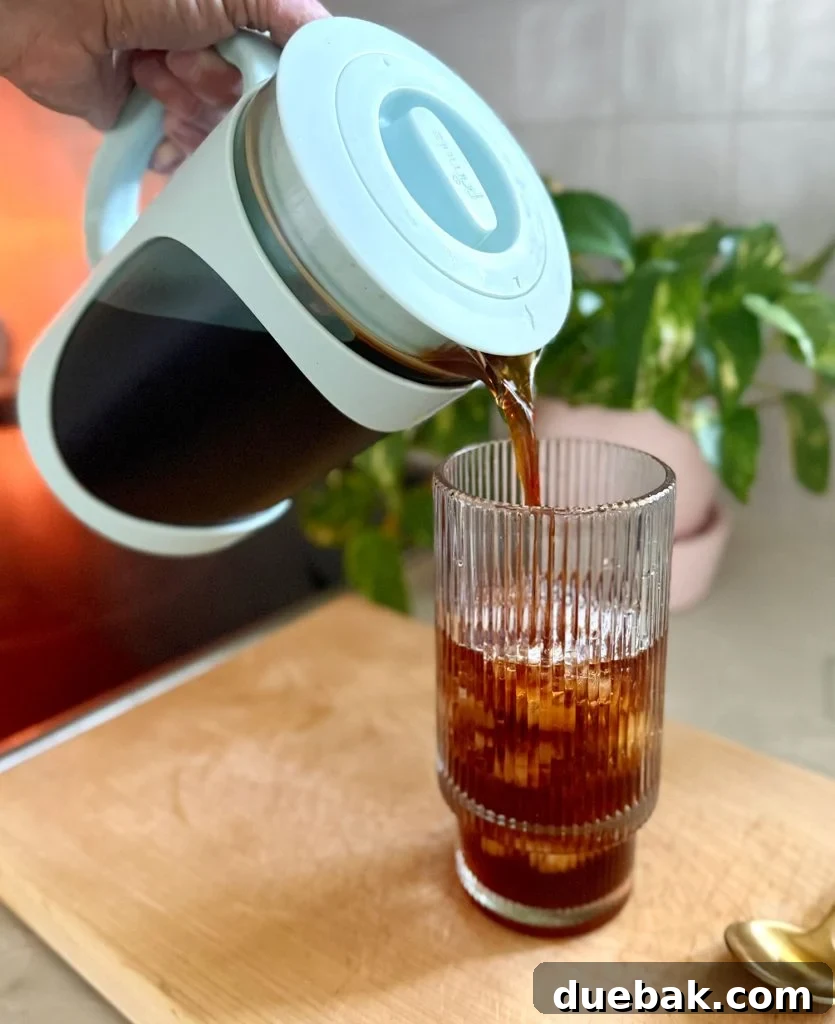
If you prefer cold coffee, cold brew is even simpler and ideal for making larger batches to store in the fridge. A basic cold-brew pitcher lets you prepare several servings ahead of time.
Other Posts You Might Enjoy
We also share other tips and photos from our compact kitchen and ways we save money. Here are a few related posts you might like:
- How To Make Cold Brew at Home
- Before & Afters of Our Small Kitchen
- How We Organized Our Small Kitchen
- Turning Our Kitchen Utility Closet into Functional Storage
- What It’s Like To Downsize
- How To Dye Your Clothes
- How To Streamline Your Closet
*This post contains affiliate links, which may earn a small commission at no additional cost to you.