
Anyone who knows me is usually surprised to learn I now have — and sleep next to — a real cat. I’m surprised too. I’ve had a lifelong cat allergy that was far from mild; I’ve described it as “pretty severe” (once, while pregnant, it almost sent me to the emergency room). But if you follow me on Instagram, you’ve seen that we now have an indoor cat. After trying many natural remedies and incorporating a few science-backed changes, I no longer experience allergy symptoms from our cat.
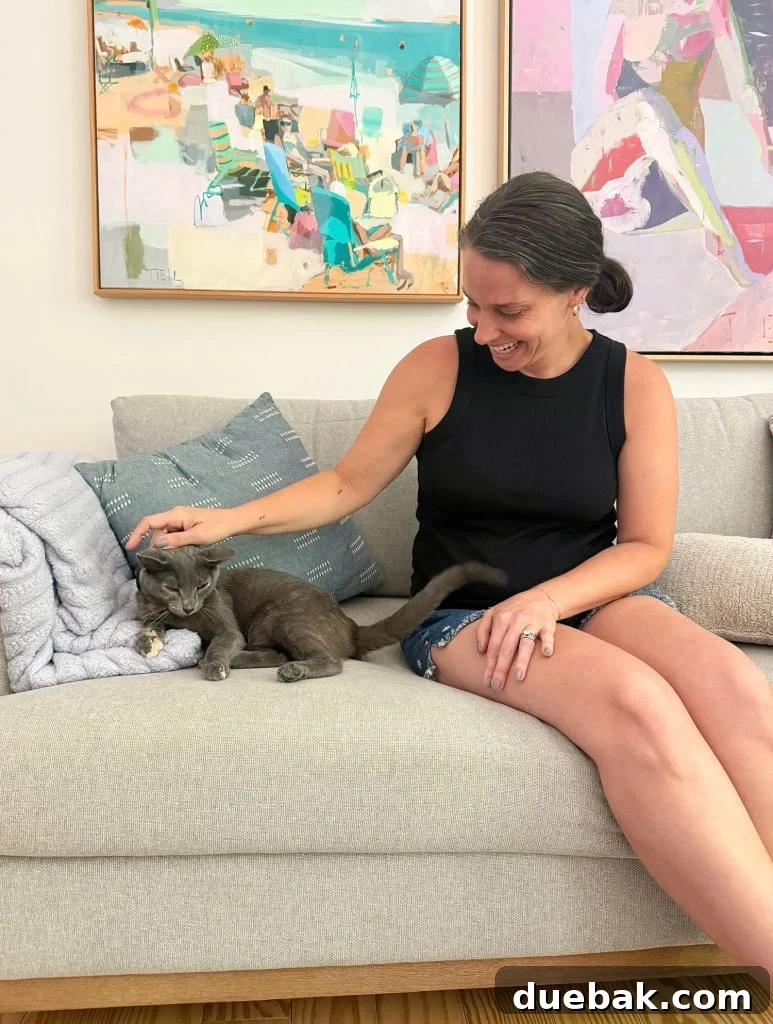
Below I share my personal experience managing and effectively minimizing my cat allergy, including which products helped and which didn’t. I’m not a doctor, but I tested many options and will tell you what worked for me and what did not.
How Bad Is My Cat Allergy?
Entering a house with a cat used to trigger intense itchy eyes, full congestion, constant sneezing, and sometimes hives. Within minutes I’d be a puffy, sniffly mess. Cat allergens felt unavoidable because they cling to surfaces — cats reach so many places and their microscopic dander spreads easily. I even reacted to people who had cats, whether I touched them or sat in their car.
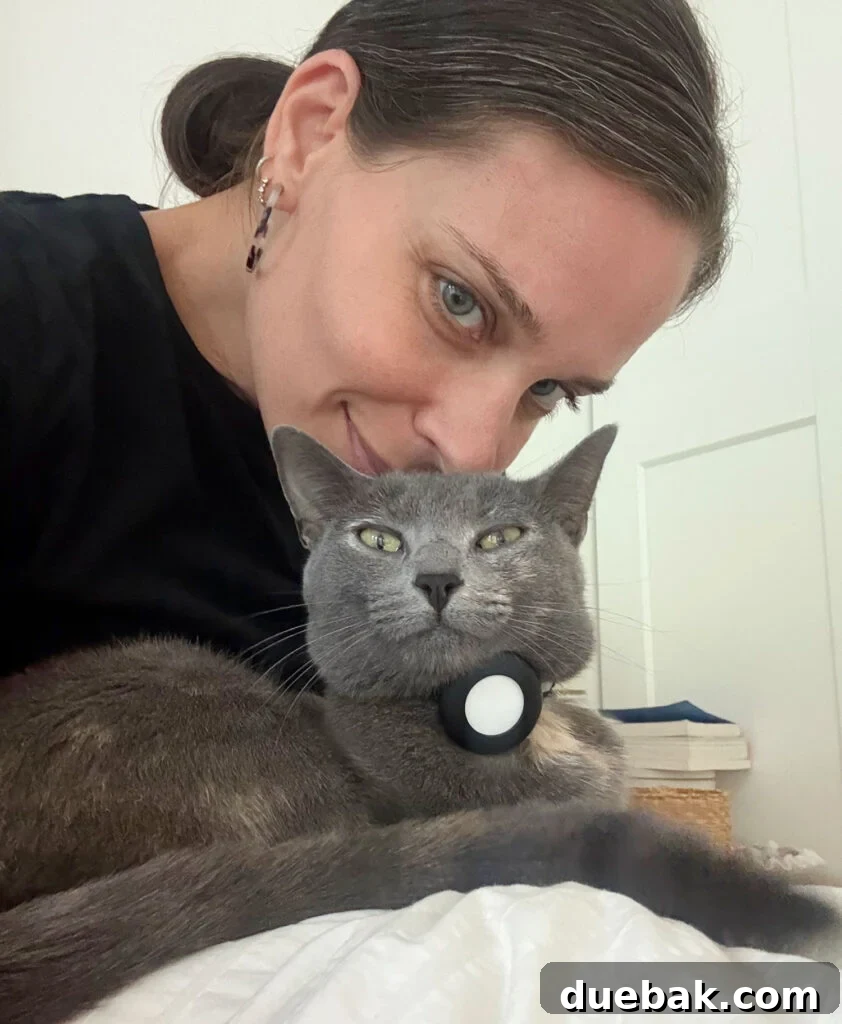
After implementing a few changes for myself, for the cat, and for our home, I no longer have noticeable symptoms — even when the cat sleeps on my head or neck. To be clear, my allergy isn’t cured: I still get mild symptoms in some other houses with cats. But with the combination I used at home, my reactions dropped to essentially zero.
John grew up around cats, and his family still had cats when we met. I would avoid touching them, but I often reacted to the house itself. During our early relationship I’d battle congestion, itchy, bloodshot eyes, and the drowsiness from allergy medications while trying to make a good impression on his family.

For years I avoided homes with cats when possible. If I couldn’t avoid them, I typically skipped allergy meds because they made me too drowsy and instead washed my hands frequently, avoided touching my face, and cut visits short if I got too uncomfortable. I don’t remember ever leaving a house with a cat without itchy eyes and congestion — except at one friend’s house, which became a clue to what might help.
Why Tempt Fate Now?
Cats have grown on me recently. Stray kittens appeared in our yard a few summers ago. Two friendly outdoor cats started joining me on neighborhood walks. And a stray began sleeping on our porch nightly and waiting by our door each morning. That cat, Jennifur (aka Jenny from the Block), eventually chose us.

Our daughter has also cat-sat for neighbors and was becoming more of a cat person. As we grew attached to Jenny, bringing her indoors felt like the right choice.
How Do Cat Allergies Work?
Most cat allergies are triggered not by fur itself but by a protein in cat saliva and skin called Fel d 1. Cats spread this protein while grooming, and it clings to fur and surfaces and can linger in the air. That’s why simply vacuuming hair or choosing a hairless cat isn’t a catchall solution; the allergen is widespread and persistent.
5 Things That Helped My Cat Allergy
Before listing the five things that reduced my symptoms to nearly zero with our cat, a few notes:
- These methods may not work for everyone.
- I believe it’s the combination of these steps that made the biggest difference for me.
- This approach helped me live with one specific cat; my tolerance to other cats may differ.
1. Pacagen Powder (For the Cat)
A friend who could visit her home with two cats and have little reaction tipped me off: she used a chicken-flavored powder food topper that reduced Fel d 1 production in her cats. I ordered the same product and started adding it to Jenny’s food. The idea is that the topper lowers the cat’s production of the allergen protein, and many pet owners and vets have endorsed similar approaches.
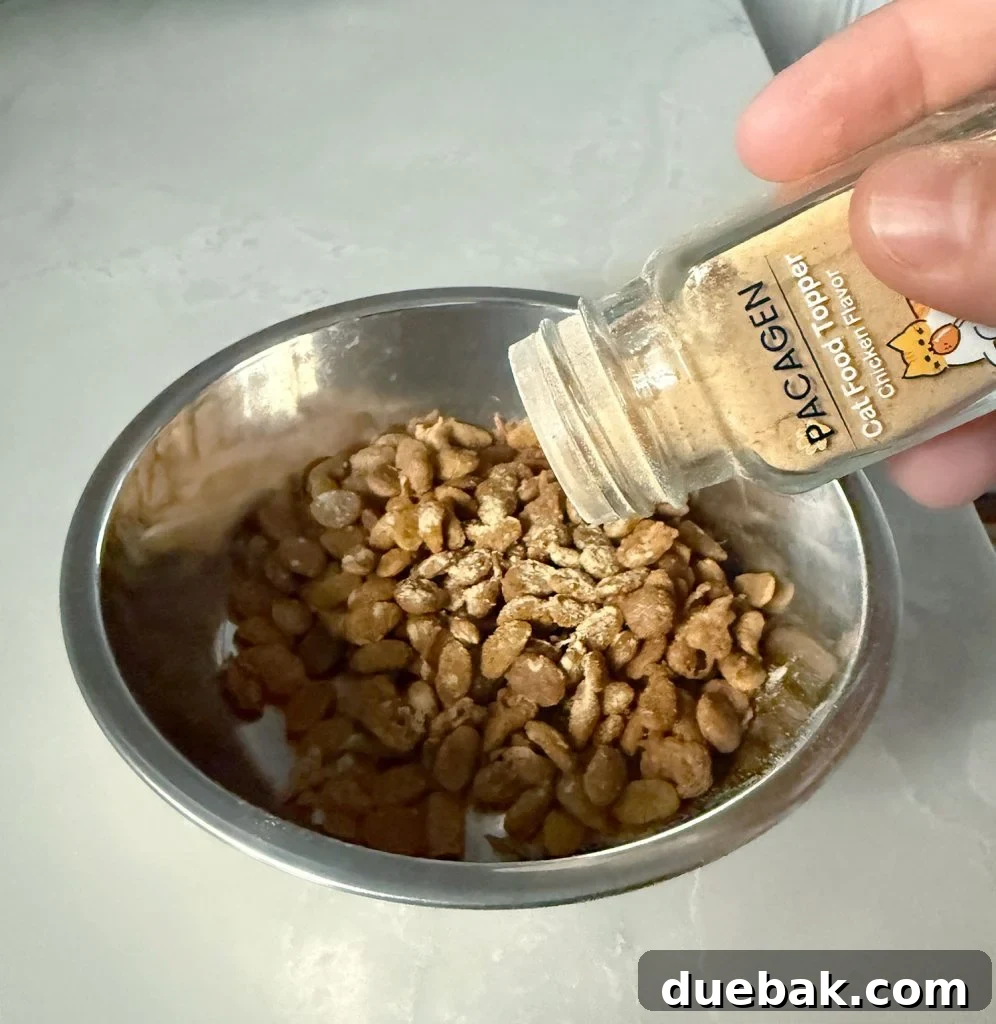
We liked this option because it can be added to wet or dry food, so no diet change was required. Similar allergen-reducing diets exist, but the topper was flexible and what our friend used successfully.
2. Quercetin Supplements (For Me)
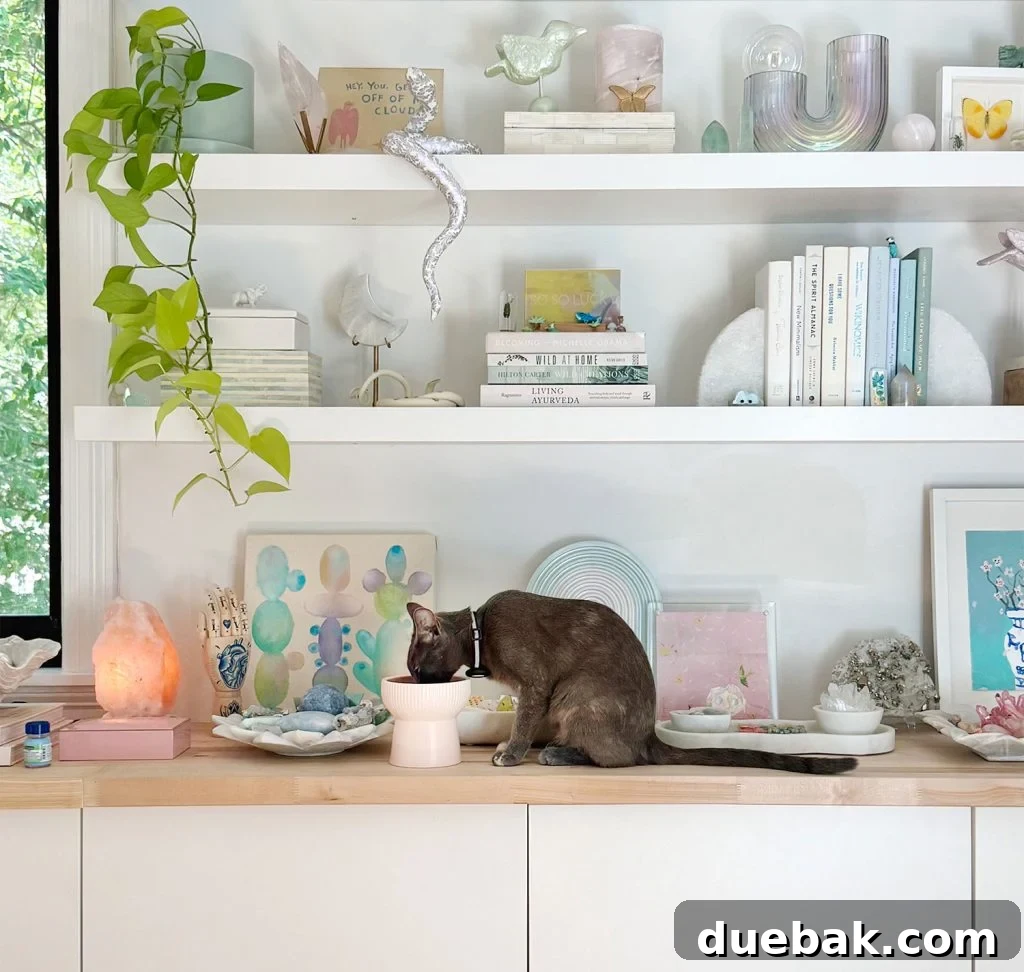
I started taking quercetin after Jenny moved indoors. Quercetin is a plant pigment that some people use to support immune response and reduce congestion from allergies. I take two quercetin supplements each morning with my other vitamins. Combining quercetin with Jenny’s food topper has been especially effective; together they eliminated the last of my lingering symptoms, like occasional itchy eyes and hives from close contact.
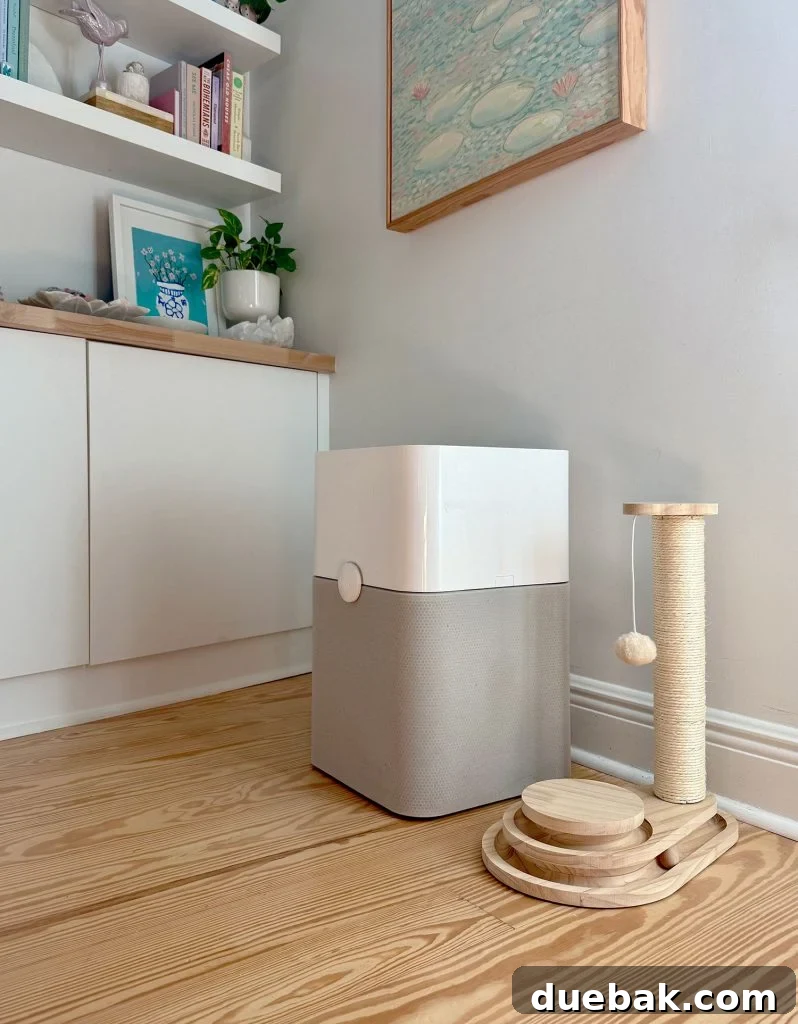
3. A Quality Air Purifier
Air purifiers have helped a lot. We already used them for seasonal allergies, and they also filter pet allergens from the air. We have several units throughout the house — a large one in the living room, another in the bedroom, and smaller units in the kids’ rooms. Running air purifiers continuously, especially in rooms where the cat spends time, reduces airborne allergens and complements other strategies.
4. Regular Vacuuming
Vacuuming alone won’t eliminate the allergen, but it helps. We run a robot vacuum every morning on our first floor, where Jenny spends most of her time. In combination with air purifiers, daily vacuuming reduces settled dander on floors and furniture and supports the other measures.
5. Gradual Exposure
Gradually increasing contact over months likely helped my body adjust to this specific cat. We introduced Jennifur slowly: she spent time on the porch, family members made contact first, I gradually allowed contact and changed clothes afterward, she had brief indoor visits that lengthened over time, and eventually she slept in the bedroom and then on the bed. This slow progression gave Jenny time to settle and may have helped me build tolerance.
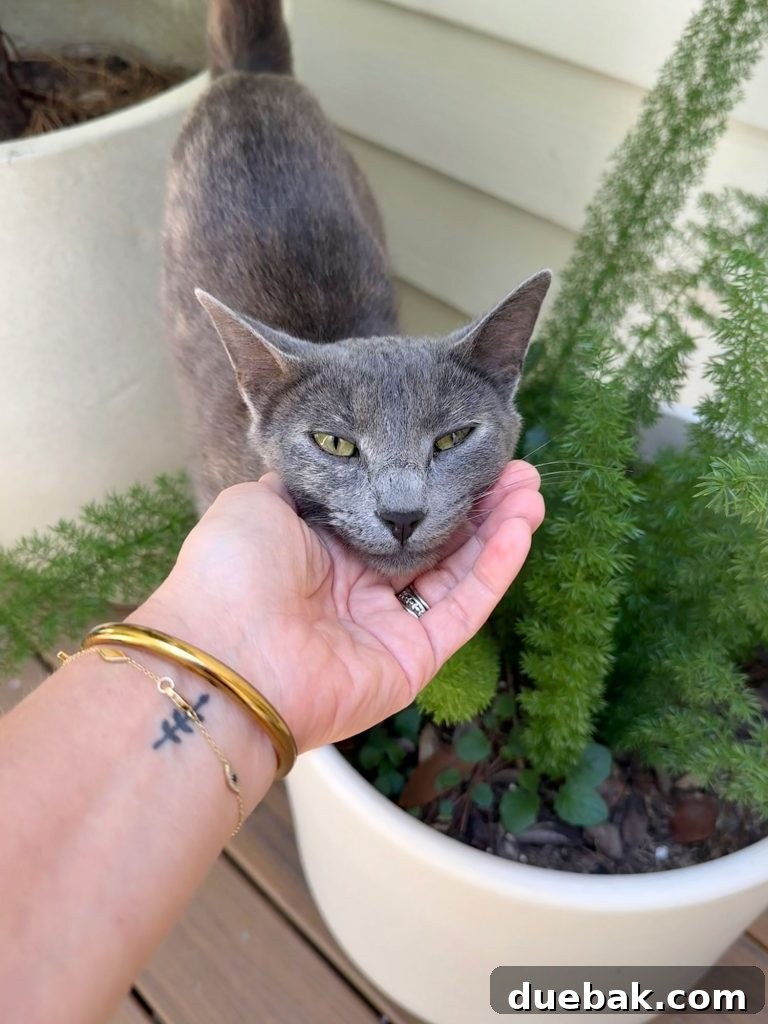
My gradual exposure steps included:
- Spending time outdoors with the cat nearby, no contact
- Family members making contact, washing hands afterward
- Letting the cat rub against clothing, then changing clothes
- Making skin contact and washing hands right after
- Short indoor visits, then longer stays
- Overnights initially outside the bedroom, then in the bedroom
- Sleeping in the same room, then in the bed, then closer and finally on my head or neck

This slow process helped Jenny acclimate to indoor life and likely helped me become more tolerant of her specifically. After a few months of combining the topper, quercetin, purifiers, vacuuming, and gradual exposure, my reactions fell to zero for our cat.
What Didn’t Help My Cat Allergy
I also tried several things that didn’t help — and a couple that made symptoms worse. These are the items I stopped using:
1. Dander Drops (For Me)
Some people recommended allergen drops that go under the tongue in microdoses to build tolerance. For me, these made symptoms worse even on days I hadn’t had contact with the cat. I stopped using them. Others may benefit from them, but they weren’t right for me.
2. Dander Remover Wipes (For the Cat)
Dander-removing wipes did help with immediate, face-to-face reactions, but Jenny didn’t always tolerate being wiped, and it wasn’t easy to maintain as a routine. Because the food topper and quercetin were effective, we gradually stopped using the wipes.
3. Dander Neutralizing Spray (For the House)
We tried a companion spray intended to neutralize allergens on surfaces. I reacted to it with congestion each time I used it, so we discontinued it. The spray may work well for others, but I seemed sensitive to something in the formula — perhaps a fragrance — so it was a no-go for our home.
Do I Still Have Allergic Reactions?
Remarkably, I no longer experience symptoms from our cat. I’m very attuned to my allergy and would notice itchy eyes, hives, or congestion if they returned. I still expect to react to other cats in other homes, especially if those cats haven’t used allergen-reducing measures like the food topper, or if the environment lacks air purifiers and regular cleaning. As a side note, John discovered he had a mild sensitivity at first but now also has no symptoms with Jenny.
Bonus: How Has the Dog Adapted?
Our chihuahua mix Penny and Jenny are “awkward roommates” at the moment. Penny wants to interact, but Jenny remains cautious. They follow each other around, hang out in the same rooms, and enjoy supervised visits. Over time they’ve become comfortable coexisting on the couch and bed without snuggling — yet. We introduced them slowly, supervised interactions, and even had feedings near each other to encourage peaceful behavior.

For now, we’re happy with their relationship. They often hop onto the couch or bed on either side of me to hang out, which feels like a small but meaningful win.

Overall, a combination of reducing the cat’s allergen production, supporting my immune response, improving indoor air quality, keeping surfaces cleaner, and slow exposure made it possible for me to live comfortably with our cat. Your results may vary, but this approach transformed my relationship with cats and allowed Jenny to become a full member of our family.
*This post contains affiliate links, so we may earn a small commission when you make a purchase through links on our site at no additional cost to you.