
We assumed frozen pipes were a problem we’d left behind when we moved to Florida, but last month’s arctic blast brought nighttime temperatures into the low 20s for three consecutive nights, with a record low of 18 degrees — an event locals are calling once-in-a-century in Northwest Florida.
This was worrying because many homes in our area aren’t built for extended cold. When water freezes it expands, and that expansion can crack or burst pipes, causing leaks and flooding.
Fortunately, a few straightforward precautions kept our pipes from freezing. Many neighbors weren’t so lucky — several people we know experienced burst pipes — so we’re very grateful the steps we took worked. Below are five practical measures that helped us, including a plumber’s tip that saved our outdoor shower.
Tip 1: Identify Vulnerable Pipes
Start by surveying your plumbing to find locations most at risk of freezing. Prioritize these spots and monitor them closely during cold snaps. Common trouble areas include:
- Outdoor plumbing fixtures like hose bibs and outdoor showers
- Pipes in unconditioned areas such as garages, attics, or crawl spaces
- Piping mounted on exterior walls
- Pipes tucked inside cabinets or closets where heat is blocked
- Pipes exposed to wind, like those on docks
- Any uninsulated piping
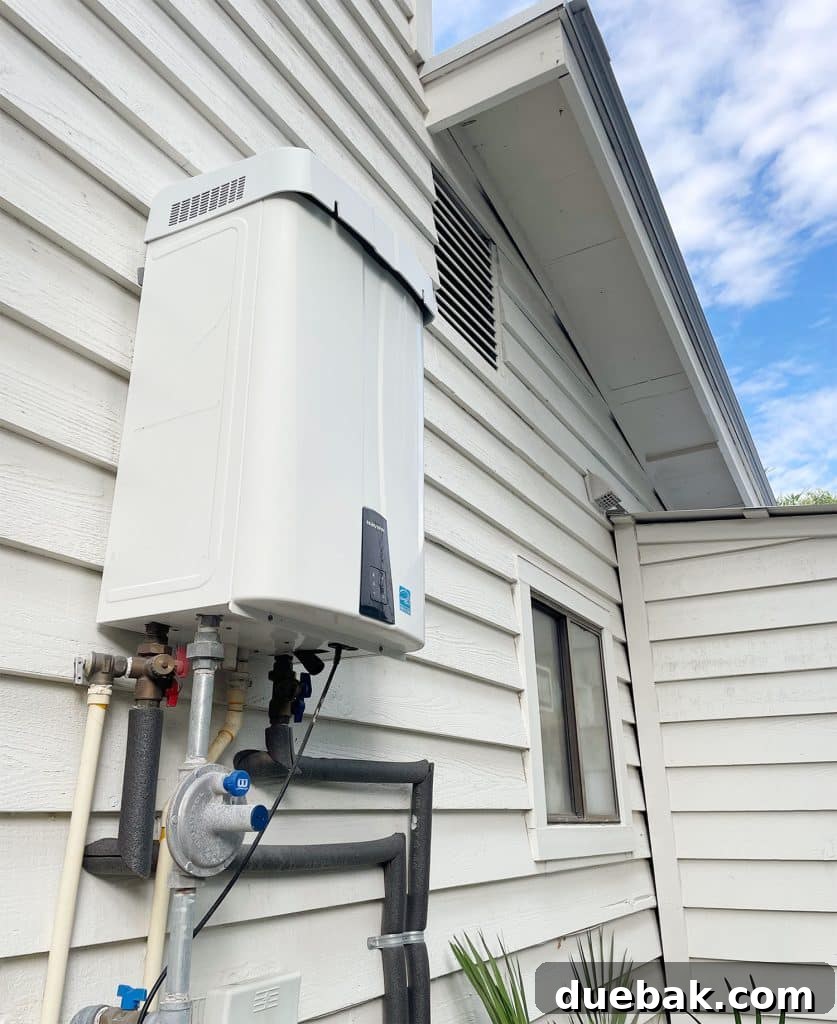
For us, exterior plumbing was the main concern — the water heater, hose bibs, and our outdoor shower. We were less worried about interior pipes because our whole-house generator would maintain heat if power went out; however, interior pipes in unheated areas can still freeze, so it’s worth checking those too.
Tip 2: Insulate Exposed Pipes
Some of our exterior plumbing already had protection, but a long run of copper to the outdoor shower did not. As soon as the forecast showed extreme cold, we bought self-sealing foam tubular pipe insulation and installed it on exposed runs. These tubes are inexpensive and easy to install. For corners and junctions, use matching foam elbows and tees.
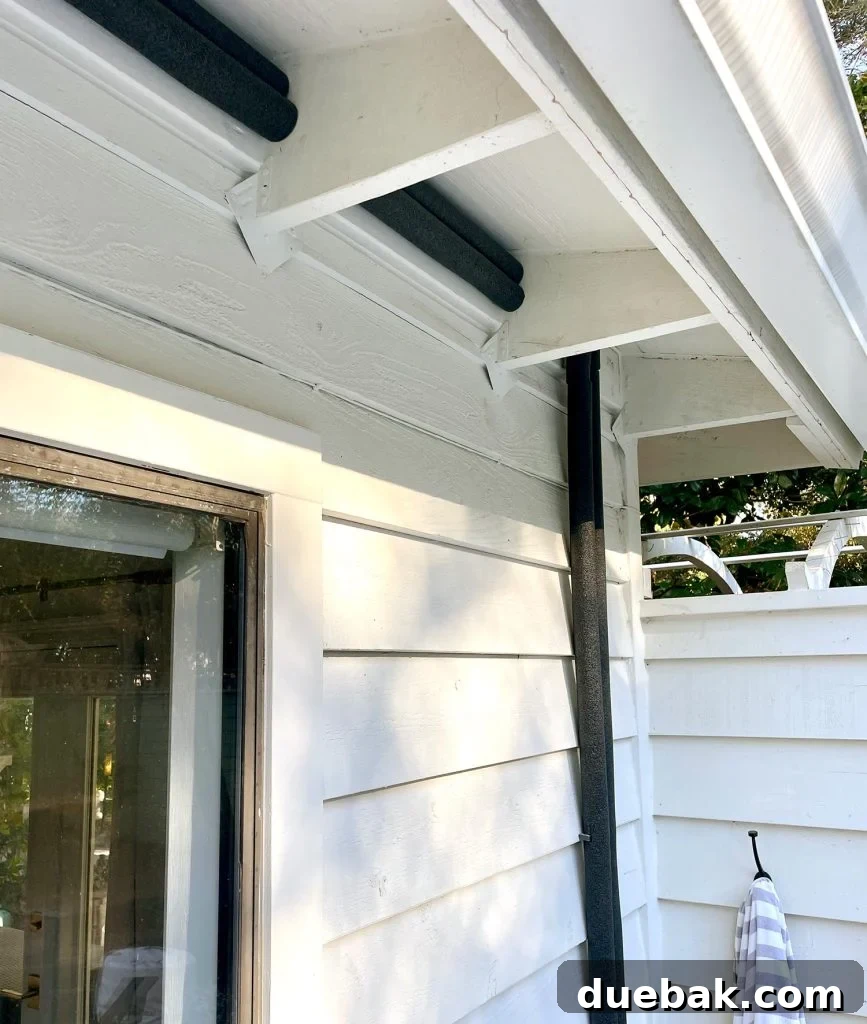
Installation took about 15 minutes for each uninsulated section. In tighter spots where a full tube wouldn’t fit, adhesive insulating tape worked well, especially around hose bibs and pipes snug against the siding.
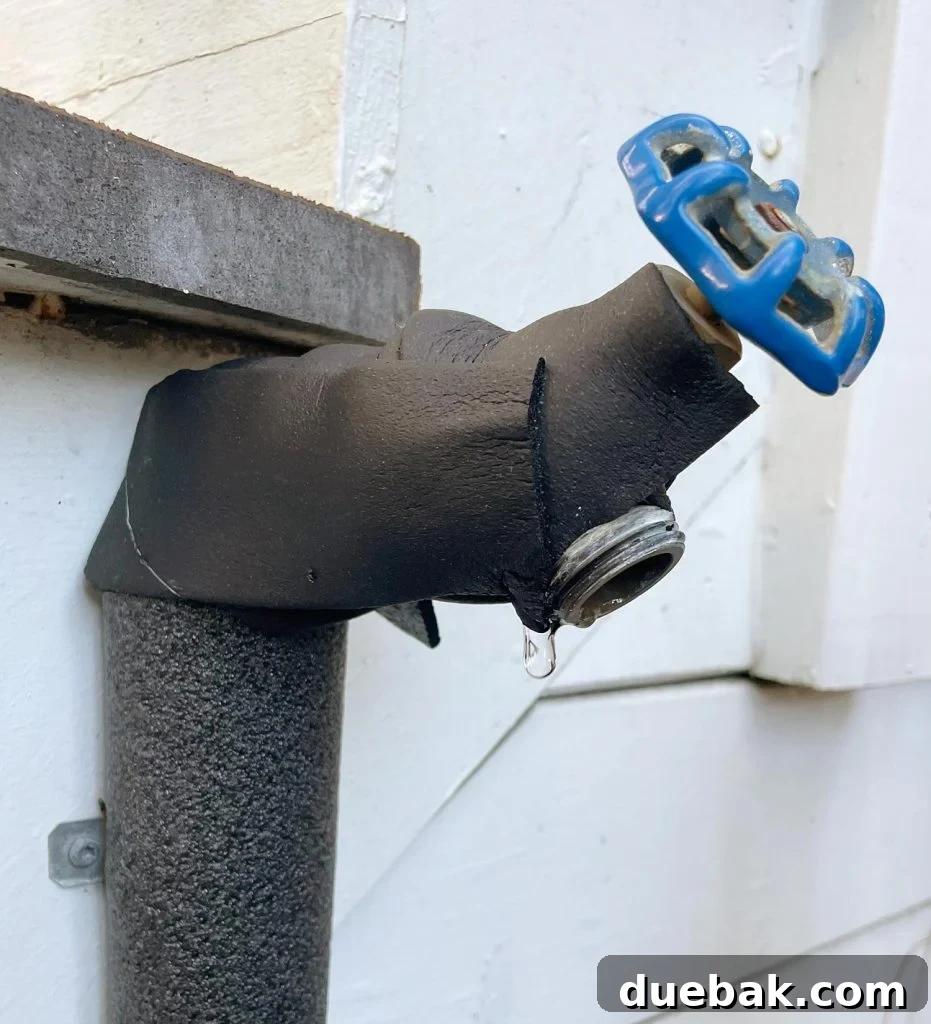
We also checked attic plumbing to ensure insulation covered all pipes. Even indoor pipes located in unheated attics, garages, or basements can freeze if not insulated, so brushing insulation back over exposed sections can prevent problems.
Tip 3: Let Faucets Drip
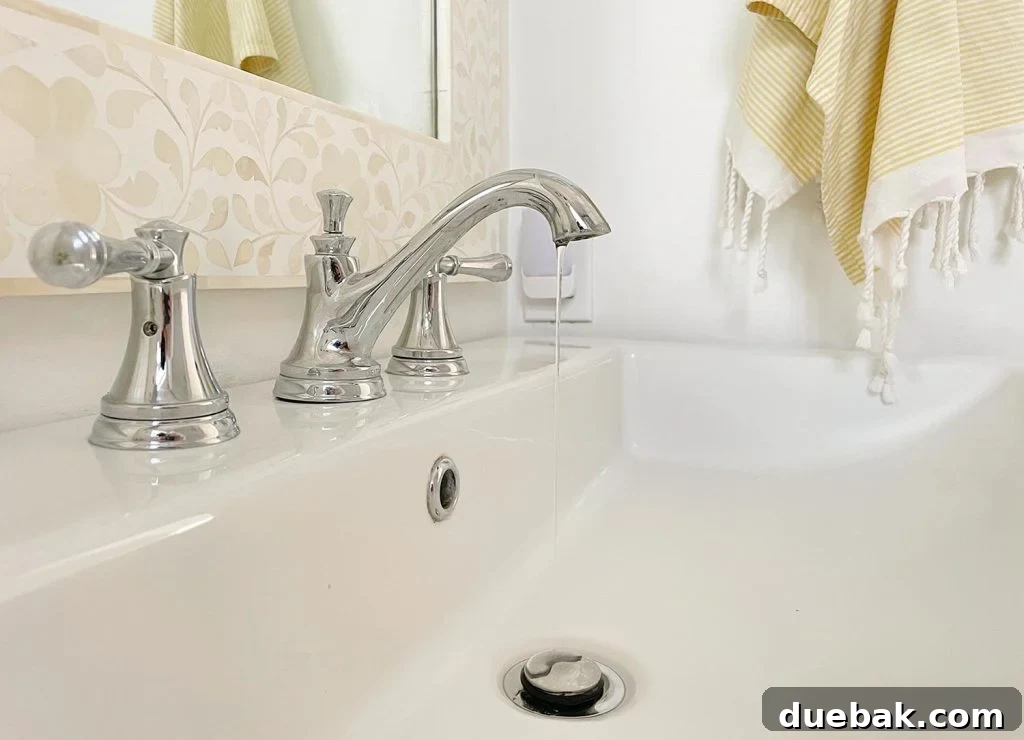
Keeping water moving is an effective and time-tested way to prevent freezing. A slight, continuous drip reduces the chance the water inside the pipe will freeze. Make sure to drip both hot and cold lines — we saw neighbors who only dripped cold water suffer burst hot lines.
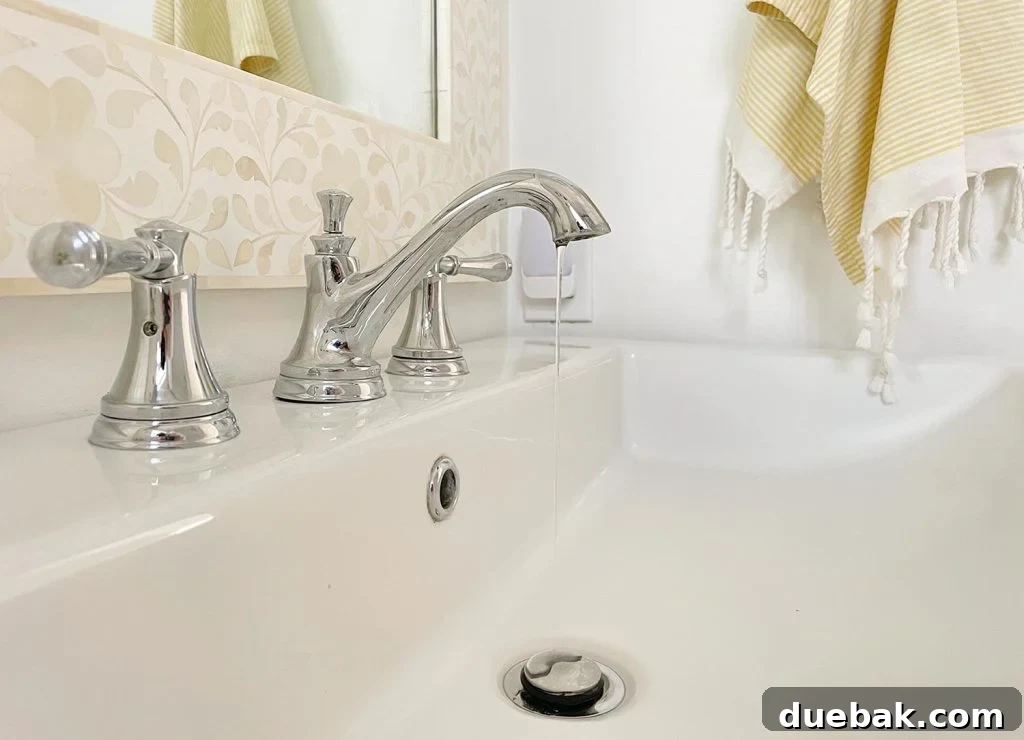
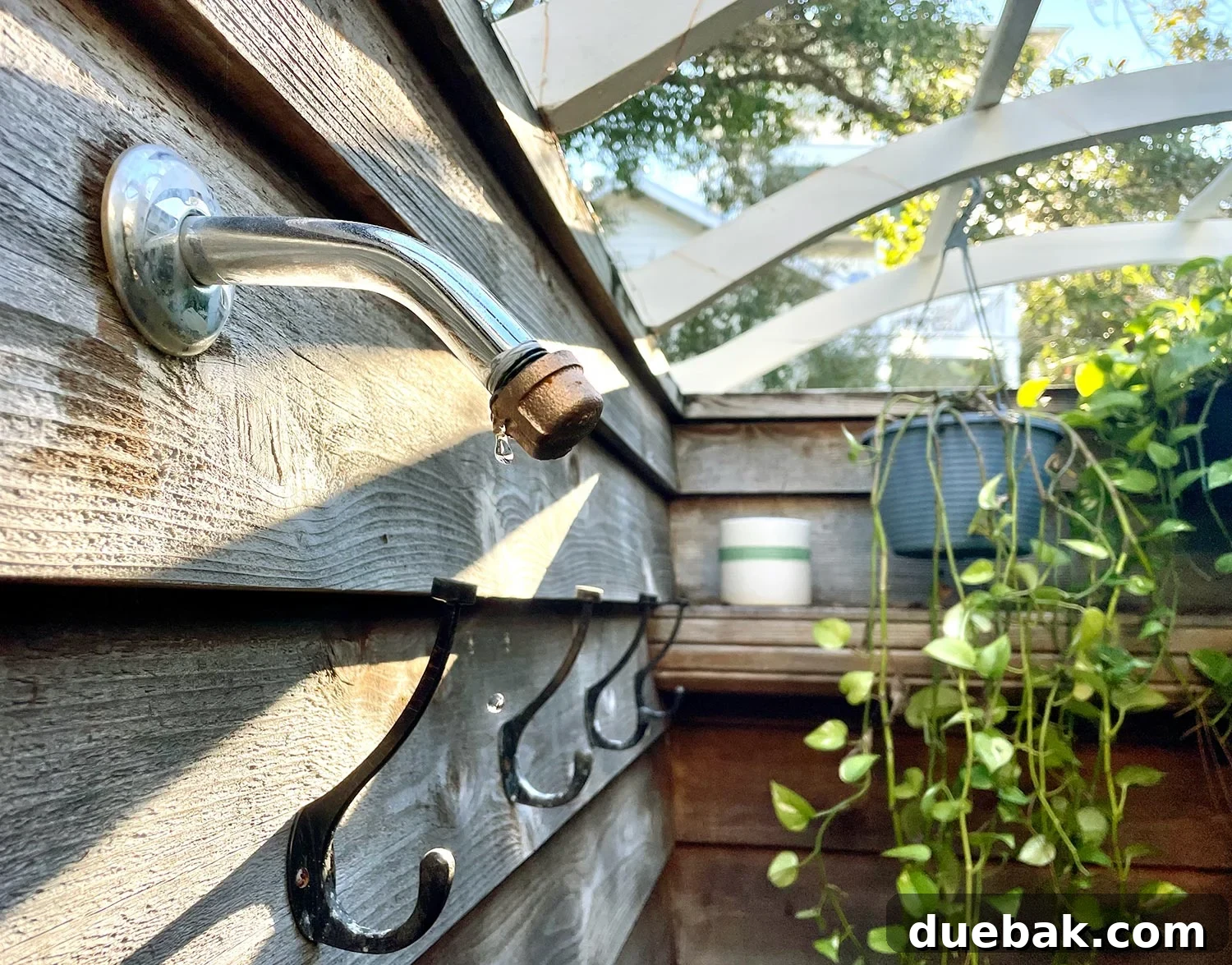
Indoors we simply cracked both hot and cold handles slightly. The outdoor shower required a trick: a local plumber recommended removing the showerhead and hand-tightening a cap so a small leak could occur. That allowed us to set the valve between hot and cold and maintain a slow flow through both lines without a full spray for days.
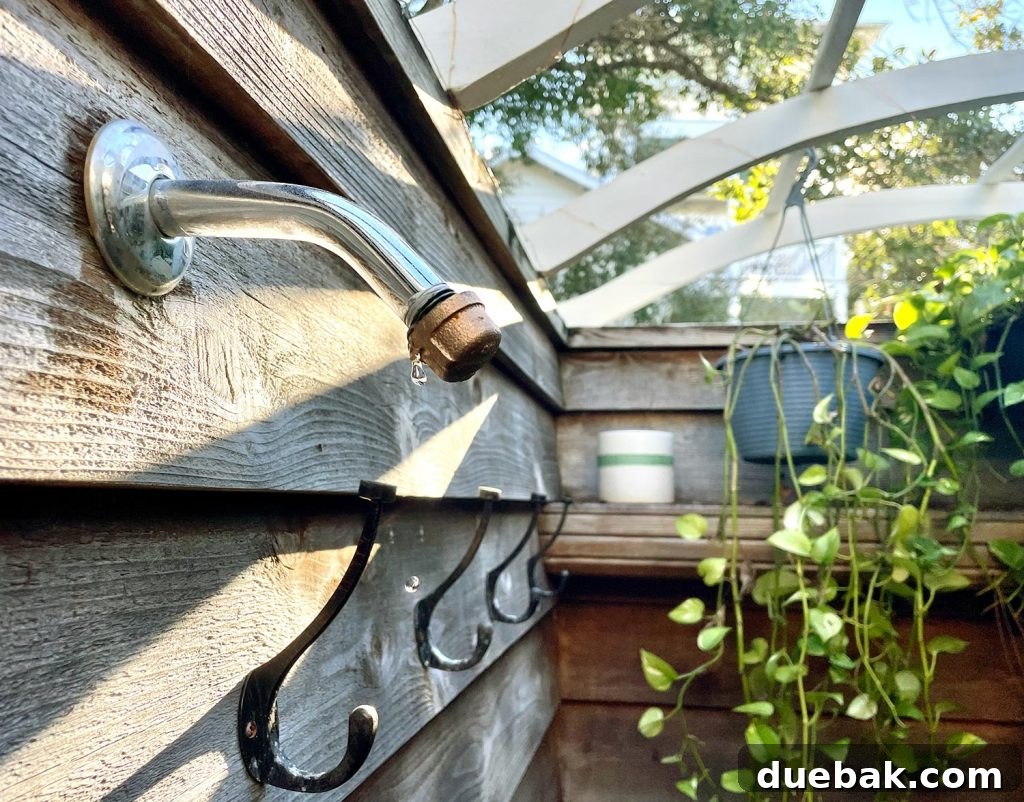
We kept all fixtures lightly dripping throughout the cold snap and checked outdoor fittings regularly to confirm no ice blockage. To avoid accidental shutoff, we placed reminder notes on sinks so family members wouldn’t turn taps off by mistake. Dripping uses very little water — only pennies per day per sink — and is far cheaper than repairing a burst pipe and water damage.
Tip 4: Shut Off and Drain When Appropriate
An alternative is to shut off water to parts of your home, such as an outdoor shower, if you have a dedicated shutoff. This is especially useful if you’ll be away during a cold spell and can’t monitor dripping fixtures. If you shut off water, be sure to relieve pressure and drain lines by opening the lowest outdoor faucet until flow slows. Failing to drain pressure can still lead to frozen and burst pipes.
Tip 5: Pool Plumbing Usually Manages Cold Better Than It Looks
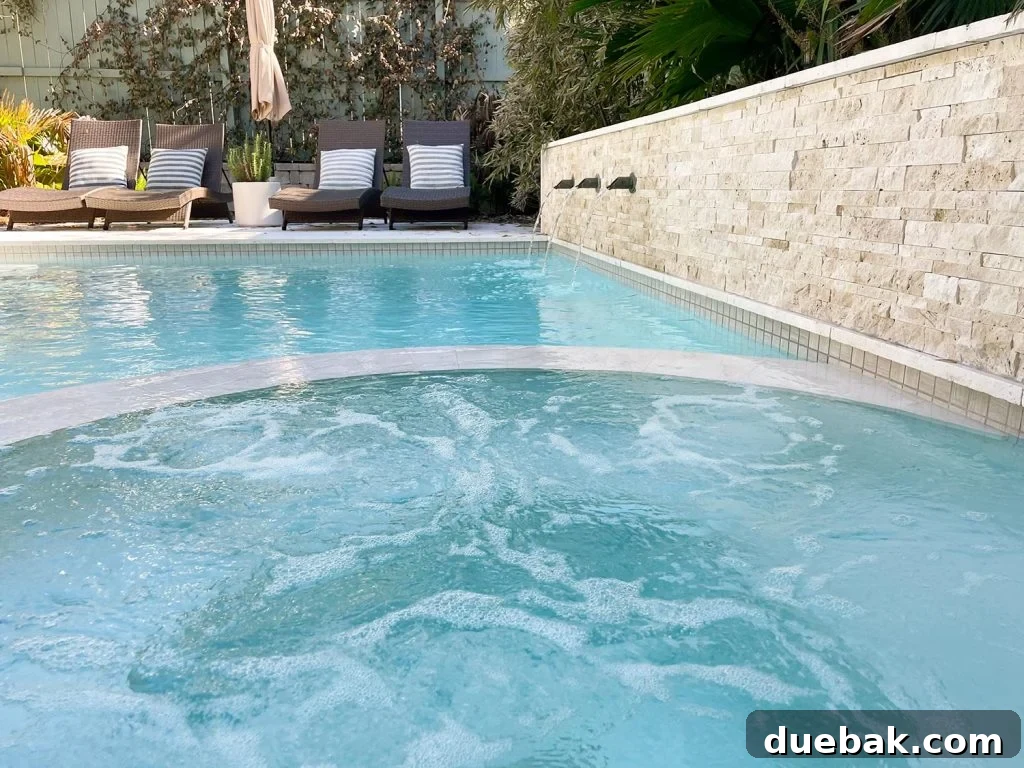
We were also worried about our pool, which has exposed PVC around the equipment. Our pool controller includes a “Freeze Protect” mode that runs pumps and features when temperatures dip, keeping water moving so it can’t freeze. Even without that feature, manually cycling pumps and circulating water usually protects large-diameter PVC lines because they take longer to freeze through.
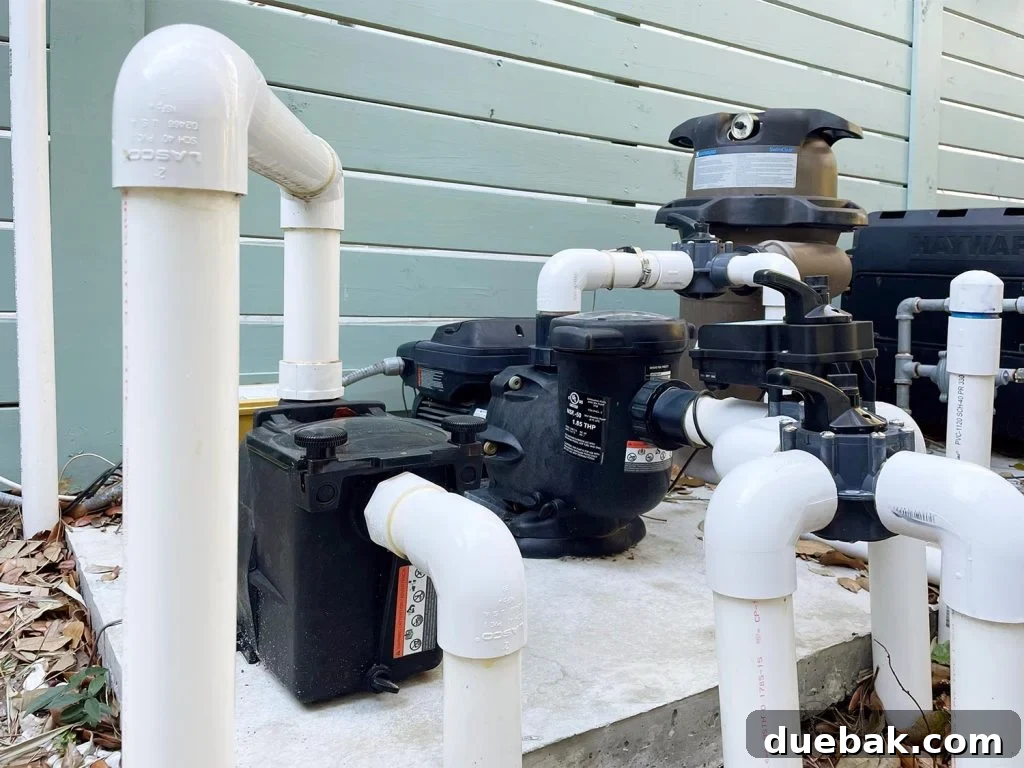
We monitored the pool to ensure fountains and spa jets ran periodically, but the system largely managed itself during the cold period. If you have a pool, check with your pool company or manual to learn what protections your system offers and how to engage them before cold weather arrives.
Tip 6: Nothing Is Guaranteed
These precautions can significantly reduce the risk of frozen pipes, but no approach is foolproof for every situation or weather event. We’re thankful these steps kept our plumbing intact during this event, and they helped us feel confident heading into the freeze.
More Cold-Weather Preparations
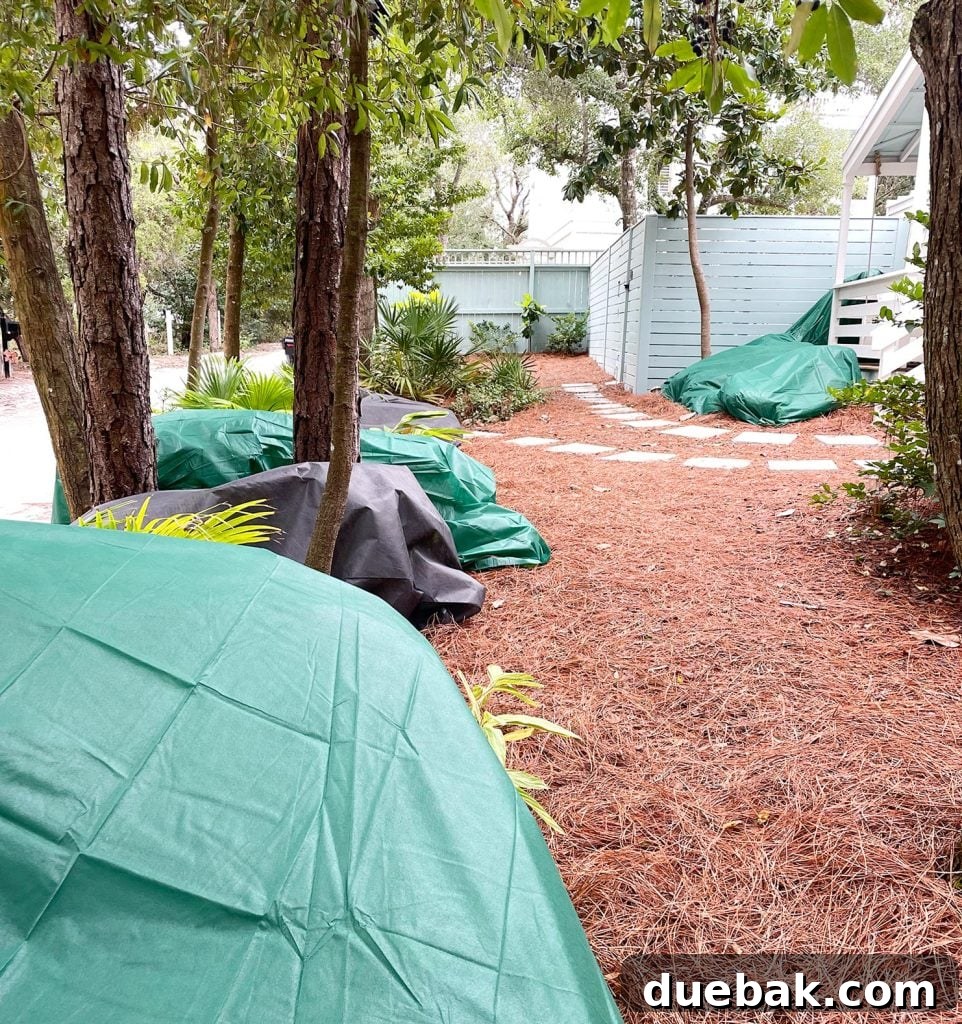
Besides pipe prep, we also protected outdoor plants during the freeze. Covering sensitive plants and using frost blankets were among the measures that helped. If your heat goes out during cold weather, take extra precautions to protect exposed pipes and follow guidance to prevent freezing when you lose heating.
Taking a few simple steps — identifying vulnerable pipes, adding insulation, letting faucets drip, shutting off and draining when appropriate, and checking pool systems — can save you from costly damage and give peace of mind during an unexpected cold snap.
*This post contains affiliate links, so the site may earn a small commission when purchases are made through links on the site at no additional cost to you.