
Now we’re making serious progress on the bathroom renovation. Since partially demo-ing the room last week, we’ve moved fast and nailed down the final floorplan and tile selections. It’s a huge improvement and I wanted to walk you through the decisions we made, what we considered, and why we landed where we did.
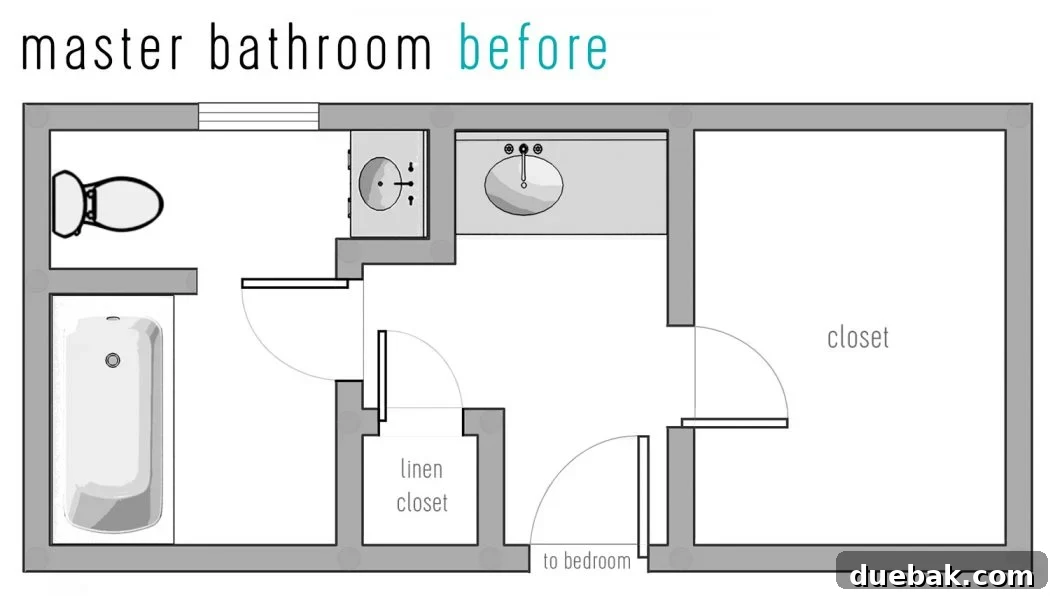
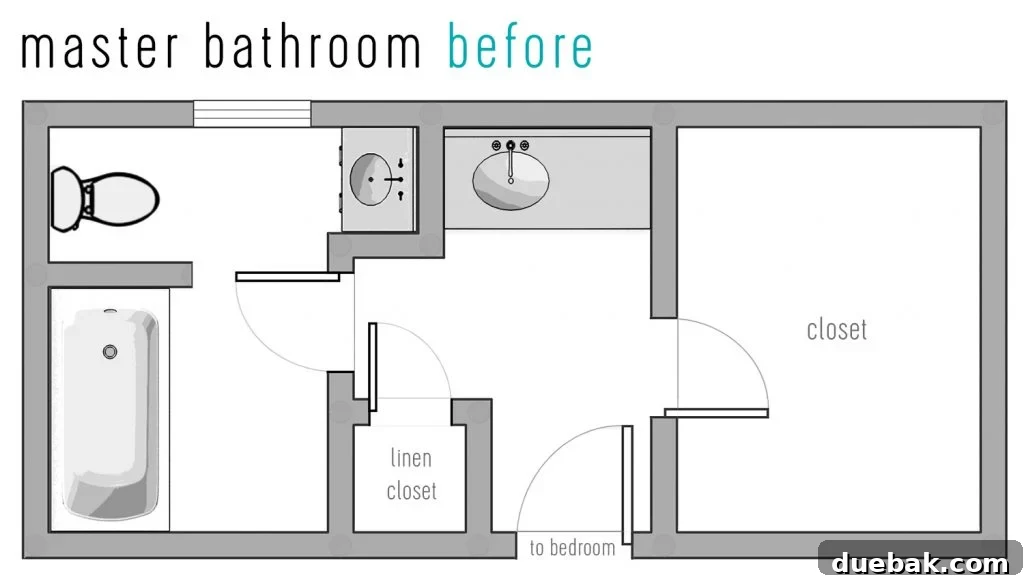
First, here’s a reminder of the old layout. We lived with this configuration for over six years. It had many doors clustered close together and blocked almost all the natural light, so the space felt dark, closed off, and cave-like.
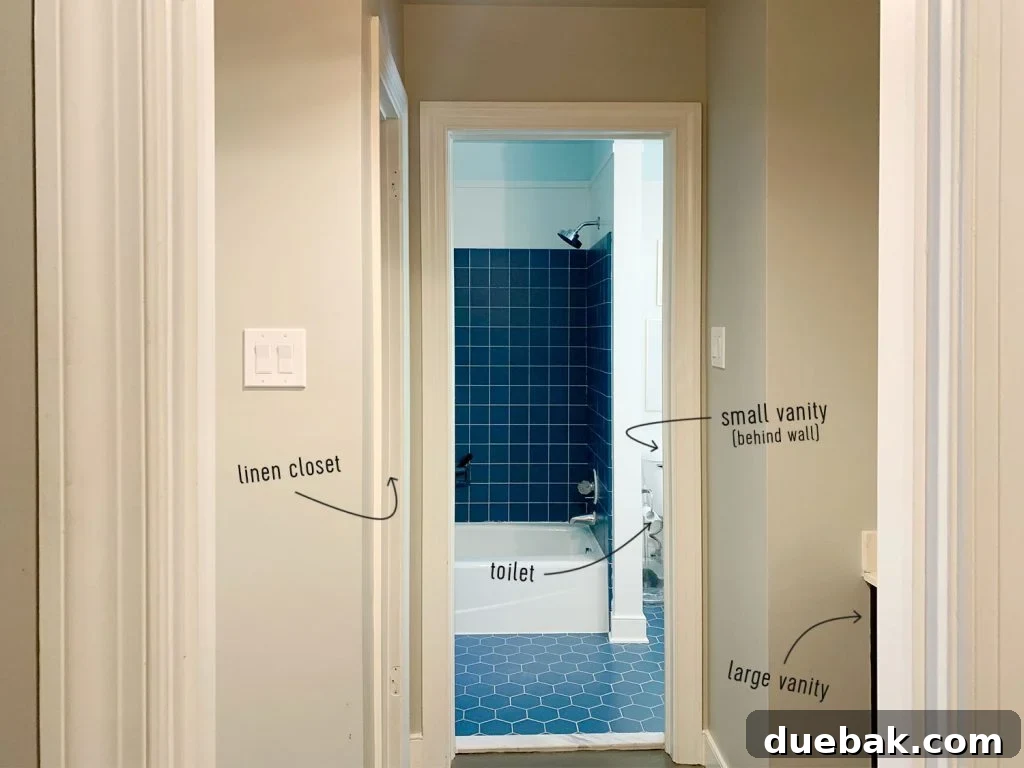
To refresh your memory, this photo was taken before last week’s demo when John stood in the closet doorway looking back toward the tub. It shows how confined the room felt before we opened it up.
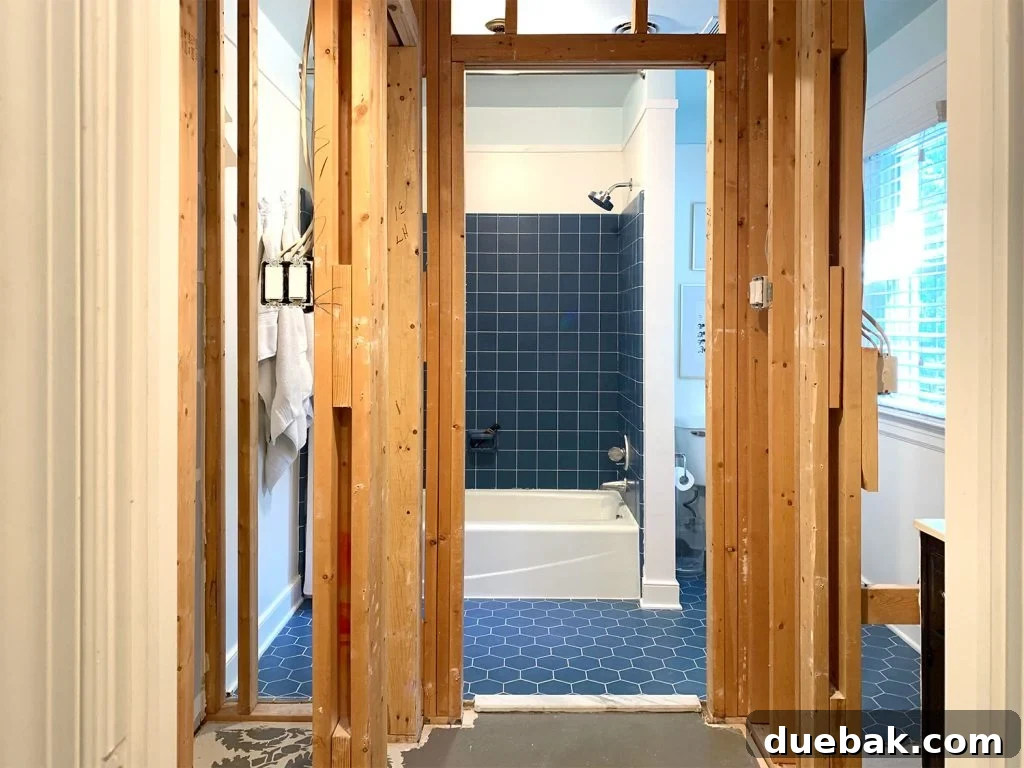
After our demo session when we removed the walls that were blocking light and sight lines, the room already felt significantly more open. With the barriers gone, we could clearly visualize what fits where and how the space could breathe.
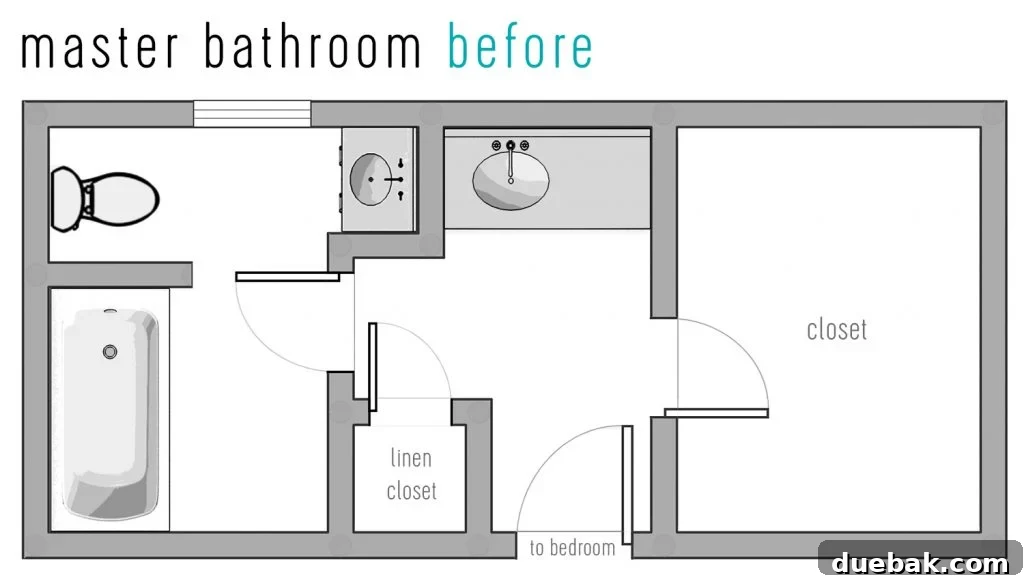
For reference, here’s the original layout we started with. It helped to compare the existing plan to our many new ideas as we explored options and taped things out on the floor.
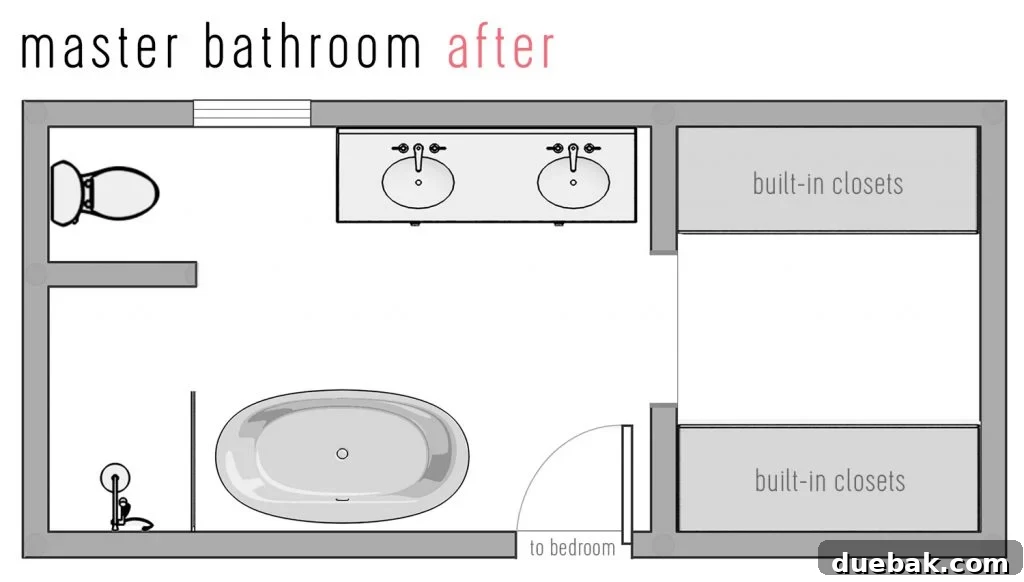
After roughly a thousand alternative plans, on-site conversations with our plumber and electrician, and a lot of measuring, this is the layout we chose. It gives us an open, light-filled bathroom with room for the larger pieces we wanted: a generous double vanity, a deep freestanding tub, and a comfortable walk-in shower.
Design-wise, we’re aiming for soft, layered tones and classic finishes—an airy, timeless feel that complements the rest of the house. Since the original bathroom was so dark and dated, opening it up and letting light in has been our top priority.
We debated many layout choices. Adding more windows was considered, but we decided to reserve that wall for the vanity mirror and lighting. The single existing window now floods the room with light once walls came down, and adding another window would have looked awkward from the exterior. We also thought about borrowing space from the bedroom or closet, but once the walls were gone we realized the room was already a comfortable size—about 8 by 13 feet—and didn’t need extra square footage. It can comfortably fit a 72″ double vanity and a large freestanding soaking tub with space to spare.
We weighed changing closet access to the bedroom but ultimately kept the closet doorway through the bathroom. Widening and centering that doorway lets light flow between both spaces and makes dressing more convenient—showering and stepping straight into the closet will be lovely. Preserving a wide connection between rooms keeps everything feeling open rather than breaking the area into two small, dark rooms.
Consulting the plumber and electrician was invaluable. For example, ductwork in the shared bedroom-bath wall rules out a pocket door, but a single frosted French-style door will let light pass while remaining easy to operate. I initially pictured double French doors, but in practice a single frosted door is more convenient and still beautiful.
We also considered a water closet but decided against adding more walls. The entire bathroom already has a door for privacy, and we preferred to preserve the open, light-filled layout. That allowed us to prioritize a soaking tub and a roomy walk-in shower rather than a small enclosed toilet room.
We planned a potential closet window briefly, but where it would sit on the exterior made it look awkward and cramped inside the closet. Plus lots of closet lighting and a well-planned storage system will make the closet functional without a window. We’re inspired by built-in and modular closet systems and plan to mix IKEA wardrobes and drawers with trim and custom touches for a built-in look.
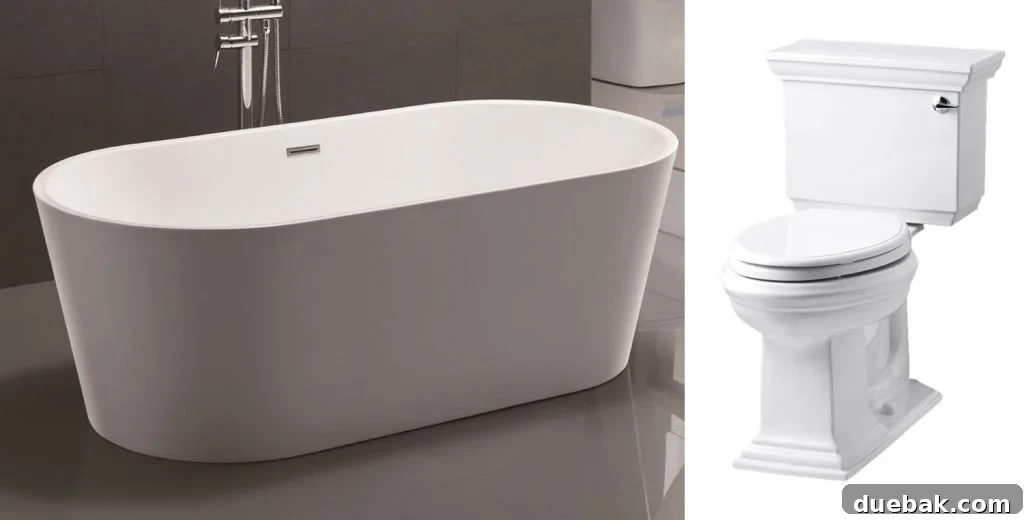
With the layout finalized, we felt confident ordering big-ticket items: the tub, toilet, and double vanity. The toilet is the same model we’ve used in our downstairs powder room for years—we love the look and feel—and the vanity will likely be painted a soft gray-green to echo our inspiration boards.
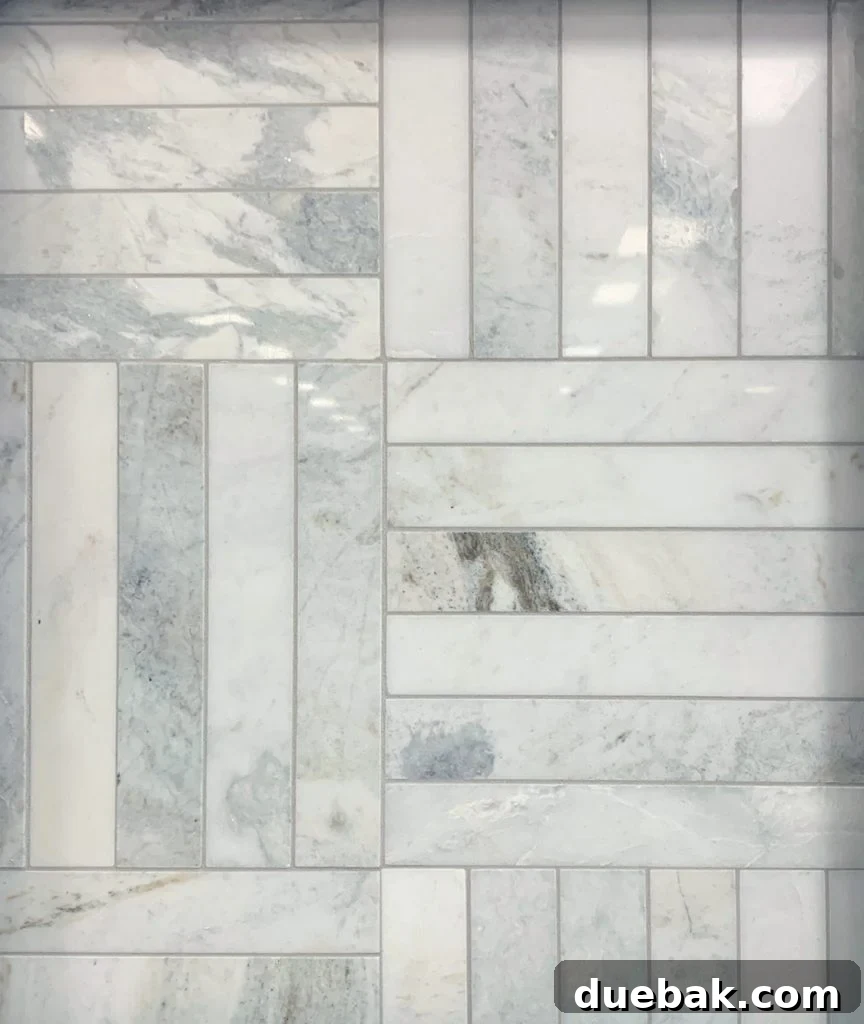
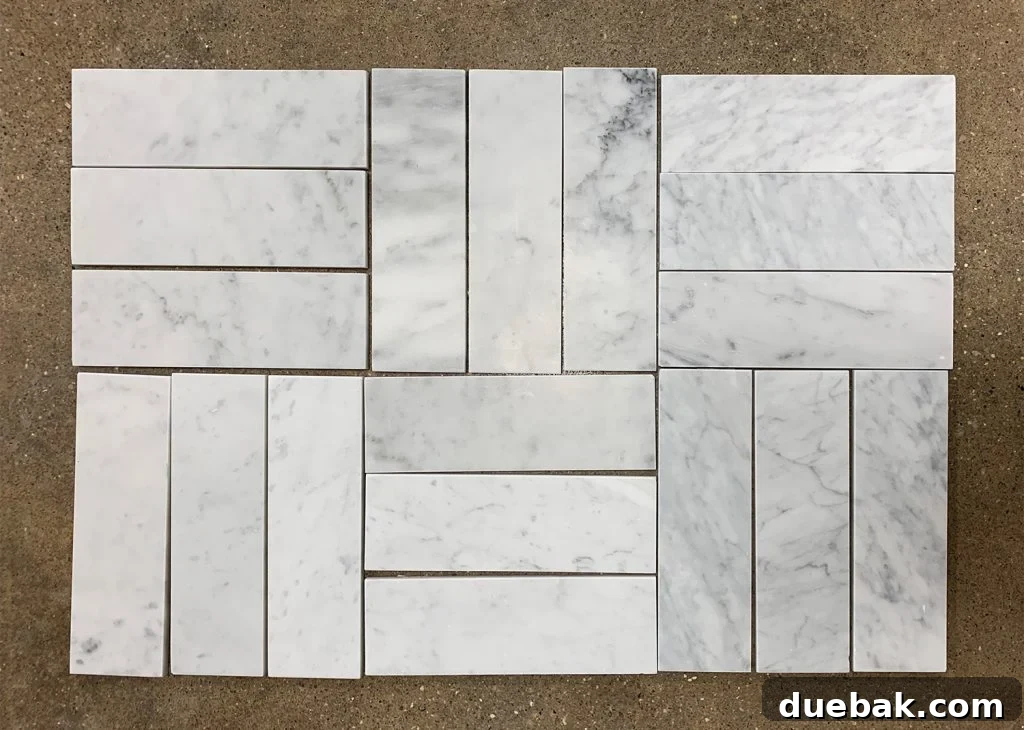
Tile selections took a lot of time and in-person trips. We experimented with different tile proportions and patterns on the computer—2×8 tiles produce very different visual effects than 2×12 or square tiles. Initially we favored a stair-stepped arrangement that felt dynamic rather than square and static. Some options were costly or out of stock, so we hit Home Depot, The Tile Shop, and Floor & Decor to look in person.
At Floor & Decor we found a 2×12 marble-look tile we loved. Laid out, it created the stair-stepped pattern we wanted using a 3×3 arrangement. Seeing tiles in person clarified a lot and made it easy to eliminate choices that looked great online but less convincing in real life. We’ll also use coordinating marble hex tiles for the shower floor to add texture and tone-on-tone interest.
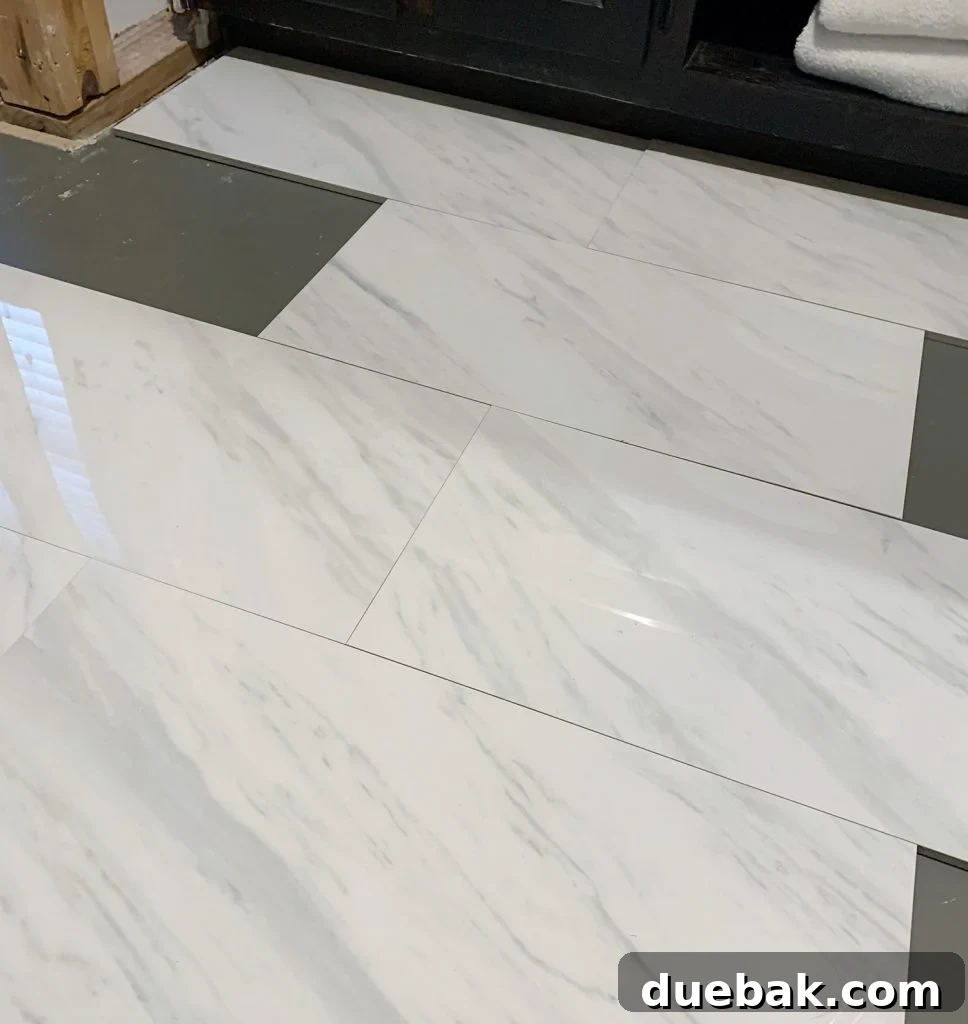
For the bathroom floor, we found an affordable, large-format marble-look porcelain at Home Depot that we absolutely loved. It’s a great value and will run continuously through both the bathroom and the closet for a seamless, cohesive look. Seeing the tile laid out in the space confirmed it was the right choice.
We considered many other tile patterns—chevron, herringbone, basketweave, polished color tiles—and loved several of them, but settled on the combination that felt most cohesive with the rest of our decisions and budget. The final picks balance a few pricier elements with some very affordable finds so everything layers together beautifully.
I’m also excited to pick fixtures, hardware, mirrors, and smaller details like toilet paper holders and towel hooks. These finishing touches will pull the whole design together and add personality.
Next up: full demo. The vanity is arriving soon, and since the tub and toilet are already here we’ll have most of the major pieces on site. Over the next couple of weeks we expect the demo to finish, plumbing and rough-in work to be completed, and tile prep to begin. After tile and wall repairs, we’ll install the new fixtures and trim. My personal goal is to be fully submerged in the new tub by mid-November—fingers crossed!
P.S. Check the first post about this bathroom reno for the video tour and earlier demo photos; the room will be unrecognizable when it’s finished.
*This post contains affiliate links*