
Transforming Our Sunroom: Elevating Openings with Durable, Rot-Resistant Trim
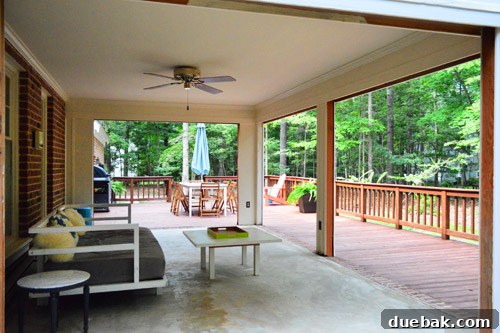
The exhilaration of a major home improvement project is often followed by the detailed, less glamorous, yet fundamentally crucial tasks that truly complete the transformation. Recently, the excitement reached a peak as we bid farewell to the sliding glass doors of our sunroom, instantly creating a more open, airy, and inviting space. This bold move was a significant step towards realizing our vision for an expanded living area, blurring the lines between indoor comfort and the natural beauty outside. However, with the doors gone, we were left with a tangible reminder of the work that still lay ahead: a series of raw, unfinished openings that, while promising, were far from complete. This transition marked the beginning of a critical phase in our home renovation journey, moving from the dramatic removal to the meticulous work of creating enduring, beautiful finishes.
The Challenge: Exposed Wood and the Imperative of Rot Prevention
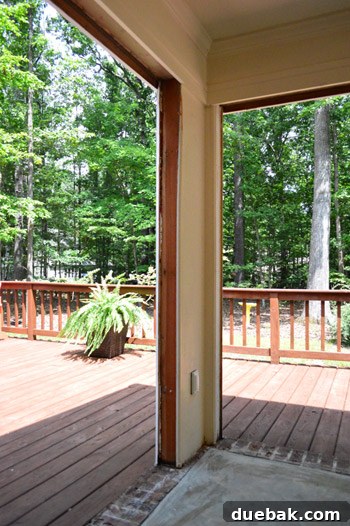
Once the heavy metal door frames were completely removed, what remained were stark, exposed raw wood edges along each opening. This wasn’t merely an aesthetic concern; it represented a significant vulnerability. Raw wood, particularly in a sunroom environment that can experience fluctuating temperatures and varying humidity levels, is an open invitation for moisture-related problems. We immediately recognized this as a critical issue needing urgent attention. The presence of exposed wood, especially where it could come into contact with rain or condensation, creates the perfect “recipe for rot”: water plus untreated wood inevitably leads to decay. This wasn’t a risk we were willing to take, given the structural integrity and long-term beauty of our home.
Our proactive stance on moisture damage stems from past experiences. When our house underwent a comprehensive exterior painting, we discovered and addressed considerable rot on the outside of this very sunroom. That previous repair job instilled in us a profound vigilance regarding potential moisture issues. We understood that neglecting these newly exposed areas would be a costly oversight, potentially leading to expensive repairs down the line. Therefore, addressing these raw edges with a durable, weather-resistant solution became our top priority, ensuring that our beautiful new open concept would also be resilient and long-lasting.
Strategic Material Choices: PVC for Enduring Longevity
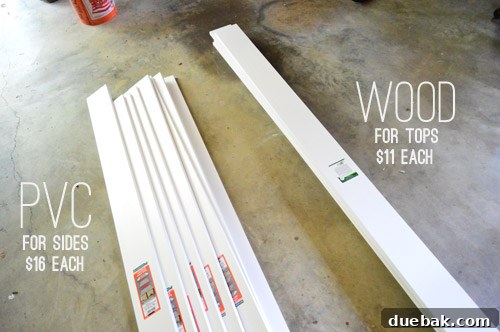
With the need for a robust, moisture-proof solution firmly established, the choice of material for the new trim was paramount. While traditional wood trim is a common choice, its susceptibility to moisture and the associated risk of rot in a semi-exposed sunroom environment gave us pause. Instead of opting for more wood, which would require constant vigilance and maintenance, we made a strategic decision to invest in PVC (Polyvinyl Chloride) trim. This “splurge,” though slightly more expensive at about $5 extra per piece compared to standard wood, was an investment in peace of mind and long-term durability. PVC, essentially a high-performance plastic, is inherently resistant to moisture, rot, warping, and pests, making it an ideal choice for areas exposed to the elements or high humidity.
The cost difference felt minimal when weighed against the benefits. Knowing that the PVC trim would withstand decades of rain, humidity, and temperature fluctuations without showing signs of decay was invaluable. It significantly reduced the need for future maintenance, saving both time and money in the long run. We did, however, find an opportunity to optimize costs for less exposed areas. For the tops of the door openings, where direct contact with standing water is highly unlikely, we opted for pre-primed wood. This decision saved us approximately $25 and proved to be a smart compromise, leveraging the benefits of wood in sheltered spots while ensuring maximum protection where it mattered most with PVC. This thoughtful approach to material selection perfectly balanced durability, performance, and budget for our sunroom renovation.
Precision in Preparation: Cutting and Sizing the Trim
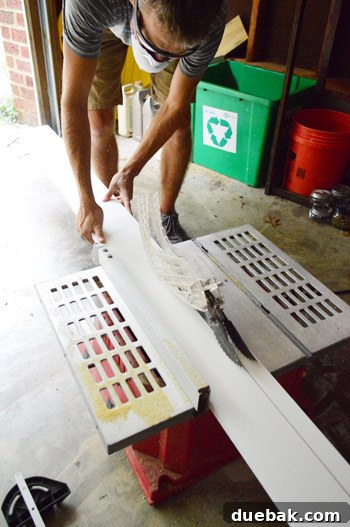
Once the materials were acquired, the next crucial step was the precise preparation of each trim board. We chose boards measuring 1″ x 6″ x 8′, which offered substantial coverage, but required some custom fitting. It quickly became clear that these boards were just a “smidge” too wide for the specific gaps we needed to fill. This meant that in addition to cutting them to the correct length for each opening, a crucial step known as “ripping” was necessary. Ripping involves cutting a board along its length to reduce its width, a task best performed with a table saw.
Using my trusty table saw, I carefully set the guide to the precise measurement needed, ensuring each cut would be perfectly straight and consistent. This process of ripping boards, while adding an extra step, was essential for achieving a professional, snug fit. Accuracy here is paramount; even a slight deviation can lead to unsightly gaps or an uneven finish. The table saw made relatively easy work of this, delivering clean, precise cuts that would seamlessly integrate the new trim into the existing structure. This meticulous attention to detail during the preparation phase lays the groundwork for a flawless installation and a polished final appearance, ensuring every piece fits like a glove.
Secure Installation: A Combination of Adhesive, Nails, and Screws
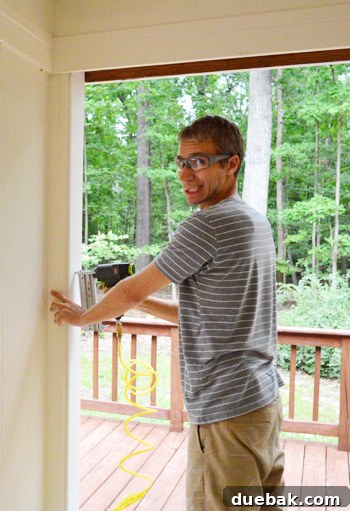
With all the boards meticulously cut and sized, the installation phase commenced. For each piece of trim, a dual-method approach was employed to ensure maximum adhesion and stability. First, a generous bead of construction adhesive was applied to the back of the board. This high-strength adhesive provides an instant grip and a durable bond that helps prevent movement and fills minor imperfections behind the trim. Immediately after applying the adhesive, the board was positioned and secured into place using a nail gun. It had been some time since I’d engaged in a project requiring my nail gun, and getting back into the rhythm felt incredibly satisfying. This rapid fastening method not only speeds up the process but also applies consistent pressure, ensuring the adhesive bonds effectively while minimizing visible fasteners.
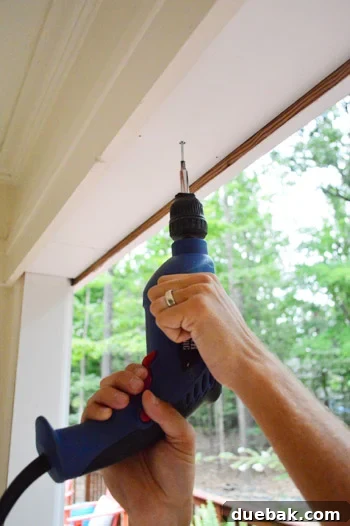
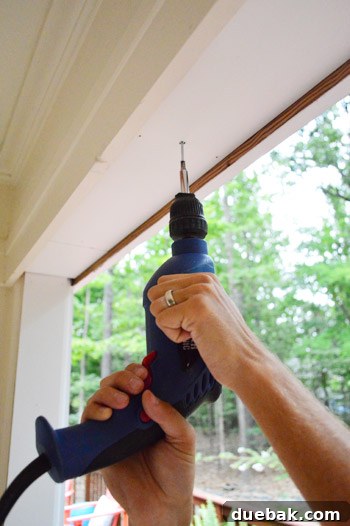
For the ceiling boards, which would be fighting gravity, an extra layer of security was deemed necessary. While the combination of construction adhesive and nails provides a strong hold, for overhead applications, adding a few strategically placed screws offers unparalleled reinforcement. This was a proactive measure to prevent any potential sagging or, worse, detachment over time, giving us complete peace of mind. The added screws ensure that the trim remains firmly in place for decades to come, resisting the forces of gravity and maintaining its perfect alignment. This comprehensive installation strategy ensures that every piece of trim is not only aesthetically pleasing but also structurally sound and secure.
The Art of Sealing: Flawless Caulking for Protection and Polish
The physical installation of the trim boards, while taking a couple of hours, was merely the precursor to an equally vital, albeit less thrilling, task: caulking. This critical step, requiring several focused hours, is where the functional benefits of rot prevention truly merge with achieving a professional, polished finish. Our primary objective was to meticulously caulk all the gaps around the newly installed boards, creating an impenetrable barrier against moisture intrusion. This seals the perimeter of the trim, preventing rain, condensation, and humidity from seeping behind the boards and compromising the underlying structure. Beyond this essential moisture barrier, caulking also served to fill any other minor cracks or imperfections we observed throughout the room, unifying the surfaces and elevating the overall aesthetic.
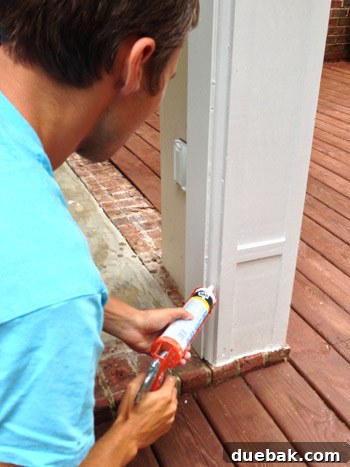
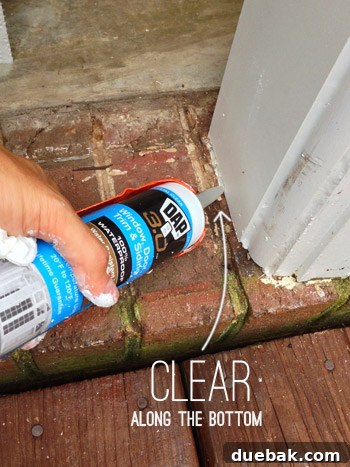
A key learning from a prior renovation, specifically our last home’s porch makeover, proved invaluable when it came to caulking the bottom edges of the trim where it met the brickwork. I discovered that using clear silicone caulk, rather than white, yields superior results in such areas. The textured and often irregular surface of brick makes it incredibly challenging to achieve a perfectly straight line with opaque caulk; it tends to get “smushed” into the mortar lines and uneven surfaces, creating a visibly messy line. Clear silicone caulk, however, offers a brilliant solution. It allows for a tight, watertight seal without visually distracting from the natural irregularity of the brick. The straight edge of the trim board then acts as the clean visual line, maintaining a crisp aesthetic. Although the initial application might appear lumpy, a quick smoothing with a finger or a caulk tool creates a remarkably clean and seamless finish. This attention to detail in caulking is what truly defines a high-quality, durable home improvement project.
The Transformed Space and What’s Next
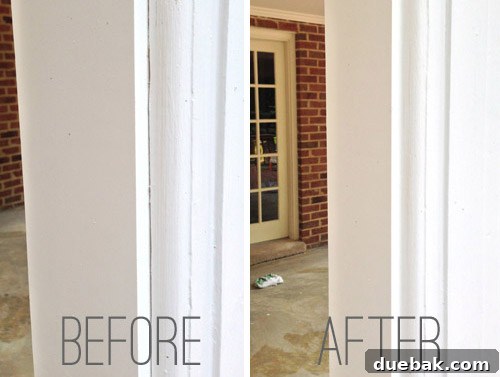
While the process of installing trim and caulking may not be the most “riveting” part of a renovation, the immediate impact on the room’s appearance was undeniable. What once looked raw and unfinished now boasts clean, crisp lines and a polished aesthetic. The new PVC trim not only provides superior protection against the elements but also significantly elevates the visual appeal of the sunroom, transforming it into a truly integrated and welcoming extension of our home. This meticulous work ensures that our open sunroom concept is not just beautiful but also built to last, offering durability and low maintenance for years to come.
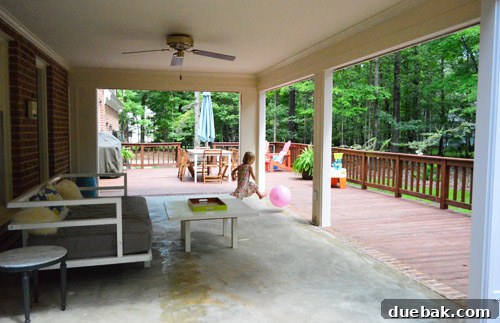
The true measure of a successful renovation often lies in how the inhabitants, furry ones included, embrace the new space. As you can see, someone in our household is already thoroughly enjoying the new open configuration, reveling in the expanded views and fresh air. This immediate appreciation reaffirms that every painstaking step was worthwhile, creating an environment that enhances daily living for everyone.
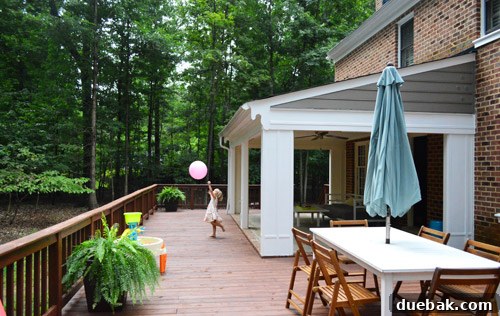
Of course, a home renovation is often a continuous journey. While the trim is perfectly in place, the interior of the sunroom still awaits a fresh coat of paint – currently a warm cream, it will soon match the crisp white exterior, creating a cohesive aesthetic. But before we even thought about rolling on that first layer of paint, another exciting project beckoned, diverting our attention upwards. We simply couldn’t resist the temptation to explore the potential above our heads, leading us to “break into the ceiling” to uncover new possibilities.
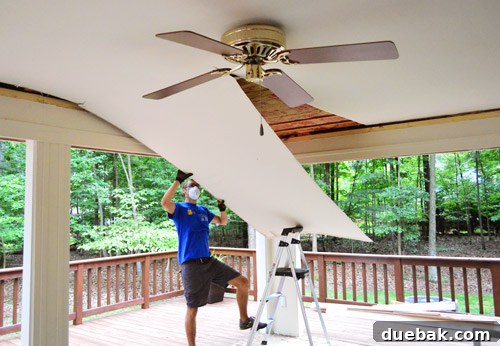
More details on that intriguing ceiling project will follow once we’ve finished our exploratory work. Here’s to hoping we can successfully transform this space even further, perhaps by introducing a functional loft! Stay tuned for more updates on our ongoing home improvement adventures.