Mastering the Bathtub Battle: A Comprehensive Guide to Unclogging Stubborn Drains
There are few household frustrations quite as immediate and vexing as a clogged bathtub drain. One moment, you’re enjoying a relaxing shower; the next, you’re standing in an ankle-deep pool of stagnant water, watching your plumbing world grind to a halt. This was precisely the scenario we found ourselves in recently, a common predicament for homeowners everywhere. What started as a minor slowdown quickly escalated into a complete blockage, transforming our post-basement-painting showers into an unwelcome series of impromptu baths. The drain, which once slowly permitted water passage, adopted an unwavering “no-drop-shall-pass” policy, leaving us literally and figuratively drained.
The journey to an open drain is often fraught with trial and error, a testament to the diverse nature of clogs and the ingenuity of homeowners. Our experience, detailed below, serves as both a cautionary tale and a practical guide, illustrating the array of DIY methods available and when it might be time to call in the professionals. Our primary goal, like many of you, was to conquer this domestic adversary ourselves, to declare victory over the clog that simply wouldn’t quit.
Understanding the Anatomy of a Bathtub Clog: Common Culprits and Early Warning Signs
Before diving into solutions, it’s helpful to understand what causes these persistent blockages. Bathtub drains are particularly susceptible to clogs due to the constant assault of various substances. The primary culprits include:
- Hair: Undoubtedly the number one offender. Shed hair, especially long hair, easily weaves together to form dense, water-resistant mats within the drainpipe.
- Soap Scum: A sticky residue formed by the combination of soap, body oils, and minerals in hard water. This scum adheres to pipe walls, trapping hair and other debris, narrowing the pipe’s diameter over time.
- Grease and Oils: While less common in bathtubs than kitchen sinks, sometimes bath oils or pet shampoo residues can contribute to a greasy buildup.
- Foreign Objects: Small items like cotton swabs, dental floss, or even tiny toy parts can accidentally fall into the drain and act as a foundation for a larger clog.
Recognizing the early warning signs – like water draining slower than usual, gurgling sounds, or an unpleasant odor – can save you a lot of headache. Addressing these issues promptly can often prevent a full-blown blockage and the subsequent frustration we faced.
Our Exhaustive Journey Through DIY Unclogging Techniques
Annoyed but initially unphased, we embarked on a systematic exploration of common de-clogging techniques. Each attempt, while rooted in sound principles, yielded varying degrees of disappointment. Here’s a look at our relentless pursuit of a clear drain:
1. The Manual Approach: Fishing with Fingers (and the Gross Factor)
Our first instinct, as many homeowners’ is, involved a direct, albeit unappetizing, attack. Reaching into the drain opening with our fingers, we managed to dislodge a surprisingly decent-sized “Sherr-ball” – a rather affectionate term for a clump of hair and soap scum. While this initial victory was gross, it gave us a glimmer of hope. Unfortunately, despite removing a significant obstruction, the floodgates remained stubbornly shut. This method is often effective for shallow clogs just beneath the drain stopper, but it rarely reaches deeper, more entrenched blockages.
2. The Plunger Play: Harnessing Hydraulic Power
Next, we armed ourselves with a trusty bathroom plunger, hoping its suction power would dislodge the culprit. Plunging can create significant pressure changes within the pipe, pushing or pulling the clog. Our efforts did release a few more items we’d rather not have seen again, confirming there was still plenty of debris. However, much to our dismay, the water level remained unchanged. Plungers are most effective for partial clogs that allow some water to pass, enabling the creation of a vacuum. For a complete, solid blockage, their efficacy diminishes significantly.
3. The Drain Snake Offensive: A Mechanical Maneuver
With simpler methods failing, we escalated our efforts to a 25-foot long drain snake, also known as an auger. This tool is designed to manually break apart or retrieve clogs that are further down the pipe. Despite our diligent efforts of feeding the coil into the drain, twisting, and pulling, it proved to be a waste of time. We admittedly had low expectations, as our particular snake was a basic model, and we suspected the clog might be beyond its reach or too solid to be easily broken up. Proper technique with a drain snake involves slowly feeding it in until resistance is met, then twisting the handle to either break up the clog or hook onto it for retrieval.
4. The Boiling Water Gambit: A Fiery Attempt
Inspired by a previous success with our kitchen sink, where boiling water had miraculously cleared a grease clog, we tried the same tactic. The idea is that hot water can melt grease and dissolve soap scum. We poured five successive pots of boiling water down the drain. The result? We had only succeeded in adding more water to our tub, which now sat even fuller than before. This method is best reserved for clogs primarily composed of grease or soft soap scum and should be used cautiously with PVC pipes, as extreme heat can sometimes soften or damage them.
5. The Classic Baking Soda & Vinegar Volcano: A Chemical Reaction
Turning to an age-old home remedy suggested by many, we mixed a half-cup of baking soda followed by a cup of white vinegar. We watched our little drain volcano fizz and bubble, a promising chemical reaction designed to break down organic matter. After letting it sit for five minutes, we flushed it with hot water. Still no luck. Even a second attempt provided no relief, just more science project flashbacks. While effective for minor clogs or as a preventative measure, baking soda and vinegar often lack the potency to tackle dense, stubborn clogs, especially those dominated by hair.
6. The “As Seen On TV” Marvel: The Zip-It Tool Test
Sherry even decided to try the $3 As Seen On TV quality Zip-It tool, a plastic strip with barbs designed to grab hair. Online videos often show these tools pulling out über-disgusting hairballs. To our half-gratitude and half-frustration, our Zip-It came out totally clean. This indicated one of two things: either the clog wasn’t primarily hair, or it was much deeper than the Zip-It could reach. This tool is fantastic for superficial hair clogs but, like fingers, has limited reach.
Seeking Expert Counsel: The Enzymatic Approach
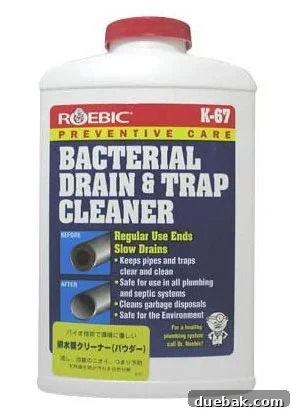
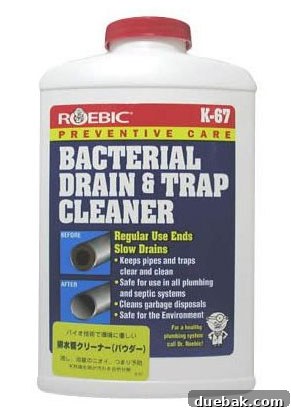
After a week of relentless and increasingly desperate DIY attempts, we felt a renewed sense of hope after detailing our issue to an expert at the local hardware store. He weighed a couple of options for us and ultimately recommended an environmentally friendly, 100% biodegradable enzyme product: Roebic Laboratories Bacterial Drain Cleaner. Enzyme cleaners work by introducing beneficial bacteria that consume organic matter like hair, soap scum, and grease over time, breaking down the clog naturally.
The instructions were simple: mix two tiny capfuls into 12 ounces of warm water, dump it down the drain, and let it sit overnight. The next morning, we were genuinely pleased to see that the twelve ounces of water solution was completely gone – a sign that some water had slowly drained! However, our smiles quickly disappeared as soon as the tub started filling up again when we turned on the faucet. We repeated the process for a second night, with similar results. While enzyme cleaners are excellent for maintenance and preventing future clogs, they typically require patience and are often less effective for immediate, severe blockages. Our clog, it seemed, was too dense or perhaps not entirely organic for the enzymes to work quickly enough.
The Brink of Despair: When to Call Professional Help
After two nights of trying the Roebic solution and more showers-turned-baths than we’d like to admit (each followed by the arduous task of manually emptying the collected water with a bucket, sigh), we were genuinely ready to throw in the towel. The mounting frustration, combined with the sheer inconvenience of a non-functional bathtub, brought us to the precipice of calling in professional help. This is often the point for many homeowners: when multiple DIY methods have failed, and the problem persists, it’s a clear signal that the issue might be more complex than anticipated or require specialized tools and expertise.
Indicators that it’s time to call a plumber include:
- Persistent clogs that resist all DIY efforts.
- Multiple drains in your home are affected simultaneously (this could indicate a main line issue).
- Water backing up in unexpected places.
- Foul odors coming from multiple drains.
- You suspect a broken or damaged pipe.
The Breakthrough! Conquering the Dastardly Drain
Oh no we di’innnnnt! Just when we were about to surrender and dial the plumber, we decided to give it one last, all-out DIY effort. We assessed all our previous failures and realized a common thread: our existing tools, while helpful for minor clogs, weren’t capable of reaching or breaking apart the truly stubborn obstruction that lay deeper within our drainpipe. This time, we went beyond our basic snake and invested in a heavier-duty, longer drain auger (the kind you might rent from a hardware store for a more robust job) and combined it with a strategic, patient approach.
Here’s what finally worked:
- Accessing the Overflow Plate: We first removed the overflow plate and stopper assembly from the bathtub. This gave us a more direct and wider access point into the drain line, allowing the auger to navigate bends more easily and reduce the chances of it getting stuck.
- Persistent and Strategic Augering: We carefully fed the rented, industrial-grade auger down the drain, slowly pushing it deeper than we had ever managed before. When we met resistance, instead of just pulling back, we rotated the auger vigorously, applying steady forward pressure. This time, we felt a distinct “give” – a sign that the auger head had either hooked onto or broken through the dense clog. We continued to work it for several minutes, ensuring the path was clear.
- Hot Water Flush (Post-Clog): Once we were confident the clog was broken, we poured several gallons of very hot (but not boiling) water down the drain, letting it run for a good five to ten minutes. This helped flush away any remaining debris and dissolved residues that the auger might have loosened. We listened intently as the water swirled down with a speed and sound we hadn’t heard in days!
Woo to the hoo! The bathtub drain was finally, gloriously, and completely unclogged. The satisfaction of overcoming such a persistent problem with our own hands was immense, a true declaration of victory over our clog-that-won’t-quit. It wasn’t one single magical solution but a combination of persistence, upgrading our tools, and understanding the deeper mechanics of the drain. This experience not only saved us a hefty plumbing bill but also equipped us with invaluable knowledge for future challenges.
Preventative Measures: Keeping Your Drains Clear
Learning from our harrowing experience, we’ve adopted several preventative measures to avoid future bathtub drainage issues:
- Hair Catchers: Investing in a good quality hair catcher that sits over or inside the drain opening is paramount. This simple, inexpensive device can prevent the vast majority of hair from entering your pipes.
- Regular Hot Water Flushes: Periodically, after showers, allow hot water to run for a minute or two to help flush down any accumulating soap scum or oils before they can solidify.
- Monthly Baking Soda & Vinegar Treatment: While it wasn’t a miracle cure for our severe clog, a monthly application of baking soda followed by vinegar can help maintain clear drains by breaking down minor buildups before they become problematic.
- Enzyme Drain Cleaners for Maintenance: For ongoing maintenance, occasional use of biodegradable enzyme drain cleaners (like the Roebic product we tried) can help keep organic matter from accumulating, especially in less severely clogged drains.
- Avoid Pouring Grease: Though more common in kitchens, be mindful of what goes down your tub drain.
- Scheduled Drain Cleaning: For older homes or those with frequent issues, consider having a professional plumber perform a preventative drain cleaning every few years.
Your Turn: Sharing Your Drain Unclogging Wisdom!
Our journey through the labyrinth of a clogged bathtub drain was a rollercoaster of emotions, from initial annoyance to utter desperation, and finally, immense triumph. We hope our detailed account serves as a valuable resource for anyone else grappling with drainage issues. It underscores the importance of systematic troubleshooting, knowing when to upgrade your tools, and recognizing the limits of various DIY methods.
We’re not ones to give up without a fight, and this experience taught us that sometimes, a little more brute force and strategic thinking are all it takes. Fingers crossed you’ll get ’em in your own round six!
Now, we turn to you, our wonderful community. Seriously, we’ll try anything (well, anything within reason). Please inundate us with any drain unclogging tips or genius solutions that have worked for you. Your shared experiences and advice can further enrich this resource, helping countless others conquer their own stubborn clogs. After all, a clear drain means a clear mind!