
Smart Savings for New Parents: Frugal Tips for Welcoming Your Baby
The journey into parenthood is an exciting one, often accompanied by dreams of nursery decorating and endless adorable baby outfits. However, the financial reality can quickly set in, with many prospective parents fearing that welcoming a new baby will significantly impact their savings. Rest assured, while every family’s experience is unique, it’s entirely possible to navigate the world of baby essentials smartly and save money without sacrificing your child’s comfort or your peace of mind. Based on our own experience, we found that preparing for a baby didn’t have to be as costly as widely perceived, thanks to a thoughtful approach and a few strategic choices.
Our goal was to provide everything Clara needed while maintaining a healthy budget. We learned that bypassing unnecessary gadgets and leveraging support from our community were key. Here’s a comprehensive guide to how we managed baby expenses, offering practical advice for any new parent looking to embrace frugal living without compromise.
Strategic Approaches to Saving Money on Baby Essentials
Parenting is a deeply personal journey, and what works for one family may not suit another. However, these foundational strategies helped us navigate the financial aspects of welcoming Clara, ensuring she had everything she needed, alongside plenty of fun and comfort.

1. Resist the Allure of Excessive Baby Clothing
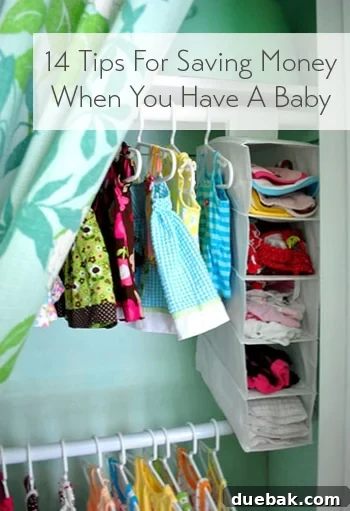
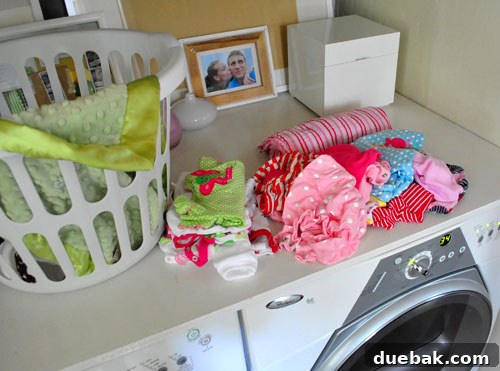
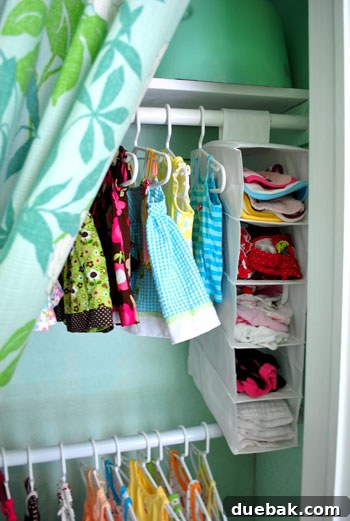
One of the easiest areas to overspend is on baby clothes. We consistently heard from experienced parents that friends and relatives are incredibly generous with cute outfits in various sizes. Our personal experience confirmed this advice 100%. While it’s hard to resist a few adorable pieces, we made a conscious effort to limit our own purchases. Clara’s wardrobe quickly filled up with generous hand-me-downs and gifts, far exceeding what we could have bought ourselves. This saved us significant money and highlighted how much joy friends and family find in contributing to a new baby’s arrival. Before stocking up, consider how many outfits you might receive as gifts or hand-me-downs.
2. Prioritize “Big Ticket” Items on Your Baby Registry
When creating a baby registry, it’s tempting to add every charming item you see. However, focusing on larger, more essential items can be incredibly beneficial. We hoped friends and family would pool resources for expensive necessities, and they did! We received our Ergo carrier, swing, stroller, car seat, and Angelcare Monitor directly from our registry. This strategy proved invaluable. While smaller items like clothes, books, and toys are often given as spontaneous gifts, registering for costly gear ensures you acquire the critical items you truly need, often with the collective generosity of your loved ones. Each time we use these items, we’re reminded of their thoughtful contributions. For specific items we chose, you can peruse our detailed baby gear post.
3. Embrace Hand-Me-Downs (Wisely)
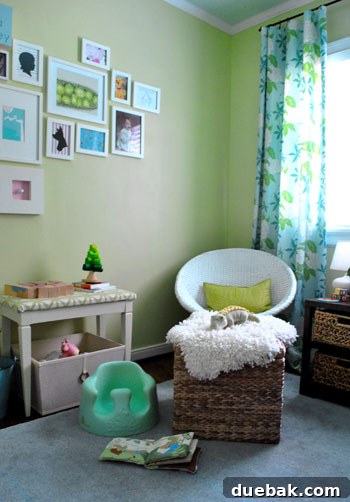
The abundance of baby gear can be overwhelming, but many parents are eager to pass on gently used items. We were surprised by the number of friends and family who offered items like Bumbos, Boppys, and bouncy seats. Accepting hand-me-downs is a fantastic way to save a substantial amount of money. Our key tip is to explore what might be available before buying new or even registering. However, it’s crucial to be selective. Avoid accepting every single item offered, as this can quickly lead to a cluttered home. We carefully considered what would fit our lifestyle and space, opting for only a few gently used, highly useful items like a sling, a Boppy, a Bumbo, and a doorway jumper. These items alone would have cost us over $150, proving the value of thoughtful acceptance.
4. Rethink Conventional Baby Gear Purchases
Simplifying our baby gear choices not only saved money but also prevented our small home from being overrun. Conversations with experienced parents revealed that many expensive, bulky items have more affordable, space-saving alternatives. For instance, a booster seat with a tray can be just as effective as a large, costly highchair. Similarly, investing in one versatile, durable stroller often makes more sense than purchasing multiple specialized strollers for different developmental stages. These insights saved us hundreds. We confidently chose a $25 booster seat and were fortunate to receive a high-quality, all-in-one stroller from our registry. While we later added a jogging stroller for specific needs (as detailed in this update), we successfully avoided buying snap-n-go or umbrella strollers, emphasizing the importance of considering actual usage before purchasing.
5. Start an Education Fund Early
Beyond immediate baby expenses, long-term financial planning for your child is crucial. We established a 529 education fund within two weeks of Clara’s birth. All “welcome-to-the-world” monetary gifts she received were diligently invested there. We also committed to saving a set amount monthly, allowing these funds to grow tax-free over years, significantly contributing to her future education costs. This simple step ensures that gifts contribute meaningfully to her future rather than being absorbed into day-to-day expenses.
6. Don’t Hesitate to Return or Exchange Surpluses
To maximize our budget, we learned not to be shy about returning or exchanging duplicate gifts or impractical items. Extra clothes, repeat toys, and books were exchanged for vital necessities like wipes and disposable diapers. Diapers and wipes are constant expenses rarely given as gifts but are used extensively, making them high-priority items for exchange. We also carefully considered the season and sizing of clothing gifts. For example, a “six months” summer dress would be useless for Clara, who would reach that age in winter. Exchanging it for appropriate seasonal wear ensured the gift was truly utilized and prevented wasted clothing.
7. “Try Before You Buy” Whenever Possible
Baby preferences can be unpredictable. Instead of buying every popular item, try to borrow or test them first. We weren’t sure if our travel swing would suffice, given how much some babies reportedly love bouncy seats. Borrowing a friend’s bouncy seat revealed that Clara had no interest, saving us the cost of a purchase. For those without readily available friends or family for borrowing, resources like Freecycle.org, Craigslist.org, and local thrift stores offer excellent opportunities to find gently used items at a fraction of the cost, allowing you to test preferences without a significant financial commitment.
8. Consider Skipping the Bassinet
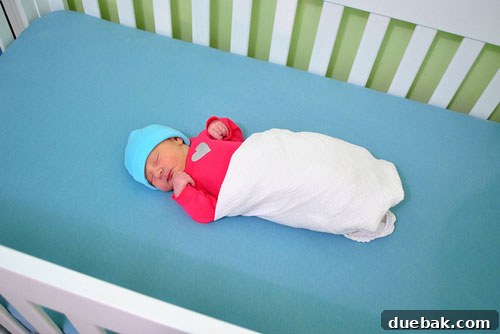
While a bassinet is a common purchase for newborns, it’s not always a necessity for every family. Due to our small bedroom and a conveniently close nursery (just a few steps away), Clara slept in her crib from day one (after leaving the hospital). This decision saved us the cost of a bassinet and the hassle of storing it later. We also believe this contributed to her excellent sleeping habits, as she enjoyed her quiet, dedicated space. She slept through the night remarkably early, often for 9+ hours straight, free from parental disturbances like lights or snoring.
9. Embrace Breastfeeding for Natural Savings
Breastfeeding, where physically possible and chosen, offers significant financial benefits. Months before Clara’s arrival, I educated myself through online resources and a free hospital class to maximize my chances of success. Thankfully, it worked out beautifully! Beyond the precious bonding time, breastfeeding saved us approximately $140 per month, the average cost of formula. We also plan to make as much of our own organic baby food as possible when Clara transitions to solids, further extending our savings through natural means.
10. Opt for Cloth Diapers
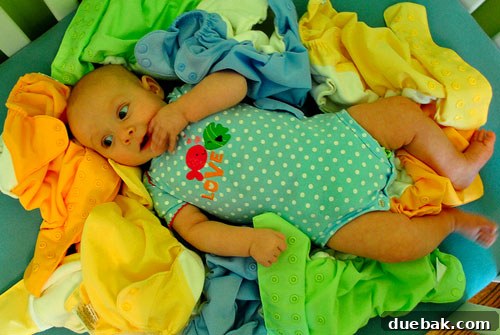
Switching to cloth diapers was another significant money-saving decision. While the initial investment might seem higher, the long-term savings are substantial compared to disposable diapers. It’s an eco-friendly choice that also proved to be surprisingly manageable and even fun. We’ve shared our detailed experience, including detergent choices and savings, in this dedicated post.
11. Pare Down Baby Gear to What’s Truly Necessary
Sometimes, less is truly more. We initially acquired both a video monitor and the Angelcare audio monitor from our registry. We quickly realized the audio function of the Angelcare monitor was perfectly adequate for hearing Clara, and attempting to discern her breathing on a grainy video screen was often more anxiety-inducing than reassuring. Returning the $200 video monitor was an easy decision. Similarly, taking advice from an experienced mother of three, I chose a single breast pump over a double, saving another $200. These seemingly small adjustments, like opting for one monitor instead of two and a single pump, saved us approximately $400 without impacting our lifestyle or Clara’s care.
12. Limit Baby Bottle Purchases
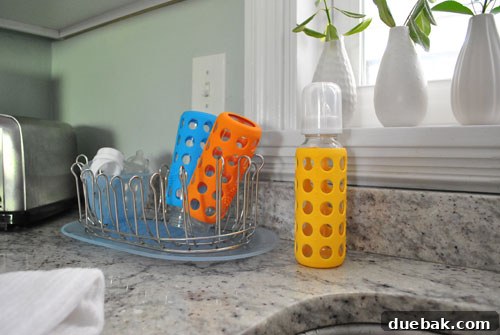
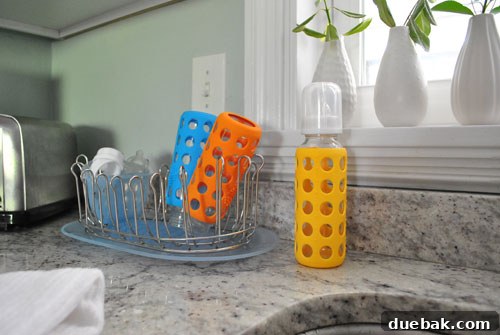
For breastfed babies, a minimal number of bottles is often sufficient. We purchased just three bottles with newborn nipples, and they proved to be all we needed. Since Clara was 100% on mommy’s milk, bottles were reserved for rare pumping occasions, usually for extended car trips to avoid frequent stops. For parents who work outside the home or formula-feed, more bottles will be necessary. However, the principle remains: evaluate your specific feeding routine and resist the urge to overbuy. Many parents find they can manage with fewer items than generally recommended.
13. Master the Art of Couponing for Baby Supplies
Coupons are a new parent’s best friend. Never make a purchase at major baby retailers like Babies R Us or Buy Buy Baby without one. Buy Buy Baby frequently accepts ubiquitous Bed Bath & Beyond coupons (as they are part of the same company), and Babies R Us often has coupons circulating online or through loyalty programs. Many purchases also come with a 20% off coupon for your next visit. Strategically save these for larger, more expensive items to maximize your savings. A few minutes of coupon hunting can yield significant reductions on essential baby items.
14. Trust That Stores Will Still Be There Post-Arrival
The urge to buy everything “just in case” before the baby arrives is powerful. However, waiting to see what you truly need after the baby is born can save both money and sanity. Once your baby arrives, friends and family are often eager to help, offering to pick up last-minute necessities. You might find that for every 20 items you thought you needed beforehand, only two or three are actually essential. We happily learned to live without items like a pacifier case or a wipe warmer, finding them unnecessary for our family, though others might value them greatly. Every family’s “needs” are different; allowing yourself time to discover yours prevents impulsive purchases of items you may never use. Plus, your beloved pet might just be the most amusing “toy” around!

Conclusion: Thoughtful Parenthood, Frugal Living
Our journey into parenthood with Clara taught us the immense value of thoughtful consumption and community support. By resisting the urge to buy every baby item on the market, trying items before committing to a purchase, accepting hand-me-downs selectively, and prioritizing big-ticket items on our registry, we managed our baby budget effectively. We opted for versatile gear like one multi-purpose stroller and a booster seat over bulky, expensive alternatives. Even for unavoidable expenses like diapers, we found affordable and sustainable solutions through cloth diapering.
While we are still learning and growing as parents, these approaches worked wonderfully for us in the initial months. The world of parenting is subjective and deeply personal, but we hope these practical tips offer a roadmap for your own frugal parenting journey. We’d love to hear your insights too: What are your go-to money-saving tips for raising kiddos? Do you embrace DIY solutions or intentionally skip certain items? Share your wisdom with us!
Psst- Dive deeper into our general money-saving strategies (beyond baby essentials) by exploring our “Save It” series. Discover how we save cash here, here, and here. For even more penny-pinching ideas, visit our Projects page and browse the “Money Saving Tips” category.
Pssssssst- Don’t forget to check out our weekly BabyCenter post right here, where we share our best tips for sorting, storing, and keeping baby clothes under control.