
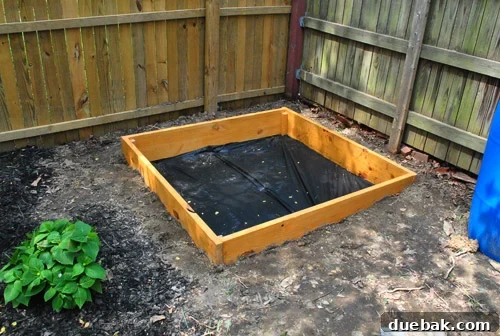
Building a backyard sandbox for Clara was a project nearly a year in the making. What began as an exciting idea around her first birthday last May (our little one is now almost two!) evolved into an unexpected odyssey. It seems our initial enthusiasm was easily outpaced by indecision, turning “any day now” into a testament to the procrastinator’s spirit. This isn’t just a story about building a sandbox; it’s a journey through planning, problem-solving, and ultimately, creating a beloved outdoor play space.
The Elusive Perfect Spot: An 11-Month Hiatus
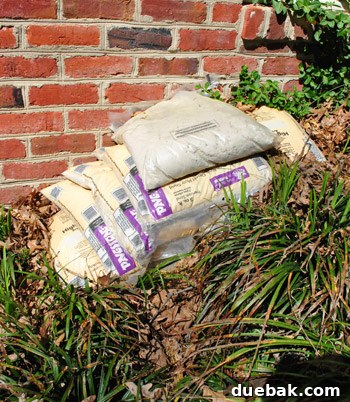
Our biggest hurdle, surprisingly, wasn’t the construction itself, but deciding on the perfect location for Clara’s future sandbox. We initially toyed with the idea of a mobile sandbox on wheels, envisioning it rolling onto the patio for playdates and neatly tucked away when not in use. However, with ample outdoor space, this concept soon felt overly complicated. Why create an “eternally rolling” fixture when a permanent, well-integrated spot could offer more stability and charm? This dilemma led to an almost year-long hiatus for Project Sandbox. The irony wasn’t lost on us when the bags of play sand we’d already purchased ended up serving a crucial, albeit temporary, purpose: sandbagging our basement during Hurricane Irene in August. For months, the remaining sand sat forlornly in the backyard, a sad symbol of a promise yet unfulfilled. One might even picture a single tear tracing a path down my cheek as I recall that period of inaction.
Discovery: The Ideal Backyard Sandbox Location
Fortunately, a surge of renewed energy for recent outdoor projects breathed new life into our sandbox quest. Specifically, while tidying up the patio area, we stumbled upon what could only be described as the ideal sandbox spot. This prime location had been patiently waiting, hidden behind a now-removed, deceased rhododendron. Its removal unveiled a wonderfully open area, partially shaded by a graceful dogwood tree and conveniently adjacent to our patio. The advantages were immediately clear: we could easily add stepping stones from the patio, guiding Clara directly to her play area, and its placement within our small, fenced-in side yard offered both security and containment. After a brief period of deliberation, we concluded that we weren’t getting any younger, nor was Clara, and this was unequivocally *the* spot. The decision was made.
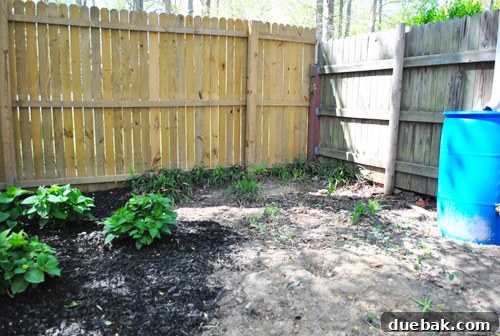
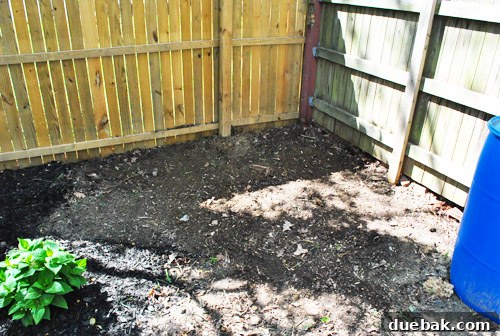
While it might appear to be a compact corner of the side garden, the area is actually a generous and level 7 x 7 feet – perfectly sized for a functional and fun addition for our little one.
Designing Clara’s Dream Sandbox: Inspiration and Practicality
With the location secured, the next challenge was determining the best way to construct this outdoor play haven. I turned to Pinterest – a valuable resource even for those without an account – for creative inspiration. The platform offered a plethora of charming, ingenious, and unique sandbox designs, ranging from highly intricate to refreshingly straightforward. It was clear there were countless ways to approach this DIY project. Some of our favorite inspirations included designs from Dana Made It, Small & Friendly, Modern Parents Messy Kids, and Dover Projects.
My personal goal was to keep the design as uncomplicated as possible. I often have a knack for overcomplicating simple tasks, so I was determined to avoid turning a basic sandbox into an overly intricate or stressful endeavor. As you’ll soon see, my success in this regard was only moderate. Nevertheless, the initial step was straightforward: clearing the designated area of – surprise! – liriope. Fortunately, the growth wasn’t too dense here, making it a relatively quick and easy task.
Site Preparation: Sizing and Digging the Foundation
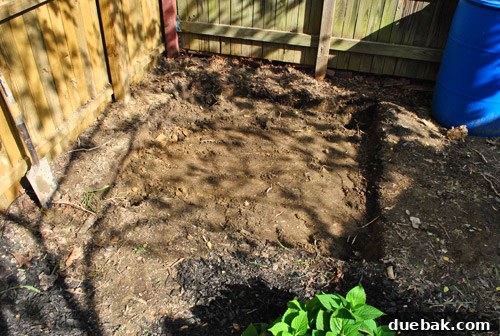
Considering the available space, we settled on a roughly 5′ x 5′ sandbox. This size isn’t massive, but it’s ample enough for Clara and a friend or two to play comfortably without bumping heads. I meticulously measured the area and used some orange flags, conveniently left by the previous owner (they’d marked our property line during closing), to mark the precise corners of our future sandbox.
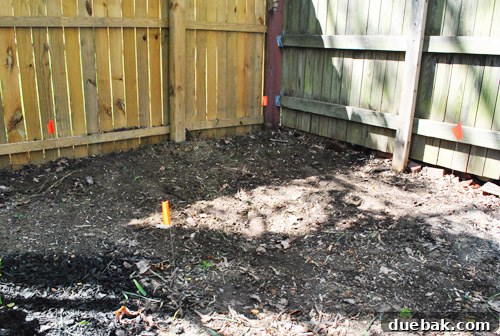
Next, I began excavating the area, digging down approximately 6 inches. Sinking the sandbox into the ground offered several key advantages. Firstly, it would provide crucial stability, helping to keep the box firmly in place and maintaining its shape against the rigors of enthusiastic play. More importantly, this depth would allow for sufficient sand-digging, a cherished activity for Clara, who already shows promising signs of becoming a future archaeologist due to her extreme love for excavating. While we could have simply built a taller box, we consciously chose a lower profile so that Clara could easily climb in and out independently, ensuring safe and accessible playtime.
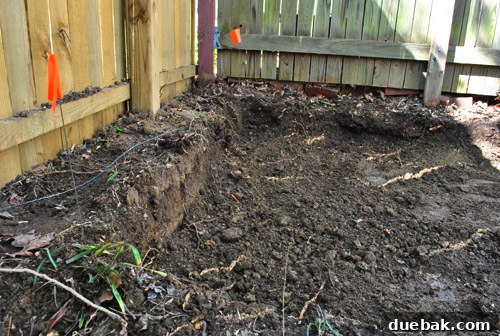
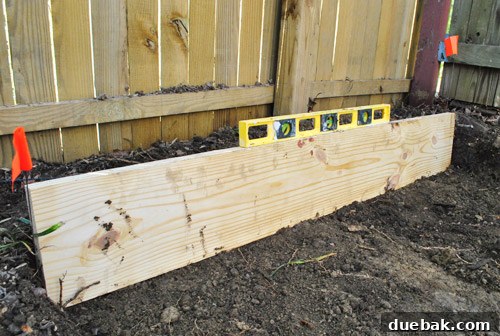
Though the entire hole wasn’t perfectly level, I made sure to meticulously level all four sides. This attention to detail was critical to ensure that my wooden boards would sit squarely and evenly, forming a structurally sound sandbox frame. This foundational step is often overlooked but crucial for a durable and aesthetically pleasing result.
Material Selection: Safe and Sturdy Lumber for Your DIY Sandbox
For the sandbox walls, we opted for 2 x 10-inch pieces of framing lumber – the same robust material we used for our office desktop. We made a conscious decision *not* to use pressure-treated wood. Our research indicated that many pressure-treated lumber products contain chemicals not recommended for regular contact, especially by children. Therefore, regular framing lumber, properly sealed for outdoor use, proved to be the safer and more appropriate choice for a children’s play area.
I purchased two 10-foot pieces and had them conveniently cut into 5-foot lengths at the store, costing us about $17 in total. The thickness of this lumber was a key factor in our choice; it promised excellent sturdiness and we hoped it would be wide enough for a toddler to comfortably sit on. We’ve since tested it ourselves and can confirm it’s quite comfortable, though a nearby patio chair turned towards the box remains our preferred adult seating option. A deliberate design decision was to forego built-in seats or overhangs. The singular reason? Killer spiders. I have vivid, somewhat terrifying, childhood memories of sandboxes with constant, creepy spiderwebs and sinister eight-legged creatures lurking under every overhang. Furthermore, we always ended up sitting directly inside the sandbox to play anyway, rendering any built-in seats largely unused in my experience.
Protecting the Wood: Staining for Durability and Aesthetics
To seal the framing lumber and significantly extend its lifespan against the elements, we applied a waterproof deck stain. We selected a basic Behr product from Home Depot, which cost around $25. After much deliberation, we chose the “Natural” stain, deciding against painting or adding any artificial color to the sandbox. While we were initially tempted by fun patterns or vibrant colors (like the striped example we admired on Pinterest), we concluded that such efforts would likely be lost to the inevitable wear and tear of outdoor exposure, quickly becoming dull and dirty. This consideration influences many of our outdoor furniture choices; we often opt for wood, oil-rubbed bronze (ORB), or black finishes, as dirt speckles that appear after rain are far less visible on these tones compared to painted surfaces. Over time, this natural finish will also beautifully complement the fence we added around the patio, creating a cohesive, neutral color palette that seamlessly integrates into our garden design.
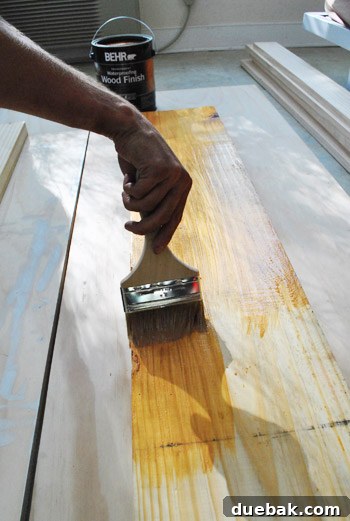
Here, the four sides are shown stained and drying. They appear slightly orange in the photo, but outdoors, especially after we later added rich, dark mulch around them, they take on a much more natural hue. The four smaller pieces visible in the background were scrap framing lumber from another project (perhaps our desk?) which I cut into short corner posts using my table saw. These would be crucial for the structural integrity of the sandbox frame.
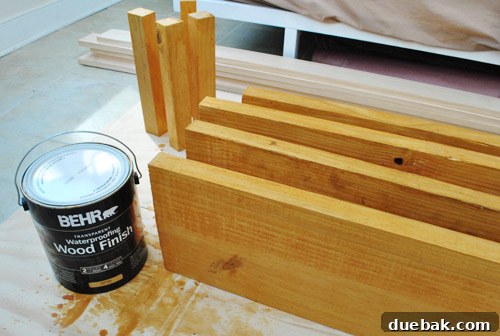
I applied two coats of stain to all sides of the boards, as recommended by the product instructions, and allowed them to dry overnight. With the wood properly protected, it was finally time to begin assembling the structure, moving past the stage where it rather morbidly resembled a grave for a very skinny, box-shaped creature.
Building the Base: Weed Block and Assembly
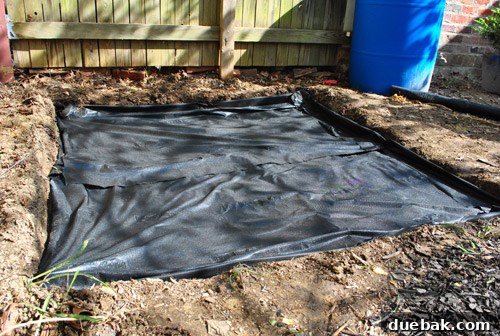
Before installing the wooden boards, I laid down a base of Weed Block fabric. This crucial step serves multiple purposes: it effectively prevents weeds from growing up into the sand (hence the name!) and creates a vital barrier between the play sand and the underlying dirt. Although we planned to construct a sandbox cover, it was important to use a breathable material for the base. This allows air, and more importantly, moisture and water, to pass through, preventing the sand from becoming damp, stagnant, and “clammy.” In most cases, ensuring breathability is key to an infinitely less nasty and more hygienic sandbox environment.
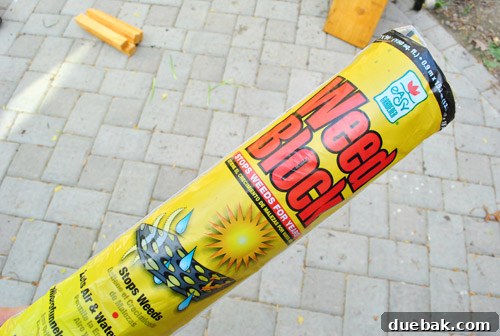
I had a good amount of leftover Weed Block from an old mailbox project, so I used two layers, oriented in opposite directions, to maximize the barrier effect and minimize any sand-to-dirt contact. I secured the fabric in the corners using garden staples, ensuring it stayed firmly in place during the construction process.
Assembling the Sandbox Frame In-Place
For the construction method, I largely mimicked the design approach of the Modern Kids Messy Parents sandbox. However, instead of building the entire box and then maneuvering it into the excavated hole, I opted to assemble mine directly in place. This decision stemmed from a concern about the difficulty of manipulating an already constructed, heavy box into position, especially while ensuring it remained level and square. Building it in situ felt like a more manageable and precise approach for this DIY sandbox project.
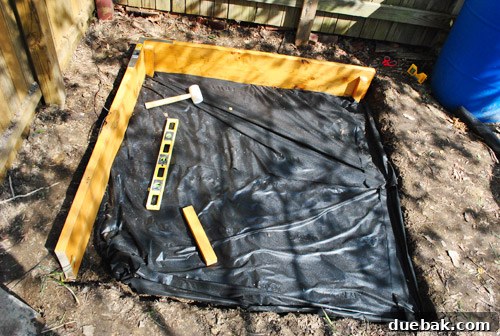
The core of the assembly system involved driving a short stake into each corner of the excavated area. These stakes, penetrating only about 4 or 5 inches into the ground, primarily served as attachment points for the boards rather than providing significant stability themselves – that support would ultimately come from the interconnected boards. Nevertheless, they were invaluable in creating a consistent and common anchor for each side of the sandbox frame.
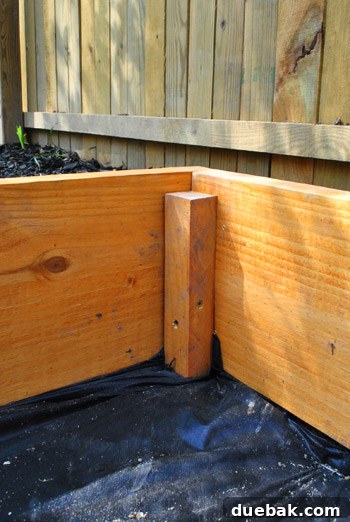
After securely embedding each stake and packing dirt around it (before relaying the Weed Block), I used a square ruler to meticulously ensure that all my corners formed precise 90-degree angles. This attention to detail is paramount for creating a sturdy and visually appealing sandbox structure.
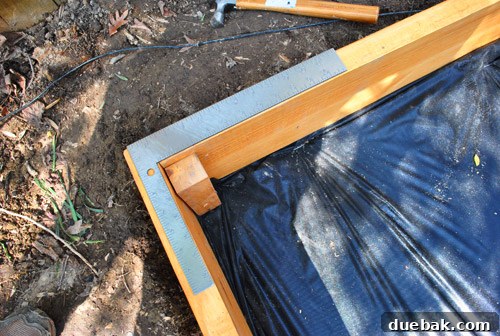
To attach each board to its respective stake, I used 2.5-inch exterior decking screws, drilling one from the outside and one from the inside of the board. This dual-screw method ensured a strong, stable connection, crucial for the longevity of the sandbox.
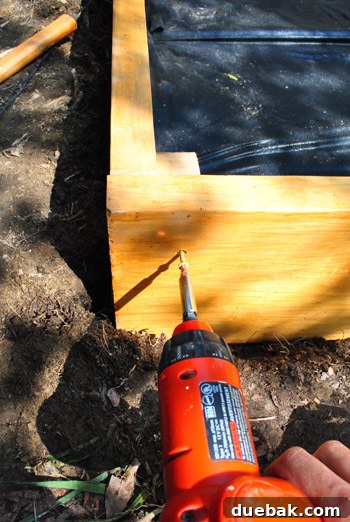
I’ll readily admit, this wasn’t the quickest assembly system, mainly due to the constant triple-checking of level and square corners. However, slowly but surely, the structure began to take shape, transforming into what increasingly resembled a proper sandbox – albeit one conspicuously lacking its most essential component: sand.
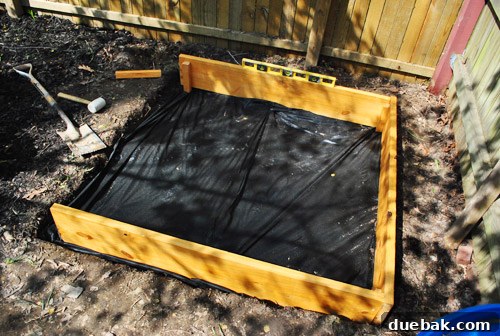
Here stands the completed sandbox frame. I was absolutely itching to dump in the sand and invite Clara out for her inaugural play session. However, several critical steps remained to ensure it was truly toddler-ready and fully functional. A slight sigh of impatience, but the commitment to a quality, safe play area was unwavering.
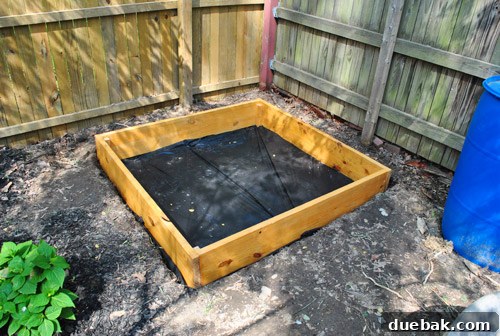
Finishing Touches: Backfilling and the Essential Cover
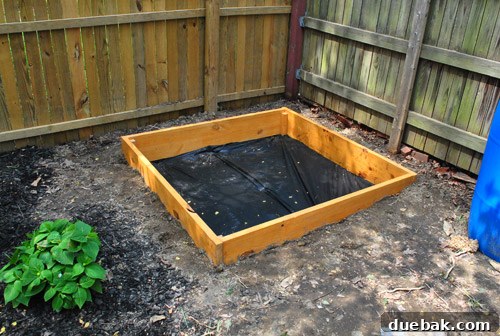
The first finishing touch involved backfilling the sides of the sandbox with dirt, eliminating the unsightly and impractical “moat” that had formed around its edges. This picture also clearly shows that I intentionally placed the bottom edge of the boards on top of the Weed Block fabric. This clever detail provided extra security, helping the fabric stay even more firmly in place against the pressure of the backfilled soil.
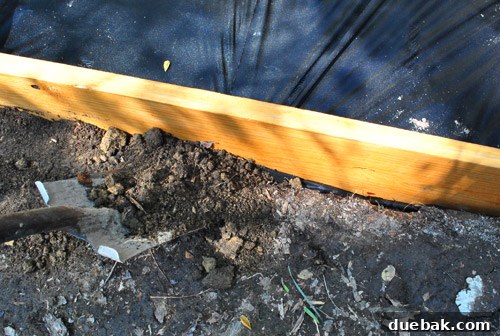
With the dirt now completely filled in around the perimeter, the sandbox looked ready. It seemed to be practically begging for sand inside and a fresh layer of mulch outside. However, even these final aesthetic touches had to wait, because one more critical element was still missing from this ultimate backyard sandbox…
The Sandbox Cover: A Crucial Element for Safety and Cleanliness
…A COVER! This isn’t just any cover; it’s a vital component designed to protect Clara’s play space. Its primary purpose is to deter neighborhood cats from mistaking it for a giant litter box and to prevent birds from leaving unwelcome “presents” as they fly overhead. But beyond cleanliness, this cover boasts integrated hardware, allowing it to hinge open securely and be fastened in place. This crucial safety feature ensures we never have to worry about Clara accidentally pulling it closed on herself. Sherry and I engaged in some extensive brainstorming, and we truly had fun devising a cover that adds both significant safety and enhanced functionality to the entire sandbox setup.
Given the length of this post detailing the sandbox construction, I’ll save the intricate details of making the cover for a separate follow-up post this afternoon. Hence, the aptly named “Sandbox Chronicles.” While it’s certainly not Narnia, it’s a heartwarming tale of a little girl and her beloved toy trucks, and the journey to create her perfect play haven.
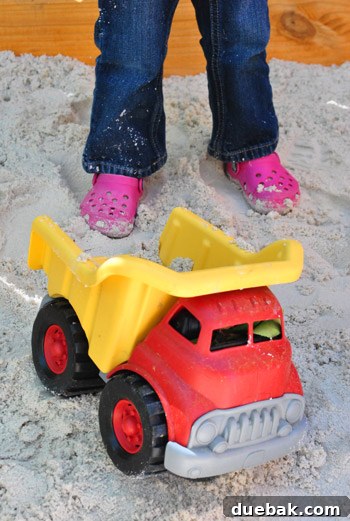
You’ve probably gathered by now that I tend to make things more complicated than strictly necessary – and you’d be absolutely right. However, despite the extra effort, we are genuinely thrilled with the final outcome. And since I feel a bit guilty writing an entire post without a single action shot of the sandbox in use, here’s a little sneak preview to tide you over until the next installment:
PS: Looking for a quick sandbox alternative or an indoor option? Be sure to check out this tutorial for easy DIY Moon Sand. It’s a fantastic indoor version, perfect for rainy days or for those who simply don’t have the space for an outdoor sandbox.
Psst- We had fun weighing in on some open shelving pro/con chatter over here.
Pssssst- To read The Sandbox Chronicles in their entirety and follow Clara’s sandbox journey, here’s Part 2, which details the construction of the secure, fence-attached lid. And for an unexpected twist in our sandbox saga, don’t miss Part 3, where we discuss swapping out what we discovered was “bad sand” for more suitable pea gravel.