
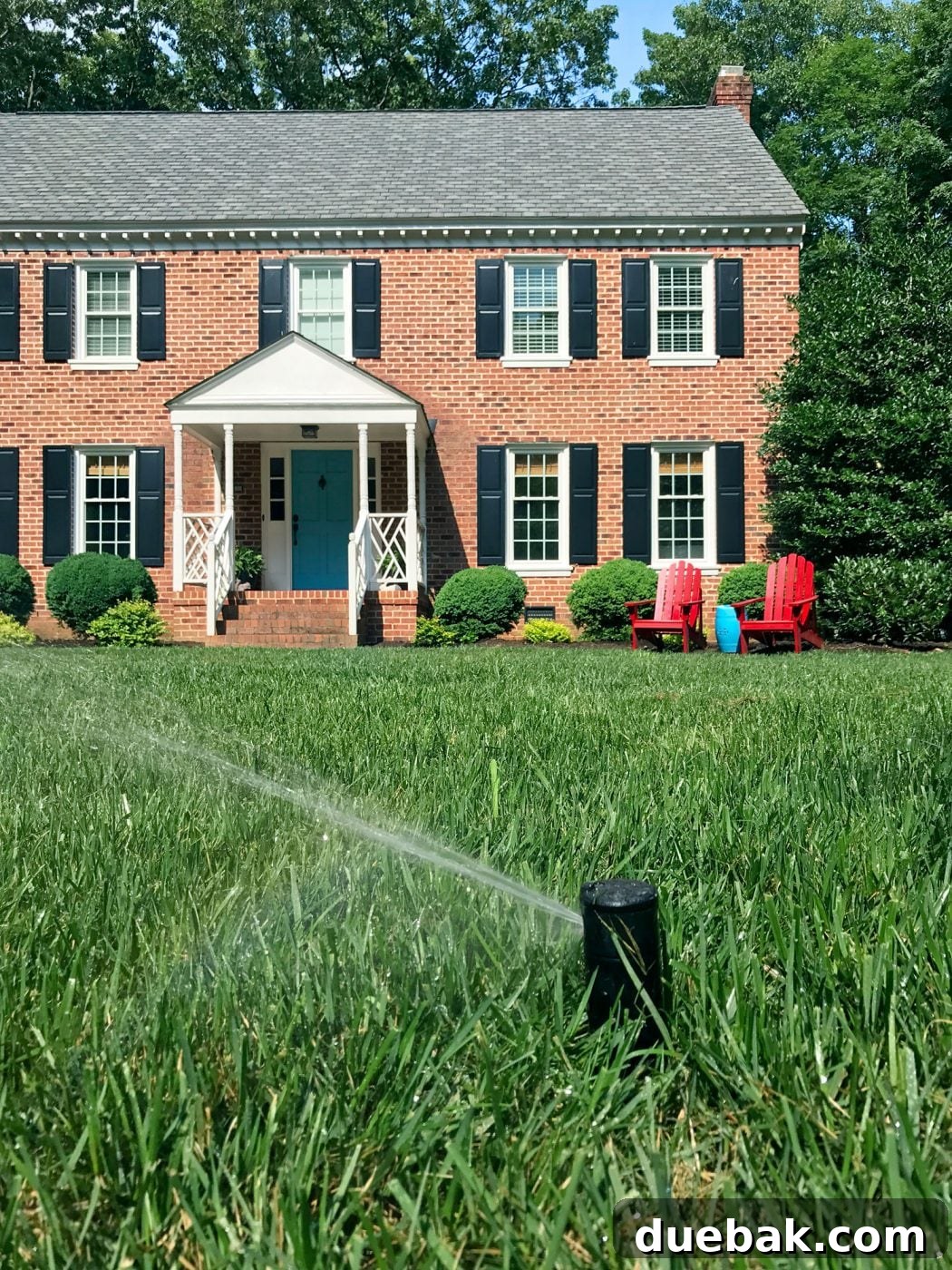
Are you dreaming of a lush, vibrant lawn that stays green all year round, without the constant hassle of dragging out hoses and sprinklers? Imagine an automated system that waters your landscape efficiently, saving you time, water, and effort. The good news is, you absolutely can install an in-ground irrigation system yourself! While it demands careful planning, a good dose of patience, and some serious elbow grease, tackling this DIY project can lead to significant savings and immense satisfaction. We managed to save hundreds, even thousands, of dollars by doing it ourselves. Here’s a comprehensive guide detailing our experience and how you can achieve your own automated watering oasis.
Before we delve into the step-by-step instructions for transforming your yard, let’s address some critical questions that will help you decide if a DIY sprinkler system is the right path for you.
Should You Install Your Own Sprinkler System? Weighing DIY vs. Professional Installation
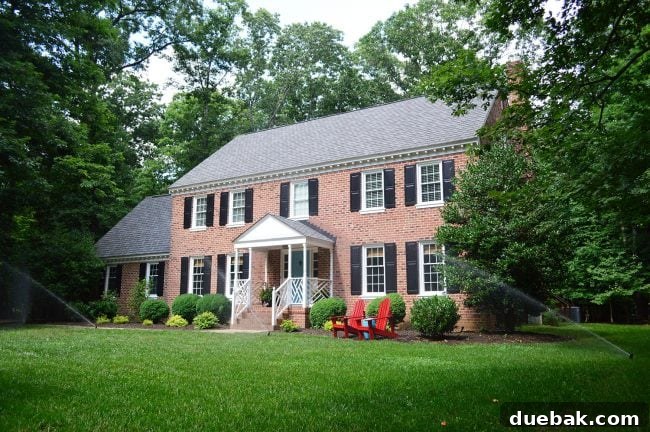
Completing a project of this magnitude brings a huge sense of accomplishment, and I’m incredibly proud of our finished automated irrigation system. However, being completely honest, I believe a large, irregularly shaped yard like ours might not have been the ideal candidate for a DIY sprinkler system. The sheer size and unique contours of our property stretched the project out far longer and made it considerably more physically demanding than I initially anticipated. What a professional crew could have completed in just a day or two, took me over three exhaustive weeks. The system is installed and working beautifully, but my body definitely felt the strain of every single hour invested.
Given my experience, I’d suggest that smaller yards, compact gardens, or even specific planting beds are much better suited for a DIY irrigation system installation. While there’s undeniably a learning curve involved in understanding the components and their assembly, the fundamental process itself is quite straightforward. It was the relentless, repetitive tasks – the constant digging, the precise gluing, and the forceful shoving of pipes together – that truly took a toll on my physical well-being. This isn’t to discourage you, but rather to set realistic expectations for the physical demands.
Despite the physical challenges, the financial savings were substantial. We estimate saving approximately $1,700 compared to the professional quotes we received. Beyond the immediate cost savings, a significant long-term benefit of a DIY installation is the intimate knowledge you gain of your system. Knowing precisely how your irrigation system is laid out and connected empowers you to make future adjustments, troubleshoot minor issues, or perform routine maintenance without incurring professional service fees. This self-sufficiency can save you considerable money and frustration down the line.
The Unbeatable Benefits: Why Install an Automated Sprinkler System?
Automated sprinkler or irrigation systems offer a wealth of advantages for maintaining a beautiful and healthy landscape. Their most obvious benefit is providing consistent, deep watering to your lawns, gardens, and even container plants and planter beds, ensuring they remain healthy and vibrant even during extended dry spells. This consistency eliminates the guesswork and labor involved in hand-watering with a hose or watering can, saving you immense amounts of time, energy, and worry.
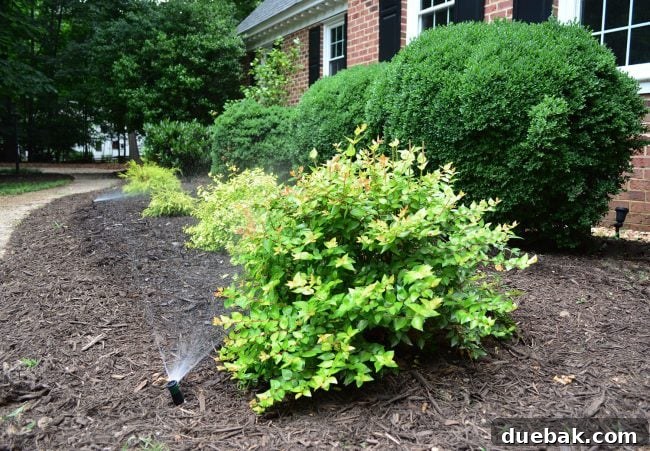
Beyond basic watering, modern irrigation controllers introduce sophisticated customization options that maximize efficiency and effectiveness. For instance, you can program different zones to receive varying amounts of water based on their specific needs. Drier, sun-exposed sections of your lawn might require longer watering cycles than shaded areas or drought-tolerant plants. Many contemporary systems, like the Wi-Fi-connected smart controller we installed, integrate with local weather forecasts. This intelligent feature allows the system to automatically skip scheduled waterings if rain is expected, preventing overwatering and significantly conserving water – a benefit for both your wallet and the environment.
Our decision to install a sprinkler system was spurred by an ambitious landscape renovation project. As a special anniversary gift, we invested $300 in a plan drawn up by a professional landscape architect. Her crucial advice was to finalize our watering strategy before investing in any plants, especially considering how intensely the summer sun bakes our yard. While we haven’t yet begun implementing the architect’s full planting scheme, her detailed drawing served as an invaluable blueprint for mapping out our irrigation system, which I’ll reference throughout this guide.
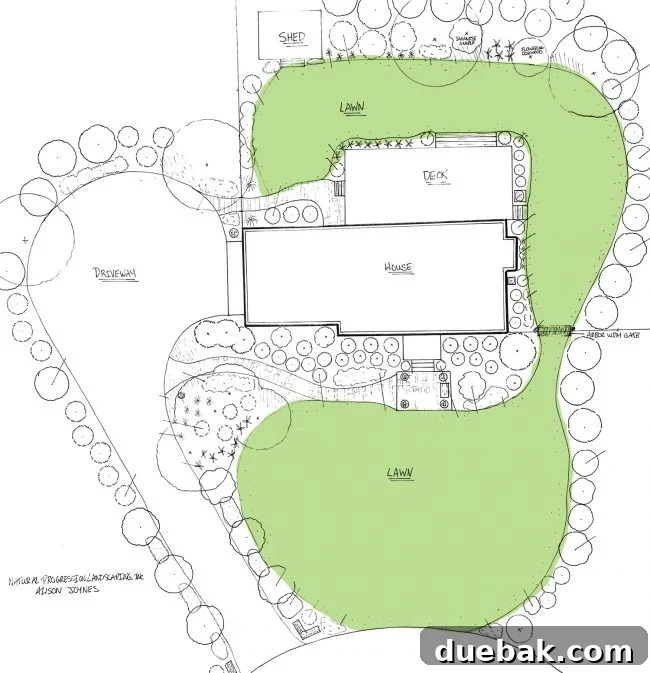
Initially, we obtained several quotes from professional irrigation installers, with costs hovering around the $3,500 mark. We were on the verge of hiring a company when a neighbor, who had successfully installed two systems himself, offered his expertise and assistance. His timely intervention last September set the wheels in motion for our DIY project, transforming a daunting task into a collaborative effort.
Your Step-by-Step Guide: Installing a DIY Sprinkler System
Embarking on a DIY sprinkler system installation can seem overwhelming, but by breaking it down into manageable steps, it becomes an achievable goal. Here’s a concise overview of the stages you’ll follow, each of which we will explore in greater detail to ensure your success:
- Obtain a Companion Water Meter (if available and beneficial)
- Meticulously Plan Your Irrigation Layout
- Call 811 to Mark Utility Lines
- Purchase All Necessary Supplies and Materials
- Carefully Dig Your Trenches
- Efficiently Lay and Connect Your Pipes
- Install Your Zone Control Valves
- Properly Install a Backflow Preventer
- Integrate All Sprinkler Heads
- Wire the System’s Electrical Components
- Program Your Controller and Apply Finishing Touches
Step 1: Secure a Companion Water Meter for Smart Savings
One of the smartest first steps, if offered by your local municipality, is to apply for a companion water meter. This secondary water meter is specifically designed for outdoor water usage, such as irrigation systems or swimming pools. Your primary household water meter typically charges you for both water consumption and wastewater disposal (sewer fees). Since water used for irrigation does not enter the sewer system, a companion meter only bills you for the water used, effectively eliminating those costly sewer charges. Over time, this can lead to substantial savings on your utility bills.
In our county, the water department handles the installation of companion meters. We submitted an application, paid a $500 fee, and waited a few weeks for the installation to be completed. It’s crucial to initiate this process early, as the lead time can vary significantly based on your local regulations and departmental schedules. Check with your local water authority to understand their specific requirements and timelines for companion meter installation.
Step 2: Meticulously Plan Your Irrigation Layout for Optimal Coverage
Strategic planning is arguably the most critical phase of your DIY sprinkler system installation. A well-designed layout not only ensures effective watering but also saves you considerable time, effort, and money in the long run. The ultimate goal is to deliver water precisely where it’s needed, following the most efficient and least complicated route possible.
To begin, identify two foundational points for your system:
- **Water Source:** This is where your main water line will connect to your property’s water supply, typically your companion meter.
- **Power Source & Controller Location:** Determine where you’ll install your irrigation controller box, ensuring it has convenient access to an electrical outlet.
For our project, the county dictated the location of the water meter. We opted to install our irrigation controller in the garage, selecting an easily accessible outlet for power.
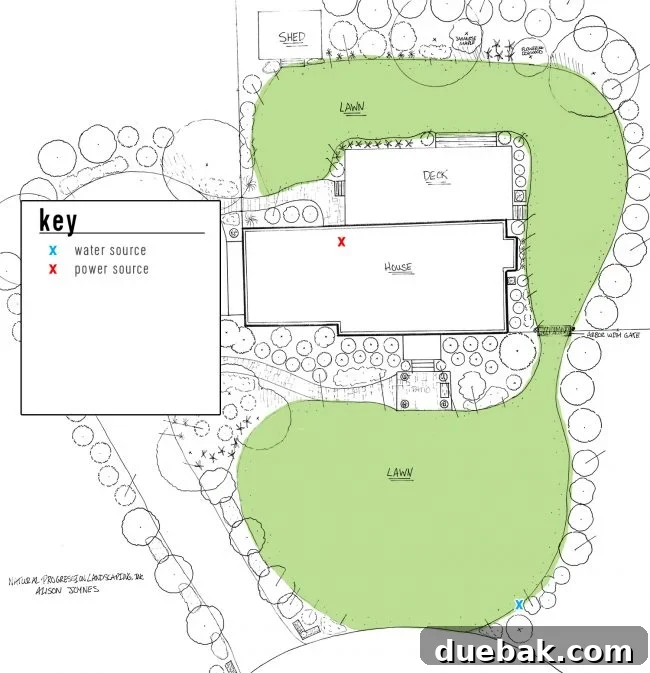
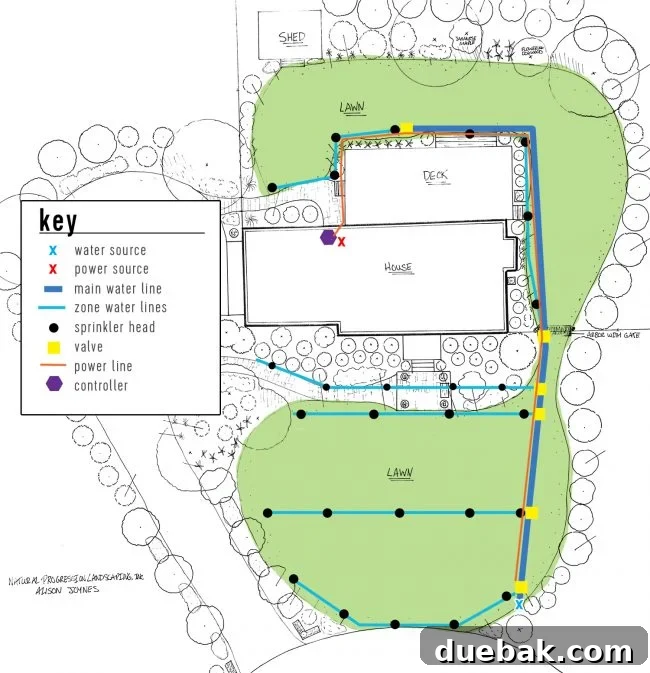
Next, you’ll map out your main water line. This primary line will distribute water from your source to various sections of your yard. From the main line, you will then branch off smaller lines to each designated zone. Zones are essentially groups of sprinkler heads that will operate simultaneously, turning on and off together. Dividing your system into zones serves two vital purposes:
- **Maintaining Optimal Water Pressure:** Depending on the size of your property and the number of sprinkler heads, your available water pressure may not be sufficient to power every head simultaneously and effectively. Zoning breaks the system into smaller, manageable sections, ensuring adequate pressure for consistent spray patterns.
- **Customizing Watering Needs:** Creating distinct zones allows you to tailor watering schedules and durations to the unique requirements of different areas of your landscape. For example, a shaded section of lawn or a garden bed with moisture-loving plants might need less water, or water at different times, than a sun-drenched, thirsty area.
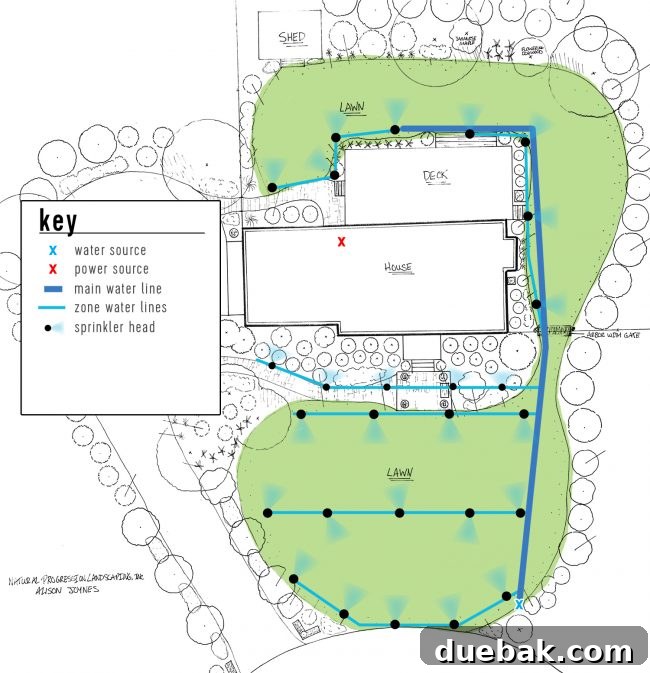
Below is an illustration of how we meticulously planned our main line (represented by the dark blue line) and our various zone lines (the thinner blue lines), ensuring comprehensive coverage and efficient water distribution across our property.
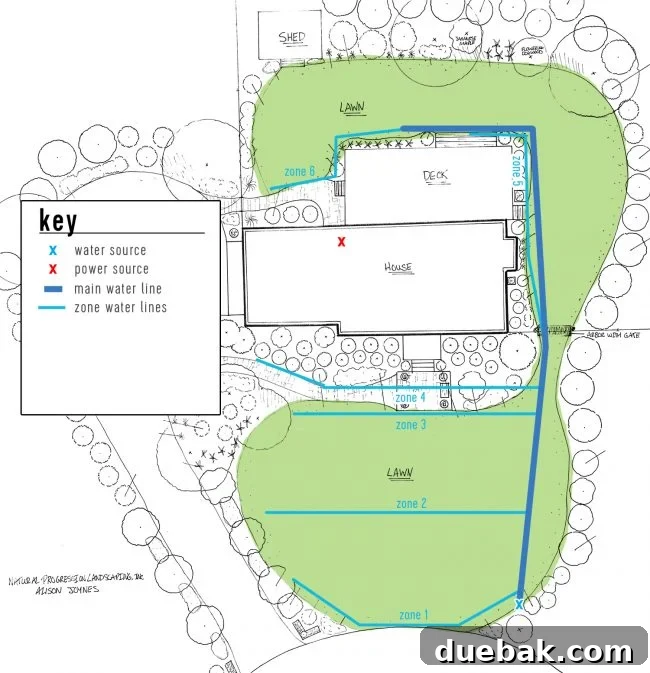
Once your main and zone lines are planned, the next crucial step is to mark the precise locations for each sprinkler head. We physically walked our yard, estimating distances (roughly 8-10 large steps apart for adequate overlap) and marking each spot with bright orange marking flags. Remember that most modern sprinkler heads allow for significant adjustment of their spray arc and direction once installed. This flexibility enables you to achieve sufficient coverage across your lawn while minimizing overspray onto unintended areas like driveways, walkways, decks, or wooded sections, conserving water and preventing damage.
Step 3: Call 811 – Your Essential Safety Check
After your irrigation layout is meticulously marked out, the absolute next step, and one that cannot be skipped, is to call 811. This nationwide service will arrange for local utility companies to come to your property and mark the locations of any underground utility lines, such as gas, electricity, water, and communication cables. While most irrigation trenches are typically not deep enough to interfere with major utility lines, it is critically important to verify. Digging into a utility line can lead to severe injury, costly repairs, and significant service interruptions. Always remember: “Call before you dig!” This simple call is a vital safety precaution and often a legal requirement before any excavation work begins.
Step 4: Assembling Your DIY Sprinkler System Materials List
With your layout expertly planned and utility lines marked, you can now confidently purchase the necessary supplies for your DIY sprinkler system. The quantities of each item will, of course, depend entirely on the specifics of your design. Below is a general checklist of essential materials, followed by a detailed explanation of what each component does and why it’s needed:
- Sprinkler heads: Specifically designed for lawn areas, these pop up when active and retract when off.
- Mister heads: Ideal for delicate garden beds, flower beds, or shrubs, providing a finer, gentler spray.
- 1/2″ Swing pipe (often called “funny pipe”): Flexible polyethylene pipe, typically 1-4 feet needed for each sprinkler head connection.
- 1/2″ Swing pipe elbows: Two required for each sprinkler head to connect the swing pipe.
- 3/4″ x 3/4″ x 1/2″ threaded tee: One needed for each sprinkler head, used to branch off the zone line.
- 3/4″ valve: One valve required for each zone in your system to control water flow.
- Valve box: One box for each valve (or a larger box for multiple valves) to protect and provide access.
- 3/4″ PVC pipe: Used for most zone lines.
- 1″ PVC pipe: Typically used for the main line and the initial sections of longer zone lines to maintain pressure.
- Assorted 1″ and 3/4″ PVC connectors (couplings, tees, elbows, reducers): Essential for joining pipes and creating branches.
- PVC cutting tool: A specialized tool for clean, efficient pipe cuts.
- PVC primer and cement: Chemical bonding agents crucial for creating watertight connections.
- Controller: The brain of your system, ensure it supports enough zones for your layout.
- Sprinkler wire: Multi-strand, direct burial wire with enough conductors for each zone plus a common wire.
- Backflow preventer: A critical safety device, often required by local code, to protect your potable water supply.
- Digging tools: Such as a trench shovel, pickaxe, or even a rented trencher.
This list might appear extensive, but its logic becomes clear once you understand the interconnectedness of an irrigation system. We’ll approach the explanation from the ground up, starting with the most visible components and working backward to the central control.
Understanding Sprinkler Heads & Their Connections
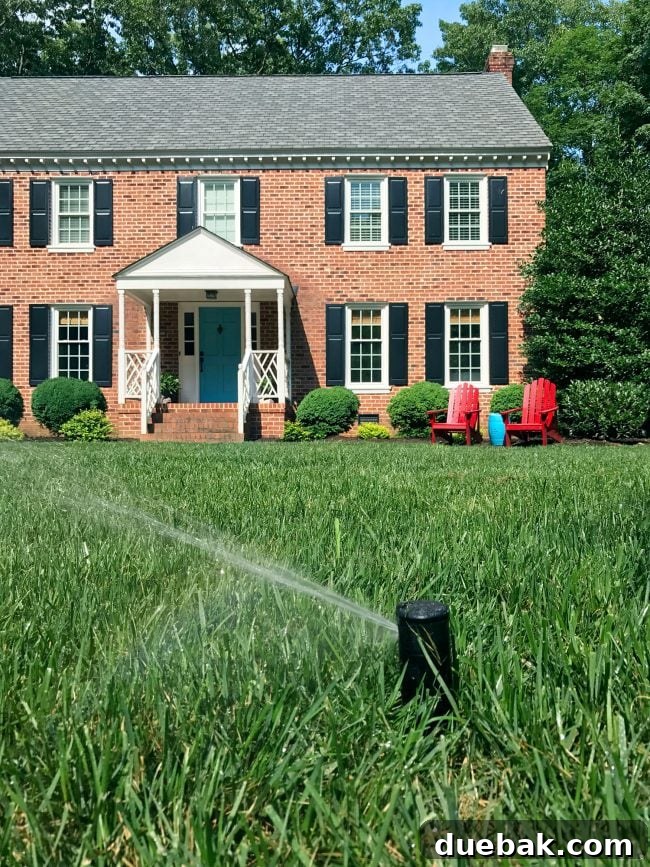
For our lawn areas, we selected these pop-up sprinkler heads, known for their efficiency and unobtrusive design. For our delicate mulch beds and flower gardens, we opted for smaller mister heads that deliver a gentler, more localized spray. The beauty of these heads is that most of the unit remains buried underground, with only the very top flush with the soil line. When the system activates, water pressure causes the head to pop up (as illustrated below) and rotate, distributing water across its set arc. Once the watering cycle is complete, the head retracts discreetly back into the ground, out of sight and out of the way of mowers.
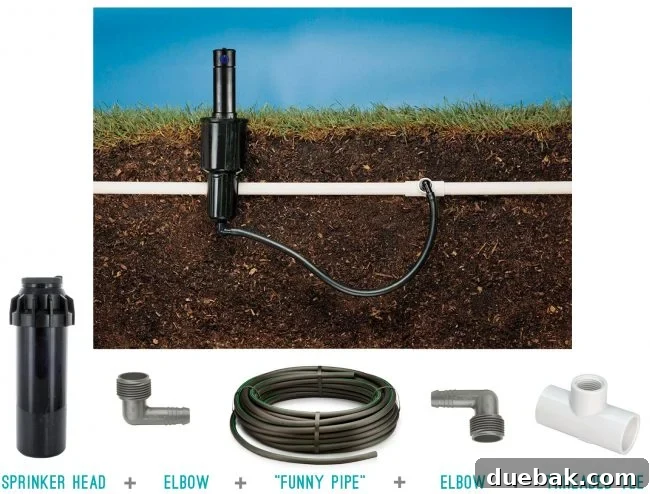
Each sprinkler head receives water from its respective zone line (typically constructed from 3/4″ PVC pipe) via a short, flexible section of swing pipe, often referred to as “polyethylene pipe” or “funny pipe.” This specialized flexible pipe is invaluable because it allows for easy and precise positioning of each sprinkler head, particularly in areas with curves, obstacles, or uneven terrain where rigid PVC would be impractical. It also provides a shock-absorbing connection, reducing the risk of damage if a head is accidentally struck.
To connect the swing pipe, you’ll need two swing pipe elbows for each head. One elbow screws directly into the bottom of the sprinkler head, while the other connects to a threaded tee fitting that is integrated into your main PVC zone line. Ensure you have the correct quantity of these fittings for every single sprinkler or mister head you plan to install.
Valves & The Brain: Your Irrigation Controller
Moving deeper into the system, we encounter the valves. Each watering zone in your system is independently controlled by an individual valve. These are small, electrically actuated devices installed at the beginning of each zone water line, dictating precisely when water flows into that specific zone. As valves are designed to be underground, they must be housed within a durable valve box. This box not only protects the valve from dirt and damage but also provides easy access for any future maintenance, repairs, or troubleshooting.
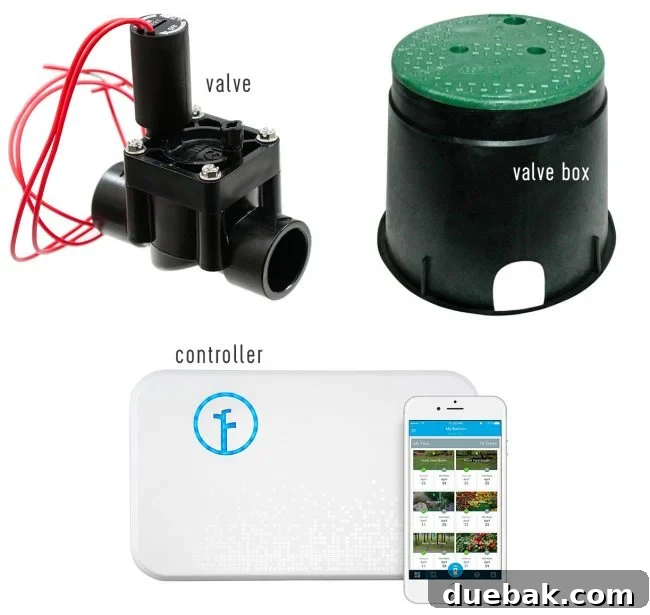
The entire irrigation system is orchestrated by the controller – the central intelligence hub where you’ll program your custom watering schedules. It is crucial to select a controller that offers enough zones to accommodate your entire irrigation plan. For our project, which required six distinct zones, we chose an 8-zone controller, as it was the smallest available option that met our needs and provided flexibility for future expansion.
We specifically opted for a smart Wi-Fi-enabled controller, which revolutionized our watering experience. This advanced unit allows us to manage our entire sprinkler system conveniently via a smartphone app from anywhere. While simpler controllers with integrated screens and buttons are available, the smart features were a game-changer for us. We particularly appreciate its ability to automatically adjust watering schedules based on local weather forecasts, effectively eliminating the need for a separate rain sensor. Furthermore, receiving real-time phone alerts when the system is operating or detects an issue, and even the ability to control it with voice commands via Alexa, significantly enhanced its convenience and our peace of mind.
Wire, Pipes, and Other Essential Supplies
The controller, typically plugged in near your power source, communicates with each valve through specialized underground wiring. You’ll need to select underground sprinkler wire that contains enough individual strands, each with a unique color, to provide a dedicated connection for every zone. This color-coding is essential for easy identification and proper wiring during installation. It’s always better to have a wire with more strands than you think you’ll need, providing flexibility for future adjustments or additional zones.
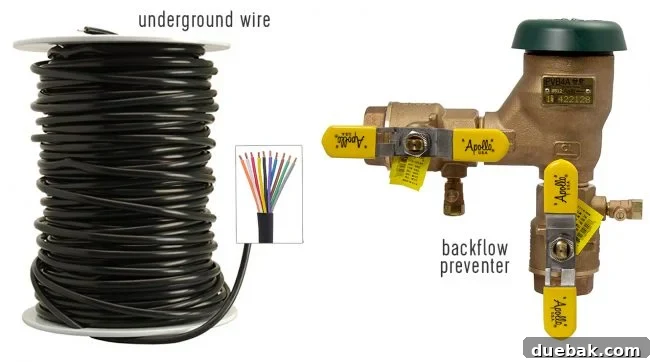
A crucial component, often mandated by county regulations, is the backflow preventer. This vital device prevents contaminated water from your irrigation system from siphoning back into your potable water supply, safeguarding your drinking water quality. It is one of the few above-ground elements of an irrigation system, which is why you may have observed them in yards equipped with sprinklers. Always consult local codes regarding the type and installation requirements for backflow preventers in your area.
And, of course, a significant portion of your materials will consist of PVC pipe and an assortment of connecting fittings. We strategically utilized 1″ PVC pipe for our main water line and the initial two or three sprinkler heads within each zone. This larger diameter helps maintain optimal water pressure across longer runs. For the remainder of each zone, we transitioned to 3/4″ PVC pipe, which is more cost-effective without significantly impacting pressure over shorter distances. You will also require a variety of PVC connectors, including couplings (to join straight pipe sections), tees (to create branches), and elbows (to change direction). Don’t forget a specialized PVC cutting tool and the indispensable PVC primer and cement for securing watertight connections. Refer to your meticulously drawn layout plan to accurately estimate the total length of PVC pipe and the number of fittings you’ll need.
Finally, you’ll need a range of digging tools, from basic shovels to potentially heavier machinery, depending on your yard size and soil conditions. Speaking of which, let’s move on to the digging!
Step 5: The Labor-Intensive Phase – Digging Your Trenches
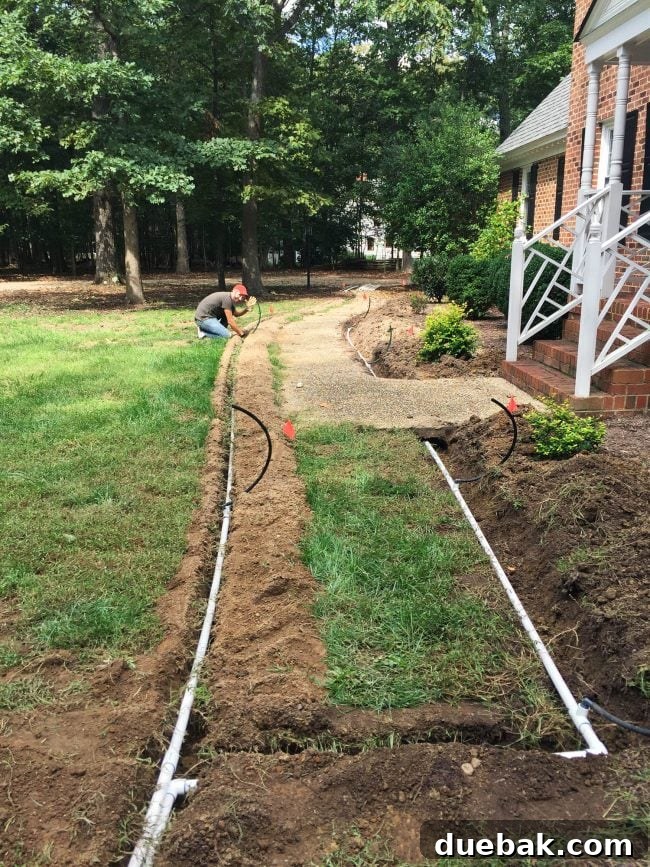
The trenching phase is often the most physically demanding part of installing an in-ground sprinkler system. The effort required will largely depend on the size and complexity of your yard, as well as the density and composition of your soil. Before you break ground, absolutely re-confirm that you have called 811 and all utility lines have been marked. Always exercise extreme caution, especially when digging near marked utility locations. For instance, we chose to hand-dig a section close to a known gas line to ensure maximum safety and precision.
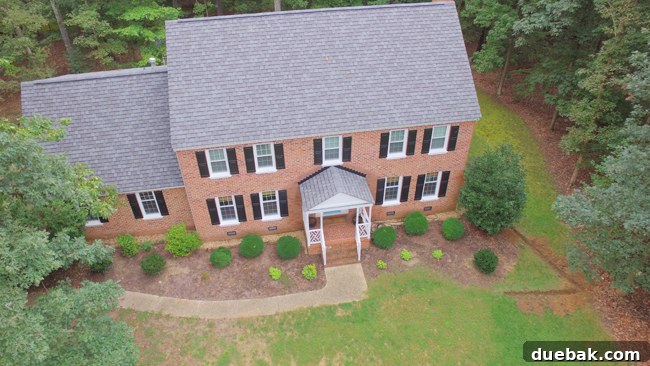
For the majority of our yard, I opted to rent an 18-inch trencher from our local Home Depot, which cost $88 per day. This also necessitated renting their truck to transport the heavy equipment, so I strategically purchased several 10-foot lengths of PVC pipe at the same time to maximize the rental value.
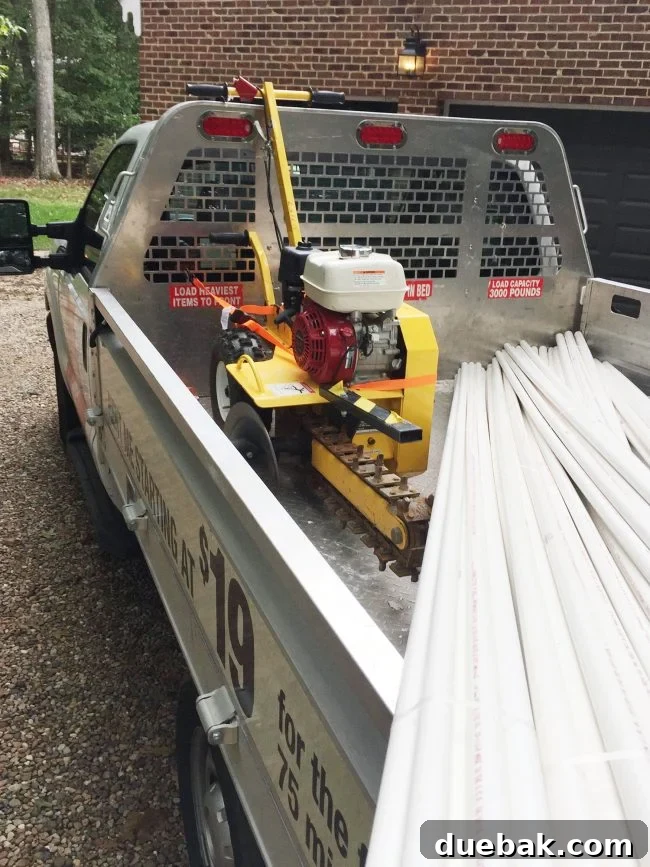
Operating the trencher proved to be incredibly challenging. It was an exceptionally heavy piece of machinery, making maneuvering it a strenuous task. It took myself and two neighbors significant effort just to load and unload it from the truck! The actual operation was equally exhausting. You guide the machine backward, steadily pulling it as its powerful chain blade churns through the earth, excavating a narrow, consistent trench. The combination of wrestling its weight and enduring the relentless vibrations that permeated through my entire body was utterly draining. This single step alone took nearly an entire day of grueling labor.
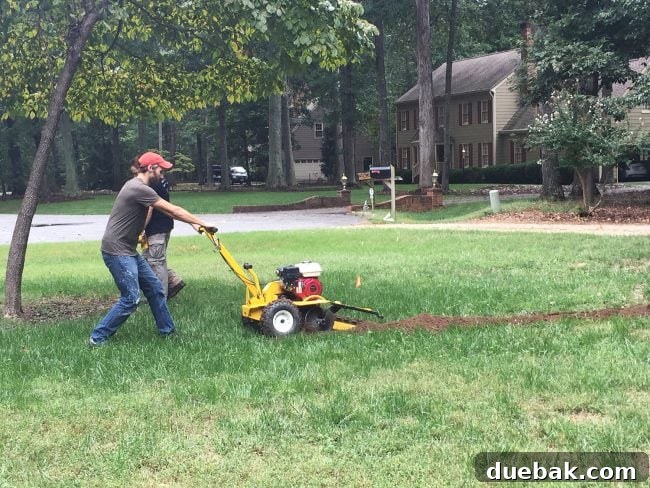
In addition to machine trenching, we also hand-dug several sections, particularly those close to our sidewalks, to prevent any damage to the concrete. A particularly tricky part involved forcing a section of PVC pipe underneath an existing concrete path using a mallet. This initial digging phase was undeniably a very tiring start to the project, taking up the better part of a full day of intensive work.
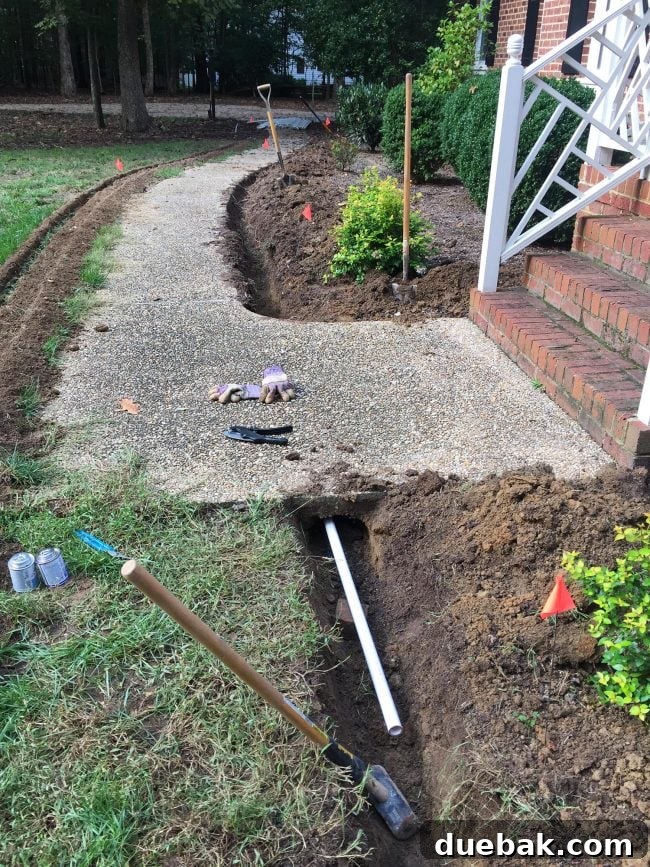
My neighbor, having prior experience, mentioned he used a smaller cable installer in his previous projects. While I can’t personally confirm if this tool would create a sufficiently wide trench for standard irrigation pipes, it might be worth inquiring about at your local tool rental center. A smaller, more maneuverable machine could potentially reduce the physical strain and make the digging process quicker and easier, especially for smaller projects or in tighter spaces.
Step 6: Laying Your Irrigation Pipes – The Plumbing Backbone
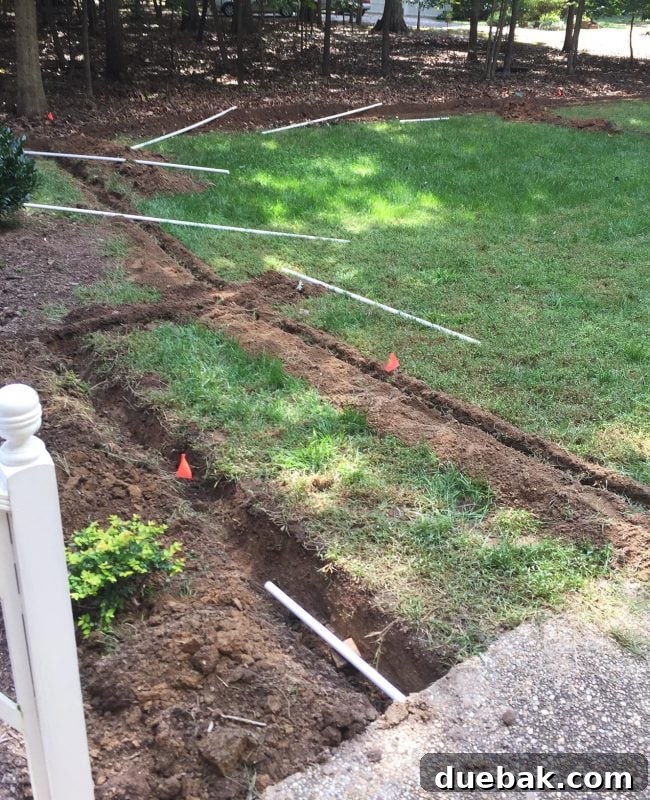
Once the arduous task of digging all your trenches is complete, the project transitions into a more assembly-line fashion: connecting the various pipe pieces. While fundamentally straightforward, this stage can still be quite tedious and time-consuming due to the sheer number of connections involved. I began by loosely laying out all my PVC pipe sections along the prepared trenches, ensuring they followed my planned layout and were cut to approximate lengths where needed.
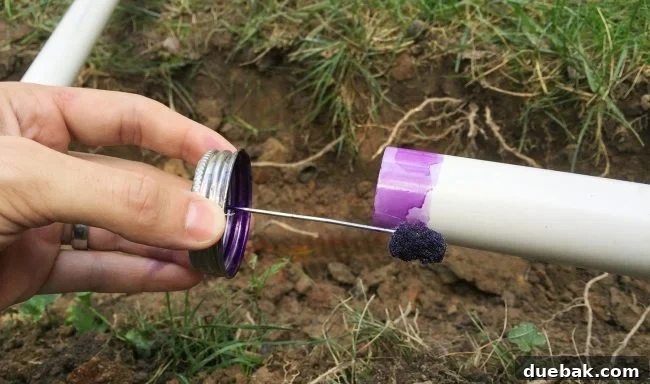
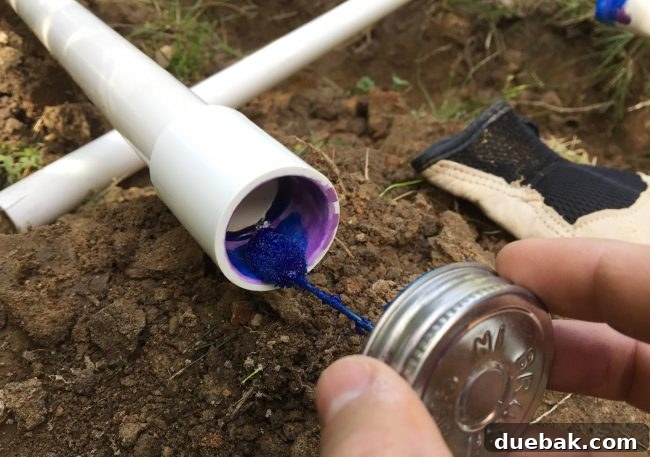
To create robust, watertight connections between all the PVC pipes and fittings (couplings, elbows, tees), you’ll employ a specialized PVC primer and cement. The process starts by coating the ends of both PVC pieces that will be joined with the purple primer, using the applicator brush typically built into the cap. This primer chemically prepares the PVC surface for optimal bonding. Be aware that it’s thin and can permanently stain, so exercise caution to avoid drips on sidewalks, driveways, or other visible surfaces.
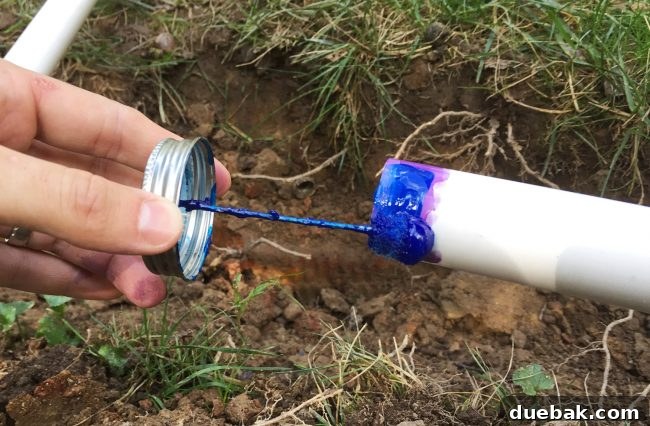
The primer dries remarkably quickly, usually within a few seconds. Once it’s dry to the touch, you can apply the PVC cement in the same manner. The cement is typically blue and has a gooier consistency, so again, remain mindful of potential drips to keep your workspace tidy.
Repeat the primer and cement application process on the corresponding surface you’ll be attaching to – for example, the inside of a PVC coupling. Ensure both surfaces are thoroughly coated for a strong bond.
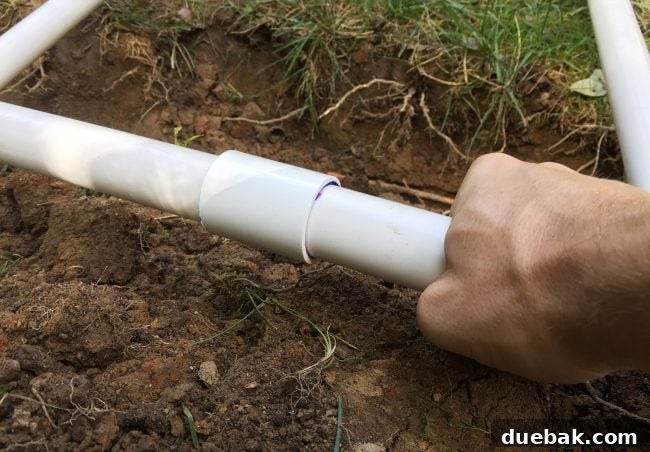
Immediately after applying the cement to both surfaces, firmly push the two pieces together. Give the pipe a slight twist as you push to help distribute the cement evenly and ensure a full bond. Hold the connection firmly for about 30 seconds to allow the cement to set. While I typically use two hands to apply maximum pressure, one hand was occupied with the camera for this photo. It’s crucial to work quickly and decisively, as PVC cement sets rapidly.
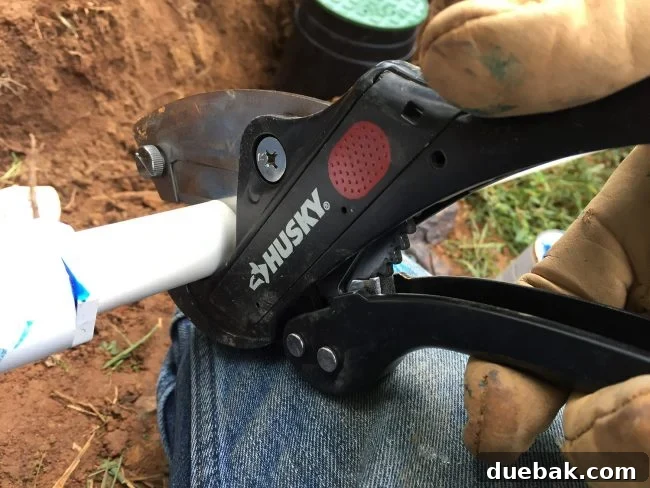
Whenever I needed to cut a section of PVC pipe to size, I relied on this ratcheting pipe cutter. This specialized tool makes clean, precise cuts far easier and faster than using a traditional saw or utility knife, which can often leave jagged edges and require more effort.
While the actual gluing process is simple, the sheer volume of connections and the repetitive nature of working bent over or kneeling, constantly pushing pipes together with force, took a significant toll on my back and shoulders. I experienced some of the most uncomfortable nights of sleep during this project, and the constant strain eventually resulted in a tweaked shoulder. This reiterates that while DIY saves money, it can be physically taxing, especially for larger systems.
Step 7: Installing Your Zone Control Valves
As you lay your main and zone lines, you’ll need to strategically install a valve at the beginning of each zone, precisely where it branches off from your main water supply line. The installation of each valve involves two primary aspects: the plumbing connections and the electrical wiring (though the wiring can typically wait until all plumbing is complete). Connecting the valve to your PVC pipes largely follows the same priming and cementing process outlined above, but you’ll need to use threaded couplings that screw directly onto the valve’s ports. We ensured a leak-free connection by applying plumber’s tape to the threads and tightening each coupling with a wrench until snug.
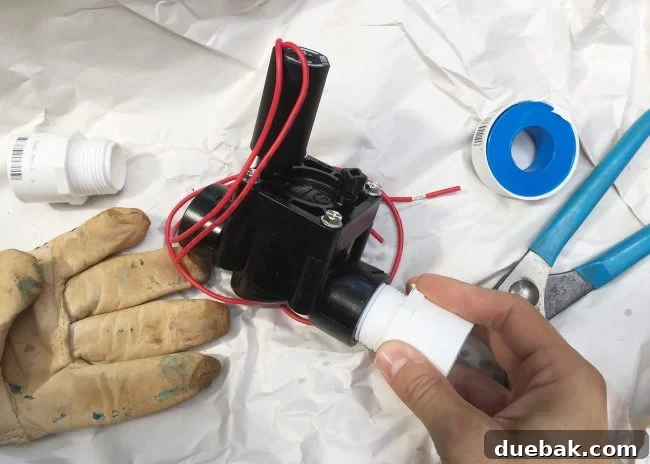
It is essential to install each valve correctly within its designated valve box and, crucially, to ensure it’s oriented in the right direction. Most valves have clear arrows indicating the intended direction of water flow. Installing a valve backward will prevent water from reaching your zone. The valve box itself protects the valve and offers future accessibility, so make sure it’s positioned to be easily found and opened.
Remember, while the physical plumbing connections for your valves are completed at this stage, the electrical wiring that connects them to your controller can be deferred until all your underground pipework is finished and tested.
Step 8: The Critical Step – Installing a Backflow Preventer (with Lessons Learned)
The backflow preventer was, for me, the most challenging and frustrating part of the entire installation. This critical device, often mandated by local building codes and water authorities, serves a vital purpose: to prevent any contaminated water from your irrigation system from flowing back into the public potable water supply. Despite its importance, this single component caused several significant setbacks, leading me to re-excavate my work more than once.
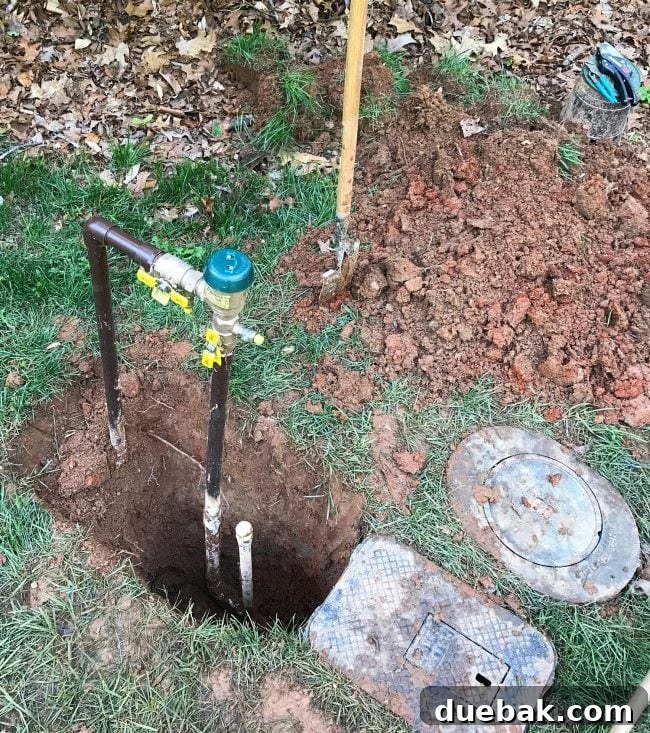
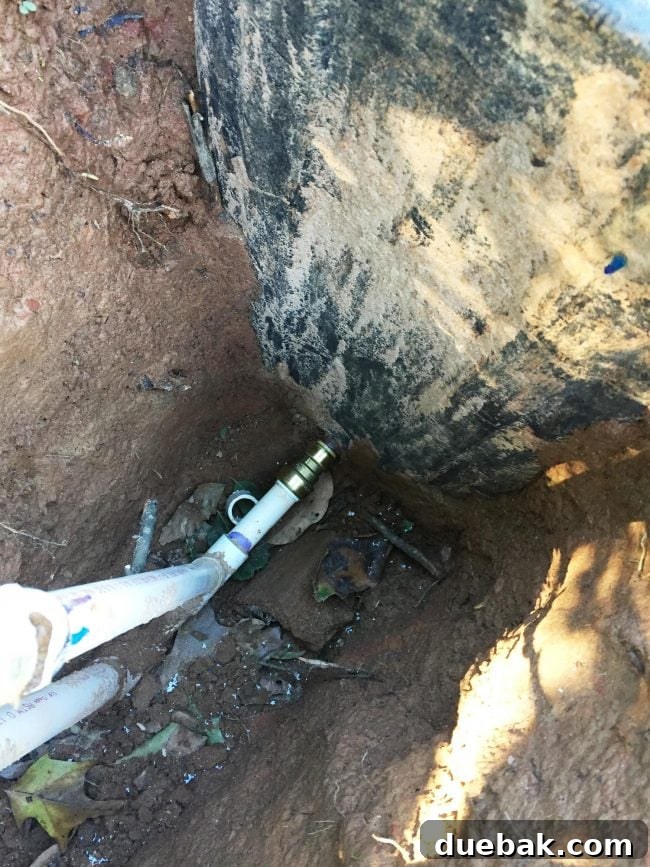
My first “saga” involved creating a leak-proof connection between my PVC main line and the county’s existing copper pipe, located approximately 2.5 feet underground. This depth made working extremely difficult and cramped. Despite numerous attempts with various fittings and techniques, we couldn’t achieve a seal. We eventually had to call a professional plumber, who, even after two visits, finally identified the issue: an unseen gash on the underside of the county’s copper pipe. Only after he cut off the damaged section were we able to achieve a leak-free connection – a frustrating, unexpected expense of $150.
With the main connection finally secured, I proceeded to install my backflow preventer, modeling it after my neighbor’s existing setup (similar to this common diagram). However, when the county inspector arrived for the mandatory check, I received disheartening news: I had failed on three counts due to updated local requirements:
- **Missing Shut-off Valve:** I had mistakenly assumed the county’s main shut-off valve was sufficient, but a separate shut-off valve immediately preceding the backflow preventer was required.
- **Lack of Union Couplings:** I had not incorporated easily removable couplings on either side of the device. These are essential for allowing the backflow preventer to be fully removed for winter storage and annual testing/maintenance.
- **Incorrect Blowout Placement:** My blowout port, used to clear the system with pressurized air for winterization, was incorrectly placed before the backflow preventer. It should always be located after the backflow device to avoid damaging its internal components with high-pressure air.
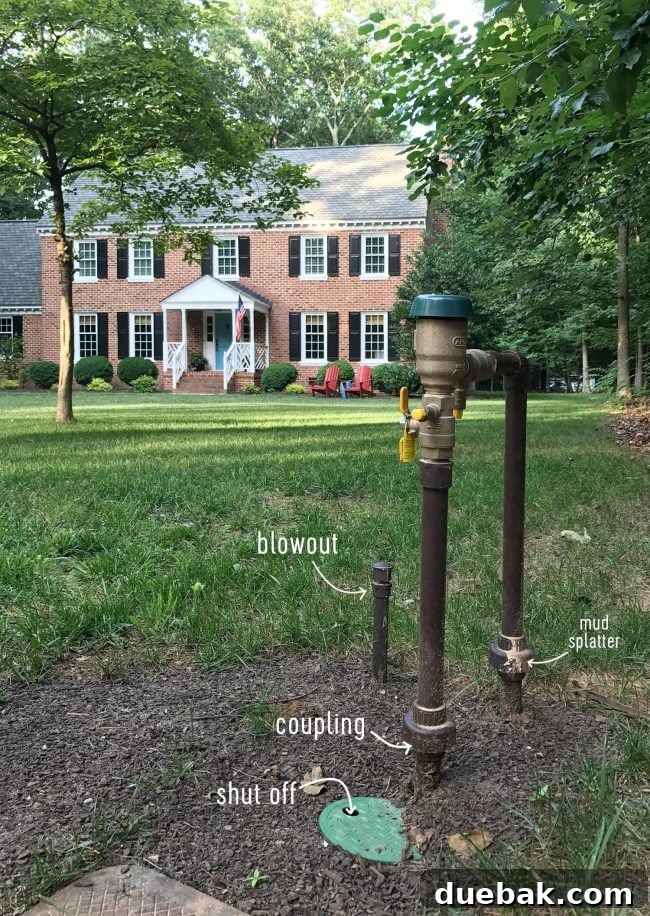
The long and short of it is this: While I can share my experience, I am by no means an authority on backflow preventers. **It is absolutely imperative that you thoroughly check and understand your local municipality’s specific requirements, including the type of device, installation height, and required ancillary components, before installing yours.** Failing to do so can lead to costly reworks and inspection delays. Always consult your local plumbing codes or water department directly.
Step 9: Integrating Your Sprinkler Heads for Precision Watering
With the valves and backflow preventer finally installed and approved (after some rework!), I could confidently move on to integrating the sprinkler heads into the system. During the earlier pipe-laying phase, I had already prepared the connection points for each sprinkler head by incorporating a threaded tee connector directly into my PVC zone lines. This tee fitting is essentially a straight coupling with an additional, threaded port on top, designed to accept a threaded swing pipe elbow.
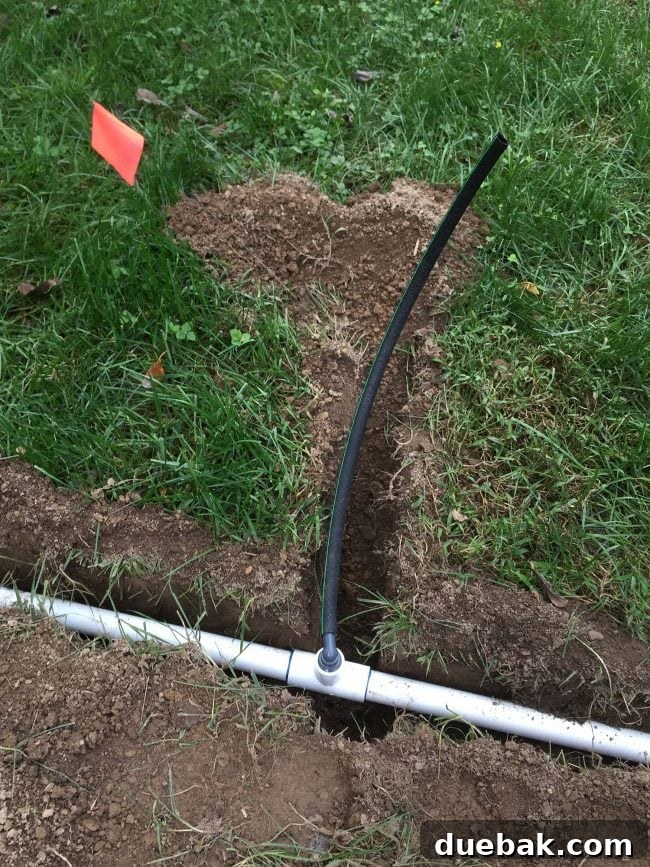
The swing pipe elbows twisted easily into the tee connectors by hand. For extra security and to prevent any potential leaks under pressure, I gave each connection one final snug twist using a screwdriver for added leverage. To streamline the process, I pre-assembled many of these connections and also cut numerous small (approximately 18-inch) sections of funny pipe in bulk, attaching one swing pipe elbow to each end. These flexible pipes simply twist onto the elbows with a bit of pressure, creating a strong seal. Remember, you’ll also need a final elbow or cap at the very end of each zone line to properly terminate the water flow.
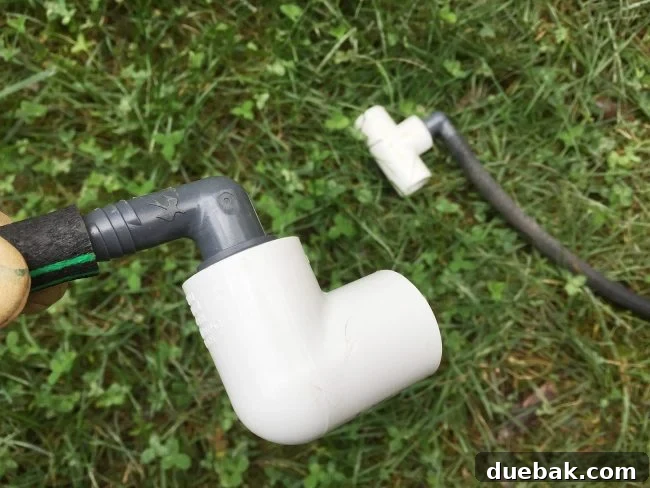
That same evening, maximizing efficiency, I also prepared all 27 of my sprinkler heads (a mix of pop-up lawn heads and misters) in bulk. This involved twisting another swing pipe elbow into the back of each head. It’s a simple step, but with many heads, it adds up.
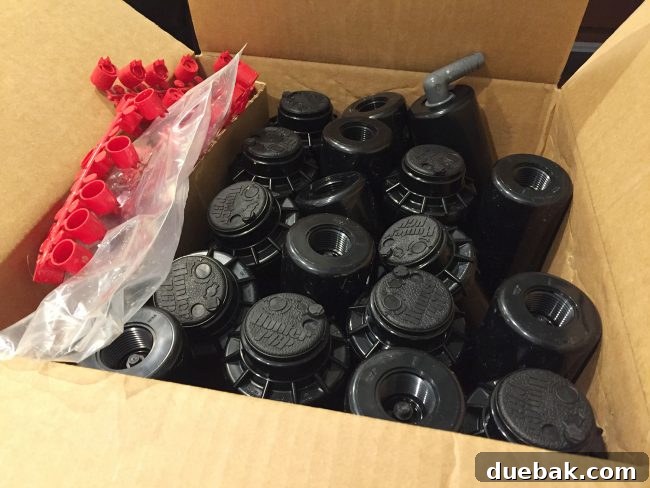
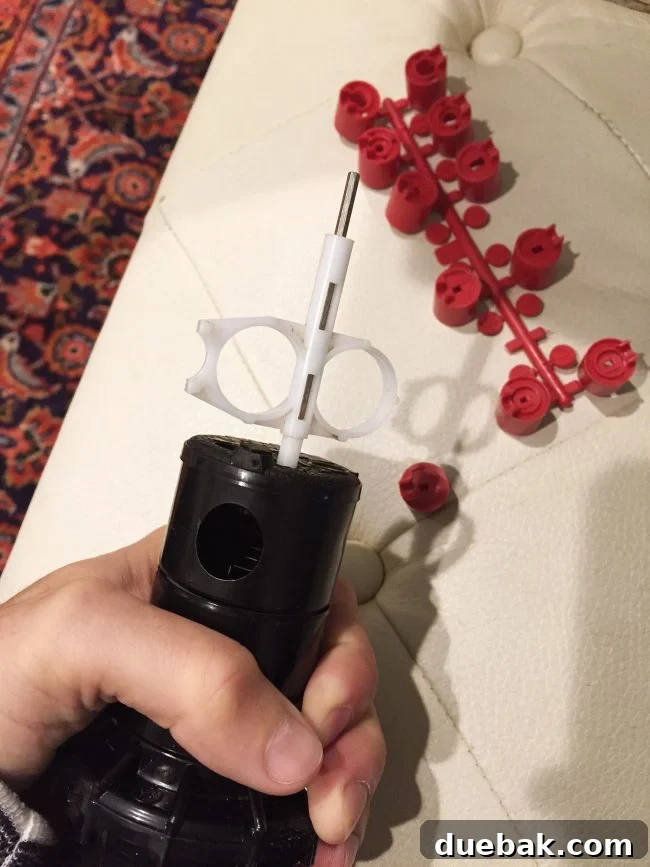
Next came the slightly more intricate task of installing the appropriate red nozzles into each sprinkler head, based on the specific spray pattern and coverage I desired for each location. This step took more time than expected. It required using a special white “key” to gently pull and hold the sprinkler head’s riser out of its housing, granting access to the nozzle hole. Keeping the riser extended required a surprising amount of force to counteract its spring-loaded retraction (as evidenced by my white-knuckled grip in the photo!). Precision here ensures optimal water distribution.
The following day, I was ready to connect all the prepared sprinkler heads to the other end of the funny pipe sections. This involved cutting each funny pipe to its precise, desired length, allowing me to position each sprinkler head exactly where it needed to be in the ground for optimal coverage and integration with the landscape.
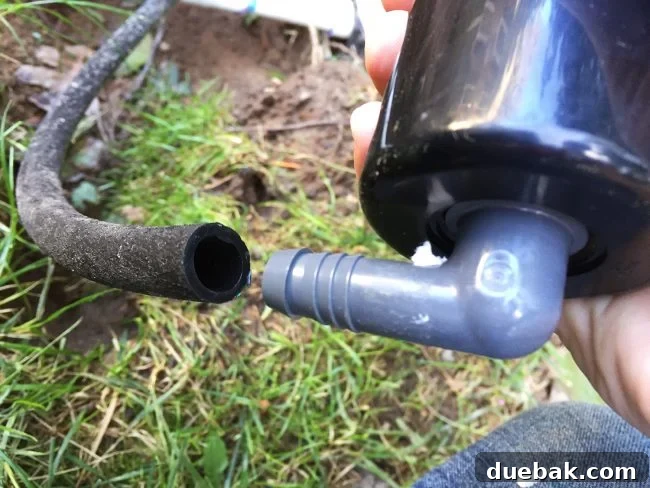
I manually dug individual holes for each sprinkler head, ensuring that the body of the pipe and the head itself were buried, with only the very top of the sprinkler head exposed and flush with the surrounding soil. This low profile is crucial to prevent tripping hazards and to avoid damage from lawnmowers. A flush installation also ensures a neat, unobtrusive appearance.
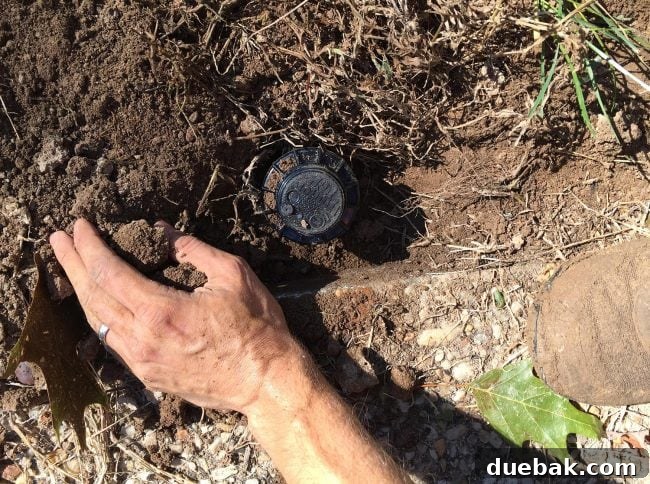
While the physical installation of the heads is complete at this point, you’ll still need to fine-tune their spray arc (defining the start and end points of the spray, or setting them for a full circle). This final adjustment is best performed once the entire system is operational and pressurized.
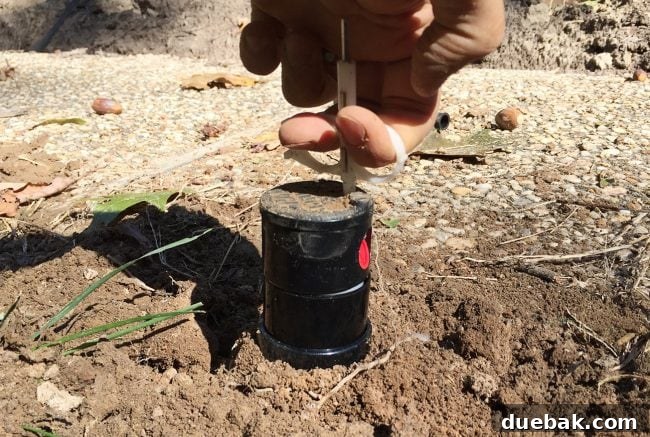
Carefully follow the manufacturer’s instructions for setting the spray patterns, and approach this task with patience. It can be a surprisingly time-consuming process, especially if you have numerous sprinkler heads like our system of 27!
Step 10: Bringing It to Life – Wiring Your Irrigation System
With all the plumbing components securely in place and buried, the final major installation step is to install your controller and connect it electrically to all your zone valves. Remember the specialized sprinkler wire we discussed? It’s typically a multi-strand cable, with each individual wire having a distinct color. This color-coding is incredibly helpful for maintaining organization and easily identifying which wire corresponds to which zone’s valve.
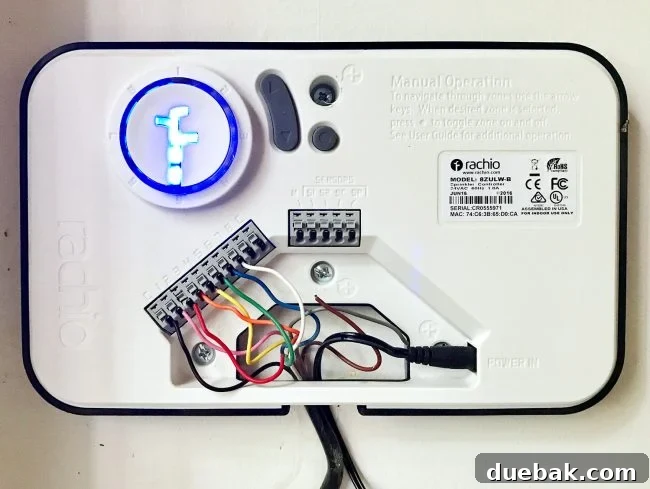
I began by connecting one end of the multi-strand wire into my smart controller, which I had previously mounted in my garage. For simplicity and clarity, I designated the black wire as the common wire for all zones and then proceeded to connect the remaining zone wires in “rainbow order” (red, orange, yellow, green, blue, etc.) to help me keep track of which color controlled which zone. The gray and brown wires were left unconnected, providing convenient options if I ever decided to add two more zones in the future.
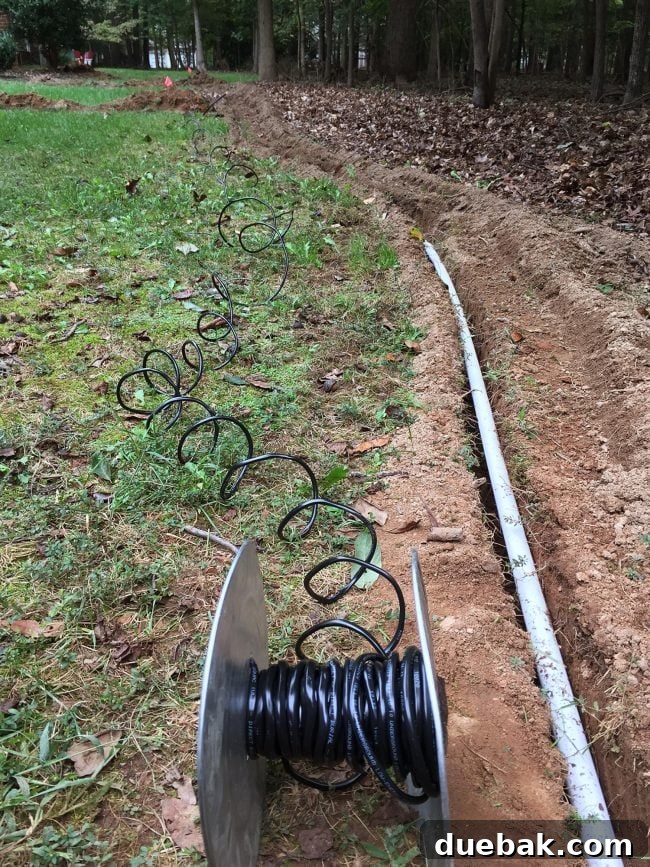
With the controller wired (but importantly, not yet plugged into power), I carefully threaded the long run of sprinkler wire across the yard, following the path of my main line trench. I made sure to leave generous slack at each valve location, knowing that it’s always better to have too much wire than not enough, as cutting too short can be a significant setback.
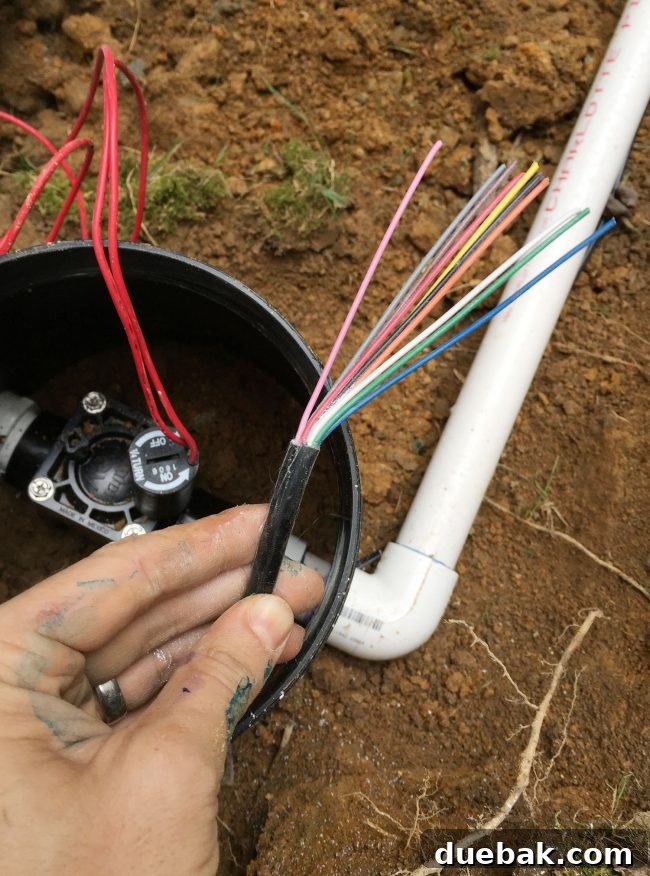
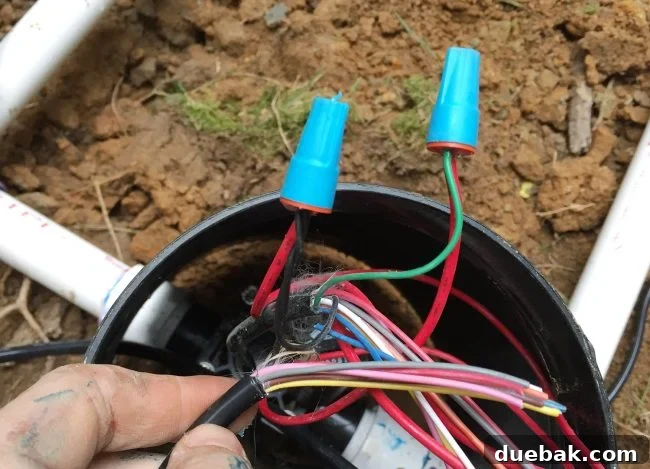
At each valve location, I carefully cut the main multi-strand wire and connected the relevant wires to the valve’s two leads using waterproof wire caps. One lead from the valve always connects to the black (common) wire, while the other connects to the specific color assigned to that zone (as shown with the green wire in this photograph). These waterproof connectors are crucial for protecting the electrical connections from moisture and ensuring long-term reliability.
Once a particular color wire was connected to a specific zone’s valve, that wire was no longer needed further down the main run. However, to ensure continuity for all the other zone colors, and the common wire, to reach subsequent valves, I connected them one-by-one to the corresponding color strands on the *next* section of sprinkler wire that continued along the trench. The same principle applied to the black common wire, ensuring it ran continuously to every valve. In hindsight, I realized I probably could have devised a more efficient method that involved simply extracting the needed color at each valve without cutting all the other strands, which would have saved a considerable amount of time and wire caps. A lesson learned for next time!
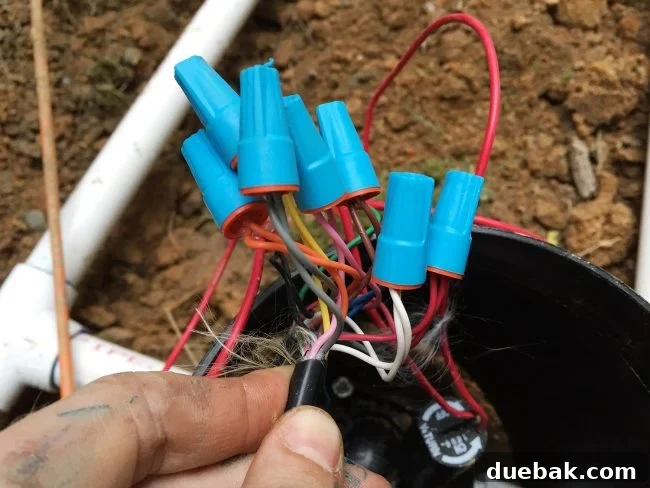
By the time I reached the final valve in the system, the only strands remaining were the specific color assigned to Zone #1 (pink in our case), the common black wire, and my two unused colors (gray and brown). I intentionally extended these unused colored strands throughout the entire system. This foresight provides the flexibility to easily add a new zone at any point along the main line in the future, without the arduous task of digging up and running an entirely new wire.
Step 11: Final Checks & Finishing Touches for Your New System
With all the pipes laid, heads installed, and wiring connected, you’re on the home stretch! The final steps involve thoroughly testing your newly installed system, adjusting settings for optimal performance, and then carefully backfilling all your trenches and holes. During our project, some heavy rains unexpectedly turned our meticulously piled dirt into hardened, muddy clumps, making the backfilling process much more strenuous than anticipated. A friendly reminder: Mother Nature often throws curveballs!
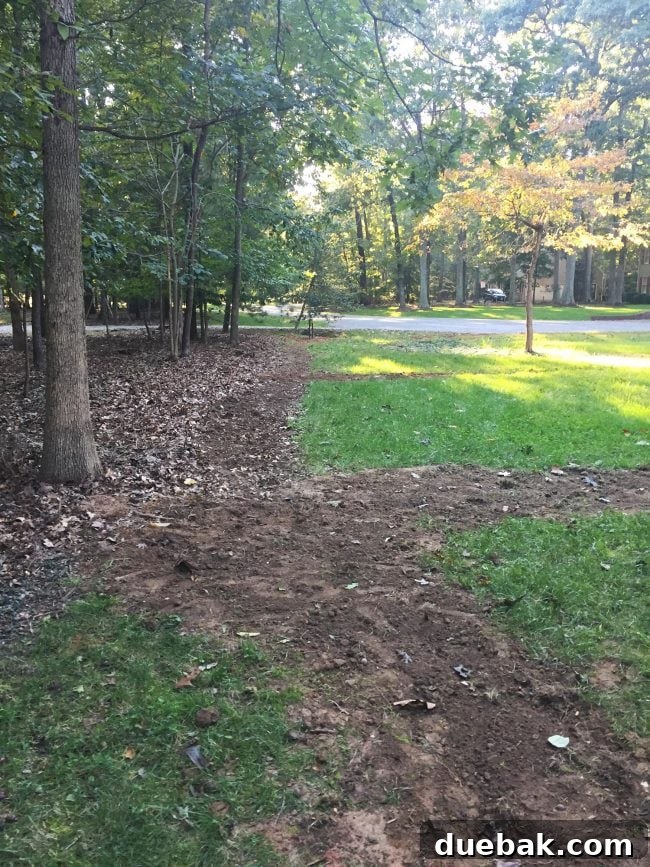
Once the trenches are filled, it’s highly recommended to spread some quality grass seed or lay sod over the disturbed areas. This will help restore your lawn’s aesthetics and health, allowing the grass to regrow naturally over your newly buried system. Ensure the timing is right for seeding or sodding in your climate.
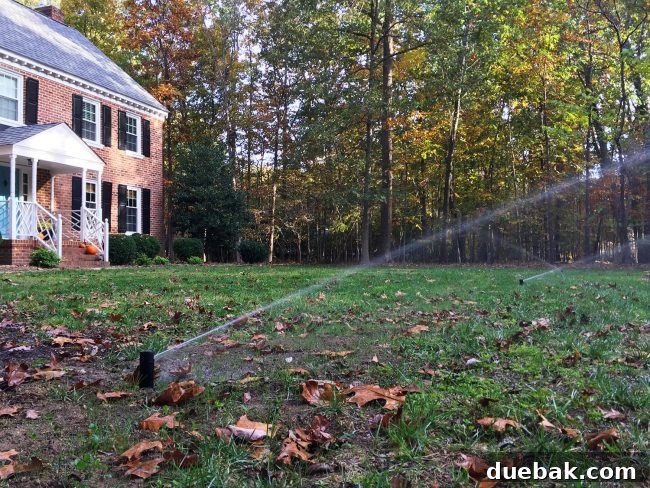
As this comprehensive guide illustrates, installing an automated sprinkler system yourself is undoubtedly achievable. It’s a project that demands considerable effort, meticulous planning, and unwavering patience. Reflecting on our own experience, particularly with a large and complex yard, I might lean towards recommending professional installation for others facing similar scale, assuming budget considerations allow. The physical toll and time commitment were significant.
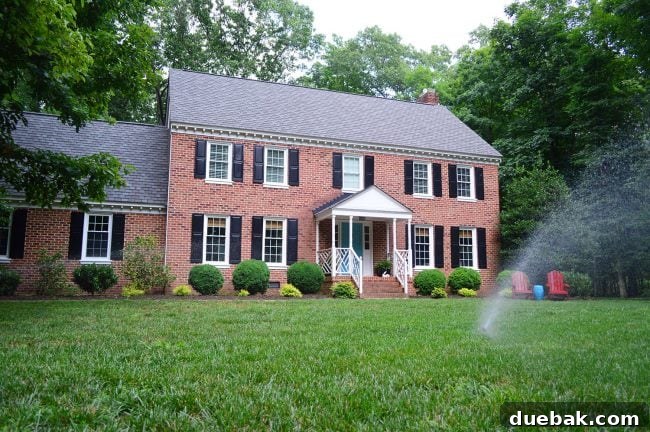
Our DIY sprinkler system cost approximately $1,800, which included all materials, tool rentals, and truck rental. This represents a substantial saving of about half the price quoted by professional irrigation installers. While the financial satisfaction is undeniable, I humorously admit I might need to allocate some of those savings towards a massage therapist to work out all the lingering kinks in my shoulders. It was a tough, yet rewarding, endeavor!
I’m kidding… mostly…
Explore More Outdoor & Landscaping DIY Projects
If you’ve enjoyed tackling this outdoor challenge, or if you’re planning other enhancements for your property, here are some additional DIY yard and landscaping projects you might find interesting and rewarding:
- Craft Your Own DIY Vine Trellis for Garden Beauty
- Illuminate Your Outdoors: A Guide to Installing DIY Landscape Lighting
- Pressure Washing 101: A Comprehensive Beginner’s Guide to Exterior Cleaning
- Deck Transformation: How to Strip A Wood Deck for a Flawless Stain Application
- Revitalize Your Deck: Step-by-Step Guide to Staining & Sealing for Longevity
- Essential Tips: How to Protect Your Outdoor Plants From Freezing Temperatures
*This post contains affiliate links, meaning we may earn a small commission when you make a purchase through links on our site at no additional cost to you. Your support helps us continue to create valuable content.