
DIY Bike Art: Crafting Custom Wood Frames for an Unforgettable Wall Display
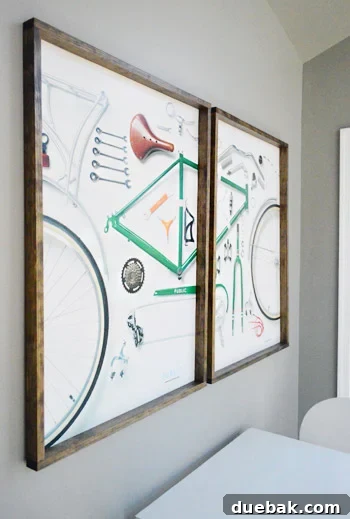
There are some projects that simply resonate with your soul, and for me, this DIY bike art framing project is undoubtedly my all-time favorite. Yes, I know that’s a bold claim, especially for someone deeply passionate about all things bicycle and simple, effective home transformations. But having finally framed and hung these incredible bike prints, I am utterly smitten. It’s not just about the stunning visual impact of the final product, but also the sheer ease and incredible affordability of achieving such a sophisticated look. Please excuse my heightened enthusiasm today; I’m simply a man in love with my new wall art and the gratifying process of creating it.
The Vision: Transforming a Wall from Drab to Dynamic
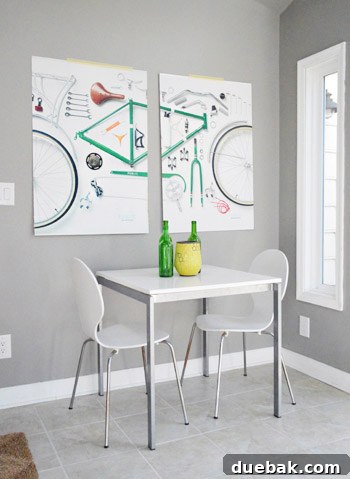
Every home has those spots that need a little love, a touch of personality, or simply an upgrade from temporary solutions. For us, it was this particular wall that housed some rather uninspired retail display cast-offs. They were haphazardly taped to the wall, a truly pitiful sight that did no justice to the space or the potential of the artwork itself. It was clear that these unique bike posters, brimming with character, deserved a more thoughtful and permanent presentation. The goal was to elevate them from mere paper on a wall to a striking focal point, reflecting our passion for cycling and good design without breaking the bank.
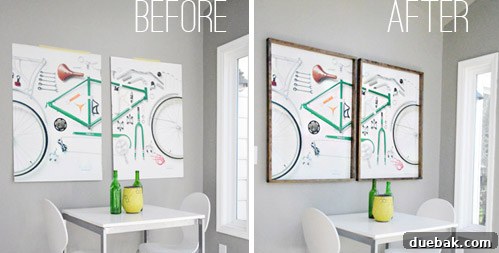
And here they are, finally framed up, commanding attention and transforming the entire ambiance of the room. The contrast is remarkable, proving just how much difference a well-executed framing job can make. What’s even more impressive is that these custom wood frames cost us a mere $14 to make—that’s just $7 per frame! The most challenging part of this entire endeavor wasn’t complex joinery or intricate cuts, but rather finding the patience to let the wood stain dry completely before I could finally hang them. Seriously, if I can do it, anyone can. This project is a testament to the power of simple DIY techniques in creating high-impact home decor.
Budget-Friendly Brilliance: Our DIY Framing Secret Unveiled
The beauty of this project lies not only in its aesthetic outcome but also in its incredible affordability. For just $14, we managed to create two substantial, custom-sized frames that perfectly complement our bike art. This budget-friendly approach makes custom framing accessible to everyone, proving that you don’t need a massive budget to achieve a high-end look in your home. Our secret? Simple, readily available materials and a straightforward construction process.
Unveiling the Materials: Affordable Pine Wood
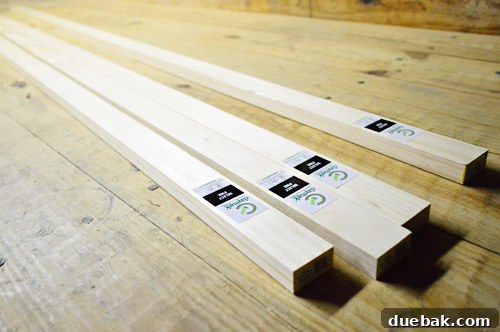
My entire $14 investment went into four boards of 6-foot long 1×2 inch pine wood, sourced directly from Home Depot. Pine is an excellent choice for DIY projects due to its affordability, widespread availability, and ease of working with. Its natural grain adds character, and it takes stain beautifully, allowing for versatile finishing options. This common lumber is the unsung hero of many successful DIY home decor projects, and it proved to be the perfect foundation for our custom bicycle art frames. Choosing standard dimensions like 1×2 inches simplifies the cutting and assembly process, as these boards are straight and consistent.
Crafting Your Custom Frames: A Step-by-Step Guide
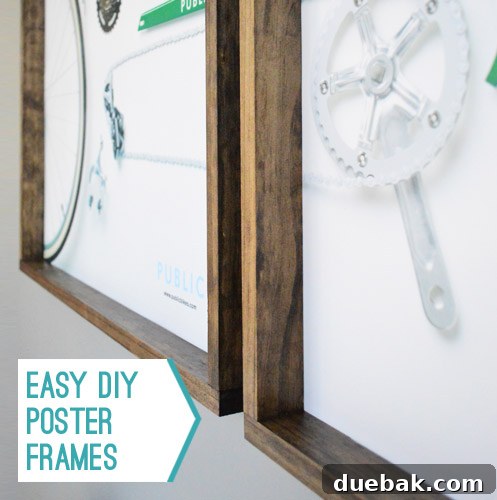
Building these custom wood frames was surprisingly simple, even for someone who prefers rustic charm over complex joinery. The key was a streamlined approach to cutting and assembly, focusing on efficiency and a clean, raw aesthetic. If you’re looking to create your own unique frames for posters, prints, or any large format art, follow these steps to achieve similar results with minimal fuss.
Precise Cuts for a Perfect Fit
Since we were constructing two identical frames for our bike art, we needed four longer boards for the vertical sides of each frame and four shorter boards for the horizontal top and bottom pieces. To ensure all corresponding pieces were cut to the exact same length, I employed a simple yet effective technique: clamping four boards together and cutting them simultaneously. This method guarantees uniformity, which is crucial for a square and sturdy frame. If you don’t have access to a saw, remember that many hardware stores like Home Depot offer cutting services, which can save you time and effort.
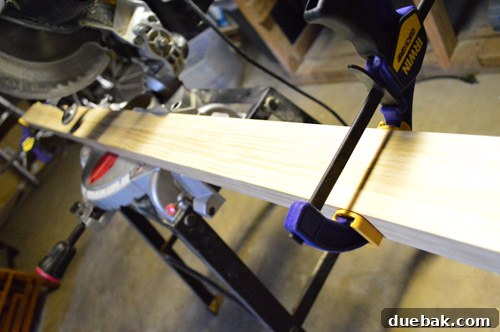
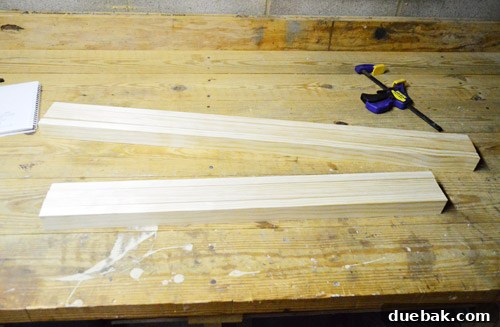
After two careful clamped cuts, I had my four long side pieces and four shorter top/bottom pieces ready for assembly. The measurements are key to achieving the desired floating effect and ensuring the art is properly secured:
- Short Boards (Top & Bottom): These were cut to be 1 inch longer than the width of the poster. For instance, if your poster is 27 inches wide, the short boards should be 28 inches. This extra inch provides a comfortable overlap for the poster to rest on, ensuring it’s not visible along the frame’s edges when viewed from the front.
- Side Boards (Vertical): These required a slightly more nuanced calculation. They were cut to the poster’s height plus 1 inch, *minus* the combined width of the two top/bottom boards. So, if your poster is 39 inches tall and your 1×2 boards are actually 0.75 inches wide (actual dimension of a 1×2), the calculation would be 39″ (poster height) + 1″ (overlap) – 0.75″ (top board width) – 0.75″ (bottom board width) = 38.5″. This ensures that when the top and bottom boards are attached to the side boards, the overall exterior dimensions of your frame are correct and the internal opening perfectly cradles the artwork. This might sound a bit complex now, but it will make perfect sense as we proceed to assembly!
Simple Assembly for a Rustic Charm
To avoid complicating matters, I consciously chose not to attempt mitered corners. Instead, I opted for a more straightforward, rough-and-raw aesthetic that perfectly complements the industrial and deconstructed nature of the bike art. This meant the assembly was incredibly easy and entirely miter-saw free. In fact, if you had your boards cut to the correct sizes at the hardware store, the following steps would be all you’d need to do at home.
I clamped the pieces together tightly to ensure a snug fit and then screwed through the top and bottom boards directly into the side boards. A crucial tip here is to always drill pilot holes first using a small drill bit. This simple step prevents the wood from splitting when the screws are driven in, preserving the integrity of your frame. We used standard wood screws, opting for a length that would securely penetrate both pieces of wood without poking through the other side.
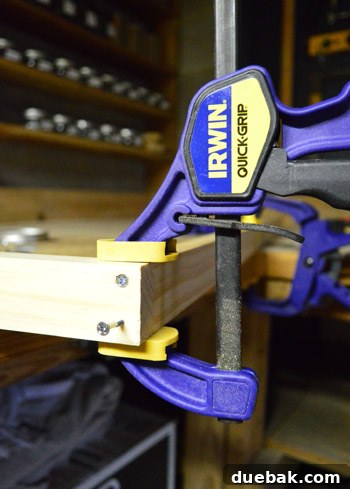
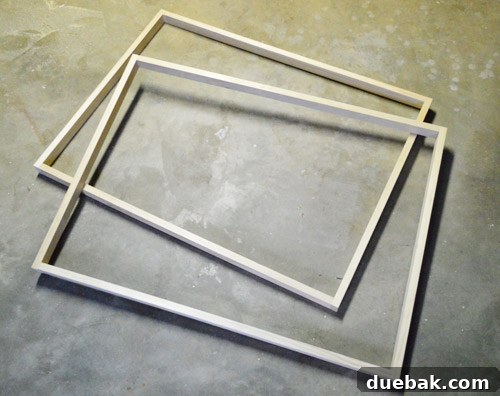
Once all the pieces were securely screwed together, our two frames took shape. I intentionally left the screw heads exposed, embracing the raw and imperfect look we were going for. Since these screws are located on the top and bottom edges of the frame, they are hardly visible once hung – you’d need to be exceptionally tall or lying on the floor to spot them. Besides, the visible mechanics align perfectly with the “deconstructed” theme of the bike art itself; if a bike’s gears show, why not a few well-placed screws in an art frame?
Adding Character: Staining and Sealing
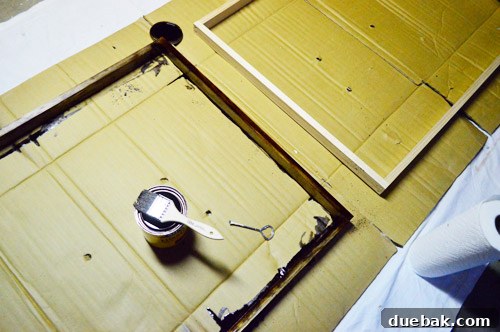
Initially, I considered leaving the wood raw, mimicking some of the rustic displays we’d seen in stores. However, after discussing it with Sherry, we agreed that a dark stain would better integrate the frames with other wooden elements in the room, such as a wood side table and some wooden art pieces over our daybed. We opted for Minwax’s Dark Walnut, a classic choice that we happened to have leftover from a previous project. This decision added a rich, warm tone that truly elevated the frames from simple pine to a more sophisticated finish.
After applying the stain, I patiently waited for it to dry thoroughly. Then, to protect the wood and enhance its durability, I applied a coat of Safecoat polyurethane. This protective layer ensures the frames will stand the test of time and resist minor scuffs and scratches. The waiting game for the polyurethane to cure felt like torture, as my excitement to hang the art was palpable, but patience is indeed a virtue in DIY, ensuring a long-lasting and beautiful result.
Bringing Your Art to Life: Mounting and Hanging
With the frames meticulously crafted and beautifully stained, the final steps involved securely attaching the art and preparing it for display. This process was straightforward, designed to keep the focus on the striking bike illustrations while ensuring they were well-protected and easy to hang.
Securely Attaching Your Artwork
Once the frames were completely dry, I carefully laid my posters face down on the back of each frame. The extra inch I had factored into the board lengths meant the poster sat perfectly on the frame, with no edges visible from the front. Our posters were printed on robust, sturdy paper, akin to thick poster board, which made attachment incredibly simple. I used a staple gun to staple the poster securely around the edges in several spots, effectively attaching the artwork directly to the wood frame. This method is quick, secure, and preserves the integrity of the art.
Pro Tip for Thinner Papers: If you’re working with posters printed on thinner or more delicate paper, directly stapling might not be the best option. In such cases, I highly recommend first gluing your poster to a piece of sturdy foam board or poster board. This will give it the necessary rigidity to prevent sagging or wrinkling within the frame. When choosing an adhesive, opt for something like rubber cement or a spray adhesive that won’t cause the paper to wrinkle or warp as it dries, ensuring a smooth, professional finish for your framed art.
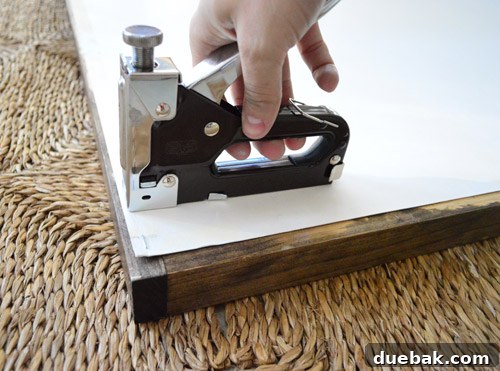
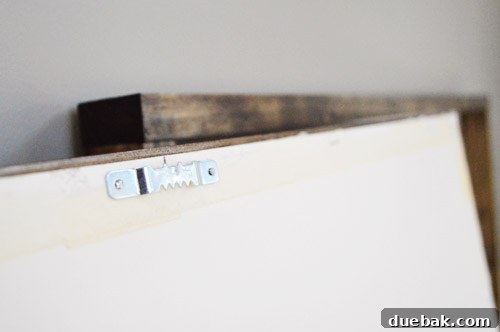
After securing the posters with staples—I used approximately four staples per side, but adjust this number based on the stiffness of your paper—the next step was to attach the hanging hardware. I used simple picture frame hanging hardware, carefully screwing it through the poster’s backing and into the wood of the frame. The placement ensures that the hardware is completely hidden from the front view of the art, maintaining a clean and seamless display.
The Grand Reveal: Bike Art Bliss
And just like that, those beautiful pieces were ready to hang. Cue the angels, part the clouds—I was truly in bike art heaven! The transformation was everything I had envisioned and more. (Side note: please ignore the current, somewhat mismatched table and chairs; we’re eagerly awaiting a chunky storage piece that will perfectly ground this area and provide the proportionate look this bike art deserves. An update on that should be coming soon!)
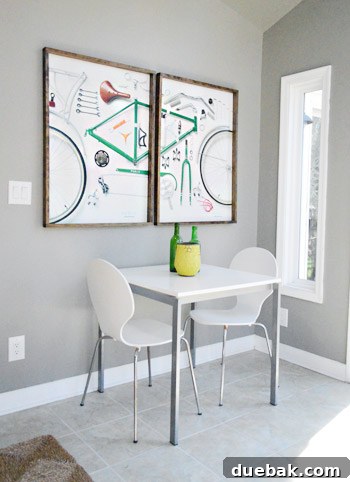
Seriously though, I am incredibly stoked with how these frames turned out. While the art itself, featuring a striking deconstructed bicycle by Public Bikes, is undoubtedly the real star, I like to believe that my handmade frames have earned at least a “best supporting actor” nomination. And honestly, they’re honored just to be nominated for enhancing such captivating artwork!
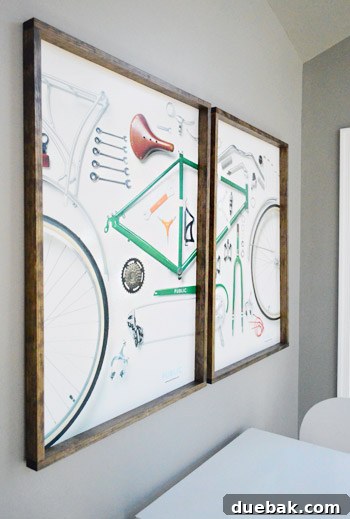
Why This Design Works: Aesthetic Impact and Practicality
Sherry and I are both thrilled with our decision to use the 1×2 boards, which allow the art to subtly raise off the wall. This intentional spacing gives the posters a wonderful sense of dimension and depth, preventing them from looking like flat, ordinary prints simply tacked up. The thick, substantial frame feels uncommon and adds an artful, gallery-like quality to the display. Furthermore, because these specific posters are so firm and sturdy—much like thick poster board—we anticipate no issues with the absence of glass. This design decision keeps the art entirely unobstructed, allowing its intricate details to be fully appreciated. We believe they will hold up beautifully for a long time, but should we ever change our minds, adding glass or plexi would always be an option. For now, we adore them completely as is.
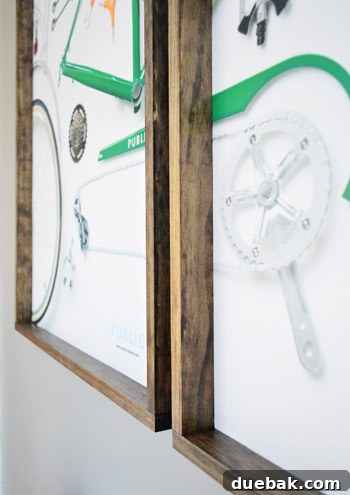
Personal Reflections and Future Plans
My sheer delight in this project was so immense that it might have led to an impromptu make-out session with the artwork. While Sherry probably won’t have to witness that again (no promises, though!), I’m incredibly happy that I can see these beautiful creations from the window over our kitchen sink. So, she might just catch me gazing lovingly at them while doing dishes. And who knows, it might just be a charming love triangle, especially since she occasionally gazes lovingly at me while I tackle the dish duty!
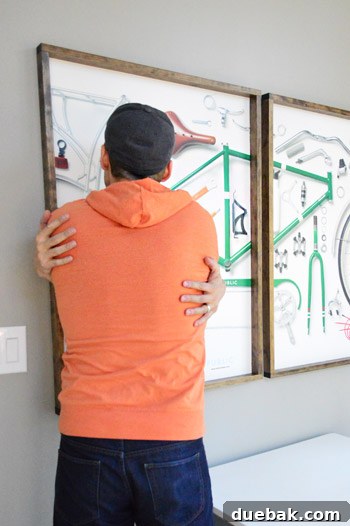
So, that’s the latest exciting update from our sunroom! We’re eagerly anticipating the arrival of the chunky storage furniture piece that will be positioned beneath this stunning bike art. It will undoubtedly complete the look, providing a grounded and balanced aesthetic that this personalized display truly deserves. Stay tuned for that update soon, I hope!
This DIY bike art project exemplifies how simple, affordable materials and a little creative effort can lead to truly impactful and personalized home decor. It’s a testament to crafting unique pieces that not only look fantastic but also tell a story and bring immense joy every single day. We encourage you to embark on your own custom framing adventures and discover the immense satisfaction of bringing your vision to life!
Update: We’ve finally curated a dedicated Shop Our House page! This resource is designed to help you easily track down any furniture or accessories you’ve spotted in our home, along with all our favorite paint colors. Happy hunting for your next home decor inspiration!