

Unlock Your Creativity: Crafting Personalized DIY Trays with Resin and Style
In an age dominated by mass-produced items, the heartfelt charm and unique character of a handmade gift resonate more deeply than ever. There’s an undeniable magic in presenting a loved one with an item thoughtfully crafted just for them, infused with personal effort and creativity. Among the myriad of DIY projects, customizing decorative trays stands out as a particularly rewarding and accessible craft. These versatile pieces perfectly blend practicality with aesthetic appeal, making them ideal for personalized gifts or distinctive additions to any home decor.
This guide celebrates the spirit of DIY, demonstrating how simple materials, combined with a spark of imagination, can transform an ordinary tray into an extraordinary bespoke item. We’ll explore the journey of creation, from selecting your base to applying the perfect finish, all while being inspired by a wonderful example of personalized craftsmanship. Get ready to turn your creative visions into tangible works of art!
A Spark of Inspiration: Melinda’s Custom Tea Tray Masterpiece
The vibrant DIY community thrives on shared ideas and mutual inspiration. Following the excitement generated by various tray customization projects, Melinda and her husband felt a surge of creative energy. With her sister’s deep affection for tea in mind, Melinda envisioned crafting a personalized tea tray as a thoughtful Christmas present. Her goal was to marry functionality with a nostalgic aesthetic, choosing an iconic old British advertising slogan to imbue the tray with unique character and charm.
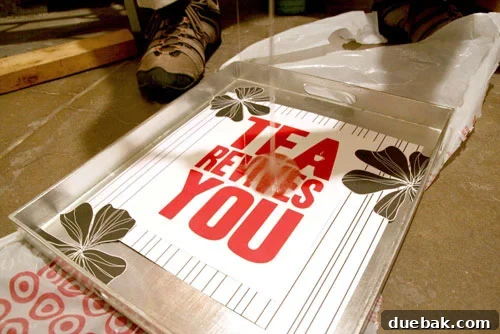
Melinda graciously shared her creative journey, highlighting the joy of the crafting process and the immense satisfaction of producing something truly special. She recounted, “My husband and I were inspired by your DIY tray project from a couple of weeks ago. My sister is a huge tea drinker so I decided to make her a tea tray for Christmas using an old British ad slogan. Here are some photos from the process. Thanks for the daily dose of inspiration! -Melinda.”
Her finished project beautifully exemplifies how personal touches can elevate a simple object into a cherished keepsake. The deliberate choice of “Tea Revives You,” an iconic phrase, not only resonated perfectly with her sister’s passion for tea but also bestowed a captivating vintage appeal upon the entire piece.


The Allure of DIY Trays: Why They Make Perfect Gifts and Home Decor
Customized trays transcend their basic function as serving accessories; they are true canvases for personal expression and thoughtful gift-giving. Their widespread appeal stems from several compelling advantages:
- Unrivaled Personalization: Unlike mass-produced items, a DIY tray can be meticulously tailored to the recipient’s unique tastes, passions, or even inside jokes. This deep level of personalization renders the gift inherently more meaningful, memorable, and cherished.
- Exceptional Versatility: A custom-designed tray can fulfill a multitude of roles. It can serve as a practical serving piece, a captivating centerpiece for a coffee table, an elegant organizer for jewelry or desk essentials, or even a distinctive piece of wall art, adding character to any room.
- Cost-Effective Creativity: Crafting a bespoke tray often proves significantly more economical than purchasing a comparable high-end, custom-designed item. This affordability makes it an accessible and attractive project for crafters of all skill levels, allowing for creative expression without straining the budget.
- Sustainable Crafting: Embracing DIY tray projects often involves repurposing old trays or finding inexpensive, plain ones, aligning beautifully with sustainable practices. This process breathes new life into forgotten items, contributing to waste reduction and promoting eco-conscious living.
- The Pure Joy of Creation: For the crafter, the process itself is a deeply rewarding experience. It offers a wonderful opportunity to unwind, express one’s artistic flair, and ultimately take immense pride in a beautifully finished product that reflects personal effort and care.
Demystifying the Materials: What You’ll Need to Get Started
Melinda’s project, completed for an impressive approximate cost of $25, vividly illustrates that creating a high-impact, personalized item doesn’t necessitate a hefty budget. Here’s a detailed breakdown of the essential materials, encompassing both those Melinda utilized and versatile alternatives for your own custom tray adventure:
1. The Tray Itself: Your Foundation and Canvas
Melinda ingeniously sourced her tray from Pier One, an excellent choice for stylish home accessories. However, your options for acquiring the perfect base are incredibly diverse:
- New Trays: Explore plain wooden, metal, or plastic trays available at leading craft stores (such as Michael’s or Hobby Lobby), various home decor outlets, or numerous online marketplaces. Unfinished wood trays are particularly adaptable, as they readily accept paint, stain, or decorative paper.
- Upcycled Treasures: Thrift stores, bustling garage sales, and vibrant flea markets are veritable goldmines for discovering unique, pre-loved trays yearning for a new lease on life. Even a sturdy old serving platter or a picture frame with a robust, flat backing can be ingeniously repurposed.
- Material Considerations: When selecting your tray, consider its intended use and the aesthetic you desire. Wood imparts a rustic and warm feel, metal can evoke either a modern or vintage vibe, while plastic trays often offer lightweight convenience and ease of cleaning.
2. The Decorative Element: Infusing Personality and Style
Melinda skillfully combined striped and flowered scrapbook paper from a local store with a home-printed “Tea Revives You” image. This approach provides limitless creative flexibility:
- Scrapbook Paper: Available in an astonishing array of patterns, colors, and textures, scrapbook paper allows you to perfectly match your theme or the recipient’s personal style. Opt for paper thin enough to lie flat without excessive creasing.
- Printed Images and Quotes: High-quality printouts of vintage advertisements, cherished personal photographs, inspiring quotes, intricate botanical illustrations, or captivating artistic patterns can create striking designs. Utilize a good printer and quality photo paper for crisp, vibrant results.
- Fabric Swatches: Small pieces of visually appealing fabric, perhaps coordinating with existing room decor, can introduce rich texture and an element of sophistication.
- Maps and Book Pages: Old maps, sheets of vintage music, or pages from classic books can yield wonderfully unique and story-rich surfaces, perfect for a literary or travel-themed tray.
- Natural Elements: Delicately dried and flattened flowers, leaves, or even tiny, flat pebbles can be artfully arranged and permanently encapsulated in resin for a truly organic and captivating appearance.
- Paint and Stencils: For a handcrafted touch, acrylic paints combined with stencils enable the creation of intricate designs, elegant monograms, or simple yet effective geometric patterns.
- Decoupage: This classic technique involves gluing paper cutouts onto a surface and sealing them with a clear coat, offering vast creative potential for collages and layered designs.
3. The Protective Finish: Liquid Resin or Effective Alternatives
The “liquid resin” Melinda utilized is typically a two-part epoxy resin system. This choice provides an exceptionally durable, high-gloss, glass-like finish that perfectly seals and magnifies your intricate design. She conveniently purchased her resin from Michael’s, a widely accessible craft supply retailer.
- Epoxy Resin:
- Key Benefits: Epoxy resin creates a hard, crystal-clear, waterproof, and highly scratch-resistant surface that impeccably seals and protects your chosen design. It imparts a professional, polished, and luxurious aesthetic.
- Safety Precautions: Always ensure you work in a well-ventilated area, wear protective gloves, and shield your workspace with appropriate coverings. Diligently follow the manufacturer’s specific instructions for accurate mixing and safe application.
- Application Process: Involves precise measuring and thorough mixing of two components (resin and hardener), followed by careful pouring evenly over the decorated surface. The resin typically self-levels. Any surface bubbles can often be removed using a heat gun on a low setting or by gently breathing over the surface.
- Alternatives to Resin:
- Mod Podge: A popular, all-in-one glue, sealer, and finish. It creates a durable, though typically non-waterproof, seal (unless using specialized waterproof versions). It’s available in various finishes, including gloss, matte, and satin.
- Clear Sealant Spray: Acrylic or polyurethane clear coats, conveniently available in spray cans, offer a protective layer with varying degrees of sheen. While generally less durable than resin, they are simpler and quicker to apply.
- Glass or Acrylic Sheet: For trays featuring a slight raised lip, a custom-cut piece of glass or acrylic can be precisely placed over your design for physical protection, although this method doesn’t create a hermetic seal.
4. Essential Tools for Your Crafting Arsenal
Beyond the primary materials, you’ll need a few fundamental tools to ensure a smooth and successful crafting experience:
- Scissors or Craft Knife: Indispensable for precise cutting of paper, fabric, or other decorative elements.
- Adhesive: High-quality spray adhesive or decoupage glue is crucial for securely attaching your decorative elements to the tray surface.
- Paintbrushes or Foam Brushes: Useful for applying glue or, for resin application, disposable brushes are highly recommended.
- Measuring Cups and Stirring Sticks: Absolutely vital for accurate resin mixing to ensure proper curing and optimal results.
- Protective Gear: Always use gloves and cover your workspace with old newspapers or a drop cloth to maintain a clean and safe crafting environment.
Crafting Your Custom Tray: A Step-by-Step Guide to Success
Drawing inspiration from Melinda’s impressive accomplishment, here’s a comprehensive, general outline to help you meticulously create your very own personalized tray:
- Source and Prepare Your Tray:
- Begin by thoroughly cleaning your chosen tray. If working with a wooden tray, a light sanding will significantly improve the adhesion of both your decorative elements and the final resin or sealant layer. After sanding, meticulously wipe away any dust. For metal trays, ensure they are completely free of rust and thoroughly degreased.
- Design Your Layout:
- Carefully measure the interior base of your tray. Accurately cut your scrapbook paper, printed images, or fabric to fit these dimensions perfectly.
- Before applying any adhesive, experiment with various arrangements. Lay out your decorative elements to visualize the final design. Taking photos of different layouts can be incredibly helpful in making your final decision.
- If your design incorporates multiple pieces, carefully consider how they will overlap, abut, or interact with each other for a cohesive look.
- Adhere Your Decorative Elements:
- Using either a high-quality spray adhesive or decoupage glue, carefully attach your chosen paper, fabric, or images to the bottom surface of the tray.
- Work slowly and methodically, smoothing out any air bubbles or wrinkles as you go. A brayer or a flat-edged tool can be very effective for achieving a perfectly flat, seamless surface.
- Allow the adhesive to dry completely, strictly following the manufacturer’s recommended drying times.
- Prepare for Resin Application (if utilizing resin):
- Ensure your workspace is absolutely level, spotlessly clean, and adequately ventilated. Lay down plastic sheeting or newspaper to meticulously protect all surrounding surfaces from potential spills.
- If your tray lacks a natural lip, you might need to create a temporary dam using painter’s tape around the perimeter to prevent the resin from flowing over the edges.
- Slightly elevate your tray on small blocks or disposable cups. This allows any accidental resin drips to fall freely without adhering the tray to your work surface.
- Mix and Apply the Resin:
- Adhere strictly to the resin kit’s instructions for measuring and mixing the two components (resin and hardener). Precise measurement is paramount for proper curing and a flawless finish.
- Stir the mixture slowly and thoroughly for the specified duration to avoid incorporating excessive air bubbles.
- Carefully pour the accurately mixed resin evenly over your decorated tray surface. The resin should begin to self-level naturally.
- Use a disposable brush or a specialized spreading tool to gently guide the resin to all edges and ensure complete, uniform coverage.
- Immediately after pouring, use a heat gun (on a low setting, quickly sweeping it over the surface) or a gentle breath (using a straw for precision, if preferred) to effectively pop any surface bubbles that may have formed.
- Cure and Finish:
- Carefully cover your tray with a large box or plastic cover to protect it from dust, pet hair, and other airborne debris while it cures.
- Allow the resin to cure fully for the time specified by the manufacturer, which typically ranges from 24 to 72 hours, depending on the specific product and ambient temperature.
- Once the resin is completely cured and hard to the touch, your stunning custom tray is ready to be proudly admired and enjoyed!
Endless Design Possibilities and Personalization Ideas
The true brilliance of DIY trays lies in their boundless adaptability and infinite potential for personalization. Beyond Melinda’s charming tea-themed design, consider these inspiring ideas to ignite your next creative project:
- For the Coffee Connoisseur: Adorn a tray with vintage coffee bean sack patterns, eloquent quotes about coffee culture, or even meticulously arranged roasted coffee beans beautifully encapsulated under resin.
- For the Avid Reader: Utilize pages from cherished old books, compelling literary quotes, or striking images of classic book covers to create a literary haven.
- For the World Traveler: Decoupage maps of beloved cities, authentic postcards from exotic destinations, or memorable ticket stubs from past adventures, transforming the tray into a journey in itself.
- For Family and Milestones: Construct a heartfelt collage of cherished family photographs, adorable children’s artwork, or significant mementos from weddings, anniversaries, or birthdays, preserving precious memories.
- Seasonal and Holiday Themes: Design trays specifically for various holidays—think festive Christmas patterns, delightfully spooky Halloween motifs, or vibrant, refreshing spring florals to match the season.
- Abstract and Modern Art: Experiment with bold geometric patterns, captivating abstract paint pours, or colorful mosaic designs using small tiles or even artfully broken china for a contemporary flair.
- Botanical Beauty: Press exquisite flowers and delicate leaves to create intricate botanical arrangements, gracefully sealed and preserved under a clear resin layer.
The essential key is to consider the recipient’s unique passions, your own prevailing home decor style, or a specific theme you wish to artfully evoke. With just a dash of imagination and a sprinkle of creative effort, any ordinary tray can be transformed into an extraordinary piece that tells a captivating story and reflects genuine sentiment.
Tips for Success and Troubleshooting Common Issues
To ensure your DIY tray project is a resounding success and to navigate potential challenges, keep these valuable tips in mind:
- Always Read Instructions Thoroughly: This is especially critical for resin products. Adhering to manufacturer instructions is paramount for proper curing, optimal results, and safety.
- Work in Careful Layers: If your design is intricate or involves multiple overlapping papers or elements, adhere them in distinct layers, allowing each layer to dry completely before proceeding to the next.
- Prevent and Eliminate Bubbles: When working with resin, stir the mixture slowly to minimize air incorporation. Slightly warming the resin bottles before mixing can also help reduce bubbles. After pouring, use a heat gun (on a low setting, moving quickly across the surface) to effectively pop any surface bubbles.
- Ensure a Perfectly Level Surface: During the resin curing process, it is absolutely crucial that your tray remains perfectly level. This prevents uneven pooling of the resin and ensures a uniformly smooth finish.
- Patience is Your Greatest Virtue: Rushing any step in the crafting process, particularly the drying of adhesives or the curing of resin, can significantly compromise the final quality and durability of your project. Allow ample time for each stage.