

Embarking on the journey of garden maintenance, one quickly realizes the profound impact of seemingly simple tasks. Among these, mulching stands out as an exceptionally beneficial practice, transforming mundane chores into strategic acts of nurturing. It’s not merely about aesthetics; it’s a cornerstone of sustainable gardening, designed to foster robust plant health and significantly reduce the burden of upkeep. As we recently prepared our flourishing landscape for the changing seasons, the task of applying mulch to our beloved bushes, a veritable sea of green, became a joyful endeavor. The goal was clear: to empower them with enhanced water retention and a protective blanket against winter’s chill, even as our current climate still basks in temperate warmth.
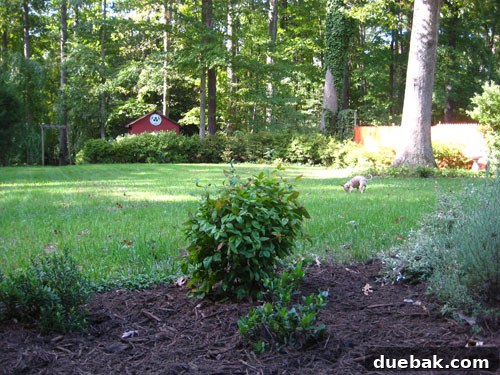
Mulching is more than just a favor to your plants; it’s a strategic investment in your well-being and a substantial time-saver. Consider the countless hours typically spent on the arduous task of weeding. With a well-applied layer of mulch, those hours diminish dramatically. Mulch acts as a natural, pesticide-free barrier, stifling weed growth and preventing new seeds from germinating. This remarkable weed-fighting ability liberates gardeners from endless bending and pulling, allowing more time to simply enjoy the beauty and tranquility of their outdoor spaces. It’s a gift that keeps on giving, year after year, transforming your garden into a more resilient and less demanding oasis.
The Unrivaled Benefits of Mulching for a Thriving Garden
Mulch, in its essence, is a protective layer applied to the soil surface. This can range from organic materials like wood chips, bark, and compost to inorganic options such as gravel or stones. Regardless of the type, the advantages it confers upon a garden are multifaceted and profound, making it an indispensable practice for both novice and experienced gardeners aiming for a healthy, low-maintenance landscape.
1. Exceptional Water Conservation
One of the primary benefits of mulching, especially in warmer climates or during dry spells, is its incredible ability to conserve soil moisture. A layer of mulch acts as a natural insulator, significantly reducing the rate at which water evaporates from the soil surface. This means your plants have access to moisture for longer periods, reducing the frequency of irrigation and ultimately saving water and money. For our happy bushes, this translates into sustained hydration, ensuring they remain vibrant and resilient even when rainfall is scarce or temperatures rise unexpectedly. It’s a sustainable approach that benefits both your garden and the environment.
2. Superior Weed Suppression
As touched upon, mulch is a gardener’s best friend when it comes to combating weeds. By blocking sunlight from reaching weed seeds, mulch prevents them from germinating and establishing themselves. Even the most persistent weeds find it challenging to push through a dense layer of mulch. This natural barrier dramatically cuts down on the need for manual weeding, saving you a considerable amount of back-breaking labor. Imagine reclaiming those countless hours from tedious weeding, freeing you to focus on other aspects of garden enjoyment or simply relaxing in your beautiful outdoor sanctuary. This weed-fighting prowess is truly one of mulch’s most magical attributes.
3. Soil Health and Enrichment
Organic mulches, such as shredded bark, leaves, or compost, offer an added layer of benefit by gradually breaking down and enriching the soil over time. As they decompose, these materials release valuable nutrients into the soil, improving its structure and fertility. This process fosters a healthier environment for beneficial soil microorganisms and earthworms, which further enhance soil aeration and nutrient cycling. Improved soil structure also means better drainage in heavy clay soils and increased water retention in sandy soils, creating an optimal foundation for root development and overall plant vitality.
4. Temperature Regulation for Roots
Mulch acts as a thermal blanket for your garden soil, protecting plant roots from extreme temperature fluctuations. In the scorching heat of summer, it keeps the soil cooler, preventing roots from overheating and reducing plant stress. Conversely, during colder months, it insulates the soil, helping to maintain a more consistent temperature and protecting delicate root systems from freezing. This temperature-regulating effect is crucial for perennial plants and shrubs, ensuring they can better withstand the rigors of both intense summer sun and the chill of winter, contributing to their long-term health and survival.
5. Erosion Control and Soil Compaction Prevention
On sloped terrain, mulch plays a vital role in preventing soil erosion caused by rain or wind. It helps to hold the soil in place, preventing valuable topsoil from washing away. Additionally, mulch acts as a cushion, protecting the soil from compaction caused by heavy rain, foot traffic, or garden equipment. Compacted soil can restrict root growth and reduce water penetration, so maintaining a loose, aerated soil structure through mulching is essential for healthy plant development.
6. Enhanced Aesthetic Appeal
Beyond its practical benefits, mulch also significantly enhances the visual appeal of your garden beds. A uniform layer of mulch provides a neat, finished look, creating a clean backdrop that makes your plants and flowers stand out. It can unify different planting areas, adding a cohesive and polished touch to your entire landscape design. The rich texture and color of mulch can transform a dull garden bed into an attractive feature, elevating the overall beauty and curb appeal of your property.
Choosing and Applying the Right Mulch
Selecting the appropriate type of mulch depends on your specific garden needs, plant types, and aesthetic preferences. Organic mulches like wood chips, shredded bark, pine needles, or compost are excellent for perennial beds and shrubs as they decompose and enrich the soil. Inorganic mulches such as gravel or crushed stone are ideal for pathways, succulent gardens, or areas where decomposition is not desired, and a more permanent solution is preferred.
When applying mulch, preparation is key. First, ensure the area is free of weeds and adequately watered. Then, apply a layer of mulch typically 2-4 inches deep, being careful to keep it a few inches away from the base of plant stems and tree trunks. This prevents moisture buildup against the plant, which can lead to rot and pest issues—avoid creating “mulch volcanoes.” The best times to apply mulch are usually in spring to suppress weeds and conserve moisture, and in fall to insulate roots for winter. Regularly checking the depth and replenishing as needed will ensure continuous benefits.
The Unexpected Charms of a Mulched Garden
While the practical advantages of mulching are undeniably compelling, there’s an unexpected joy that often accompanies a well-tended garden. Mulch doesn’t just repel weeds; it seems to attract a certain kind of adorable visitor. Our freshly mulched garden beds, with their soft, earthy texture and perhaps a subtle warmth, often become irresistible nap spots for our beloved pets. The comfort and quiet offered by the garden’s new soft carpet are simply too inviting to resist, proving that the benefits of a mulched space extend beyond the botanical realm.

So, it comes as no real surprise to us when we discover a contented chihuahua curled up, enjoying a peaceful slumber amidst the fresh, earthy scent of our garden. It’s a sweet testament to the inviting atmosphere that a thoughtfully maintained garden can create—a place of comfort not just for plants, but for all who wander into its embrace.

After all, a good day spent tending to the yard can be quite exhausting, and clearly, our little canine companion agrees. The soft bed of mulch provides the perfect spot for a rejuvenating nap after the ‘hard work’ of supervising the gardening efforts.
Conclusion: Embrace the Power of Mulch
From conserving precious water and effectively suppressing weeds to enriching soil health, regulating temperature, and enhancing the aesthetic appeal of your landscape, the benefits of mulching are undeniably vast and transformative. It simplifies garden maintenance, allowing you to spend less time on strenuous chores and more time enjoying the serene beauty of your outdoor sanctuary. Mulching is more than just a gardening task; it’s a strategic investment in the long-term health and vitality of your plants, a commitment to sustainable practices, and a pathway to a more relaxing and beautiful garden experience. Whether you’re protecting your bushes through winter or nurturing new plantings, embracing the power of mulch will undoubtedly lead to a healthier, happier, and less demanding garden for years to come.