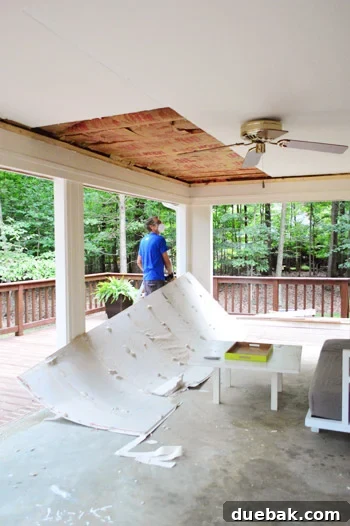
Oh, what a feeling it is to embark on a transformative home renovation! The dream of having a truly open and airy space in our sunroom has been a guiding light for this ambitious project. We’ve long envisioned a grander, more expansive feel, and the perfect solution to achieve this was to introduce a vaulted ceiling. Imagine “dancing on the ceiling” – a whimsical thought, certainly, but one that perfectly captures the elevated spirit we aim to bring to this room, especially when that ceiling is dramatically lifted from its traditional confines.
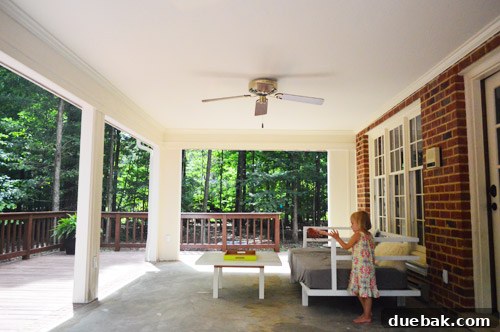
Let’s rewind a bit to the “before” – a time when our sunroom ceiling was, well, just a ceiling. While perfectly functional, it lacked the architectural drama and sense of spaciousness we craved for this sun-drenched sanctuary. We’d often discussed the idea of vaulting the ceiling here to maximize the feeling of openness and flood the room with even more natural light. It was a bold idea, something we hadn’t tackled before, but with a trove of inspiration fueling our vision, we felt this sunroom offered a relatively low-risk environment to finally give it a go. A vaulted ceiling in a sunroom promises to transform the space into an even more inviting and uplifting area, making it feel less like an addition and more like an integrated, spectacular part of our home.
From the outset, we understood the scale of this home improvement project. Any structural modifications, especially to a roof system, carry inherent risks. The thought of “the roof could cave in” was a powerful deterrent, one of those worst-case scenarios that immediately signals the need for professional expertise. While we love a good DIY challenge, we recognized that altering load-bearing structures isn’t something to take lightly. This realization led us to conclude that while we could certainly handle the demolition phase, consulting with a structural engineer or a seasoned contractor would be crucial for the actual vaulting and reinforcement. Why pay someone else to tear stuff up when the thrill of demolition is half the fun? So, with safety as our top priority, my first step was to turn off the power to the entire house – a critical precaution before disconnecting any fixtures or exposing electrical wiring. Then, armed with a pry bar, I eagerly began the satisfying task of removing the existing crown molding, signaling the true start of our sunroom’s transformation.
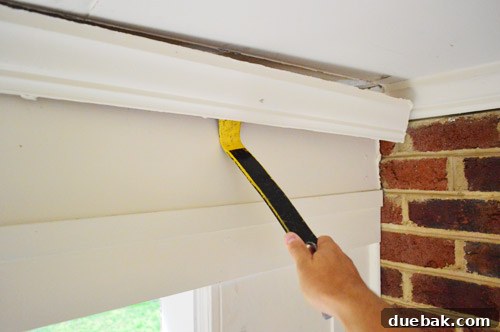
The removal of the crown molding quickly revealed what we had anticipated: a layer of insulation nestled between some basic wood framing. This initial peek behind the curtain offered a glimpse into the existing ceiling structure, confirming our suspicions about its conventional design. It also set the stage for the deeper dive into the demolition process.
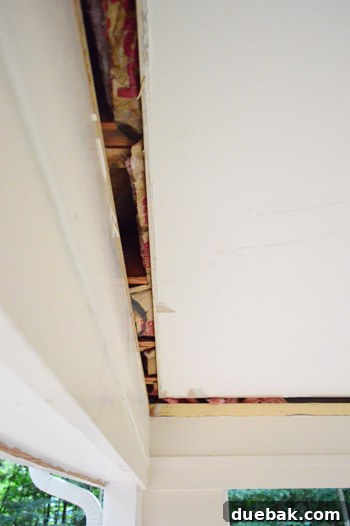
What truly surprised us was the composition of the ceiling itself. For some reason, I had assumed it was constructed from plywood, similar to the walls. However, it turned out to be a type of moisture-resistant drywall. This unexpected discovery immediately altered my meticulously planned approach of precise cuts and careful prying. Instead, my strategy evolved into a more intuitive, “let me just pull on this a little bit to see what happens…” method. The drywall’s surprising pliability and light weight made the initial stages of demolition remarkably straightforward and enjoyable. It’s these small, unexpected twists that often define a DIY home renovation project, and in this case, it was a pleasant surprise, making the work feel less daunting.
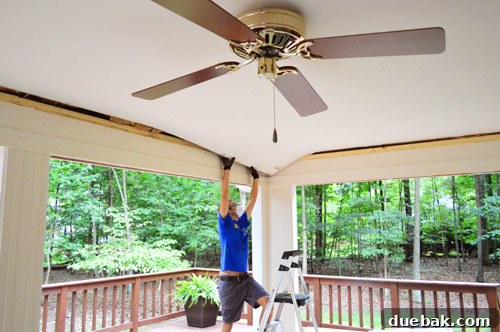
With the first section of drywall triumphantly down, the excitement mounted. Only about five more to go! Each piece removed brought us closer to our goal of a completely open ceiling, ready for its vaulted transformation. The process was both physically engaging and incredibly satisfying, a perfect blend of effort and immediate gratification that makes DIY projects so rewarding.
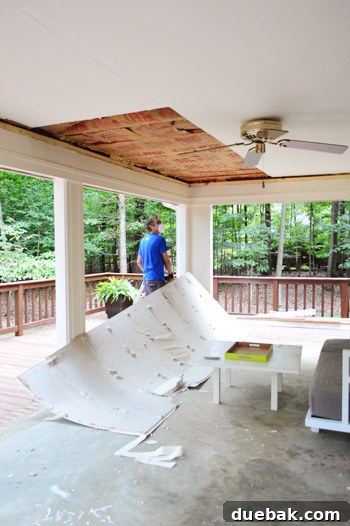
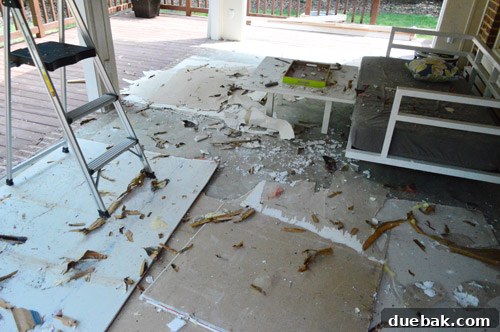
Looking back, that was probably the opportune moment to have moved the daybed and the side table out of the sunroom. However, the sheer excitement of tearing things apart and the unexpected ease with which the drywall came down (especially compared to the heavy plywood I’d mentally prepared for) meant we just kept going. Both the daybed and the table are, coincidentally, on our “needs a new paint job” list, which I believe made us less protective of them during the demolition frenzy. Thankfully, no furniture was harmed in the making of this blog post – you’ll see them all perfectly intact in the final shots! The entire process of taking down the drywall was surprisingly easy, immensely satisfying, and apparently, highly entertaining for our furry supervisor. Get this girl some popcorn; it was quite the show!
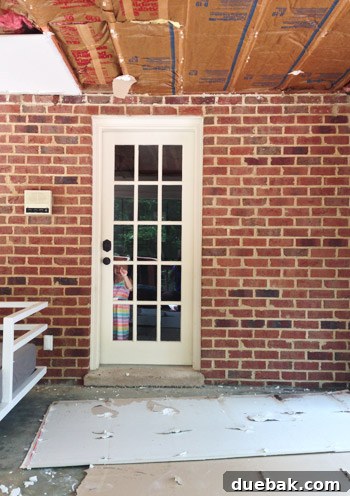
Incredibly, it only took me about 15 minutes to clear the entire ceiling of its drywall. This initial phase of our sunroom ceiling renovation proved to be the easiest part, a whirlwind of productive demolition. I even managed to work around the existing ceiling fan, a fixture I probably should have removed beforehand. But the drywall was so pliable that I could easily maneuver and pull it down without causing any damage to the blades or the fan itself. Ultimately, leaving the fan in place turned out to be a smart decision. This structural phase of ceiling reconstruction might span several weeks, and having the fan still operational means we can remain cool and comfortable while working in the sunroom, a thoughtful consideration for any DIY enthusiast tackling projects during warmer months.
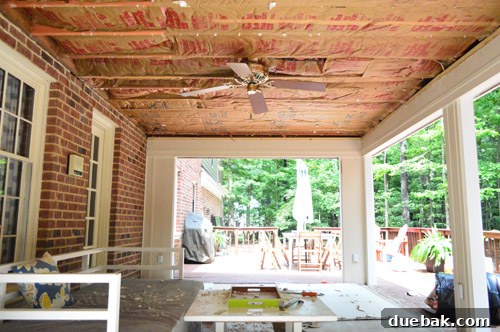
With the drywall successfully removed, my attention, and my newfound “pulling-things-down” skills, shifted to the next layer: the insulation. This fluffy, dusty barrier was the next obstacle in our quest to reveal the true structure above. Removing it was essential to fully expose the framework and prepare the space for its dramatic transformation. It’s during these stages that the vision for the vaulted ceiling truly begins to take shape, moving from a conceptual dream to a tangible reality.
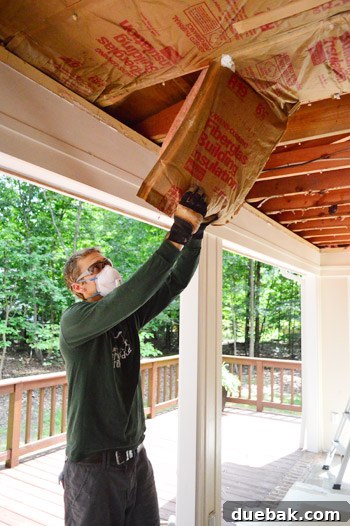
The insulation, while voluminous, also came down pretty easily, though it required a bit more time and effort than the drywall. The process took a few hours, spread across a couple of days, and resulted in about eight large garbage bags filled with the dusty material. Managing the debris is an often-underestimated aspect of demolition, and ensuring proper disposal is key. Despite the mess, each bag filled brought us closer to a clean slate, ready for the next, more complex stages of our vaulted ceiling project.
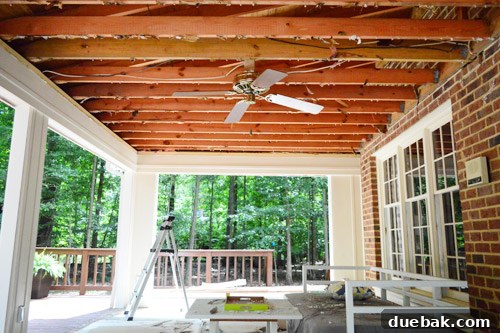
Here’s a clearer shot that really highlights the exposed structure of the sunroom ceiling. What we absolutely love are all the rafters extending way up there, offering the perfect framework for eventually nailing beautiful beadboard to create that classic, airy vaulted look. However, the challenge lies with all those lower joists that are currently in the way. These horizontal beams are what supported the original flat ceiling, and removing or reconfiguring them without compromising the roof’s structural integrity is where the real complexity, and the need for professional expertise, comes into play. Understanding the difference between these structural elements – the rafters forming the roof slope and the joists supporting the flat ceiling – is crucial for any aspiring vaulted ceiling renovation.
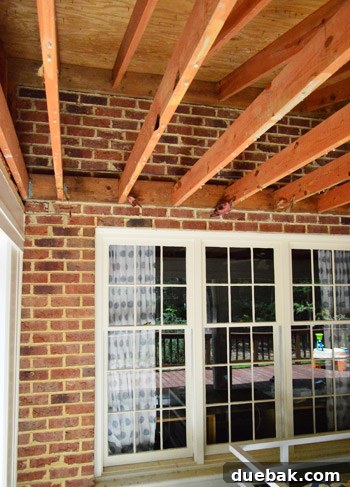
As much as I enjoy a good DIY challenge, I’m certainly no engineer. It took me approximately 0.0002 seconds to admit that I had absolutely no idea how to safely proceed with removing or modifying those crucial lower joists. While a helpful reader named Kate shared how they tackled a similar situation in their own home, I wasn’t feeling quite gutsy enough to assume the exact same method would be appropriate or safe for our particular structural setup. Every home is unique, and structural decisions demand a cautious, informed approach. So, my immediate next step involved tidying up the still-messy-looking joists and rafters by meticulously prying off all the leftover drywall nails and lingering bits of insulation. This preparatory work, while seemingly minor, was important for both safety and aesthetics.
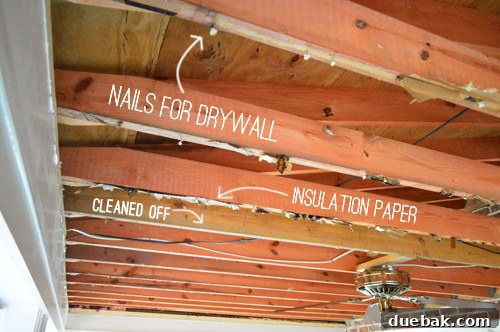
If we were going to have to pause and wait for a professional to lend us their expertise and guidance, at the very least, the exposed wood structure could look a bit less scraggly, right? This interim cleanup wasn’t just about appearances, though. By carefully prying out all those half-sunk nails, we also eliminated potential hazards. When the time finally comes to safely remove or modify these joists (fingers crossed!), we won’t have to worry about sharp nails piercing us or our contractors on the way down. It’s all part of preparing the space for the next, more complex phase of our sunroom’s vaulted ceiling transformation, ensuring both a cleaner workspace and a safer environment.
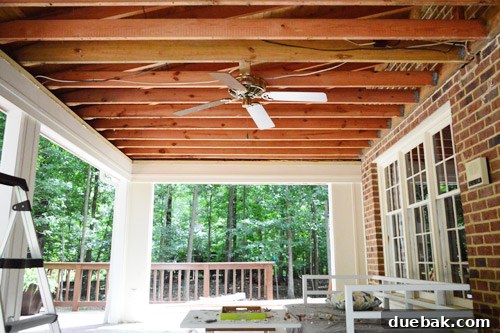
So, this is where we find ourselves at the moment: poised and waiting for a professional assessment. We’re eagerly anticipating more information about how to safely proceed with elevating our sunroom ceiling. In fact, a pro is scheduled to visit this very morning! I often feel like if this were an HGTV show, this would be the segment where the homeowner “happens to stop by” mid-renovation, freaks out about the chaotic state of their house, and confesses to the camera their doubts about the designer’s ability to pull it all together, while simultaneously asserting they simply “have to trust the process.” That homeowner in us is indeed a bit uneasy about not having a precise, step-by-step plan yet, so we’re waiting with bated breath for that doorbell to ring, hoping for clarity and a solid path forward for our dream vaulted ceiling.
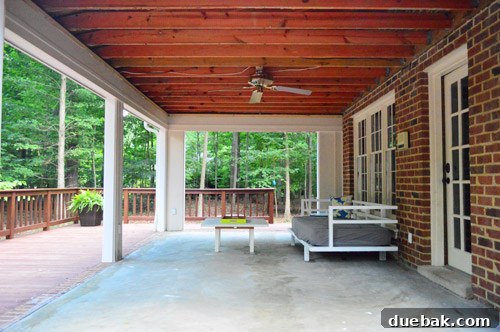
While we await professional guidance on the structural elements, we’ve taken the opportunity to cross a few more things off our extensive sunroom to-do list. Every completed task, no matter how small, brings us closer to the final vision. Does this mean we’re halfway there? Perhaps, especially once we tackle the intricate work of vaulting the ceiling itself, which is arguably the most complex part of this ambitious sunroom renovation. The progress we’ve made so far, from initial demolition to crucial structural considerations, has been a journey of discovery and dedication, setting the stage for the beautiful transformation ahead. We’re excited to see this space evolve into the bright, open, and inviting sunroom we’ve always dreamed of, a perfect blend of functionality and aesthetic appeal.
Rip up the old carpeting(check that messy but satisfying step out here – it made a huge difference in clearing the way for new flooring)Remove the sliding doors and tracks to open things up(we celebrated creating an expansive entryway here, significantly enhancing the flow)Convert outlets to outdoor-safe rain-proof ones with covers(this essential safety upgrade was also completed as part of the initial “open-up” phase here, crucial for a sunroom environment)Add fresh casing to the openings and caulk like crazy to waterproof everything(you can read all about the painstaking but vital waterproofing process and aesthetic trim in this post, ensuring durability against the elements)Demo the old ceiling in hopes of possibly lofting the ceiling (get a pro in here for advice)(This is what you’ve just read about – the thrilling start to our vaulted ceiling journey!)- Remove old beams, reinforce ceiling stability, and install painted beadboard (This upcoming phase involves critical structural work, where the professional advice will guide us in safely removing the obstructive joists and reinforcing the roof. Then comes the beautiful finish of crisp, painted beadboard, creating the airy aesthetic we desire for our vaulted ceiling.)
- Add a hanging ceiling fan (or two?) and possibly recessed lighting or hanging lanterns from posts (Designing the lighting for a vaulted ceiling requires careful consideration. We’re thinking about a stylish central fan for comfort, complemented by recessed lighting for ambient glow, or perhaps elegant hanging lanterns to highlight the new height and architectural features.)
- Repaint the columns and interior of the sunroom with exterior paint (Given the sunroom’s exposure to sunlight and temperature fluctuations, choosing high-quality exterior paint for the interior columns and walls is paramount. This will ensure longevity, UV resistance, and a fresh, durable finish that can withstand the unique conditions of this space.)
- Tile the floors with something outdoor-safe that’s less slick than the glue-stained concrete (The existing glue-stained concrete needs a major upgrade. We’re exploring various outdoor-safe tile options – something durable, visually appealing, and with sufficient traction to prevent slips. We’ve already been poking around a few tile places, envisioning a cohesive and functional flooring solution for our transformed sunroom.)
- Get a rug, furniture, and maybe even add some outdoor curtains? (Once the structural and finishing work is complete, the exciting interior design phase begins. We’ll select a comfortable, weather-resistant rug, carefully chosen furniture pieces to define seating areas, and possibly introduce outdoor curtains for added privacy, shade, and a touch of soft texture to enhance the overall ambiance.)
- Build an outdoor fireplace like this down the line (This is a longer-term dream, but one that would significantly enhance the functionality and appeal of our sunroom, extending its use into cooler evenings. An outdoor fireplace would create a cozy focal point and provide warmth, truly making this space an all-season retreat.)
Until we have some concrete “this is happening next” information regarding the vaulted ceiling, we’re wisely turning our attention back to some indoor projects within the main house. Thankfully, I don’t anticipate any of those will involve ripping down any more ceilings, as much fun as this initial demolition phase was! Our sunroom renovation is a journey, and each step, whether a grand structural change or a meticulous finishing touch, brings us closer to creating the ultimate bright, open, and inviting sanctuary we envision.